
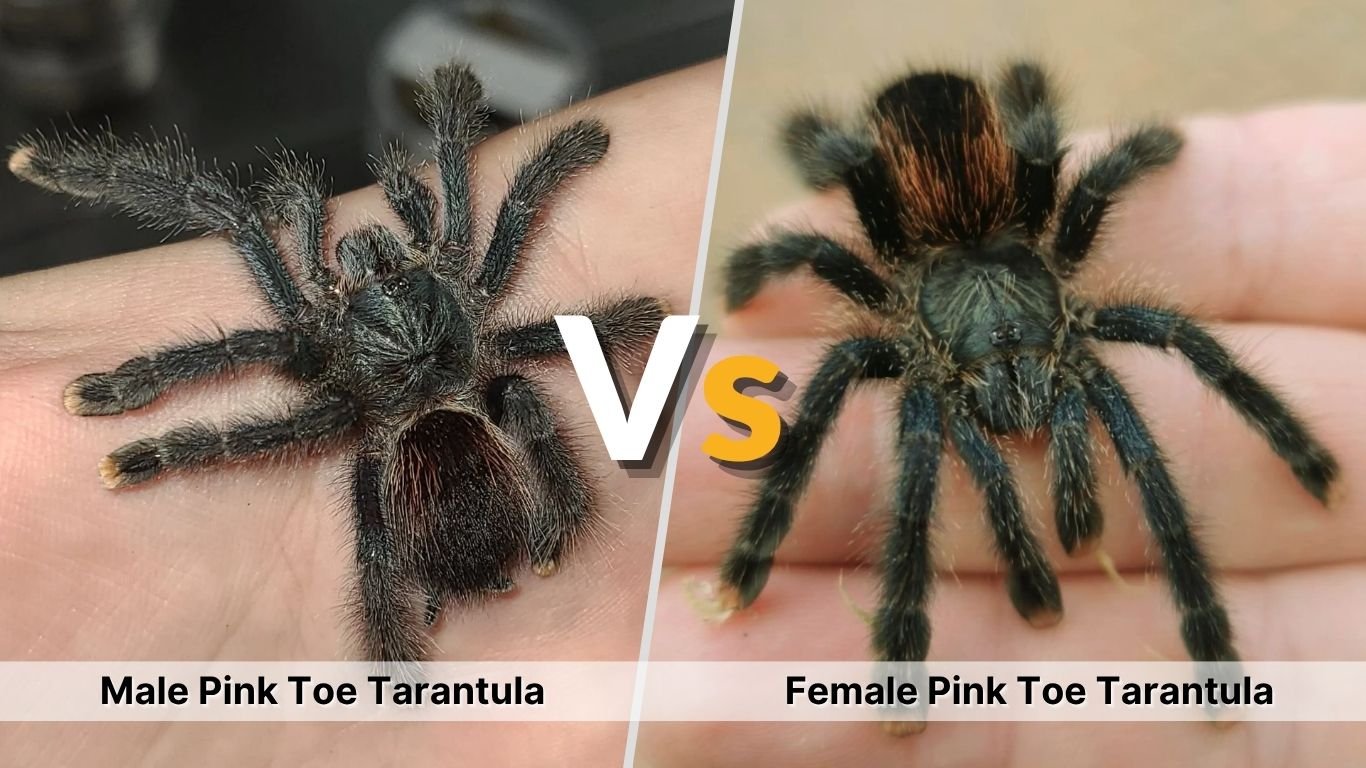
Male vs Female Pink Toe Tarantula: Key Differences
Male and female pink toe tarantulas can look almost identical while young. Once they mature, however, differences appear in their body proportions, pedipalps, front legs, … Read More
Male and female pink toe tarantulas can look almost identical while young. Once they mature, however, differences appear in their body proportions, pedipalps, front legs, … Read More
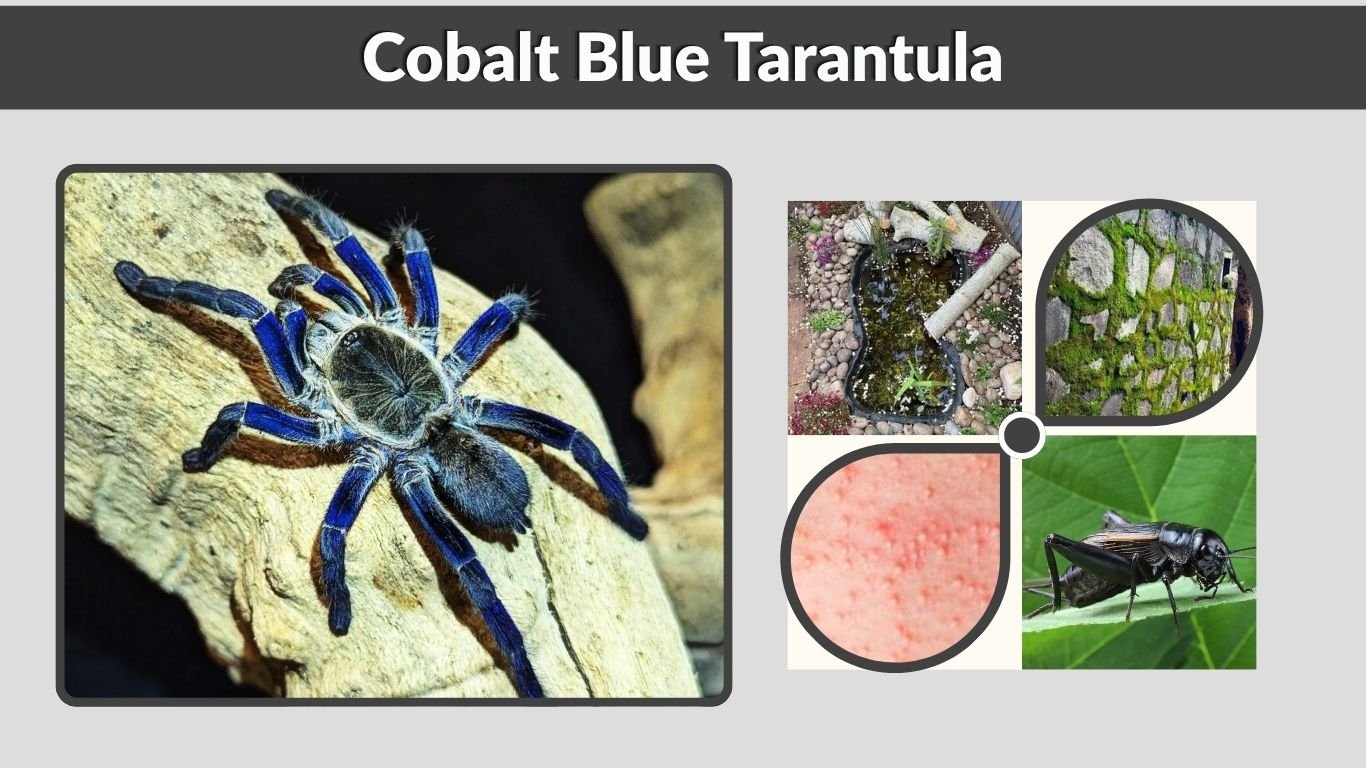
The Cobalt Blue Tarantula is a striking Asian burrowing spider known for its metallic blue legs, secretive lifestyle, speed, and defensive temperament. Although it is … Read More
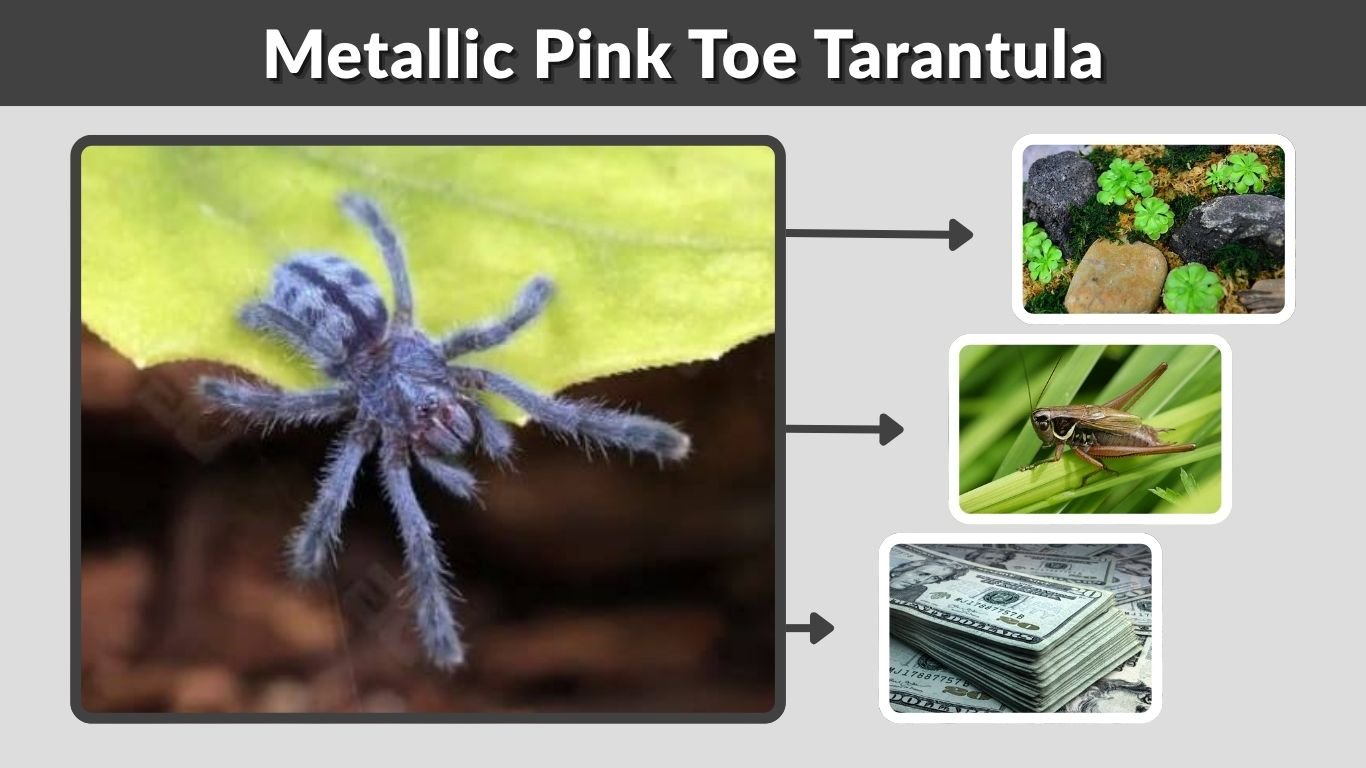
The metallic pink toe tarantula is a striking arboreal spider with a dark, iridescent body and contrasting pink or peach-colored toe tips. It is commonly … Read More
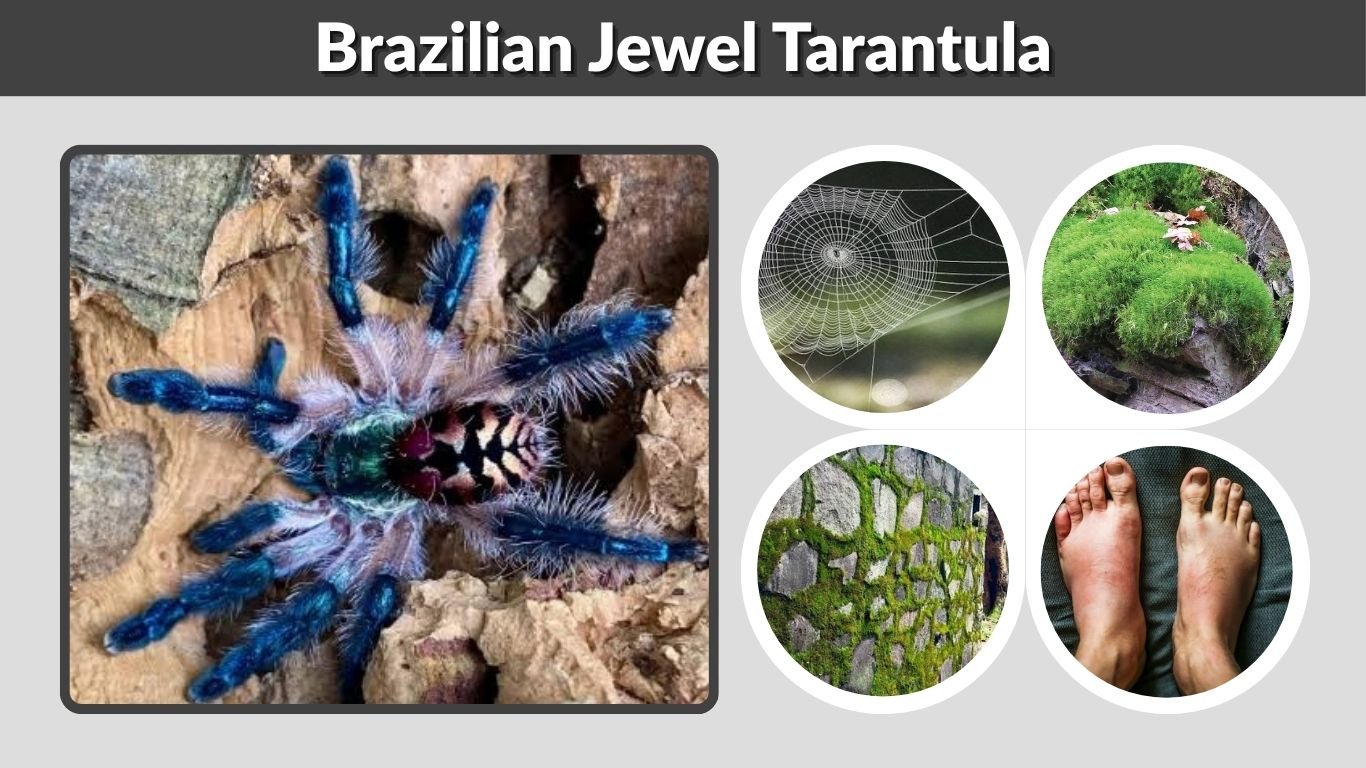
The Brazilian Jewel Tarantula (Typhochlaena seladonia) is a tiny, brilliantly colored arboreal tarantula native to Brazil. Its metallic blue-green legs, patterned abdomen, secretive behavior, and … Read More
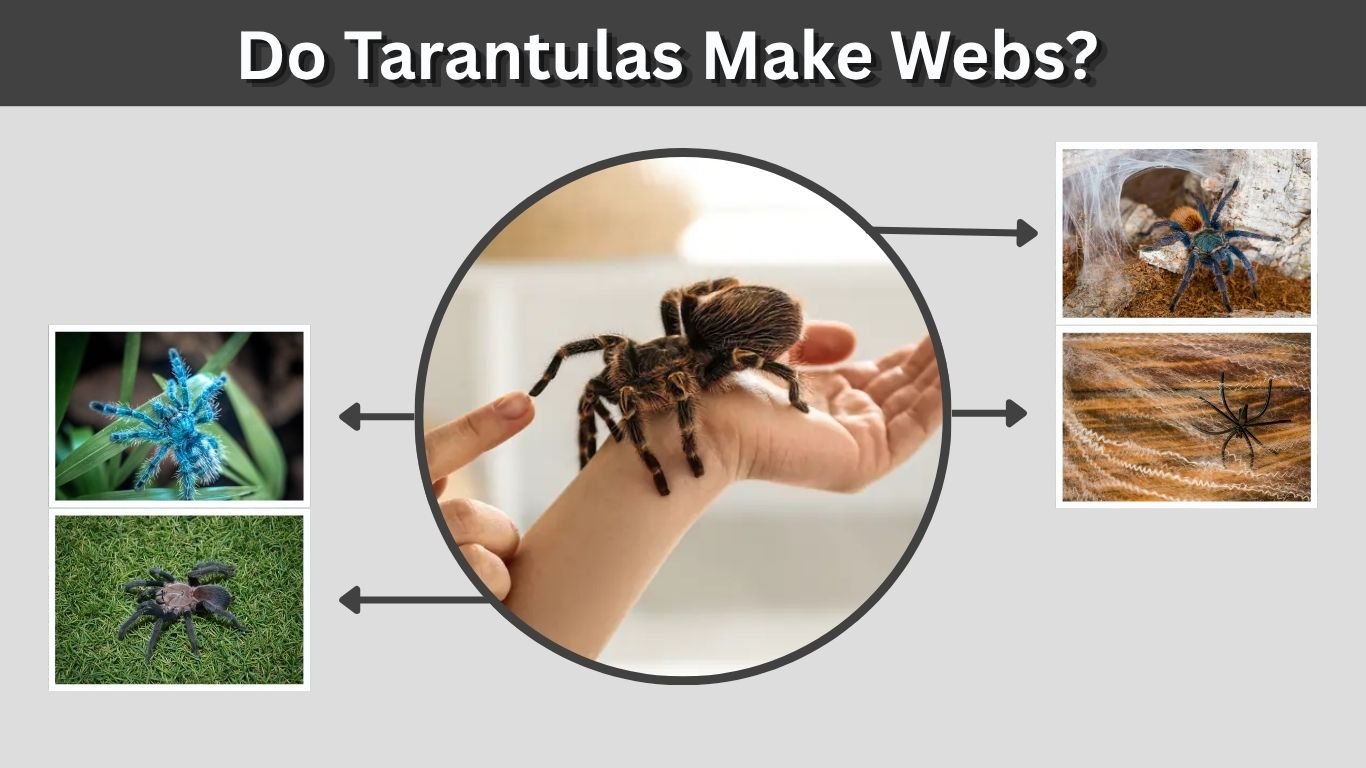
Yes, tarantulas make webs, but their webs are different from the large, sticky structures created by orb-weaver and house spiders. Tarantulas rarely depend on webs … Read More
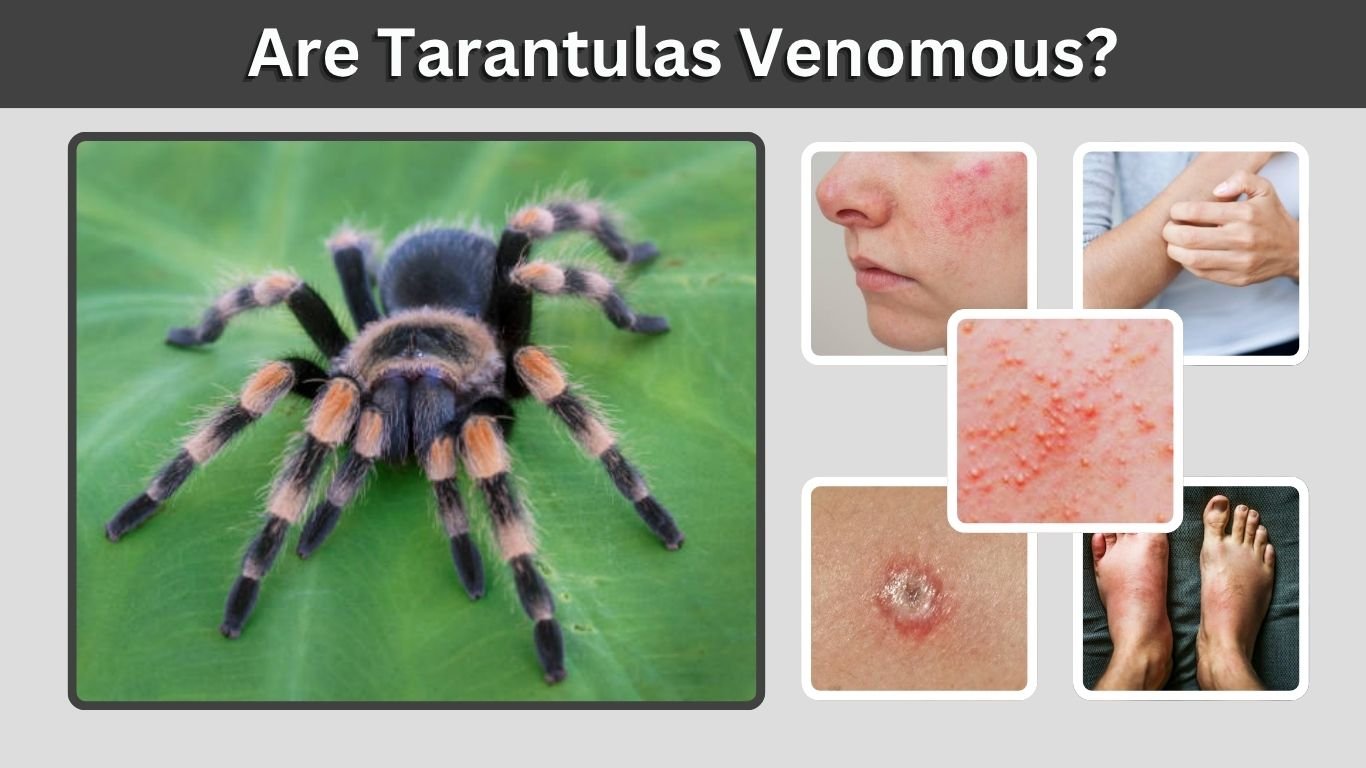
Yes, tarantulas are venomous. They inject venom through their fangs to immobilize insects and other prey. However, being venomous does not automatically make an animal … Read More
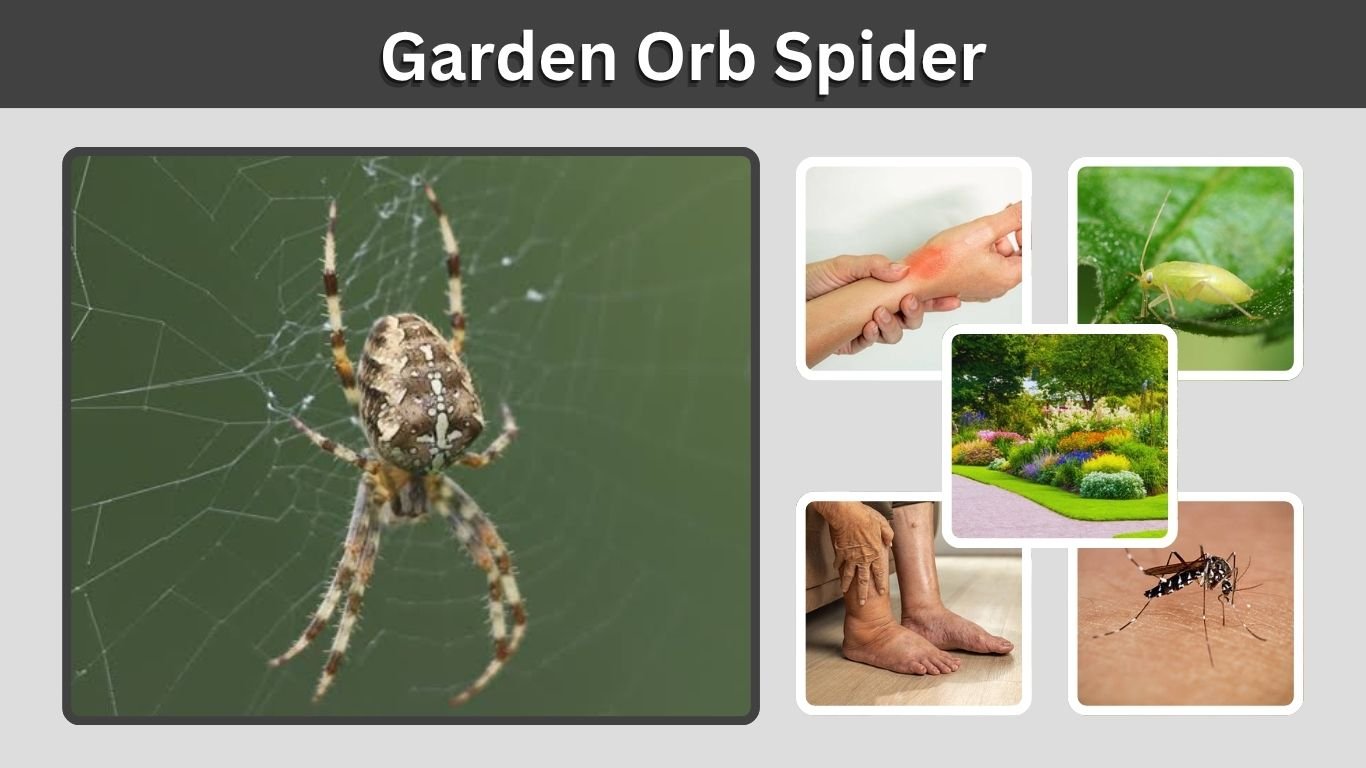
The garden orb spider is a common web-building spider found in gardens, forests, parks, and around homes. It is best known for creating a large, … Read More
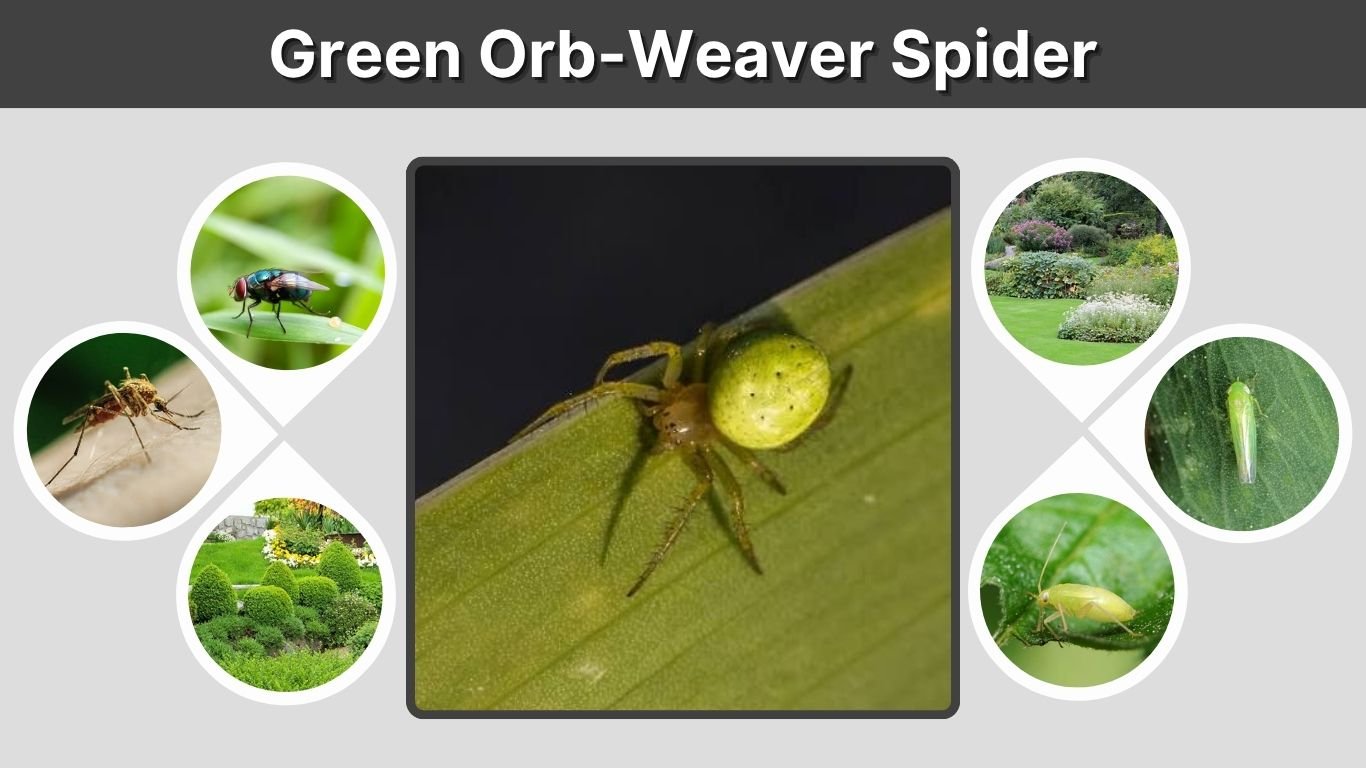
The green orb-weaver spider is a small, brightly colored spider commonly found among leaves, shrubs, hedges, and garden plants. Its lime-green abdomen provides excellent camouflage, … Read More
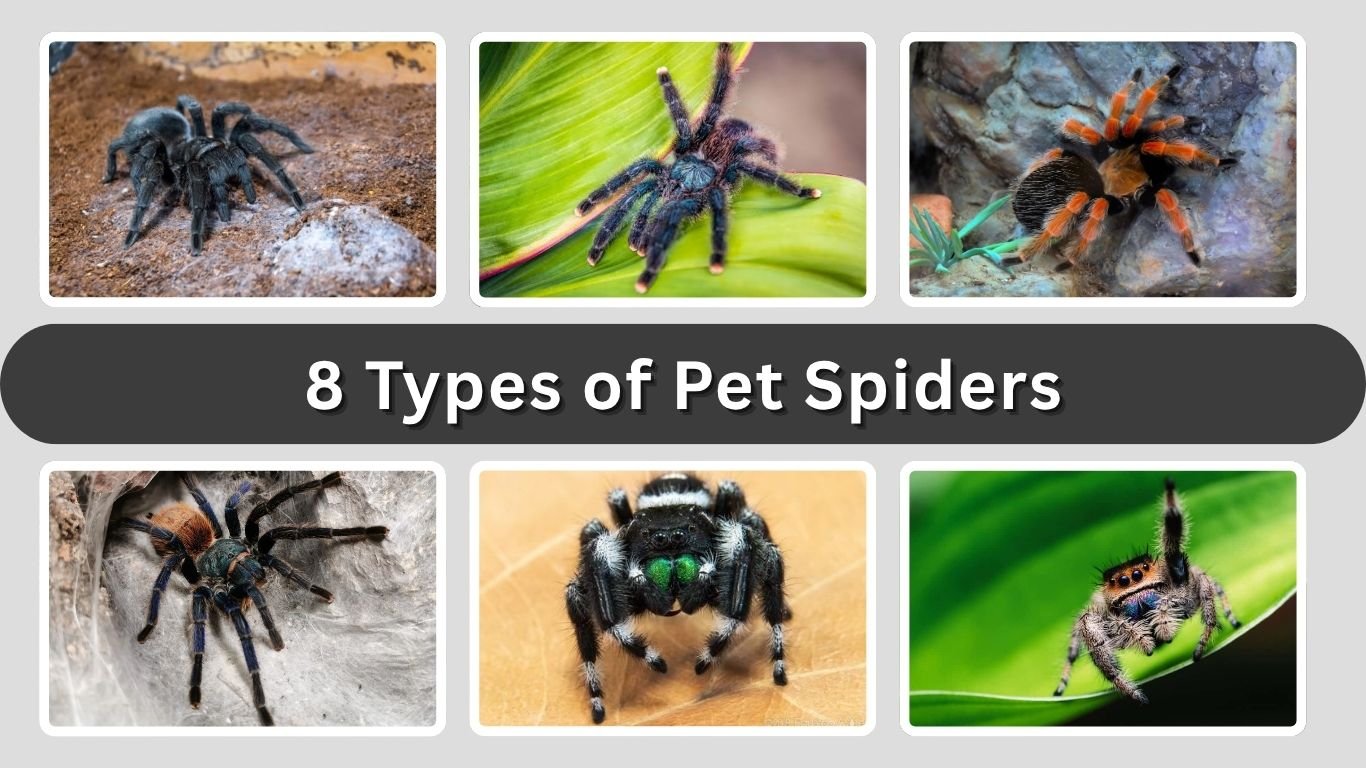
Pet spiders are fascinating, low-maintenance animals that appeal to beginners and experienced keepers alike. Some species are calm and slow-moving, while others are active hunters … Read More

Finding a brown spider with white dots on its back or belly can make identification difficult. Many unrelated spider species have brown bodies and pale … Read More