
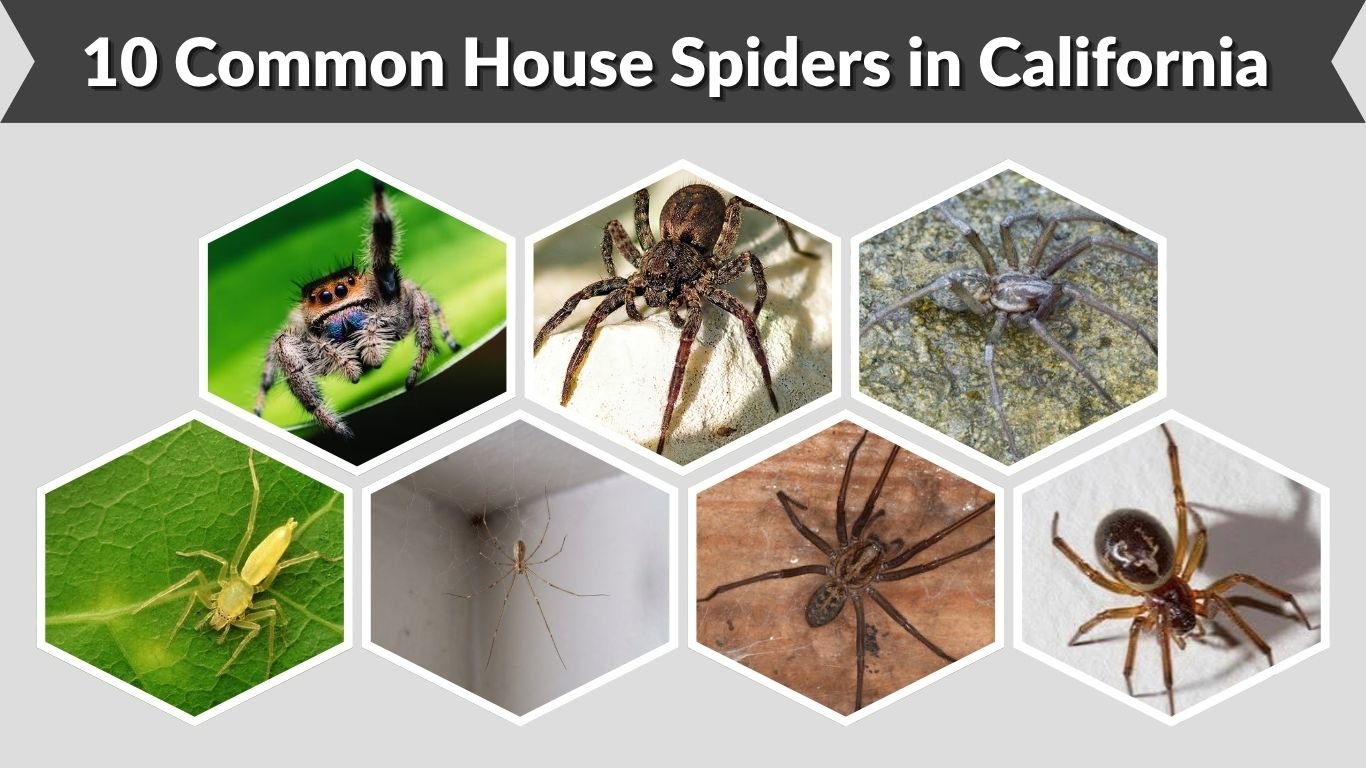
10 Common House Spiders in California (With Pictures)
California is home to hundreds of spider species, and many can be found living inside or around houses. From tiny jumping spiders to long-legged cellar … Read More
California is home to hundreds of spider species, and many can be found living inside or around houses. From tiny jumping spiders to long-legged cellar … Read More
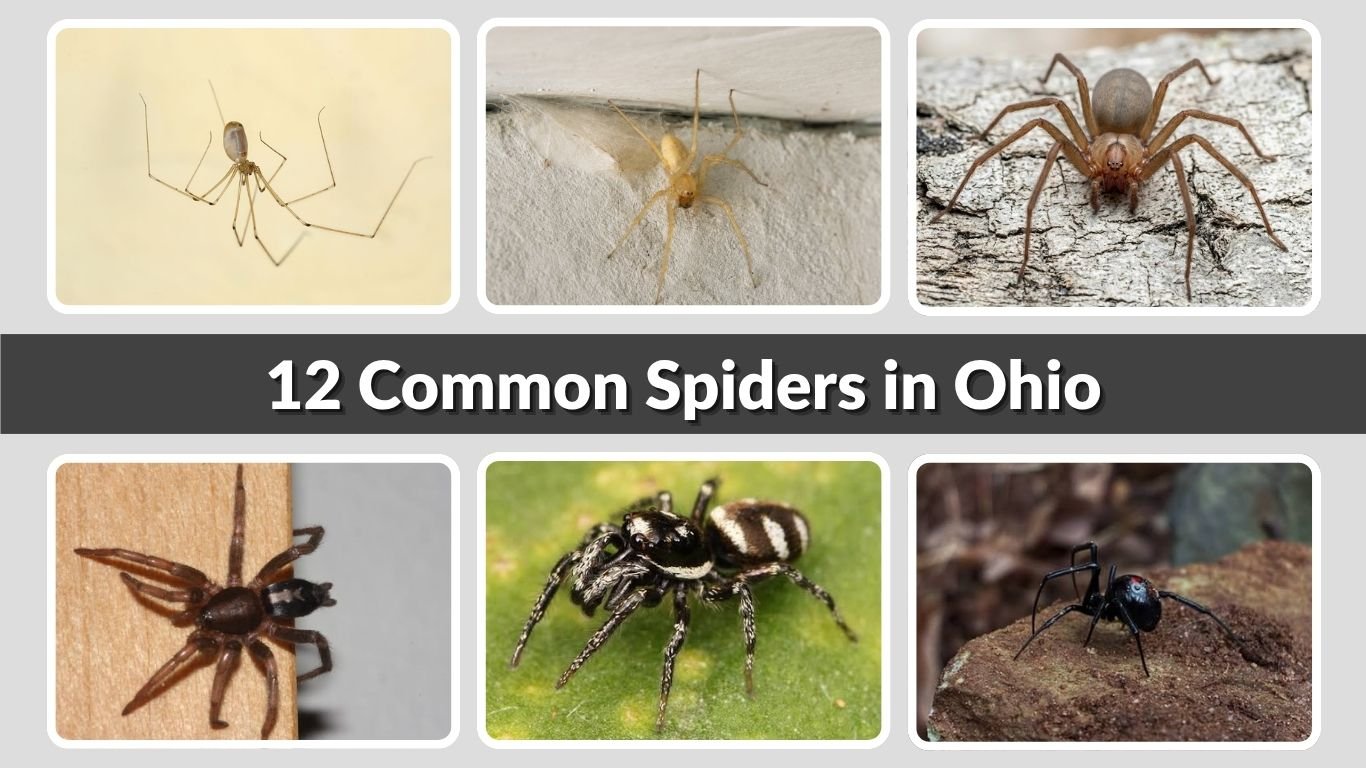
Ohio is home to hundreds of spider species, including small house spiders, large wolf spiders, colorful garden spiders, and fast-moving jumping spiders. These eight-legged creatures … Read More
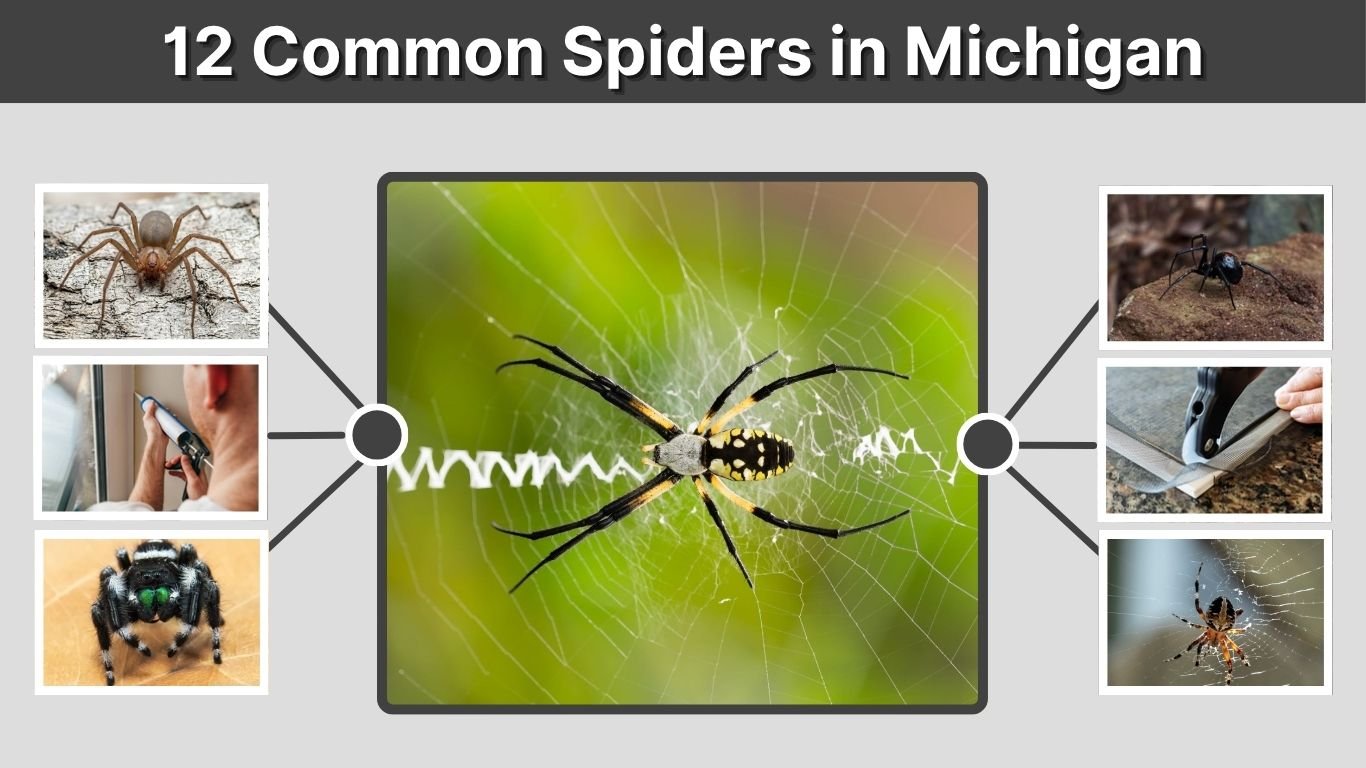
Michigan is home to many spider species, from tiny jumping spiders to large wolf spiders and colorful garden orb-weavers. Some live in basements, garages, and … Read More
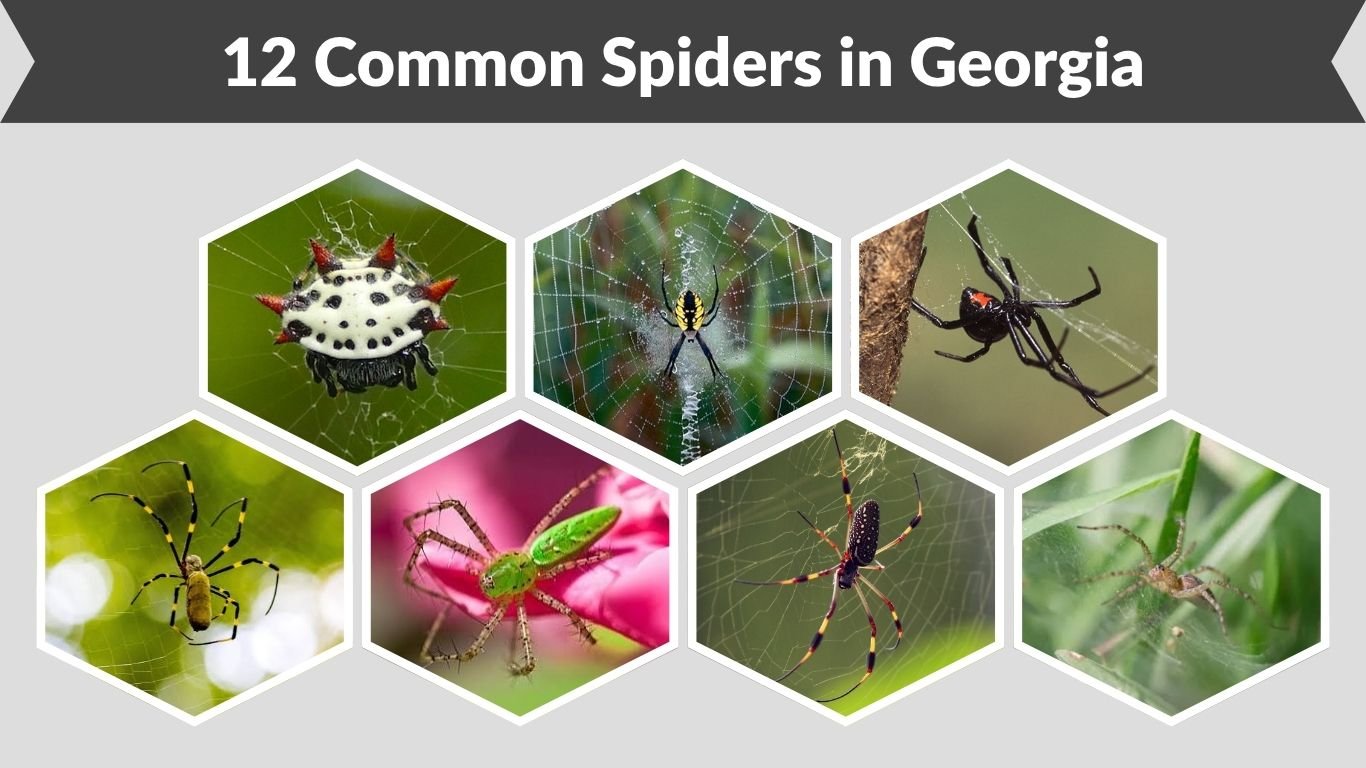
Georgia is home to numerous spider species, ranging from tiny household spiders to large, colorful orb-weavers that build impressive outdoor webs. Many common spiders in … Read More
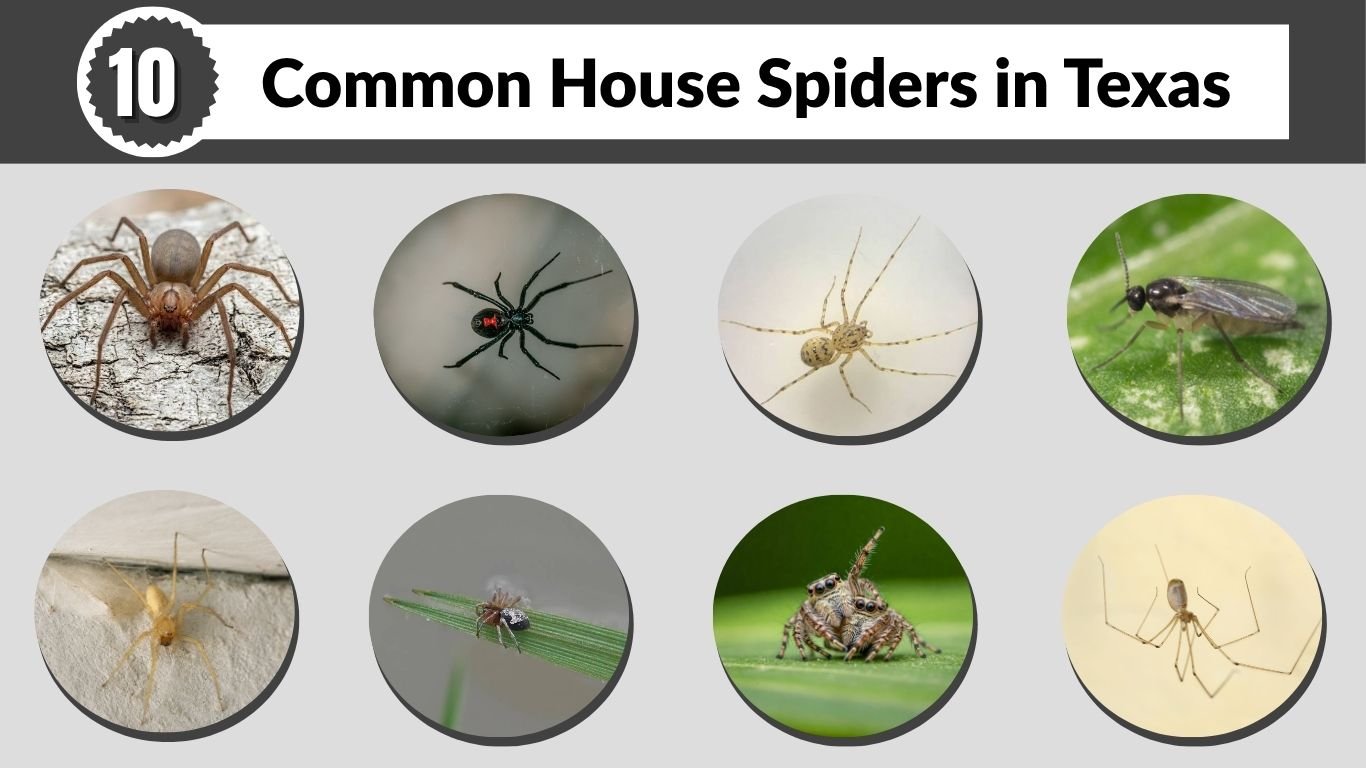
Texas is home to hundreds of spider species, and several commonly appear inside houses, garages, and other buildings. These common house spiders in Texas range … Read More
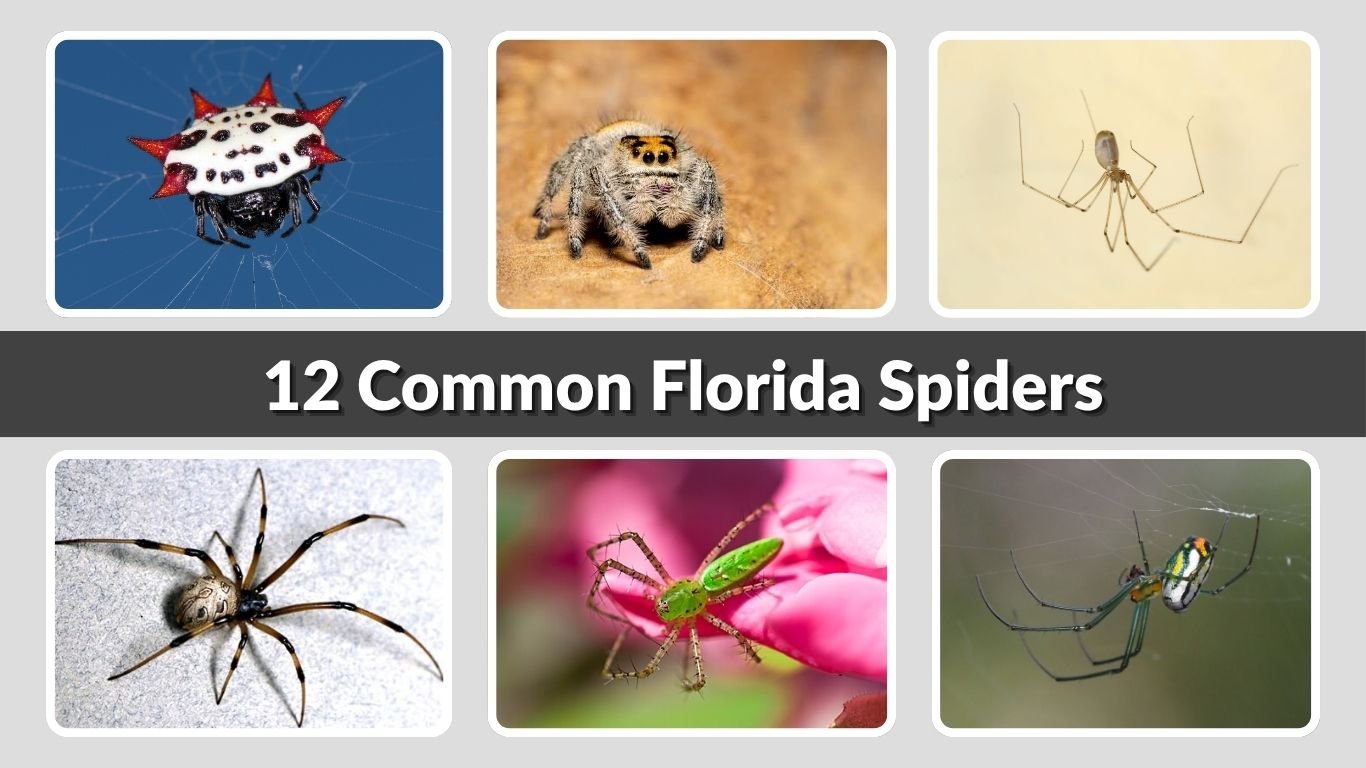
Florida is home to hundreds of spider species, ranging from tiny jumping spiders to large orb-weavers that build impressive webs. Many common Florida spiders live … Read More
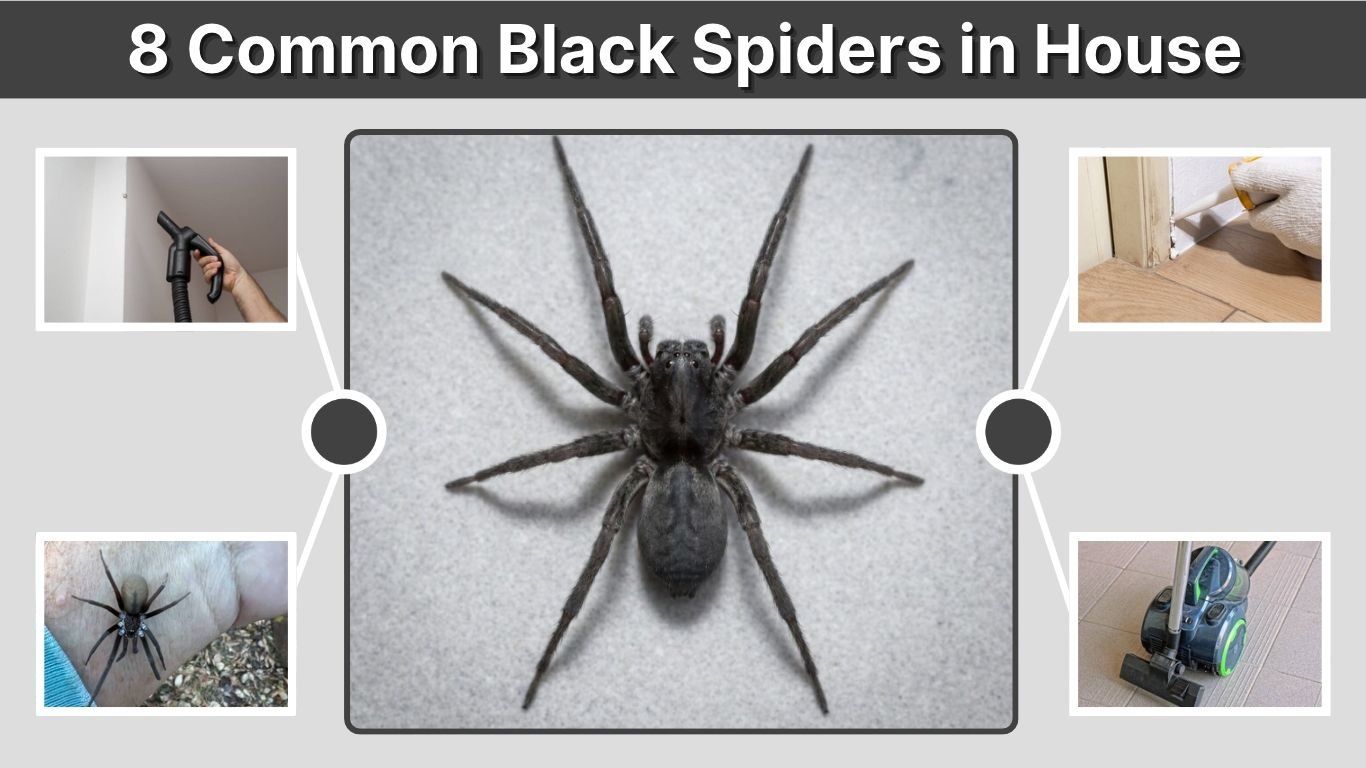
Finding a black spider crawling across your floor, hiding behind furniture, or building a web near a window can be unsettling. However, not every dark-colored … Read More
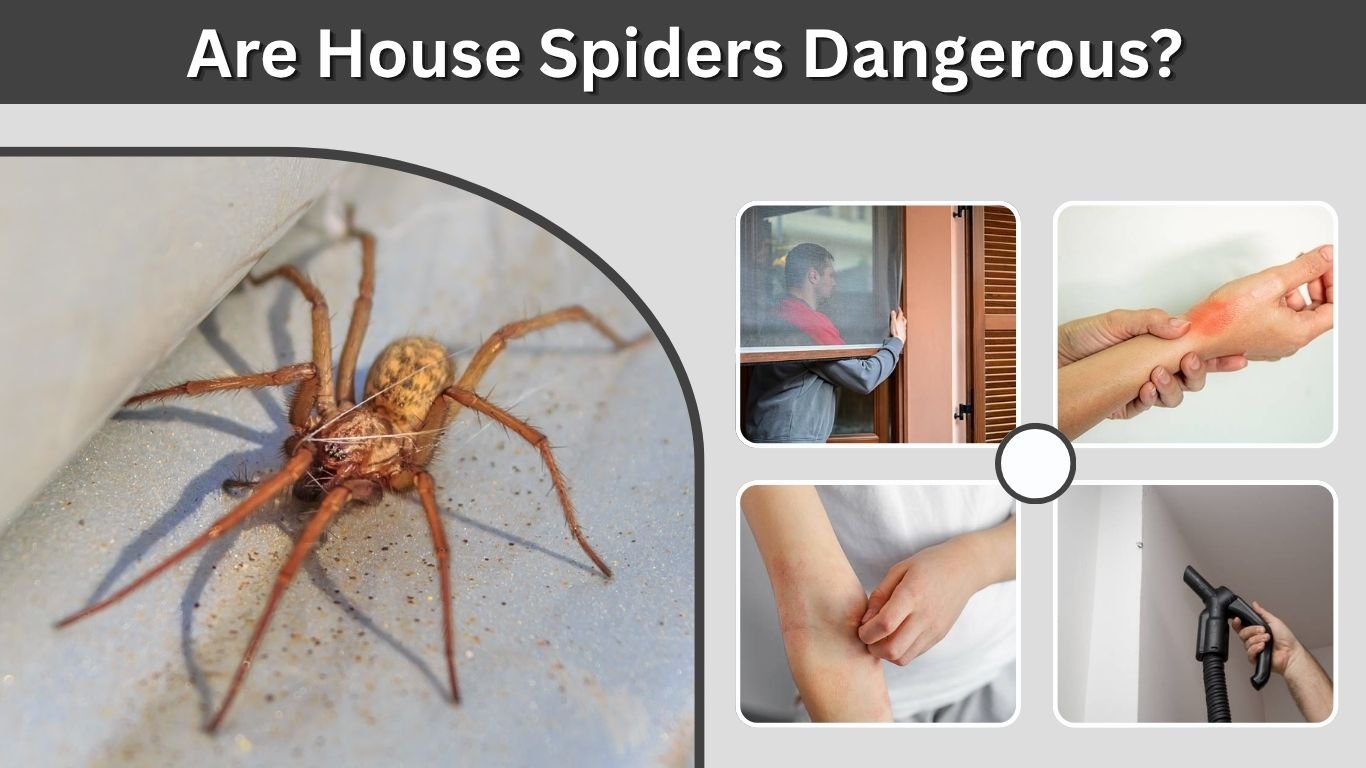
House spiders are common in homes, often hiding in corners, basements, closets, and other quiet spaces. Their appearance can be frightening, especially when they are … Read More
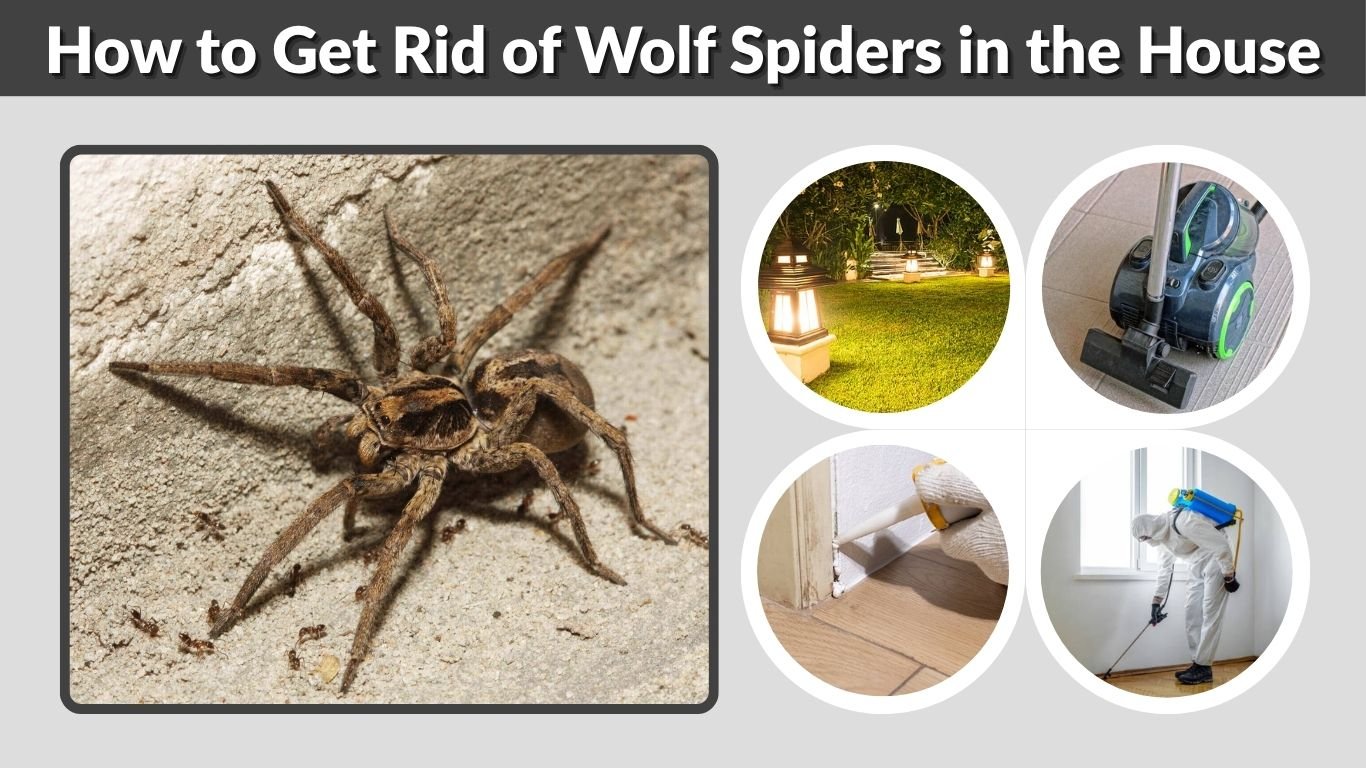
Wolf spiders are large, fast-moving spiders that sometimes enter homes in search of insects, shelter, or suitable hiding places. Although they are generally harmless to … Read More
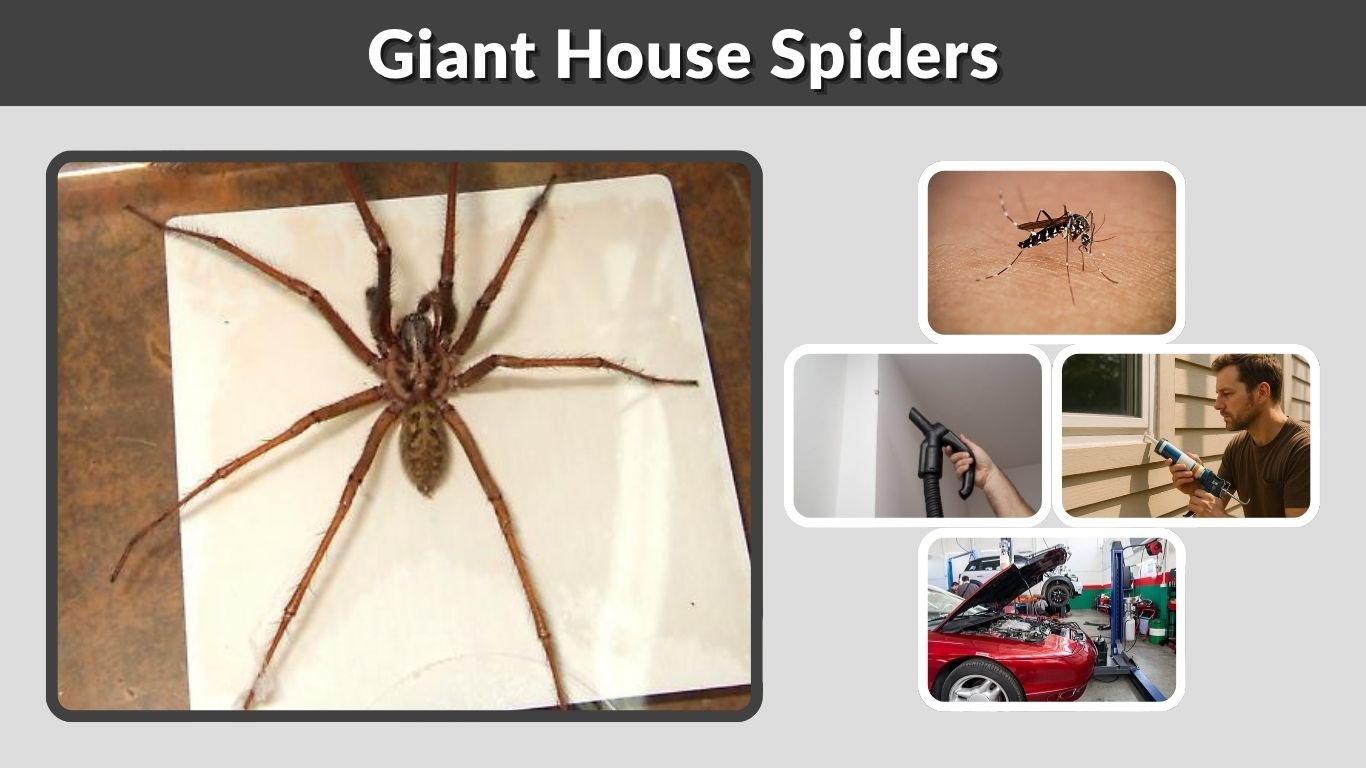
Giant house spiders are large, fast-moving arachnids commonly found in homes, garages, basements, and dark corners. Their long legs and sudden movements can be frightening, … Read More