
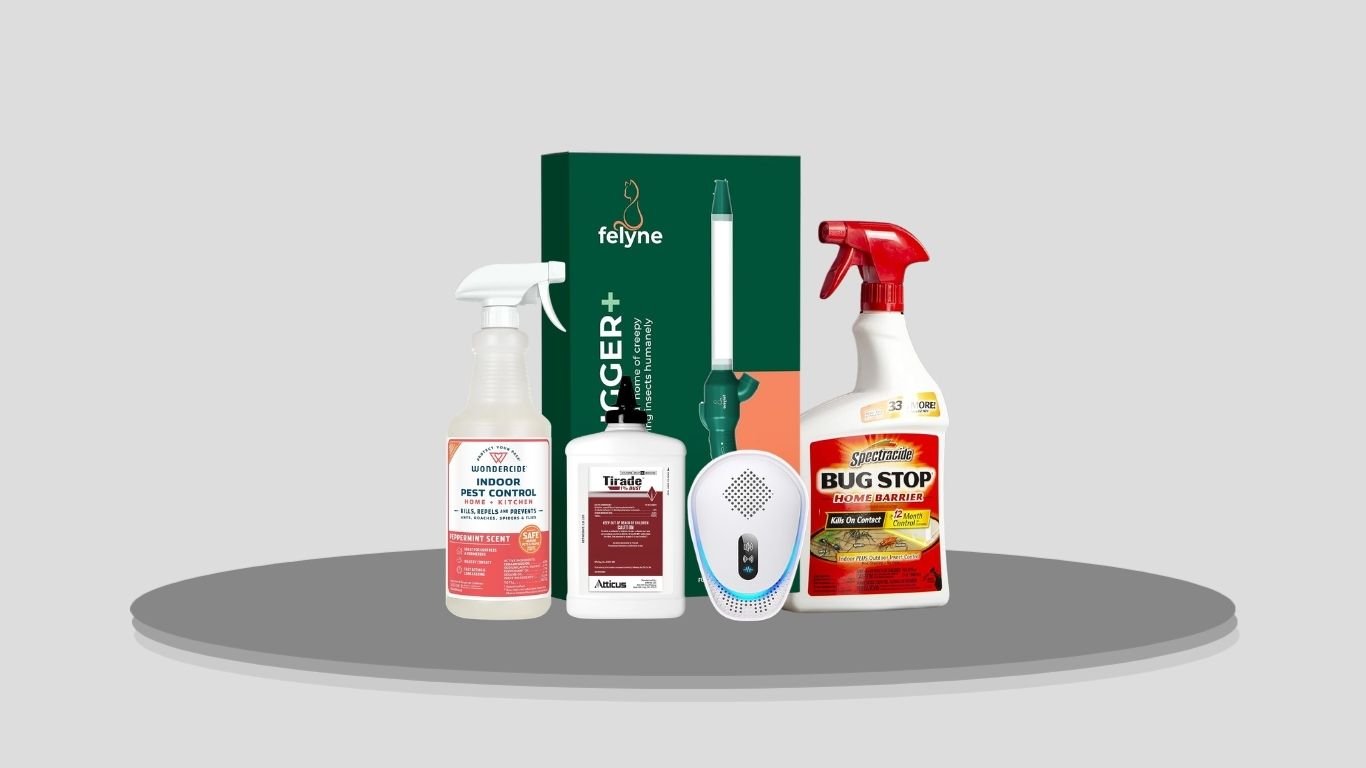
Spiders can quickly become a problem in basements, garages, bedrooms, kitchens, patios, and other areas where webs and crawling pests appear frequently. The best spider exterminator products can help reduce activity using sprays, sticky traps, dust treatments, vacuums, web-removal tools, and outdoor insect-control solutions. Choosing the right option depends on where spiders are appearing and whether you prefer direct killing, trapping, repelling, or prevention. In this guide, we review 11 effective spider exterminator products based on ease of use, versatility, coverage, and overall pest-control value.
1. Wondercide Natural Indoor Pest Control Spray
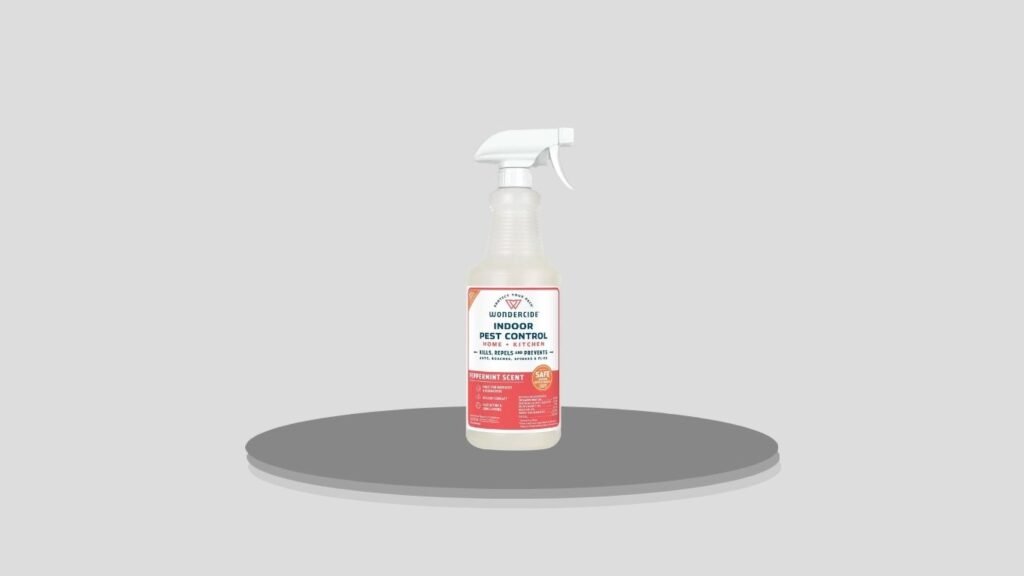
Wondercide Natural Indoor Pest Control Spray is a practical option for homeowners who want a ready-to-use treatment for spiders and other common household pests. Its plant-based formula is designed for indoor application around kitchens, bedrooms, living spaces, entry points, and other areas where crawling insects may appear. The spray format makes targeted treatment simple, especially around baseboards, cracks, windows, and doors.
Key Features
- Ready-to-use indoor pest control spray
- Designed for spiders and other household pests
- Plant-based active ingredients
- Suitable for targeted indoor application
- Easy trigger-spray bottle
- Useful around baseboards and entry points
- No mixing required
- Designed for routine household pest control
Why It’s Best For
This spray is best for homeowners who prefer a convenient liquid treatment instead of powders, traps, or complicated concentrates. It can be applied directly to problem areas, making it especially useful when spiders repeatedly appear around windows, corners, door frames, or storage areas.
Its ready-to-use format is also helpful for people who want something that can remain stored with other household cleaning and maintenance supplies.
Performance & Durability
The spray works best when applied consistently to locations where spiders and crawling insects travel. Treating cracks, gaps, and entry areas can be more effective than spraying randomly across open surfaces.
Because it is a liquid treatment, durability depends on the surface, cleaning frequency, and environmental exposure. Areas that are washed frequently may require reapplication.
Pros & Cons, Overall Verdict
The biggest advantages are convenient application, broad household usefulness, and a plant-based positioning that may appeal to users avoiding conventional-looking pest products. The main limitation is that sprays usually require more active application than passive sticky traps.
Overall, Wondercide is a strong fit for indoor users who want a straightforward spider-control spray that can also be incorporated into broader household pest management.
2. Indoor Glue Boards for Spiders, Mice & Crawling Pests
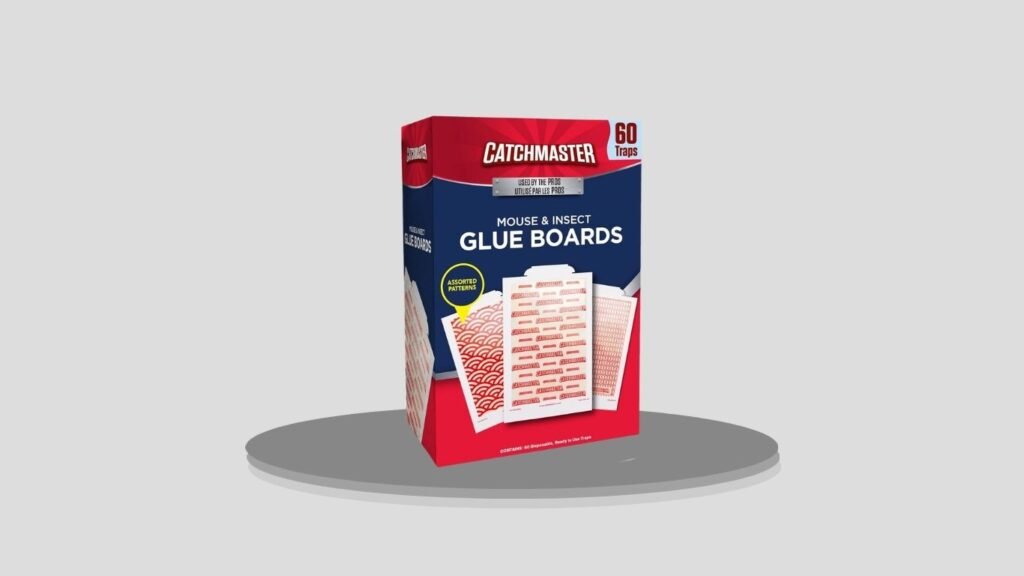
These indoor glue boards provide a passive way to capture spiders and other crawling pests without requiring sprays or powered devices. They can be placed along walls, behind furniture, inside closets, near doors, or in other areas where spider activity has been noticed. Their simple construction makes them particularly useful for monitoring pest activity while also removing individual spiders that travel across the adhesive surface.
Key Features
- Adhesive glue-board design
- Suitable for spiders and crawling pests
- Passive operation
- No batteries or power required
- Easy placement along walls and corners
- Useful for monitoring pest activity
- Can be placed behind furniture
- Suitable for multiple indoor locations
Why It’s Best For
Glue boards are best for users who want continuous passive protection rather than actively spraying every time a spider appears. Once positioned, they remain in place and can capture pests that move through hidden areas during the night.
They are particularly useful in basements, garages, closets, pantries, and storage rooms where spiders often travel along wall edges.
Performance & Durability
Performance depends heavily on placement. Glue boards positioned directly along spider travel paths generally have a better chance of capturing pests than traps placed in open central areas.
Dust and debris can gradually reduce adhesive effectiveness, so traps should be inspected regularly and replaced when the surface becomes dirty or full.
Pros & Cons, Overall Verdict
The main benefits are silent operation, simplicity, and the ability to monitor activity without chemicals. They can also reveal which parts of a room have the most pest traffic.
The drawback is that glue boards only catch spiders that physically cross them, so they do not prevent new spiders from entering.
Overall, they are especially useful as part of a broader spider-control strategy involving cleaning, sealing entry points, and reducing insect prey.
3. Bulk Sticky Traps for Spiders & Crawling Pests – 72 Pack
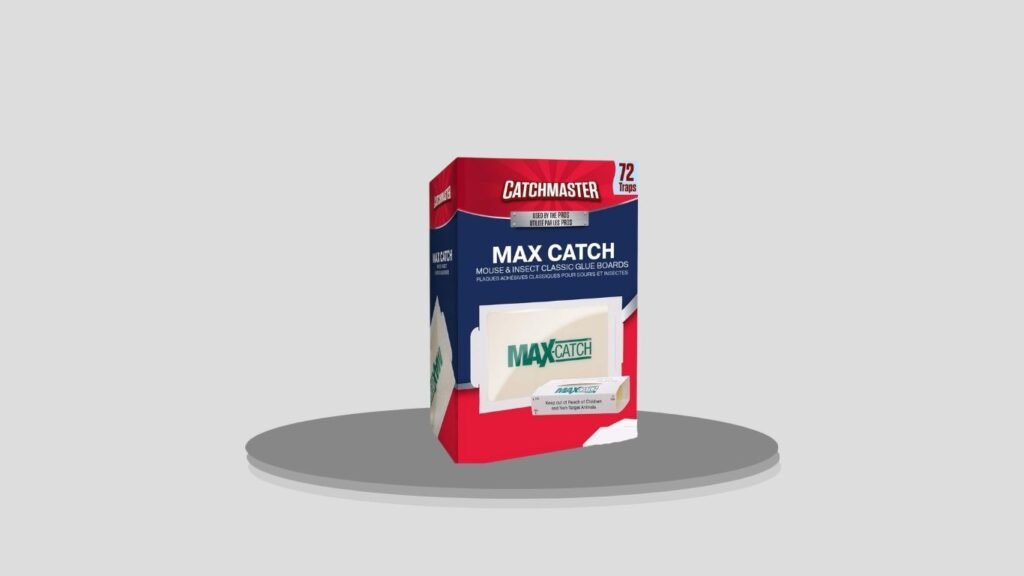
This bulk 72-pack of sticky traps is well suited for larger homes, garages, basements, storage areas, or properties where spider activity occurs in multiple locations. The large quantity allows users to place traps throughout several rooms at once rather than relying on only a few monitoring points. Their passive adhesive design makes them easy to deploy without mixing chemicals or installing powered equipment.
Key Features
- Large 72-pack supply
- Sticky adhesive trapping surface
- Suitable for spiders and crawling pests
- Passive pest-control method
- Easy placement around walls and corners
- Useful for large properties
- No electricity required
- Allows multiple monitoring locations
Why It’s Best For
This pack is best for users who need widespread coverage. Instead of moving one or two traps between rooms, multiple boards can remain positioned in likely spider pathways simultaneously.
The large quantity is especially convenient for basements, workshops, garages, rental properties, or other environments where several entry points and hiding areas need to be monitored.
Performance & Durability
Sticky traps perform best when placed close to walls, behind boxes, underneath shelves, and near cracks where spiders naturally travel. Using many traps also improves the chances of identifying specific problem zones.
Each trap should remain useful until the adhesive becomes covered with dust, insects, or debris. Dry, protected locations generally help the glue stay effective longer.
Pros & Cons, Overall Verdict
The biggest advantage is coverage. A bulk pack allows users to create a much more complete indoor monitoring system at a relatively low effort level. It also avoids odors and sprays.
The disadvantage is that traps require routine checking and do not eliminate nests or stop spiders from entering the building.
Overall, this bulk option is particularly practical for anyone dealing with recurring spider activity across multiple rooms and wanting an inexpensive passive control method.
4. Mighty Mint Peppermint Pest Control Spray – 1 Gallon
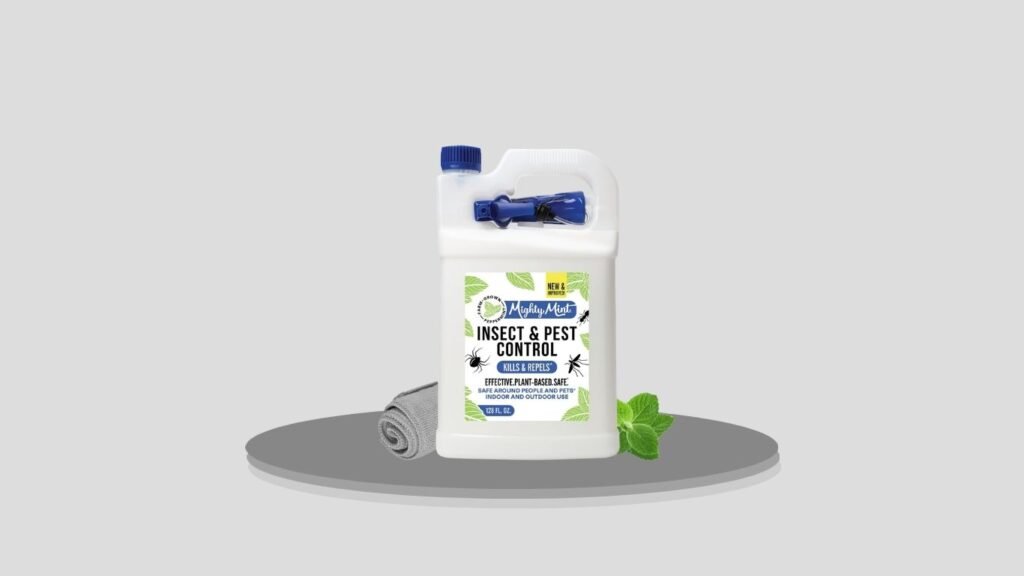
Mighty Mint Peppermint Pest Control Spray is a large-volume option intended for homeowners who regularly treat broad indoor areas for spiders and other pests. The one-gallon container makes it more suitable for repeated use than small spray bottles, especially around basements, garages, entryways, storage rooms, and perimeter areas. Its strong peppermint-based scent also appeals to users looking for a plant-focused approach to household pest management.
Key Features
- Large one-gallon supply
- Peppermint-based pest-control formula
- Suitable for spider-prone areas
- Designed for broad household application
- Useful around doors and windows
- Suitable for repeated treatments
- Plant-focused formulation
- Convenient for larger spaces
Why It’s Best For
This product is best for larger homes or users who treat multiple areas regularly. A gallon-sized supply reduces the need to repeatedly purchase smaller containers and provides enough product for broader perimeter treatments.
It is especially useful around entry points, garages, sheds, utility rooms, and other places where spiders may find access from outdoors.
Performance & Durability
Peppermint sprays are generally most useful as part of a prevention-focused routine. Applying the product around likely entry areas and repeating treatment as needed may help maintain a stronger scent barrier.
The fragrance will gradually fade, particularly in ventilated or frequently cleaned spaces, so periodic reapplication may be necessary.
Pros & Cons, Overall Verdict
The large volume and straightforward spray application are major benefits, particularly for frequent users. The peppermint aroma may also be preferable to conventional pesticide odors for some households.
However, strong peppermint scent can be noticeable indoors, and users sensitive to fragrances may prefer a different control method.
Overall, Mighty Mint is a practical choice for homeowners who want a large-volume, peppermint-based spider-control product for routine indoor and perimeter use.
5. Tirade Dust Insecticide – Ready-to-Use
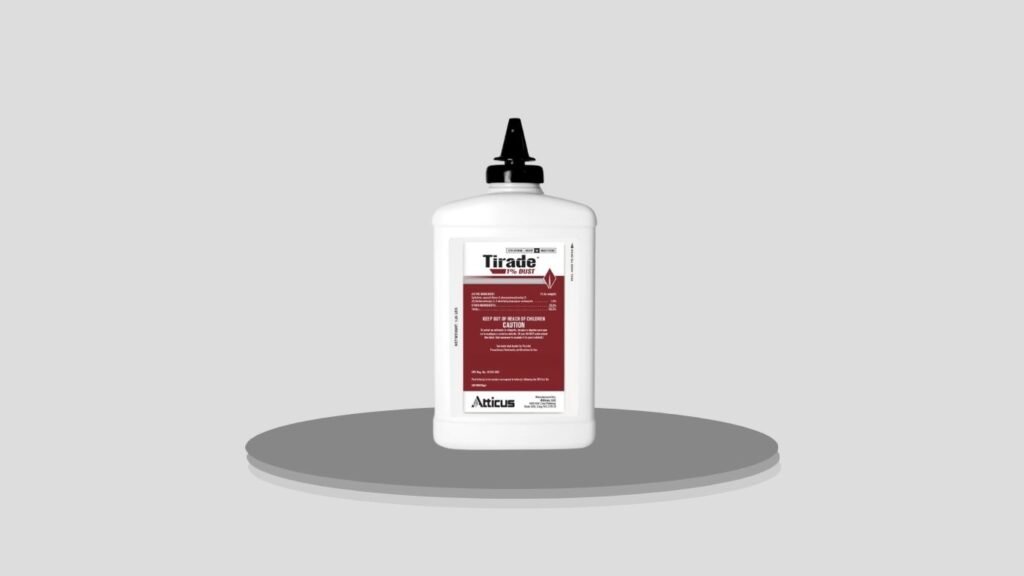
Tirade Dust Insecticide is a dry pest-control treatment designed for cracks, crevices, voids, and other protected locations where spiders and crawling insects may hide. Unlike liquid sprays, dust products can be applied to spaces where moisture-based treatments may be inconvenient. The ready-to-use format also removes the need for mixing, making it suitable for targeted applications in wall gaps, utility spaces, garages, and similar problem areas.
Key Features
- Ready-to-use insecticidal dust
- Designed for cracks and crevices
- Suitable for crawling insect control
- Useful in wall voids and hidden spaces
- Dry application
- No mixing required
- Appropriate for targeted treatments
- Suitable for indoor pest-management areas
Why It’s Best For
This product is best for hidden spider activity. Spiders often shelter in small gaps, behind fixtures, under appliances, and inside protected voids that are difficult to reach with ordinary sprays.
Dust can be placed directly into those spaces, making it a useful complement to surface treatments and sticky traps.
Performance & Durability
One advantage of dry dust is that it can remain in protected, undisturbed areas longer than some liquid applications. This can provide continued pest-control potential where the dust stays dry and in place.
Correct application is important. Excessive dusting is unnecessary, and users should follow the product label carefully regarding placement and exposure precautions.
Pros & Cons, Overall Verdict
Tirade’s biggest strength is its ability to reach hidden spaces where sprays or traps may be less effective. The ready-to-use format also makes targeted application easier.
The drawback is that dust treatments require more careful placement and are less suitable for exposed surfaces or frequently used living areas.
Overall, Tirade is most useful for users dealing with spiders hiding in structural gaps and other protected areas where a long-lasting dry treatment makes practical sense.
6. Diatomaceous Earth Peppermint Crawling Insect Control
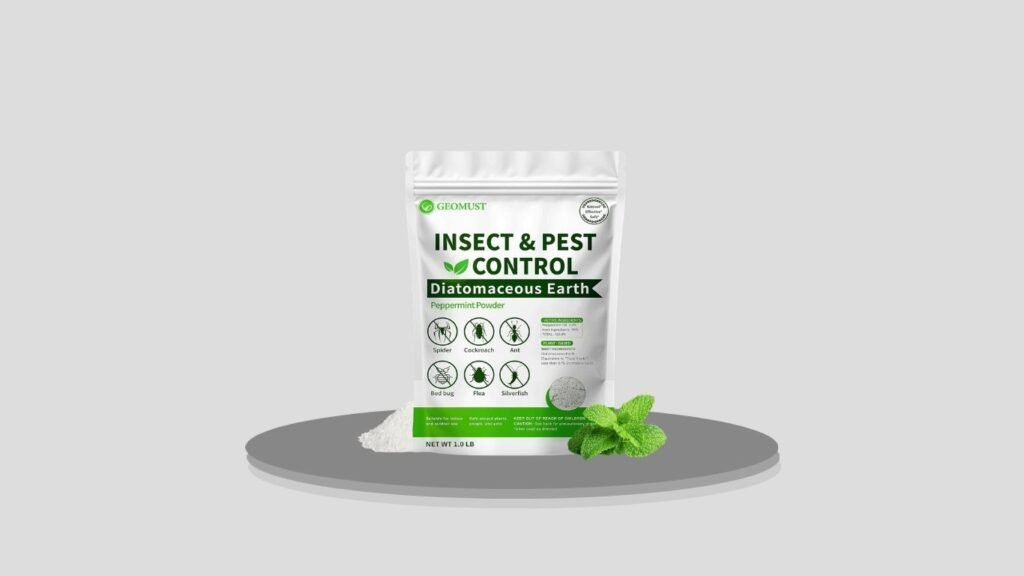
This diatomaceous earth and peppermint crawling insect control product offers a dry-treatment approach for spiders, silverfish, and other crawling pests. It is designed for placement along cracks, baseboards, entry areas, and other locations where pests travel. The combination of a powder format and peppermint scent makes it appealing to users who want an alternative to conventional liquid sprays while still treating common spider-prone areas around the home.
Key Features
- Diatomaceous earth-based powder
- Peppermint scent
- Designed for crawling pests
- Suitable for spider-prone areas
- Dry application format
- Useful along cracks and baseboards
- Suitable for targeted indoor treatment
- Easy to apply in pest pathways
Why It’s Best For
This product is best for users who prefer dry pest-control treatments and want something that can be applied along wall edges, behind furniture, or near potential entry points.
The powder format is especially practical in spaces where liquid sprays would be inconvenient, such as around dry storage areas, utility spaces, or certain corners of garages and basements.
Performance & Durability
Diatomaceous earth works through physical contact rather than relying solely on fragrance. It generally performs best when the powder remains dry and undisturbed in pest travel zones.
Moisture can reduce effectiveness, so placement should focus on dry areas unless the product instructions specify otherwise. Regular inspection helps determine when powder needs refreshing.
Pros & Cons, Overall Verdict
The main advantages are simple dry application, broad crawling-pest usefulness, and a peppermint scent that gives the product a more familiar household feel.
The primary drawback is that loose powder can be messy if overapplied or placed in high-traffic areas. Careful, targeted application is therefore important.
Overall, this product is well suited for users who want a dry spider-control option that can be incorporated around baseboards, cracks, and other crawling-pest pathways.
7. Rechargeable Bug Catcher Vacuum for Spiders & Insects
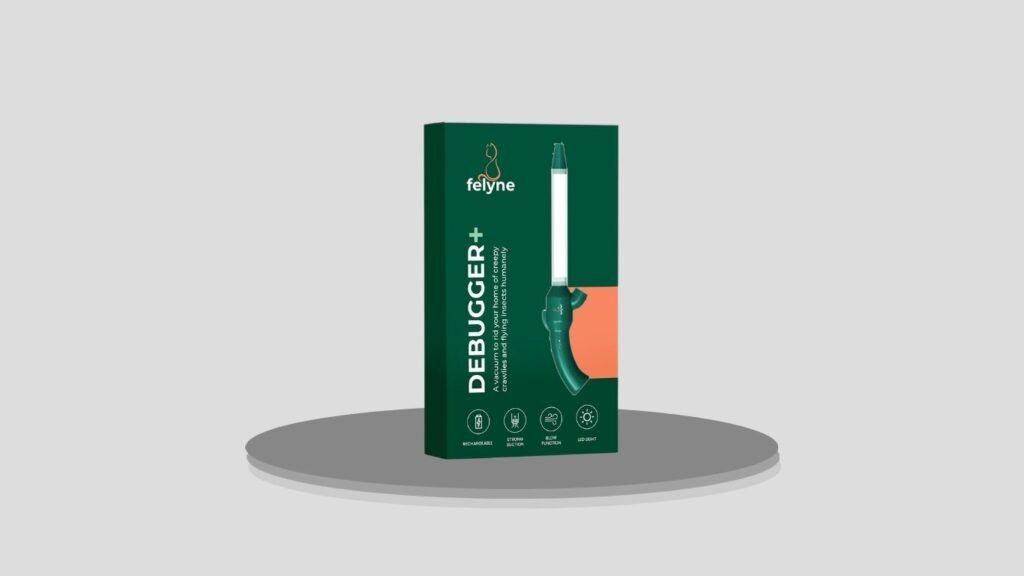
The Rechargeable Bug Catcher Vacuum provides a different approach to spider control by physically removing spiders instead of relying on sprays, powders, or sticky traps. Its suction-based design lets users capture spiders and other small insects from walls, floors, corners, and ceilings while keeping more distance between their hands and the pest. Rechargeable operation also makes it convenient for repeated household use.
Key Features
- Rechargeable electric design
- Suction-based spider and insect capture
- Suitable for indoor pest removal
- Helps reach spiders without direct contact
- Portable handheld construction
- Useful for walls, floors, and corners
- Reusable instead of disposable
- Suitable for multiple crawling insects
Why It’s Best For
This catcher is best for people who dislike touching spiders or getting close enough to remove them manually. The extended suction approach makes dealing with an unexpected spider much more comfortable, particularly when one appears on a wall, curtain, or other visible location.
It is also useful for households that prefer mechanical removal instead of applying pesticides to every individual spider they encounter.
Performance & Durability
Rechargeable operation allows the catcher to be used repeatedly without continuously replacing disposable batteries. Suction performance is most useful for smaller spiders and lightweight insects positioned on accessible surfaces.
Because it is reusable, routine cleaning of the collection area helps maintain performance. Keeping the intake free from debris can also improve suction over time.
Pros & Cons, Overall Verdict
The major advantages are clean operation, reusable construction, and greater distance between the user and the spider. It also avoids leaving chemical residues on household surfaces.
However, a vacuum catcher only removes pests that users can see and reach. It does not provide residual prevention against additional spiders.
Overall, this product is a strong companion tool for anyone wanting quick, controlled removal of visible spiders without immediately reaching for an insecticide.
8. 4–13 Ft Extendable Cobweb Duster for Spider Web Removal
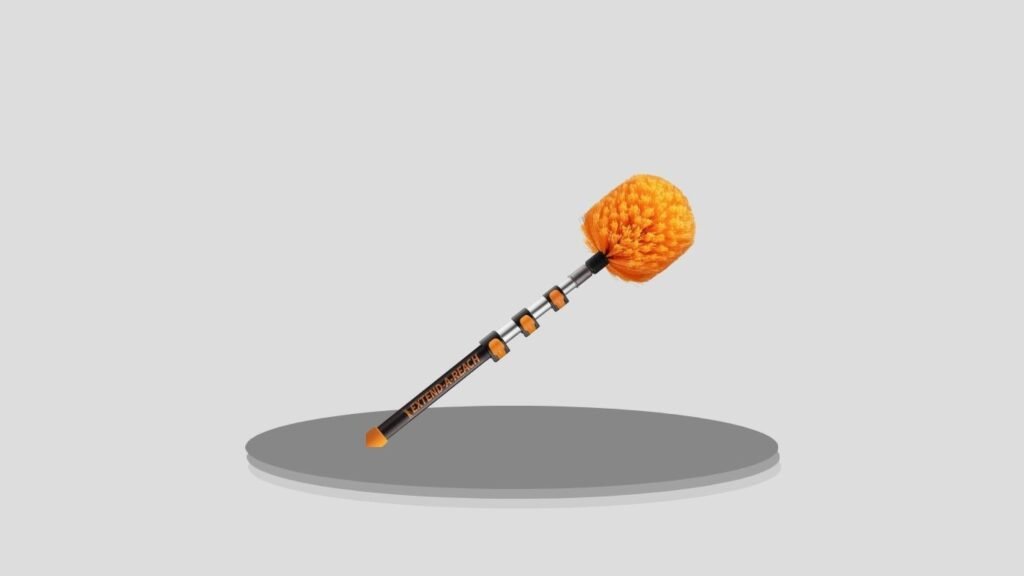
This extendable cobweb duster tackles spider problems from a prevention and housekeeping angle. With an adjustable reach of approximately 4 to 13 feet, it is designed to remove webs from ceilings, corners, exterior eaves, stairwells, and other difficult-to-access locations. Regular web removal can make indoor and outdoor spaces look cleaner while helping users identify areas where spider activity repeatedly occurs.
Key Features
- Extends approximately 4 to 13 feet
- Designed for cobweb removal
- Reaches ceilings and high corners
- Suitable for indoor and outdoor use
- Useful around eaves and porches
- Long-reach pole construction
- Reusable cleaning head
- Reduces the need for ladders in many areas
Why It’s Best For
This tool is best for homes where spider webs appear in high or awkward locations. Corners near vaulted ceilings, exterior soffits, garages, porch roofs, and stairwells can be difficult to clean with an ordinary handheld duster.
Its telescoping pole gives users considerably more reach while keeping the job relatively simple.
Performance & Durability
The long handle allows users to sweep webs away from broad areas without moving furniture or repeatedly climbing a step ladder. Regular use can also disturb locations where spiders repeatedly establish webs.
As a manual tool, durability depends mainly on the pole joints and cleaning head. Keeping the extension mechanism free from dirt and storing it collapsed can help maintain smooth adjustment.
Pros & Cons, Overall Verdict
The primary advantage is reach. It can address webs that ordinary dusters cannot easily access and has no chemical ingredients or disposable cartridges.
The limitation is that it removes webs rather than directly eliminating hidden spiders or preventing new ones from entering.
Overall, it is highly useful as part of ongoing spider management. When combined with sealing gaps and reducing insect prey, regular cobweb removal can make a property noticeably less spider-friendly.
9. Fooxem Upgraded Ultrasonic Pest Repeller
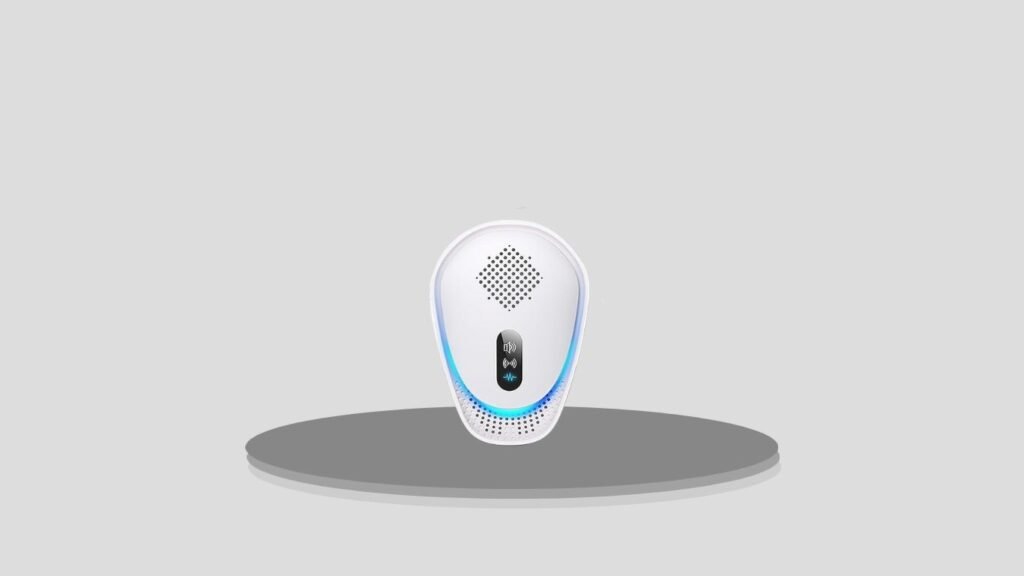
The Fooxem Upgraded Ultrasonic Pest Repeller is a plug-in pest-control device intended for users who want continuous operation without spraying surfaces or setting sticky traps around visible living areas. It produces ultrasonic output designed to discourage various household pests. Its adjustable format and simple plug-in operation make it especially convenient for bedrooms, kitchens, garages, offices, and other indoor areas.
Key Features
- Plug-in ultrasonic pest-control design
- Adjustable operating settings
- Continuous powered operation
- No spray application required
- Suitable for indoor spaces
- Compact wall-outlet design
- Designed for multiple household pests
- Low-maintenance operation
Why It’s Best For
This device is best for users who want an unobtrusive pest-control accessory that can remain operating in the background. Once plugged in, there is no need to refill a liquid reservoir, replace adhesive boards, or manually treat surfaces.
That convenience can be appealing in living rooms, bedrooms, or offices where visible traps and powders may be undesirable.
Performance & Durability
Ultrasonic pest repellers should be viewed differently from direct-kill products. Their effectiveness can vary depending on room layout, pest type, furniture, and other environmental factors. Solid objects can affect how ultrasonic sound travels through a space.
The main durability advantage is the reusable electronic design. As long as the unit remains functional and connected to power, there are no consumable pest-control materials to replace.
Pros & Cons, Overall Verdict
The strongest benefits are clean operation, compact size, and minimal day-to-day maintenance. It does not leave chemical residues or visible glue boards around rooms.
The main drawback is that ultrasonic devices generally provide less predictable results than physical trapping or appropriately labeled insecticides.
Overall, the Fooxem is better suited as a supplemental pest-control measure than as the only response to a serious spider infestation.
10. Ortho BugClear Lawn Insect Killer
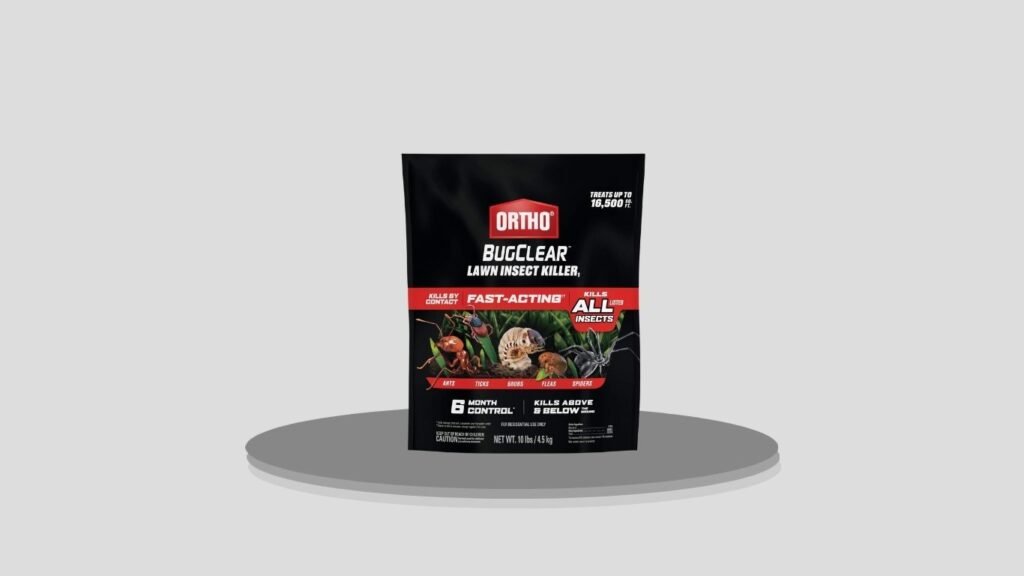
Ortho BugClear Lawn Insect Killer is designed for outdoor pest management rather than direct indoor spider treatment. By reducing insects living around lawns and landscaped areas, it can indirectly make the property less attractive to spiders that depend on insects for food. This makes it particularly relevant for homeowners experiencing spider activity around patios, foundations, garages, and other areas connected to the yard.
Key Features
- Designed for outdoor lawn insect control
- Treats multiple types of outdoor insects
- Suitable for lawns and landscaped areas
- Helps reduce potential spider prey
- Designed for broader outdoor coverage
- Useful around residential properties
- Lawn-focused treatment format
- Suitable for seasonal pest management
Why It’s Best For
This product is best for homeowners whose spider problem appears connected to heavy outdoor insect activity. Spiders often gather where prey is plentiful, so reducing insects around the lawn and perimeter can support a broader prevention strategy.
It is particularly useful when spiders frequently appear around exterior walls, porch lights, landscaping, or garage entrances.
Performance & Durability
Lawn treatments can cover a much larger area than indoor sprays or traps. When applied according to label directions, they target pest populations across grass and landscaped zones rather than only individual insects.
Weather, irrigation, application timing, and pest pressure can influence how long treatment remains effective. Following the labeled application schedule is important for both performance and safety.
Pros & Cons, Overall Verdict
Its greatest advantage is scale. It addresses outdoor insects across a larger portion of the property, which may reduce one of the reasons spiders remain active near the home.
However, it is not primarily a direct indoor spider exterminator and should not be treated as a substitute for indoor crack sealing or targeted control.
Overall, Ortho BugClear makes the most sense as part of a property-wide spider management plan focused on reducing outdoor prey.
11. Spectracide Bug Stop Barrier Ready-to-Use Spray
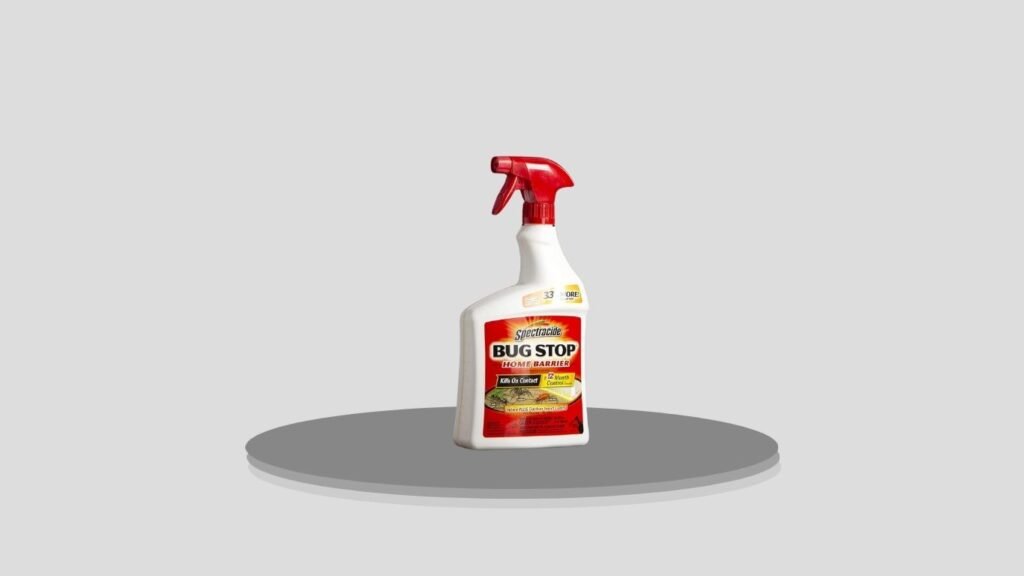
Spectracide Bug Stop Barrier Ready-to-Use Spray is designed for homeowners who want a conventional liquid treatment for insects around indoor and outdoor problem areas. Its ready-to-use format eliminates mixing, while the barrier-style application makes it suitable for treating likely pest pathways such as doors, windows, foundation edges, and other locations where spiders or their insect prey may enter.
Key Features
- Ready-to-use pest-control spray
- Barrier-style application
- Suitable for indoor and outdoor areas as labeled
- Designed for multiple household insects
- No concentrate mixing required
- Useful around doors and windows
- Convenient trigger or spray application
- Suitable for perimeter pest management
Why It’s Best For
Spectracide is best for users who want a straightforward conventional treatment that can be applied around likely pest entry points. Rather than waiting until a spider is already visible, barrier treatment focuses on areas where insects commonly move into the home.
This can be particularly useful around exterior doors, window frames, utility penetrations, and foundation areas.
Performance & Durability
Residual barrier treatments are designed to continue working after application for a period specified on the product label. Their performance depends on surface type, weather exposure, cleaning, and correct application.
Outdoor areas exposed to rain and sunlight may require treatment at different intervals than protected indoor locations. Applying only as directed helps maintain effectiveness without unnecessary overuse.
Pros & Cons, Overall Verdict
The key benefits are broad pest coverage, convenient ready-to-use application, and usefulness for perimeter treatment. It can fit easily into a preventive strategy that also includes sealing cracks and removing webs.
The disadvantage is that it is a pesticide treatment, so users need to carefully follow label directions regarding surfaces, children, pets, ventilation, and re-entry.
Overall, Spectracide Bug Stop Barrier is a practical choice for homeowners who want a conventional, targeted barrier treatment for managing spiders indirectly and controlling the insects that attract them.
FAQs
1. What is the best way to get rid of spiders in a house?
The most effective approach usually combines several methods. Remove webs, vacuum visible spiders, place sticky traps along travel routes, reduce other insects that spiders feed on, and seal cracks around doors and windows. Targeted pest-control products can also be used according to their labels when spider activity remains high.
2. Do sticky traps work for spiders?
Yes. Sticky traps can capture spiders that walk across their adhesive surface and are especially useful along walls, behind furniture, in basements, and near suspected entry points. They also help reveal which areas have the most spider activity, although they do not prevent new spiders from entering.
3. Does peppermint spray keep spiders away?
Peppermint-based products are commonly marketed for spider and pest deterrence, but results can vary. They are generally better considered part of a broader prevention strategy rather than a guaranteed solution. Sealing entry points, controlling insect prey, and removing webs usually provide more dependable long-term benefits.
4. Should I use spider spray indoors or outdoors?
That depends on the product. Some sprays are specifically labeled for indoor use, some for outdoor perimeter treatment, and others for both. Always follow the exact label directions, including restrictions involving food-preparation surfaces, pets, children, ventilation, and application locations.
5. How can I prevent spiders from coming back?
Reduce clutter, vacuum webs and egg sacs, seal gaps around doors, windows, pipes, and foundations, and limit the insects spiders use as food. Outdoor lighting can also attract flying insects, which in turn may attract spiders. Combining exclusion, cleaning, and prey control generally provides better results than relying on one extermination product alone.
