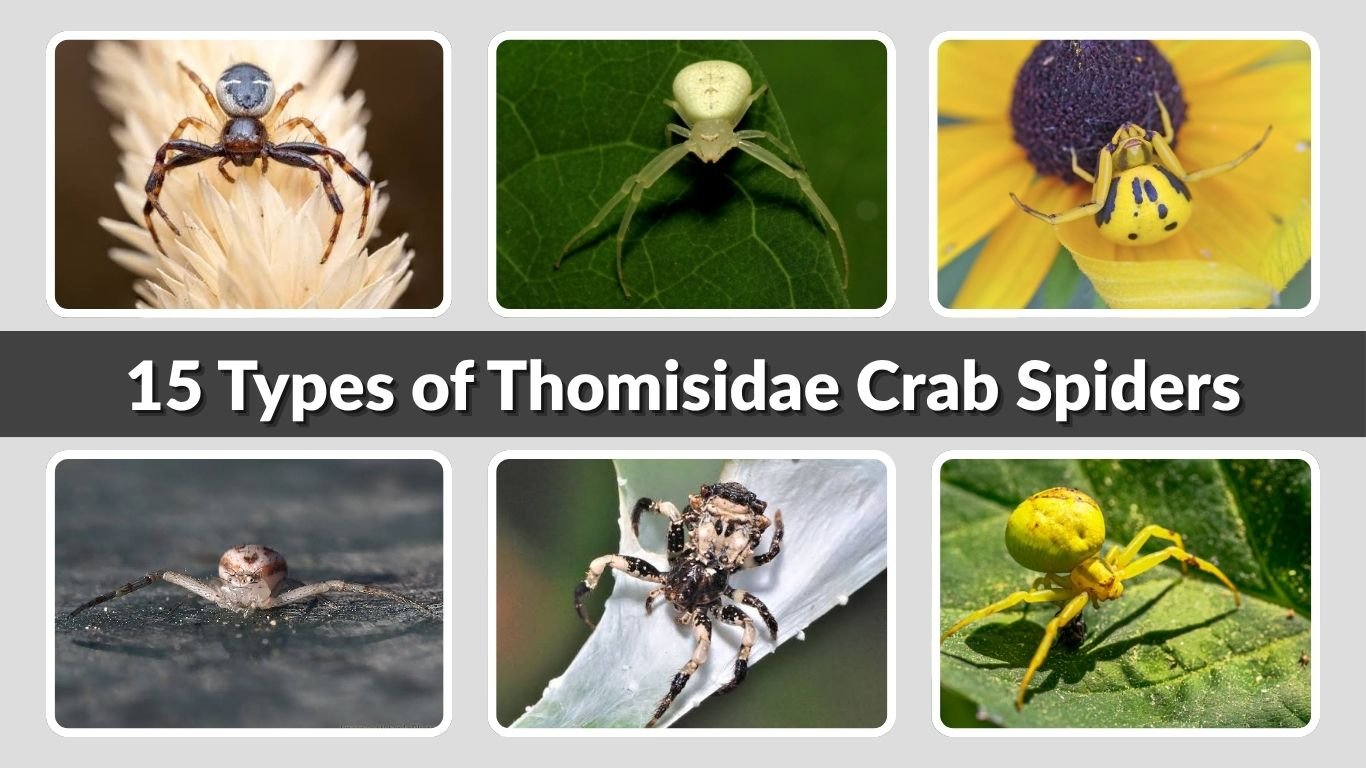
Thomisidae crab spiders are fascinating arachnids known for their crab-like appearance, sideways movements, and remarkable camouflage abilities. These spiders are commonly found in gardens, forests, grasslands, and flowering plants worldwide. Unlike web-building spiders, they use powerful front legs to ambush unsuspecting insects. Some species can even change color to blend into their surroundings. In this guide, we’ll explore 15 types of Thomisidae crab spiders, including their identification features, habitats, hunting behaviors, and potential risks to humans.
1. Goldenrod Crab Spider (Misumena vatia)
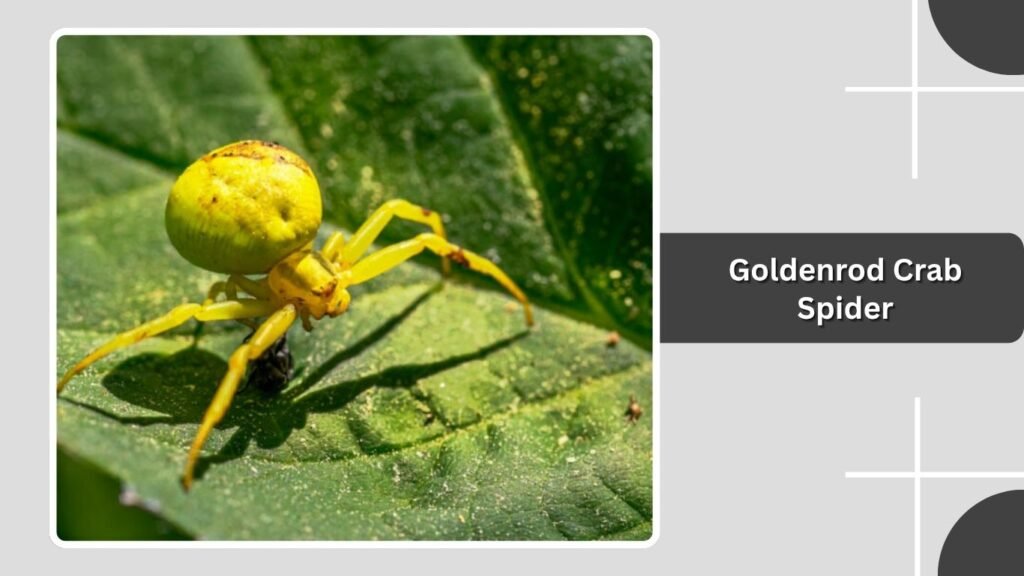
The Goldenrod Crab Spider (Misumena vatia) is one of the most recognizable members of the Thomisidae family. Commonly found on flowers in North America and Europe, this spider is known for its ability to change color between white and yellow. It uses excellent camouflage to ambush insects visiting flowers rather than building webs to catch prey.
Identification
- Scientific Name: Misumena vatia
- Family: Thomisidae
- Common Name: Goldenrod Crab Spider
- Body Length: Females 6–10 mm; males 3–5 mm
- Color: White, yellow, or pale greenish-white
- Legs: Long front legs extending sideways
- Habitat: Flower gardens, meadows, and grasslands
- Appearance: Broad, flattened body with a crab-like stance
Habitat and Distribution
Goldenrod Crab Spiders commonly inhabit flower-rich environments, including gardens, open fields, and wildflower meadows. They are widespread across North America and parts of Europe and Asia. These spiders frequently rest on goldenrod, daisies, and other flowering plants, where their coloration helps them blend into the petals.
Hunting Behavior and Diet
Unlike web-building spiders, Goldenrod Crab Spiders are ambush predators. They remain motionless on flowers until unsuspecting insects approach. Their diet includes bees, flies, butterflies, and other flower-visiting insects. Using their powerful front legs, they capture prey and inject venom to immobilize it.
Are Goldenrod Crab Spiders Dangerous?
Goldenrod Crab Spiders are generally harmless to humans. Although they possess venom for hunting insects, bites are uncommon and usually cause only mild, temporary discomfort. They are beneficial garden predators that help control insect populations naturally.
2. White-Banded Crab Spider (Misumenoides formosipes)

The White-Banded Crab Spider (Misumenoides formosipes) is a colorful member of the Thomisidae family commonly found in North America. This spider gets its name from the distinctive white band across its face, just below the eyes. It is an ambush predator that rests on flowers and captures visiting insects without constructing a prey-catching web.
Identification
- Scientific Name: Misumenoides formosipes
- Family: Thomisidae
- Common Name: White-Banded Crab Spider
- Body Length: Females 5–11 mm; males 2.5–4 mm
- Color: White, yellow, or brown with variable markings
- Legs: Long, sideways-facing front legs
- Habitat: Gardens, grasslands, and flowering meadows
- Appearance: Broad abdomen with a distinctive white facial band
Habitat and Distribution
White-Banded Crab Spiders inhabit flower gardens, open fields, roadsides, and meadows throughout much of North America. They frequently occupy flowering plants such as goldenrod, daisies, and black-eyed Susans. Their coloration helps them remain concealed while waiting for prey.
Hunting Behavior and Diet
These spiders rely on camouflage and patience rather than webs. They position themselves on flowers and capture bees, flies, butterflies, and other visiting insects. Their powerful front legs help restrain prey while venom immobilizes it.
Are White-Banded Crab Spiders Dangerous?
White-Banded Crab Spiders are not considered dangerous to humans. They rarely bite unless handled or threatened. Their venom is primarily adapted for subduing small insects, making them useful predators in gardens and natural habitats.
3. American Green Crab Spider (Misumessus oblongus)

The American Green Crab Spider (Misumessus oblongus) is a small, bright-green spider belonging to the Thomisidae family. Its slender body and translucent green legs allow it to blend naturally into leaves and vegetation. Unlike many flower-dwelling crab spiders, this species commonly hunts among foliage, where it waits patiently for unsuspecting insects.
Identification
- Scientific Name: Misumessus oblongus
- Family: Thomisidae
- Common Name: American Green Crab Spider
- Body Length: Approximately 3–7 mm
- Color: Light green to yellowish-green
- Legs: Slender, translucent green legs
- Habitat: Gardens, shrubs, grasslands, and woodland edges
- Appearance: Elongated green abdomen with a flattened body
Habitat and Distribution
American Green Crab Spiders occur throughout much of North America, particularly in areas with dense vegetation. They inhabit gardens, meadows, woodland edges, and grassy fields. These spiders commonly rest on green leaves, stems, and flowering plants, where their coloration provides effective camouflage.
Hunting Behavior and Diet
These spiders are active ambush predators that capture insects without using prey-catching webs. Their diet includes flies, small moths, leafhoppers, and other insects. They remain concealed among foliage before grabbing nearby prey with their front legs.
Are American Green Crab Spiders Dangerous?
American Green Crab Spiders are generally harmless to humans. They are nonaggressive, and bites are uncommon. Their venom is used for capturing insects and does not normally pose a significant medical threat to people.
4. Eurasian Green Crab Spider (Diaea dorsata)

The Eurasian Green Crab Spider (Diaea dorsata) is a small, colorful member of the Thomisidae family. It is easily recognized by its bright-green legs and cephalothorax, combined with a reddish-brown abdomen. Commonly found in European woodlands, this spider relies on camouflage and ambush hunting rather than constructing webs to capture insects.
Identification
- Scientific Name: Diaea dorsata
- Family: Thomisidae
- Common Name: Eurasian Green Crab Spider
- Body Length: Approximately 4–6 mm
- Color: Green with reddish-brown abdominal markings
- Legs: Bright green, extending sideways
- Habitat: Woodlands, shrubs, and forest edges
- Appearance: Flattened green body with a rounded, brownish abdomen
Habitat and Distribution
Eurasian Green Crab Spiders are commonly found across Europe and parts of Asia. They prefer deciduous forests, woodland edges, and dense vegetation. These spiders frequently rest on broad leaves, where their green coloration provides excellent camouflage against predators and potential prey.
Hunting Behavior and Diet
These spiders are ambush predators that wait patiently on leaves and branches. Their diet includes flies, small moths, leafhoppers, and other insects. They use their strong front legs to capture prey before injecting venom.
Are Eurasian Green Crab Spiders Dangerous?
Eurasian Green Crab Spiders are generally harmless to humans. They rarely bite and usually avoid human contact. Their venom is primarily used to immobilize small insects, making them beneficial predators in woodland ecosystems.
5. Pink Crab Spider (Thomisus onustus)
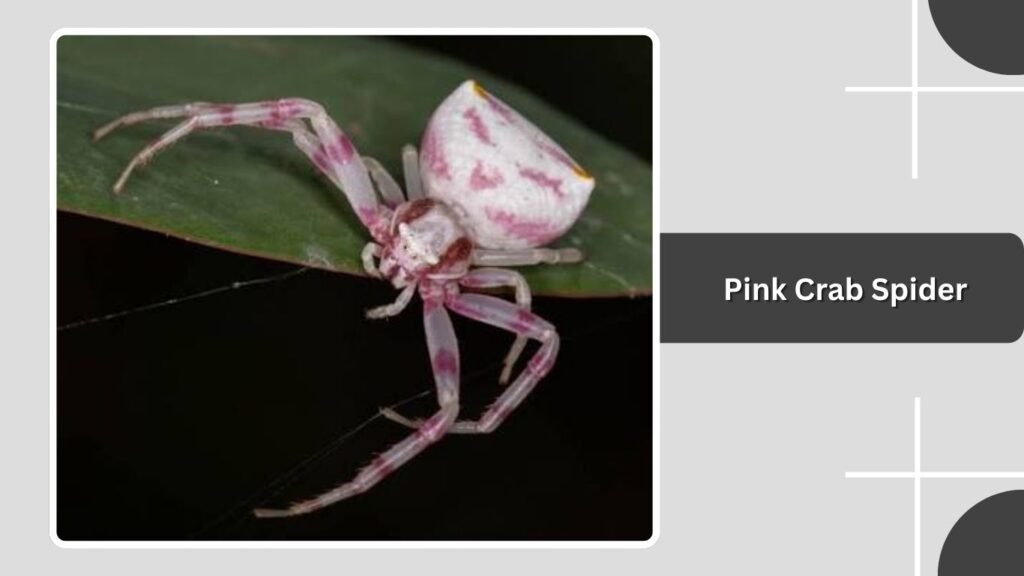
The Pink Crab Spider (Thomisus onustus) is a fascinating flower-dwelling spider belonging to the Thomisidae family. Known for its beautiful pink, white, or yellow coloration, this species blends into flowers while waiting for insects. Its ability to adjust its body coloration helps it remain concealed in different floral environments.
Identification
- Scientific Name: Thomisus onustus
- Family: Thomisidae
- Common Name: Pink Crab Spider
- Body Length: Females 6–10 mm; males 2–4 mm
- Color: Pink, white, yellow, or cream
- Legs: Long front legs positioned sideways
- Habitat: Flower gardens, grasslands, and meadows
- Appearance: Broad, angular abdomen with prominent lateral projections
Habitat and Distribution
Pink Crab Spiders occur throughout Europe, North Africa, and parts of Asia. They inhabit warm grasslands, flowering meadows, gardens, and Mediterranean landscapes. These spiders often rest on colorful flowers, including daisies and thistles, where their body coloration provides camouflage.
Hunting Behavior and Diet
Pink Crab Spiders capture insects through ambush hunting. They remain motionless on flowers until bees, butterflies, flies, or other pollinators approach. Their powerful front legs grab prey, while venom quickly immobilizes captured insects.
Are Pink Crab Spiders Dangerous?
Pink Crab Spiders are not considered dangerous to humans. Although they possess venom, bites are uncommon and generally cause only minor localized discomfort. They are natural insect predators that contribute to ecological balance.
6. Spectacular Crab Spider (Thomisus spectabilis)
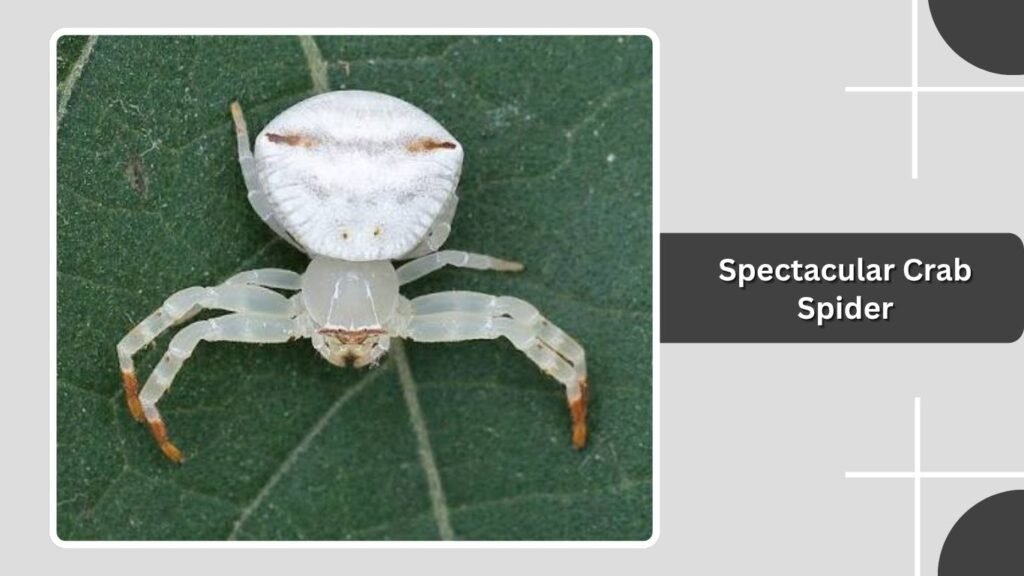
The Spectacular Crab Spider (Thomisus spectabilis) is a remarkable Australian spider recognized for its white or yellow body and impressive camouflage. This flower-dwelling species belongs to the Thomisidae family and specializes in capturing pollinating insects. Its flattened body and powerful front legs give it the characteristic appearance of a small crab.
Identification
- Scientific Name: Thomisus spectabilis
- Family: Thomisidae
- Common Name: Spectacular Crab Spider
- Body Length: Females approximately 6–10 mm; males smaller
- Color: White, creamy yellow, or pale yellow
- Legs: Long, robust front legs extending sideways
- Habitat: Flower gardens, shrubs, and flowering vegetation
- Appearance: Broad, flattened abdomen with angular edges
Habitat and Distribution
Spectacular Crab Spiders are native to Australia and occur in gardens, woodlands, and flowering vegetation. They frequently occupy white and yellow flowers, where their pale coloration helps conceal them from approaching insects. These spiders prefer locations with abundant flowering plants and insect activity.
Hunting Behavior and Diet
These spiders are specialized ambush hunters that capture bees, flies, butterflies, and other flower-visiting insects. They remain still on flower petals before suddenly grabbing prey with their extended front legs. Their venom helps immobilize captured insects.
Are Spectacular Crab Spiders Dangerous?
Spectacular Crab Spiders are generally harmless to humans. Their bites are rare and are not considered medically significant. They help regulate insect populations and play an important role in Australian garden ecosystems.
7. Napoleon Spider (Synema globosum)
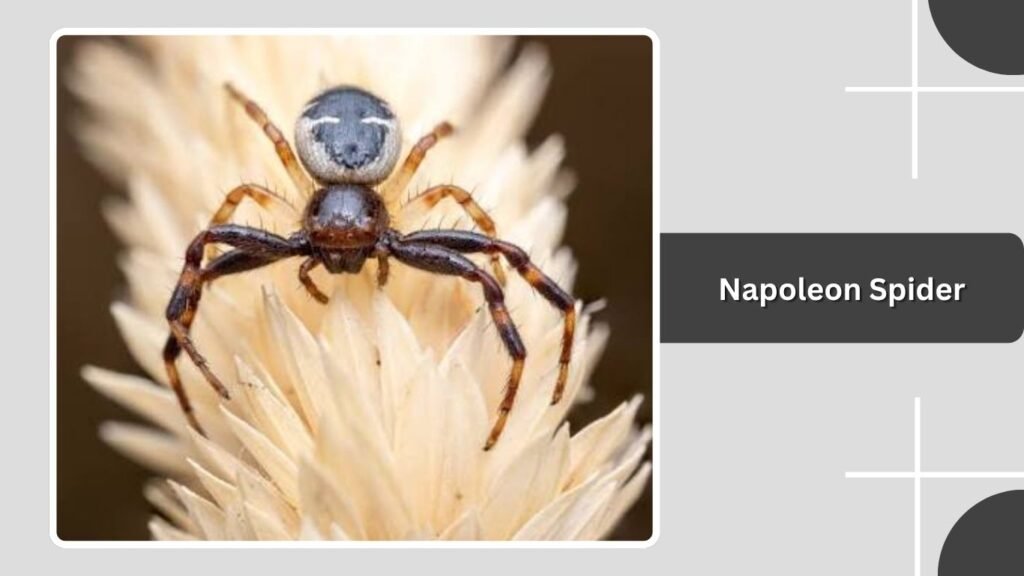
The Napoleon Spider (Synema globosum) is a distinctive crab spider belonging to the Thomisidae family. Its common name comes from the dark abdominal marking that resembles the silhouette of Napoleon Bonaparte wearing his famous bicorne hat. This colorful spider is commonly found on flowers, where it patiently waits to capture visiting insects.
Identification
- Scientific Name: Synema globosum
- Family: Thomisidae
- Common Name: Napoleon Spider
- Body Length: Females 6–8 mm; males 3–4 mm
- Color: Red, yellow, or white abdomen with black markings
- Legs: Dark, sturdy legs positioned sideways
- Habitat: Meadows, gardens, grasslands, and flowering shrubs
- Appearance: Rounded abdomen with a distinctive black silhouette-like pattern
Habitat and Distribution
Napoleon Spiders are widely distributed throughout southern and central Europe, North Africa, and parts of Asia. They prefer sunny grasslands, wildflower meadows, and flowering shrubs. Their colorful bodies allow them to remain partially concealed among flower petals.
Hunting Behavior and Diet
Napoleon Spiders use an ambush hunting strategy rather than building prey-catching webs. They sit on flowers and wait for bees, flies, butterflies, and other insects. Once prey approaches, they seize it with their powerful front legs and inject venom.
Are Napoleon Spiders Dangerous?
Napoleon Spiders are not considered dangerous to humans. They rarely bite and generally remain motionless or retreat when disturbed. Their venom helps subdue insects but does not typically pose a significant threat to people.
8. Northern Crab Spider (Mecaphesa asperata)
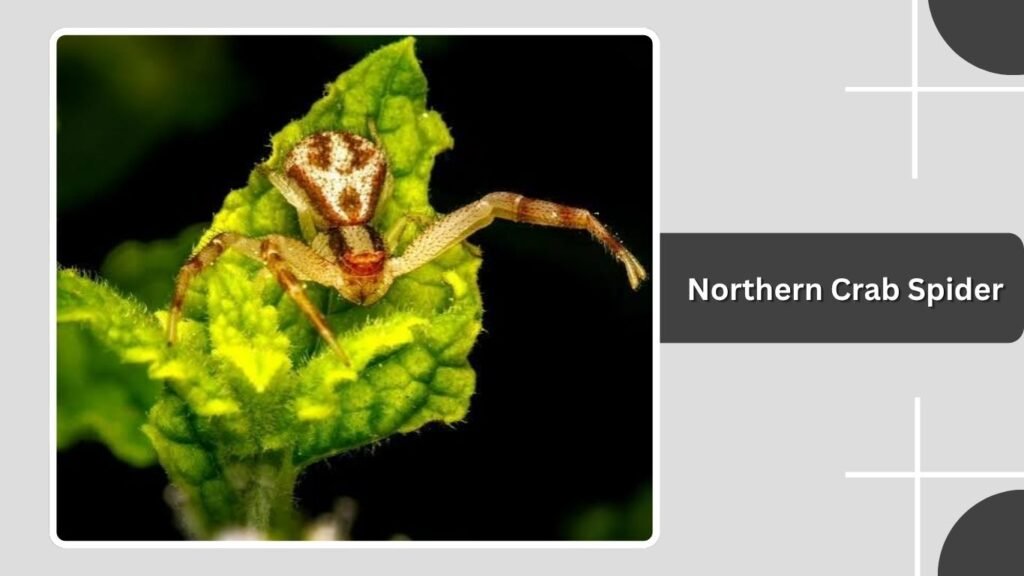
The Northern Crab Spider (Mecaphesa asperata) is a small, well-camouflaged spider belonging to the Thomisidae family. Commonly found in North America, this species has a pale yellow, cream, or brownish body with subtle markings. It frequently inhabits flowering plants, where it waits motionlessly to capture unsuspecting insects.
Identification
- Scientific Name: Mecaphesa asperata
- Family: Thomisidae
- Common Name: Northern Crab Spider
- Body Length: Approximately 3–7 mm
- Color: Pale yellow, cream, tan, or light brown
- Legs: Sideways-facing legs with small spines
- Habitat: Gardens, grasslands, meadows, and woodland edges
- Appearance: Flattened body with a rounded abdomen and subtle markings
Habitat and Distribution
Northern Crab Spiders are distributed across parts of North America, including the United States and Canada. They inhabit flowering meadows, grassy fields, gardens, and woodland margins. These spiders commonly rest on wildflowers and vegetation, where their pale coloration provides effective concealment.
Hunting Behavior and Diet
Northern Crab Spiders are ambush predators that capture insects without constructing prey-catching webs. Their diet includes flies, small bees, moths, and other flower-visiting insects. They use their spiny front legs to grab prey before injecting venom.
Are Northern Crab Spiders Dangerous?
Northern Crab Spiders are generally harmless to humans. They are not aggressive, and bites are uncommon. Their venom is adapted for immobilizing small insects rather than defending against larger animals.
9. Swift Crab Spider (Mecaphesa celer)
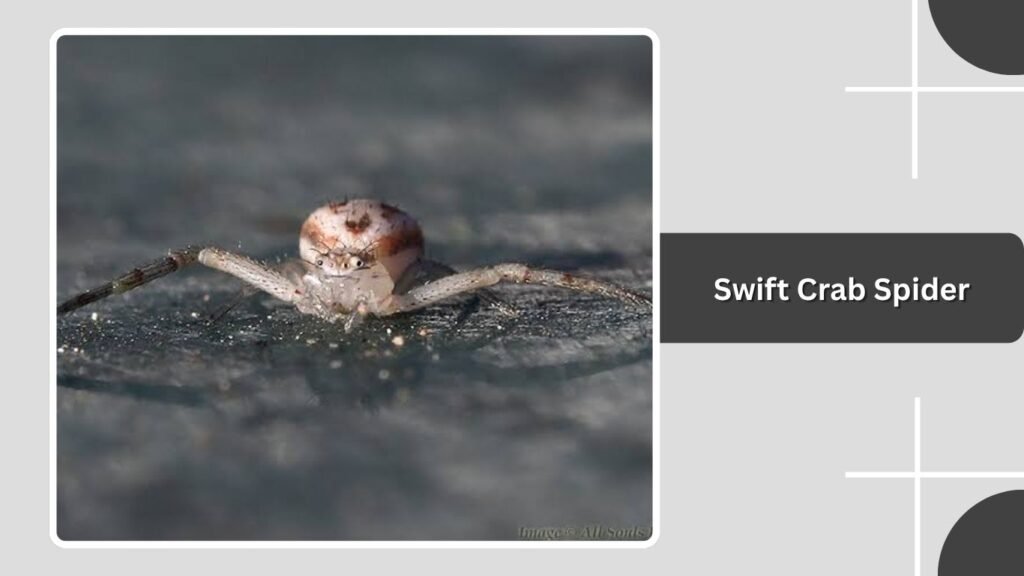
The Swift Crab Spider (Mecaphesa celer) is a small, flower-dwelling spider belonging to the Thomisidae family. It is known for its spiny body, variable coloration, and ability to remain concealed among flowering plants. This species is commonly found in North America and relies on ambush hunting rather than building webs to capture prey.
Identification
- Scientific Name: Mecaphesa celer
- Family: Thomisidae
- Common Name: Swift Crab Spider
- Body Length: Approximately 3–7 mm
- Color: Pale green, yellow, cream, or brownish
- Legs: Long front legs covered with fine spines
- Habitat: Meadows, gardens, grasslands, and flowering fields
- Appearance: Small, flattened body with spiny hairs and variable markings
Habitat and Distribution
Swift Crab Spiders are widely distributed across North America, extending into Mexico, Central America, and the Caribbean. They commonly inhabit tallgrass prairies, flower gardens, meadows, and other areas with abundant vegetation. These spiders often position themselves on flowers, where they remain concealed from approaching insects.
Hunting Behavior and Diet
Swift Crab Spiders are ambush predators that capture insects without using prey-catching webs. They feed on flies, bees, small butterflies, and other flower-visiting insects. Their spiny legs help them grip prey while venom immobilizes captured insects.
Are Swift Crab Spiders Dangerous?
Swift Crab Spiders are generally harmless to humans. They rarely bite unless physically threatened or handled. Their venom is primarily used to subdue small insects and is not considered medically significant to humans.
10. Common Crab Spider (Xysticus cristatus)
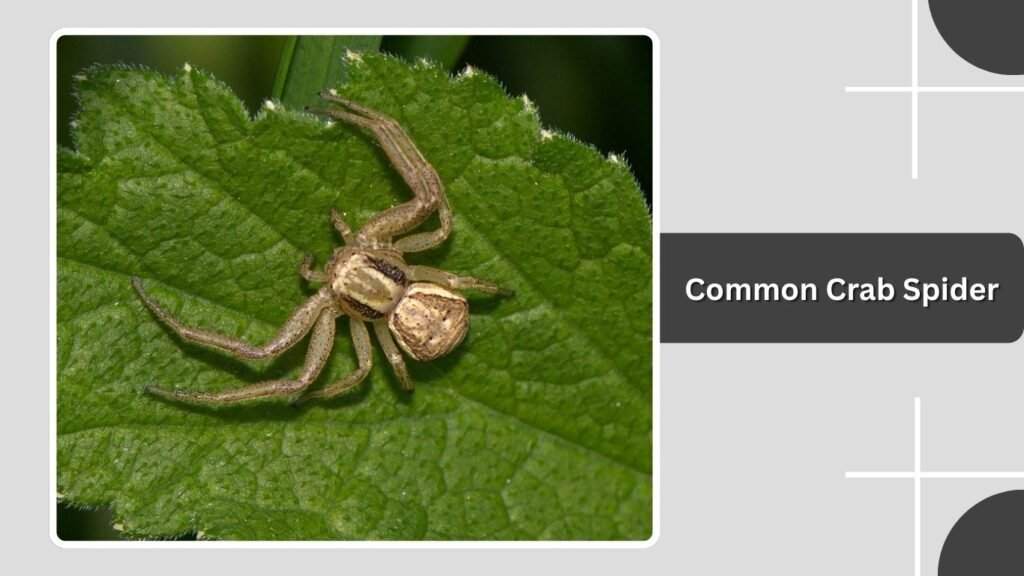
The Common Crab Spider (Xysticus cristatus) is a widespread member of the Thomisidae family. Unlike brightly colored flower crab spiders, this species usually has a brown or gray body with distinctive dark markings. Its excellent camouflage allows it to remain hidden among grass, soil, and fallen leaves while waiting for unsuspecting prey.
Identification
- Scientific Name: Xysticus cristatus
- Family: Thomisidae
- Common Name: Common Crab Spider
- Body Length: Females 4.7–8 mm; males 3.5–6.1 mm
- Color: Brown, gray, tan, or reddish-brown
- Legs: Short, sturdy, sideways-facing legs
- Habitat: Grasslands, gardens, meadows, and open fields
- Appearance: Broad body with a dark triangular marking on the carapace
Habitat and Distribution
Common Crab Spiders occur throughout Europe and parts of Asia and have also been introduced to North America. They prefer open habitats, including grasslands, agricultural fields, gardens, and woodland edges. These spiders frequently occupy low vegetation and ground-level hiding places.
Hunting Behavior and Diet
Common Crab Spiders are patient ambush hunters. They remain motionless on vegetation or the ground before grabbing passing insects. Their diet includes flies, ants, beetles, small butterflies, and occasionally other spiders. Their strong front legs help restrain captured prey.
Are Common Crab Spiders Dangerous?
Common Crab Spiders are not considered dangerous to humans. They are generally nonaggressive and prefer hiding or escaping when disturbed. Bites are uncommon and usually cause only minor localized discomfort.
11. Swamp Crab Spider (Xysticus ulmi)
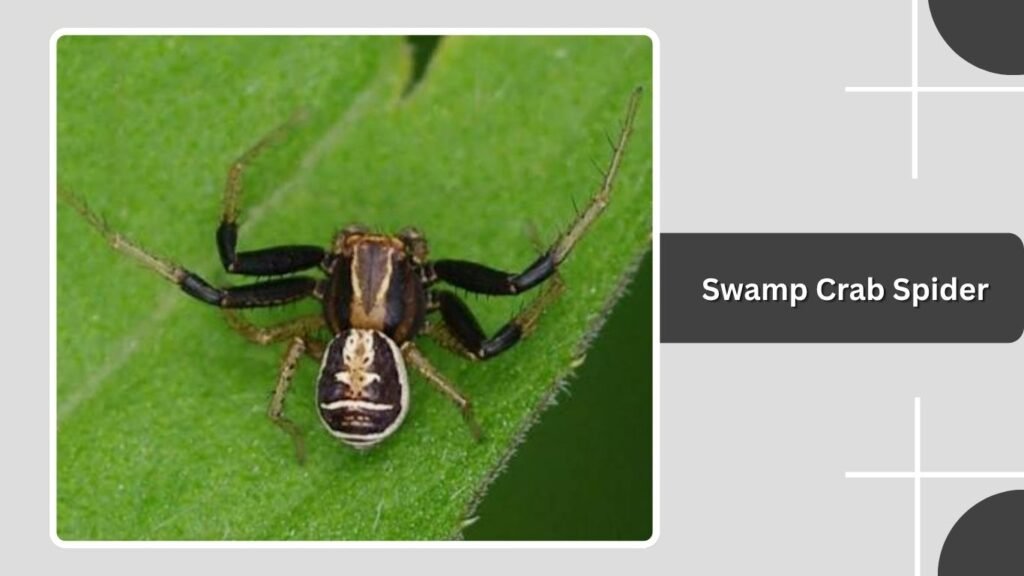
The Swamp Crab Spider (Xysticus ulmi) is a small, brownish crab spider belonging to the Thomisidae family. This species is particularly associated with moist environments, including wetlands, riverbanks, and marshy grasslands. Its patterned body provides camouflage among dried vegetation, helping it capture passing insects without constructing hunting webs.
Identification
- Scientific Name: Xysticus ulmi
- Family: Thomisidae
- Common Name: Swamp Crab Spider
- Body Length: Females 5–8.3 mm; males 3–4 mm
- Color: Brown, tan, grayish-brown, or beige
- Legs: Sturdy legs with darker spots and markings
- Habitat: Wetlands, marshes, riverbanks, and grassy areas
- Appearance: Flattened body with pale triangular and banded markings
Habitat and Distribution
Swamp Crab Spiders are found throughout much of Europe and parts of Asia. They commonly inhabit damp meadows, marshland vegetation, riverbanks, and wet grasslands. Although they favor moist environments, they can also occur in drier habitats with suitable vegetation and prey.
Hunting Behavior and Diet
Swamp Crab Spiders hunt by waiting on low-growing plants and among grasses. They capture flies, mosquitoes, small beetles, and other nearby insects. Their strong front legs help grab passing prey before venom immobilizes it.
Are Swamp Crab Spiders Dangerous?
Swamp Crab Spiders are generally harmless to humans. They rarely bite and are not considered medically important. Their presence in wetland habitats contributes to natural insect population control.
12. African Flower Crab Spider (Thomisus citrinellus)
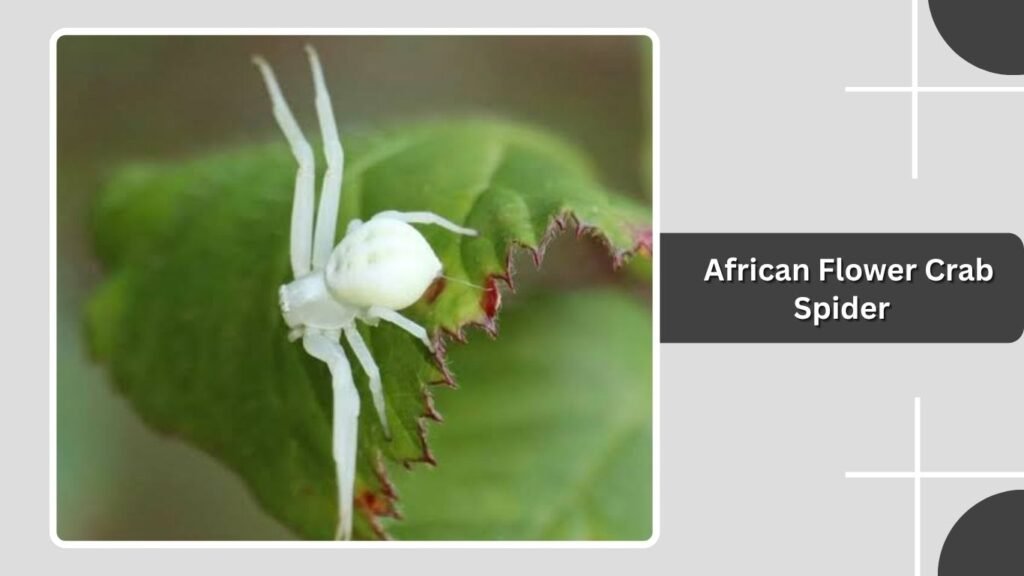
The African Flower Crab Spider (Thomisus citrinellus), also known as the Yellow Crab Spider, is a colorful member of the Thomisidae family. This species is recognized for its flattened body, triangular abdomen, and variable coloration. It frequently rests on flowers and surrounding vegetation, where its camouflage helps it capture unsuspecting insects.
Identification
- Scientific Name: Thomisus citrinellus
- Family: Thomisidae
- Common Name: African Flower Crab Spider
- Body Length: Females 5–7.3 mm; males 2.1–2.6 mm
- Color: Yellow, white, cream, pink, or brownish
- Legs: Sideways-facing legs with small spines
- Habitat: Flowering grasslands, gardens, and shrublands
- Appearance: Triangular abdomen with angular projections and variable markings
Habitat and Distribution
African Flower Crab Spiders occur across Africa, parts of southern Europe, and the Middle East. They inhabit flowering vegetation, grasslands, gardens, and shrublands. Their body coloration varies considerably, allowing different individuals to blend into their surroundings.
Hunting Behavior and Diet
These spiders are ambush predators that wait patiently for insects to approach. They commonly capture flies, bees, moths, and other small insects visiting flowers. Their strong front legs restrain prey while venom helps immobilize it.
Are African Flower Crab Spiders Dangerous?
African Flower Crab Spiders are not considered dangerous to humans. They generally avoid contact and rarely bite. Their venom is used to capture small insects and is not known to pose a significant medical threat to people.
13. Triangle Crab Spider (Ebrechtella tricuspidata)
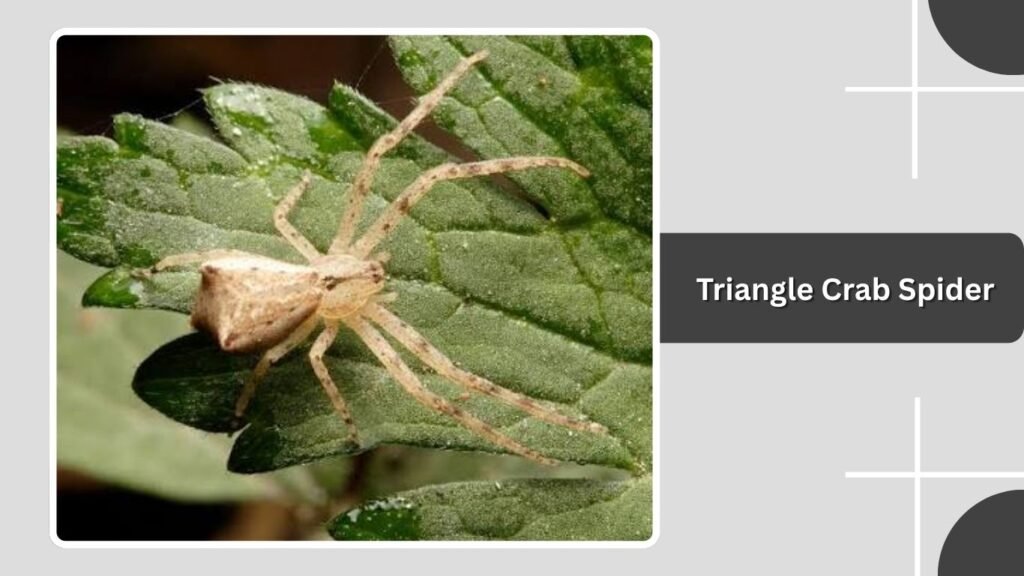
The Triangle Crab Spider (Ebrechtella tricuspidata) is a small member of the Thomisidae family commonly found across Europe and Asia. Females typically have greenish legs and a pale body, while males are darker and more heavily patterned. Like other crab spiders, this species hunts by ambushing insects rather than constructing prey-catching webs.
Identification
- Scientific Name: Ebrechtella tricuspidata
- Family: Thomisidae
- Common Name: Triangle Crab Spider
- Body Length: Females approximately 6 mm; males 3 mm
- Color: Greenish-white in females; brown in males
- Legs: Sideways-facing, with greenish coloration in females
- Habitat: Dry meadows, grasslands, and sunny woodland edges
- Appearance: Flattened body with variable abdominal markings
Habitat and Distribution
Triangle Crab Spiders are distributed across Europe and much of temperate Asia, including China, Korea, and Japan. They commonly inhabit dry meadows, grassy areas, and sunny forest edges. Females often remain concealed among green vegetation, while their coloration helps them blend naturally into leaves and stems.
Hunting Behavior and Diet
Triangle Crab Spiders are patient ambush hunters that capture insects from vegetation. Their diet includes flies, leafhoppers, small moths, and other insects. They use their extended front legs to seize prey before injecting venom.
Are Triangle Crab Spiders Dangerous?
Triangle Crab Spiders are generally harmless to humans. They are not aggressive and rarely bite. Their small size and insect-focused hunting behavior make them beneficial predators in natural environments.
14. Red-Tipped Crab Spider (Sidymella rubrosignata)

The Red-Tipped Crab Spider (Sidymella rubrosignata) is a distinctive Australian member of the Thomisidae family. This species is recognized by its unusual trapezoid-shaped abdomen, which features paired humps with reddish markings. Its greenish coloration provides effective camouflage among leaves, where it patiently waits to ambush insects and other small invertebrates.
Identification
- Scientific Name: Sidymella rubrosignata
- Family: Thomisidae
- Common Name: Red-Tipped Crab Spider
- Body Length: Females approximately 8 mm; males 4.5 mm
- Color: Green, yellowish, light brown, or reddish
- Legs: First two pairs noticeably longer than the rear legs
- Habitat: Leafy vegetation, shrubs, and native plants
- Appearance: Trapezoid-shaped abdomen with two humps bearing reddish patches
Habitat and Distribution
Red-Tipped Crab Spiders are native to Australia, with documented records from New South Wales. They are frequently associated with Dianella plants, commonly called flax lilies. Their green coloration helps conceal them among leaves and flowers, providing an effective hiding place for ambush hunting.
Hunting Behavior and Diet
These spiders rely on stealth to capture insects and other small invertebrates. They remain motionless on vegetation until prey approaches, then grab it with their long front legs. Their venom helps immobilize captured prey.
Are Red-Tipped Crab Spiders Dangerous?
Red-Tipped Crab Spiders are not generally considered dangerous to humans. They prefer remaining hidden among vegetation rather than approaching people. Bites are uncommon, and their venom is primarily used for subduing small prey.
15. Bird-Dung Crab Spider (Phrynarachne ceylonica)
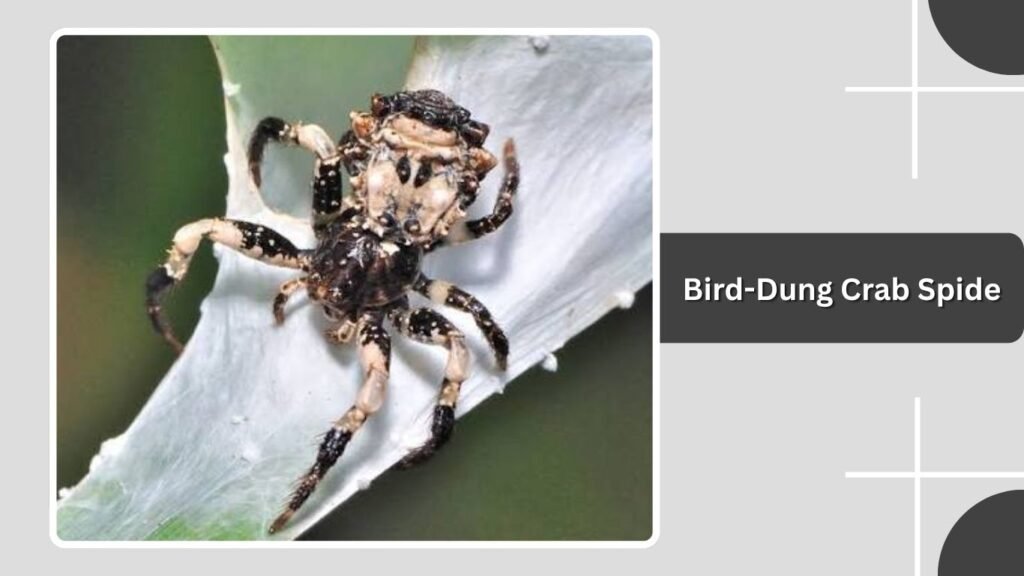
The Bird-Dung Crab Spider (Phrynarachne ceylonica) is one of the most unusual members of the Thomisidae family. This spider is famous for its remarkable ability to resemble bird droppings. Its irregular body shape, brown-and-white coloration, and unusual odor help it deceive predators and attract insects. Unlike web-building spiders, it captures prey through camouflage and ambush hunting.
Identification
- Scientific Name: Phrynarachne ceylonica
- Family: Thomisidae
- Common Name: Bird-Dung Crab Spider
- Body Length: Females approximately 10 mm; males smaller
- Color: Brown, white, yellowish, and dark mottled patterns
- Legs: Thick front legs extending sideways
- Habitat: Tropical forests, shrubs, and broad-leaved vegetation
- Appearance: Irregular, lumpy abdomen resembling bird droppings
Habitat and Distribution
Bird-Dung Crab Spiders occur in several Asian countries, including India, Sri Lanka, China, Taiwan, Japan, and Laos. They inhabit forest vegetation and other leafy environments. These spiders frequently rest on broad leaves, where their unusual appearance helps conceal them from predators.
Hunting Behavior and Diet
These spiders use an unusual hunting strategy called aggressive mimicry. Their resemblance to bird droppings can attract flies and other insects that mistake them for a potential food source. Once insects approach, the spider quickly captures them using its powerful front legs.
Are Bird-Dung Crab Spiders Dangerous?
Bird-Dung Crab Spiders are not generally considered dangerous to humans. They are nonaggressive and prefer remaining concealed rather than confronting threats. Their venom is primarily used to immobilize small insects.
FAQs
1. What Is a Thomisidae Crab Spider?
Thomisidae is a family of spiders commonly called crab spiders because of their sideways-facing legs and crab-like movements. These spiders typically have broad, flattened bodies and powerful front legs. Most hunt by ambushing insects on flowers, leaves, or other vegetation rather than building prey-catching webs.
2. Are Thomisidae Crab Spiders Poisonous to Humans?
Thomisidae crab spiders are venomous, not poisonous, but most species are not dangerous to humans. Their venom helps immobilize insects during hunting. Bites are uncommon and generally produce mild, temporary symptoms such as redness, swelling, or localized discomfort. Severe reactions are unusual.
3. Where Do Thomisidae Crab Spiders Usually Live?
Thomisidae crab spiders inhabit various environments, including gardens, grasslands, forests, meadows, and agricultural fields. Many species prefer flowers, where their coloration provides excellent camouflage. Others live among leaves, tree bark, or ground vegetation, depending on their hunting behavior and environmental adaptations.
4. What Do Thomisidae Crab Spiders Eat?
Thomisidae crab spiders primarily feed on insects such as flies, bees, butterflies, moths, and grasshoppers. Some species also capture other spiders. They rely on camouflage, patience, and powerful front legs to seize prey, injecting venom to immobilize insects before consuming their liquid tissues.
5. Can Thomisidae Crab Spiders Change Their Color?
Some Thomisidae crab spiders can change their body coloration to match their surroundings. The Goldenrod Crab Spider, for example, can gradually shift between white and yellow. This process generally takes several days or longer and helps the spider remain concealed while hunting insects on flowers.
