
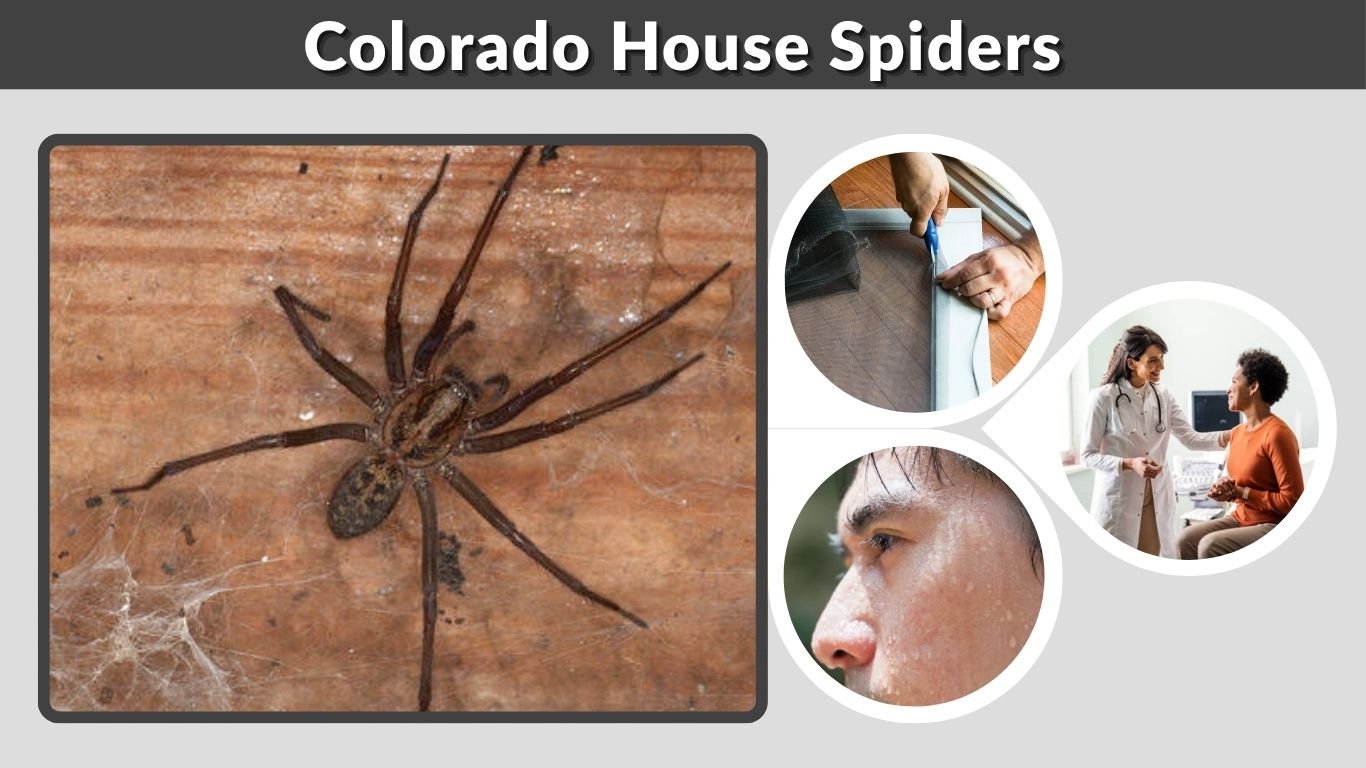
Colorado house spiders come in different sizes, colors, and body shapes, making identification difficult for homeowners. Some are small brown spiders hiding in corners, while others are large, dark spiders wandering across floors or basements. Most species are harmless and help control household insects, but a few require caution because of their venomous bites. Understanding their appearance, behavior, and preferred hiding places can help you recognize them correctly. This guide covers common house spiders in Colorado, identification features, potential dangers, and practical ways to keep them outside.
What Are the Most Common House Spiders in Colorado?
Colorado has many spider species, but only certain types regularly appear inside homes. Some build webs in quiet corners, while others actively hunt insects across floors and walls. Their appearance varies from pale yellow and reddish brown to dark gray or black. Understanding these common species makes Colorado house spider identification easier.
1. Funnel Weaver Spiders
Funnel weaver spiders belong to the family Agelenidae and are among the most frequently encountered Colorado house spiders. They have brown bodies, patterned abdomens, and relatively long legs. These spiders create flat, sheet-like webs with funnel-shaped retreats. They often appear indoors during late summer and early fall and are generally harmless.
2. Wolf Spiders
Wolf spiders are medium to large hunting spiders with brown or gray bodies and dark markings. Unlike web-building species, they chase insects across floors and outdoor surfaces. Their hairy appearance sometimes makes them look intimidating. However, wolf spiders are generally shy and rarely bite unless handled or trapped.
3. Common House Spiders
Common cobweb spiders, including species in the family Theridiidae, frequently occupy dark indoor corners. They usually have rounded abdomens with brown, tan, or darker markings. Their irregular webs are commonly found around windows, basements, garages, and furniture. Most are harmless and feed on small flying insects.
4. Cellar Spiders
Cellar spiders have small bodies and extremely long, thin legs. They commonly live in basements, crawl spaces, garages, and ceiling corners. Their loose, tangled webs may collect dust over time. These spiders often vibrate rapidly when disturbed and are not considered dangerous to humans.
5. Jumping Spiders
Jumping spiders are small, compact hunters with relatively short legs and large forward-facing eyes. They may appear black, brown, gray, or patterned. Unlike many other house spiders, they do not construct webs to catch insects. Instead, they stalk prey and jump short distances. They occasionally enter Colorado homes.
6. Yellow Sac Spiders
Yellow sac spiders have pale yellow, cream, or light greenish bodies. They are commonly found near ceilings, wall cracks, and upper room corners. These spiders actively hunt at night and rest inside small silk shelters during the day. Their bites can be painful but usually cause limited symptoms.
7. Woodlouse Spiders
Woodlouse spiders (Dysdera crocata) have reddish-orange legs, a reddish front body, and a pale abdomen. Their large jaws are particularly noticeable. They often hide in damp basements, beneath objects, or near foundations. These spiders primarily hunt woodlice and can deliver painful bites, although serious reactions are uncommon.
8. Western Black Widow Spiders
Western black widow spiders (Latrodectus hesperus) are medically significant spiders found in Colorado. Adult females have shiny black bodies with red or orange hourglass markings underneath their abdomens. They commonly build irregular webs in garages, crawl spaces, and sheltered outdoor locations. Their bites require prompt medical evaluation.
How to Identify Common Colorado House Spiders

Identifying house spiders in Colorado requires examining their body color, size, markings, and behavior. Many species share similar appearances, making color alone unreliable. Some spiders remain near webs, while others actively search for prey. Knowing these characteristics can help distinguish common household spiders from potentially dangerous species.
Colorado House Spider Identification Features
- Small brown spiders: Often funnel weavers, cobweb spiders, or young wolf spiders.
- Big brown spiders: May be large wolf spiders or funnel weavers.
- Black spiders: Could include jumping spiders, ground spiders, or black widows.
- Light-colored spiders: Often yellow sac spiders or pale juvenile spiders.
- Reddish spiders: May be woodlouse spiders with orange-red legs.
- Long-legged spiders: Commonly cellar spiders living in basements or corners.
- Spiders with funnel webs: Usually belong to the funnel weaver family.
Colorado House Spiders vs. Brown Recluse Spiders
Brown recluse spiders are extremely rare in Colorado and do not naturally occur throughout the state. Most suspected sightings involve harmless funnel weavers, wolf spiders, or similar-looking species.
Brown recluses typically have six eyes arranged in three pairs, uniformly colored abdomens, and unbanded legs. Identification should not rely on the violin-shaped marking alone.
Why Are House Spiders Common in Colorado Homes?
House spiders enter Colorado homes primarily for shelter, food, and suitable hiding places. Some species naturally live indoors, while others wander inside accidentally. Seasonal changes, abundant insects, and openings around buildings can increase spider activity. Their presence does not necessarily indicate poor housekeeping or a serious infestation.
Seasonal Temperature Changes
Funnel weaver spiders frequently enter homes during late summer and early fall. Mature males may wander while searching for mates. Cooler outdoor conditions can also encourage some spider species to seek protected locations.
Insects and Hidden Spaces
Spiders feed on flies, moths, mosquitoes, and other small insects. Cluttered storage areas, basements, and garages provide convenient hiding places. Homes with abundant insect prey may support more spider activity.
Cracks and Entry Points
Spiders can enter through damaged window screens, door gaps, foundation cracks, and openings around utility pipes. They may also arrive inside with stored boxes, furniture, or firewood.
Are Colorado House Spiders Poisonous or Dangerous?

Most Colorado house spiders are not dangerous to humans. Although nearly all true spiders possess venom for capturing prey, only a few species cause significant medical concerns. The western black widow is the primary species homeowners should recognize. Other spiders may bite defensively, but serious complications are uncommon.
Are Black Widow Spiders Dangerous?
Yes, western black widow bites can cause severe pain, muscle cramps, sweating, and other symptoms. Their venom affects the nervous system. Anyone with a suspected black widow bite should seek prompt medical advice, especially children, older adults, or people experiencing significant symptoms.
Do Common House Spiders Bite?
Most house spiders avoid people and bite only when trapped against the skin or disturbed. Wolf spiders, yellow sac spiders, and woodlouse spiders can occasionally bite. Wash suspected bites with soap and water and apply a cold compress. Seek medical care for severe or worsening symptoms.
How to Get Rid of House Spiders in Colorado
Removing unwanted house spiders usually involves cleaning, reducing insect populations, and blocking entry points. Since most species are beneficial predators, widespread chemical treatment is rarely necessary. Simple household maintenance can reduce spider activity while allowing harmless spiders to remain outdoors. Extra caution is needed when dealing with suspected black widows.
Effective House Spider Removal Methods
- Vacuum regularly: Remove unwanted spiders, webs, and visible egg sacs from corners.
- Reduce clutter: Keep basements, garages, and storage rooms organized.
- Seal cracks: Repair openings around doors, windows, and foundations.
- Control insects: Reduce the prey that attracts spiders indoors.
- Inspect stored items: Check boxes, shoes, and firewood before handling them.
- Seek professional help: Contact a pest management professional for persistent problems or significant black widow activity.
How to Prevent Colorado House Spiders From Returning

Preventing spiders requires reducing indoor hiding places and limiting access from outside. Regular maintenance is particularly helpful during seasonal changes when certain spiders become more active. While completely eliminating spiders is unrealistic, keeping your home clean and properly sealed can significantly reduce unwanted encounters.
Colorado House Spider Prevention Tips
- Repair window screens: Prevent spiders and insects from entering.
- Install door sweeps: Close gaps beneath exterior doors.
- Trim vegetation: Keep shrubs and branches away from exterior walls.
- Move firewood: Store wood away from entrances and foundations.
- Reduce clutter: Organize dark storage areas and crawl spaces.
- Inspect regularly: Check garages, corners, and window wells for webs.
FAQs
1. What are the most common house spiders in Colorado?
The most common house spiders in Colorado include funnel weavers, wolf spiders, cellar spiders, cobweb spiders, jumping spiders, and yellow sac spiders. Some live indoors regularly, while others enter accidentally. Most are harmless and help control household insects.
2. What are the big brown spiders in Colorado houses?
Large brown spiders found inside Colorado homes are often wolf spiders or funnel weavers. Wolf spiders have hairy bodies and actively hunt insects, while funnel weavers build sheet-like webs. Their size can be intimidating, but both groups are generally harmless to humans.
3. Are there poisonous house spiders in Colorado?
Western black widows are the primary medically significant spiders found in Colorado homes and surrounding structures. Their bites can cause severe symptoms requiring medical attention. Brown recluse spiders are extremely rare in Colorado, and most other household spiders present little danger to people.
4. What spiders are common in Colorado Springs homes?
Colorado Springs homes may contain funnel weavers, wolf spiders, cellar spiders, jumping spiders, and yellow sac spiders. Species vary depending on the surrounding environment and season. Funnel weavers often become more noticeable in late summer and early fall when mature spiders wander.
5. How can I keep spiders out of my Colorado home?
Seal cracks, repair screens, install door sweeps, and reduce clutter in storage areas. Vacuum webs regularly and limit the insects that attract spiders. Keeping firewood and vegetation away from exterior walls can also reduce the number of spiders entering your home.
