
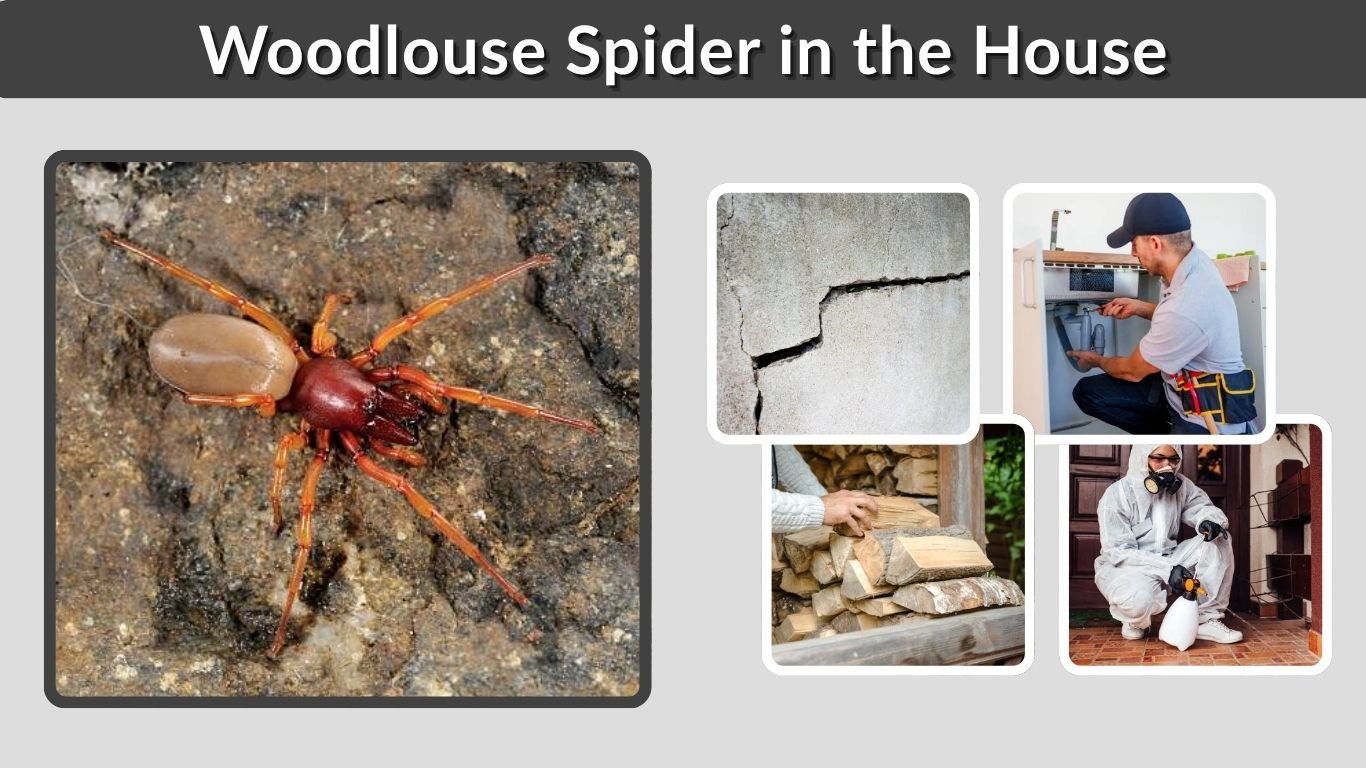
Woodlouse Spider in the House: What Should You Do?
Finding a woodlouse spider in your house can be unsettling because of its reddish body and large, forward-pointing fangs. However, there is usually no reason … Read More
Finding a woodlouse spider in your house can be unsettling because of its reddish body and large, forward-pointing fangs. However, there is usually no reason … Read More
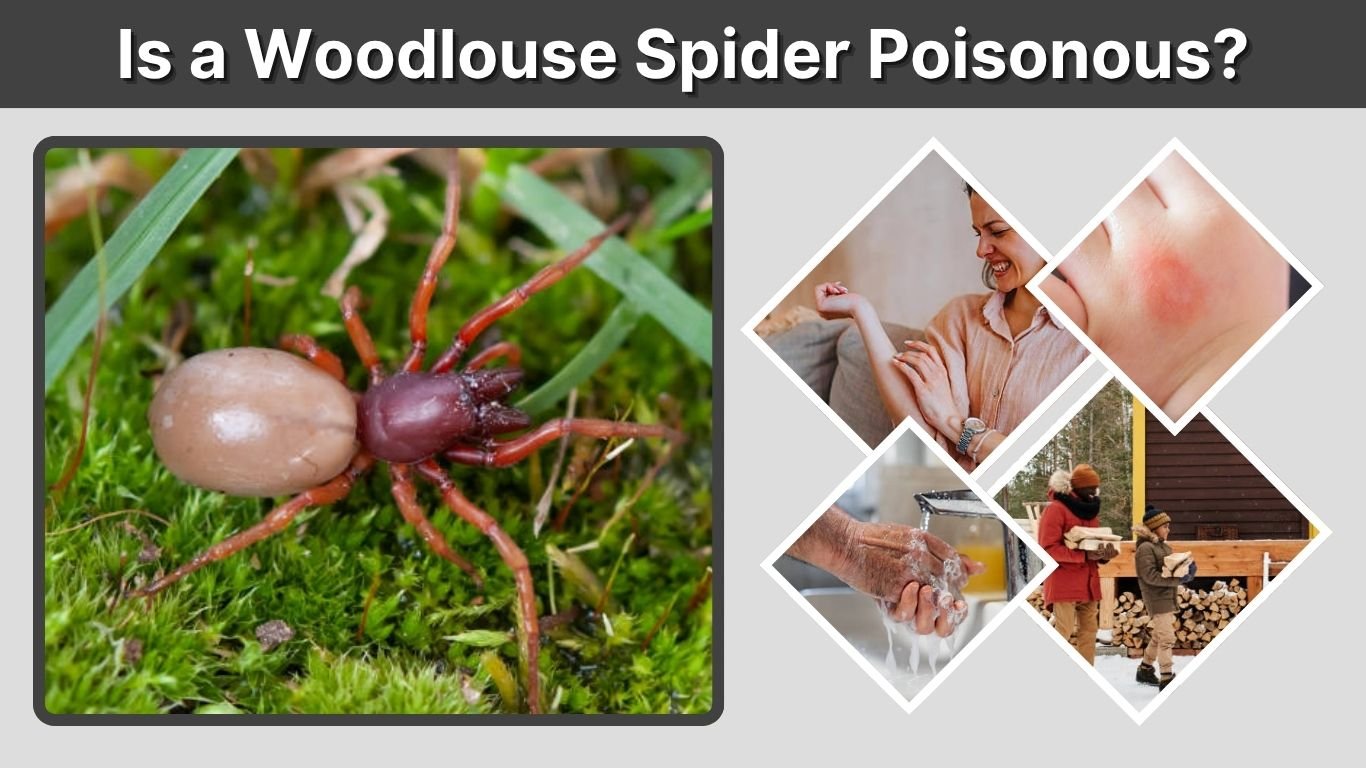
The woodlouse spider has a reddish body, pale abdomen, and unusually large fangs, giving it a threatening appearance. However, it is not poisonous. It is … Read More
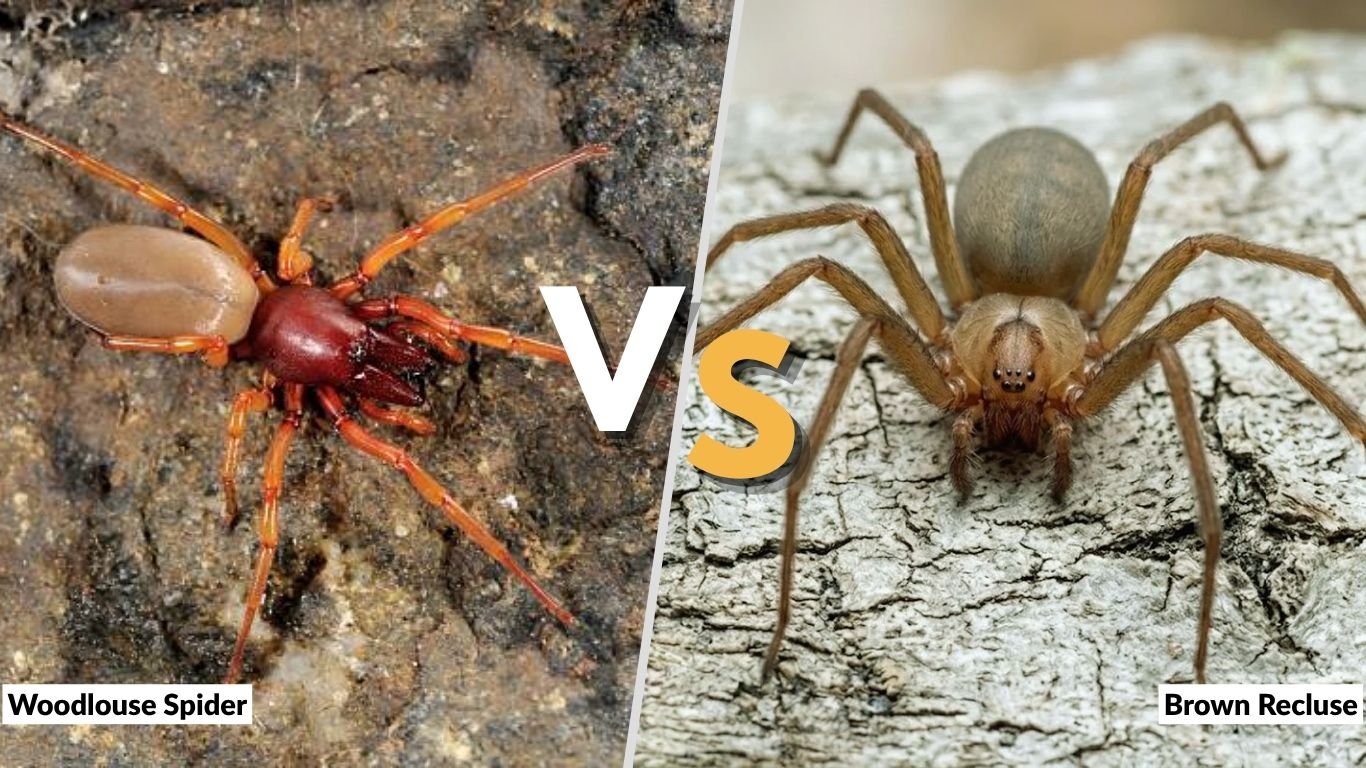
The woodlouse spider and brown recluse can both appear indoors and have six eyes, but they are relatively easy to separate when their colors, fangs, … Read More
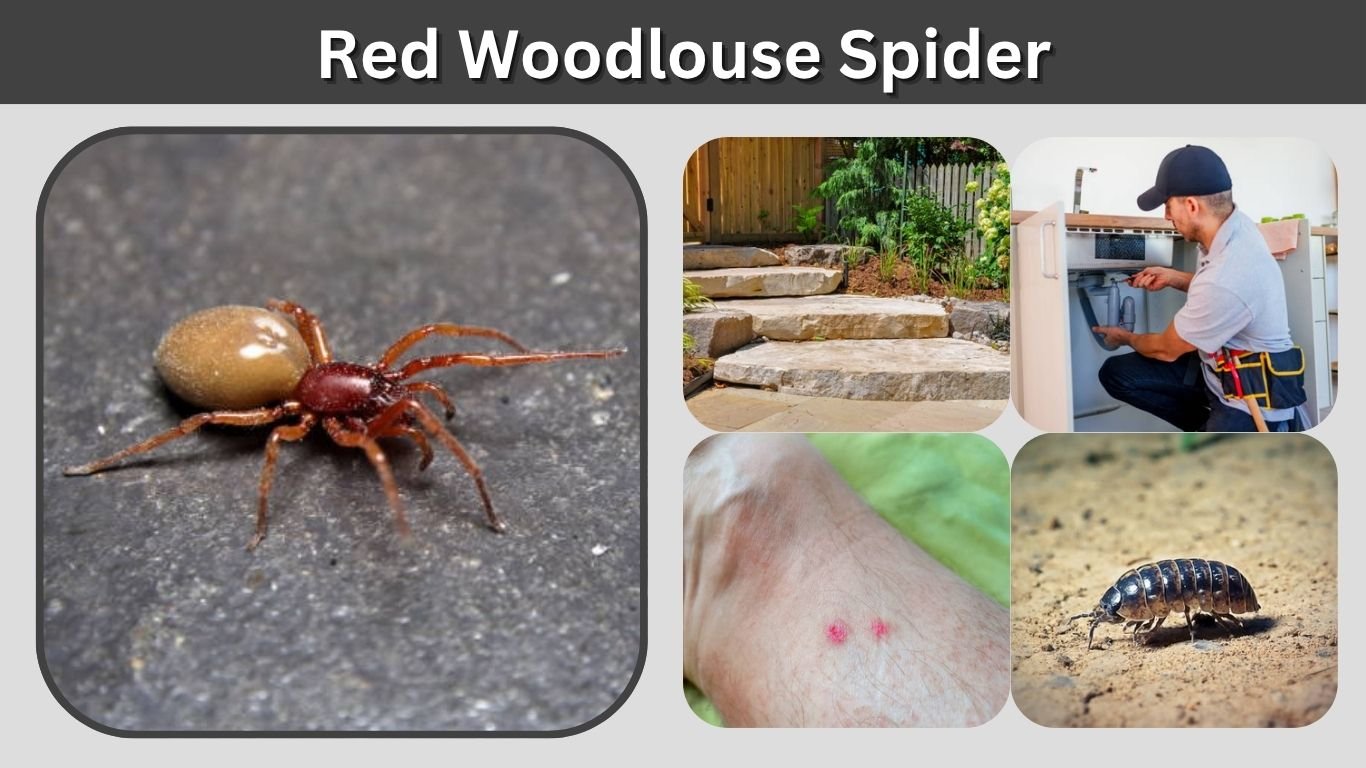
The red woodlouse spider is a distinctive ground-hunting spider with a glossy red-orange front body, reddish legs, a pale abdomen, and unusually large fangs. Scientifically … Read More
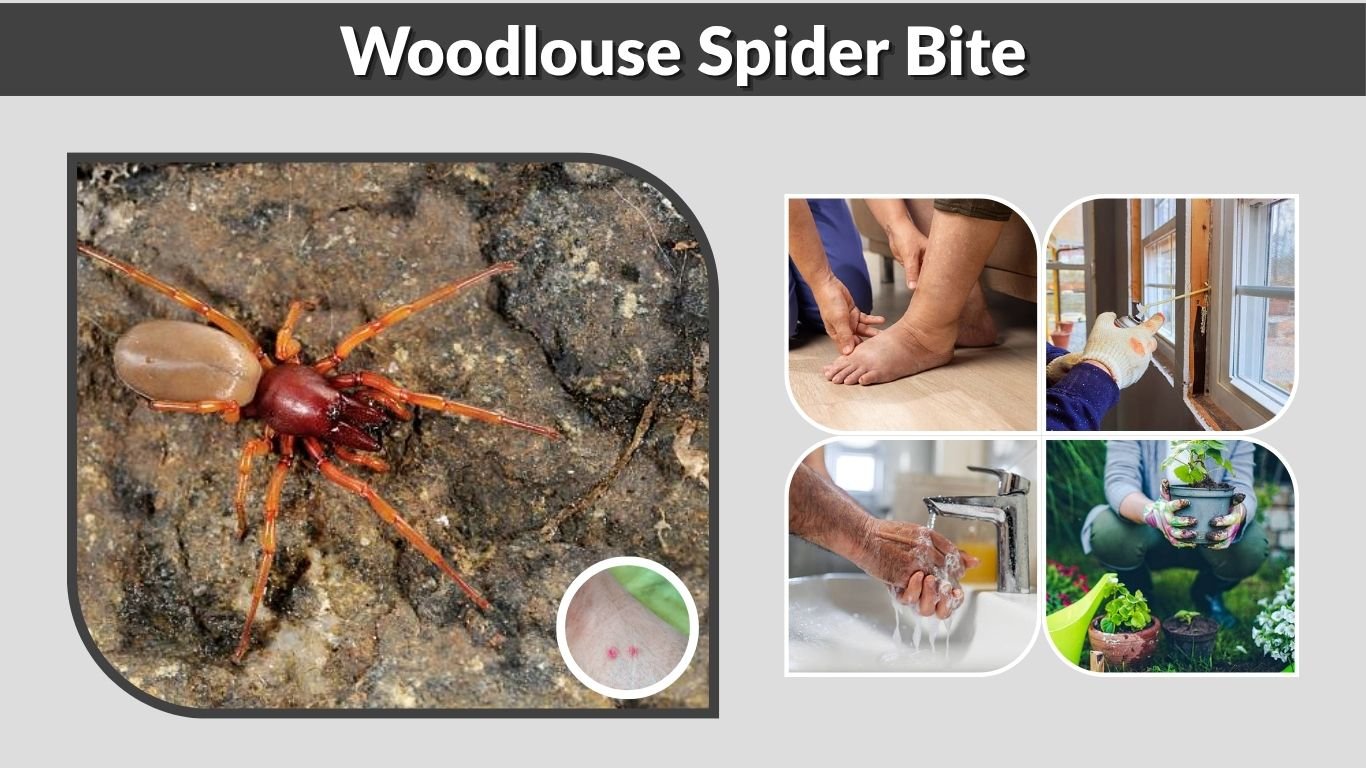
A woodlouse spider bite may look alarming because this reddish spider has unusually large fangs. However, verified bites from the woodlouse hunter, Dysdera crocata, have … Read More
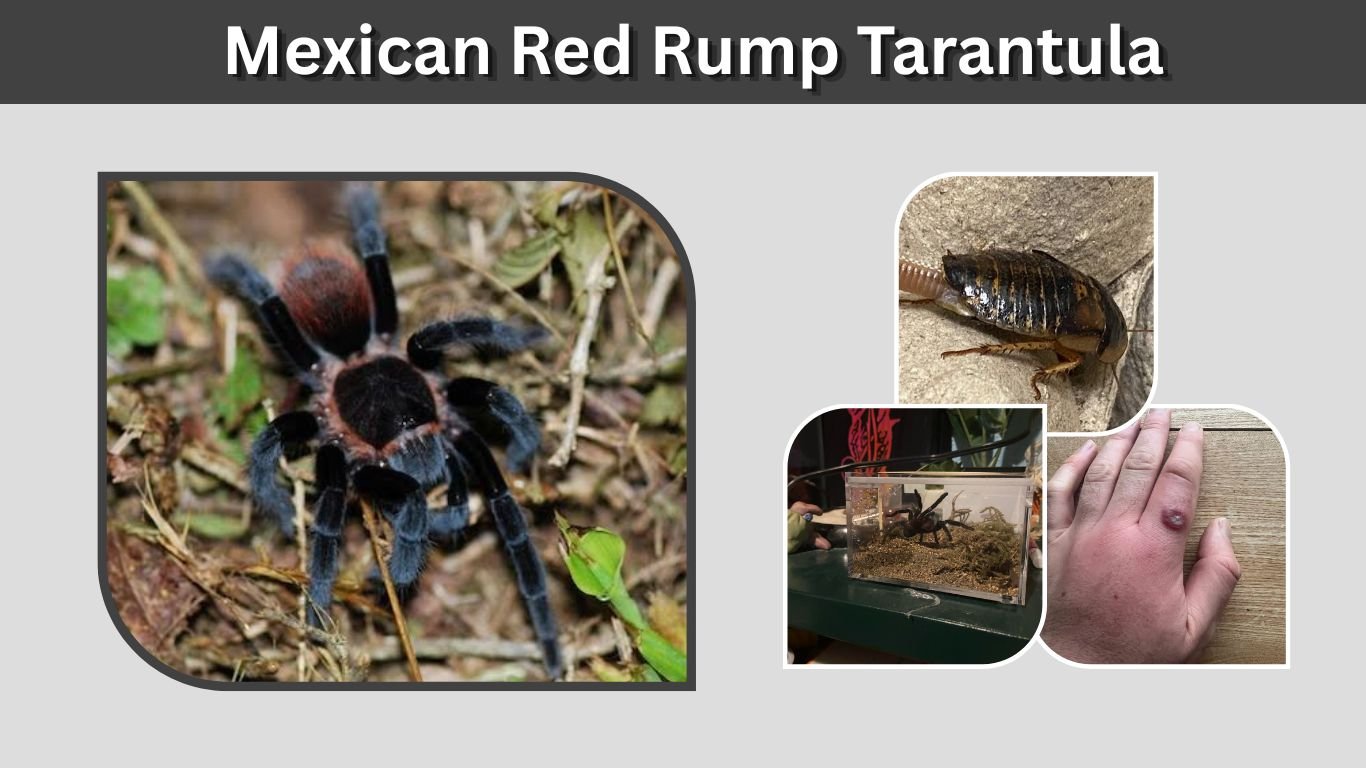
The Mexican red rump tarantula is a dark, heavy-bodied species recognized by the reddish hairs covering its abdomen. Its manageable size, strong feeding response, burrowing … Read More
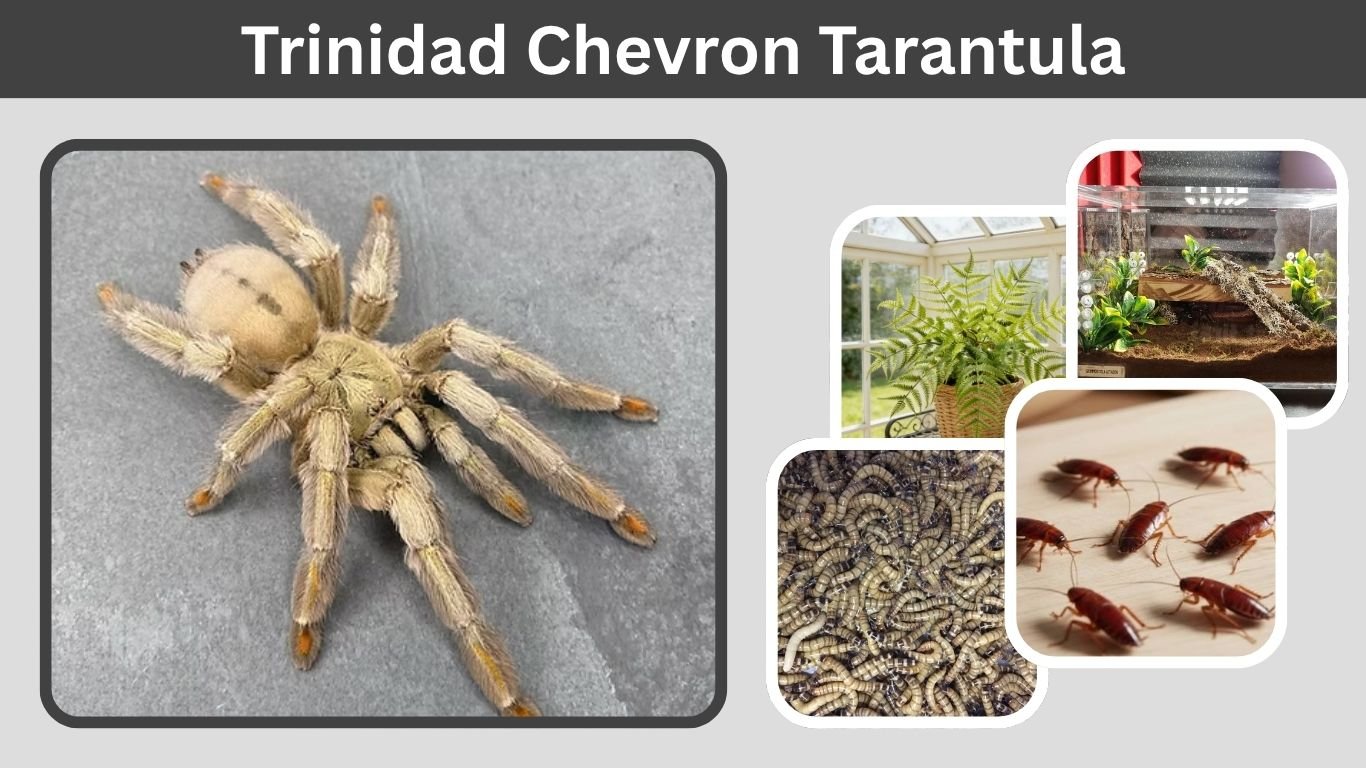
The Trinidad chevron tarantula is a fast-growing, tree-dwelling species recognized by its olive-brown coloration, orange markings, and dark chevron patterns. Scientifically named Psalmopoeus cambridgei, it … Read More
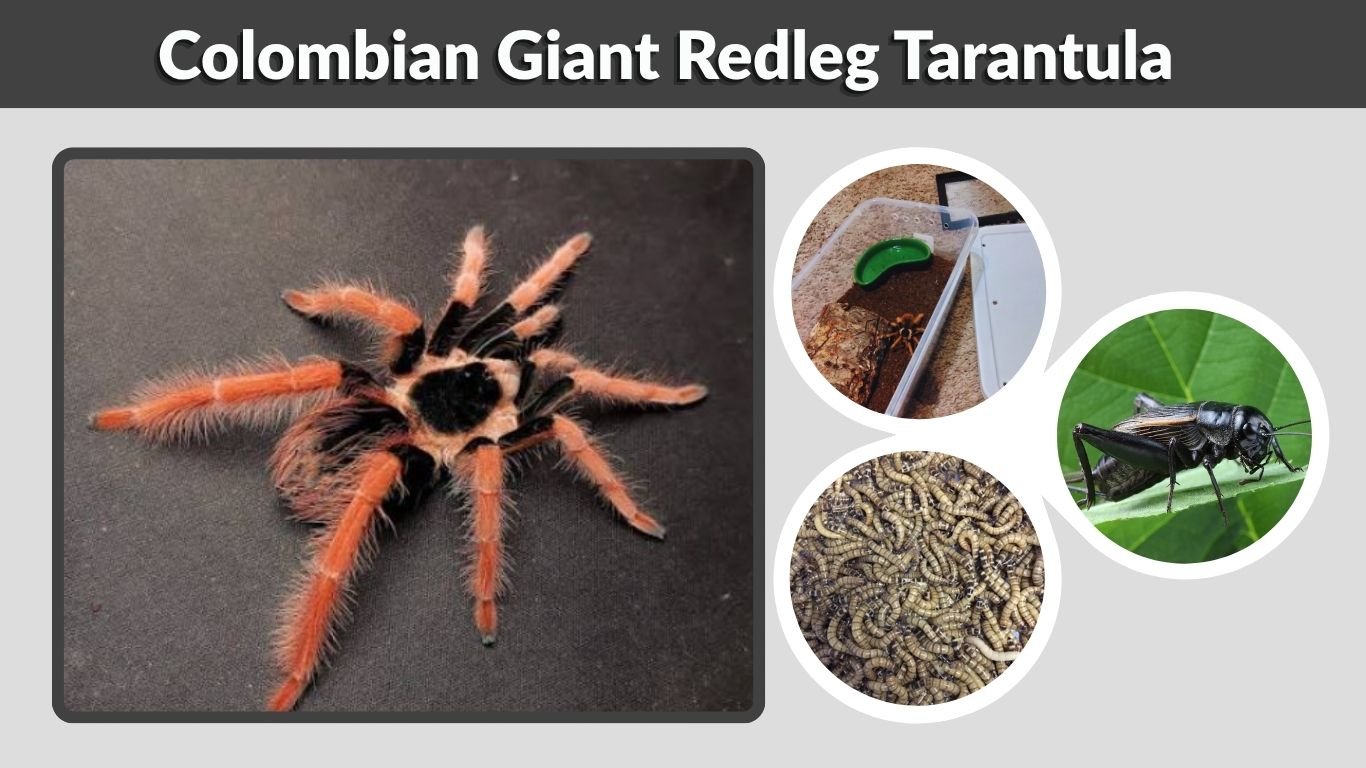
The Colombian giant redleg tarantula is a large, colorful New World species known for its rust-red legs, dark body, burrowing habits, and unusual defensive behavior. … Read More
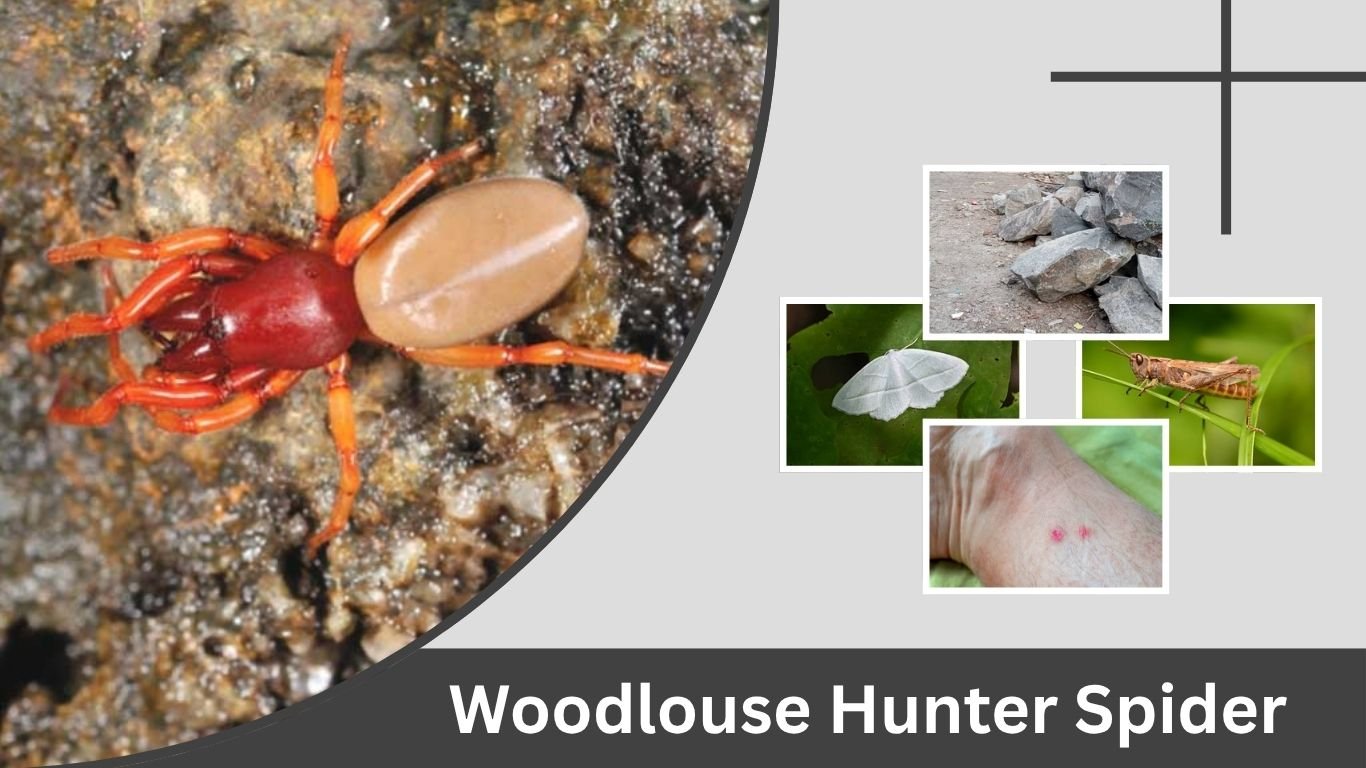
The woodlouse hunter spider is a distinctive reddish spider commonly discovered beneath stones, logs, flowerpots, and damp objects. Scientifically known as Dysdera crocata, it is … Read More
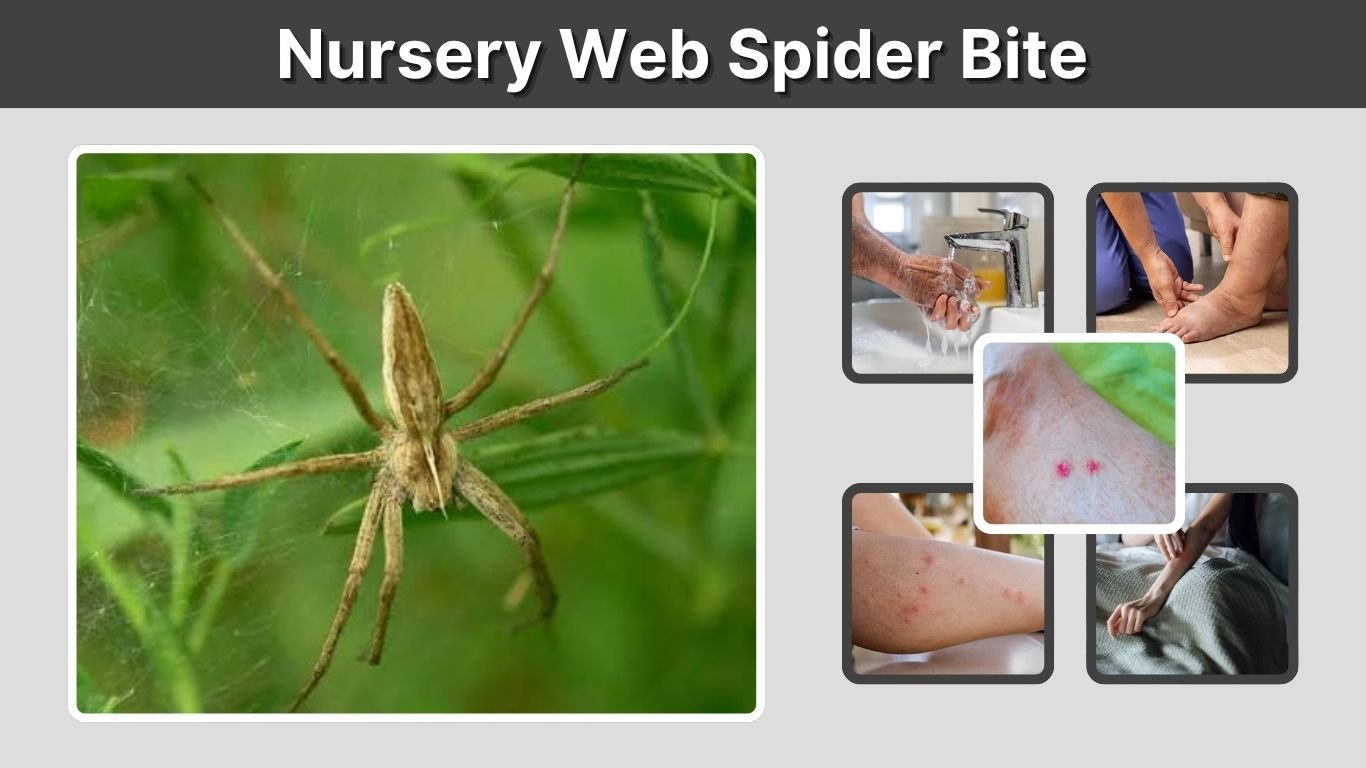
A nursery web spider bite is uncommon and generally causes only a mild, localized reaction. These long-legged hunting spiders possess venom for immobilizing insects, but … Read More