
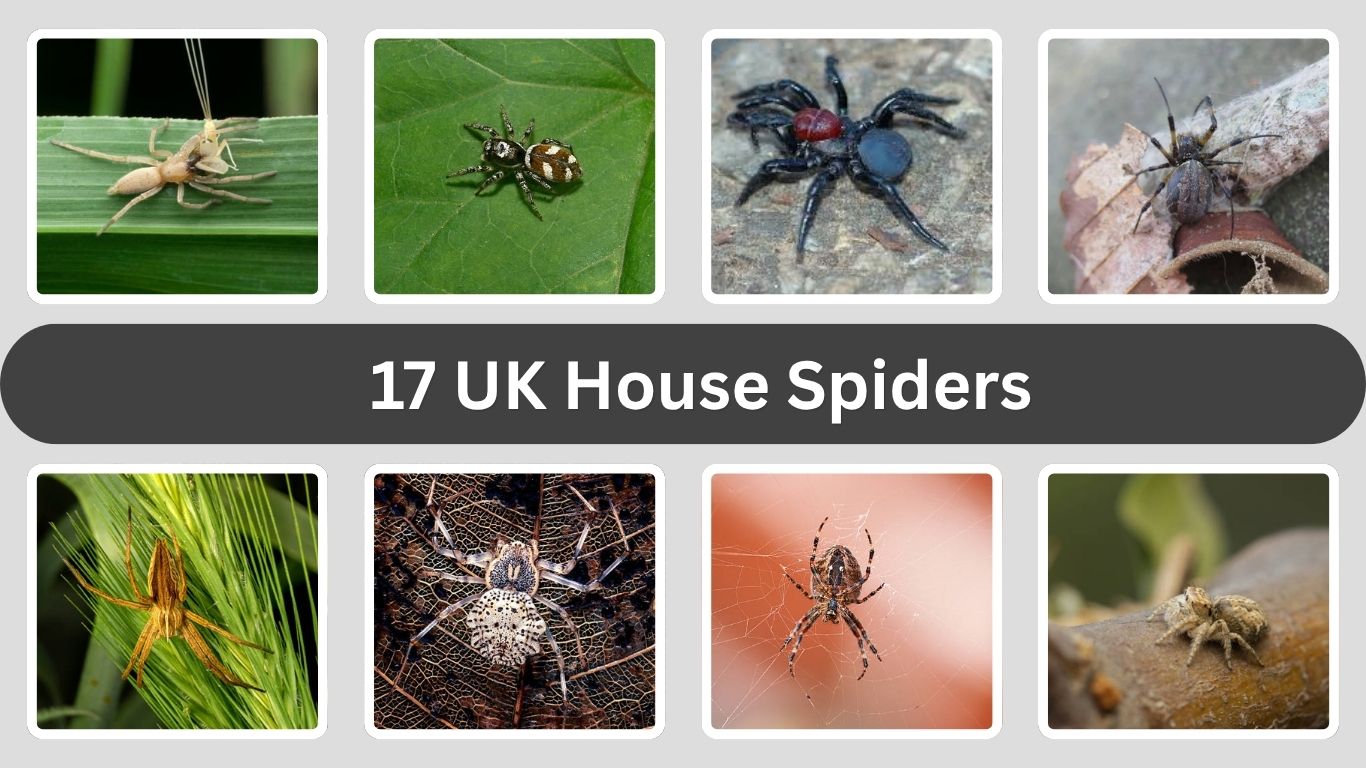
UK house spiders are among the most commonly encountered indoor creatures, often appearing suddenly and causing concern due to their size or speed. From the giant house spider to smaller species like jumping spiders, these spiders vary widely in appearance and behaviour. Many people search for big or black spiders in UK homes, especially during autumn when sightings increase. Despite their intimidating look, most house spiders in the UK are harmless and actually help control indoor insects, making them a natural part of the home environment.
1. Giant House Spider (UK)

The giant house spider is one of the most commonly encountered spiders in UK homes. Known for its large size and fast movement, it often causes alarm, especially during autumn when males wander indoors. Despite its intimidating appearance, it is generally harmless and plays a useful role in controlling household insects.
Identification
- Long legs with a leg span that can reach up to 7–10 cm
- Brown body with darker markings
- Slim, elongated abdomen
- Hairy appearance with visible spines on legs
- Typically found in corners, carpets, and bathtubs
Size and Appearance
The giant house spider is often described as a big house spider in the UK due to its noticeable leg span. While the body itself is relatively small, the long legs make it appear much larger. Many people searching for a huge house spider in the UK are usually referring to this species, especially when it appears suddenly indoors.
Behaviour and Habitat
This species prefers dark, undisturbed areas such as basements, sheds, and behind furniture. It builds funnel-shaped webs but is also known to roam, particularly during mating season. Sightings of a large house spider in the UK tend to increase in late summer and autumn when males actively search for females.
Are They Dangerous?
Although the giant house spider looks intimidating, it is not considered dangerous. Bites are rare and usually occur only if the spider is handled. Even then, symptoms are mild for most people. Despite frequent concerns about giant house spider bites in the UK, they pose little real threat to humans.
2. Common House Spider (UK)

The common house spider is one of the most widespread spiders found indoors across the UK. Smaller and less dramatic than the giant house spider, it often goes unnoticed as it quietly builds webs in corners and ceilings. It is a typical domestic house spider that helps control flies and other small insects inside homes.
Identification
- Small to medium-sized body
- Brown or grey colouring with faint patterns
- Rounded abdomen
- Thin legs, shorter than giant species
- Found in messy, irregular webs indoors
Size and Appearance
The common house spider is much smaller compared to a giant house spider in the UK, but it is still frequently spotted. People searching for a small house spider in the UK or a brown house spider often encounter this species. Its subtle colouring allows it to blend easily into indoor environments like walls and ceilings.
Behaviour and Habitat
This spider prefers quiet indoor spaces such as corners, window frames, and behind furniture. It creates tangled webs rather than neat structures and usually stays in one place. Unlike larger species, it rarely roams, making it less noticeable in everyday life despite being very common in UK houses.
Are They Dangerous?
The common house spider is completely harmless to humans. Bites are extremely rare and not medically significant. While some people worry about house spider bites in the UK, this species poses no danger and is actually beneficial as it helps reduce indoor insect populations.
3. Lace Webbed Spider (UK)

The lace webbed spider is a common species often mistaken for a black house spider in UK homes. It is known for its dark colour and distinctive web patterns around windows, walls, and brickwork. This species is frequently spotted both indoors and outdoors, especially near doors and window frames.
Identification
- Dark brown to black body
- Glossy appearance with a slightly bulbous abdomen
- Legs are medium length with fine hairs
- Creates lace-like, messy webs around frames and crevices
- Often found on walls, fences, and window edges
Size and Appearance
This spider is typically medium-sized but can appear larger due to its dark colour. Many people searching for a black spider in house UK or a large black house spider UK are often seeing a lace webbed spider. Its shiny body and bold presence make it stand out more than lighter-coloured species.
Behaviour and Habitat
Lace webbed spiders prefer to stay close to their webs, which are usually built in cracks, window corners, or brick gaps. They are more active at night and tend to remain hidden during the day. It is common to find them around the exterior of homes, but they can also enter indoor spaces.
Are They Dangerous?
This species can bite if disturbed, but it is not dangerous to humans. In rare cases, the bite may cause mild irritation or swelling. Despite concerns about black house spider bites in the UK, the lace webbed spider is not considered a serious threat.
4. Tube Web Spider (UK)

The tube web spider is a striking species sometimes confused with a big black spider in UK homes due to its dark colour and bold appearance. Unlike typical house spiders, it lives in silk-lined tubes and is often seen near walls, cracks, or garden edges. It is more common outdoors but can occasionally be found inside.
Identification
- Dark brown to black body
- Shiny, smooth appearance
- Robust legs with a strong build
- Prominent downward-facing fangs
- Found near silk tubes in crevices or soil
Size and Appearance
This species is medium to large in size and can appear intimidating because of its thick legs and glossy body. People searching for a large black house spider UK or a black spider in house UK may come across this spider. Its bold look makes it stand out compared to lighter, more common house spiders.
Behaviour and Habitat
Tube web spiders create silk-lined tunnels in cracks, walls, or soil, where they wait for prey. They are fast and rarely wander far from their tube. While mostly outdoor spiders, they may enter homes through gaps or be found near doorways and foundations.
Are They Dangerous?
The tube web spider can bite if provoked, and its bite may cause noticeable discomfort. However, it is not considered dangerous. Although concerns about spider bites in the UK are common, serious reactions are very rare, and this species poses little real risk to humans.
5. False Widow Spider (UK)

The false widow spider has gained attention in recent years due to its resemblance to more dangerous species. It is now commonly found in UK homes and gardens, often mistaken for a black house spider. Its shiny body and distinctive markings make it one of the more recognisable spiders people search for when spotting a black spider in the house UK.
Identification
- Glossy dark brown or purplish-black body
- Bulbous, rounded abdomen
- Cream or pale markings on the back
- Medium-length legs with a smooth texture
- Often found in messy, tangled webs
Size and Appearance
This species is medium-sized but can look larger due to its rounded abdomen. Many people searching for a big black spider in house UK or a black house spider UK are often referring to the false widow. Its smooth, shiny body gives it a more noticeable appearance compared to duller house spiders.
Behaviour and Habitat
False widow spiders prefer sheltered locations such as window frames, sheds, garages, and wall crevices. They build irregular webs and tend to stay close to them. Over time, they have adapted well to indoor environments, making sightings inside UK homes increasingly common.
Are They Dangerous?
While the false widow spider can bite, it is not considered dangerous. Some bites may cause mild pain or swelling, similar to a bee sting. Despite growing concern around spider bites in the UK, serious reactions are rare, and this spider does not pose a significant threat.
6. Noble False Widow (UK)

The noble false widow is one of the most talked-about spiders in the UK, often linked to concerns about spider bites. It closely resembles the general false widow but is considered the most widespread species of its kind. Many people searching for a big black spider in house UK or a black spider UK house are often encountering this species.
Identification
- Dark brown or purplish body with a glossy finish
- Distinct cream skull-like pattern on the abdomen
- Rounded, bulbous abdomen
- Medium-length smooth legs
- Found in tangled, irregular webs
Size and Appearance
The noble false widow is medium in size but can appear larger due to its rounded body. It is commonly mistaken for a large black house spider UK because of its dark colouring. Its unique markings help distinguish it from other black house spiders found in UK homes.
Behaviour and Habitat
This spider prefers warm, sheltered environments such as window frames, walls, garages, and behind furniture. It builds messy webs and usually stays close to them. Over time, it has adapted well to indoor living, which is why it is now frequently seen inside houses across the UK.
Are They Dangerous?
Although often associated with fear, the noble false widow is not considered dangerous. Bites can occur but are uncommon and usually mild, causing temporary discomfort. Despite frequent searches about venomous spiders in the UK, this species poses very little risk to humans.
7. Cellar Spider (UK)

The cellar spider is a very common indoor species, often seen hanging upside down in corners. It is widely known for its extremely long legs and delicate appearance, which leads many people to mistake it for a long legged house spider in the UK. Despite its fragile look, it is highly effective at catching insects.
Identification
- Very long, thin legs compared to body size
- Small, pale brown or grey body
- Oval-shaped abdomen
- Found hanging upside down in loose webs
- Common in ceilings, corners, and basements
Size and Appearance
Although the body is tiny, the long legs make this spider appear larger than it really is. People searching for a huge house spider UK or long legged house spider UK often come across the cellar spider. Its light colouring and thin structure make it easy to recognise indoors.
Behaviour and Habitat
Cellar spiders prefer quiet indoor areas such as ceilings, corners, and basements. They build loose, irregular webs and often remain in the same spot for long periods. When disturbed, they vibrate rapidly in their web as a defense mechanism rather than running away.
Are They Dangerous?
The cellar spider is completely harmless to humans. It rarely bites, and even if it does, the effects are negligible. Despite myths about dangerous long-legged spiders in the UK, this species poses no threat and is actually helpful in controlling other insects and spiders indoors.
8. Daddy Long Legs Spider (UK)

The daddy long legs spider is one of the most recognisable spiders in UK homes due to its extremely long legs and small body. It is often confused with other long legged house spiders in the UK, especially the cellar spider. This species is commonly seen in corners and ceilings, quietly catching small insects.
Identification
- Very long, thin legs
- Small, light brown or grey body
- Rounded or slightly oval abdomen
- Delicate, fragile appearance
- Found hanging in loose, messy webs
Size and Appearance
Although its body is tiny, the long legs make it appear much larger. Many people searching for a huge house spider UK or a long legged house spider UK are actually referring to this spider. Its thin structure and pale colouring make it easy to distinguish from darker species like black house spiders.
Behaviour and Habitat
This spider prefers indoor environments such as ceilings, corners, and quiet rooms. It builds loose webs and stays in them most of the time. When disturbed, it vibrates rapidly, which helps it avoid predators. It rarely moves far from its web, making it a familiar sight in many UK homes.
Are They Dangerous?
The daddy long legs spider is harmless to humans. It does not pose any danger, and bites are extremely rare. Despite common myths, it is not venomous in any meaningful way and is actually beneficial for reducing other small insects inside the house.
9. Wolf Spider (UK)

The wolf spider is a fast-moving ground hunter often mistaken for a big brown spider in house UK due to its size and speed. Unlike typical house spiders, it does not rely on webs to catch prey. It may occasionally enter homes, especially when searching for shelter.
Identification
- Brown or grey body with striped patterns
- Robust, hairy appearance
- Medium to large size
- Strong legs built for running
- Found on floors rather than webs
Size and Appearance
Wolf spiders can appear quite large, especially when seen indoors unexpectedly. Many people searching for a big brown house spider UK or a large brown spider in house UK may actually be seeing this species. Its solid body and quick movements make it stand out compared to common house spiders.
Behaviour and Habitat
This spider is an active hunter that chases prey instead of trapping it in webs. It prefers outdoor habitats like grass, soil, and gardens but may wander inside houses. It is often spotted on floors, moving quickly across rooms, which can startle people.
Are They Dangerous?
Wolf spiders are not dangerous to humans. They can bite if handled, but bites are rare and usually mild. Despite concerns about house spider bites in the UK, this species poses little risk and is more beneficial than harmful.
10. Jumping Spider (UK)

The jumping spider is a small but highly active species found both indoors and outdoors in the UK. Known for its excellent vision and quick movements, it is often noticed on walls or windowsills. People searching for a small house spider UK or tiny spider in house UK may come across this curious and harmless species.
Identification
- Small, compact body
- Short legs compared to other spiders
- Often black, brown, or striped (like zebra pattern)
- Large front-facing eyes
- Moves in quick jumps rather than crawling
Size and Appearance
Jumping spiders are quite small, usually only a few millimetres in size. Despite their size, their bold patterns and jerky movements make them easy to spot. Searches for small black house spider UK or tiny spider in house UK often relate to this species, especially when seen on walls during the day.
Behaviour and Habitat
Unlike web-building spiders, jumping spiders actively hunt their prey. They rely on their strong vision to stalk and leap onto insects. They are commonly found near windows, walls, and sunny areas where insects are present. Their curious nature sometimes makes them appear to “watch” people.
Are They Dangerous?
Jumping spiders are completely harmless to humans. They rarely bite, and even if they do, the effects are minimal. Despite concerns about spiders in the house UK, this species poses no threat and is actually helpful in controlling small insects indoors.
11. Garden Spider (UK)

The garden spider is a well-known outdoor species in the UK, often recognised by its striking web and bold markings. It is sometimes spotted near homes, leading people to search for a large spider in house UK when it accidentally wanders indoors. This spider is more common in gardens than inside homes.
Identification
- Large abdomen with yellow and black patterns
- Long, banded legs
- Distinct cross-shaped marking on the back
- Builds large circular (orb) webs
- Often found in gardens, fences, and shrubs
Size and Appearance
The garden spider is relatively large compared to many UK spiders, especially when sitting in the centre of its web. People searching for a big spider found in house UK may occasionally encounter this species indoors, although it prefers outdoor spaces. Its bright markings make it easy to identify.
Behaviour and Habitat
This spider builds large, symmetrical webs to catch flying insects. It usually stays in the centre of the web during the day. Garden spiders are most active in late summer and early autumn, when their webs become more noticeable around homes and gardens.
Are They Dangerous?
The garden spider is harmless to humans. Bites are extremely rare and not medically significant. Despite its size and bold appearance, it poses no danger and is beneficial for controlling flying insects around the home.
12. Money Spider (UK)

The money spider is a very small species commonly found in UK homes and gardens. It is often associated with tiny indoor spiders that appear suddenly on walls or ceilings. People searching for a small house spider UK or tiny spider in house UK are often referring to this group of spiders.
Identification
- Very small size, often just a few millimetres
- Brown, black, or pale colouring
- Rounded abdomen with thin legs
- Builds fine, sheet-like webs
- Commonly seen on walls, ceilings, and windows
Size and Appearance
Money spiders are among the smallest spiders in the UK, making them easy to overlook. Despite their tiny size, they can appear in large numbers, leading to searches like small black house spider UK. Their simple appearance and delicate structure distinguish them from larger house spiders.
Behaviour and Habitat
These spiders are often found indoors as well as outdoors in grass and vegetation. They create fine webs and may also travel by “ballooning,” using silk to move through the air. Indoors, they are usually seen in quiet areas where they can catch tiny insects.
Are They Dangerous?
Money spiders are completely harmless to humans. They do not pose any risk, and bites are extremely unlikely. Although they may appear in groups, they are beneficial as they help control very small insects inside the home.
13. Cardinal Spider (UK)

The cardinal spider is one of the largest spiders found in the UK and is often mistaken for a giant house spider due to its impressive size. It is less commonly seen but can appear in older buildings, leading to searches like huge house spider UK or big spider in house UK when spotted indoors.
Identification
- Very large leg span, among the biggest in the UK
- Reddish-brown body with darker markings
- Long, powerful legs
- Slim, elongated abdomen
- Usually found in old buildings, walls, and basements
Size and Appearance
This spider is often described as a massive house spider in the UK because of its long legs and overall size. Although not as commonly encountered as the giant house spider, it can appear even larger. Its reddish-brown colouring makes it stand out compared to darker house spiders.
Behaviour and Habitat
Cardinal spiders prefer quiet, undisturbed places such as old houses, barns, and cellars. They do not build noticeable webs and instead roam to hunt prey. Sightings indoors are rare but can be startling due to their size and speed when moving across walls or floors.
Are They Dangerous?
Despite its intimidating size, the cardinal spider is harmless to humans. Bites are extremely rare and not considered medically significant. While many people worry about large spiders in UK homes, this species poses no real threat and is simply a shy, reclusive hunter.
14. Black Lace Weaver (UK)

The black lace weaver is a dark, robust spider commonly found around UK homes. It is often mistaken for a black house spider in the UK due to its colour and size. This species is frequently seen near windows, walls, and fences, where it builds its distinctive lace-like web.
Identification
- Dark brown to black body
- Slightly shiny, velvety appearance
- Thick, sturdy legs
- Pale markings sometimes visible on the abdomen
- Builds dense, lace-like webs in corners and crevices
Size and Appearance
This spider is medium to large in size and can appear quite bold because of its dark colouring. Many people searching for a large black house spider UK or black spider in house UK are likely seeing a black lace weaver. Its solid body makes it look more substantial than lighter house spiders.
Behaviour and Habitat
Black lace weavers prefer sheltered areas such as window frames, doorways, brickwork, and fences. They stay close to their webs and are more active at night. Although mainly found outdoors, they often enter houses, especially around windows and doors.
Are They Dangerous?
The black lace weaver can bite if provoked, but it is not dangerous. A bite may cause mild discomfort or swelling, but serious effects are rare. Despite concerns about black house spider bites in the UK, this species poses very little risk to humans.
15. Mouse Spider (UK)

The mouse spider is a lesser-known species in the UK, often mistaken for a small black house spider due to its dark colour and compact body. Despite its name, it is not related to the more dangerous mouse spiders found in other parts of the world. It is occasionally seen indoors, especially in quiet, undisturbed areas.
Identification
- Dark brown to black body
- Smooth, slightly shiny appearance
- Short, sturdy legs
- Compact, rounded abdomen
- Found in burrows or low ground areas
Size and Appearance
This spider is relatively small to medium in size but can appear larger due to its dark colouring. People searching for a small black house spider UK or black spider in house UK may come across this species. Its solid, compact body makes it look different from long-legged house spiders.
Behaviour and Habitat
Mouse spiders prefer outdoor environments such as gardens, soil, and under stones, where they create small burrows. However, they may occasionally wander indoors. They are not web builders in the traditional sense and instead rely on ambushing prey near their hiding spots.
Are They Dangerous?
The UK mouse spider is harmless to humans. It may bite if handled, but this is very rare and not considered medically significant. Despite confusion with more dangerous species elsewhere, this spider poses no real threat in UK homes.
16. Yellow Sac Spider (UK)

The yellow sac spider is a small, pale spider sometimes found inside UK homes, especially on walls and ceilings. It is often noticed at night when it becomes more active. People searching for a small house spider UK or pale spider in house UK may be referring to this species.
Identification
- Pale yellow or light green body
- Small to medium size
- Smooth, slightly translucent appearance
- Long, slender legs
- Creates small silk sacs in corners or along walls
Size and Appearance
This spider is relatively small but easy to spot due to its light colour. Unlike darker species, it stands out against walls and ceilings. Searches for a small spider in house UK often match this spider, especially when it appears in bedrooms or upper corners of rooms.
Behaviour and Habitat
Yellow sac spiders do not build large webs. Instead, they create small silk sacs where they rest during the day. At night, they leave these shelters to hunt insects. They are commonly found indoors, particularly in quiet areas like ceilings, behind furniture, or near windows.
Are They Dangerous?
The yellow sac spider can bite if disturbed, but it is not dangerous. A bite may cause mild irritation or redness, similar to other minor spider bites in the UK. Overall, it poses very little risk and is not considered harmful to humans.
17. Zebra Jumping Spider (UK)

The zebra jumping spider is a small, distinctive species often seen on sunny walls and windows in UK homes. It is easily recognised by its striped pattern and active behaviour. People searching for a small black house spider UK or tiny spider in house UK often come across this species.
Identification
- Small, compact body
- Black and white striped (zebra-like) pattern
- Short, sturdy legs
- Large front-facing eyes
- Moves in quick jumps rather than crawling
Size and Appearance
This spider is very small, usually only a few millimetres long. Its bold black and white pattern makes it stand out despite its size. Many people searching for a small black spider in house UK or tiny spider in house UK are likely seeing a zebra jumping spider.
Behaviour and Habitat
Zebra jumping spiders are active hunters that rely on vision instead of webs. They are commonly found on walls, window frames, and sunny surfaces where insects gather. Their quick, jerky movements and curious behaviour make them easy to notice during the day.
Are They Dangerous?
This spider is completely harmless to humans. Bites are extremely rare and not medically significant. Despite concerns about spiders in UK homes, the zebra jumping spider poses no threat and is actually helpful in controlling small insects indoors.
FAQs
Are UK house spiders dangerous to humans?
Most house spiders found in the UK are harmless and pose no real danger to humans. While some species can bite, it is very rare and usually only happens if they feel threatened. Symptoms are typically mild, such as slight redness or irritation, and serious reactions are extremely uncommon.
Why do I see more big house spiders in autumn?
Large house spiders, especially giant house spiders, become more visible in autumn because males leave their webs to search for females. This increases sightings indoors. Although their sudden appearance can be alarming, they are simply following natural behaviour and are not more aggressive during this time.
What attracts spiders into UK homes?
Spiders are attracted to homes mainly for warmth, shelter, and food. If your house has insects like flies or mosquitoes, spiders are more likely to move in. Gaps around windows, doors, and walls also make it easier for them to enter indoor spaces.
How can I get rid of house spiders in the UK?
To reduce spiders, keep your home clean and minimise clutter where they can hide. Seal cracks and gaps around doors and windows, and reduce indoor insects. Regular vacuuming, especially in corners and behind furniture, can help remove webs and discourage spiders from settling.
What is the biggest house spider in the UK?
The giant house spider and the cardinal spider are among the largest spiders found in the UK. They are often described as huge house spiders due to their long leg span. Despite their size, both species are harmless and commonly found in older buildings and homes.
