
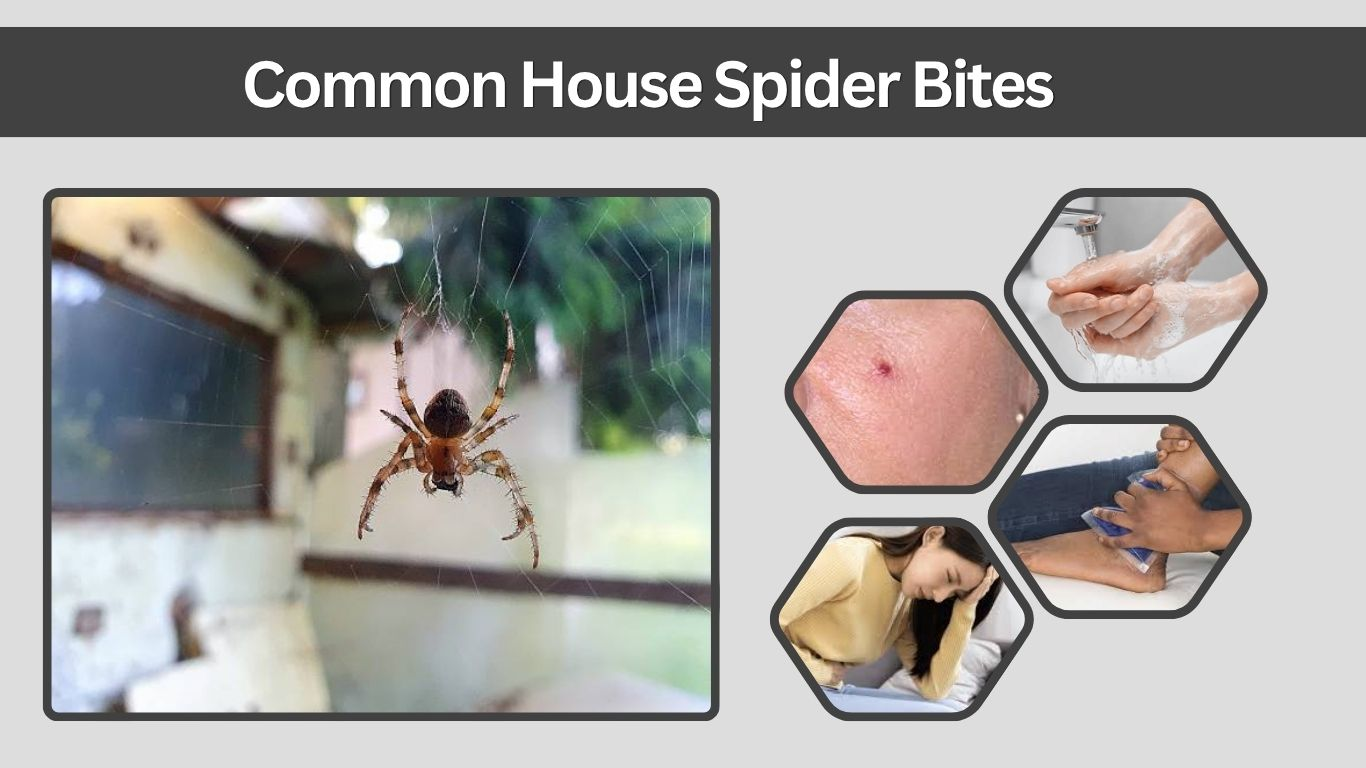
Common house spider bites are often misunderstood and frequently mistaken for other skin issues. While many people worry about spider bites, the truth is that most common house spiders are harmless and rarely bite humans. When bites do occur, they are usually mild and resolve without serious complications. Understanding what these bites look like, how they feel, and how to manage them can help reduce unnecessary fear. This guide covers the essential details, from identification to symptoms, so you can respond calmly and effectively if needed.
What Is a Common House Spider Bite?
A common house spider bite refers to a minor skin reaction caused by spiders that typically live indoors. These spiders are not aggressive and usually avoid human interaction. Bites happen accidentally, not intentionally, and most people never experience one in their lifetime.
Understanding House Spiders
House spiders are small, quiet creatures that live in corners, ceilings, and hidden areas of homes. They play a helpful role by controlling other insects.
- Usually light brown, gray, or black in color
- Build webs in undisturbed areas
- Prefer dark, quiet spaces indoors
Why They Rarely Bite
House spiders do not see humans as prey. Bites only occur when they feel threatened or trapped.
- Accidentally pressed against the skin
- Caught inside clothing or bedding
- Disturbed while hiding
What Does a Common House Spider Bite Look Like?

The appearance of a spider bite can vary slightly, but most common house spider bites are mild and easy to recognize. They are often confused with mosquito or ant bites because of their similar look.
Typical Appearance of the Bite
A bite usually shows up as a small, localized skin reaction that does not spread significantly.
- Small red or pink bump
- Mild swelling around the area
- Slight irritation or itching
- Occasionally two tiny puncture marks
Common Misidentifications
Many people assume they have a spider bite when it could be something else. Skin conditions and other insect bites are often mistaken for spider bites.
- Mosquito bites
- Flea or ant bites
- Allergic skin reactions
Common House Spider Bite Symptoms

Most symptoms are mild and temporary. The body typically reacts to the bite in a limited way, and discomfort fades within a few days. Serious symptoms are extremely rare with common house spiders.
Mild and Common Symptoms
The majority of people experience only minor irritation that does not interfere with daily activities. Symptoms usually appear shortly after the bite and remain localized.
- Itching or slight burning sensation
- Redness and mild swelling
- Tenderness at the bite site
Less Common Reactions
In some cases, individuals may notice slightly stronger reactions. These are still not dangerous but may feel more uncomfortable.
- Mild headache
- Fatigue
- Slight nausea
Rare Severe Symptoms
Severe reactions are very uncommon and usually linked to allergies or infection rather than the spider itself.
- Increasing pain or swelling
- Signs of infection
- Allergic reaction symptoms
Day-by-Day Progress of a Spider Bite

A common house spider bite follows a predictable healing pattern. The reaction remains localized and gradually fades over time without medical treatment. Most people recover fully within a week.
Day 1: Initial Reaction
The bite appears as a small red bump. Mild itching or irritation may begin within hours. The area may feel slightly tender but not severely painful.
Day 2–3: Peak Symptoms
Swelling may become slightly more noticeable, and itching can increase. Despite this, the bite remains small and does not spread. Discomfort is still manageable and does not worsen significantly.
Day 4–7: Healing Phase
Symptoms begin to fade, and the redness gradually disappears. The skin returns to normal, and any remaining irritation subsides. Most bites fully heal during this period without leaving marks.
Types of Common House Spider Bites
Not all house spiders are the same, but their bites are generally very similar in effect. Differences in species rarely lead to major differences in symptoms. Most bites remain mild regardless of the spider type.
Brown House Spider Bite
Brown house spiders are among the most common indoor spiders. Their bites are usually harmless and cause only minor skin reactions.
- Mild redness and irritation
- Slight swelling at the bite site
- Symptoms fade within a few days
Black House Spider Bite
Black house spiders may cause a slightly more noticeable reaction, but still nothing serious in most cases.
- Mild pain or stinging sensation
- Localized swelling
- Temporary discomfort without complications
Jumping Spider Bite
Jumping spiders are active hunters but rarely bite humans. When they do, the reaction is usually very mild.
- Small red bump
- Minimal itching
- Quick recovery time
Common House Spider Bite Treatment

Treating a common house spider bite is simple and can usually be done at home. The goal is to reduce discomfort, prevent infection, and allow the skin to heal naturally.
Immediate First Aid
Basic care should be applied as soon as the bite is noticed. This helps minimize irritation and swelling.
- Wash the area with soap and water
- Apply a cold compress for 10–15 minutes
- Keep the bite clean and dry
At-Home Remedies
Additional steps can help relieve itching and speed up comfort during healing.
- Use anti-itch creams or lotions
- Take antihistamines if needed
- Avoid scratching the affected area
When Medical Care Is Needed
Although rare, some situations require professional attention. Monitoring symptoms is important to ensure proper recovery.
- Increasing redness or swelling
- Signs of infection such as pus
- Allergic reactions like difficulty breathing
How to Prevent House Spider Bites
Preventing spider bites mostly involves reducing contact with spiders inside your home. Simple habits can significantly lower the chances of accidental bites.
Reducing Spider Presence
Keeping your home clean and organized makes it less attractive to spiders.
- Remove webs regularly
- Clean corners, ceilings, and storage areas
- Reduce clutter where spiders can hide
Personal Precautions
Taking small precautions in daily routines can help avoid accidental contact.
- Shake out clothes before wearing
- Check bedding if unused for long periods
- Avoid handling spiders directly
Myths About Common House Spider Bites
There are many misconceptions about spider bites, which often lead to unnecessary fear. Understanding the facts helps separate reality from myth and promotes a more balanced view.
Myth: All Spider Bites Are Dangerous
Most common house spider bites are harmless. Dangerous spider species are rare and usually not found inside typical homes.
Myth: Every Unknown Bite Is a Spider Bite
Many skin irritations are caused by other insects or conditions. Spider bites are often blamed without clear evidence.
Myth: House Spiders Attack Humans
House spiders do not attack people. They are shy and avoid human interaction whenever possible.
FAQs
What does a common house spider bite look like?
A common house spider bite usually appears as a small red or pink bump with mild swelling. It may resemble a mosquito bite and sometimes shows tiny puncture marks. The reaction stays localized and does not spread or become severe in most cases.
Do common house spiders bite humans often?
No, common house spiders rarely bite humans. They are not aggressive and prefer to avoid contact. Bites typically happen only when the spider is accidentally trapped against the skin or feels threatened.
How long does a common house spider bite take to heal?
Most bites heal within 3 to 7 days. Symptoms like redness, itching, and mild swelling gradually fade without treatment. In normal cases, the skin returns to its original condition within a week.
Are common house spider bites dangerous?
Common house spider bites are generally not dangerous. They cause mild irritation and rarely lead to serious health issues. Severe reactions are extremely uncommon and usually related to allergies or infection.
How can I treat a common house spider bite at home?
You can treat the bite by cleaning it with soap and water, applying a cold compress, and using anti-itch cream if needed. Avoid scratching the area to prevent infection. Most bites heal without medical care.
