
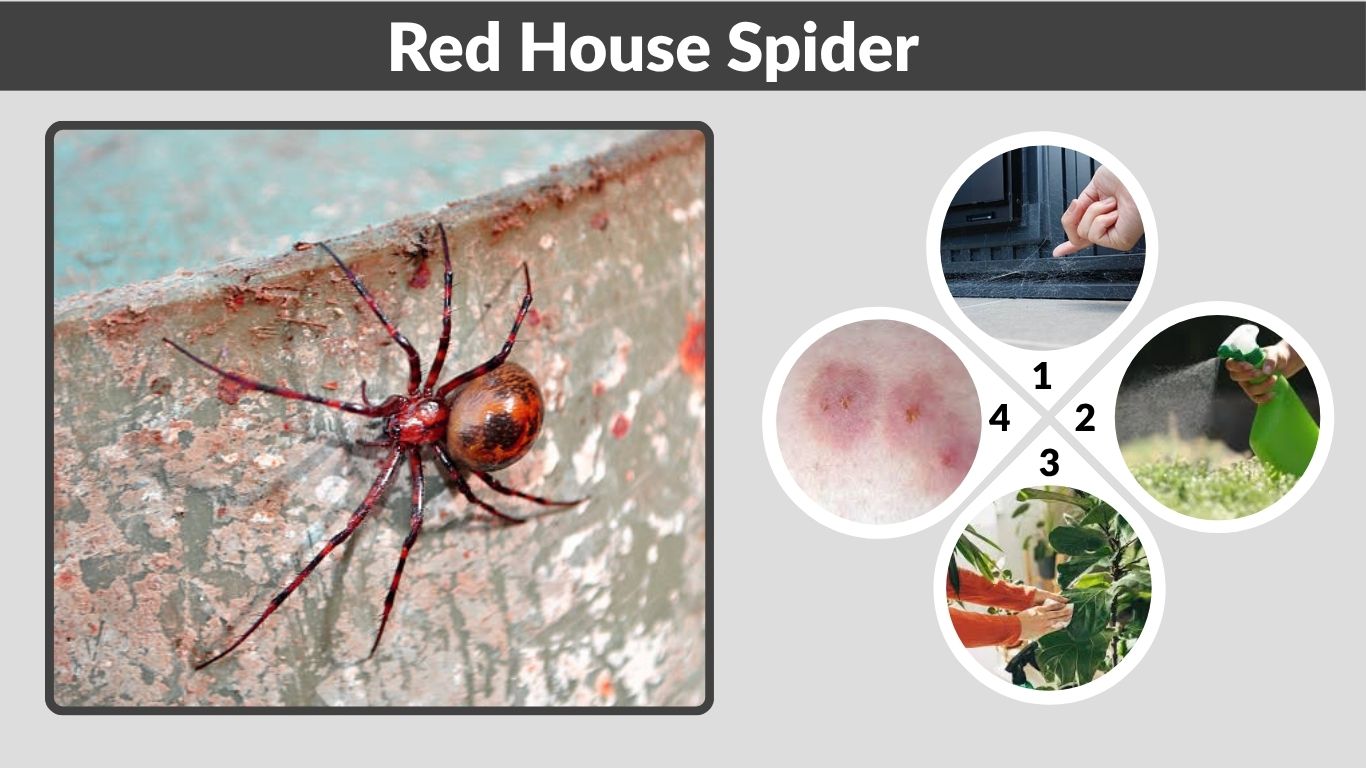
Seeing a red spider in your house can be unsettling, especially if you’re unsure whether it’s dangerous. Many people search for terms like “red house spider” or “tiny red spider in house” because they want quick answers about identification, safety, and removal.
This guide explains what these spiders are, how to recognize them, and what to do if you find one indoors. By the end, you’ll know whether to worry—or simply ignore them.
What Is a Red House Spider?

The term “red house spider” is not a scientific name. Instead, it’s a general label people use for any spider with reddish coloring found indoors.
In most cases, it refers to one of the following:
- A common indoor species like Nesticodes rufipes
- A small reddish-brown house spider
- Tiny red spider mites (often mistaken for spiders)
These spiders vary in size, color, and behavior, which is why proper identification is important before taking action.
How to Identify a Red Spider in Your House
Red spiders indoors can look very different depending on the species. Understanding their appearance helps you determine whether they are harmless or require attention.
Appearance Variations
Red spiders can range widely in size and shade.
- Tiny red spiders: Often barely visible; may be spider mites
- Small red spiders: Common indoor spiders, usually harmless
- Large or big red spiders: Less common but still typically non-aggressive
- Bright red spiders: Vibrant in color, often mistaken for dangerous species
- Dark red spiders: Brownish-red or deep reddish tones
Size is one of the first clues. If the spider is extremely small and found near plants, it’s more likely a mite than a true spider.
Color Combinations
Many indoor spiders are not purely red but have mixed coloring.
- Red and black spider in house: Often confused with more dangerous species
- Brownish red spider: Very common and usually harmless
- Red and white spider: Less common but still typically safe
Color alone does not determine danger. Instead, it’s important to look at body shape and behavior.
Body Features
Specific physical traits can help narrow down the type of spider.
- Spider with red legs: May have a darker body with reddish limbs
- House spider with red back: Could resemble certain widow-like spiders
- Black body with red legs: Common indoor variation
Most household red spiders build webs in corners and remain hidden, which is a sign of non-aggressive behavior.
Common Types of Red House Spiders
Several species are commonly mistaken for “red house spiders.” Understanding these helps eliminate confusion.
Red House Spider (Nesticodes rufipes)
This is the most likely match for many sightings.
- Small to medium-sized
- Reddish-brown body
- Builds messy webs indoors
- Common in warm climates
It is generally harmless and prefers staying out of human contact.
Red Spider Mites (Not True Spiders)
Many people searching for “tiny red spider in house” are actually seeing mites.
- Extremely small (almost dust-like)
- Found on plants or windowsills
- Do not build webs like spiders
- Can damage indoor plants
Although they are not dangerous to humans, they can spread quickly and harm vegetation.
Other Possible Species
Some other spiders may appear reddish indoors.
- False widows: Sometimes confused with dangerous spiders
- Brown-red house spiders: Very common and harmless
- Orange-red spiders: Often just color variations
In most cases, these spiders are beneficial because they help control insect populations inside your home.
Red Spider Mites vs Red House Spiders

One of the biggest sources of confusion is telling mites apart from spiders.
Key Differences
- Size: Mites are much smaller, often barely visible
- Habitat: Mites live on plants; spiders build webs in corners
- Movement: Mites move slowly; spiders are more active hunters
- Impact: Mites damage plants, while spiders control pests
If you notice tiny red dots on leaves or near windows, you’re likely dealing with mites rather than spiders.
Are Red House Spiders Dangerous?
One of the most common concerns is whether red spiders are harmful.
Poisonous vs Venomous
People often ask if a red house spider is “poisonous.” Technically, spiders are venomous, not poisonous. This means they inject venom through bites rather than being harmful to touch.
Are They Harmful to Humans?
Most red house spiders are not dangerous.
- Bites are rare
- Venom is usually mild
- They avoid human interaction
In general, these spiders pose little to no threat and can even be helpful by reducing insect populations indoors.
When to Be Concerned
Although rare, you should be cautious if:
- The spider has a distinctive warning pattern (like bright markings)
- You experience unusual symptoms after a bite
- There are many spiders appearing frequently
In such cases, identifying the species or consulting a professional may be helpful.
Red House Spider Bite: Symptoms and Treatment

While bites are uncommon, they can happen if a spider feels threatened.
What Happens If You’re Bitten
Most bites from red house spiders are mild.
- Slight redness
- Minor swelling
- Itching or irritation
These symptoms usually disappear within a short time without medical treatment.
Symptoms to Watch For
In rare cases, some people may experience stronger reactions.
- Increased swelling
- Pain spreading beyond the bite area
- Allergic response
If symptoms worsen or persist, it’s best to seek medical advice.
Basic Treatment
For most bites, simple care is enough.
- Wash the area with soap and water
- Apply a cold compress
- Avoid scratching
Keeping the area clean reduces the risk of infection and speeds up healing.
Why Are There Red Spiders in Your House?
Finding a red spider indoors usually isn’t random. Spiders enter homes for survival reasons, mainly seeking shelter, food, and a stable environment. Understanding these causes can help you manage and prevent future sightings.
Homes provide warmth, especially during cooler seasons, making them an ideal hiding place. If your house has plenty of small insects like flies or ants, it becomes a reliable food source for spiders. They tend to settle in quiet, undisturbed areas such as corners, behind furniture, or near ceilings.
Indoor plants can also play a role. Tiny red spider mites often come in through plants or soil and multiply quickly if conditions are favorable. Additionally, small cracks around windows, doors, or walls allow spiders to enter easily without being noticed.
In most cases, their presence simply means your home offers a comfortable habitat—not that there’s a serious infestation.
Where Are Red House Spiders Commonly Found?
Red house spiders are found in many parts of the world and can adapt to different environments. Their presence is not limited to one specific region, which is why people from various countries search for them.
They are commonly reported in warmer climates such as parts of the United States, including Florida, Texas, and California. However, they are also found in cooler regions like the UK and Canada because indoor environments provide the warmth they need to survive.
Inside the home, these spiders prefer quiet and hidden spaces. You may notice them in ceiling corners, behind cabinets, under furniture, or near windows where insects gather. They often build small, irregular webs in these areas and stay out of sight during the day.
Because they are not aggressive, they usually remain in one spot rather than moving around frequently.
Size, Lifespan, and Behavior
Understanding how red house spiders live can make them less intimidating and easier to deal with.
Key Characteristics:
- Size range: From tiny (almost invisible mites) to small or medium spiders
- Lifespan: Typically several months to a few years depending on species
- Behavior: Non-aggressive and prefers staying hidden in webs
Most red house spiders are web builders rather than hunters. They create loose, irregular webs to catch insects and rarely leave their spot unless disturbed. Their slow, quiet behavior is one reason they often go unnoticed for long periods.
They also play a useful role in controlling indoor pests, which means they can be beneficial in small numbers.
How to Get Rid of Red Spiders in Your House

If you prefer not to have spiders indoors, there are simple and effective ways to remove them and reduce their presence.
Simple Removal Methods:
- Vacuum spiders and webs from corners and hidden areas
- Wipe down surfaces regularly to remove eggs and dust
- Dispose of webs immediately to prevent reattachment
Preventive Measures:
- Seal cracks around doors, windows, and walls
- Reduce indoor humidity levels
- Keep your home free of insects (their food source)
For Red Spider Mites:
- Wash plant leaves with water
- Isolate affected plants
- Use mild natural sprays if needed
Consistency is key. Regular cleaning and maintenance will significantly reduce spider activity over time.
How to Prevent Red Spiders from Coming Back
Long-term prevention focuses on making your home less attractive to spiders. Instead of reacting after you see one, it’s more effective to stop them from entering in the first place.
Start by maintaining a clean environment. Dust and clutter create hiding spots, so keeping surfaces clear helps discourage spiders. Good ventilation is also important, as it reduces humidity levels that many small pests prefer.
Outdoor maintenance plays a role as well. Trimming plants near walls, cleaning around windows, and reducing exterior lighting that attracts insects can all help limit spider entry.
By combining indoor cleanliness with outdoor prevention, you can greatly reduce the chances of seeing red spiders again.
When Should You Be Concerned?
In most cases, red house spiders are harmless and do not require serious action. However, there are situations where you may need to pay closer attention.
If you notice a sudden increase in spider activity, it could indicate an underlying issue such as a growing insect population. Frequent bites or unusual symptoms after contact should also be taken seriously, even though they are rare.
Another reason for concern is misidentification. Some spiders with red markings may resemble more dangerous species. If you are unsure, it’s best to avoid handling the spider and consider professional identification.
Overall, occasional sightings are normal and not a cause for alarm. Only persistent or unusual situations require further attention.
FAQs
Is a red house spider dangerous?
Most red house spiders are harmless and not dangerous to humans. They rarely bite, and when they do, the effects are usually mild, such as slight redness or irritation. Serious reactions are extremely uncommon.
What does a red spider in the house mean?
A red spider indoors usually means your home provides shelter and food. Spiders are attracted to warm spaces and areas where small insects are available, making houses a convenient habitat.
Are red spider mites harmful to humans?
Red spider mites are not harmful to humans. They mainly affect plants by feeding on leaves and can cause damage if left untreated, but they do not bite or pose health risks to people.
How do I get rid of tiny red spiders in my house?
To remove tiny red spiders, clean regularly, vacuum affected areas, and treat indoor plants if mites are present. Eliminating their habitat and food sources helps prevent them from returning.
Why do I keep seeing red spiders in my home?
Repeated sightings usually indicate a steady food source or easy entry points. Sealing cracks, reducing insects, and maintaining cleanliness can help minimize their presence over time.
