
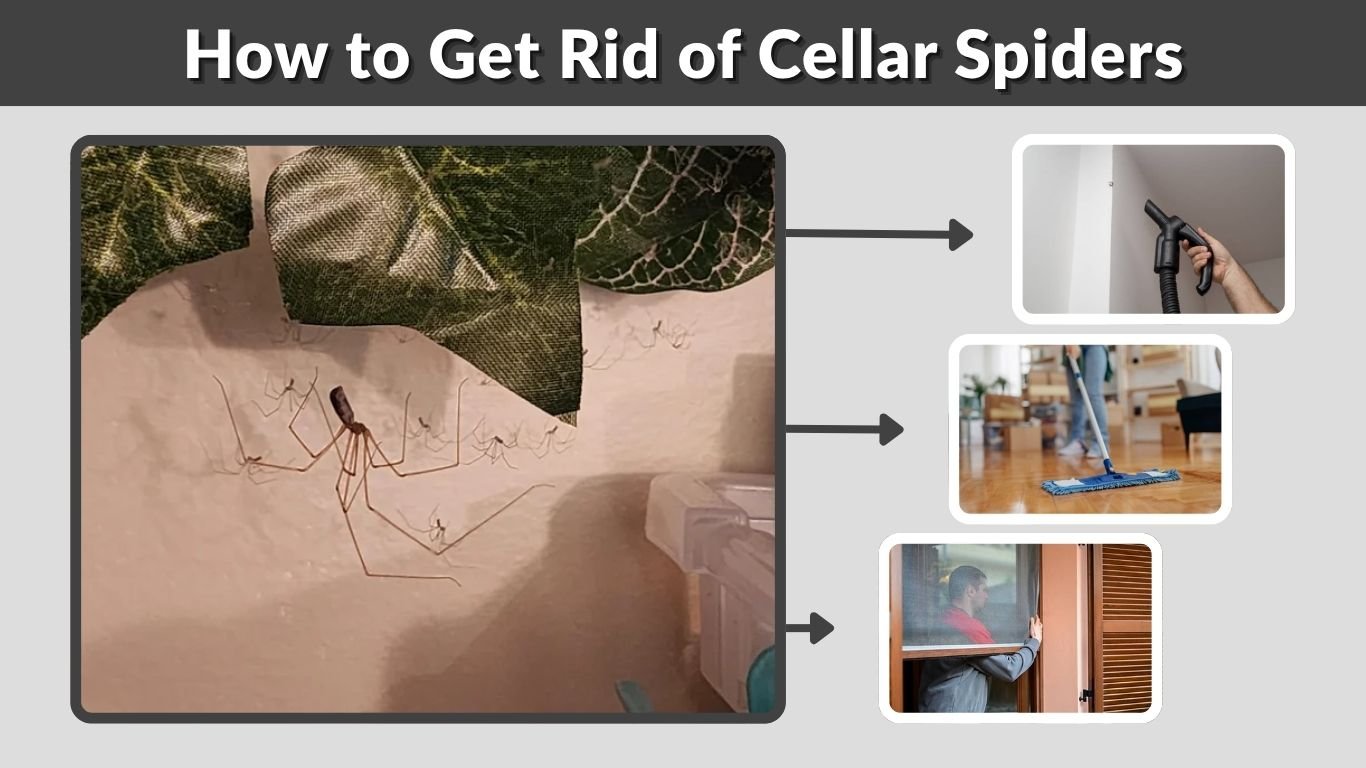
How to Get Rid of Cellar Spiders: 7 Effective Methods
Cellar spiders are common household visitors known for their extremely long legs and messy webs in basements, garages, and ceiling corners. Although these spiders are … Read More
Cellar spiders are common household visitors known for their extremely long legs and messy webs in basements, garages, and ceiling corners. Although these spiders are … Read More
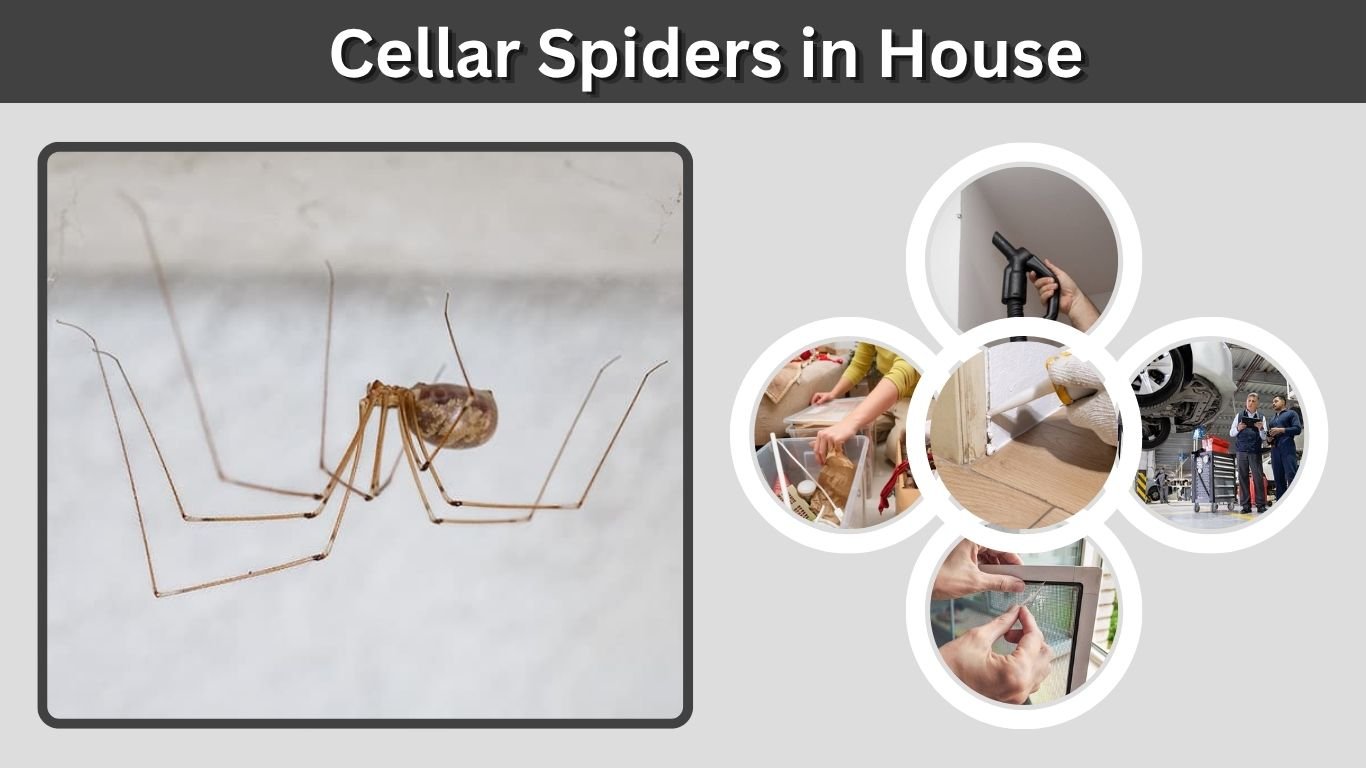
Finding cellar spiders in your house can be surprising, especially when their long, delicate legs and messy webs appear in every corner. These common household … Read More
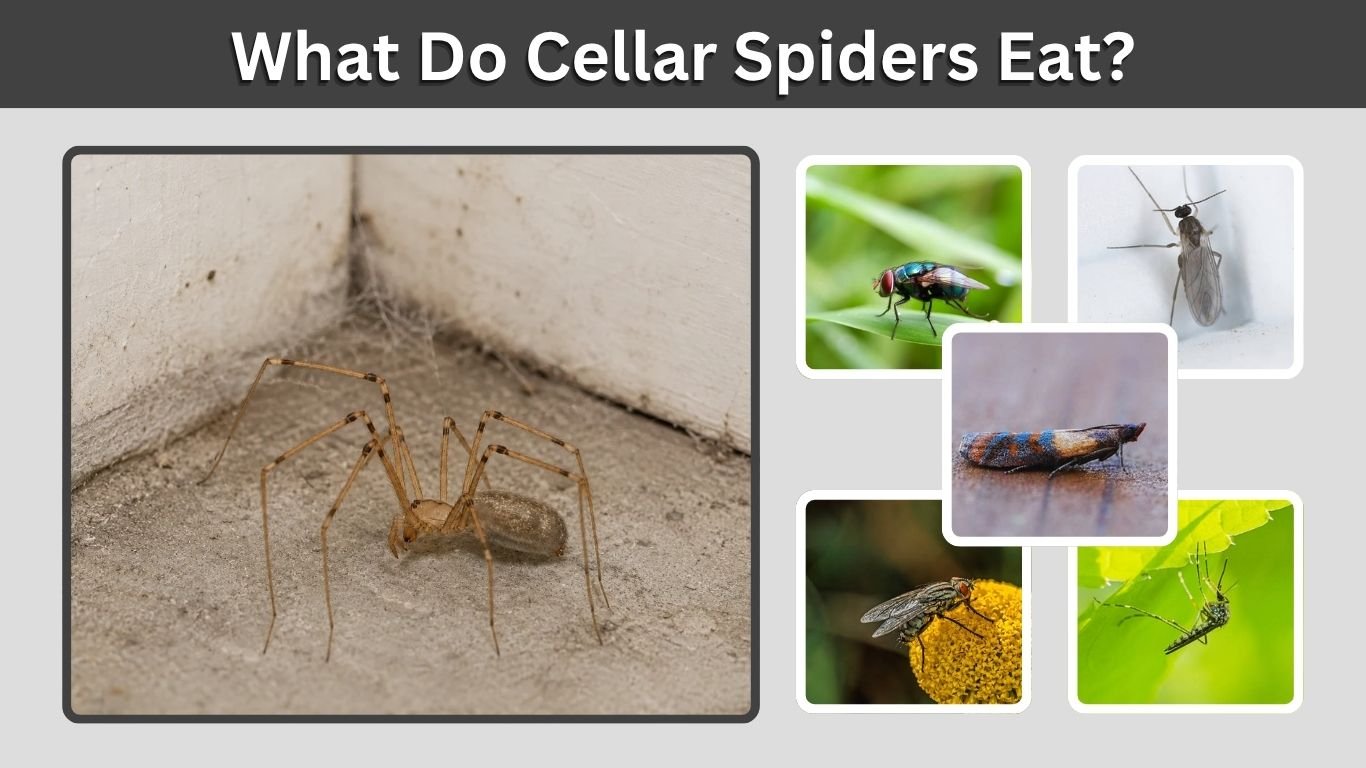
Cellar spiders are common household arachnids recognized by their extremely long, slender legs and delicate, tangled webs. But what do cellar spiders eat, and can … Read More
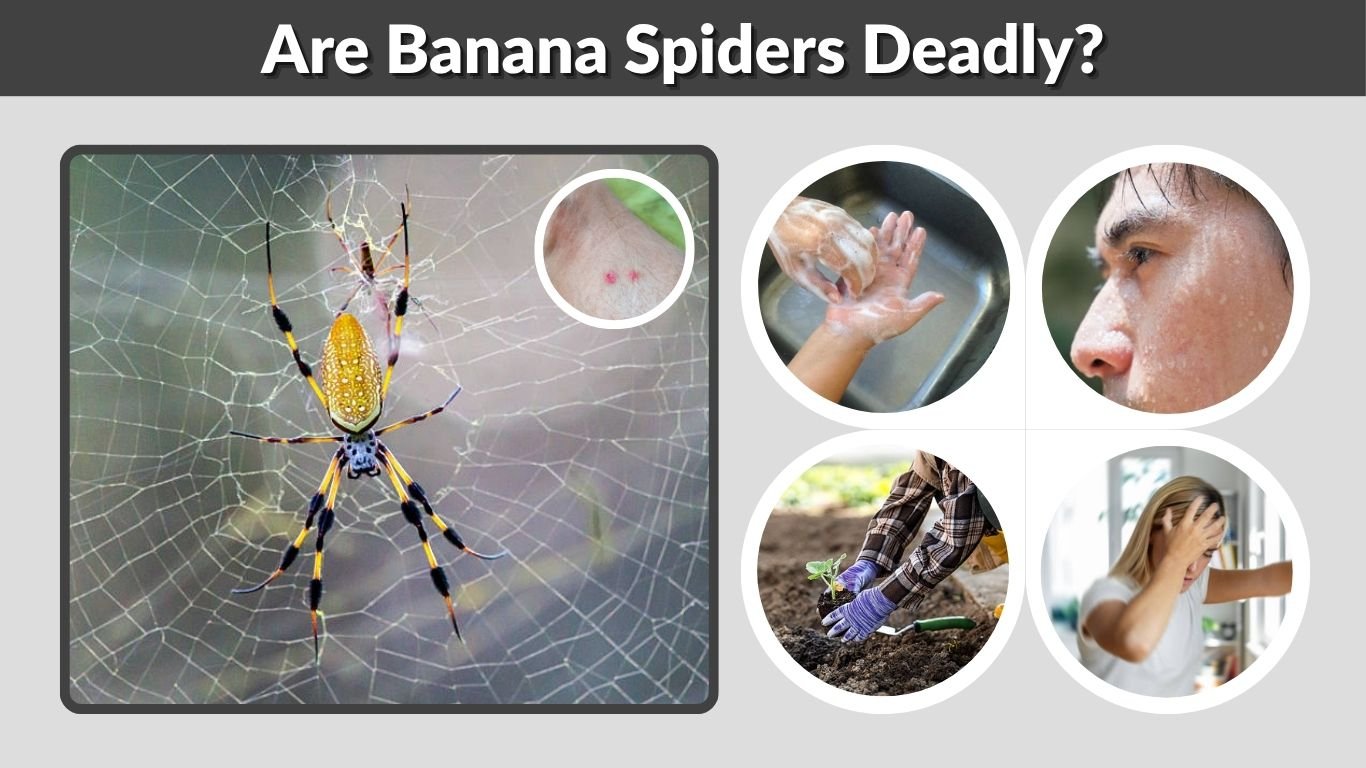
Are banana spiders deadly? The answer depends on which spider you mean. In Florida, the name usually refers to the golden silk orb-weaver, whose bite … Read More
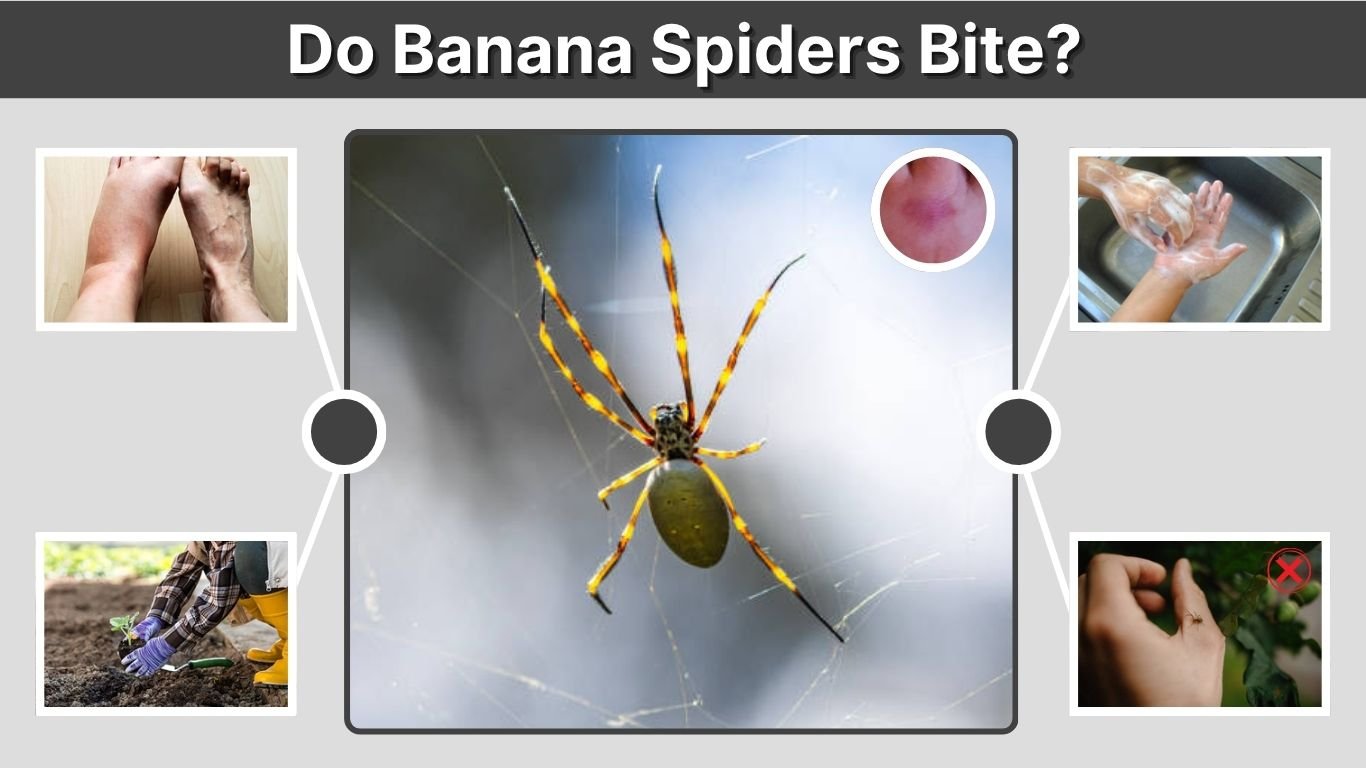
Do banana spiders bite humans? Yes, but the risk depends on the spider. In Florida, the name usually refers to the golden silk orb-weaver, which … Read More
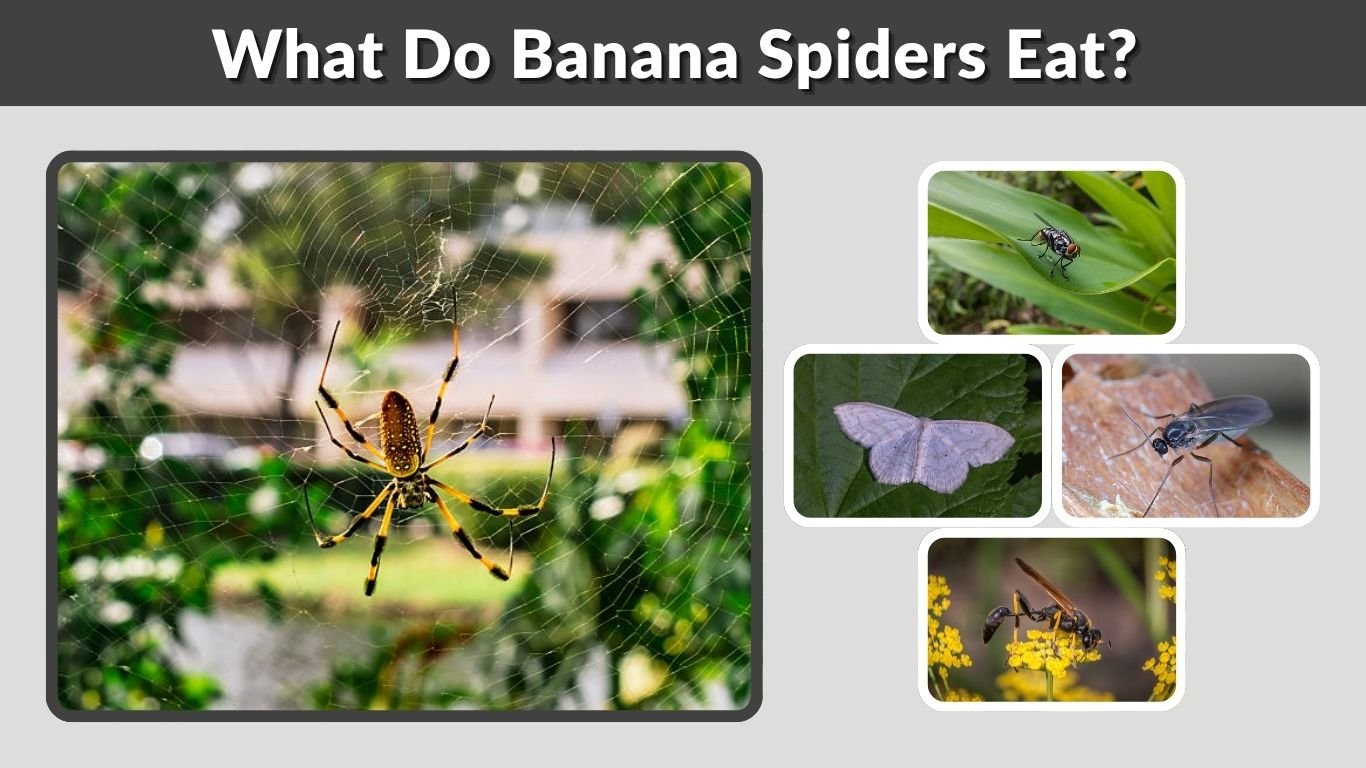
Banana spiders are fascinating predators known for their large webs, impressive size, and unusual feeding habits. But what do banana spiders eat? These spiders primarily … Read More
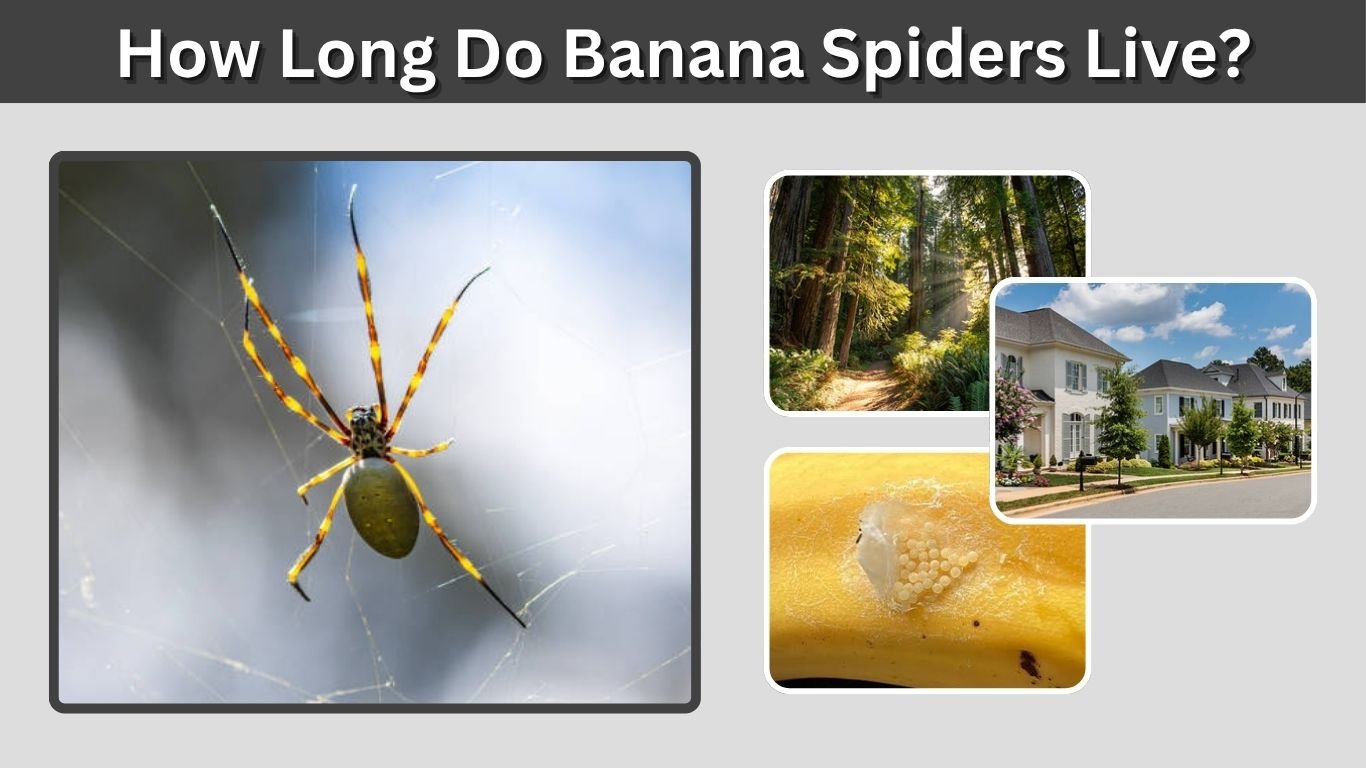
How long do banana spiders live, and where can you find them? Most golden silk orb-weavers, commonly called banana spiders in the southeastern United States, … Read More
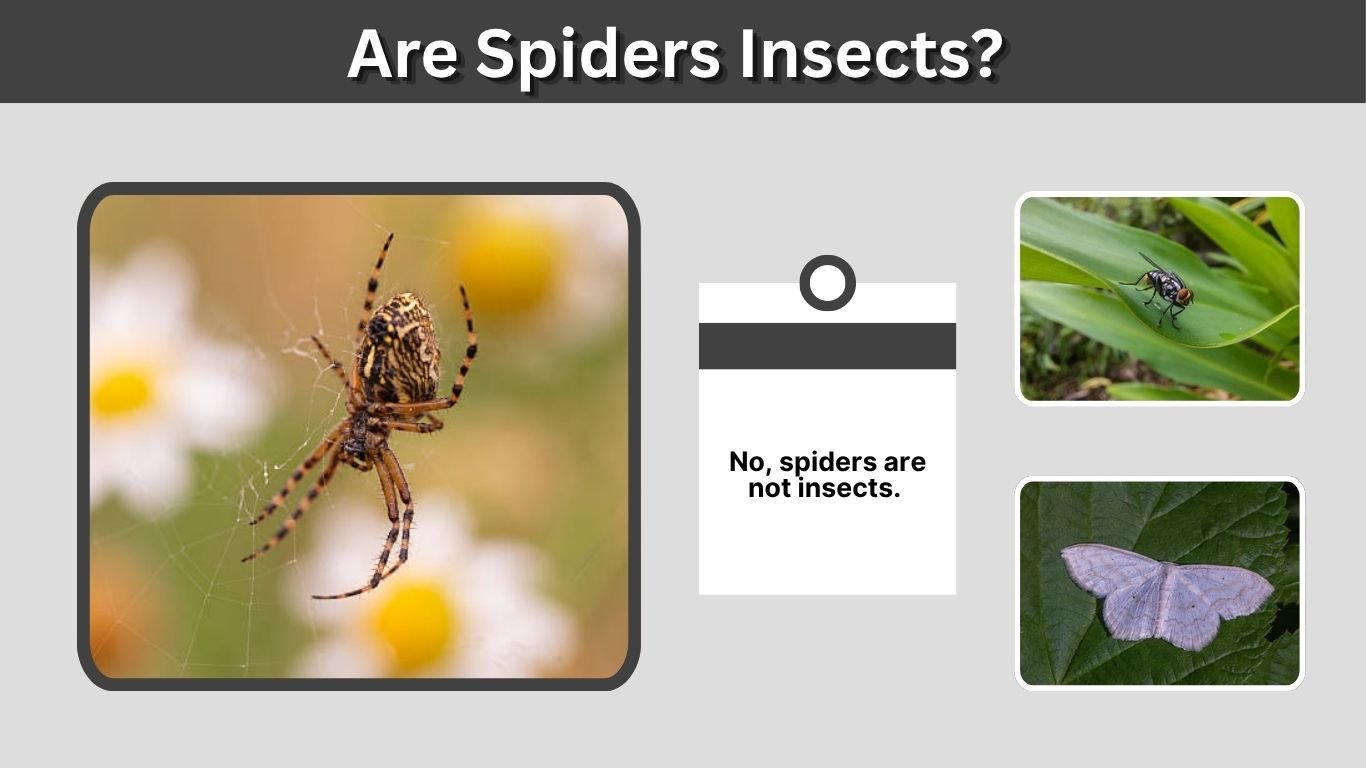
Are spiders insects, or do they belong to a completely different animal group? Although spiders and insects share several characteristics, they are not the same. … Read More
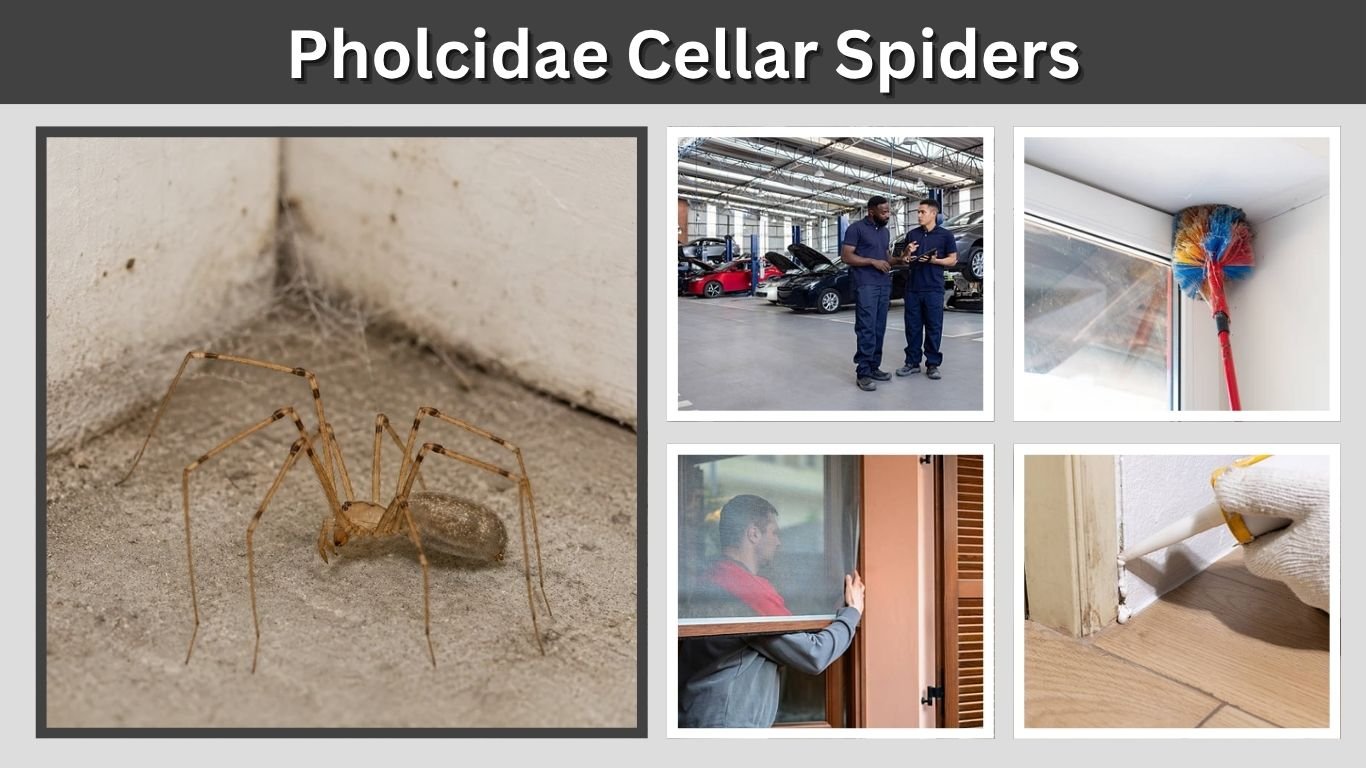
Pholcidae cellar spiders are common household arachnids recognized by their extremely long, thin legs and delicate bodies. Often called daddy longlegs spiders, they usually live … Read More
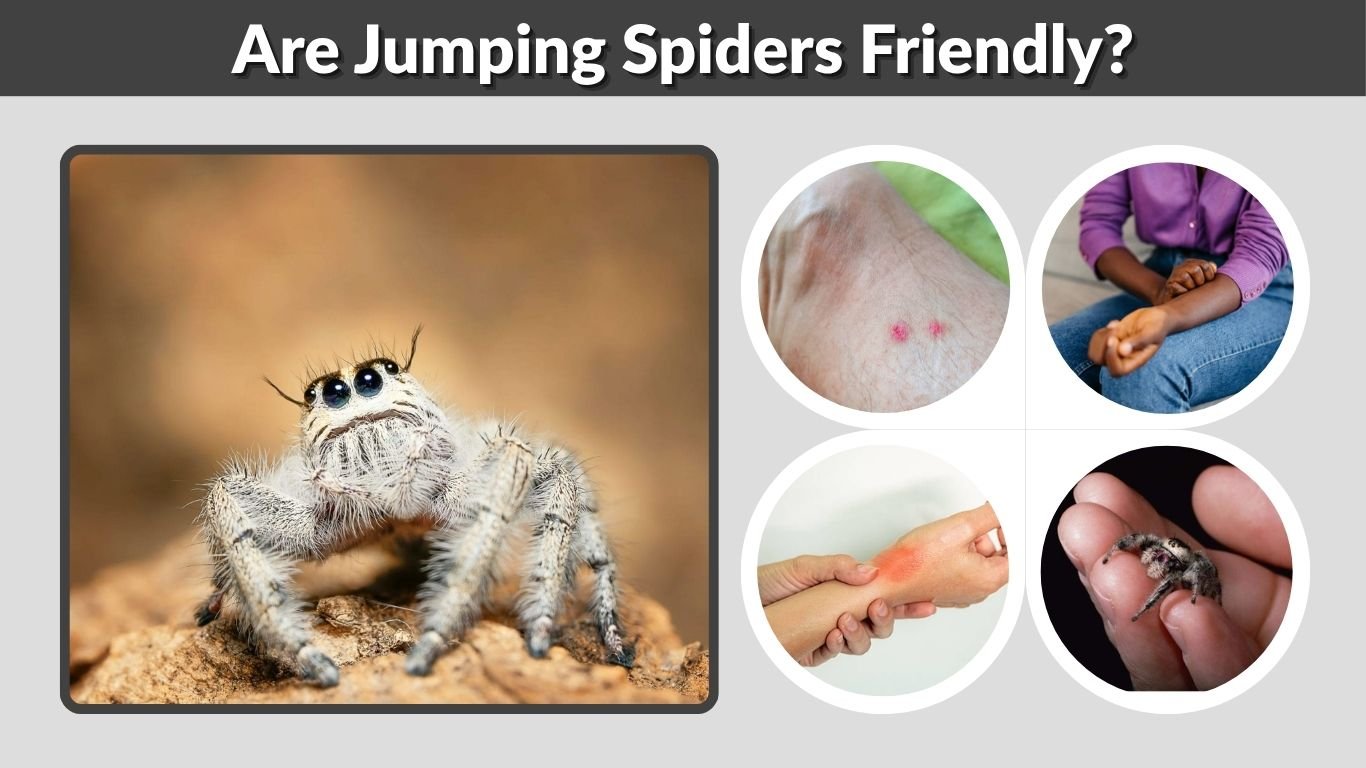
Are jumping spiders friendly? They can certainly appear that way, but “friendly” is a human description rather than a scientific behavior. Jumping spiders are usually … Read More