
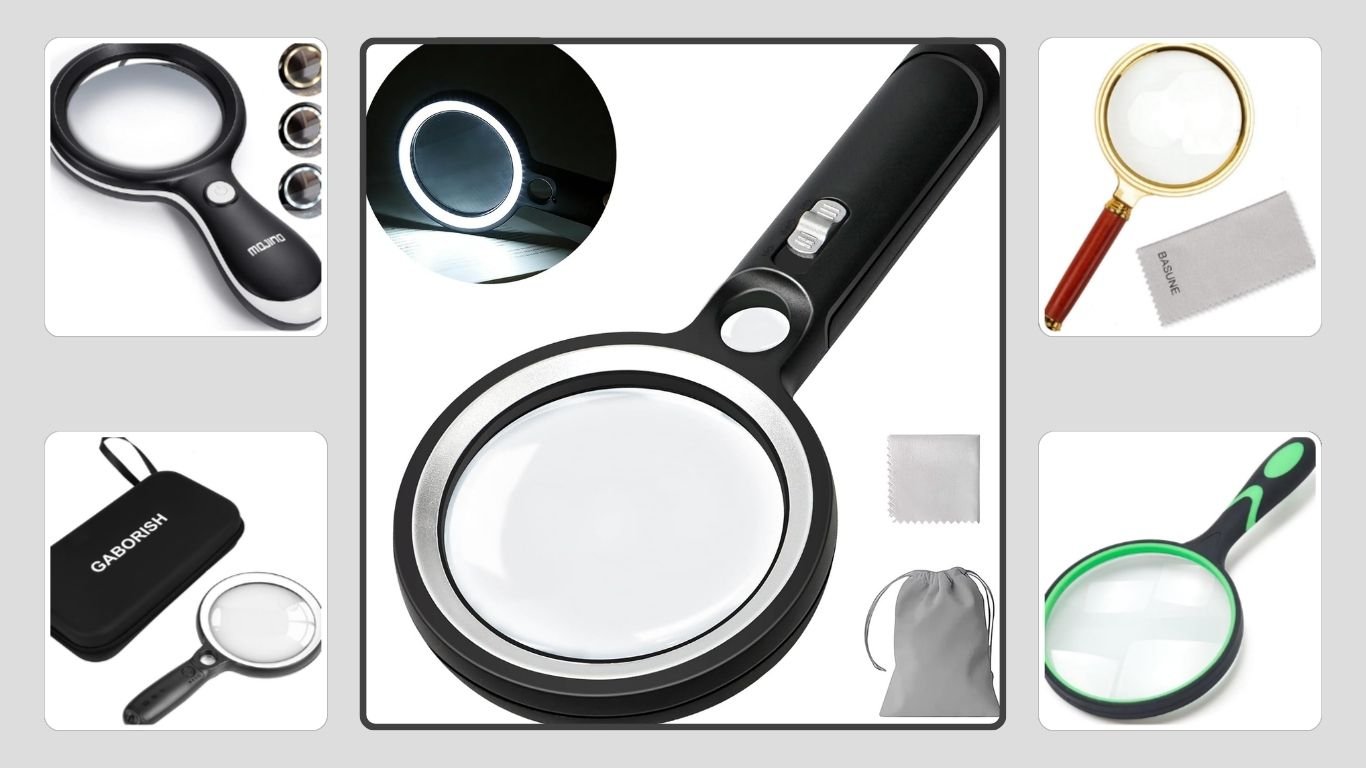
A good insect magnifying glass makes it easier to examine tiny details such as wings, antennae, body patterns, eggs, and other features that are difficult to see with the naked eye. Whether you are observing insects outdoors, teaching children, identifying garden pests, or studying specimens at home, the right magnifier can make inspection much more accurate and enjoyable. In this guide, we review the 10 best insect magnifying glasses based on magnification, lens clarity, lighting, durability, portability, and ease of use for both beginners and experienced nature observers.
1. Handheld Reading Magnifying Glass for Insect Observation

This handheld magnifying glass is a practical option for anyone who wants a simple tool for observing insects, leaves, small objects, and fine details outdoors or at home. Its traditional handheld design makes it easy to move over a specimen and adjust viewing distance until the details become clear. For casual insect identification, children’s nature activities, or checking garden pests, this straightforward format offers plenty of everyday versatility.
Key Features
- Traditional handheld magnifying-glass design
- Suitable for insect and nature observation
- Useful for reading and small-detail inspection
- Portable enough for outdoor exploration
- Comfortable hand-held viewing position
- Can be used with insects, plants, coins, and other small objects
- Simple operation with no complicated setup
Why It’s Best for Everyday Insect Observation
Not every insect observer needs a microscope or complicated digital device. For quick identification of beetles, ants, moths, caterpillars, and other insects, a handheld lens can often provide exactly the level of assistance needed.
Its biggest advantage is convenience. You can keep it in a backpack, classroom kit, garden basket, or desk drawer and use it whenever a small subject needs closer inspection.
This type of magnifier is also particularly useful for beginners because there are no controls to learn. Simply move the lens closer to or farther from the insect until the clearest view appears.
Viewing Performance & Ease of Use
A larger handheld viewing area can be useful when examining an entire insect rather than just one microscopic feature. It allows the user to follow movement while still seeing the surrounding surface.
For live insects, viewing from a short distance is also preferable to handling them unnecessarily. This can make observation safer for both the insect and the observer.
The straightforward design also makes it suitable for children under supervision, especially during backyard nature studies and science projects.
Overall Verdict
This handheld magnifying glass is a dependable choice for casual insect observation, reading, and general exploration. It does not offer the advanced illumination or specialized optics of premium models, but its simplicity is exactly what makes it appealing. For users who want an uncomplicated magnifier that can serve many different purposes, it offers strong everyday practicality.
2. Lighted Handheld Magnifying Glass
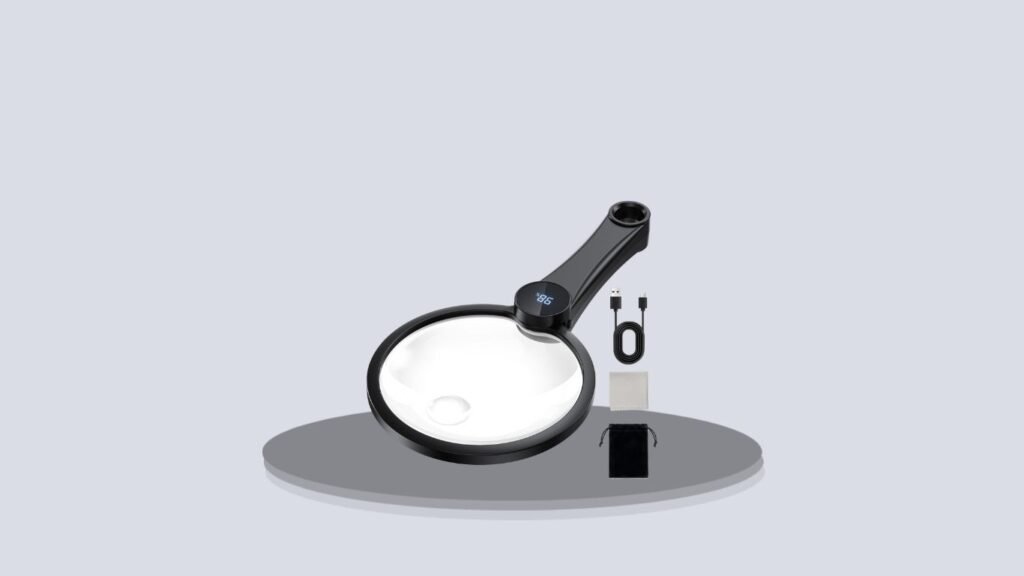
A lighted magnifying glass adds an important advantage for insect observation: improved visibility when natural lighting is weak. This handheld model combines magnification with built-in illumination, making it particularly useful when examining dark-colored insects, specimens in shaded areas, or tiny details that can disappear under uneven lighting. It can also double as a reading and inspection magnifier around the home.
Key Features
- Built-in illumination
- Handheld design
- Suitable for insect inspection
- Useful in low-light environments
- Helps highlight fine surface details
- Appropriate for reading and hobby use
- Portable format
- Easy point-and-view operation
Why It’s Best for Low-Light Observation
Lighting can make as much difference as magnification when trying to identify a small insect. Fine wing veins, spots, body hairs, antennae, and leg structures are often difficult to distinguish when the specimen is in shadow.
The built-in light helps solve this problem by directing illumination exactly where the lens is focused. That makes the tool especially useful indoors, under trees, inside garages, or when examining insects found around windows and furniture.
It can also make observation more consistent because the user does not need to hold a separate flashlight.
Clarity, Lighting & Practical Performance
A lighted handheld magnifier works best when the light is positioned close enough to illuminate the subject without creating excessive glare. On shiny beetles or reflective surfaces, slightly changing the angle can improve visibility.
For stationary specimens, plant pests, or insects resting on leaves, the lighting feature can reveal structures that would otherwise be easy to miss.
Because the design remains handheld, it still offers the flexibility to move around a subject and examine it from multiple directions.
Overall Verdict
The Lighted Handheld Magnifying Glass is an excellent choice for users who often inspect insects indoors or in shaded outdoor conditions. Built-in illumination provides a noticeable advantage over a basic magnifier, particularly when identifying small features. It is a practical upgrade for gardeners, hobbyists, students, and anyone who wants clearer insect observation without moving to a microscope.
3. Handheld Magnifying Glass for Reading & Exploration

This handheld magnifier is designed for both everyday reading and outdoor exploration, making it a versatile option for insect observation. Its multipurpose design is particularly useful for families, classrooms, children’s nature activities, and casual hobbyists. Instead of being limited to a single task, it can be used for observing insects, leaves, flowers, rocks, printed material, stamps, and other small subjects.
Key Features
- Suitable for nature exploration
- Handheld magnifier design
- Useful for insect observation
- Can also assist with reading
- Simple operation for beginners
- Portable for outdoor activities
- Suitable for classroom and home use
- Useful for examining plants and small objects
Why It’s Best for Exploration and Learning
Children and beginners often benefit from tools that encourage curiosity rather than requiring technical knowledge. A simple handheld magnifying glass allows users to immediately investigate whatever catches their attention.
That makes this model especially suitable for backyard insect hunts, school science activities, camping trips, and educational nature walks.
It can help users notice details such as the segmented antennae of an ant, scales on a butterfly wing, patterns on a beetle shell, or tiny eggs beneath plant leaves.
Viewing Experience & Everyday Durability
The uncomplicated handheld format lets the observer quickly move between different subjects. That is particularly convenient outdoors where insects rarely remain completely still.
The magnifier can also be used without touching the insect directly, which is preferable when examining unknown species or delicate specimens.
For indoor use, its general-purpose nature adds value because it can transition from insect identification to reading fine print, inspecting craft materials, or examining collectibles.
Overall Verdict
This Handheld Magnifying Glass for Reading & Exploration is best suited to users who want one simple magnifier for several activities. Its broad usefulness makes it particularly appealing for children, teachers, families, and casual nature enthusiasts. For insect observation that does not require extreme magnification, its straightforward and flexible design provides a comfortable starting point.
4. MOJINO Magnifying Glass for Inspection & Observation
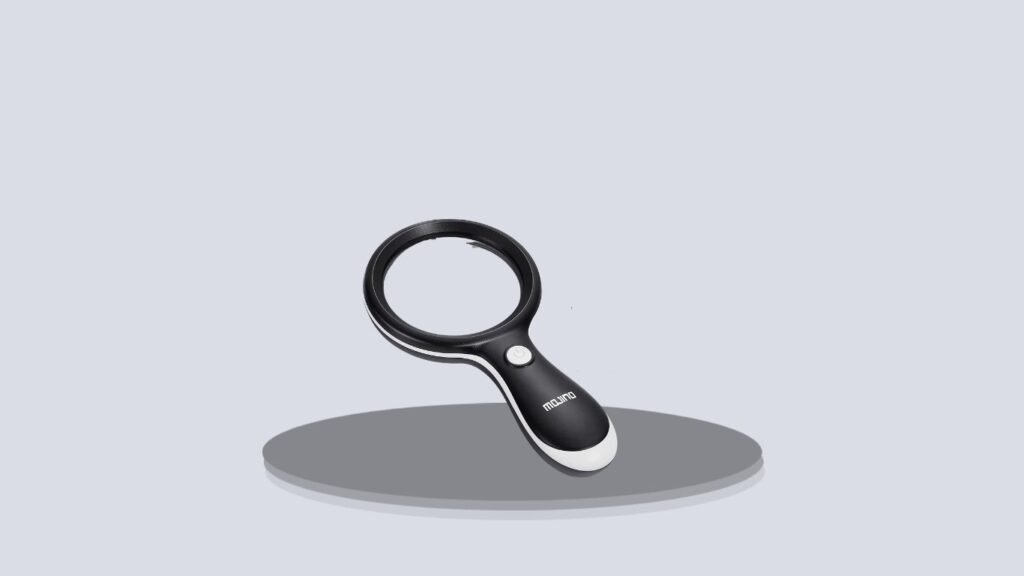
The MOJINO Magnifying Glass is a more inspection-oriented option designed for users who want clearer viewing of fine details. It is suitable for insect observation but can also be used for reading, craft work, household inspection, and hobby activities. The combination of a large viewing area and handheld operation makes it particularly useful when you want to examine both the overall insect and smaller identifying features.
Key Features
- Handheld inspection magnifier
- Suitable for insect identification
- Large viewing area
- Useful for reading and inspection tasks
- Can help reveal small surface details
- Comfortable for extended visual examination
- Multipurpose home and hobby use
- Portable construction
Why It’s Best for Detailed Inspection
The MOJINO model is particularly attractive for users who want to spend more time studying a specimen rather than simply taking a quick look.
A larger visual field can make it easier to compare several identifying features at once. For example, you may be able to inspect wing shape, body markings, and leg structure without constantly repositioning the lens.
This can be helpful when distinguishing between similar-looking insects or checking plants for very small pests.
Viewing Quality & Practical Use
Handheld magnifiers are most effective when the observer can control both lens distance and viewing angle. The MOJINO format allows this flexibility, which can be especially helpful with curved or reflective insect bodies.
It also works well for inspecting insects collected in transparent containers, since the lens can be moved across the outside without disturbing the specimen.
Beyond insect use, the same magnifier can be useful for printed labels, crafts, jewelry, or other tasks involving fine visual details.
Overall Verdict
The MOJINO Magnifying Glass is a solid multipurpose choice for users who want more inspection capability than a very basic children’s magnifier. Its broad viewing usefulness makes it suitable for insect enthusiasts, gardeners, hobbyists, and older users who also need assistance with small print. For a practical all-around inspection tool, it offers good versatility.
5. Rechargeable Illuminated Magnifying Glass with Case
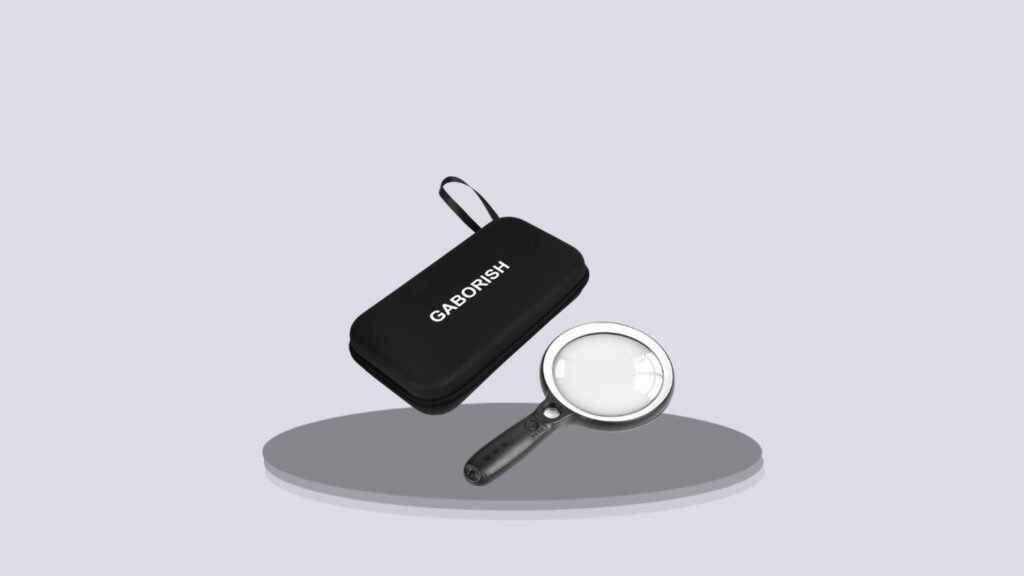
This rechargeable illuminated magnifying glass is one of the more feature-rich options in the roundup. Built-in lighting improves visibility, while rechargeable power removes the inconvenience of constantly replacing disposable batteries. A protective case also makes it easier to transport or store safely, making this model particularly suitable for field trips, travel, classroom kits, and regular home inspection.
Key Features
- Built-in illumination
- Rechargeable power system
- Protective storage case
- Suitable for insect inspection
- Portable for outdoor exploration
- Useful in low-light conditions
- Multipurpose reading and inspection design
- Convenient for repeated use
- Easy to store between observations
Why It’s Best for Frequent Use
Users who regularly inspect insects or other small objects may appreciate the convenience of rechargeable lighting. Instead of worrying about having replacement batteries available, the magnifier can simply be recharged between uses.
The included case is another valuable feature. Magnifying lenses can become scratched when carried loosely with tools, keys, or field equipment. Keeping the lens protected helps preserve clarity over time.
This makes the design particularly attractive for people who carry their observation equipment outdoors.
Lighting, Portability & Performance
Integrated lighting can make tiny insect structures easier to distinguish, especially when viewing dark specimens or checking the undersides of leaves.
Rechargeable illumination is also convenient for evening use or indoor inspections where room lighting is insufficient.
The portable case makes it easier to pack the magnifier alongside notebooks, collecting jars, cameras, or field guides without exposing the lens to unnecessary damage.
Overall Verdict
The Rechargeable Illuminated Magnifying Glass is one of the strongest options for users who expect to use their magnifier frequently. Rechargeable lighting, portability, and protective storage give it advantages over simpler handheld designs. For insect enthusiasts, gardeners, students, and anyone who values convenience as much as magnification, this model provides a particularly practical feature set.
6. Handheld Magnifier for Insect Observation & Classroom Use
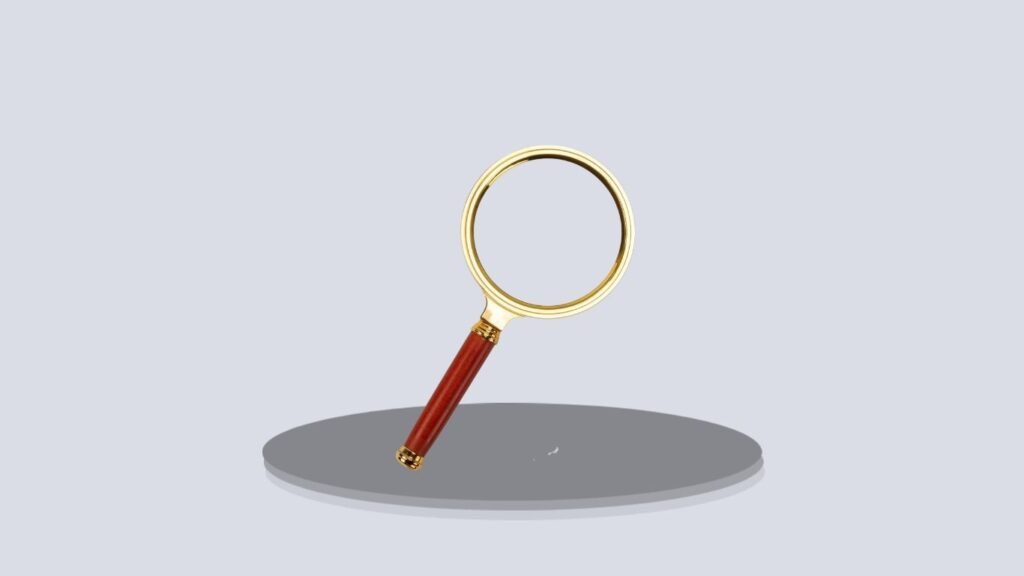
This handheld magnifier is designed around educational observation, making it especially useful for classrooms, children, science activities, and nature exploration. Its simple construction allows students to focus on what they are observing rather than learning complicated controls. It can be used for insects, plants, rocks, printed material, and other small objects, giving teachers and families one tool for multiple learning activities.
Key Features
- Designed for classroom observation
- Suitable for insects and nature study
- Handheld operation
- Useful for reading and science activities
- Beginner-friendly design
- Portable for outdoor lessons
- Can be shared among students
- Suitable for plants, rocks, and small specimens
Why It’s Best for Students and Classrooms
Educational tools need to be intuitive. A magnifier that requires batteries, complicated focusing, or special setup may slow down group activities.
This model keeps things simple. Students can pick it up, move it toward a specimen, and begin observing immediately.
That makes it ideal for elementary science lessons involving insect body parts, leaf structures, soil organisms, or other small natural objects.
The same magnifier can also support reading and general visual-learning activities.
Classroom Performance & Practicality
A basic handheld lens works particularly well in group settings because it can be passed between students without requiring adjustments between users.
Teachers can also combine it with clear insect containers so students can observe live specimens safely without touching them.
For outdoor lessons, the lightweight format is easier to carry than a microscope or digital inspection device.
Its general-purpose design ensures that it remains useful even when the lesson shifts away from insects.
Overall Verdict
This Handheld Magnifier is an excellent educational choice for schools, homeschool environments, nature clubs, and families with curious children. It may not provide advanced magnification or specialized lighting, but its simplicity, versatility, and classroom-friendly operation make it highly practical for learning-focused insect observation.
7. Feosky Shatterproof Magnifying Glass for Exploration
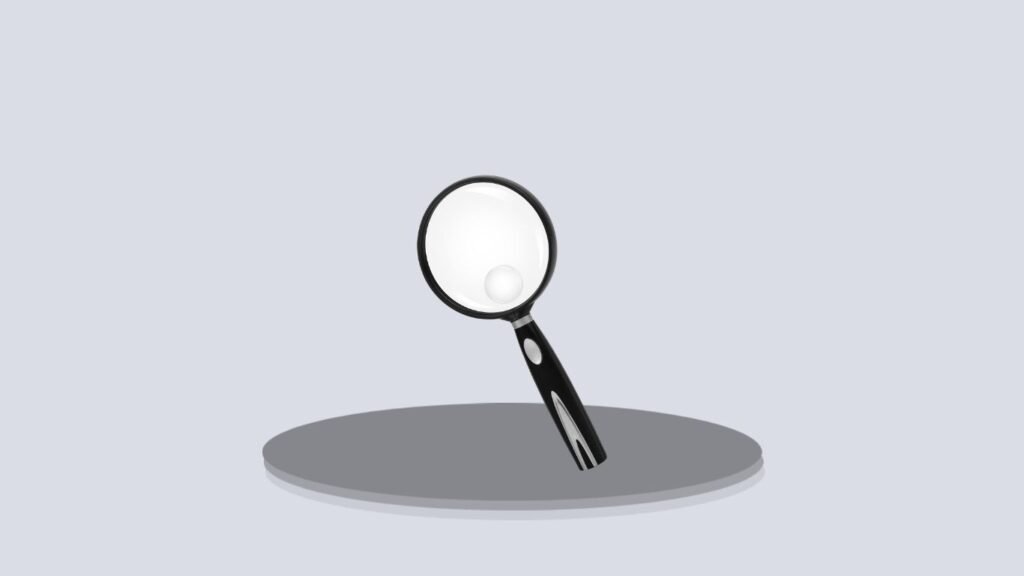
The Feosky Shatterproof Magnifying Glass is designed with exploration and durability in mind. A shatter-resistant construction can be especially valuable when the magnifier is used by children or carried outdoors, where accidental drops are more likely. Its handheld format makes it suitable for observing insects, leaves, rocks, flowers, and other natural subjects without requiring complicated equipment.
Key Features
- Shatter-resistant construction
- Designed for exploration
- Suitable for insect observation
- Handheld design
- Child-friendly outdoor use
- Portable for nature walks
- Useful for science and classroom activities
- Multipurpose inspection tool
Why It’s Best for Kids and Outdoor Use
Outdoor observation tools need to withstand more abuse than items that stay on a desk. Magnifiers can easily be dropped on paths, patios, or classroom floors, so a shatter-resistant design provides useful peace of mind.
This makes the Feosky especially attractive for younger users who are still learning to handle equipment carefully.
It can encourage children to inspect insects and other natural objects without parents or teachers worrying as much about fragile glass.
Durability & Observation Performance
The rugged design supports repeated use during hikes, backyard exploration, school activities, or camping trips.
For insect observation, users can move the lens over a bug while maintaining a comfortable viewing distance. The wide range of possible subjects means the magnifier can stay useful well beyond a single insect project.
A durable magnifier can also be placed in a field kit permanently, ready whenever an interesting specimen appears.
Overall Verdict
The Feosky Shatterproof Magnifying Glass is one of the better options for children, schools, and outdoor enthusiasts who place durability near the top of their priorities. Its straightforward handheld design keeps observation easy, while the tougher construction makes it better suited to field conditions than more delicate magnifiers. For exploration-focused use, that combination is particularly appealing.
8. Handheld Magnifier for Nature Observation & Classroom Use
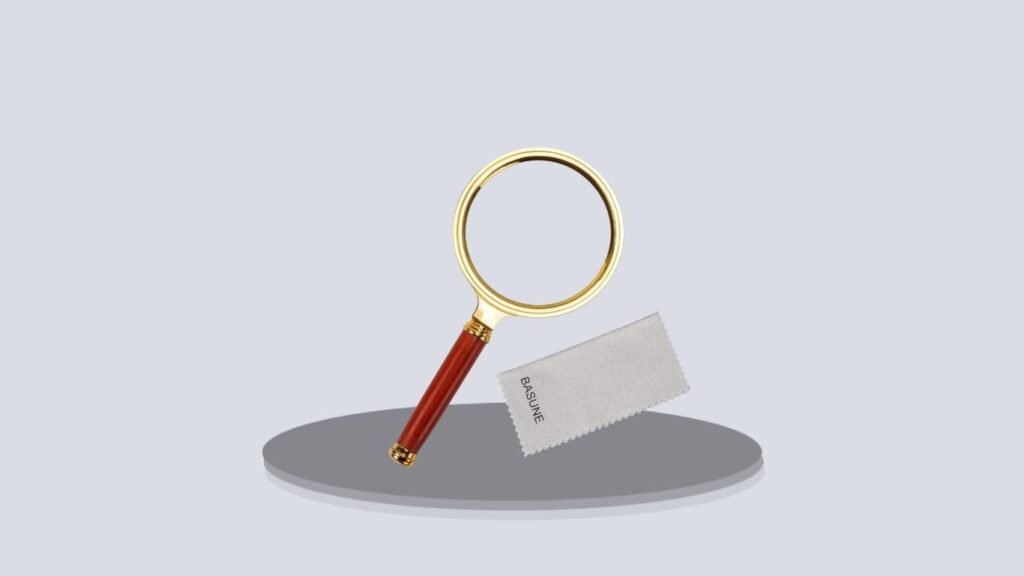
This handheld magnifier provides another straightforward option for students, families, and casual insect observers. It is designed for classroom observation, reading, and nature study, making it useful for a wide range of activities. For users who need a dependable magnifier without lights, charging systems, or specialized attachments, this simple design can be more convenient than a feature-heavy alternative.
Key Features
- Handheld magnifier
- Suitable for insect and nature observation
- Classroom-friendly design
- Useful for reading small text
- Appropriate for children and adults
- Portable for outdoor learning
- Simple focusing through distance adjustment
- Multipurpose inspection capability
Why It’s Best for Simple Learning Activities
A basic magnifying glass can be extremely effective for introductory insect study. Students can easily inspect wings, legs, antennae, body segmentation, and surface patterns without needing to place a specimen under a microscope.
The design is also useful for comparing insects side by side or examining several natural objects during the same activity.
Because it does not rely on batteries or electronics, it can remain stored in a classroom kit and be ready whenever needed.
Observation Quality & Everyday Use
The main strength of a traditional handheld magnifier is flexibility. You can change the apparent magnification by adjusting the distance between the lens, subject, and eye.
This makes it useful for insects of different sizes, from larger beetles to smaller garden pests.
For younger observers, it also provides an intuitive introduction to optical magnification before they progress to microscopes or digital equipment.
Overall Verdict
This Handheld Magnifier is a dependable choice for classrooms, home learning, and occasional insect inspection. It offers little complexity, but that can be a major advantage for users who simply want to see more detail without managing lighting systems or settings. For educational and general-purpose observation, it delivers useful value in a simple format.
9. Large Handheld Reading Magnifying Glass
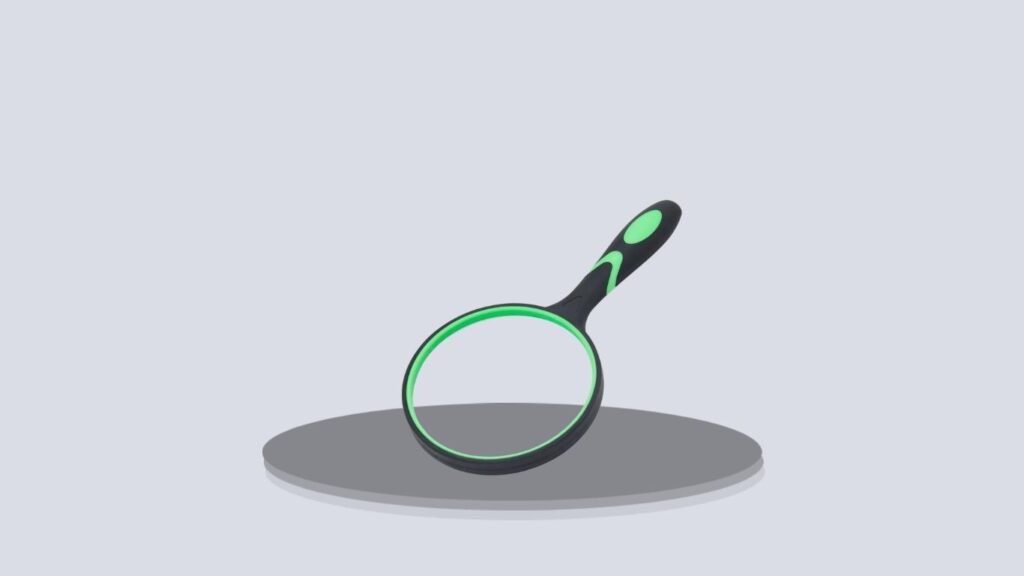
The Large Handheld Reading Magnifying Glass is designed to provide a broad viewing area, which can also be beneficial for insect observation. Instead of focusing on one tiny point, a larger lens allows users to see more of the insect and its surroundings at once. This is particularly useful when examining larger beetles, moths, caterpillars, or several insects inside a viewing container.
Key Features
- Large handheld viewing lens
- Suitable for insect observation
- Useful for reading and fine print
- Broad field of view
- Comfortable hand-held design
- Appropriate for adults and seniors
- Multipurpose home inspection use
- Portable construction
Why It’s Best for a Wider Viewing Area
Smaller magnifiers can sometimes make it difficult to follow an insect that is moving. A larger lens gives the observer more room to track the subject while still benefiting from magnification.
This can also make the magnifier easier to use for people who find tiny lenses uncomfortable or difficult to position.
For garden inspection, the broad view can help users compare a pest with the surrounding leaf damage at the same time.
Viewing Comfort & Versatility
The larger lens is particularly useful for extended observation because the user does not need to keep one eye aligned with a very small viewing area.
It can also transition easily between insect observation and household reading tasks. That makes the product especially practical for users who want a magnifier that serves several purposes.
Older adults may also appreciate the easier alignment when examining small pests around indoor plants or household surfaces.
Overall Verdict
The Large Handheld Reading Magnifying Glass is a strong option for users who prioritize a generous field of view and comfortable observation. Although it is not dedicated exclusively to entomology, its broad lens can make larger insects and plant pests easier to examine. For households that want one magnifier for both nature study and everyday reading, it offers useful versatility.
10. Shatterproof Handheld Magnifying Glass for Exploration
This shatterproof handheld magnifying glass is designed for active exploration, making it another excellent option for children, outdoor learning, and casual insect study. Its more durable construction helps reduce concern about accidental drops, while the simple handheld format makes it quick to use whenever an interesting insect or natural object appears.
Key Features
- Shatterproof design
- Suitable for insect observation
- Built for exploration
- Handheld operation
- Portable for outdoor activities
- Appropriate for children and beginners
- Useful for classroom projects
- Can inspect insects, plants, rocks, and other small objects
Why It’s Best for Rough-and-Ready Exploration
When a magnifying glass is used outdoors, durability matters almost as much as optical performance. Equipment may be dropped on the ground, carried in backpacks, or handled by several children during the same activity.
A shatterproof design is therefore especially useful for field exploration.
This magnifier can be taken on hikes, camping trips, school excursions, or backyard insect hunts without requiring the same careful handling as a fragile glass model.
Durability & Observation Experience
The handheld design keeps insect inspection straightforward. Users can move the magnifier slowly over the subject until the clearest image appears, then examine body shape, color patterns, legs, wings, or other characteristics.
Because the tool is not dependent on power, it is always ready for use and can remain stored in an outdoor exploration kit.
Its multipurpose design also means it can be used for leaves, soil, rocks, shells, and many other subjects encountered during nature study.
Overall Verdict
This Shatterproof Handheld Magnifying Glass is an excellent choice for users who value durability, portability, and ease of use. It is especially well suited to children, classrooms, camping trips, and outdoor nature activities. While more advanced observers may eventually want stronger optical equipment, this model provides a reliable and approachable way to explore insects and other small natural details.
FAQs
1. What Magnification Is Best for Looking at Insects?
For general insect observation, moderate magnification is usually enough to examine body shape, wings, antennae, legs, and color patterns. Very high magnification provides a smaller field of view and can make moving insects harder to follow. For extremely tiny mites, eggs, or microscopic structures, a loupe, microscope, or digital microscope may be more appropriate.
2. Is a Lighted Magnifying Glass Better for Insect Observation?
A lighted magnifying glass can be very useful because insects often have fine details that disappear in shadows. Built-in illumination helps when inspecting dark insects, plant pests beneath leaves, or specimens indoors. For bright outdoor observation, however, a standard magnifier may provide enough visibility without additional lighting.
3. Can Children Use an Insect Magnifying Glass?
Yes. Handheld magnifying glasses are excellent tools for encouraging children to study insects, plants, rocks, and other natural objects. Shatter-resistant models are particularly useful for younger children. Adult supervision is still recommended, especially around unknown insects that could bite, sting, or irritate the skin.
4. Can I Identify Spider Mites With a Magnifying Glass?
A strong magnifier can help reveal spider mites as tiny moving dots and may allow users to see their general shape. However, spider mites are extremely small, so a 10× hand lens or stronger magnification is usually more useful for reliable identification. Their eggs, legs, and species-level characteristics may require even stronger magnification.
5. What Should I Look for When Choosing an Insect Magnifying Glass?
Consider lens clarity, magnification strength, viewing area, weight, durability, lighting, and portability. A large handheld lens is convenient for casual observation, while illuminated models are better in low-light conditions. Children may benefit from shatter-resistant designs, while serious insect identification may require a loupe or microscope with higher magnification.
