
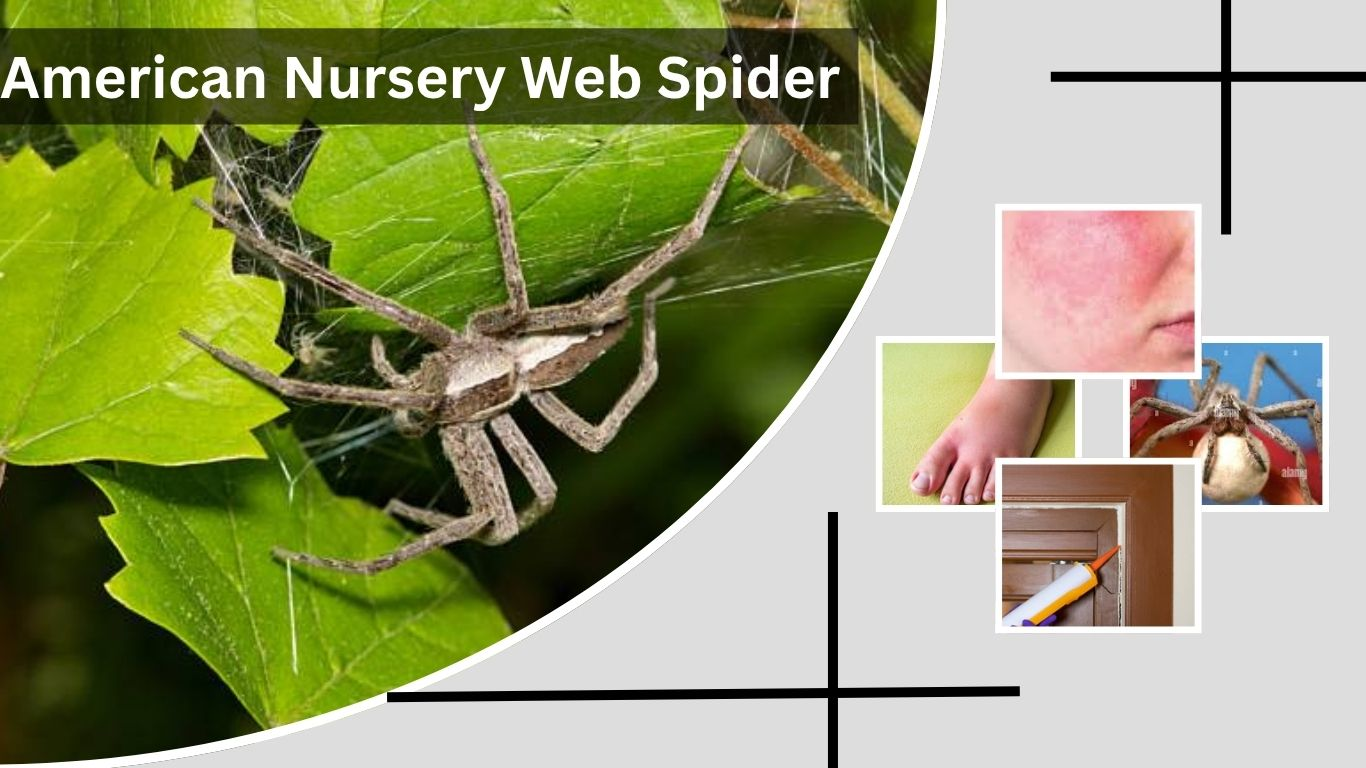
American nursery web spiders are fast-moving hunting spiders commonly found in gardens, forests, and grassy outdoor environments across North America. These spiders are recognized for their long legs, excellent camouflage, and unusual maternal behavior. Unlike orb weavers, nursery web spiders do not rely on webs to capture prey. Instead, they actively hunt insects and small creatures. Many people search for information about their bites, poisonous nature, and comparisons with brown recluse spiders because of their large appearance and quick movement in outdoor spaces during warmer seasons.
What Is an American Nursery Web Spider?

The American nursery web spider belongs to the Pisauridae spider family, a group known for active hunting behavior and strong maternal instincts. These spiders are commonly seen in vegetation-rich habitats where insects are abundant. They are especially noticeable during spring and summer because of their larger size and rapid movement across plants and ground surfaces.
Why It Is Called a Nursery Web Spider
The name “nursery web spider” comes from the female spider’s unique parenting behavior. After producing eggs, the female carries the egg sac using her jaws until the spiderlings are ready to hatch. She then builds a protective silk nursery where the young spiders remain temporarily protected.
American Nursery Web Spider Identification
American nursery web spiders can be identified by their slender bodies, long legs, and brown or gray camouflage coloring. Their appearance helps them blend into grass, bark, and outdoor vegetation while hunting prey.
Common identification features include:
- Long thin legs with hairy texture
- Brown, gray, or tan body coloration
- Light stripe patterns along the body
- Large visible eyes
- Fast-running movement instead of web trapping
American Nursery Web Spider Size
Nursery web spiders are considered medium to large spiders depending on the species and sex. Females are usually larger and stronger than males.
Female Size
Female nursery web spiders develop larger body sizes and longer leg spans. Their increased size helps them carry egg sacs and protect nursery webs effectively during reproduction.
Male Size
Male nursery web spiders are slimmer and generally smaller than females. They are often more difficult to notice because of their lighter body build and faster movement.
American Nursery Web Spider Habitat

American nursery web spiders thrive in outdoor environments with tall vegetation, moisture, and large insect populations. They are commonly found near gardens, wetlands, forest edges, and grassy fields where prey is plentiful. Unlike spiders that remain inside webs, nursery web spiders actively roam their environment while searching for food.
Where American Nursery Web Spiders Commonly Live
These spiders prefer areas with dense plant coverage and moderate humidity. Outdoor spaces that attract insects are ideal locations for hunting and reproduction.
Typical habitats include:
- Gardens and flower beds
- Forest edges and wooded trails
- Tall grass and shrubs
- Wetlands and areas near water
- Farms and open outdoor vegetation
American Nursery Web Spider Michigan Range
American nursery web spiders are commonly found throughout Michigan because of the state’s forests, wetlands, and humid summer climate. They are especially active during warmer months when insect activity increases across gardens and natural outdoor areas.
In Michigan, these spiders are often spotted near bushes, tall grass, and lakefront vegetation. Their camouflage allows them to remain hidden easily among leaves and bark while waiting to ambush prey.
Preferred Environmental Conditions
Warm temperatures and moisture-rich habitats help nursery web spiders survive successfully. Areas with abundant insect activity provide a steady food source while vegetation offers shelter from predators and changing weather conditions.
Unlike orb weaver spiders that rely on silk traps, nursery web spiders depend on speed, camouflage, and quick reactions while hunting. Their natural body coloration helps them remain concealed during both hunting and resting periods.
American Nursery Web Spider Behavior

American nursery web spiders are active hunters that use stealth and speed rather than webs to catch prey. These spiders spend much of their time moving through plants, grass, and shrubs searching for insects. Their excellent vision and rapid reflexes make them effective predators in outdoor ecosystems.
Hunting and Feeding Habits
Nursery web spiders feed primarily on insects and other small invertebrates found in gardens and grassy environments. Instead of waiting in webs, they stalk prey carefully before attacking quickly.
Their hunting strategy allows them to survive in a wide variety of outdoor habitats where web-building may not always be practical. These spiders are especially active during warmer evenings when insect populations are highest.
How Female Nursery Web Spiders Protect Eggs
Female nursery web spiders display remarkable maternal behavior that separates them from many other spider species. After producing eggs, the female remains highly protective of her offspring.
Protective behaviors include:
- Carrying egg sacs with the jaws
- Building silk nursery shelters
- Guarding spiderlings after hatching
- Remaining near the nursery web for protection
- Defending young from predators
This level of maternal care greatly improves the survival chances of young spiderlings during their earliest growth stages.
American Nursery Web Spider Bite

American nursery web spider bites are uncommon because these spiders are generally shy and prefer escaping rather than attacking humans. Most encounters happen accidentally while gardening, walking through tall grass, or disturbing vegetation where the spider is hiding. Although their large size may appear intimidating, nursery web spiders are not considered medically dangerous to people.
Does the American Nursery Web Spider Bite?
Nursery web spiders can bite if they feel trapped or threatened, but defensive bites are rare. In most situations, these spiders attempt to flee instead of showing aggression.
When bites do occur, symptoms are usually mild and temporary. Most people experience irritation similar to a minor insect sting rather than a serious medical condition.
Common Bite Symptoms
Symptoms from a nursery web spider bite are generally limited to the skin surrounding the bite area. Serious reactions are extremely uncommon in healthy individuals.
Possible symptoms include:
- Mild redness
- Minor swelling
- Temporary itching
- Slight pain or burning sensation
- Local skin irritation
These symptoms usually disappear within a short period without requiring professional medical treatment.
Bite Treatment and Care
Basic first aid is normally enough to treat a nursery web spider bite. Washing the affected area and reducing inflammation can help relieve discomfort quickly.
Cold compresses may reduce swelling, while antihistamines can help manage itching or irritation. Medical care is recommended only if symptoms become severe or signs of an allergic reaction develop.
Is the American Nursery Web Spider Poisonous?
Many people search for whether the American nursery web spider is poisonous because of its large appearance and rapid movement. Technically, these spiders are venomous rather than poisonous. Their venom is designed for subduing insects and other small prey rather than harming humans.
Poisonous vs Venomous Explained
Poisonous animals are harmful when touched or eaten, while venomous animals inject toxins through bites or stings. Nursery web spiders use venom only for hunting prey and self-defense.
Their venom is considered mild for humans and does not pose significant medical danger in most cases. This makes nursery web spiders far less threatening than medically important spiders such as the brown recluse or black widow.
Are Nursery Web Spiders Dangerous?
American nursery web spiders are not aggressive toward humans and usually avoid direct interaction whenever possible. Their role in outdoor ecosystems is actually beneficial because they help reduce insect populations naturally.
Despite their intimidating appearance, these spiders contribute positively to gardens and natural habitats by controlling flies, mosquitoes, and other pest insects.
American Nursery Web Spider Male vs Female
Male and female American nursery web spiders differ noticeably in both size and behavior. Female spiders are generally larger and stronger because they carry egg sacs and protect spiderlings after hatching.
Physical Differences Between Males and Females
Females usually possess larger abdomens and longer leg spans compared to males. Their bodies are built to support reproduction and protective maternal behavior.
Male nursery web spiders are slimmer and lighter, allowing them to move quickly while searching for mates during breeding periods.
Behavioral Differences
Behavioral differences between male and female nursery web spiders become most obvious during reproduction. Females remain highly protective after producing eggs, while males focus mainly on finding mates and avoiding predators.
Females also spend more time near vegetation and nursery webs, especially after spiderlings hatch and begin developing inside the protective silk structure.
American Nursery Web Spider vs Brown Recluse
American nursery web spiders are often confused with brown recluse spiders because both species have brown body coloration and long legs. However, the two spiders differ greatly in behavior, appearance, and medical significance.
Key Differences Between the Two Spiders
Brown recluse spiders have a distinct violin-shaped marking on the cephalothorax, while nursery web spiders usually display lighter stripes and camouflage patterns instead.
Nursery web spiders also possess different eye arrangements and are typically more active outdoors in vegetation-rich habitats.
Important differences include:
- Brown recluse spiders are medically significant
- Nursery web spiders are generally harmless
- Nursery web spiders actively hunt prey
- Brown recluses prefer hidden indoor spaces
- Nursery web spiders have longer visible legs
Why People Misidentify Nursery Web Spiders
People often mistake nursery web spiders for brown recluse spiders because both can appear brown and fast-moving. Large nursery web spiders seen in garages, gardens, or wooded areas may cause concern due to their size and quick movement.
However, proper identification is important because nursery web spiders rarely pose any real threat to humans.
Interesting American Nursery Web Spider Facts
American nursery web spiders are fascinating predators with several unusual behaviors that make them unique among common North American spiders. Their strong maternal instincts and active hunting style separate them from many web-building spider species.
Fascinating Facts About Nursery Web Spiders
These spiders possess several characteristics that help them survive successfully in outdoor environments.
Interesting facts include:
- Females carry egg sacs using their jaws
- They do not rely on webs for hunting prey
- Excellent camouflage helps avoid predators
- Fast running speed improves hunting success
- They help naturally control pest insects
Their role as natural predators makes them valuable contributors to healthy garden and forest ecosystems.
FAQs
Are American nursery web spiders aggressive?
American nursery web spiders are not aggressive toward humans. They usually try to escape when disturbed rather than attack. Most bites occur only if the spider feels trapped or threatened during accidental contact in gardens, grass, or wooded outdoor environments.
Can American nursery web spiders climb walls?
Yes, American nursery web spiders can climb walls, plants, fences, and other outdoor surfaces easily. Their long legs and lightweight bodies help them move quickly across vegetation and structures while searching for prey or shelter in natural habitats.
What do baby nursery web spiders look like?
Baby nursery web spiders, also called spiderlings, are tiny versions of adults with slender legs and light body coloration. They remain inside the protective nursery web for a short time after hatching before gradually spreading into nearby vegetation.
Are nursery web spiders helpful in gardens?
Nursery web spiders are beneficial garden predators because they feed on mosquitoes, flies, beetles, and other insects. Their hunting activity helps reduce pest populations naturally, making them useful for maintaining healthier outdoor ecosystems without pesticides.
How long do American nursery web spiders live?
The lifespan of an American nursery web spider depends on species and environmental conditions. Most live for about one year, although females may survive longer during reproduction periods while protecting egg sacs and spiderlings.
