
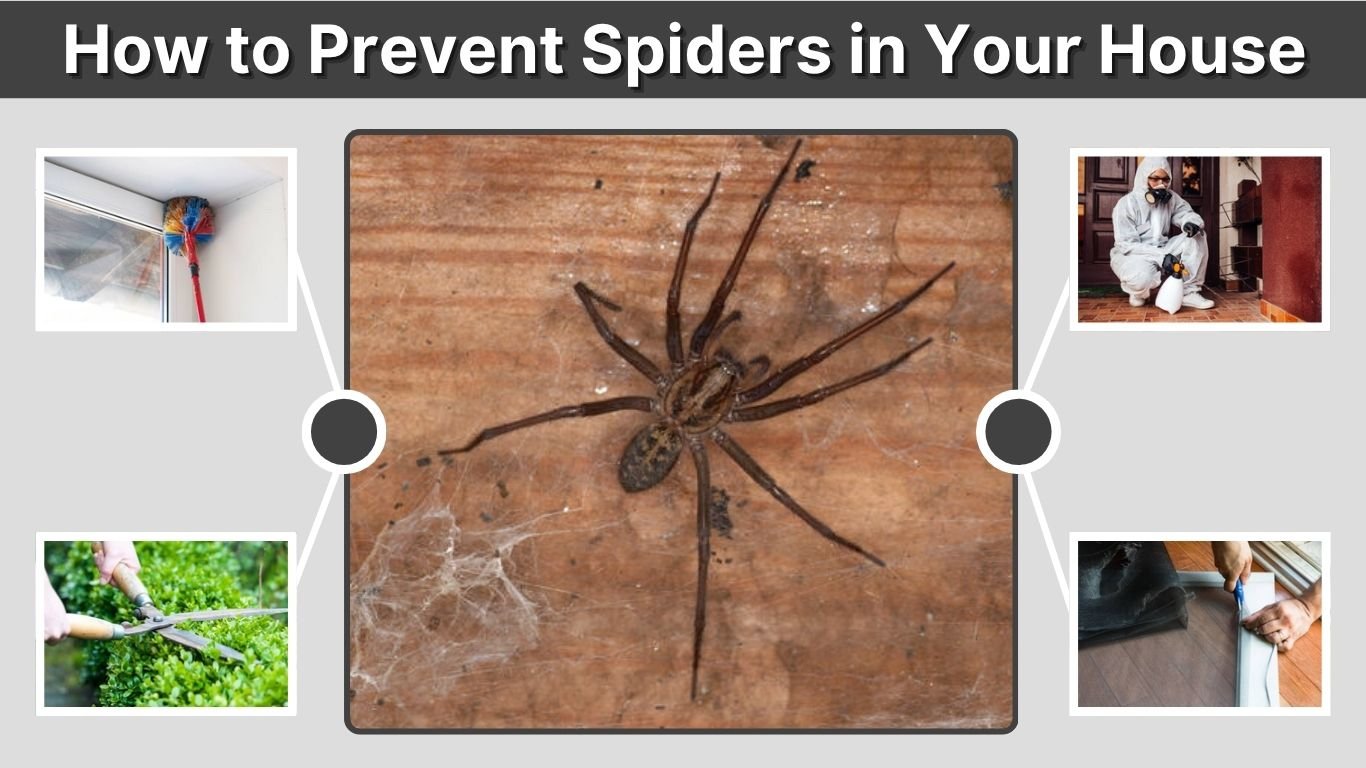
Spiders are common household visitors, especially in quiet corners, basements, garages, and storage areas. Although most house spiders are harmless, their webs and unexpected appearances can make homeowners uncomfortable. Understanding how to prevent spiders in your house starts with identifying what attracts them and how they enter. Fortunately, simple changes in cleaning habits, home maintenance, and outdoor care can significantly reduce spider activity. This guide explains practical ways to keep spiders from coming inside, prevent recurring problems, and maintain a cleaner, more comfortable living environment.
1. Seal Entry Points to Keep Spiders Outside
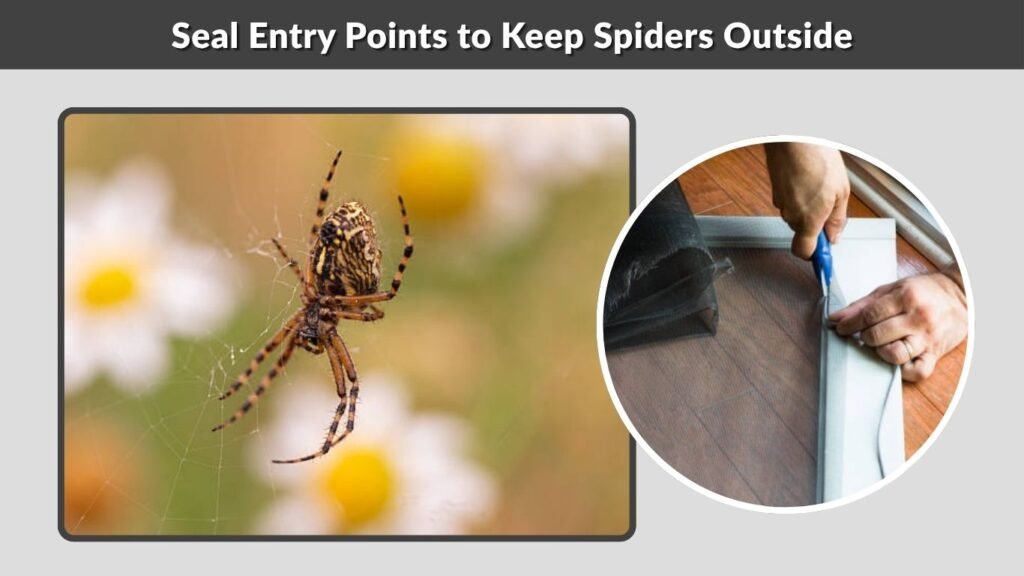
One of the most effective ways to prevent spiders from coming into your house is to eliminate their entry points. Spiders can crawl through small cracks, damaged screens, and openings around doors or pipes. Even newly constructed homes may have gaps that allow insects and spiders inside. Regular inspections can help identify these vulnerable areas before they become a problem.
Check Doors and Windows
Doors and windows are common entry points, particularly when weatherstripping becomes worn or damaged.
- Install door sweeps: Close gaps beneath exterior doors to prevent crawling spiders from entering.
- Repair window screens: Replace torn mesh and make sure screens fit securely.
- Apply weatherstripping: Seal openings around doors and movable windows.
- Inspect window frames: Use appropriate caulk to close cracks around exterior frames.
Seal Cracks Around Your Home
Examine foundations, basement walls, and areas where utility pipes enter the building. Seal suitable openings with caulk or other appropriate materials.
Pay special attention to garage doors and attic access points. Properly fitted screens can protect ventilation openings without restricting necessary airflow.
2. Keep Your Home Clean and Clutter-Free
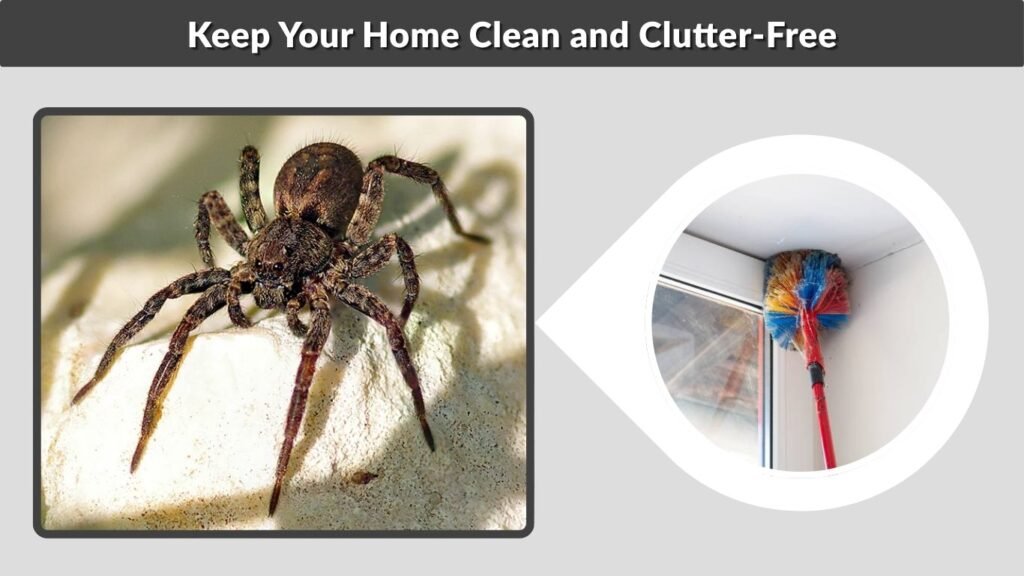
Spiders often settle in undisturbed locations where they can hide and catch insects. Dusty corners, cardboard boxes, and furniture gaps provide suitable shelter. Maintaining a regular cleaning schedule removes webs and egg sacs while making potential hiding places less attractive.
Follow a Regular Cleaning Routine
Cleaning areas that are frequently overlooked can help prevent spiders from establishing themselves indoors.
- Vacuum corners: Clean ceiling edges, baseboards, and spaces beneath furniture.
- Remove webs: Clear spider webs as soon as you notice them.
- Clean behind furniture: Move lightweight furniture occasionally to inspect hidden spaces.
- Remove egg sacs: Vacuum visible egg sacs and dispose of the contents in a sealed bag.
Organize Storage Spaces
Basements, closets, attics, and garages often contain items that remain untouched for months.
Replace unnecessary cardboard boxes with sealed plastic containers. Keep stored belongings organized and slightly away from walls to make inspections easier.
Reducing clutter also limits the number of hiding places available to large and small house spiders.
3. Reduce Insects That Attract Spiders
Spiders enter and remain in homes partly because insects provide a reliable food supply. Flies, mosquitoes, moths, and other small arthropods can attract hunting and web-building spiders.
If you want to prevent bugs and spiders in your house, controlling insects should be part of your prevention strategy. Removing food sources can make indoor environments less attractive to spiders.
Eliminate Common Insect Attractants
Simple household changes can reduce the insects that spiders hunt.
- Store food securely: Keep dry foods in airtight containers.
- Clean food spills: Remove crumbs and sticky residue from kitchen surfaces.
- Empty garbage regularly: Use covered trash containers and prevent waste buildup.
- Protect windows: Install screens to limit flying insects entering your home.
Control Moisture and Lighting
Leaking pipes, damp basements, and standing water can create conditions favorable to certain insects.
Repair plumbing leaks and improve ventilation in humid rooms. Use a dehumidifier where necessary.
Outdoor lighting can also attract flying insects. Warm-colored bulbs and motion-activated fixtures may help reduce insect gatherings near entrances.
4. Maintain Outdoor Areas to Prevent Spiders
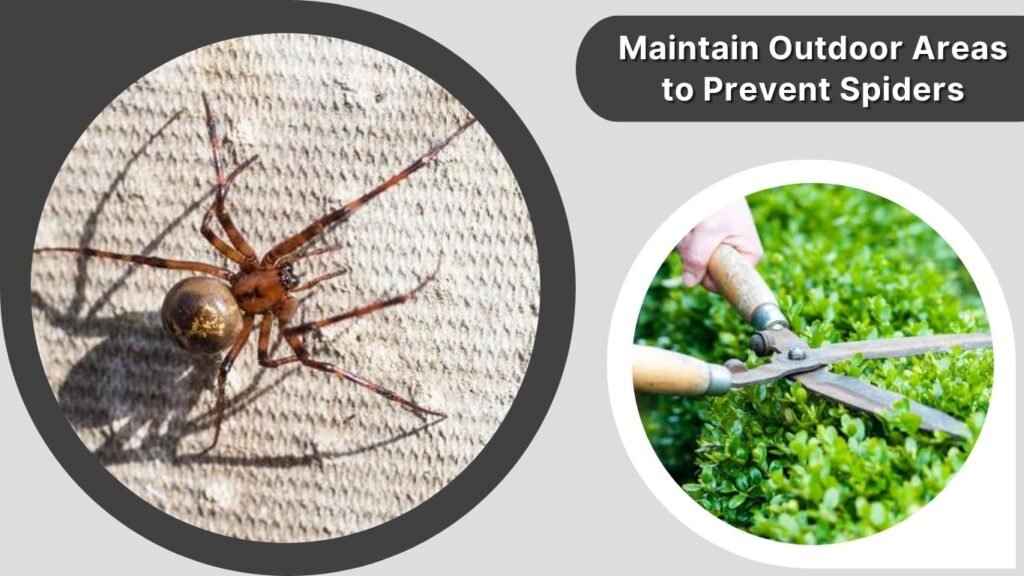
Outdoor conditions can influence how frequently spiders approach your house. Overgrown vegetation, firewood piles, and outdoor clutter provide shelter for spiders and their prey.
Maintaining a clear perimeter around the building can reduce opportunities for spiders to move toward doors, windows, and foundation openings.
Remove Outdoor Hiding Places
Regular yard maintenance makes the immediate surroundings less attractive to spiders.
- Trim vegetation: Keep shrubs, branches, and climbing plants from touching exterior walls.
- Relocate firewood: Store wood away from the building and inspect it before bringing it inside.
- Clear leaf piles: Remove accumulated leaves and unnecessary debris near foundations.
- Inspect outdoor furniture: Remove unwanted webs from patios, chairs, and storage containers.
Keep Porches and Garages Clean
Porches and garages commonly provide sheltered locations for spiders. Outdoor lights may also attract insects that serve as prey.
Sweep corners regularly, remove unwanted webs, and inspect garage door seals. Avoid storing unnecessary materials beside exterior entrances.
5. How to Prevent Spiders in Your House Naturally
Natural spider prevention focuses on reducing access, shelter, and food rather than relying on chemical treatments. Physical barriers, routine cleaning, and insect management are generally the most dependable nonchemical approaches.
Some homeowners also use natural scents and homemade repellents. However, their effectiveness varies, and they should not replace basic household maintenance.
Do Essential Oils Repel Spiders?
Peppermint, citrus, and eucalyptus oils are frequently mentioned as natural spider repellents. However, strong scientific evidence supporting reliable, long-term spider prevention with these oils is limited.
Concentrated essential oils may also irritate people or be harmful to pets. Avoid applying them where children or animals could be exposed.
Remove Spiders Without Chemicals
For an occasional harmless spider, carefully place a container over it and slide a piece of stiff paper underneath. Move the spider to a suitable outdoor location when safe.
Vacuuming is another practical way to remove webs and egg sacs from difficult-to-reach areas. These methods help manage occasional spiders without routine indoor pesticide spraying.
6. How to Prevent Big Spiders and Wolf Spiders
Large spiders can be intimidating, particularly when they appear unexpectedly in bedrooms or bathrooms. However, size alone does not indicate that a spider is dangerous.
Wolf spiders are active hunters that typically move across floors rather than build prey-catching webs. Understanding this behavior helps explain why they sometimes appear indoors.
Prevent Wolf Spiders From Entering
Wolf spiders may enter through ground-level gaps around exterior doors, foundations, and basement openings.
Install properly fitted door sweeps and seal accessible cracks. Keep garage floors clear and reduce ground-dwelling insects that these spiders hunt.
In regions such as Texas, seasonal weather changes may increase encounters with wandering spiders. Regular exclusion and cleaning remain useful preventive measures.
How to Prevent Small Spiders Indoors
Small spiders may enter through damaged screens or hatch from egg sacs already present inside.
Inspect windows, vacuum hidden corners, and remove webs regularly. Maintaining organized storage areas makes it easier to detect developing spider activity.
7. Prevent Spiders From Returning to Your House
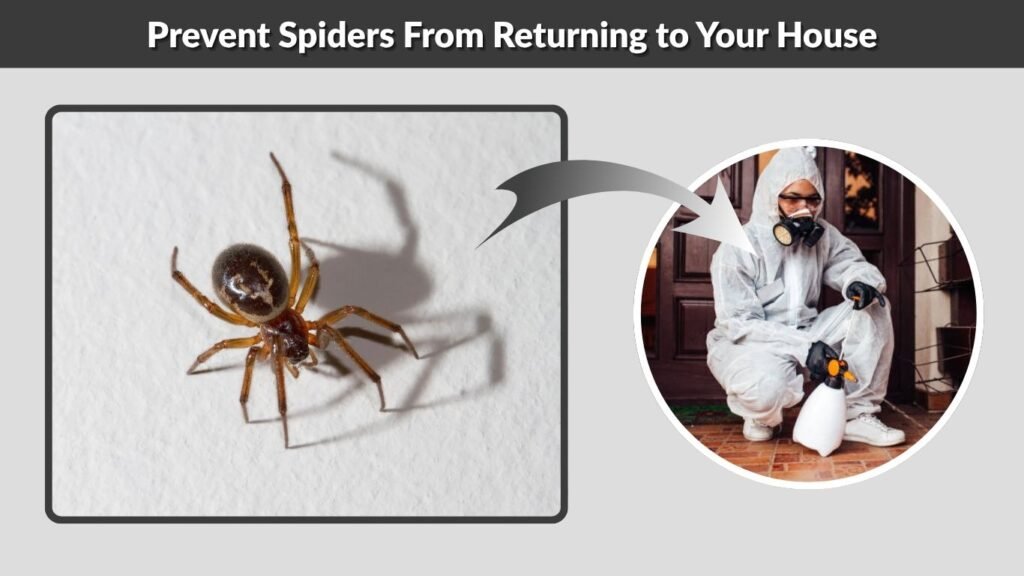
Long-term spider prevention requires consistent maintenance rather than a single cleaning session. Even after removing visible spiders, new individuals may enter through existing gaps or arrive with stored belongings.
A routine combining cleaning, exclusion, and insect control offers the best opportunity to reduce recurring encounters.
Inspect Your Home Throughout the Year
Examine exterior seals and window screens periodically, particularly after severe weather.
Inspect boxes, furniture, and gardening equipment before bringing them indoors. This is especially useful when moving into a new house or bringing items out of long-term storage.
When Should You Contact Pest Control?
Occasional spider sightings usually do not require professional treatment. However, repeated sightings of numerous spiders or suspected medically significant species may warrant professional identification and inspection.
A qualified pest control professional can recommend targeted solutions. If pesticides are necessary, use only products labeled for the intended purpose and follow all safety instructions.
FAQs
1. What is the best way to prevent spiders in your house?
The most effective approach combines sealing entry points, regular vacuuming, decluttering, and controlling insects. These measures reduce access, hiding places, and available prey. Consistent maintenance generally provides more dependable results than relying exclusively on household spider repellents.
2. How can I prevent spiders from coming into my bedroom?
Keep bedroom windows screened, seal gaps around frames, and vacuum beneath furniture. Remove unnecessary clutter and inspect corners for webs. Keeping insects out of the bedroom can also make the space less attractive to hunting spiders.
3. How do you prevent spiders in your house naturally?
Natural prevention methods include sealing cracks, repairing screens, vacuuming webs, and removing clutter. Reducing insect populations and maintaining outdoor vegetation also help. Essential oils are sometimes recommended, but evidence of their long-term effectiveness remains limited.
4. Why do I keep getting big spiders in my house?
Large spiders may wander indoors while searching for prey, shelter, or mates. Ground-level openings, cluttered garages, and abundant insects can contribute to repeated encounters. Sealing entry points and reducing indoor insect activity may help limit their presence.
5. Can you completely prevent spiders from entering your home?
Completely excluding spiders is difficult because some can enter through tiny openings or arrive on household objects. However, properly maintained screens, sealed gaps, routine cleaning, and effective insect management can substantially reduce spider sightings throughout the year.
