
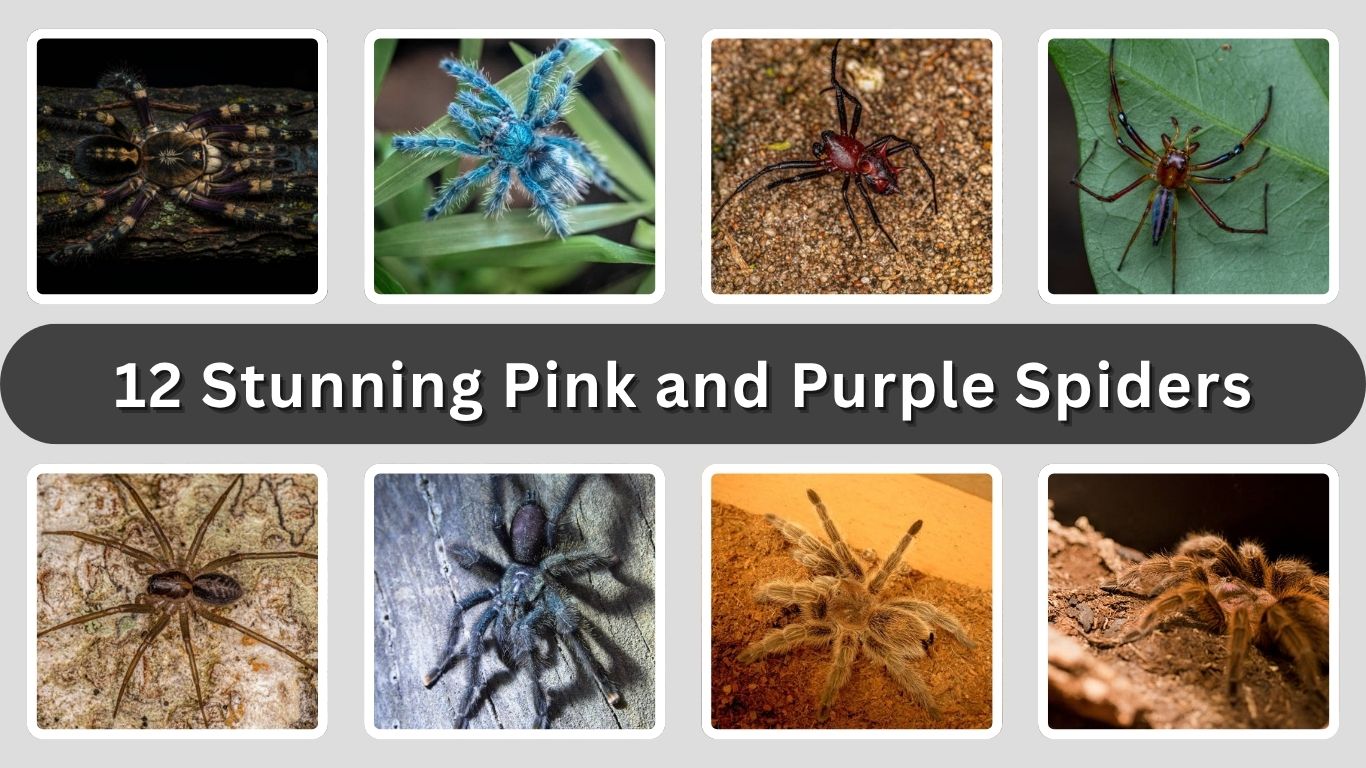
Spiders are often seen as dark and mysterious creatures, but some species break that stereotype with surprisingly vibrant colors. Among them, pink and purple spiders stand out for their beauty, rarity, and fascinating adaptations. From flower-mimicking hunters to shimmering tarantulas, these spiders showcase nature’s creativity in the most unexpected ways.
In this list, you’ll discover 12 stunning spiders known for their pink and purple hues. Each one has unique features, habitats, and behaviors that make it truly remarkable. Whether you’re a nature enthusiast or just curious, these colorful spiders are sure to capture your attention.
1. Orchid Spider

The Orchid Spider is a striking species known for its vivid pink and purple hues that help it blend seamlessly with flowers. Found mostly in Southeast Asia, this spider is a master of camouflage, often hiding in plain sight while waiting for prey. Its beauty and unique hunting style make it one of the most fascinating spiders in the world.
Identification
- Bright pink, white, and sometimes purple coloration
- Body resembles flower petals, especially orchids
- Flattened body with long front legs for grasping prey
- Females are larger and more colorful than males
Habitat
Orchid Spiders are commonly found in tropical and subtropical regions, particularly in countries like Malaysia, Thailand, and Indonesia. They prefer living on flowering plants where their colors provide natural camouflage. These spiders remain motionless on petals, blending in so well that even close observers can miss them.
Behavior
This spider uses an ambush hunting technique instead of building webs. It waits patiently on flowers for pollinators such as bees and butterflies. Once prey comes close, it quickly grabs it with its front legs. The Orchid Spider can even change its color over time to better match the surrounding flowers.
Interesting Facts
The Orchid Spider’s ability to mimic flowers is not just for hiding—it actually attracts prey. Some insects are drawn to the spider thinking it is part of the flower. This clever adaptation increases its hunting success and makes it a perfect example of nature’s deception strategies.
2. Purple Tarantula

The Purple Tarantula is admired for its deep violet sheen that gives it a unique and almost metallic appearance. Native to parts of South America and Asia depending on the species, this spider stands out among tarantulas due to its rare coloration. Despite its intimidating look, it is generally calm and prefers to avoid conflict.
Identification
- Dark body with noticeable purple or violet iridescence
- Thick, hairy legs typical of tarantulas
- Medium to large size depending on species
- Fangs visible but usually not aggressive
Habitat
Purple Tarantulas are typically found in warm, humid environments such as tropical forests. They may live in burrows on the ground or hide under logs and rocks. Some species are arboreal, meaning they prefer living in trees where they can find shelter in bark crevices.
Behavior
These spiders are mostly nocturnal and come out at night to hunt. They rely on stealth and patience, slowly approaching prey like insects or small animals. While they can defend themselves if threatened, they usually prefer retreating to their burrows instead of attacking.
Interesting Facts
The purple coloration is often caused by light reflecting off microscopic structures in the spider’s hair rather than pigment alone. This gives them a shimmering effect that can appear to change shades under different lighting, making them especially captivating to observe.
3. Pink Toe Tarantula

The Pink Toe Tarantula is a popular and visually appealing spider known for its soft pink-tipped feet and dark body. Native to Central and South America, this species is often kept as a pet due to its calm nature and unique coloration. Its gentle temperament makes it less intimidating compared to other tarantulas.
Identification
- Dark body with distinct pink or rosy tips on each foot
- Slender legs compared to other tarantulas
- Covered in fine hairs giving a velvety appearance
- Medium-sized with noticeable toe coloration
Habitat
Pink Toe Tarantulas are arboreal, meaning they live in trees rather than on the ground. They are commonly found in rainforests where humidity is high. They build silk retreats in tree branches, leaves, or hollow spaces, staying elevated for safety and hunting advantages.
Behavior
This species is active and agile, often moving quickly when disturbed. It prefers climbing and spends most of its time off the ground. Instead of being aggressive, it may jump or retreat when threatened. It feeds on insects and occasionally small vertebrates.
Interesting Facts
Pink Toe Tarantulas can jump short distances, which is unusual for larger spiders. Their toe coloration is not just for appearance—it also helps distinguish them from similar species. They are also known for creating messy but effective silk structures in their habitats.
4. Brazilian Pink Bloom Tarantula

The Brazilian Pink Bloom Tarantula is known for its vibrant pink tones that seem to “bloom” under light. Native to Brazil, this spider is admired for its beauty and impressive size. It is often sought after by enthusiasts due to its striking coloration and relatively calm behavior.
Identification
- Prominent pink hues across legs and body
- Large, robust build typical of terrestrial tarantulas
- Hairy body with a soft, glowing appearance
- Subtle color shifts under different lighting
Habitat
This tarantula is usually found in tropical regions of Brazil, living on the forest floor. It prefers burrows or natural shelters such as under logs and rocks. The environment is typically warm and slightly humid, providing ideal living conditions.
Behavior
The Brazilian Pink Bloom Tarantula is mostly ground-dwelling and moves slowly. It hunts by ambush, waiting near its burrow for prey. While it can defend itself, it is generally docile and not prone to aggression unless provoked.
Interesting Facts
The “bloom” effect in its coloration comes from light interacting with fine hairs on its body. This gives it a soft glowing look that changes slightly depending on the angle. It is considered one of the more visually stunning tarantulas in the hobby.
5. Gooty Sapphire Ornamental (Purple-Blue Hue)

The Gooty Sapphire Ornamental is one of the most visually stunning spiders, famous for its electric blue and subtle purple hues. Native to India, this rare tarantula is highly sought after due to its vivid coloration and striking patterns. Its beauty makes it stand out among all spider species.
Identification
- Bright blue body with hints of purple tones
- Bold geometric patterns on legs and abdomen
- Slender, long legs adapted for climbing
- Medium to large size with vibrant coloration
Habitat
This species is native to a small region in India, primarily inhabiting dry deciduous forests. It is arboreal, meaning it lives in trees, often hiding in bark crevices or tree hollows. Its natural environment is warm with moderate humidity.
Behavior
The Gooty Sapphire Ornamental is fast and agile, often retreating quickly when disturbed. Unlike many calm tarantulas, it can be defensive if threatened. It hunts at night, preying on insects and small creatures using speed and precision.
Interesting Facts
This spider was once thought to be extinct in the wild before being rediscovered. Its bright coloration is unusual for tarantulas and serves as both camouflage and warning. Due to its limited habitat, it is considered critically endangered.
6. Chilean Rose Hair (Pinkish Tone)

The Chilean Rose Hair Tarantula is one of the most well-known spiders, recognized for its subtle pink sheen across a brown body. Native to Chile, it is commonly kept as a pet due to its calm and manageable nature. Its gentle appearance makes it popular among beginners.
Identification
- Brown body with a soft pink or rose-colored sheen
- Thick, hairy legs and body
- Medium size with a sturdy build
- Slight color shift under light
Habitat
This species is found in the dry scrublands and deserts of Chile. It lives in burrows it digs itself or takes over from other animals. The environment is typically dry with minimal humidity compared to tropical species.
Behavior
Chilean Rose Hair Tarantulas are slow-moving and docile. They spend much of their time resting and come out mainly to hunt. When threatened, they prefer to flick irritating hairs rather than bite, making them less dangerous.
Interesting Facts
These spiders can live for many years, especially females, which may reach up to 15–20 years in captivity. Their pinkish hue becomes more noticeable after molting, when their new exoskeleton is fresh and vibrant.
7. Avicularia avicularia (Pink Toe)

Avicularia avicularia, commonly known as the Pink Toe Tarantula, is a beautiful arboreal spider with delicate pink highlights on its feet. Native to South America, it is well known for its calm demeanor and attractive appearance, making it a favorite among spider enthusiasts.
Identification
- Dark body with bright pink tips on the toes
- Slender, long legs suited for climbing
- Covered in fine hairs with a soft texture
- Medium size with noticeable toe contrast
Habitat
This species lives in tropical rainforests across countries like Brazil, Guyana, and Suriname. It prefers elevated environments such as tree branches, leaves, and hollow trunks. High humidity and warm temperatures are essential for its survival.
Behavior
Avicularia avicularia is generally calm and prefers to avoid confrontation. It is quick and agile, often moving upward to escape danger. It hunts at night, feeding on insects and occasionally small vertebrates, using stealth rather than aggression.
Interesting Facts
Unlike many tarantulas, this species can jump short distances to escape threats. It also builds silk retreats in trees rather than burrows. Its pink toes become more vibrant after molting, enhancing its already striking look.
8. Psalmopoeus irminia (Venezuelan Sun Tiger – Purple Tint)

The Venezuelan Sun Tiger is a striking arboreal tarantula known for its dark body with orange markings and a subtle purple sheen. Native to Venezuela, it combines bold patterns with fast movement, making it both beautiful and fascinating to observe.
Identification
- Dark brown to black body with orange striping
- Subtle purple tint visible under certain lighting
- Long, slender legs adapted for climbing
- Medium size with strong contrast patterns
Habitat
This spider inhabits tropical forests in Venezuela. It is arboreal and typically found in tree cavities, bark crevices, or abandoned nests. The environment is warm and humid, providing ideal living conditions for this species.
Behavior
Psalmopoeus irminia is fast, alert, and somewhat defensive. It prefers to retreat quickly but can stand its ground if threatened. It hunts actively at night, relying on speed and precision to capture prey.
Interesting Facts
The purple tint in this spider is not always visible—it appears depending on lighting and angle. It is considered one of the faster tarantulas, making it more suitable for experienced keepers rather than beginners.
9. Typhochlaena seladonia (Jewel Tarantula – Pink Accents)

The Jewel Tarantula is a small but incredibly vibrant spider known for its metallic colors and delicate pink accents. Native to Brazil, it is often considered one of the most beautiful tarantulas in the world. Its jewel-like appearance and compact size make it especially unique among spiders.
Identification
- Iridescent body with green, blue, and pink accents
- Small size compared to most tarantulas
- Rounded abdomen with intricate patterns
- Subtle pink tones visible on legs and body
Habitat
This species is found in Brazilian forests, where it lives in tree bark and creates trapdoor-like retreats. Unlike many tarantulas, it prefers enclosed spaces in trees rather than open environments. Warm temperatures and moderate humidity support its natural lifestyle.
Behavior
The Jewel Tarantula is shy and secretive, spending most of its time hidden inside its silk-lined retreat. It is not aggressive and prefers to stay concealed rather than confront threats. It hunts small insects that come close to its hiding spot.
Interesting Facts
This spider builds a unique “trapdoor” entrance using silk and bark, similar to trapdoor spiders. Its vibrant coloration serves as camouflage among moss and tree surfaces. Despite its beauty, it is rarely seen in the wild due to its secretive nature.
10. Pamphobeteus ultramarinus (Purple Bloom Tarantula)

Pamphobeteus ultramarinus, often called the Purple Bloom Tarantula, is known for its deep purple coloration that appears more intense under certain lighting. Native to South America, this large tarantula is admired for both its size and its striking color display.
Identification
- Large body with deep purple or violet sheen
- Thick, hairy legs typical of ground-dwelling tarantulas
- Robust build with strong fangs
- Color intensity varies depending on light
Habitat
This species is commonly found in tropical regions of Colombia and surrounding areas. It lives on the forest floor, often in burrows or under natural cover like logs and rocks. The environment is warm, humid, and rich in vegetation.
Behavior
The Purple Bloom Tarantula is primarily terrestrial and moves slowly but confidently. It hunts by ambush, waiting near its burrow for prey. While it can be defensive, it usually prefers to stay hidden and avoid unnecessary confrontation.
Interesting Facts
The “bloom” effect in its color is caused by microscopic structures reflecting light, creating a shimmering purple appearance. This effect becomes especially noticeable after molting, when the spider’s exoskeleton is fresh and vibrant.
11. Caribena versicolor (Antilles Pinktoe – Pink/Purple Juvenile)

Caribena versicolor, commonly known as the Antilles Pinktoe, is a visually stunning tarantula that displays vibrant pink and purple tones during its juvenile stage. Native to the Caribbean, this species is admired for its dramatic color changes as it matures, making it one of the most fascinating spiders to observe over time.
Identification
- Juveniles show bright blue, pink, and purple coloration
- Adults develop darker tones with reddish hairs
- Slender, long legs with pinkish toe tips
- Medium size with noticeable color transformation
Habitat
This species is native to islands such as Martinique, where it lives in tropical forests. It is arboreal and prefers elevated spaces like tree branches, leaves, and hollow trunks. High humidity and warm temperatures are essential for its survival.
Behavior
Caribena versicolor is active and quick-moving, especially when young. It prefers climbing and building silk retreats in elevated areas. When threatened, it usually escapes rather than confronts danger, relying on speed and agility.
Interesting Facts
One of the most unique aspects of this spider is its color-changing life cycle. Juveniles are bright and colorful, while adults become darker with subtle hues. This transformation makes it highly popular among collectors and enthusiasts.
12. Poecilotheria regalis (Regal Ornamental – Purple Sheen)

The Regal Ornamental Tarantula is a large and elegant species known for its intricate patterns and subtle purple sheen. Native to India, it is one of the most recognizable ornamental tarantulas, admired for both its beauty and impressive size.
Identification
- Light gray body with bold black and white patterns
- Subtle purple sheen visible under certain lighting
- Long, slender legs with striking markings
- Large size with distinctive ornamental design
Habitat
This spider is found in forests of India, where it lives in tree hollows and bark crevices. It is arboreal and prefers elevated habitats. The environment is typically warm with moderate humidity, providing ideal conditions for its lifestyle.
Behavior
Poecilotheria regalis is fast and alert, often retreating quickly into its shelter when disturbed. It is primarily nocturnal and hunts insects and small prey at night. While not aggressive by nature, it can be defensive if provoked.
Interesting Facts
The purple sheen on this spider is not always visible—it appears depending on lighting and angle. It is also known for its speed and agility, making it more suitable for experienced keepers rather than beginners.
FAQs
Are pink and purple spiders dangerous to humans?
Most pink and purple spiders, especially tarantulas, are not dangerous to humans. While they can bite if threatened, their venom is usually mild and comparable to a bee sting. They are generally shy and prefer to avoid contact rather than attack.
Why do some spiders have pink or purple colors?
These colors often come from microscopic structures in their hair that reflect light, rather than pigments alone. This creates shimmering effects that can appear purple or pink depending on lighting. In some species, these colors also help with camouflage or attracting prey.
Where can pink and purple spiders be found?
They are mostly found in tropical and subtropical regions such as South America, Southeast Asia, and parts of India. These environments provide the warmth and humidity needed for their survival, especially for arboreal and forest-dwelling species.
Do these spiders make good pets?
Some species, like Pink Toe Tarantulas and Chilean Rose Hair, are popular as pets due to their calm nature. However, others can be fast or defensive, making them more suitable for experienced keepers. Proper care and habitat setup are essential.
Can these spiders change their color?
Yes, some species can change or shift their color over time. For example, Orchid Spiders can adjust their color to match flowers, and certain tarantulas show brighter hues after molting. Lighting conditions can also make their colors appear different.
