
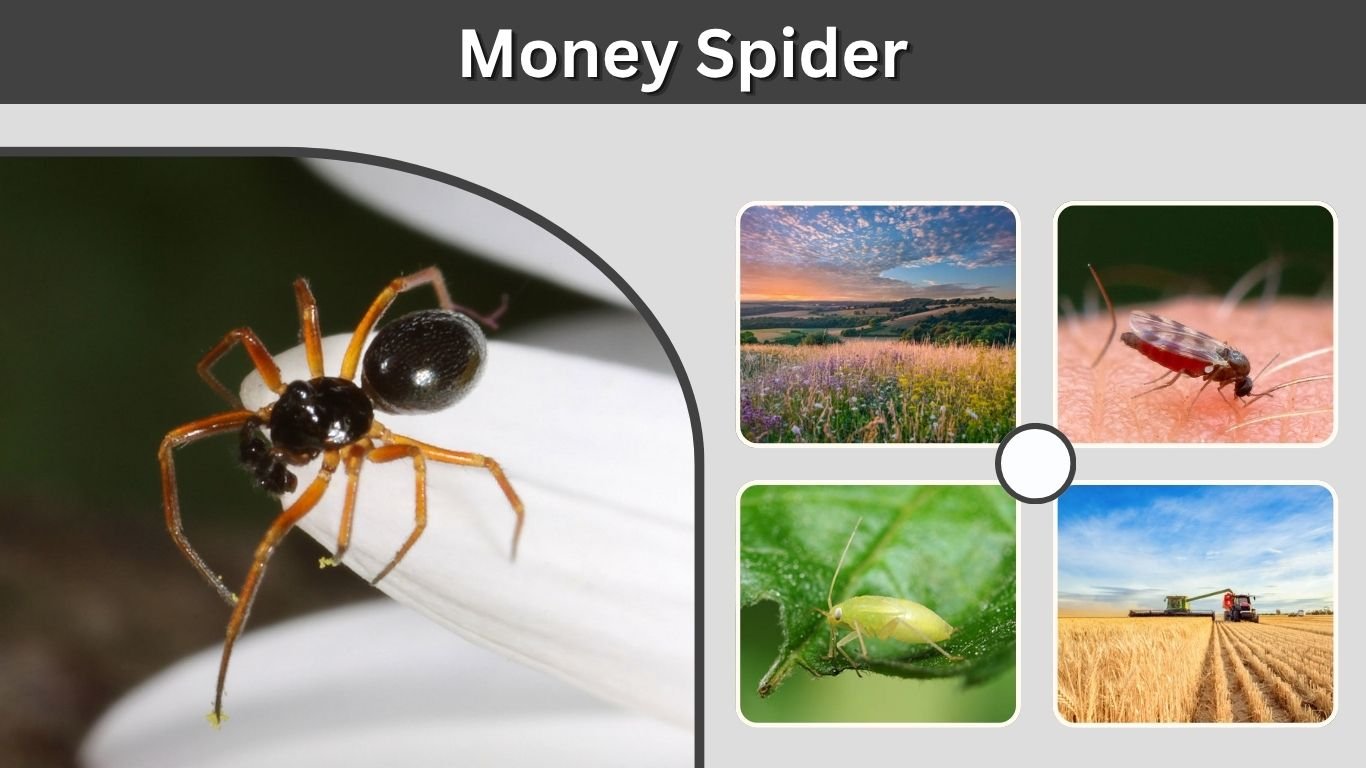
Money Spider: Size, Bite, Web, Habitat & Good Luck Facts
The money spider is a tiny spider best known in Britain and Ireland, where the name commonly refers to members of the family Linyphiidae. These … Read More
The money spider is a tiny spider best known in Britain and Ireland, where the name commonly refers to members of the family Linyphiidae. These … Read More
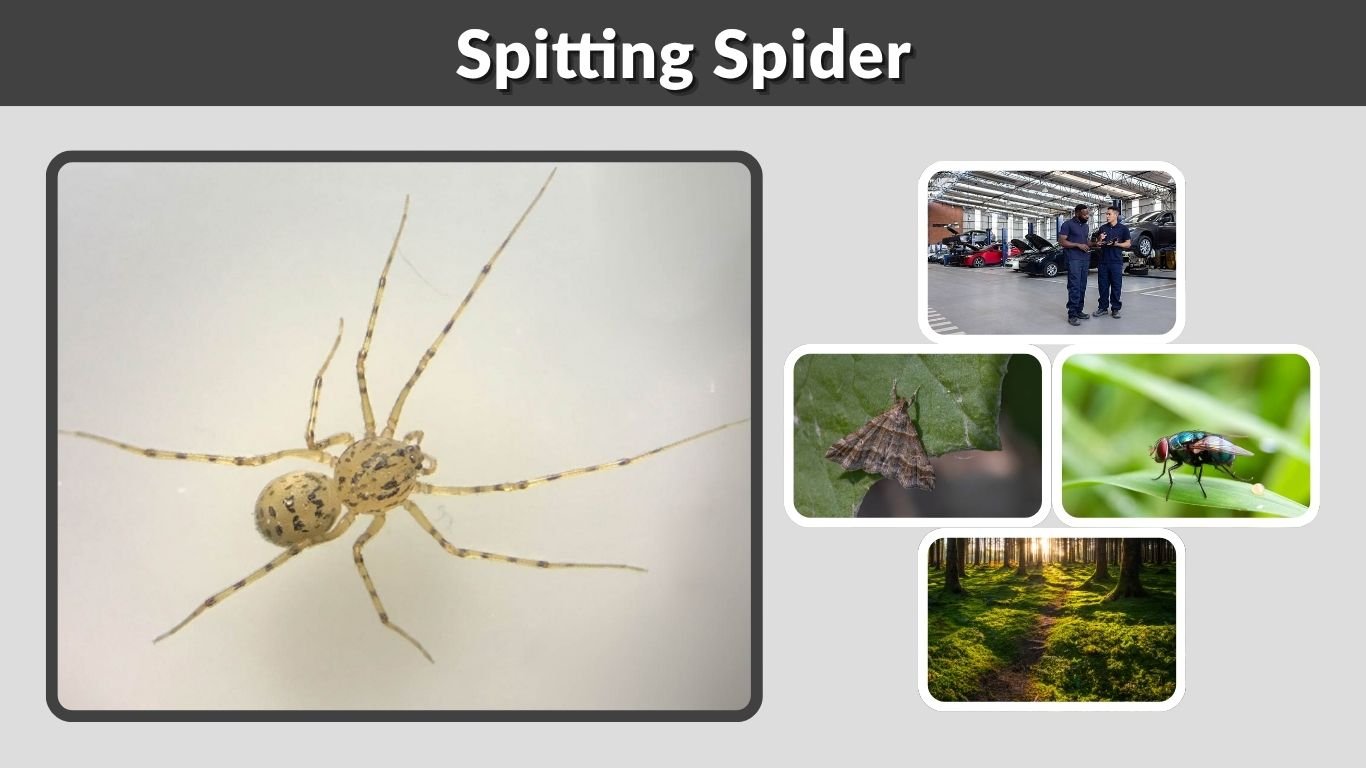
The spitting spider is a small, slow-moving spider famous for an unusual hunting technique: it sprays a sticky mixture of silk and venom over prey … Read More
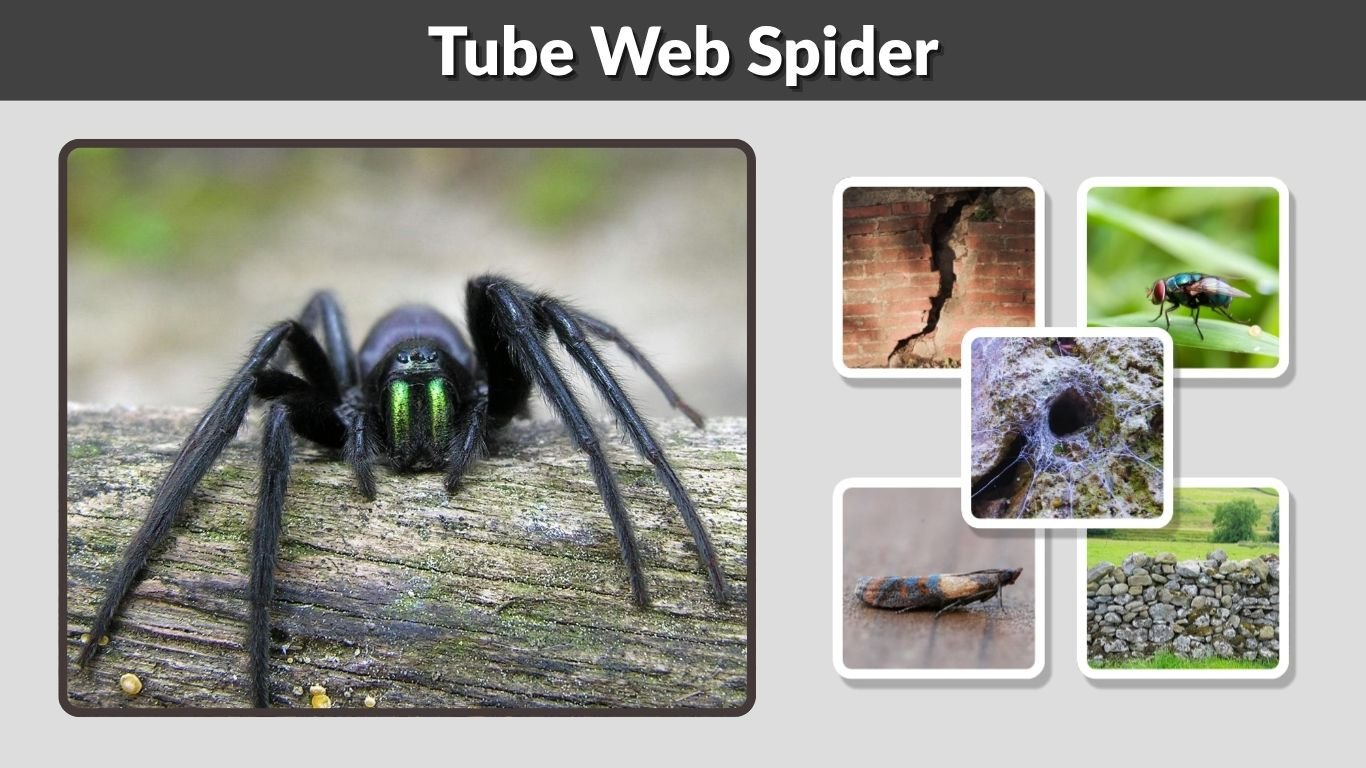
The tube web spider is a distinctive arachnid known for building a silk-lined tubular retreat inside cracks, walls, tree bark, and other sheltered spaces. One … Read More
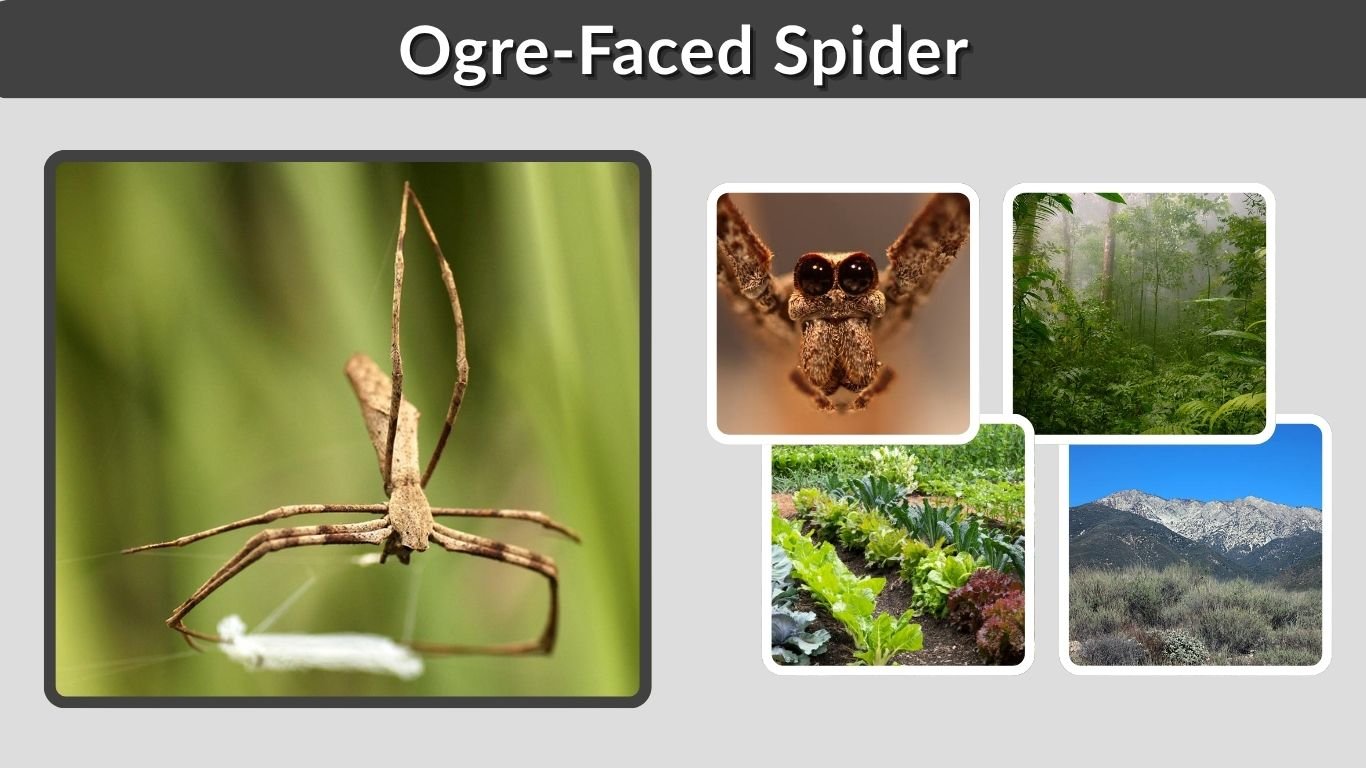
The ogre-faced spider is a remarkable nocturnal hunter known for its enormous eyes and unusual net-casting technique. Instead of waiting for insects to become trapped … Read More
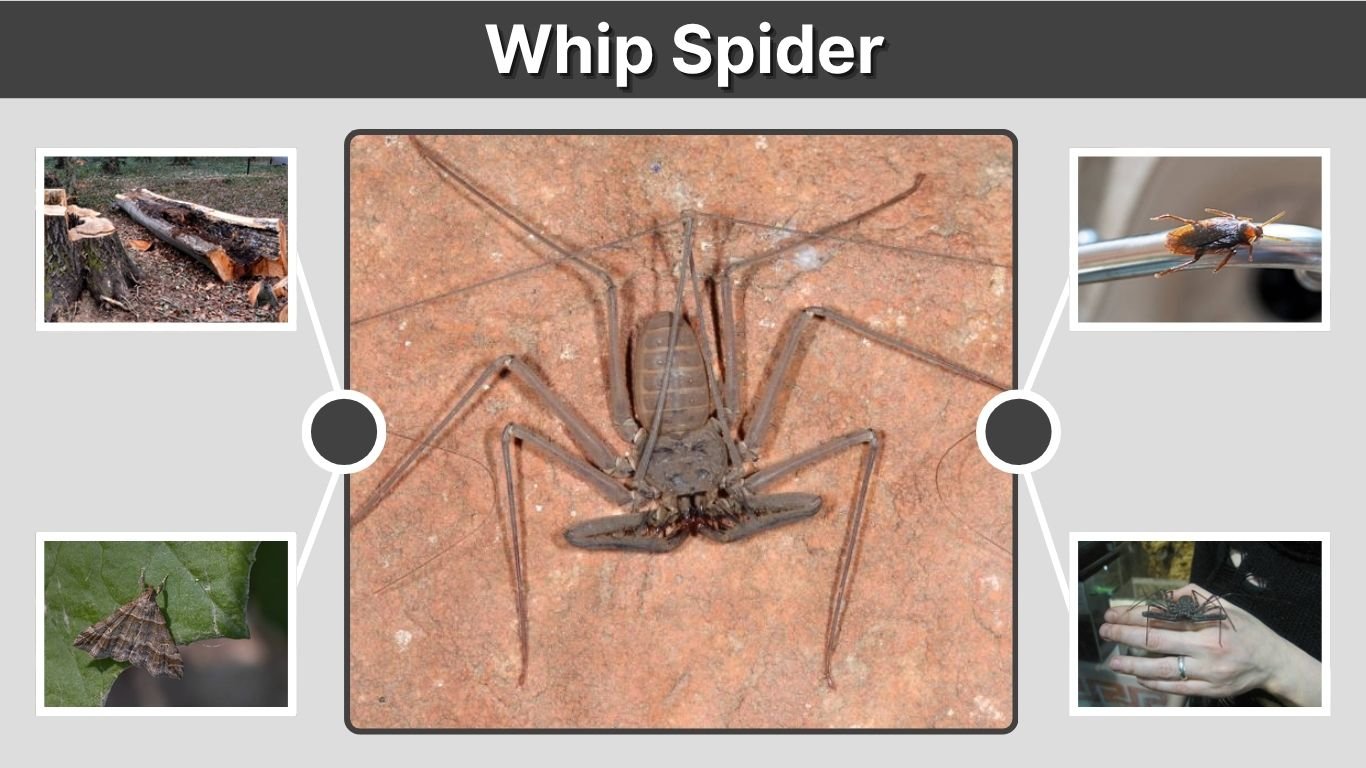
A whip spider is one of the strangest-looking arachnids, with a flat body, powerful claw-like pedipalps, and extremely long front legs that act almost like … Read More

Pirate spiders are unusual hunters best known for eating other spiders. Rather than building traditional prey-catching webs, these small spiders often enter the webs of … Read More
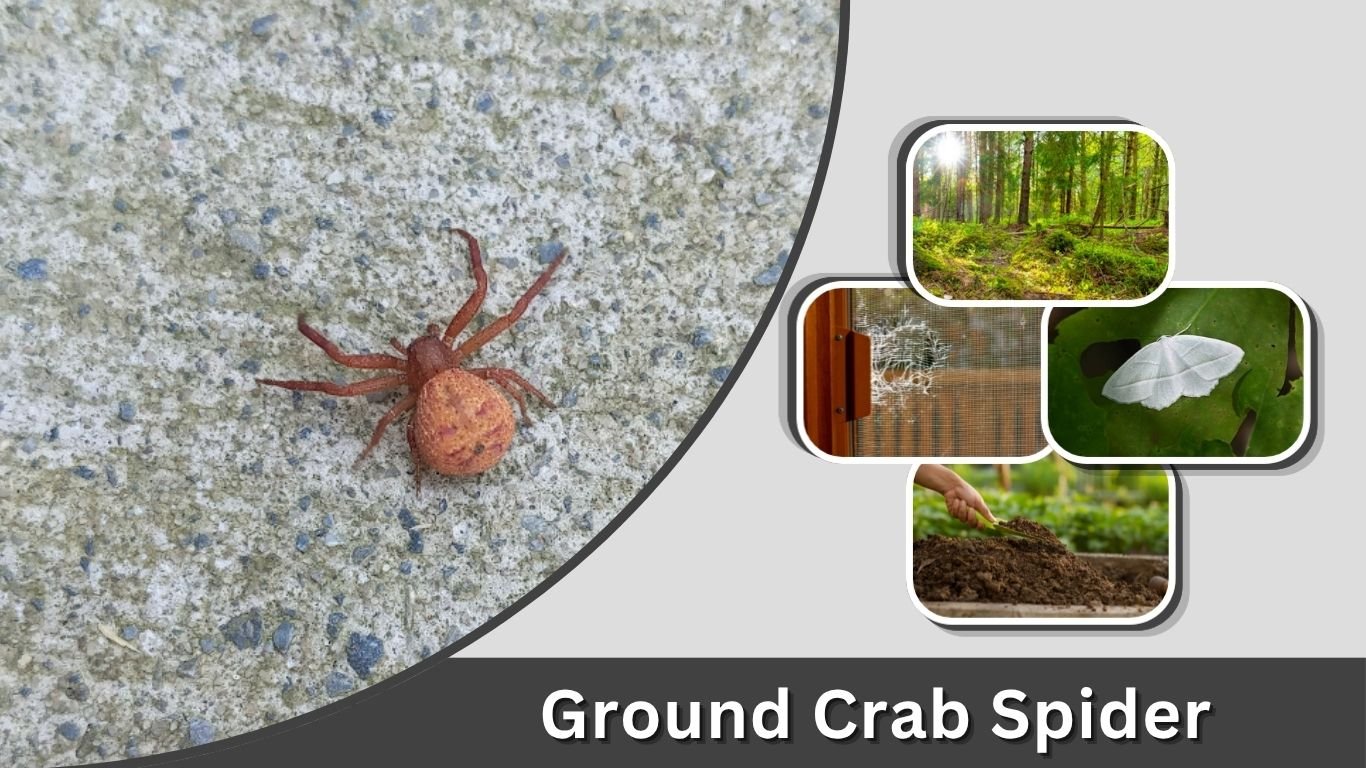
Ground crab spiders are small, well-camouflaged hunting spiders commonly found on soil, rocks, tree bark, leaf litter, and low vegetation. Many belong to the genus … Read More
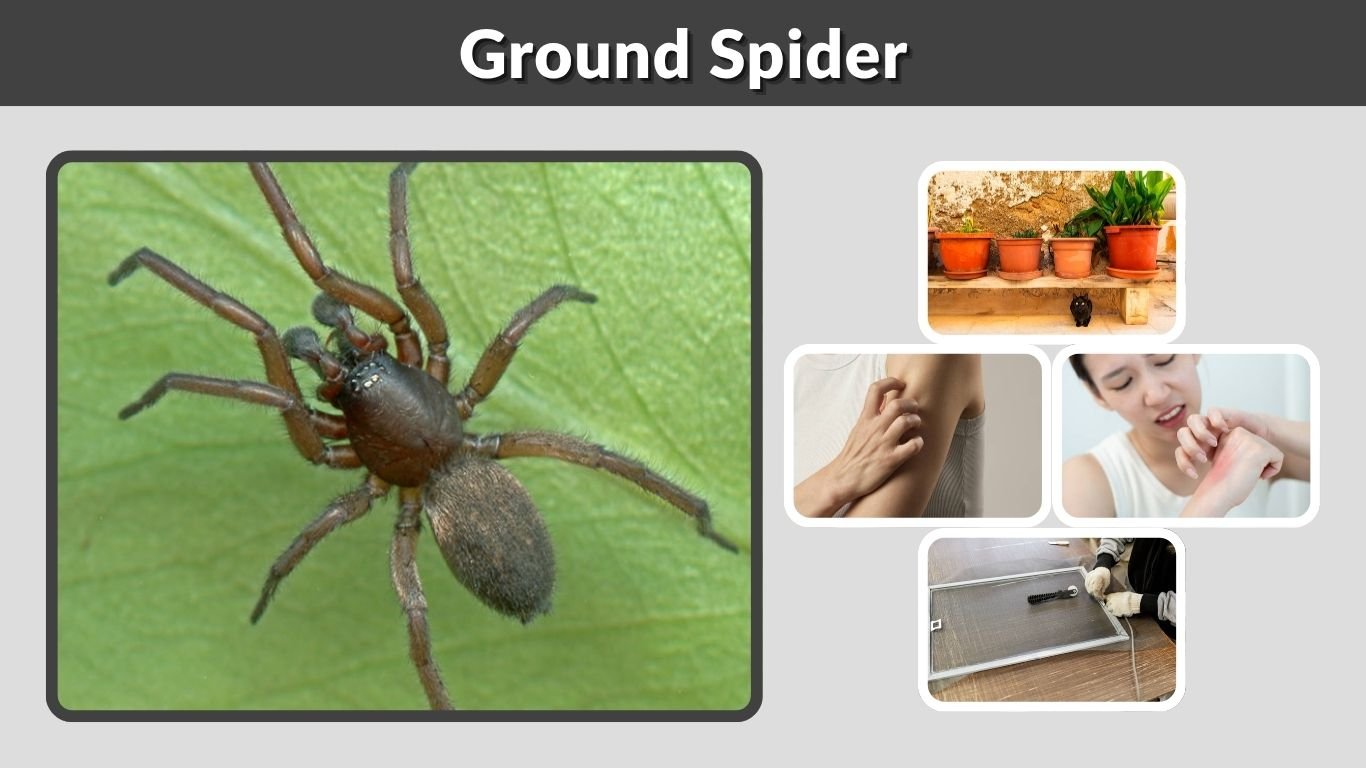
Ground spiders are fast-moving hunters commonly found beneath rocks, logs, leaves, mulch, and other objects close to the soil. Rather than building large webs to … Read More
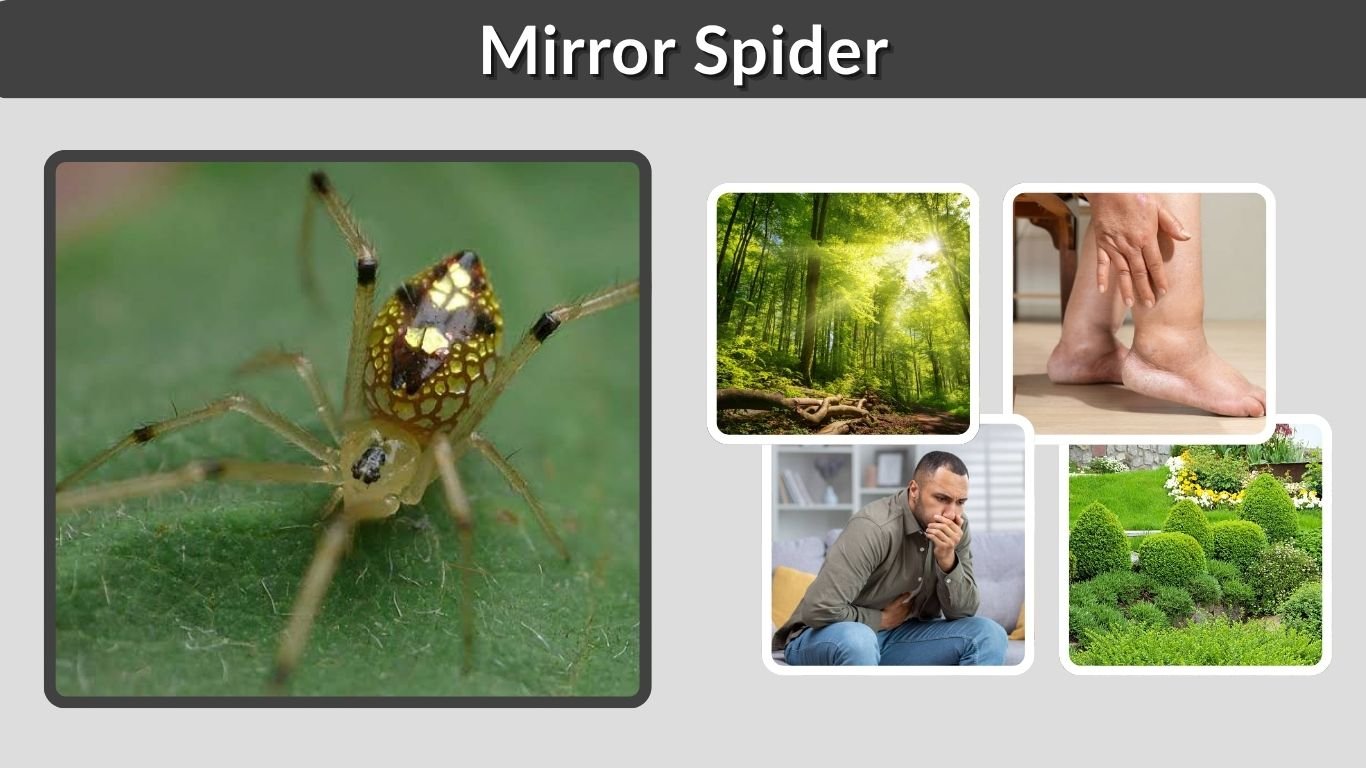
The mirror spider is a tiny but spectacular arachnid famous for the shiny, metallic patches covering its abdomen. Most spiders called mirror spiders belong to … Read More
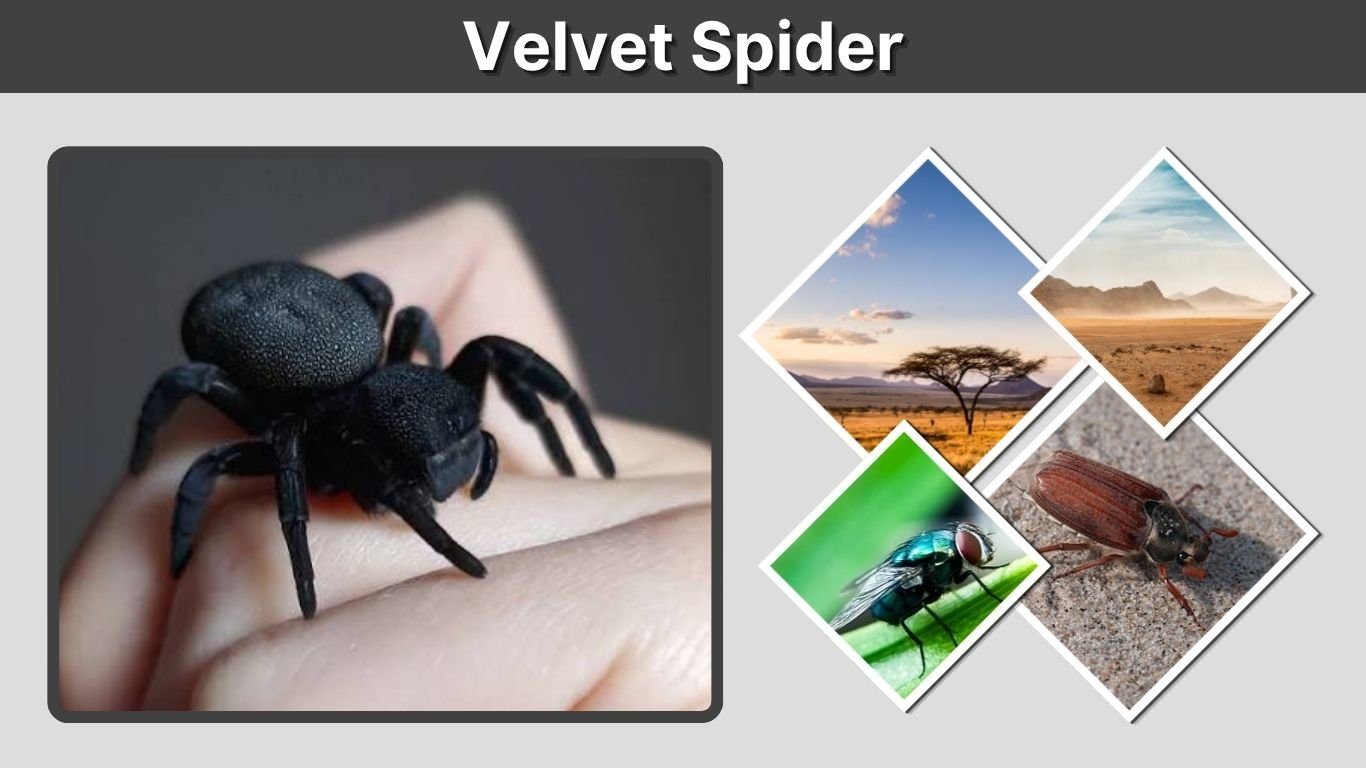
The velvet spider is a striking arachnid known for its thick, soft-looking body covering and vivid colors. Most belong to the family Eresidae, a group … Read More