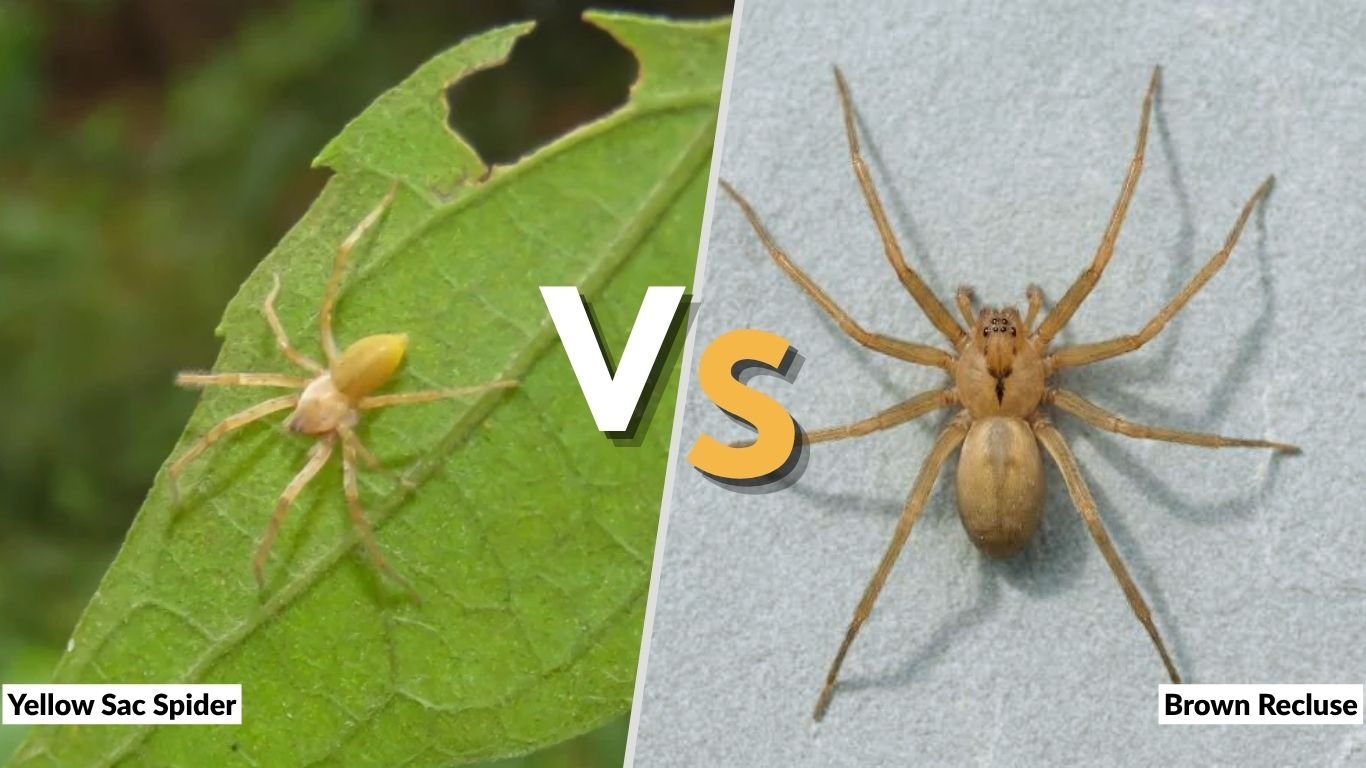
Yellow Sac Spider vs Brown Recluse: Identification, Bite & Differences
The yellow sac spider vs brown recluse comparison can be confusing because both spiders may appear tan, yellowish, or light brown and may occasionally enter … Read More
The yellow sac spider vs brown recluse comparison can be confusing because both spiders may appear tan, yellowish, or light brown and may occasionally enter … Read More
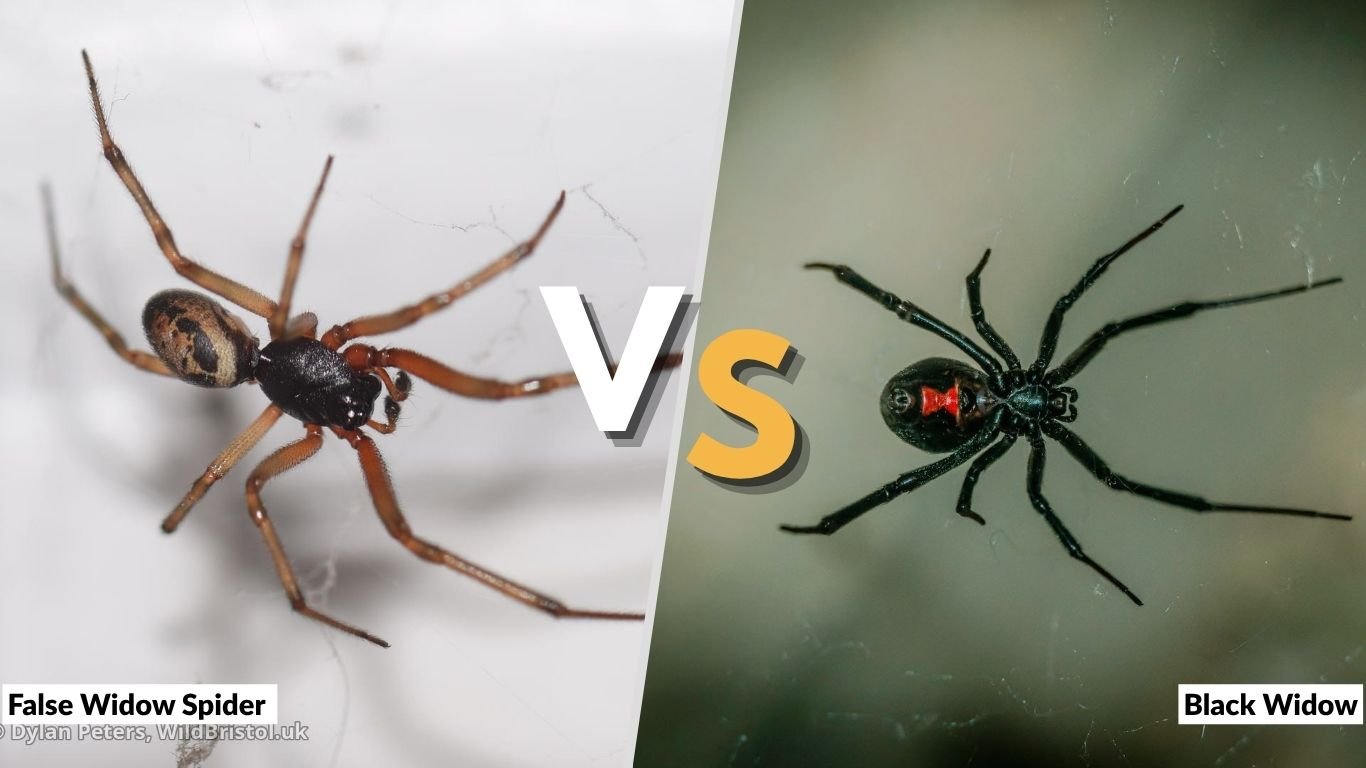
False widow spiders and black widows can look surprisingly similar because both often have dark, rounded abdomens and build irregular cobwebs. However, they belong to … Read More
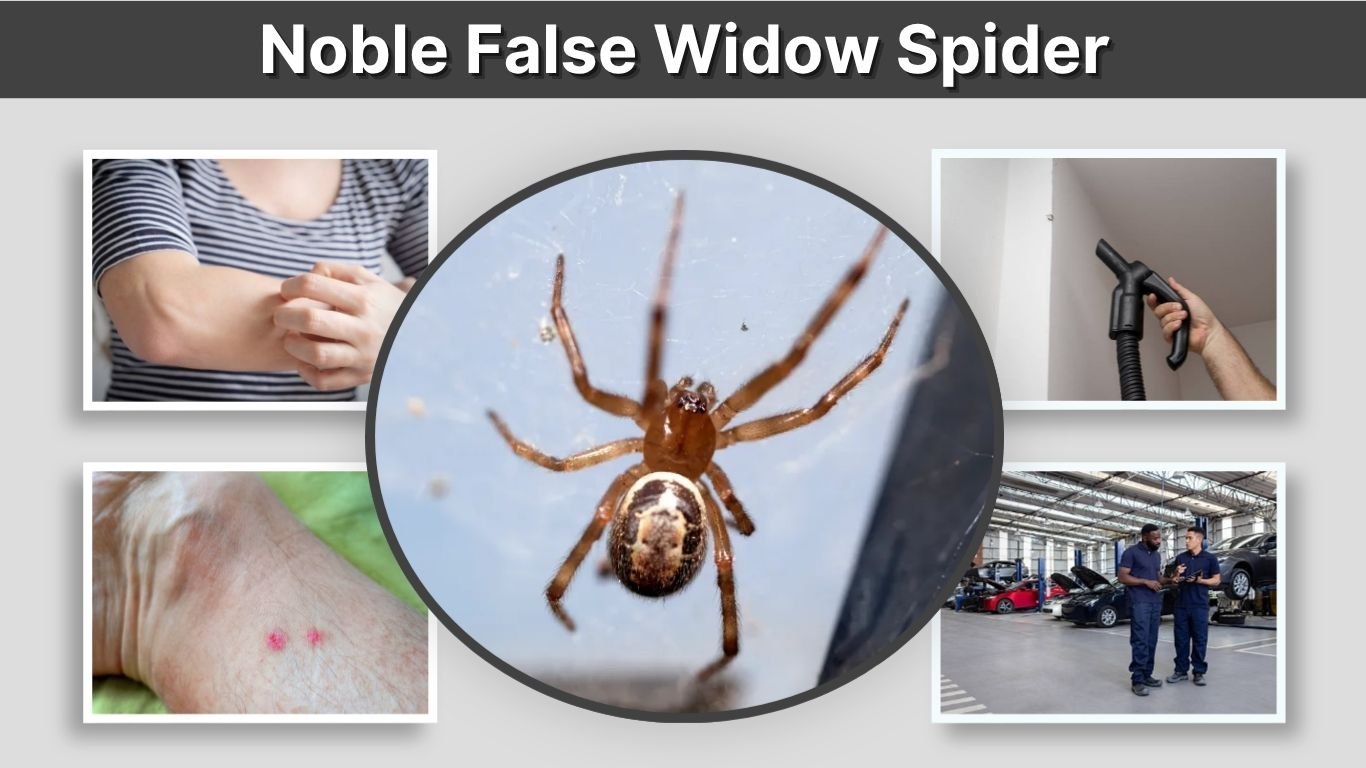
The noble false widow spider is a dark, glossy spider known for its rounded abdomen and pale cream markings. Scientifically called Steatoda nobilis, it is … Read More
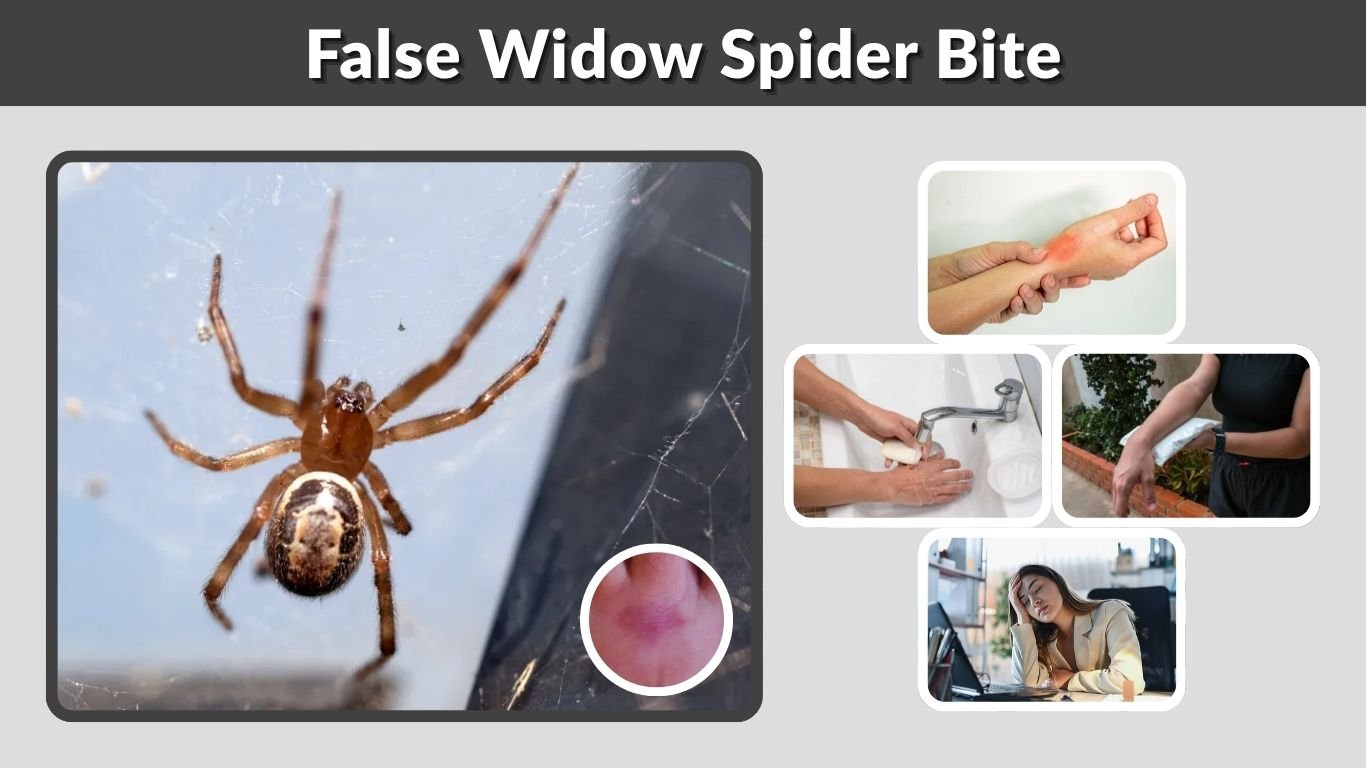
A false widow spider bite can cause pain, redness, swelling, and other localized symptoms, but serious reactions are uncommon. False widows belong mainly to the … Read More
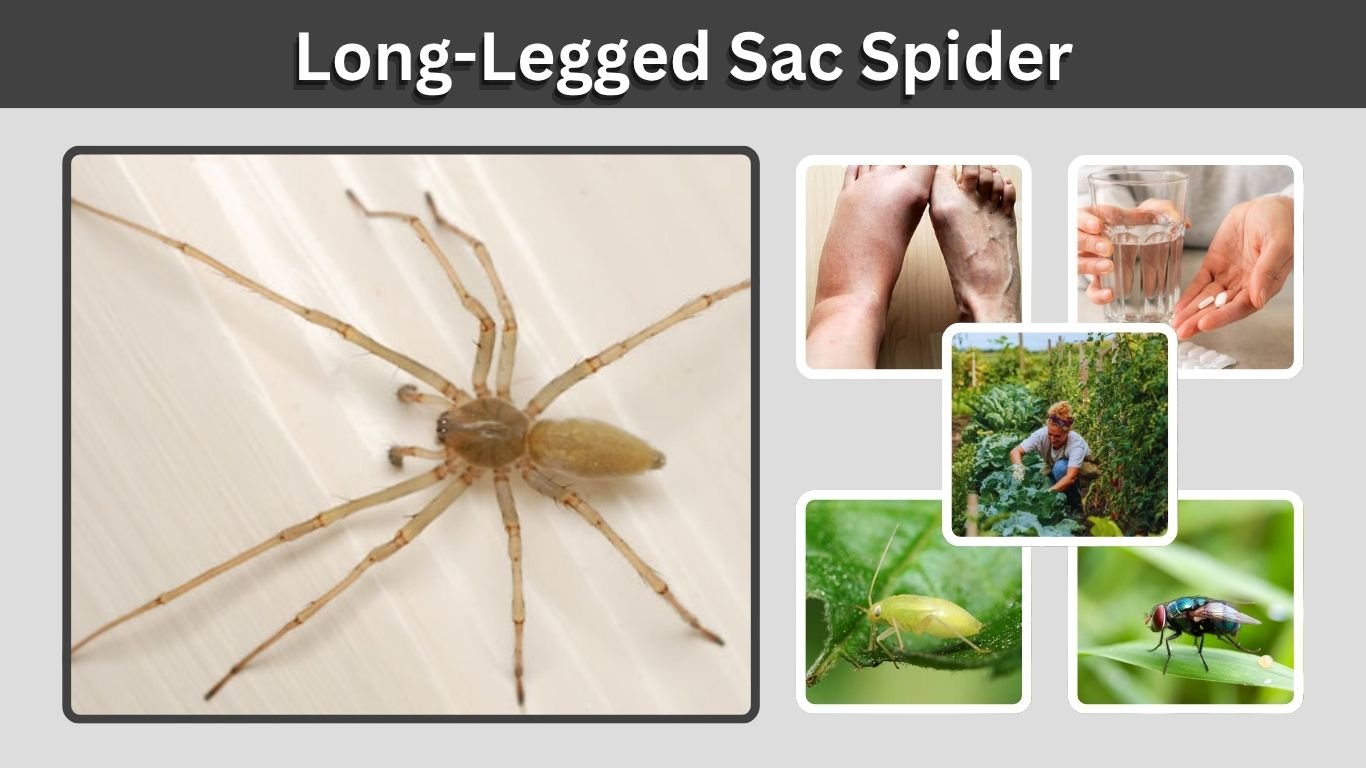
The long-legged sac spider is a small, pale hunting spider commonly found on walls, ceilings, vegetation, and inside buildings. Known scientifically as Cheiracanthium mildei, it … Read More
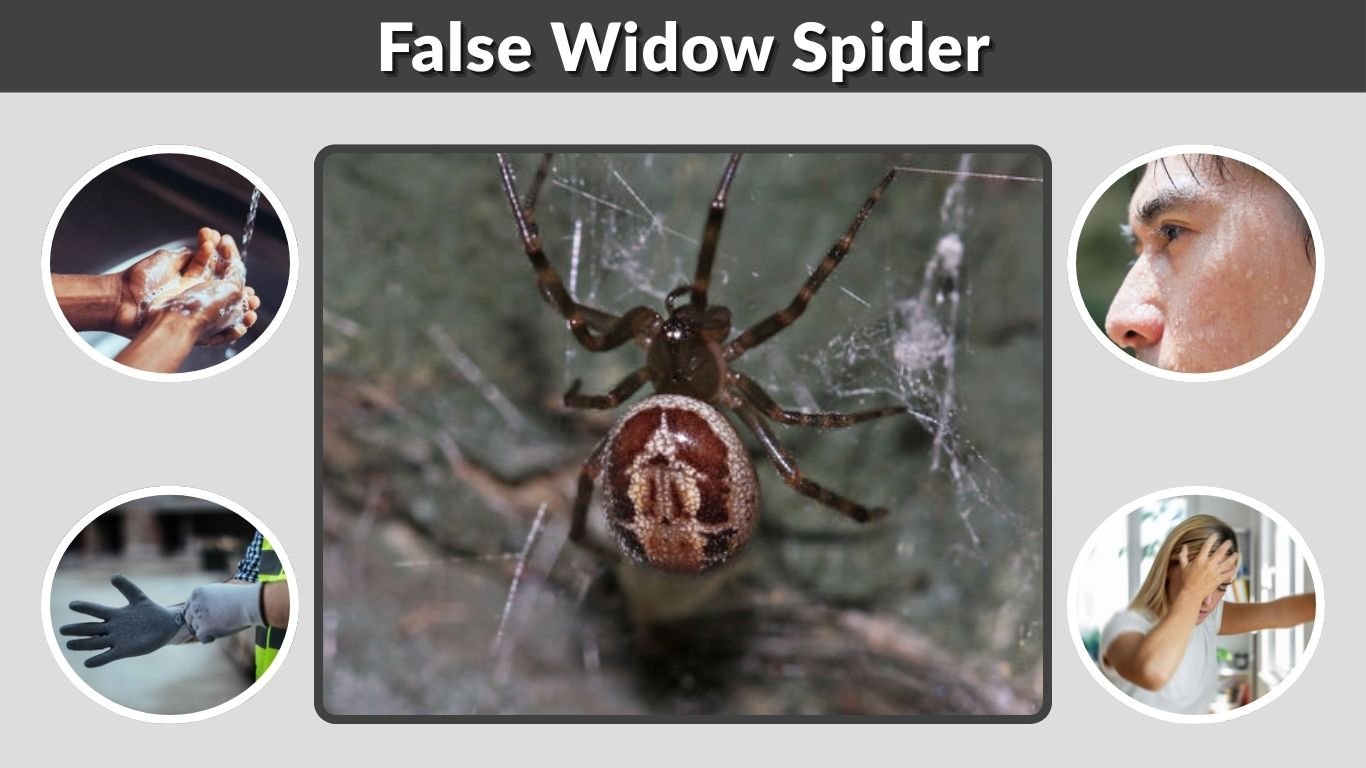
False widow spiders are dark, glossy cobweb spiders in the genus Steatoda that resemble true black widows but usually cause less serious bites. Several species … Read More
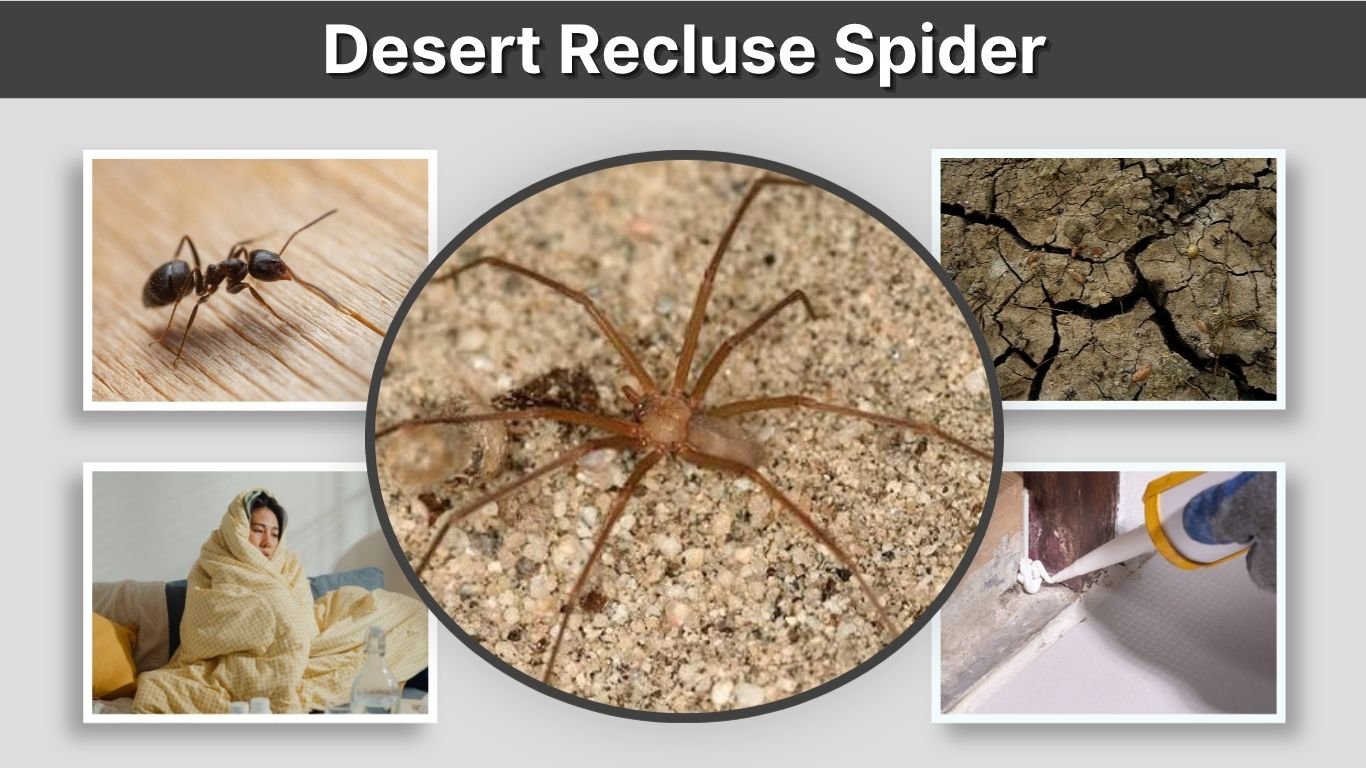
The desert recluse is a venomous spider native to arid areas of the southwestern United States and northwestern Mexico. Scientifically named Loxosceles deserta, it resembles … Read More
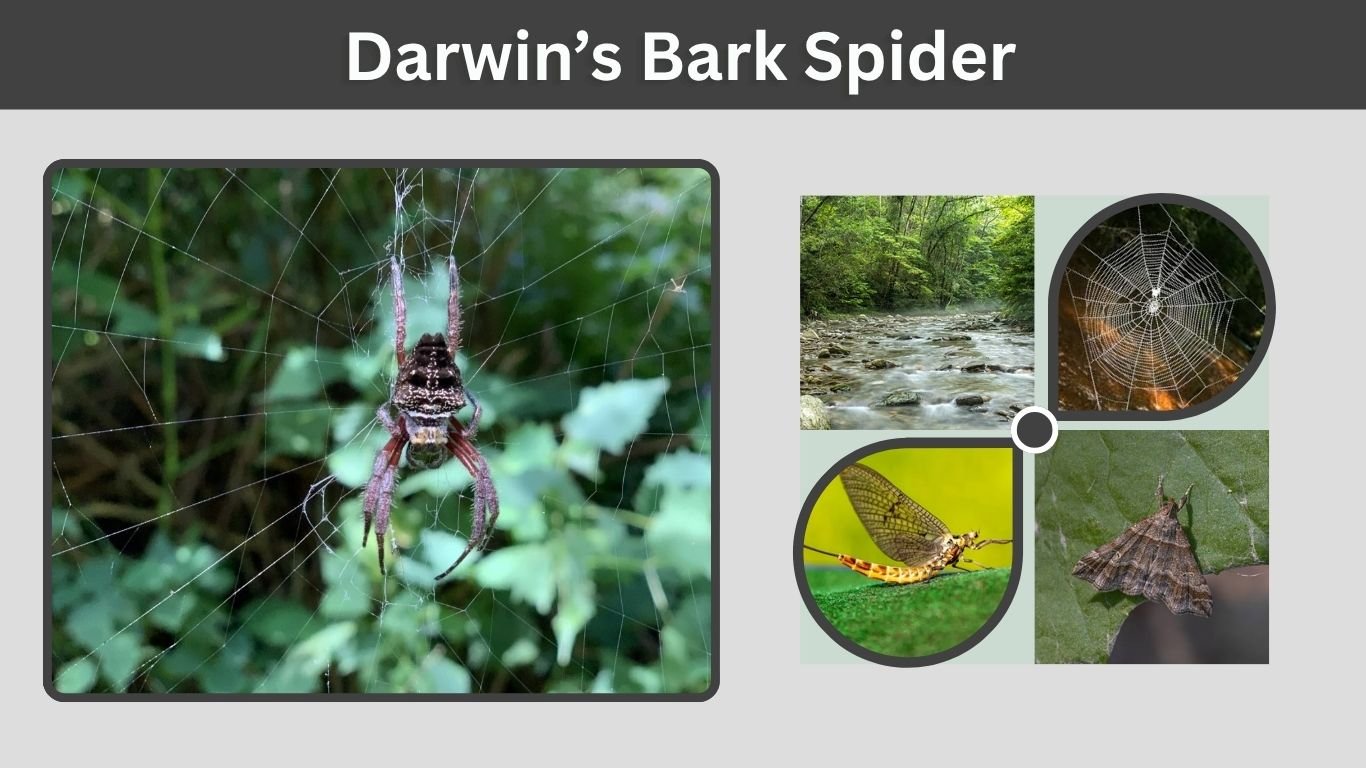
Darwin’s bark spider is a remarkable orb-weaver from Madagascar that constructs enormous webs across rivers, streams, and lakes. Scientifically named Caerostris darwini, it produces exceptionally … Read More
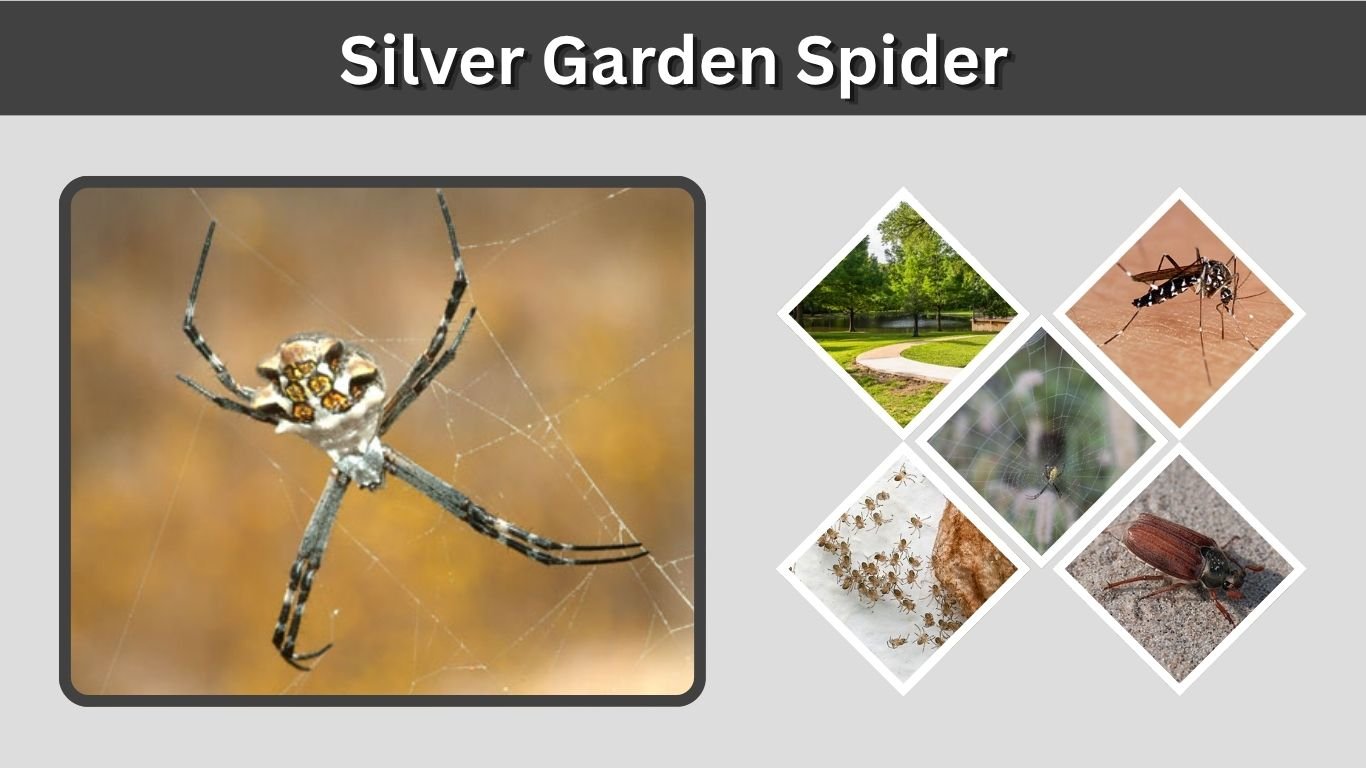
The silver garden spider is an eye-catching orb-weaver recognized by its metallic body, long banded legs, and decorative silk web. Its scientific name is Argiope … Read More
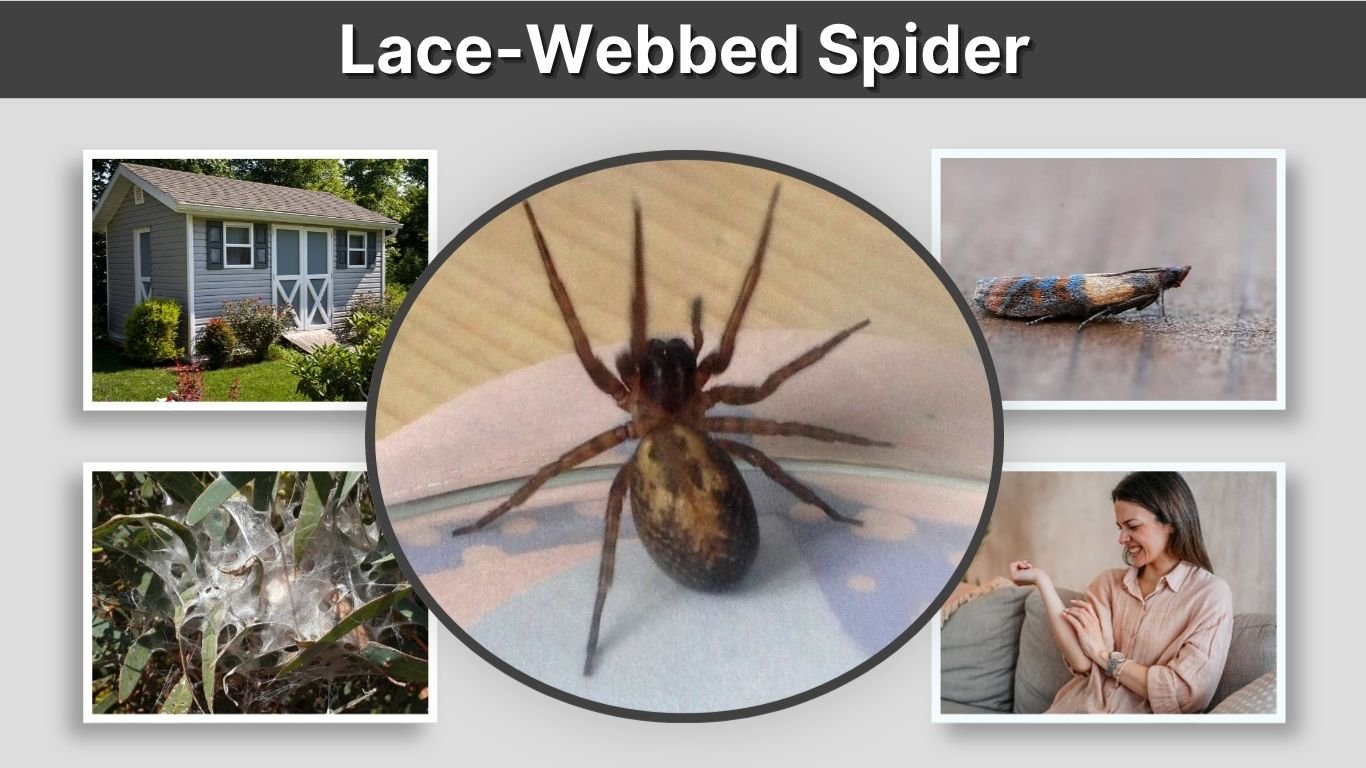
The lace-webbed spider is a dark, medium-sized spider commonly found around homes, gardens, walls, sheds, and woodland in the UK and parts of Europe. These … Read More