
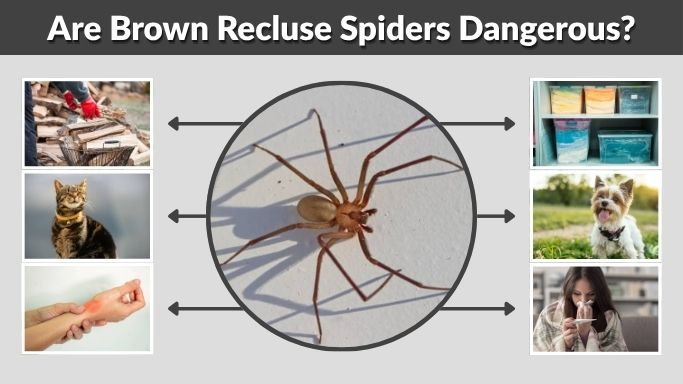
Brown recluse spiders are dangerous in the sense that they are venomous and their bites can sometimes cause serious skin injury. However, they are not aggressive spiders that chase or attack people. Most bites happen when a spider is trapped against skin in clothing, shoes, bedding, or stored items. This guide explains how dangerous brown recluse spiders really are, what symptoms to watch for, and when medical care is needed.
Are Brown Recluse Spiders Dangerous to Humans?
Yes, brown recluse spiders can be dangerous to humans, but severe cases are uncommon. Poison Control says brown recluse bites can damage nearby tissue, but serious illness and death are rare. There is no antidote, so treatment focuses on wound care and preventing infection.
Brown recluses are also shy. The CDC notes that venomous spiders like the brown recluse are usually not aggressive, and most bites occur when a spider is trapped or touched.
The Simple Answer
A brown recluse is dangerous because of its venom, not because of its behavior. It usually hides in quiet places and bites only when pressed against skin.
Common bite situations include:
- Putting on shoes with a spider inside
- Wearing stored clothing without shaking it out
- Rolling onto a spider in bedding
- Reaching into boxes, closets, or storage areas
- Moving firewood, cardboard, or clutter with bare hands
Why Are Brown Recluse Spiders Dangerous?
Brown recluse venom can damage blood vessels and skin tissue. In some bites, the area may become painful, blistered, purple, or ulcerated. Poison Control explains that the venom can cause necrosis, which means injury and death of surrounding tissue.
What Makes the Bite Risky?
The danger comes from several factors:
- The bite may not hurt at first
- Symptoms can worsen hours or days later
- Skin damage may spread in severe cases
- The wound can become infected
- Some people may develop body-wide symptoms
- Bites are often misdiagnosed without the spider
Mayo Clinic notes that many suspected spider bites may actually be caused by other insect bites, skin infections, or medical conditions. This is why a confirmed spider or clear photo helps with diagnosis.
How Dangerous Are Brown Recluse Bites?
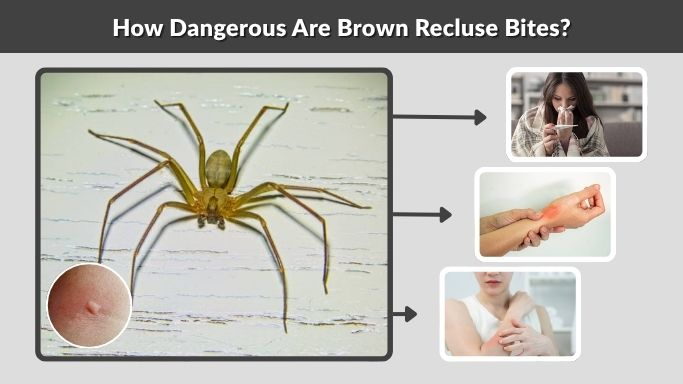
Most brown recluse bites are not life-threatening. Some cause only redness, swelling, itching, or mild pain. Others may become serious and need medical care. Cleveland Clinic says symptoms can include pain, swelling, bruising, blistering, and severe signs such as fever, dizziness, vomiting, chills, or restlessness.
| Bite Severity | Possible Signs | What to Do |
| Mild | Redness, itching, slight swelling | Wash, cool compress, monitor |
| Moderate | Pain, blister, bruising, purple center | Contact a doctor or Poison Control |
| Severe | Open sore, spreading wound, fever, vomiting, dizziness | Seek urgent medical care |
| Emergency | Trouble breathing, seizure, collapse, cannot wake | Call emergency services |
Brown Recluse Bite Symptoms
A brown recluse bite may feel like a small sting or may not be noticed at all. Symptoms can slowly develop after the bite. Cleveland Clinic recommends cleaning the bite area with soap and water, applying a cold damp cloth or ice, elevating the area, and seeking medical attention for severe symptoms.
Early Symptoms
Early symptoms may include:
- Mild redness
- Itching
- Tenderness
- Swelling
- Burning feeling
- Small blister
Worsening Symptoms
More concerning symptoms may include:
- Increasing pain
- Purple, blue, or dark skin
- A white blister
- Open sore or ulcer
- Skin breakdown
- Fever or chills
- Nausea or vomiting
- Dizziness or weakness
The CDC warns that brown recluse venom can cause a severe skin lesion by destroying tissue, and these lesions require professional medical attention.
Are Brown Recluse Spiders Really That Dangerous?
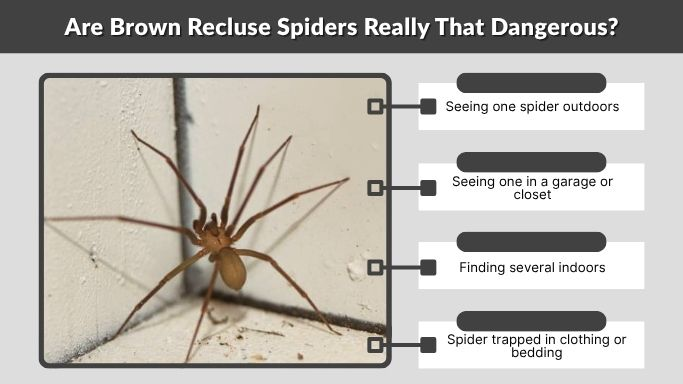
They are dangerous enough to respect, but their reputation is often exaggerated. Texas A&M AgriLife says brown recluse spiders are venomous, but their bite has been mythologized, and they prefer to stay hidden and avoid human contact.
In other words, you should not panic every time you see a brown spider. Many brown spiders are harmless look-alikes, and many skin sores blamed on brown recluses are not confirmed recluse bites.
Realistic Risk Level
| Situation | Risk Level |
| Seeing one spider outdoors | Low |
| Seeing one in a garage or closet | Moderate |
| Finding several indoors | Higher |
| Spider trapped in clothing or bedding | Higher bite risk |
| Child, older adult, or sick person bitten | Higher medical concern |
| Bite with spreading tissue damage | Needs medical care |
Are Baby Brown Recluse Spiders Dangerous?
Baby brown recluse spiders are venomous because they are the same species as adults. However, they are tiny and usually avoid people. A baby brown recluse may bite if it is trapped against skin, but confirmed bites from very small spiderlings are difficult to identify.
Small brown spiders are also commonly misidentified. Baby wolf spiders, house spiders, and other young spiders may look like a “baby brown recluse” to the average person.
Are Brown Recluse Spiders Dangerous to Dogs and Cats?
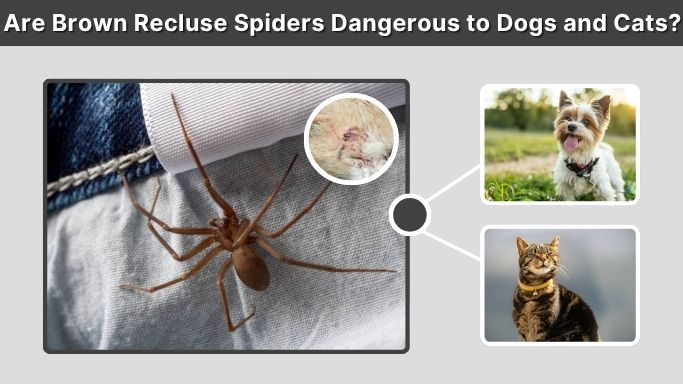
Yes, brown recluse bites can be dangerous to pets. The Merck Veterinary Manual says recluse spider bites can cause local and systemic signs in animals, and bites are often not witnessed because they may be painless at first.
For dogs and cats, watch for:
- Redness or swelling
- Limping or licking one area
- Blister or dark skin spot
- Open sore
- Fever
- Weakness
- Vomiting
- Lethargy
If you suspect a brown recluse bite on a dog or cat, contact a veterinarian. Pets may need wound care, pain control, antibiotics, or supportive treatment depending on the reaction.
Brown Recluse vs Black Widow: Which Is More Dangerous?
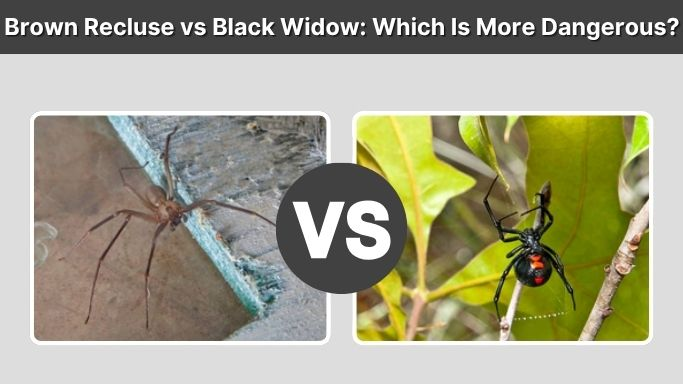
Both spiders can be dangerous, but they affect the body differently. Brown recluse venom is best known for local tissue damage and possible skin necrosis. Black widow venom is more associated with nerve-related symptoms such as severe pain, muscle cramps, and body-wide illness. Cleveland Clinic notes that bites from black widows and brown recluses require medical care because they can cause more serious symptoms than most spider bites.
Quick Comparison
| Feature | Brown Recluse | Black Widow |
| Main venom effect | Tissue damage | Nervous system symptoms |
| Bite pain | May be mild at first | Often painful |
| Major concern | Blister, ulcer, necrosis | Muscle cramps, severe pain |
| Behavior | Shy, hides in clutter | Hides in webs, dark areas |
| Medical care | Needed if symptoms worsen | Needed for serious symptoms |
One is not always “worse” than the other. The danger depends on the person, bite location, amount of venom, and how quickly care is received.
What to Do If a Brown Recluse Bites You
First, stay calm. Wash the bite with mild soap and water. Apply a cool compress for short periods and elevate the bite area if possible. Mayo Clinic recommends cleaning the wound, applying an antibiotic ointment, using a cool compress, and bringing the spider or a photo to the doctor if it can be done safely.
Seek Medical Help If You Notice
Get medical advice quickly if you have:
- A growing blister
- Purple, blue, black, or dead-looking skin
- Severe or increasing pain
- Fever or chills
- Vomiting
- Dizziness
- A spreading red area
- Pus or signs of infection
- A bite on a child or older adult
Poison Control recommends calling 911 if someone collapses, has a seizure, has trouble breathing, or cannot be awakened.
How to Avoid Brown Recluse Bites
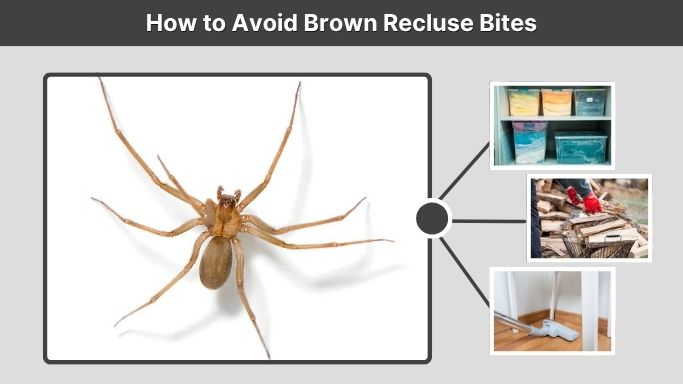
The best prevention is reducing contact with hidden spiders. Brown recluses like quiet, dry, undisturbed spaces. Texas A&M AgriLife says they hide in places such as stored items, closets, garages, and cluttered areas.
Useful prevention tips include:
- Shake out shoes before wearing them
- Shake out stored clothes, gloves, and towels
- Store items in sealed plastic bins
- Reduce clutter in closets, garages, and attics
- Wear gloves when moving boxes or firewood
- Keep beds away from walls
- Vacuum behind furniture and baseboards
- Use sticky traps to monitor activity
- Call pest control if you find several suspected recluses
FAQs
Are brown recluse spiders dangerous to humans?
Yes, they can be dangerous because their venom may cause skin damage and, rarely, serious illness. However, they are not aggressive and usually bite only when trapped against skin.
How dangerous are brown recluse spiders?
They are medically important but not usually deadly. Most bites are mild to moderate, but some can cause blisters, ulcers, tissue damage, fever, chills, or other serious symptoms.
Why are brown recluse spiders so dangerous?
They are considered dangerous because their venom can damage tissue around the bite. In severe cases, the wound may become necrotic, infected, or slow to heal.
Are brown recluse spiders dangerous to cats and dogs?
Yes. Dogs and cats can have local wounds or body-wide symptoms after a recluse bite. Contact a veterinarian if your pet develops swelling, blistering, dark skin, weakness, vomiting, fever, or lethargy.
Are brown recluse spiders more dangerous than black widows?
Not exactly. Brown recluse bites are more known for tissue damage, while black widow bites are more known for nerve-related symptoms such as severe pain and muscle cramps. Both can require medical care.
