Step Into the Hidden World of Spiders
Seen a spider and not sure what it is? SpiderAdv helps you quickly identify species using easy features like size, color, and web type. Get accurate information so you know whether it’s harmless or something to be cautious about.
Our Blog Contact Us

Spider Identification Guide
- Size: Small to large depending on species.
- Body: Two main parts, rounded abdomen and front section.
- Legs: Eight long, jointed legs.
- Eyes: Usually 6–8 eyes in different patterns.
- Color: Brown, black, gray, or patterned.
- Web: Some build webs, others hunt.
- Habitat: Found indoors, gardens, and natural areas.
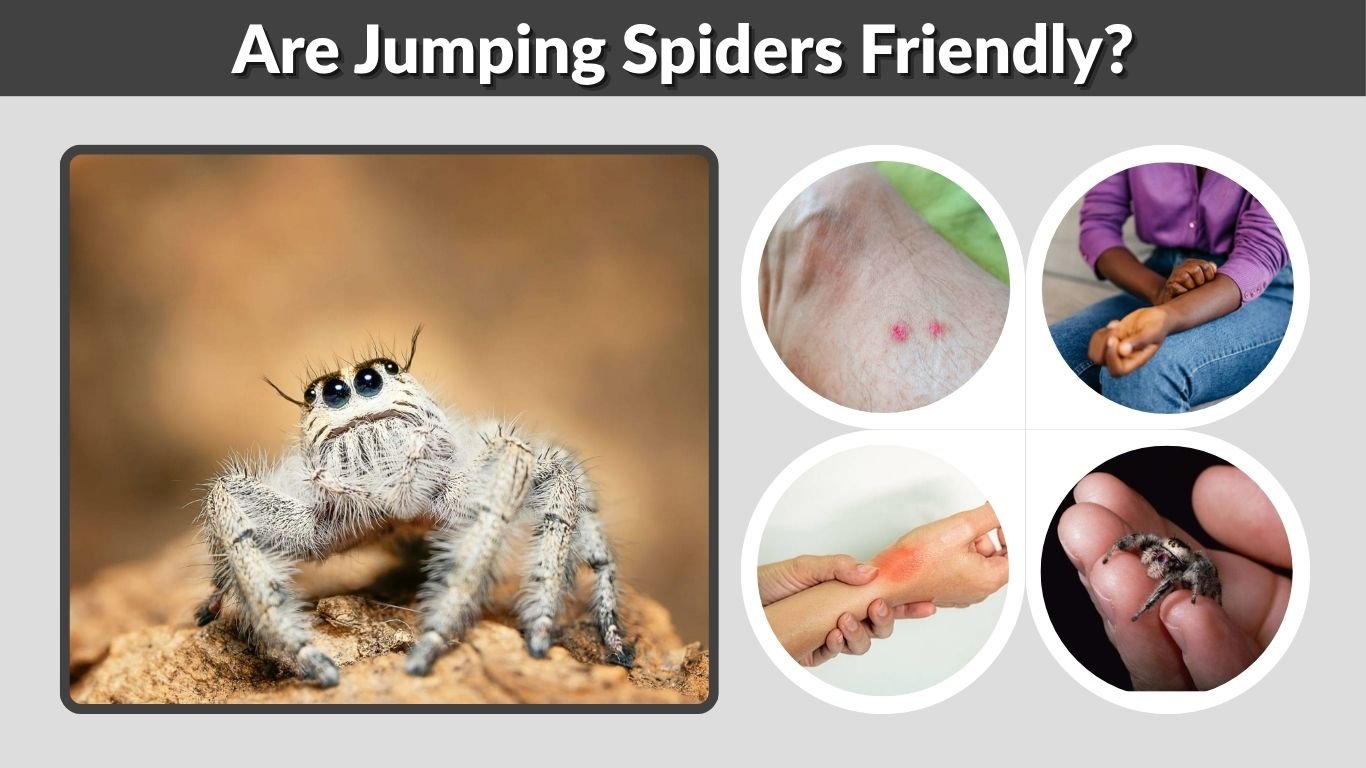
Are Jumping Spiders Friendly? Behavior, Bites & Facts
October 7, 2026
Are jumping spiders friendly? They can certainly appear that way, but “friendly” is a human description rather than a scientific behavior. Jumping spiders are usually
Read more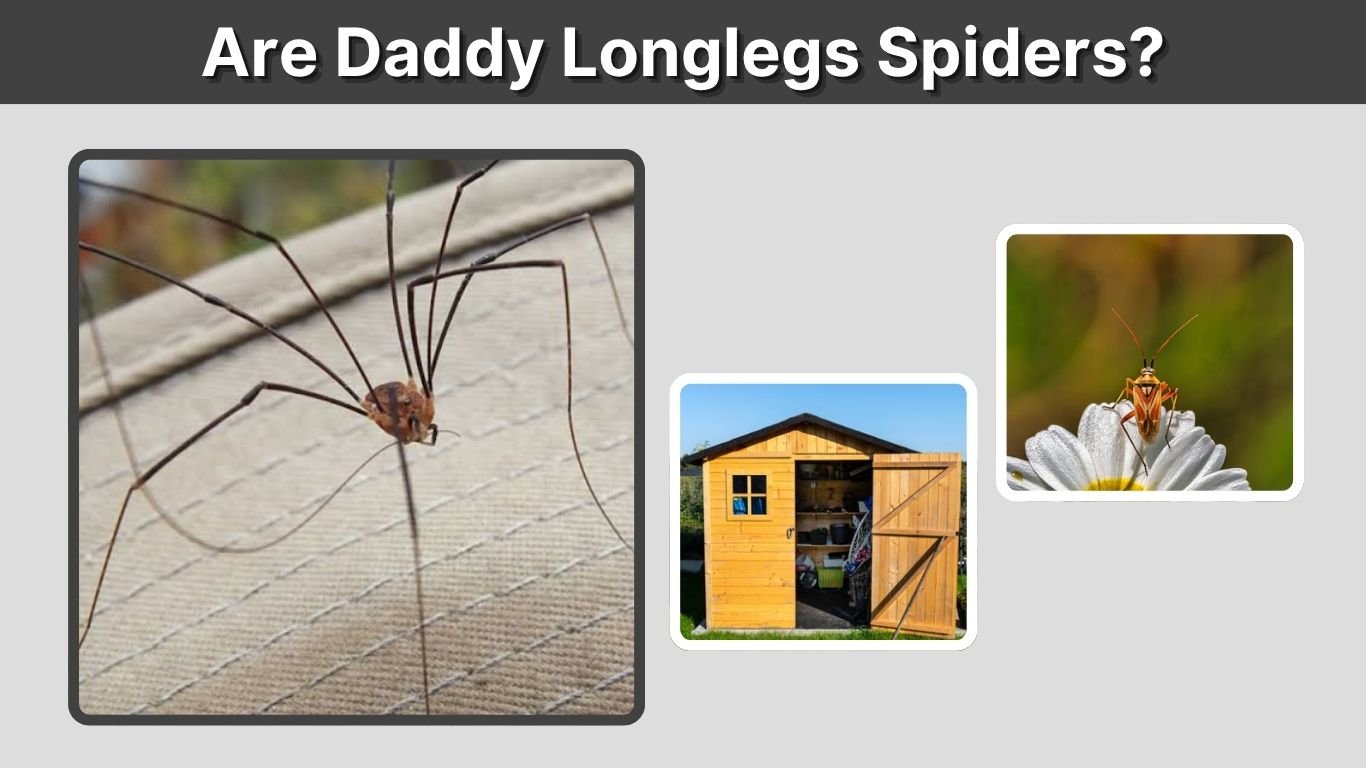
Are Daddy Longlegs Spiders? Identification, Venom & Facts
October 7, 2026
Are daddy longlegs spiders? Usually, no. The creatures most commonly called daddy longlegs are harvestmen, arachnids in the order Opiliones, and they are not true
Read more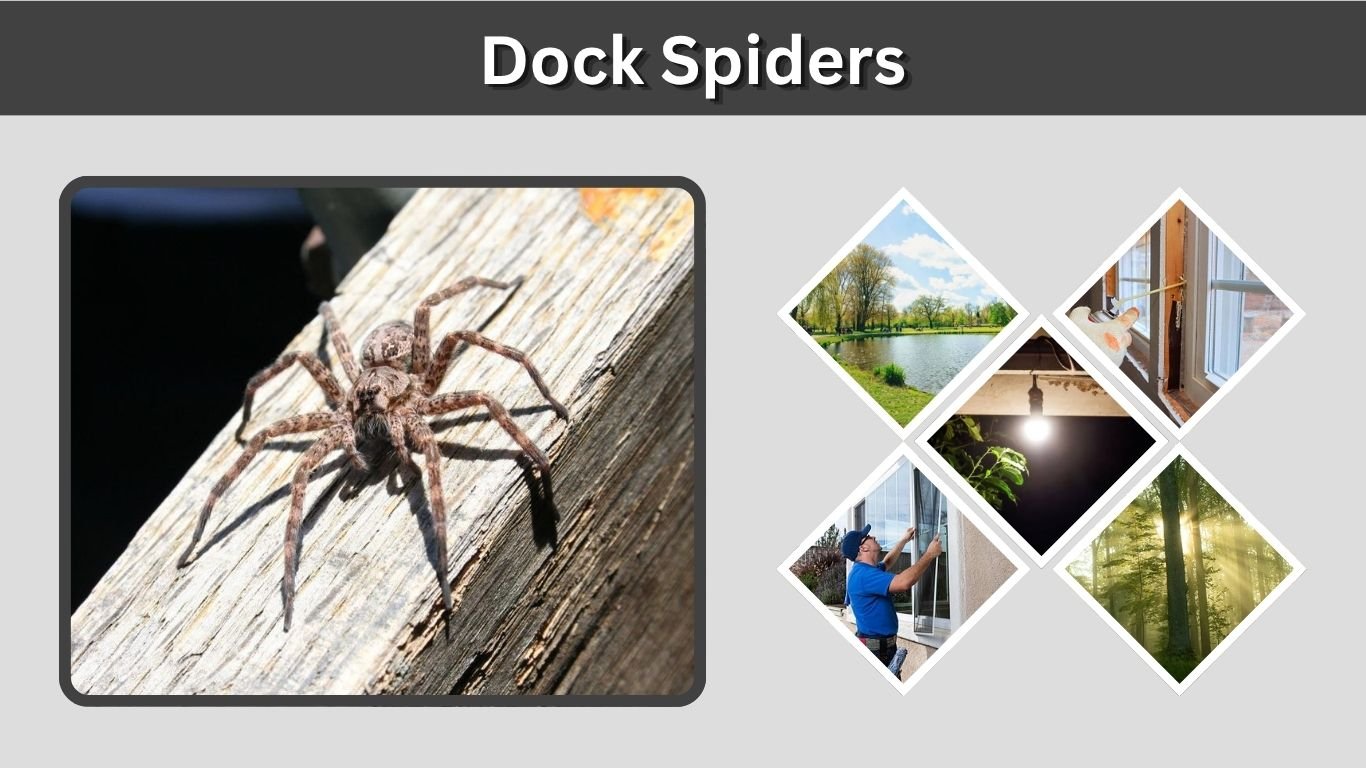
Dock Spiders: Size, Bite, Habitat & Facts
October 7, 2026
Dock spiders are large fishing spiders commonly seen around lakes, ponds, cabins, docks, and other damp environments in North America. The name usually refers to
Read more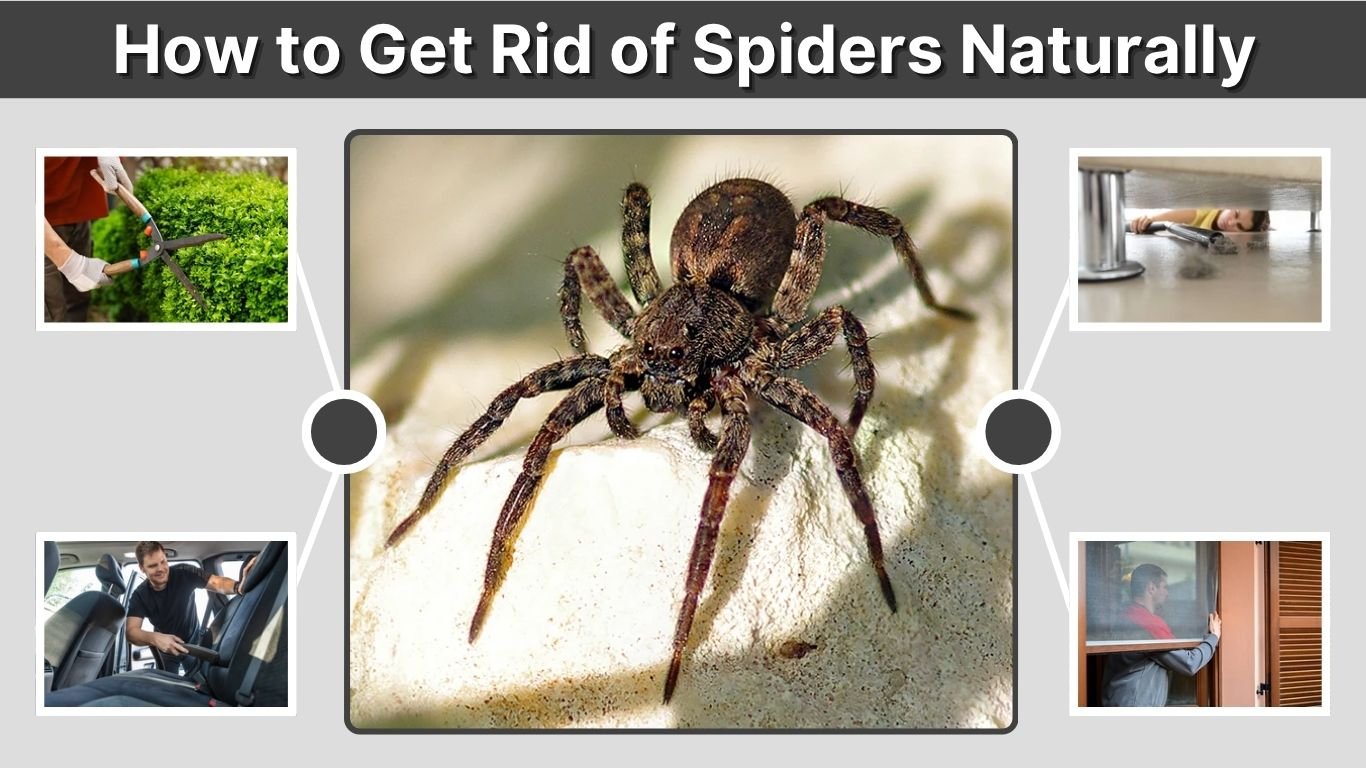
How to Get Rid of Spiders Naturally: Best Effective Ways
October 6, 2026
Spiders are useful predators outdoors, but finding them repeatedly in bedrooms, basements, garages, or other living spaces can become frustrating. If you prefer to avoid
Read more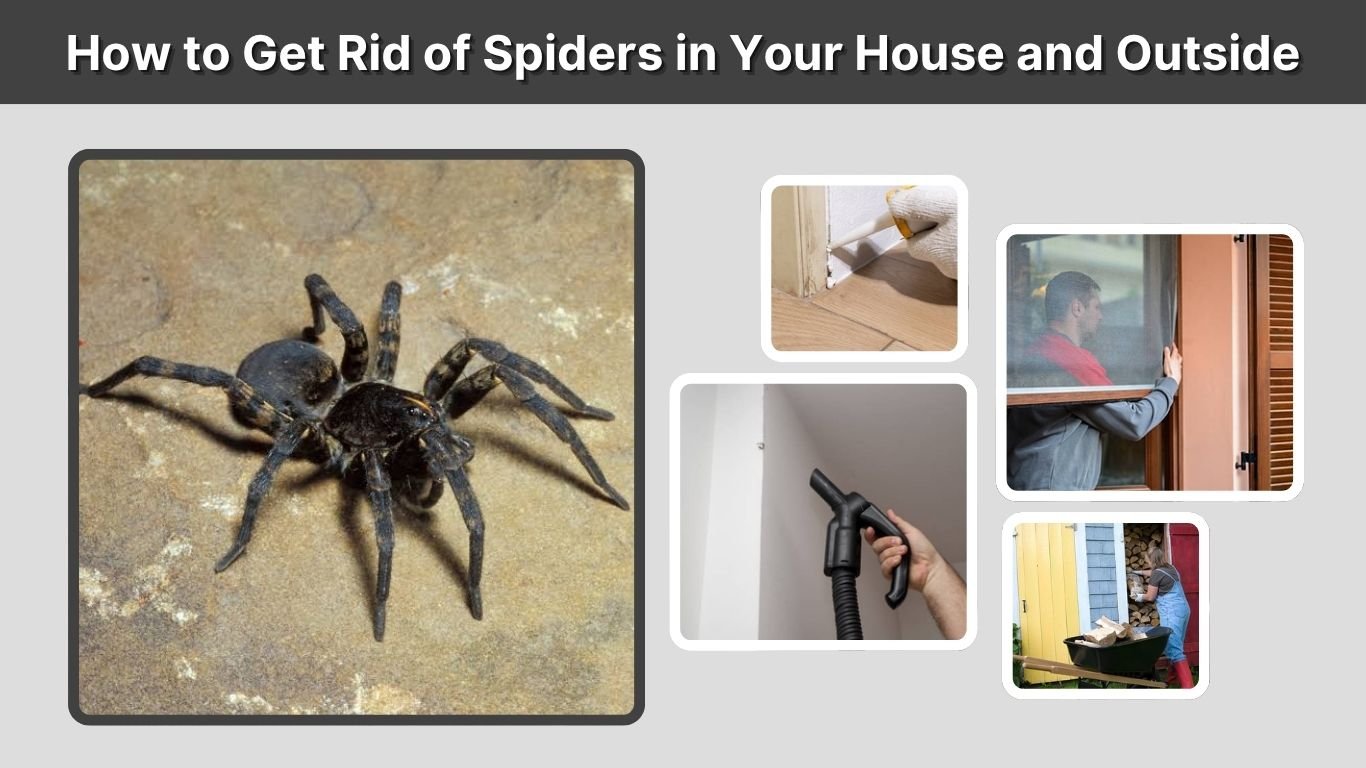
How to Get Rid of Spiders in Your House and Outside
October 6, 2026
Spiders can enter homes while searching for food, shelter, moisture, or quiet places to build webs. Although most household spiders are harmless and even help
Read more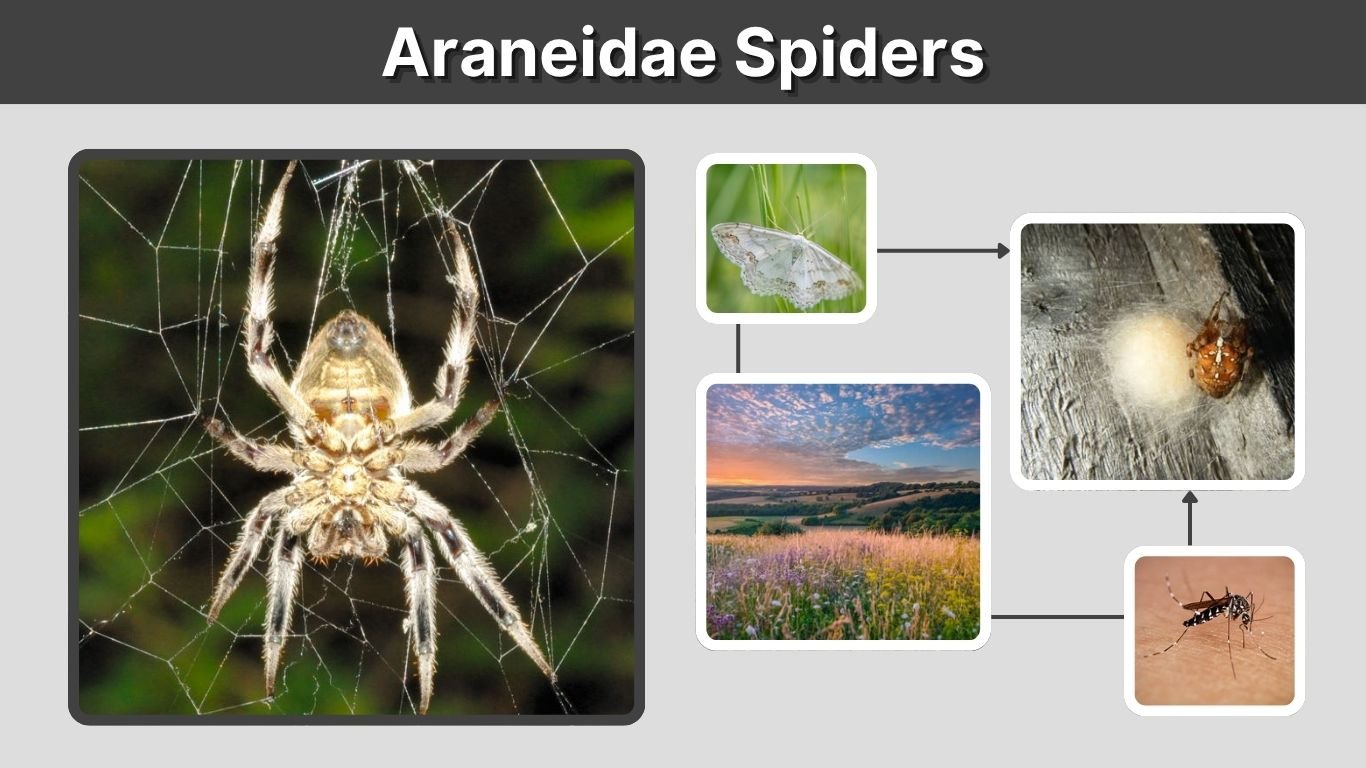
Araneidae Spiders: Identification, Webs, Habitat & Facts
October 6, 2026
Araneidae spiders are among the most recognizable spiders in gardens, forests, fields, and backyards because of the impressive circular webs many species construct. Commonly called
Read more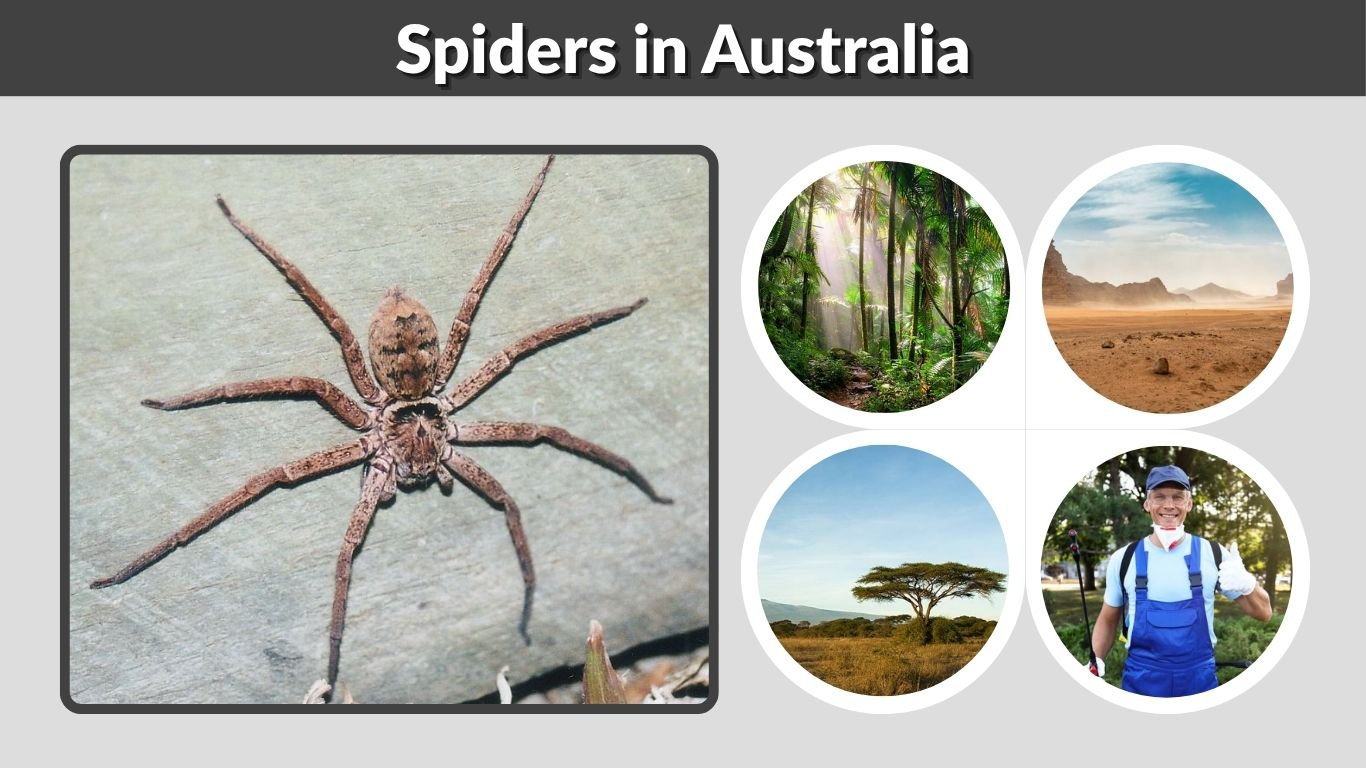
Spiders in Australia: Big, Dangerous & Common Types
October 5, 2026
Australia spiders have a worldwide reputation for being unusually large, dangerous, and sometimes downright frightening. In reality, spiders in Australia are extremely diverse, ranging from
Read more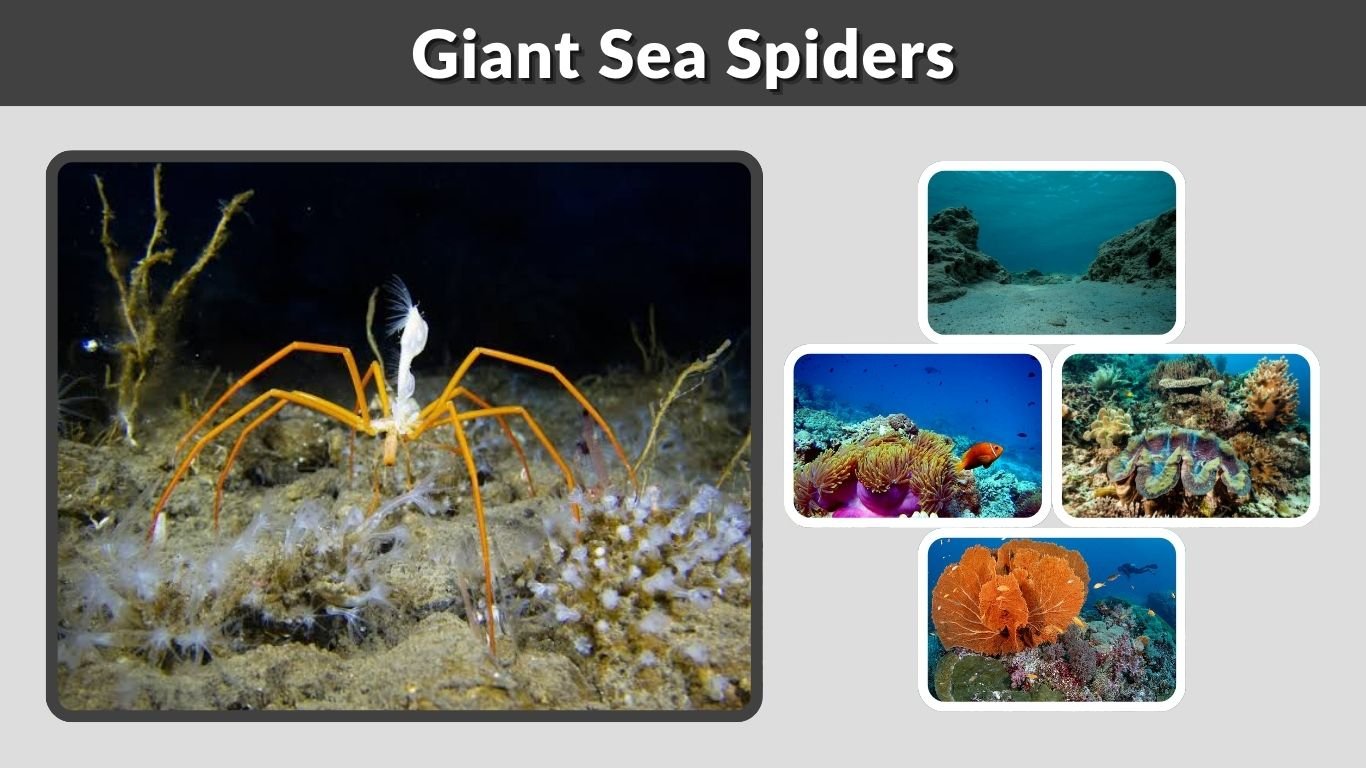
Giant Sea Spiders: Size, Habitat, Diet & Facts
October 5, 2026
Giant sea spiders are among the ocean’s strangest-looking creatures, with extremely long legs surrounding a remarkably small body. These marine arthropods are especially famous in
Read more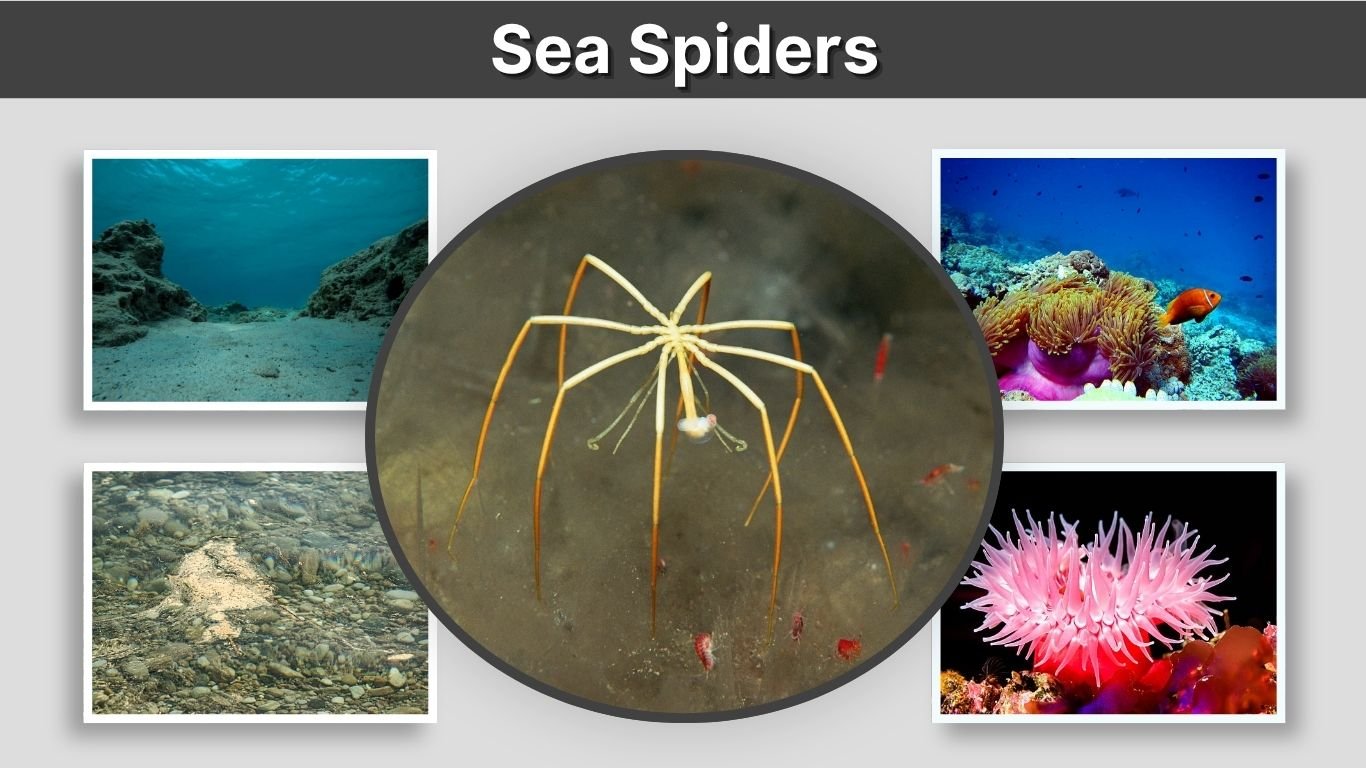
Sea Spiders: Size, Habitat, Diet, Facts & Dangers
October 5, 2026
Sea spiders are strange marine animals known for extremely long legs, tiny bodies, and an appearance that resembles land spiders. Scientifically called pycnogonids, these ocean-dwelling
Read more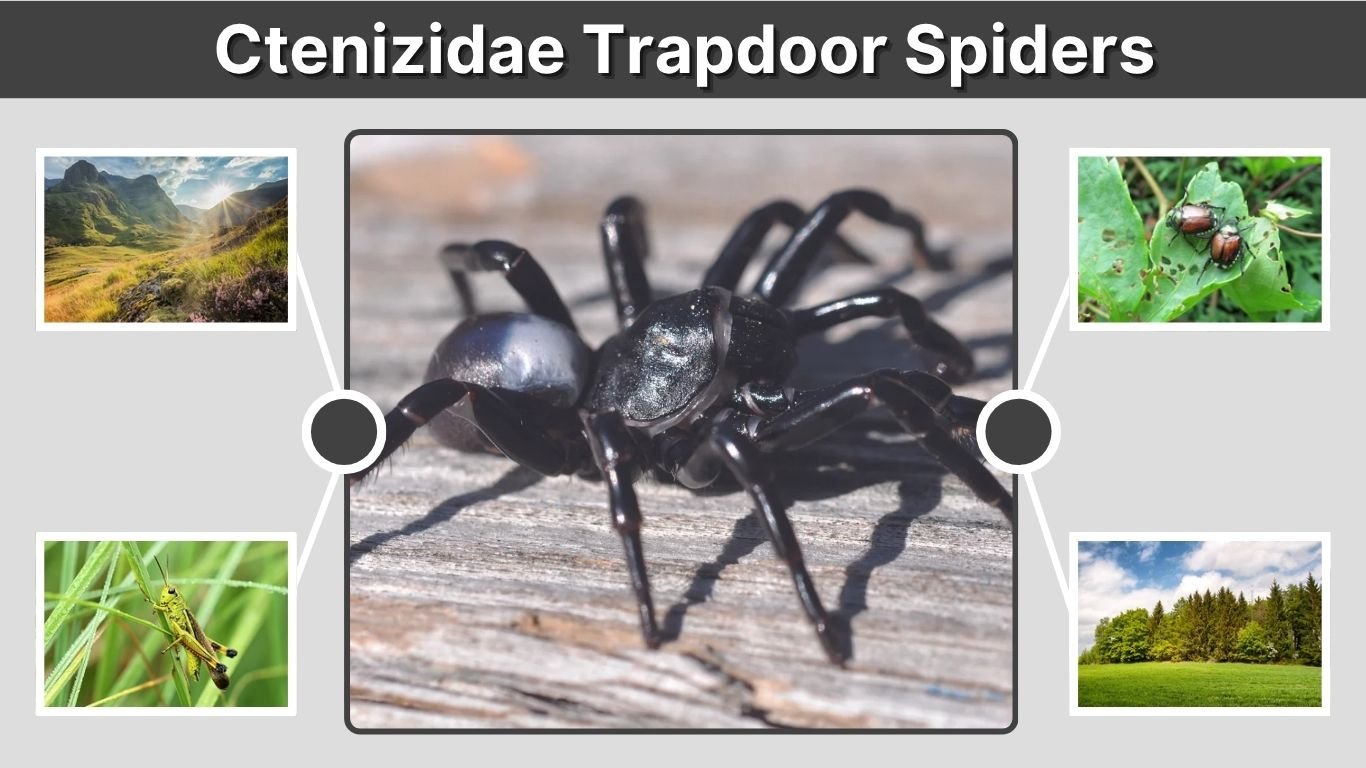
Ctenizidae Trapdoor Spiders: Habitat, Burrows & Facts
October 4, 2026
Ctenizidae trapdoor spiders are secretive, ground-dwelling spiders famous for constructing silk-lined burrows sealed with camouflaged, cork-like doors. Rather than building exposed webs to capture food,
Read more