
Step Into the Hidden World of Spiders
Seen a spider and not sure what it is? SpiderAdv helps you quickly identify species using easy features like size, color, and web type. Get accurate information so you know whether it’s harmless or something to be cautious about.
Our Blog Contact Us

Spider Identification Guide
- Size: Small to large depending on species.
- Body: Two main parts, rounded abdomen and front section.
- Legs: Eight long, jointed legs.
- Eyes: Usually 6–8 eyes in different patterns.
- Color: Brown, black, gray, or patterned.
- Web: Some build webs, others hunt.
- Habitat: Found indoors, gardens, and natural areas.
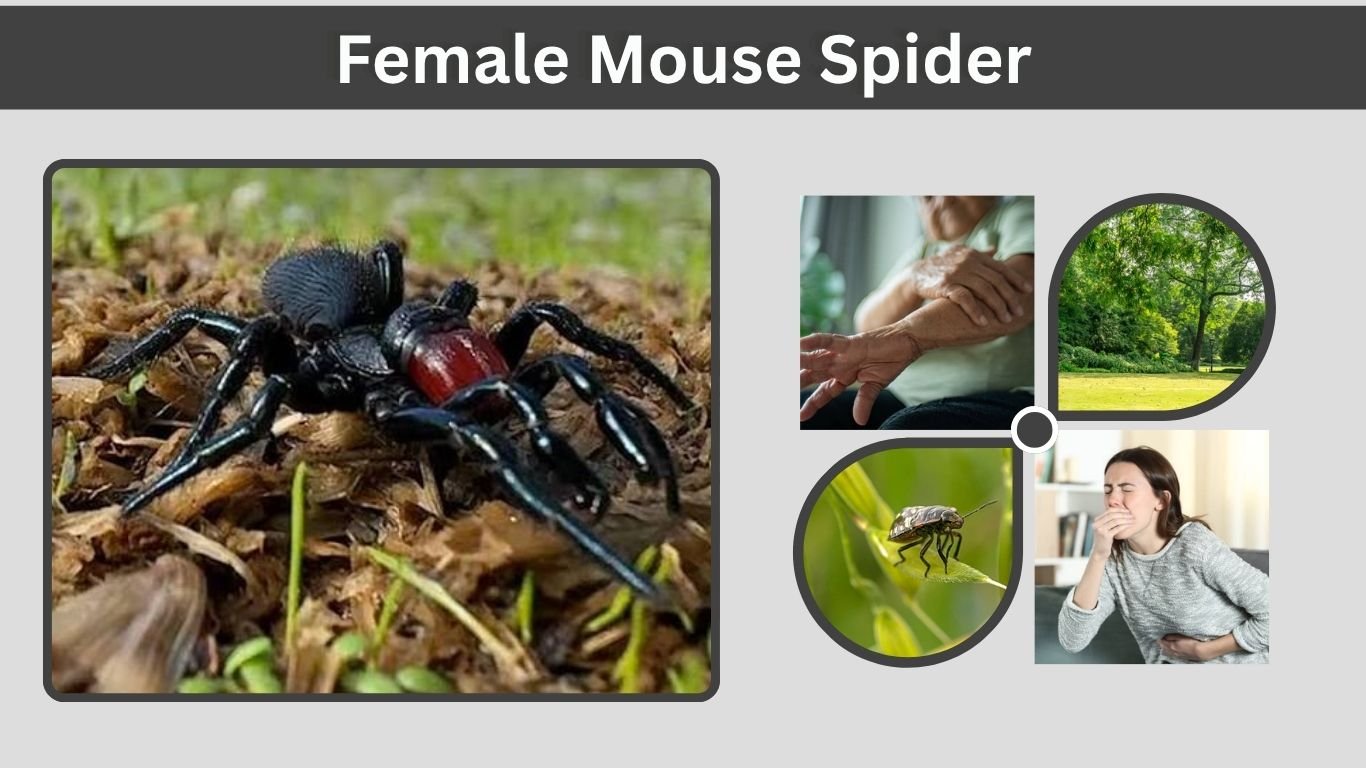
Female Mouse Spider: Identification, Size, Bite & Facts
August 12, 2026
The female mouse spider is a powerful, burrowing spider belonging to the genus Missulena. Females are generally stockier and darker than males, with strong jaws,
Read more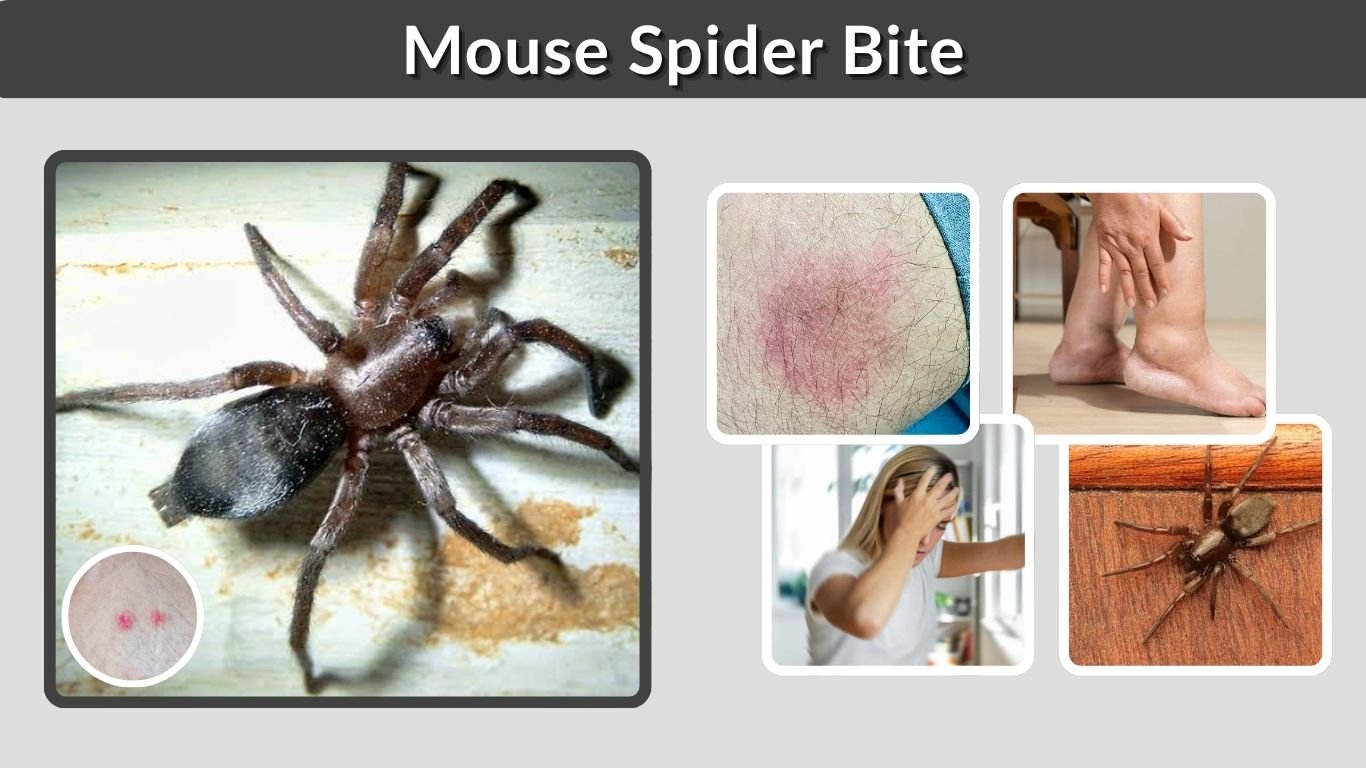
Mouse Spider Bite: Symptoms, Treatment, and Human Risks
August 11, 2026
A mouse spider bite can range from localized pain and swelling to, in rare cases, more serious neurological symptoms. The level of danger depends heavily
Read more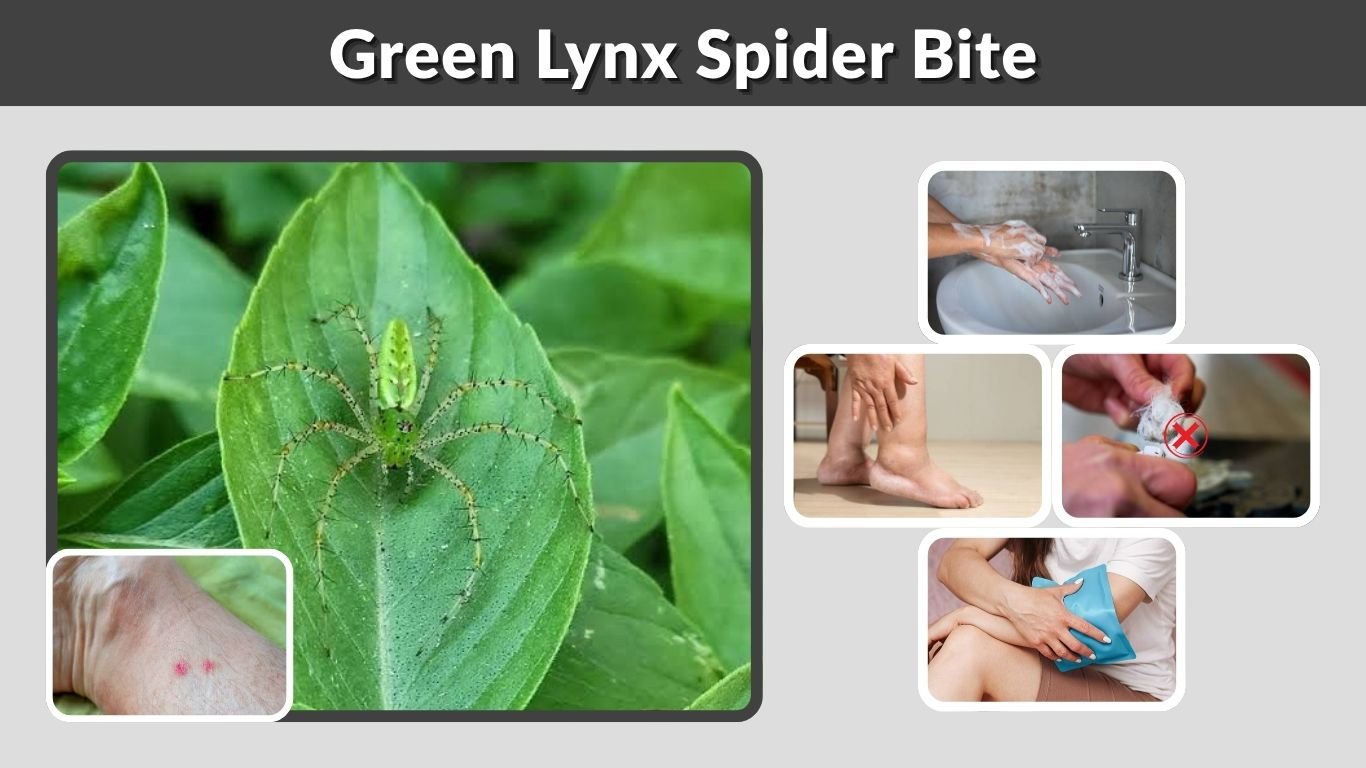
Green Lynx Spider Bite: Symptoms, Pain and Treatment
August 11, 2026
A green lynx spider bite is uncommon, but it can happen when the spider feels trapped, handled, or threatened. Green lynx spiders are venomous hunters,
Read more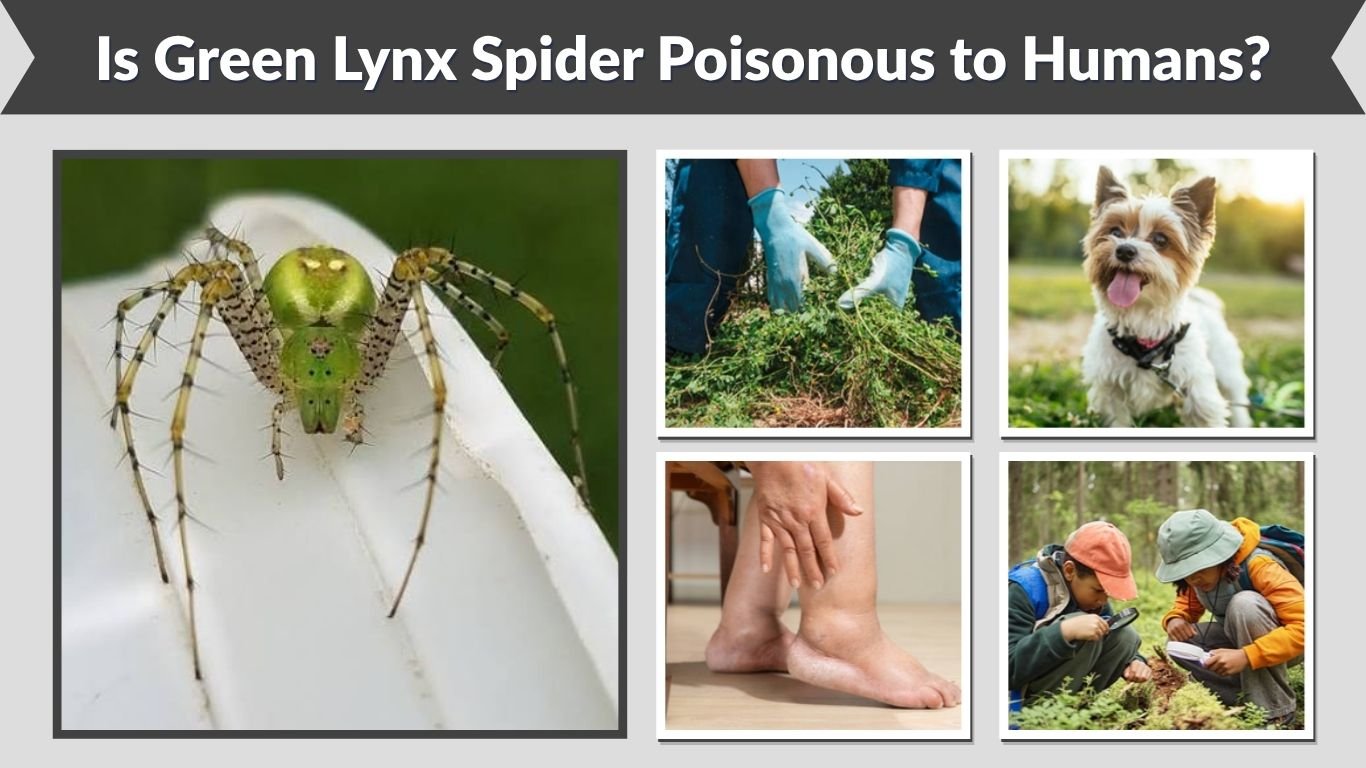
Is Green Lynx Spider Poisonous to Humans? Bite & Safety Facts
August 11, 2026
The bright green color and long, spiny legs of a green lynx spider can make this garden hunter look intimidating. So, is the green lynx
Read more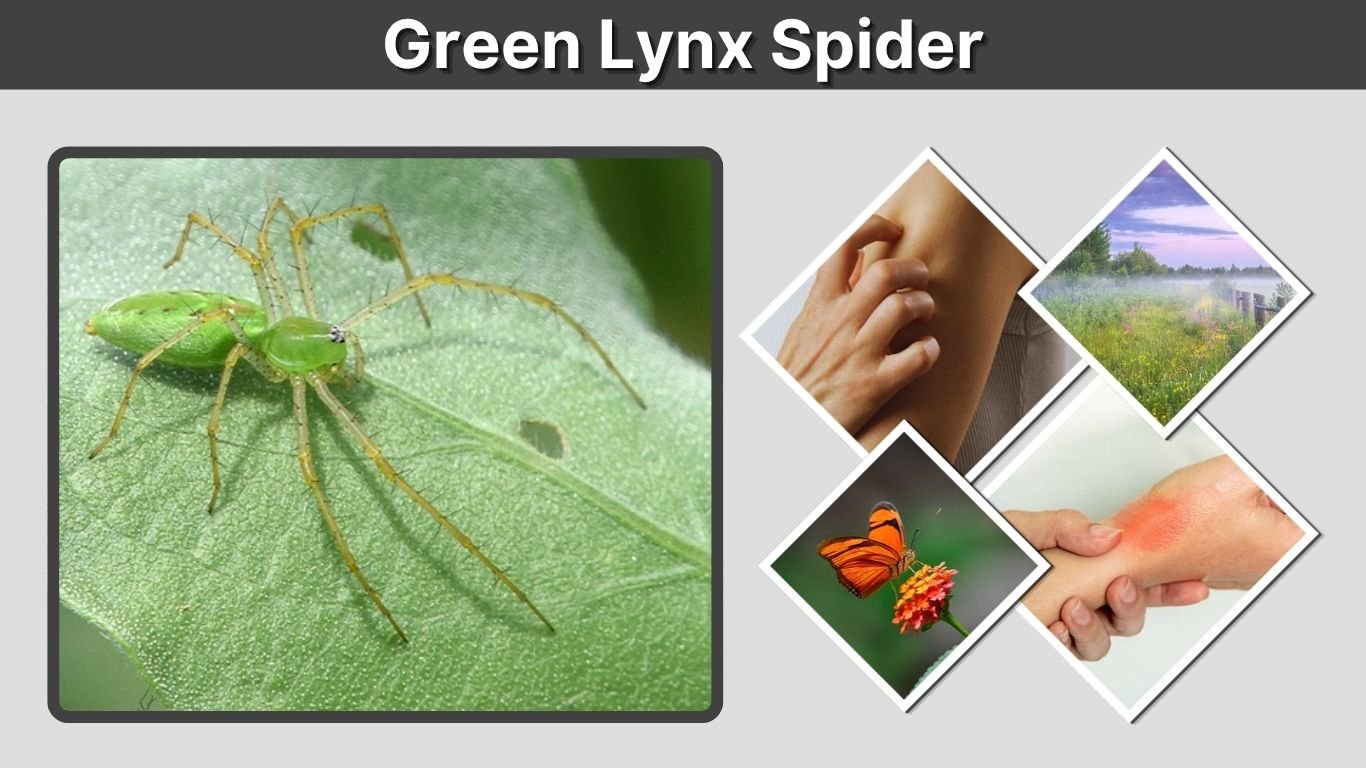
Green Lynx Spider: Identification, Bite, Size, and Facts
August 10, 2026
The green lynx spider (Peucetia viridans) is a striking bright-green hunting spider commonly found on shrubs, flowers, and other vegetation. Its long legs are covered
Read more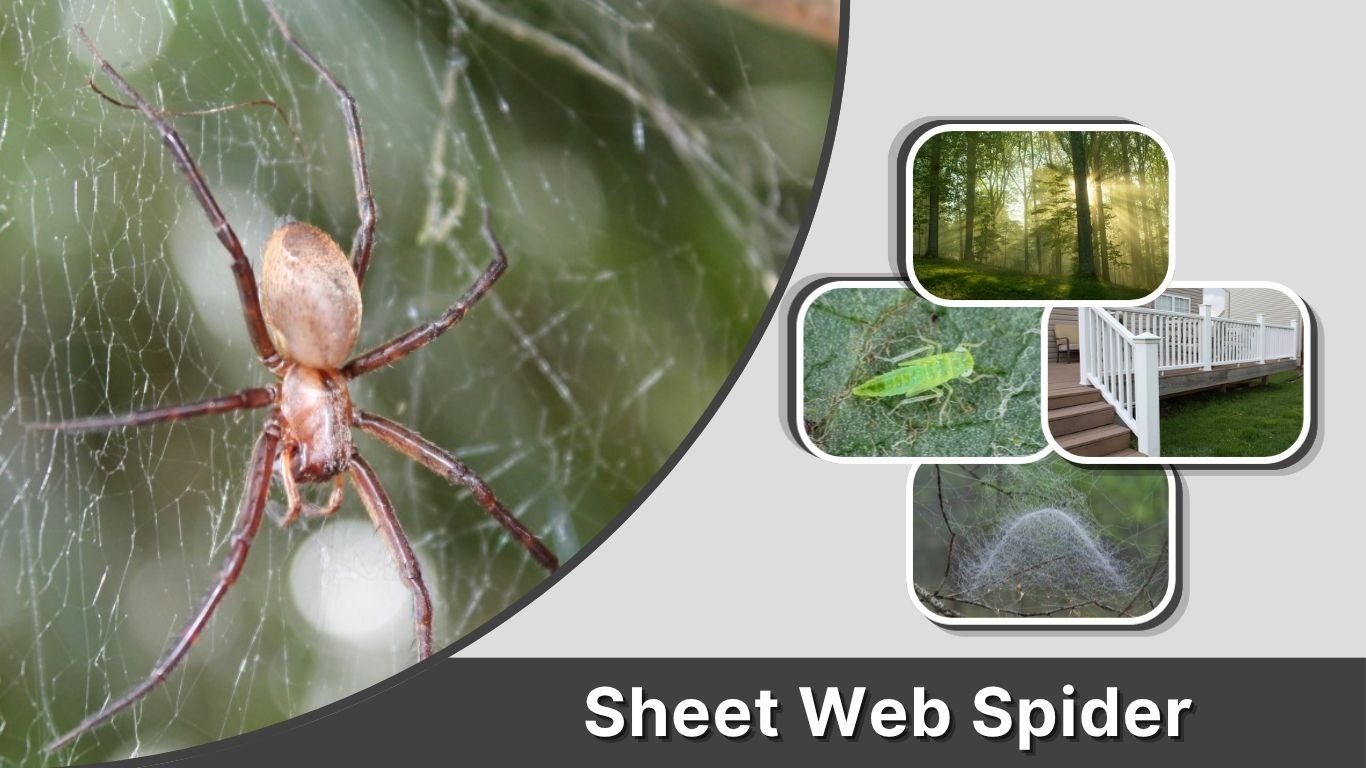
Sheet Web Spider: Identification, Web, Bite, and Facts
August 10, 2026
A sheet web spider is recognized primarily by the flat or slightly curved sheet of silk it builds to capture insects. The name does not
Read more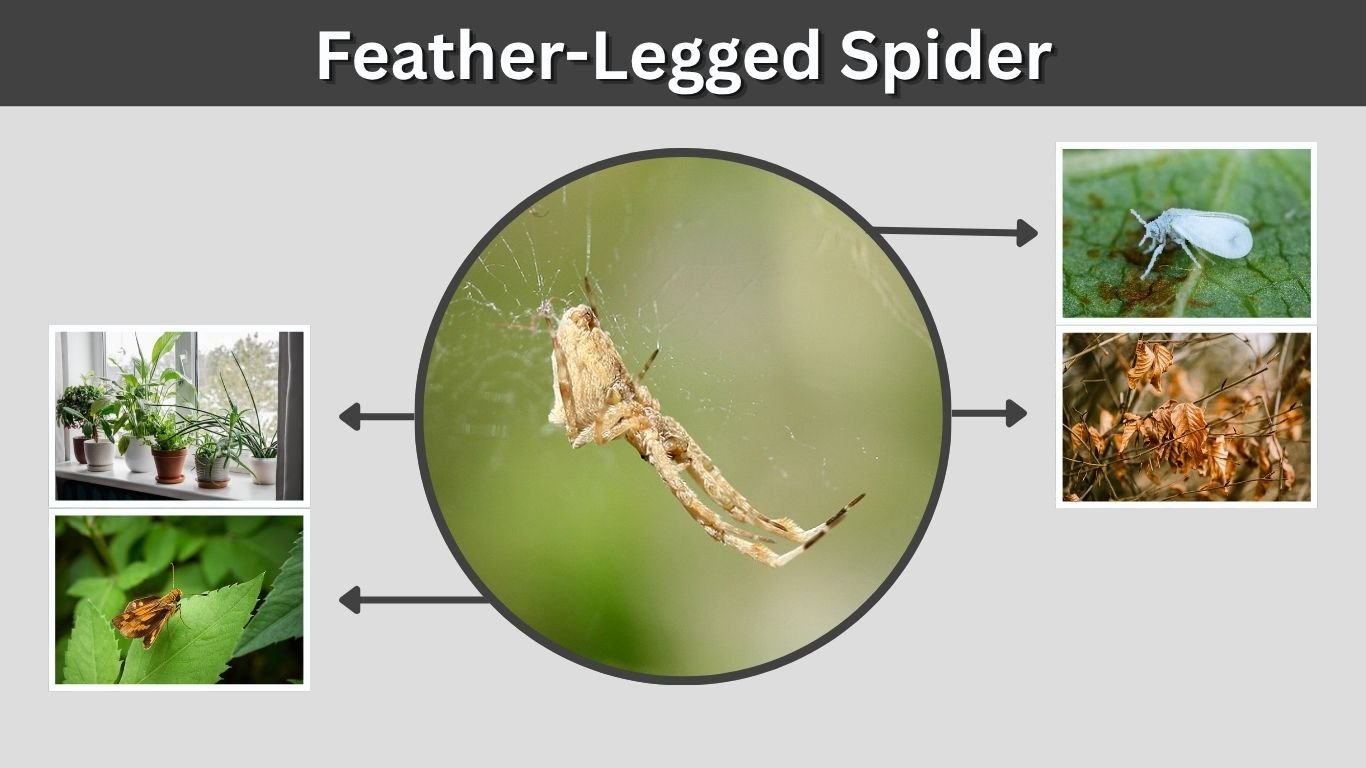
Feather-Legged Spider: Identification, Size, Web and Facts
August 10, 2026
The feather-legged spider, commonly called the feather-legged lace weaver, is a small and unusually shaped spider scientifically known as Uloborus plumipes. Its most recognizable feature
Read more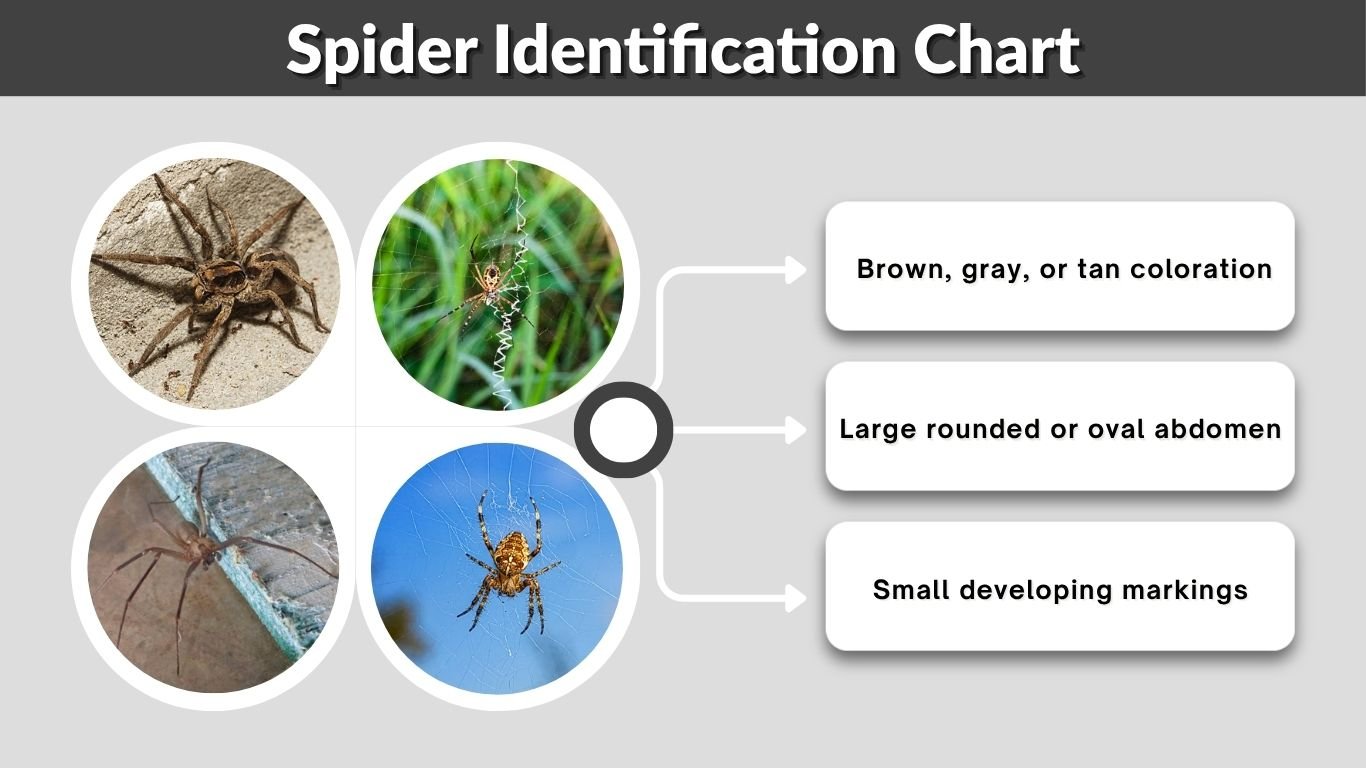
Spider Identification Chart: How to Identify Common Spiders
August 10, 2026
Identifying a spider can be difficult because many species share similar colors, markings, and body shapes. A spider identification chart makes the process easier by
Read more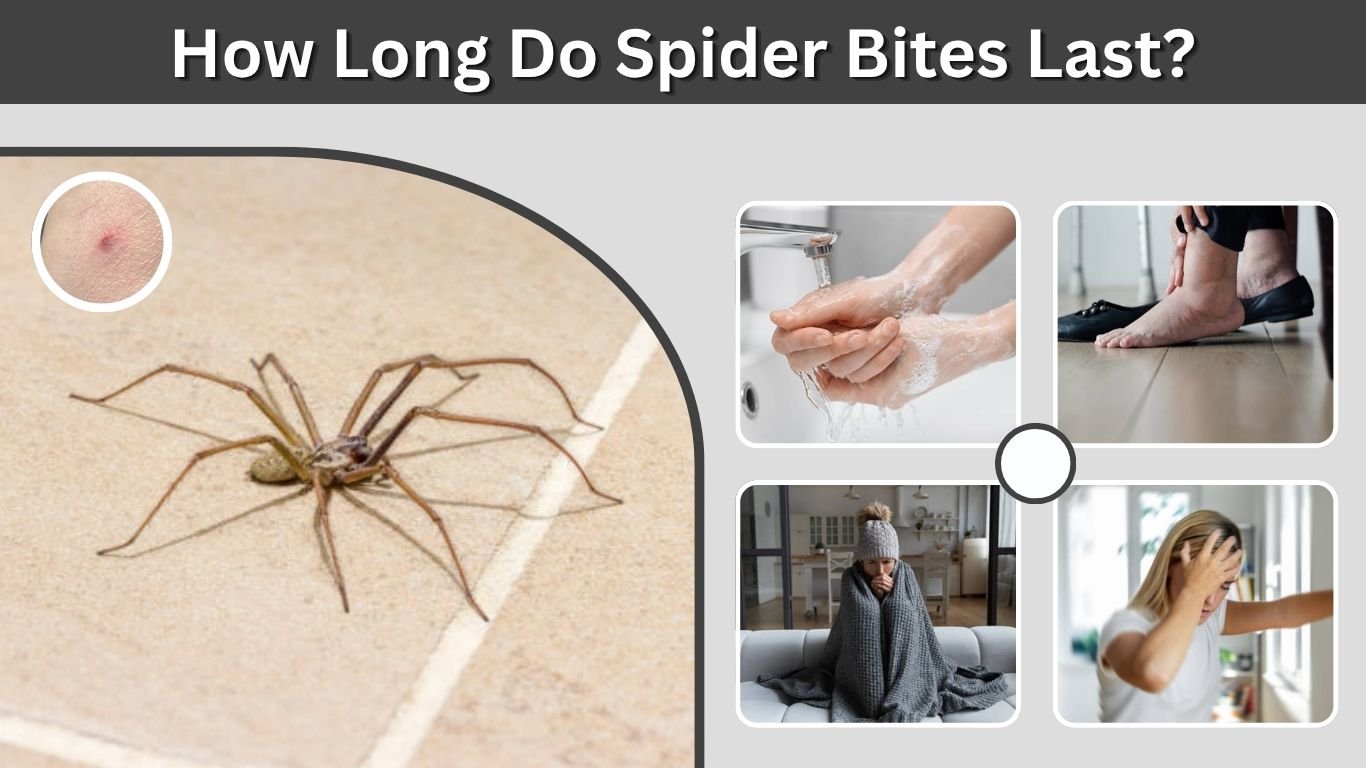
How Long Do Spider Bites Last? Healing Stages, Symptoms & Treatment
August 10, 2026
A suspected spider bite can be concerning when the redness, itching, swelling, or pain does not disappear quickly. So, how long do spider bites last?
Read more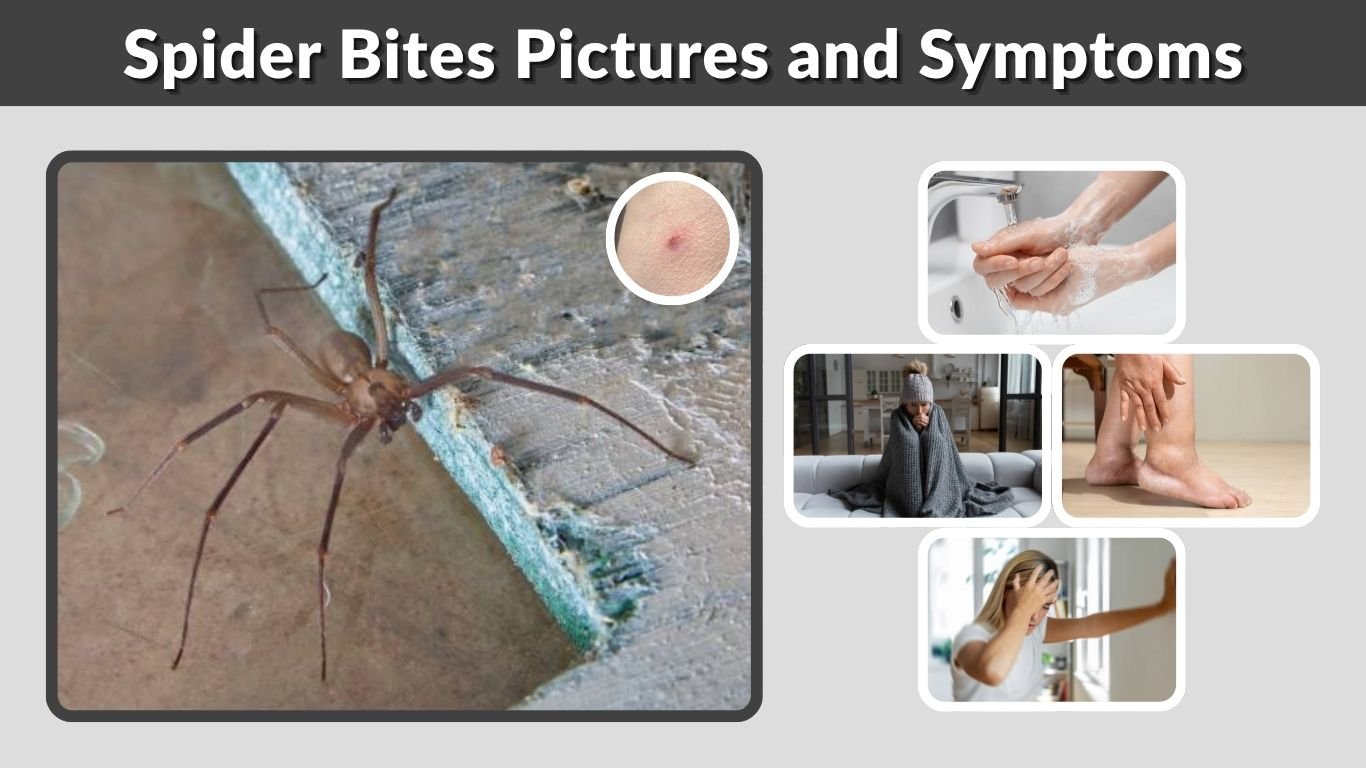
Spider Bites Pictures and Symptoms: Identification Guide
August 10, 2026
Spider bites pictures and symptoms can help you understand what a suspected bite may look like, but appearance alone usually cannot confirm that a spider
Read more