
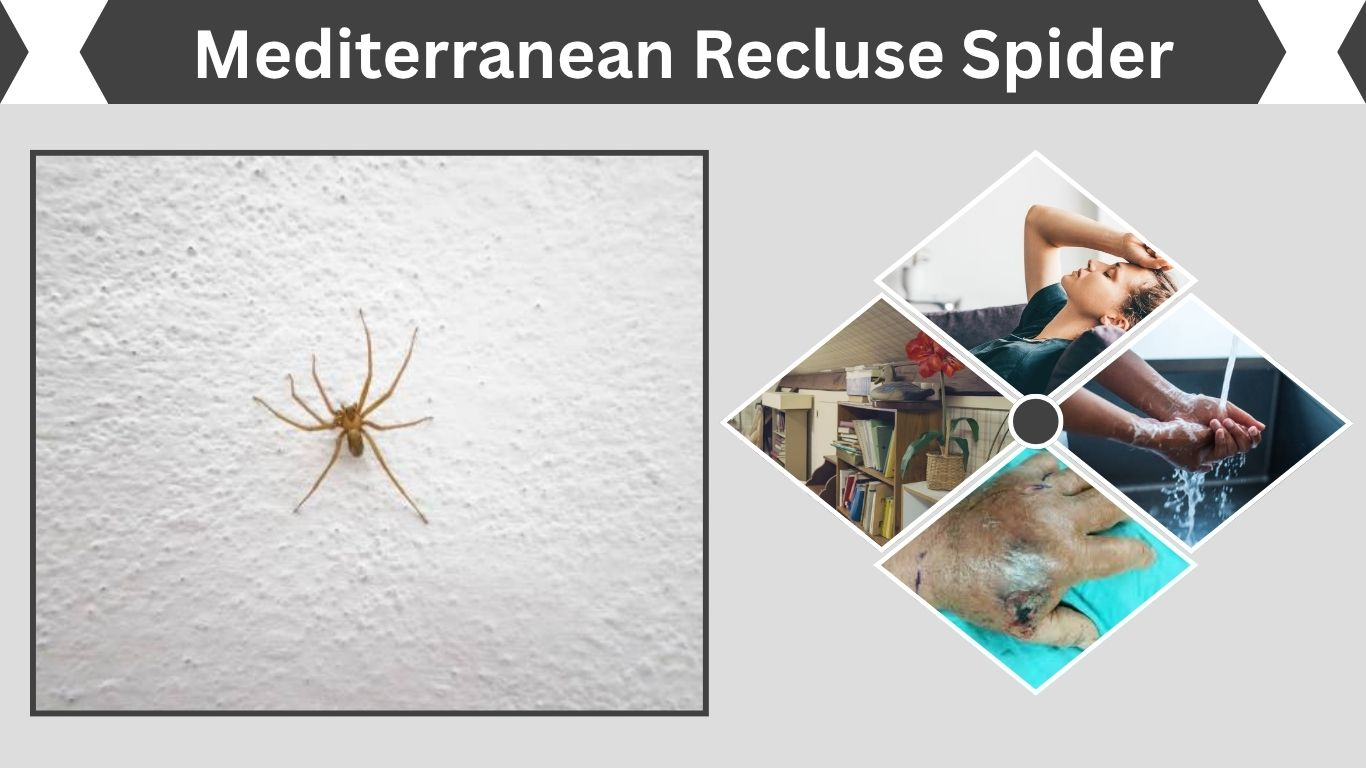
The Mediterranean recluse spider (Loxosceles rufescens) is a venomous but secretive species that has spread from its native Mediterranean region to parts of the United States, Israel, Thailand, and Malta. Known for its necrotic bite, this spider is rarely aggressive toward humans. It prefers dark, undisturbed areas in homes, sheds, or rocky terrains. Despite its medical significance, encounters are uncommon. Studying its habitat, appearance, and behavior provides insight into this elusive arachnid and informs proper bite management and safety precautions.
Identification and Physical Characteristics
Mediterranean recluse spiders are small, light- to dark-brown arachnids with long, thin legs and distinctive violin-shaped markings on the cephalothorax. They are often confused with brown recluse spiders. Adults range from 6–12 mm in body length. Identification is key for understanding their behavior, medical risk, and proper handling. Both sexes appear similar, with minor size differences.
Key Features
- Size: 6–12 mm body length.
- Color: light to dark brown; violin-shaped marking sometimes present.
- Legs: long, thin, with fine hairs.
Sexual Dimorphism
- Males and females are similar in color.
- Males are slightly smaller and more mobile.
Common Misidentification (non-list)
Mediterranean recluse spiders are often mistaken for brown recluses or other small brown spiders. Accurate identification requires attention to leg length, body markings, and geographic location. Misidentification can affect bite assessment and treatment decisions.
Habitat and Geographic Distribution
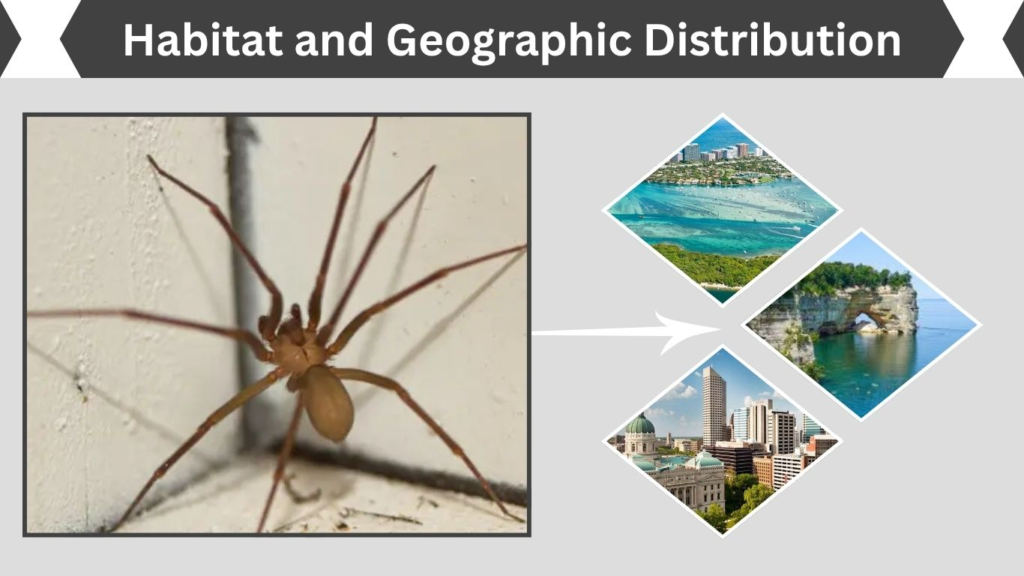
Native to the Mediterranean, Loxosceles rufescens has established populations in Florida, Michigan, Indiana, Hawaii (Oahu), Israel, Malta, and Thailand. They thrive in indoor and outdoor habitats, preferring dark, undisturbed areas. Their adaptability allows survival in urban, suburban, and rural environments. Knowledge of habitat is crucial for prevention of accidental human encounters.
Typical Indoor Habitats
- Closets, attics, storage boxes.
- Basements and sheds.
- Behind furniture or undisturbed corners.
Outdoor Habitats
- Under rocks and wood debris.
- Wall crevices and garden structures.
- Dry, sheltered areas near human dwellings.
Global Range (non-list)
While originally Mediterranean, this spider now inhabits multiple continents due to accidental human transport. Populations in the United States and Israel demonstrate its adaptability to diverse climates.
Mediterranean Recluse Spider Behavior and Lifestyle
Mediterranean recluse spiders are nocturnal, reclusive, and slow-moving. They construct irregular, non-sticky webs in hidden corners or crevices, where they ambush insects and other small arthropods. Human encounters are rare, as they generally avoid contact. Bites usually occur when a spider is trapped against the skin, for example in clothing or bedding.
Hunting Techniques
- Ambush predators that capture insects.
- Webs are irregular and non-sticky, serving as retreats rather than traps.
- Rely on speed and venom to subdue prey.
Human Interaction
- Rarely aggressive.
- Bites occur when disturbed in confined spaces.
- Most incidents are accidental and occur indoors.
Nocturnal Activity (non-list)
They are primarily active at night, emerging from hidden retreats to hunt prey or explore their surroundings. Daytime is spent in burrows or secluded areas, minimizing exposure to predators and humans.
Mediterranean Recluse Spider Bites
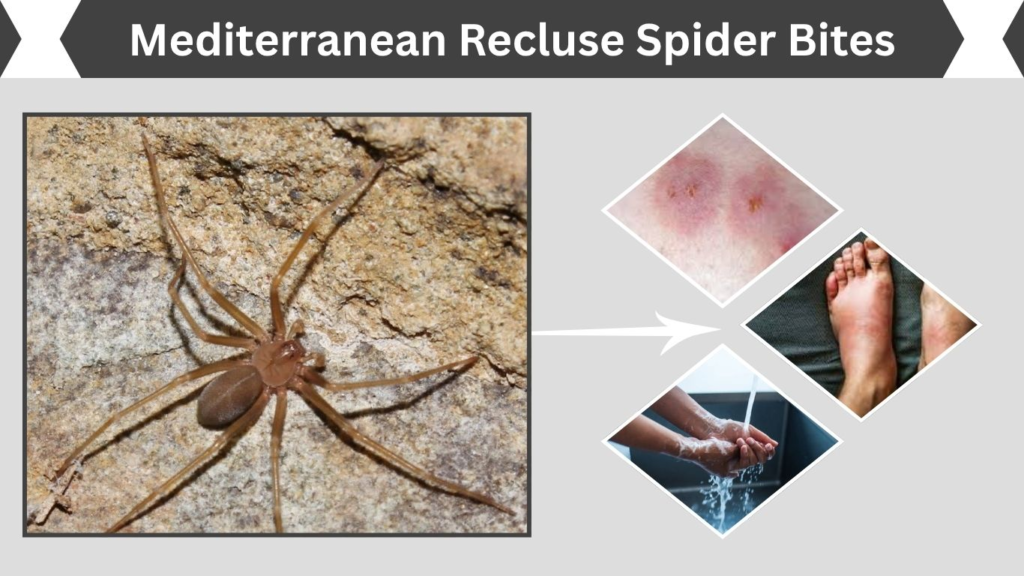
Bites from Mediterranean recluse spiders are uncommon but medically significant. Initial symptoms may be mild, such as redness and swelling, but necrosis can develop over hours to days in severe cases. Prompt recognition and treatment reduce complications. Bite severity depends on spider size, location of bite, and individual sensitivity.
Bite Symptoms
- Redness, itching, and pain around the bite site.
- Blister formation in some cases.
- Severe bites can cause necrotic lesions, ulceration, or systemic symptoms like fever.
Bite vs Brown Recluse
- Mediterranean recluse bites are often milder than brown recluse bites.
- Necrotic lesions may occur but are typically smaller.
- Venom composition differs slightly, influencing severity and healing time.
Early Response (non-list)
If bitten, clean the wound immediately with soap and water. Apply a cold compress to reduce swelling and elevate the affected area if possible. Seek medical advice promptly, especially for children, elderly, or immunocompromised individuals.
Mediterranean Recluse Spider Venom and Medical Significance
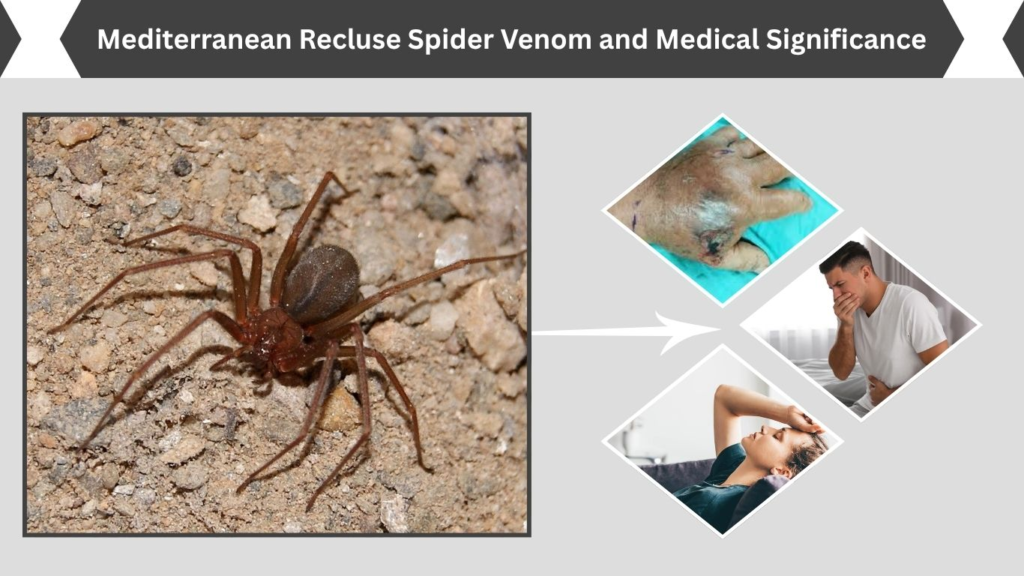
The venom contains sphingomyelinase D, which can damage tissue and, rarely, cause systemic effects. While fatalities are extremely rare, bites can result in significant discomfort and localized tissue damage. Understanding venom effects is important for clinicians, researchers, and anyone living in areas where the spider is present.
Effects of Venom
- Local tissue necrosis in severe bites.
- Mild systemic reactions: nausea, malaise, fever.
- Pain and irritation near the bite site.
Treatment Methods
- Wound care: clean, disinfect, and monitor for necrosis.
- Pain relief with analgesics or anti-inflammatory medication.
- Medical supervision for progressive tissue damage or systemic symptoms.
Prognosis (non-list)
Most bites heal without major complications. Necrotic lesions may take weeks to resolve, and secondary infections should be monitored. Fatalities are extremely rare with proper care.
Mediterranean Recluse Spider Life Cycle and Reproduction
Mediterranean recluse spiders mature slowly, with juveniles molting multiple times before adulthood. Females lay egg sacs in protected, secluded areas. Juveniles remain near their hatching sites and gradually disperse. Life expectancy ranges from 1–2 years, with females typically living slightly longer than males.
Egg Laying and Development
- Females produce 20–50 eggs per sac.
- Egg sacs are hidden in dark corners, crevices, or clutter.
- Hatching occurs within several weeks depending on temperature.
Juvenile Growth
- Juveniles resemble adults but are smaller and lighter.
- They gradually build their own web retreats or burrows.
- Maturation requires multiple molts.
Adult Lifespan (non-list)
Adults survive 1–2 years, with females often living longer than males due to their stationary, protected lifestyle. Environmental factors and availability of prey influence lifespan.
Mediterranean Recluse Spider Safety and Prevention
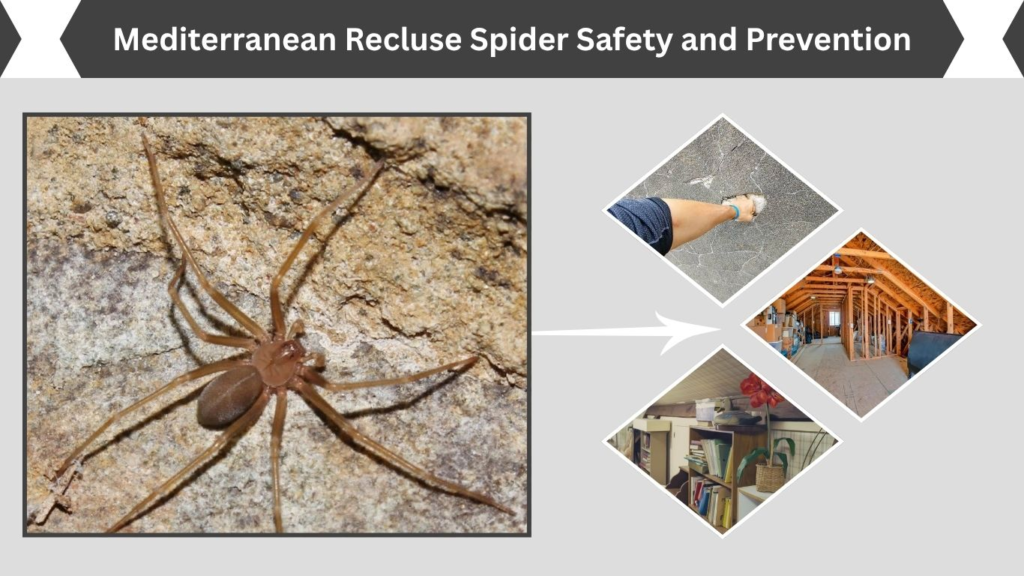
Preventing bites involves reducing spider habitats indoors and being cautious in areas where spiders may reside. Regular cleaning, decluttering, and wearing gloves when handling storage items reduce risk. Awareness and identification help distinguish Mediterranean recluse spiders from harmless species.
Home Safety Measures
- Seal cracks and crevices in walls and floors.
- Keep storage areas, basements, and attics organized.
- Wear gloves when handling boxes, firewood, or debris.
Outdoor Precautions
- Check shoes, clothing, and gardening materials before use.
- Avoid reaching into dark rock piles or wood stacks.
Educational Awareness (non-list)
Teaching residents and children about spider identification and habitats reduces panic and promotes safe coexistence. Proper knowledge ensures bites are rare and manageable.
Interesting Facts
Mediterranean recluse spiders are nocturnal, reclusive, and highly adaptable. Despite their venomous bite, they rarely attack humans. They can survive in diverse climates, from Mediterranean regions to Florida and Hawaii. Observing them through videos or images aids research and education.
Fun Facts
- Scientifically known as Loxosceles rufescens.
- Can survive extended periods without food.
- Often confused with brown recluse spiders.
- Nocturnal, secretive, and rarely aggressive.
FAQs
How can I identify a Mediterranean recluse spider?
Look for a small brown spider with long, thin legs and a violin-shaped marking on the cephalothorax. Body size ranges from 6–12 mm. It prefers dark, undisturbed areas indoors or sheltered outdoor locations. Correct identification is important to distinguish it from harmless brown spiders.
What are the first signs of a bite?
Early signs include redness, mild swelling, and itching at the bite site. Some bites develop a small blister. Severe reactions may progress over 24–48 hours, resulting in necrotic tissue or ulceration. Early monitoring and care help prevent complications.
Is the Mediterranean recluse spider aggressive?
No, it is generally reclusive and avoids humans. Bites occur only when the spider is trapped against skin, such as in clothing, shoes, or bedding. It is not naturally aggressive and does not actively seek to bite.
Can Mediterranean recluse spiders live indoors?
Yes, they adapt well to human structures, often inhabiting closets, attics, basements, or storage boxes. They prefer dark, undisturbed locations where they can build webs and hide, making indoor encounters rare but possible.
How can I prevent Mediterranean recluse bites?
Prevent bites by sealing cracks and crevices in homes, reducing clutter, wearing gloves when handling storage items, and shaking out shoes or clothing stored outdoors. Educate family members and children about avoiding dark corners and checking items before handling.
