
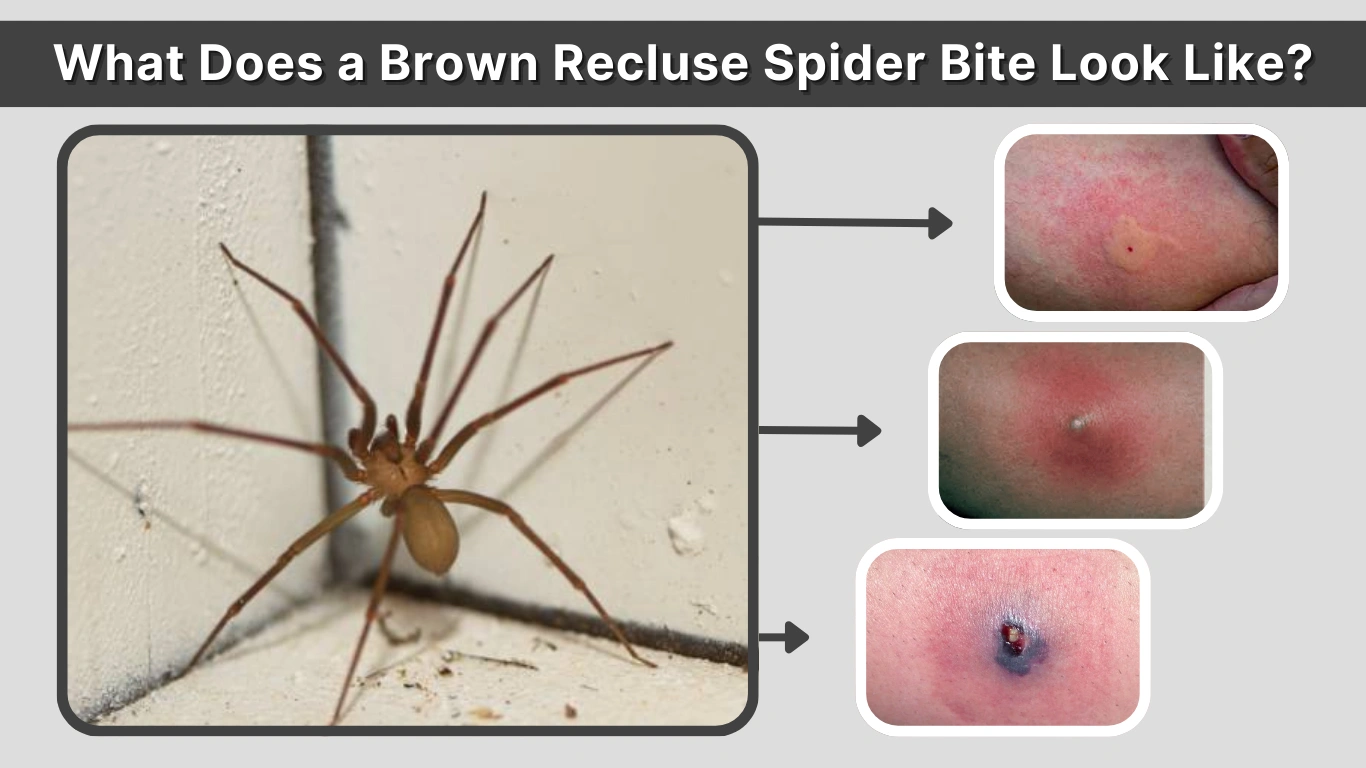
A brown recluse spider bite often causes fear because of the damage it can potentially do to the skin. However, many skin problems are wrongly blamed on this spider. Knowing what a real brown recluse bite looks like can help you react early and avoid unnecessary panic. This article explains how a brown recluse bite appears at different stages, how it changes over time, and which signs suggest a mild reaction versus a serious medical issue.
What Is a Brown Recluse Spider?
The brown recluse spider (Loxosceles reclusa) is a small, light-to-dark brown spider best known for the violin-shaped marking on its back. It prefers dark, quiet places and avoids human contact whenever possible. Despite its reputation, the brown recluse is not aggressive, and most bites happen accidentally when the spider is trapped against skin inside clothing, bedding, or stored items.
Brown recluse venom contains enzymes that can break down skin tissue and, in some cases, affect blood cells. This is why some bites remain minor while others develop into serious wounds. Because many insect bites, infections, and allergic reactions look similar, true brown recluse bites are often over-diagnosed. Visual appearance alone is not always enough for confirmation.
Where Brown Recluse Spiders Are Commonly Found
Brown recluse spiders are mainly found in the central and southern United States, though similar species exist in other parts of the world. They prefer dry, undisturbed environments such as basements, attics, closets, cardboard boxes, shoes, and behind furniture.
Most bites occur indoors when people put on clothes, roll over in bed, or handle stored items. Because these spiders hide in dark spaces, many people never see the spider that bit them, making correct identification even more difficult.
Brown Recluse Bite Identification

A real brown recluse bite often begins subtly before becoming more noticeable. Common identifying features include:
- A small red, pink, or pale bite mark
- Mild swelling around the area
- A burning, stinging, or pinprick sensation
- Development of a central blister
- A “red, white, and blue” target-like pattern
- Gradual darkening in the center of the wound
Not every bite shows all of these signs, and many remain mild without severe skin damage.
What a Brown Recluse Spider Bite Looks Like at First
Appearance in the first few hours
In the early stage, a brown recluse bite often looks unimpressive. It may appear as a tiny red spot, pale bump, or slightly irritated patch of skin. Some bites show two very small puncture marks, but this is uncommon. Swelling is usually mild, and the area may look similar to a minor mosquito or ant bite.
Early skin sensations
Many people report a mild burning, stinging, or tingling feeling shortly after being bitten. Others feel almost nothing at all. Pain is often minimal at first, which is why bites frequently go unnoticed. As venom begins to affect surrounding tissue, discomfort may slowly increase over the next several hours.
Why many bites go unnoticed
Brown recluse spiders usually bite when pressed against skin, often while someone is sleeping or getting dressed. Because the initial reaction can be painless, people may only notice the bite later when redness, swelling, or irritation begins to appear.
How a Brown Recluse Bite Changes Over 24–48 Hours

Color and texture changes
Within a day, the bite area often becomes more clearly defined. Redness may spread outward while the center turns pale, bluish, or purplish. This contrast can create the classic “bull’s-eye” or “red, white, and blue” appearance associated with brown recluse bites.
The skin may begin to feel firm, warm, or tight. Some people notice increasing tenderness or a deep aching sensation beneath the surface.
Blister and lesion development
A small blister frequently forms at the center of the bite. This blister may fill with clear or cloudy fluid and later rupture. Once broken, it can leave behind a raw, open sore. In mild cases, the blister dries and heals without major damage. In more serious cases, the surrounding tissue begins to break down.
Increasing pain and inflammation
Pain often becomes more noticeable after the first 12 to 24 hours. The area may throb, burn, or feel extremely sensitive to touch. Swelling can increase, and the surrounding skin may appear inflamed. This stage is when many people begin to suspect a spider bite rather than a simple insect sting.
Stages of a Brown Recluse Bite

A brown recluse bite typically progresses through several recognizable stages:
- Initial pale or red bump
- Formation of a blister
- Blue-purple or darkened center
- Development of an open sore
- Appearance of a black scab (dead tissue)
- Slow healing with possible scarring
Not every bite reaches the later stages. Many remain mild and heal before severe skin damage occurs.
What a Severe Brown Recluse Bite Looks Like
Necrotic wound appearance
In more serious cases, the venom destroys skin and underlying tissue, a process known as necrosis. The center of the bite may sink inward and turn dark blue, purple, or black. The wound often looks dry, cracked, or leathery, with irregular edges. This dead tissue may continue expanding for several days before stabilizing.
Signs of secondary infection
As the skin breaks down, bacteria can enter the wound. Signs of infection include thick yellow or green discharge, a strong odor, increasing redness around the bite, and warmth spreading away from the center. Swollen lymph nodes near the bite area may also occur. Infection can significantly delay healing and increase the risk of scarring.
Systemic reactions
Although uncommon, some people experience whole-body symptoms. These may include fever, chills, nausea, vomiting, headache, joint pain, or a general feeling of illness. Children, older adults, and people with weakened immune systems are more likely to develop these reactions and should seek medical care promptly.
Brown Recluse Bite vs Look-Alike Skin Conditions

Brown recluse bite vs mosquito or flea bites
Mosquito and flea bites usually appear as small, itchy bumps without blistering or skin death. They tend to heal quickly and rarely develop dark centers or open ulcers. In contrast, brown recluse bites often worsen over time rather than improving within a day or two.
Brown recluse bite vs bed bug bites
Bed bug bites often appear in clusters or straight lines and cause intense itching. They typically remain superficial and do not form deep sores or black scabs. A single, worsening lesion is more suspicious than multiple small itchy bumps.
Brown recluse bite vs staph or MRSA infections
Skin infections are one of the most common conditions mistaken for spider bites. Staph infections often start as painful, swollen, pus-filled bumps and may spread rapidly. Unlike true spider bites, no spider exposure is involved, and the lesion may respond differently to treatment.
Where on the Body Brown Recluse Bites Usually Appear
Brown recluse bites most often occur on the arms, legs, chest, back, and abdomen. They are commonly found in areas normally covered by clothing, such as under waistbands, inside sleeves, or along the torso. Because spiders are usually trapped against the skin, bites are less common on hands and feet. Many occur while sleeping or putting on stored clothes.
Healing Timeline of a Brown Recluse Bite
Mild brown recluse bites may heal within one to three weeks with only minor redness or discoloration. Moderate bites with blistering and shallow sores often take several weeks to heal and may leave light scars.
Severe necrotic wounds can take months to fully close and may require wound care, antibiotics, or even surgical treatment. Scarring is common in these cases. Healing speed depends on the amount of venom injected, the bite location, individual health, and how quickly proper care begins.
What to Do If You Suspect a Brown Recluse Bite

If you think you have been bitten, early care can help reduce complications.
- Gently clean the area with soap and water
- Apply a cold compress to reduce inflammation
- Keep the affected area elevated if possible
- Do not cut, squeeze, or attempt to drain the wound
- Take clear photos daily to track changes
- Seek medical care if pain worsens, skin darkens, or fever develops
Prompt medical evaluation is especially important for children, elderly individuals, and anyone with spreading symptoms.
How Doctors Identify a Brown Recluse Bite
Visual and symptom assessment
Doctors examine the wound’s shape, color, and progression. They consider pain level, blistering, necrosis, and whether systemic symptoms are present.
Ruling out other skin conditions
Because confirmed spider bites are rare, doctors often rule out infections, allergic reactions, and autoimmune skin disorders before diagnosing a brown recluse bite.
When medical tests are needed
Blood tests, wound cultures, or imaging may be used if infection, tissue damage, or complications are suspected.
When a Brown Recluse Bite Becomes Dangerous
A bite becomes medically serious if the skin rapidly darkens, the sore grows larger, severe pain develops, or fever and weakness appear. Any spreading ulcer, black tissue, or signs of infection require professional care. Delayed healing beyond a few weeks is also a warning sign.
FAQs
What does a brown recluse spider bite look like in the beginning?
In the early stage, a brown recluse bite often looks like a small red, pink, or pale spot with mild swelling. It may resemble a simple insect bite. Many people feel little or no pain at first, which is why the bite frequently goes unnoticed during the first few hours.
Does a brown recluse bite always turn black?
No. Most brown recluse bites remain mild and never develop black or necrotic tissue. Dark centers usually appear only in more serious cases where the venom damages skin cells. Many bites heal with simple redness and irritation without forming open sores or scabs.
How long does it take for symptoms to appear?
Symptoms may begin within a few hours but often become noticeable after 12 to 24 hours. Redness, blistering, and pain typically increase during the first two days. Severe skin changes, if they occur, usually develop gradually over several days.
Can a brown recluse bite look like a pimple?
Yes. Early brown recluse bites can resemble pimples, ingrown hairs, or small boils. As time passes, however, true recluse bites often blister, change color, and worsen instead of quickly healing like ordinary skin bumps.
How can you confirm a brown recluse bite?
Definitive confirmation is difficult unless the spider is seen and identified. Doctors rely on wound appearance, symptom progression, and ruling out other causes such as infections. Because many conditions mimic spider bites, medical evaluation is important before assuming a brown recluse bite.
