
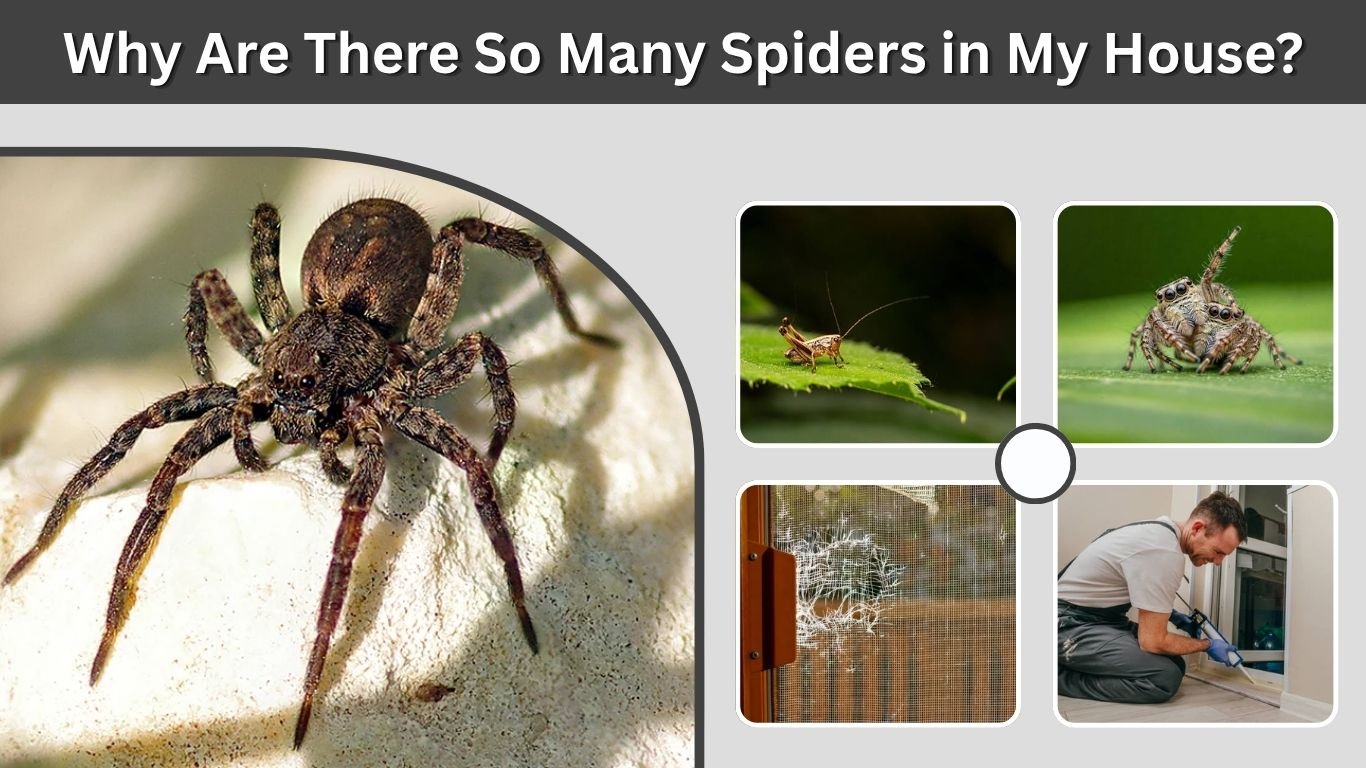
Finding several spiders crawling across your floors, walls, or ceilings can make you wonder why your home suddenly attracts so many of them. Spiders usually appear indoors because they have access to insects, hiding places, and suitable living conditions. Seasonal activity, open entry points, and newly hatched spiderlings can also explain an unexpected increase. Although most household spiders are harmless, their growing numbers can become frustrating. Understanding why there are so many spiders in your house can help you identify the causes and prevent future problems.
Why Are There So Many Spiders in My House? 8 Common Reasons
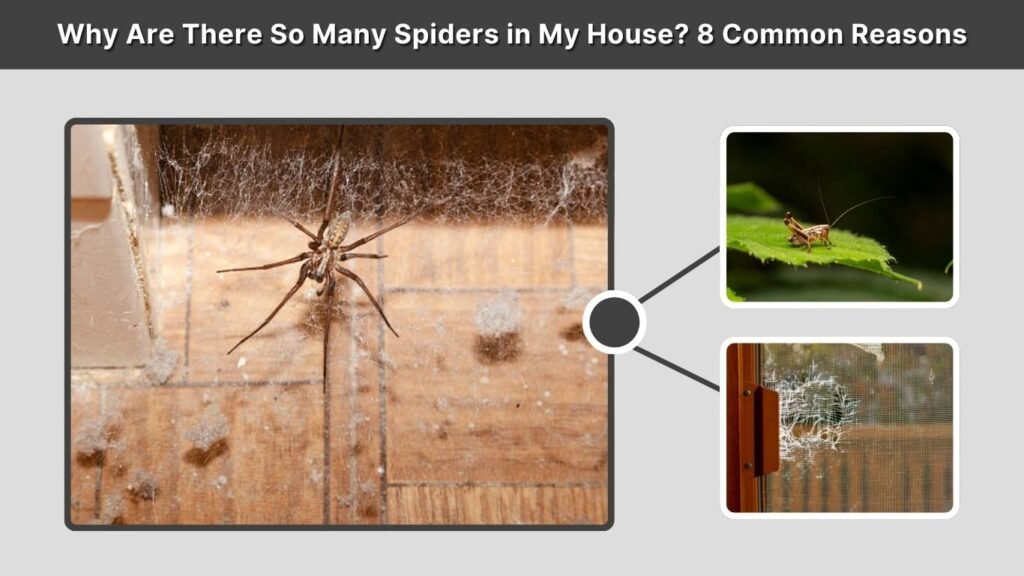
Spiders do not usually gather inside homes without a reason. Their presence often indicates available food, suitable shelter, or easy access from outdoors. Some spiders have lived indoors for months without being noticed. Others become more visible during certain seasons. Here are eight common reasons you might be seeing more spiders throughout your house.
1. Plenty of Insects to Eat
Spiders are natural predators that feed on flies, mosquitoes, moths, ants, and other small creatures. A house with abundant insects can provide a reliable food supply.
If you frequently notice spiders around windows, kitchens, or outdoor entrances, they may be hunting insects attracted to those areas. Reducing indoor insect populations can also discourage spiders from staying.
2. Seasonal Spider Activity
Spider sightings often increase during certain months because mature males begin searching for females. This behavior is especially noticeable among some common house spiders during late summer and autumn.
In spring, emerging spiderlings may also become more noticeable. Seasonal changes in spider activity can make a normal household population appear much larger than before.
3. Small Openings Around Your House
Spiders can enter through narrow cracks, damaged window screens, poorly sealed doors, and gaps around plumbing.
Ground-dwelling species, including wolf spiders, may wander through spaces beneath exterior doors.
Even newer houses can have small openings around utility connections and construction joints. These entry points allow spiders and their insect prey to move indoors.
4. Cluttered and Undisturbed Spaces
Spiders prefer locations where they can remain hidden and avoid frequent disturbances. Closets, storage rooms, basements, and garages commonly provide these conditions.
Cardboard boxes, stacked belongings, and furniture create protected hiding places.
When these areas remain undisturbed for long periods, spiders may establish webs, hunt insects, and reproduce without being noticed.
5. Spider Eggs Hatching Indoors
If you suddenly discover dozens of tiny spiders, an egg sac may have hatched nearby. Female spiders produce silk-covered egg sacs containing multiple eggs.
After hatching, spiderlings may spread across walls, ceilings, or surrounding furniture.
A sudden appearance of baby spiders does not necessarily mean that many adult spiders entered your house.
6. Moisture and Humidity
Damp basements, bathrooms, laundry rooms, and crawl spaces may provide suitable conditions for certain spiders and the insects they eat.
Moisture can support populations of small insects and other arthropods, creating more hunting opportunities.
Fixing leaks, improving ventilation, and reducing unnecessary moisture can make these areas less favorable for some household spiders.
7. Gardens and Vegetation Near Windows
Dense plants, shrubs, tall grass, and garden beds can support many outdoor spider species.
When vegetation grows close to windows, doors, or exterior walls, spiders have more opportunities to wander toward indoor openings.
Outdoor lighting may also attract insects, which can encourage spiders to hunt near entrances.
8. Changes Around Your Home
Construction, landscaping, moving stored objects, and disturbing outdoor vegetation can temporarily increase spider sightings.
Spiders living beneath rocks, woodpiles, or garden materials may move when their habitats are disturbed.
Renovation work can also expose previously hidden indoor spiders, making them suddenly more visible.
Why Are There Suddenly So Many Spiders in My House?
A sudden increase in spiders can be surprising, particularly when your house previously seemed almost spider-free. However, it does not always mean a new infestation has developed. Seasonal behavior, reproduction, and environmental changes can explain why more spiders become visible over a short period.
Seasonal Mating Activity
Many spider species become easier to spot when mature males begin wandering in search of mates.
This explains why some homeowners notice several large spiders during late summer or autumn. The spiders may have been living in hidden spaces before becoming active.
Newly Hatched Spiderlings
Finding many tiny spiders together often suggests that an egg sac recently hatched.
These spiderlings may gather temporarily before dispersing into nearby spaces. Most will not survive to adulthood, particularly when suitable prey and shelter are limited.
Why Are There So Many Different Types of Spiders in My House?
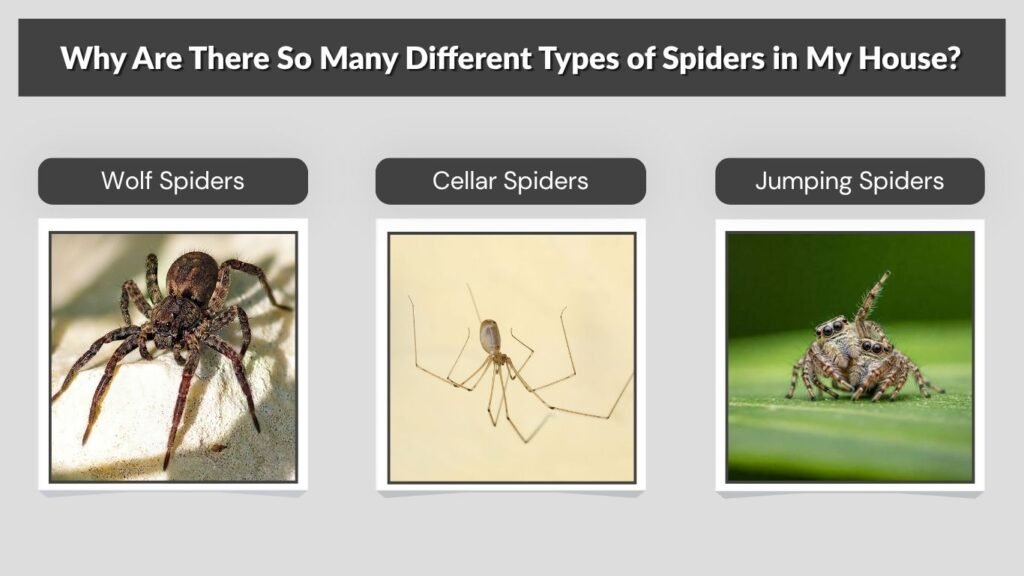
Not all spiders behave the same way indoors. Some actively hunt insects, while others build webs in sheltered corners. Their different habits can explain why certain species appear repeatedly in particular rooms. Identifying the general spider type helps determine whether it is entering from outdoors or living inside.
Why Are There So Many Wolf Spiders in My House?
Wolf spiders are active hunters commonly found in gardens, grassy areas, and beneath outdoor debris.
They may enter through ground-level openings, particularly when landscaping disturbs their habitat. Their large bodies and quick movements make them noticeable on floors, especially in garages and basements.
Why Are There So Many Jumping Spiders in My House?
Jumping spiders hunt insects using excellent vision rather than building prey-catching webs.
They frequently explore sunny walls, window frames, and indoor plants. Homes with accessible windows and small insect populations may attract these active hunters.
Most jumping spiders are harmless to people.
Why Are There So Many Cellar Spiders in My House?
Cellar spiders are long-legged spiders commonly found in basements, bathrooms, garages, and ceiling corners.
They construct irregular webs and may remain indoors throughout their lives.
If several cellar spiders appear in one room, the area may provide adequate prey and undisturbed places for their webs.
Why Are There So Many Grass Spiders in My House?
Grass spiders usually live outdoors in lawns, shrubs, and low vegetation, where they construct funnel-shaped sheet webs.
They occasionally wander indoors through doors or ground-level openings.
Frequent sightings near entrances may indicate nearby outdoor spider activity rather than a breeding population inside your home.
Why Are There So Many Big or Huntsman Spiders in My House?
Large spiders can appear particularly alarming because of their size and speed.
Huntsman spiders, found in many warm regions, may enter buildings while searching for prey. Their flattened bodies allow them to hide behind furniture and other narrow spaces.
In areas without huntsman spiders, large wolf spiders or house spiders may explain similar sightings.
Why Are There So Many Small or Baby Spiders in My House?
Small spiders may be immature individuals or naturally tiny adult species. Several appearing together could indicate a recently hatched egg sac. However, scattered sightings in different rooms may involve multiple species already living indoors.
Common signs associated with spider reproduction include:
- Clusters of tiny spiders gathering near walls or ceilings.
- Silk-covered egg sacs attached to sheltered surfaces.
- Small spiders dispersing from closets, corners, or storage areas.
- Adult spiders occupying nearby webs or hiding places.
Harvestmen, sometimes called daddy longlegs, are also frequently mistaken for spiders. They belong to a different arachnid order and do not produce silk or build webs.
How to Get Rid of Too Many Spiders in Your House
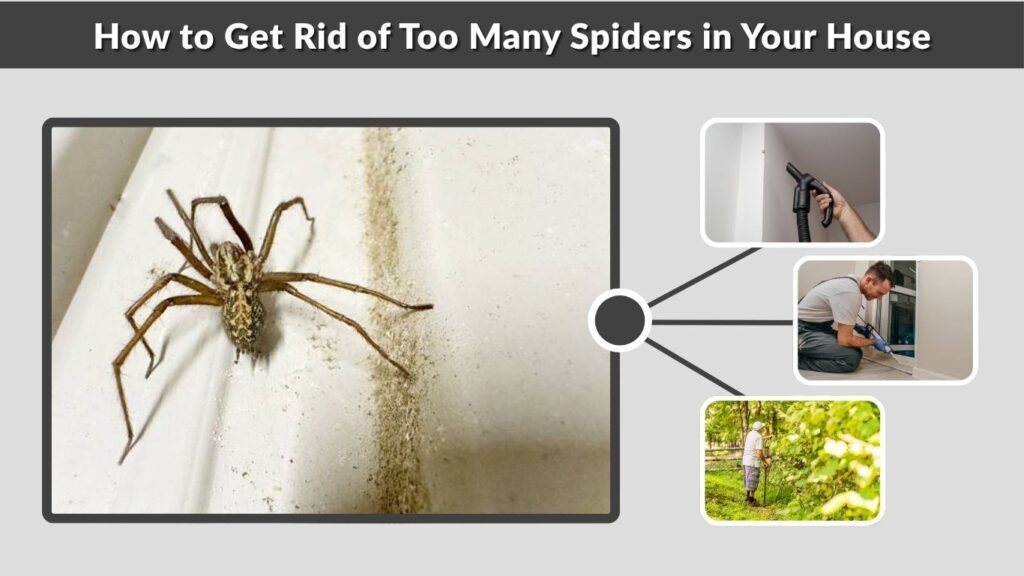
Reducing spider numbers requires addressing both the spiders and the conditions supporting them. Removing individual spiders may help temporarily, but food availability and accessible hiding places can encourage new activity.
The following methods can help manage household spiders:
- Seal entry points: Repair cracks, install door sweeps, and replace damaged window screens.
- Control household insects: Reduce flies, moths, ants, and other potential spider prey.
- Vacuum regularly: Remove accessible webs, egg sacs, and spiders from corners and storage areas.
- Organize clutter: Reduce unnecessary cardboard boxes and undisturbed storage spaces.
- Manage outdoor vegetation: Trim plants touching exterior walls and remove debris near entrances.
- Fix moisture problems: Repair leaks and improve ventilation in damp areas.
- Remove individual spiders: Use a container to capture and relocate harmless spiders when practical.
If potentially dangerous spiders are repeatedly found, consider professional identification and targeted pest management rather than indiscriminate pesticide spraying.
FAQs
1. Why are there so many spiders in my house lately?
Recent increases in spider sightings may result from mating activity, newly hatched spiderlings, available insects, or disturbed hiding places. Seasonal changes can also influence spider movement. Inspecting entry points and reducing indoor insects may help limit their numbers.
2. Why are there so many spiders in my new house?
New houses can contain spiders because construction disturbs surrounding habitats and creates temporary openings. Spiders may also arrive inside moving boxes, furniture, or plants. Inspecting these items and sealing structural gaps can help prevent additional visitors.
3. Why are there so many black spiders in my house?
Several unrelated spider species have dark bodies, including some house spiders and jumping spiders. Their presence may reflect suitable shelter or available prey. Color alone cannot reliably identify a species or determine whether it is dangerous.
4. Does having many spiders mean my house is dirty?
Not necessarily. Spiders can live in clean, well-maintained homes whenever insects and suitable hiding places are available. However, excessive clutter and neglected storage areas can make it easier for spiders to remain hidden and establish themselves.
5. Why are there so many spiders in my house during spring?
Spring spider activity may increase as young spiders emerge from egg sacs and outdoor populations become more active. Warmer conditions can also increase insect availability. The exact timing varies depending on spider species and local climate.
