
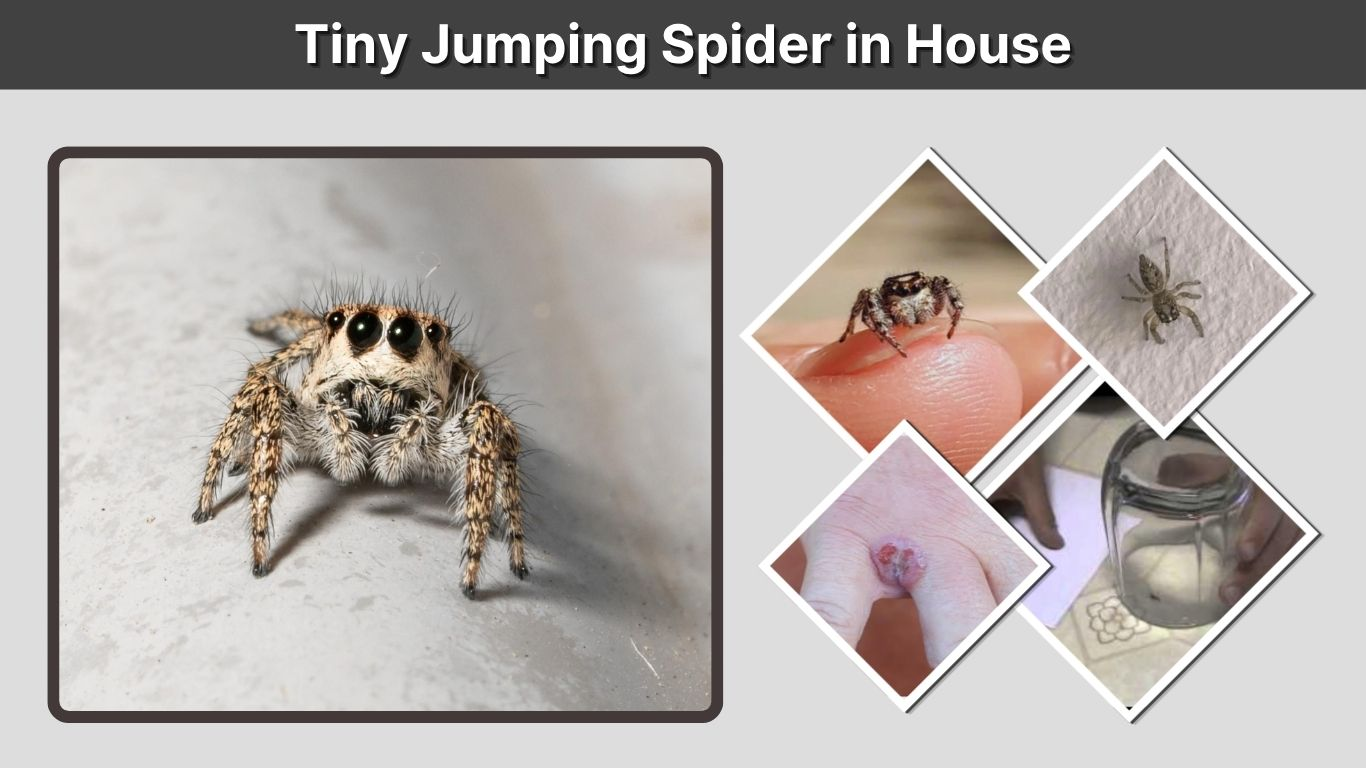
Finding a tiny jumping spider in your house can be surprising, especially when it suddenly hops across a wall, window, ceiling, or piece of furniture. The good news is that jumping spiders are usually harmless, helpful predators that eat small insects. Whether the spider is brown, black, fuzzy, or patterned, it is most likely an occasional indoor visitor rather than a dangerous pest.
What Is a Tiny Jumping Spider?
A tiny jumping spider is usually a small spider from the jumping spider family, Salticidae. These spiders are known for their excellent eyesight, compact bodies, and quick jumping movement. Unlike many spiders that wait in webs, jumping spiders actively hunt insects by stalking and pouncing on them.
They are often seen during the day because they rely heavily on vision. If you notice a small spider that stops, looks around, turns toward movement, and then jumps, it is probably a jumping spider.
Common Signs You Found One
A jumping spider in the house may look different depending on the species, age, and lighting. Some are black with white spots, some are brown or tan, and others have gray, orange, or metallic markings.
Common features include:
- A small, compact body
- Large front-facing eyes
- Short, quick movements
- A fuzzy or hairy appearance
- The ability to jump short distances
- A habit of turning toward people or movement
- Little or no visible web for catching prey
They may look “curious” because of their large eyes and alert behavior, but they are not trying to attack you.
Why Is There a Tiny Jumping Spider in Your House?
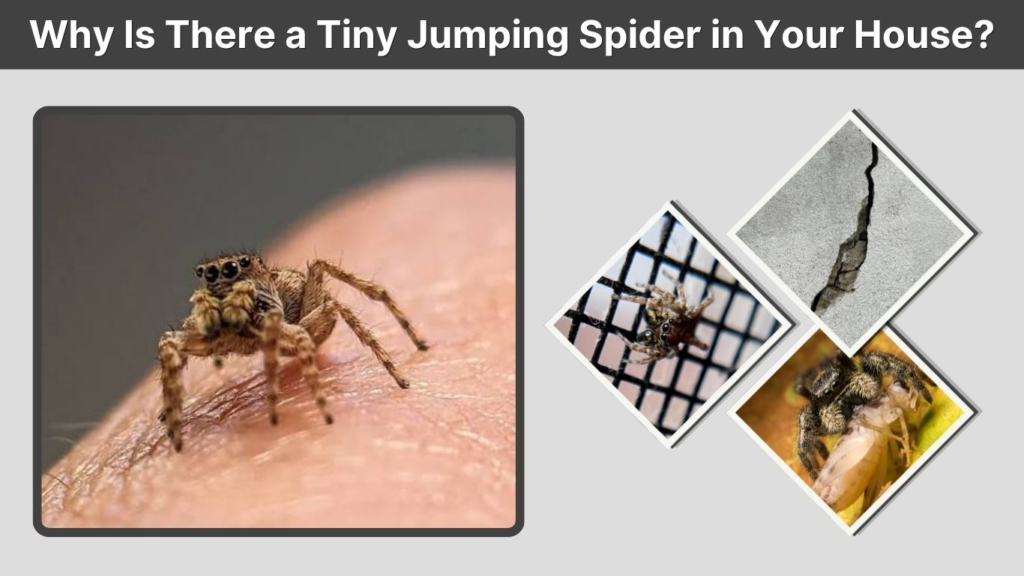
A tiny jumping spider usually enters a house by accident. It may come in through a door, window, crack, vent, plant pot, firewood, or box from outside. Sometimes it enters while following prey such as flies, gnats, mosquitoes, or other small insects.
Jumping spiders are often found near windows because windows attract light, warmth, and flying insects. They may also appear on sunny walls, ceilings, kitchen counters, bathrooms, basements, garages, and indoor plants.
Does One Jumping Spider Mean an Infestation?
Seeing one tiny jumping spider does not usually mean you have an infestation. Jumping spiders are solitary hunters, not colony insects like ants or termites. They do not gather in large social groups, and they do not damage wood, fabric, food, or furniture.
However, seeing many spiders indoors may mean your home has plenty of small insects for them to eat. In that case, the spider is not the main problem. The real issue may be flies, gnats, pantry pests, moisture-loving insects, or gaps that allow bugs to enter.
Tiny Brown Jumping Spider in House
A tiny brown jumping spider in the house is common and usually harmless. Many young jumping spiders appear tan, light brown, gray-brown, or dark brown. Some adult species are also naturally brown or have brown markings.
People often worry when they see a brown spider indoors because they think of brown recluse spiders. However, a brown jumping spider is very different from a brown recluse.
How to Identify a Tiny Brown Jumping Spider
A tiny brown jumping spider may have:
- A round or compact body
- Brown, tan, gray, or striped markings
- Fuzzy legs
- Large front-facing eyes
- Short bursts of movement
- Quick jumps when hunting or escaping
If the spider jumps and appears to look at you, it is much more likely to be a jumping spider than a brown recluse. Brown recluse spiders do not jump like jumping spiders. They are more reclusive, flatter-looking, and usually hide in dark, undisturbed areas.
Should You Be Worried About a Brown One?
In most cases, no. A brown jumping spider is not considered dangerous to people. Jumping spiders can bite if trapped or pressed against the skin, but they usually avoid people. Their venom is designed for tiny insect prey, not humans.
If you are unsure whether the spider is a harmless jumping spider or another brown spider, avoid touching it with bare hands. Use a cup and paper to move it outside safely.
Tiny Black Jumping Spider in House
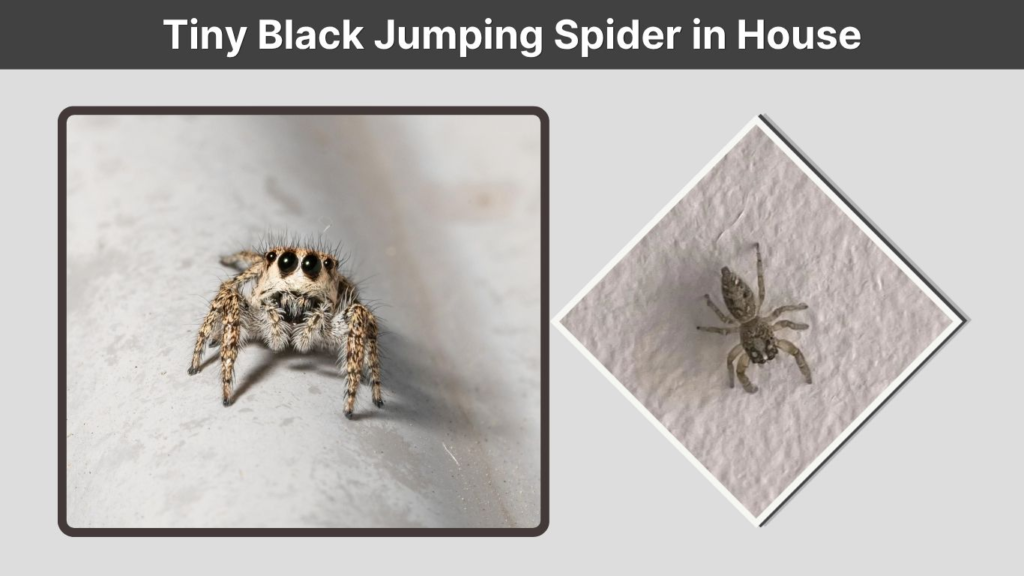
A tiny black jumping spider in the house may be one of the most recognizable types. Some black jumping spiders have white spots, stripes, or bright-colored mouthparts. The bold jumping spider, for example, is commonly noticed in North America and is often black with pale markings.
Why Black Jumping Spiders Are Common Indoors
Black jumping spiders may wander inside while searching for prey or shelter. They are often seen around:
- Windowsills
- Door frames
- Porch areas
- Garage walls
- Basements
- Indoor plants
- Bright rooms with insects
Their dark color may make them look more intimidating, but black jumping spiders are usually not dangerous. Their quick movement is a hunting strategy, not aggression toward humans.
Are Tiny Jumping Spiders Dangerous?
Tiny jumping spiders are not considered dangerous to most people. They are generally beneficial because they eat small insects. Washington State University notes that jumping spiders are compact, active spiders often found on windowsills, ceilings, outside walls, and foundations, and they hunt by advancing toward prey and pouncing instead of using webs to catch prey.
Most jumping spiders would rather escape than bite. They may jump away, hide, or raise their front legs defensively if frightened.
Can a Tiny Jumping Spider Bite?
Yes, a jumping spider can bite, but bites are uncommon. A bite is more likely if the spider is squeezed, trapped in clothing, or handled roughly. Healthline notes that jumping spiders are not dangerous to humans and usually bite only when threatened or crushed.
A bite from a small jumping spider may cause mild symptoms such as redness, itching, swelling, or a small bump. For most people, symptoms are minor and fade without serious problems.
What Does a Jumping Spider Bite Look Like?
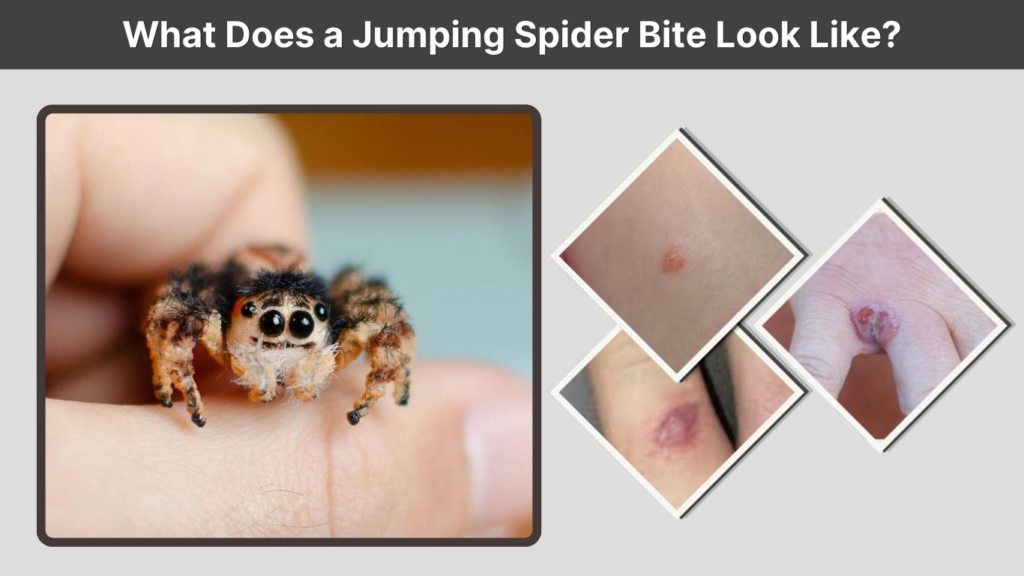
A jumping spider bite may look similar to a mosquito bite or mild insect sting. It may appear as a small red bump, sometimes with slight swelling or tenderness. Some people may not notice any symptoms at all.
Mayo Clinic explains that harmless spider bites often look like other bug bites, such as red, inflamed, itchy, or painful bumps, and many skin sores can have causes other than spider bites.
When to Seek Medical Help
Get medical advice if symptoms are severe, spreading, or unusual. Warning signs include:
- Severe pain
- Increasing redness or swelling
- Pus or signs of infection
- Fever or chills
- Dizziness
- Nausea
- Trouble breathing
- Swelling of the face or throat
- A wound that gets worse instead of better
These symptoms are not typical of a tiny jumping spider bite and may indicate another problem.
Why Do Jumping Spiders Jump?
Jumping spiders jump because they are active hunters. Instead of trapping prey in sticky webs, they use their vision to locate insects, slowly stalk them, and then leap. Before jumping, they may attach a thin silk line as a safety anchor.
They can also jump to escape danger. If you try to touch or capture one, it may leap away suddenly. This can make the spider seem aggressive, but it is usually just trying to avoid harm.
Do They Build Webs?
Jumping spiders produce silk, but they do not usually build large prey-catching webs like orb-weavers or house spiders. Instead, they may create small silk retreats where they rest, hide, molt, or lay eggs.
You may find a tiny silk shelter in a corner, crack, plant, curtain fold, or window frame. This does not necessarily mean you have a spider infestation.
Where Tiny Jumping Spiders Hide Indoors
Jumping spiders prefer areas where they can find insects and light. They are often active during the day and may rest in hidden places at night.
Common indoor hiding spots include:
- Window tracks
- Curtain folds
- Door frames
- Wall corners
- Houseplants
- Bookshelves
- Storage boxes
- Ceiling corners
- Basement walls
- Garage shelves
They may also appear near lamps because small flying insects are attracted to light.
How to Remove a Tiny Jumping Spider Safely
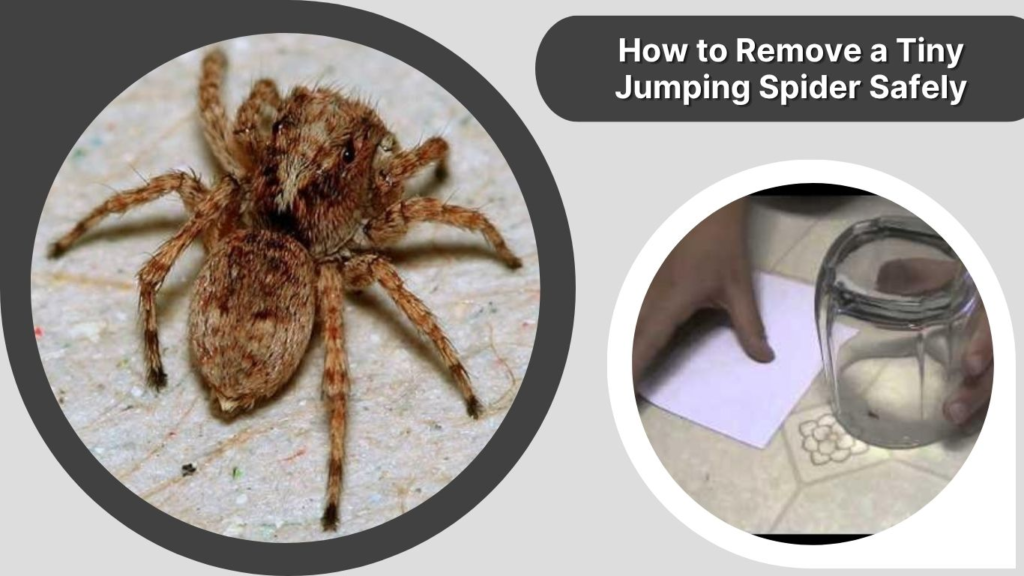
You usually do not need to kill a tiny jumping spider. Since it helps control insects, the best option is to relocate it outdoors.
Safe Removal Method
Use this simple method:
- Place a clear cup or container over the spider.
- Slide a piece of paper or cardboard under the cup.
- Carry it outside carefully.
- Release it near plants, a fence, or a sheltered outdoor area.
Avoid grabbing the spider with your fingers. Even harmless spiders may bite if squeezed.
Should You Vacuum It?
You can vacuum spiders if necessary, but relocation is usually better for a single jumping spider. Vacuuming is more useful if you are cleaning webs, egg sacs, dead insects, or dusty corners.
How to Prevent Jumping Spiders in the House
Jumping spiders come indoors mainly because they find insects or easy entry points. Prevention works best when you reduce both.
Seal Entry Points
Check for small openings around:
- Windows
- Doors
- Vents
- Utility pipes
- Foundation cracks
- Garage doors
- Screen tears
Use caulk, weatherstripping, or mesh screens where needed.
Reduce Insects Indoors
Because jumping spiders eat insects, fewer insects usually means fewer spiders. Keep food sealed, clean up crumbs, empty trash regularly, fix moisture problems, and use screens to keep flies and gnats out.
Clean Spider-Friendly Areas
Focus on quiet areas where insects and spiders may hide. Vacuum corners, windowsills, storage areas, basements, and garages. Move clutter away from walls and inspect boxes or plants before bringing them indoors.
Tiny Jumping Spider on Bed, Wall, or Ceiling
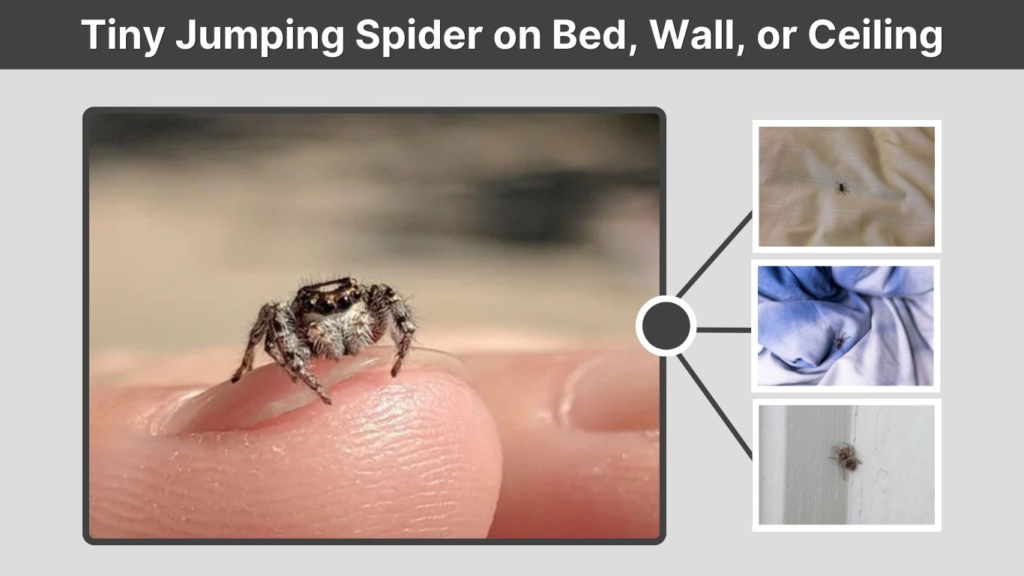
Finding a jumping spider on your bed can feel uncomfortable, but it does not mean the spider is trying to bite you. It may have wandered there while hunting or escaping.
If you see one on your bed, gently relocate it and shake out bedding. Then check nearby windows, curtains, plants, or lights that may be attracting insects.
A jumping spider on the wall or ceiling is even more common. These areas give them a good hunting position and access to small flies or gnats.
Are Tiny Jumping Spiders Good for the House?
In many ways, yes. Jumping spiders are natural pest controllers. Colorado State University Extension notes that spiders are often important biological controls of insect pests in homes, gardens, fields, and forests.
That does not mean you have to keep them indoors, especially if they bother you. But it does mean they are usually a helpful sign of natural insect control rather than a serious threat.
Tiny Jumping Spider vs Baby Spider
A tiny jumping spider may be a small adult species or a young spider. Baby jumping spiders often look paler, smaller, and less boldly marked than adults. They can still jump and hunt on their own.
If you see many tiny spiders together, especially near a silk sac, they may have recently hatched. Jumping spider egg sacs are usually hidden in silk retreats. If this happens indoors, you can vacuum the area or carefully remove the sac and spiders outside.
FAQs
Why do I keep seeing tiny jumping spiders in my house?
You may keep seeing tiny jumping spiders because your home has small insects, open entry points, or warm sunny spots near windows. They usually come indoors by accident while hunting. If you see several, focus on sealing gaps and reducing flies, gnats, and other small prey.
Is a tiny brown jumping spider in the house dangerous?
A tiny brown jumping spider is usually not dangerous. Brown coloring alone does not mean it is a brown recluse. If the spider has a compact body, large front-facing eyes, and jumps, it is likely a harmless jumping spider. Avoid handling it directly and relocate it outside.
Is a tiny black jumping spider poisonous?
Tiny black jumping spiders have venom for catching insects, but they are not considered dangerous to most people. They rarely bite unless trapped or squeezed. If a bite happens, symptoms are usually mild, such as slight redness, itching, or swelling.
Should I kill a tiny jumping spider in my house?
You usually do not need to kill it. Jumping spiders eat small insects and are beneficial predators. The best option is to capture the spider with a cup and paper, then release it outside near plants or a sheltered area.
Can jumping spiders infest a house?
Jumping spiders do not infest houses like ants, roaches, or termites. They are solitary hunters. However, seeing many may mean there are insects attracting them indoors. Cleaning, sealing gaps, fixing screens, and reducing indoor insects can help prevent more from appearing.
