Sheet Web Spider: Identification, Web, Bite, and Facts
A sheet web spider is recognized primarily by the flat or slightly curved sheet of silk it builds to capture insects. The name does not … Read More
The feather-legged spider, commonly called the feather-legged lace weaver, is a small and unusually shaped spider scientifically known as Uloborus plumipes. Its most recognizable feature … Read More
Identifying a spider can be difficult because many species share similar colors, markings, and body shapes. A spider identification chart makes the process easier by … Read More
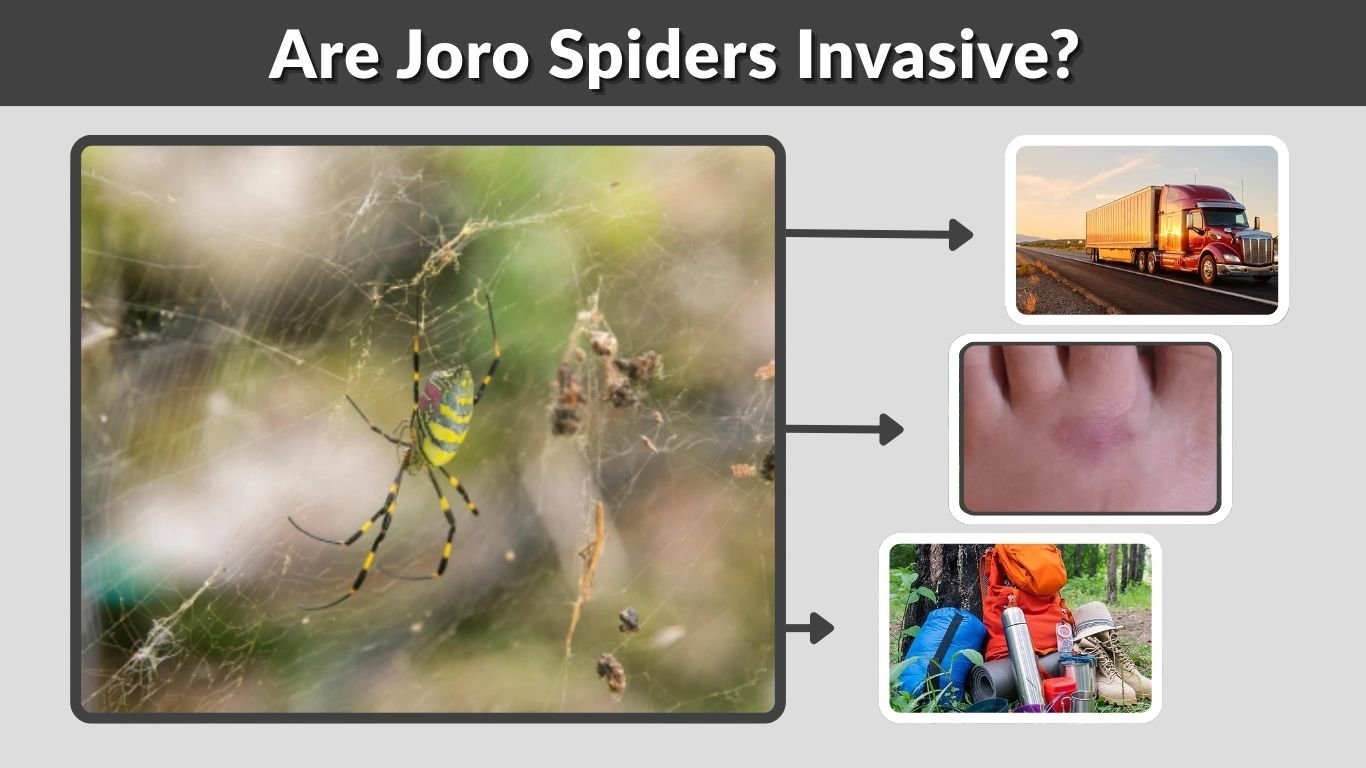
The Joro spider (Trichonephila clavata) has attracted attention because of its bright colors, extremely large webs, and impressive size. Although headlines sometimes describe them as … Read More
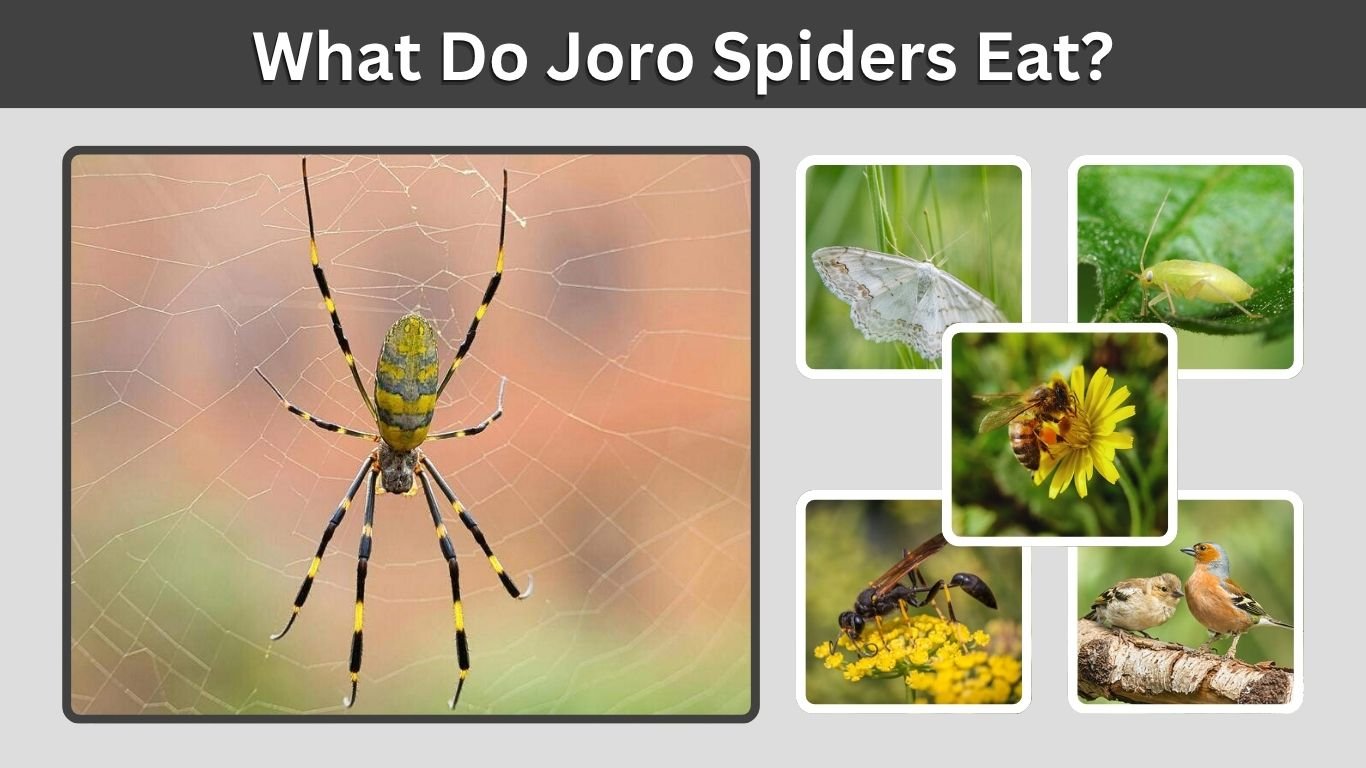
Joro spiders are large orb-weaving spiders that depend mainly on flying insects for food. Their enormous golden webs act as effective traps for mosquitoes, flies, … Read More
The large size and bright coloration of the Joro spider (Trichonephila clavata) can make it look intimidating, especially when an adult female is sitting in … Read More
Yes, Joro spiders are venomous, but their venom is not considered medically significant to humans or pets. They use it to immobilize insects captured in … Read More
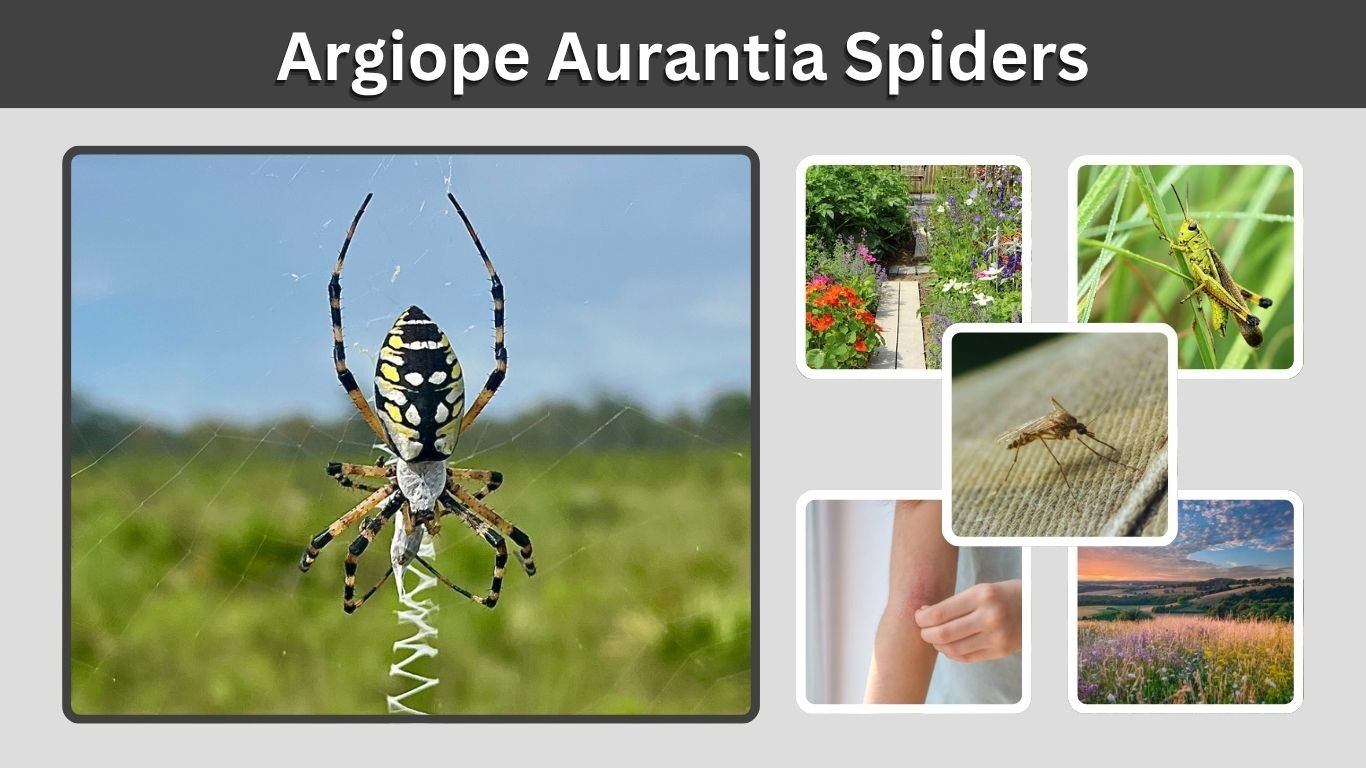
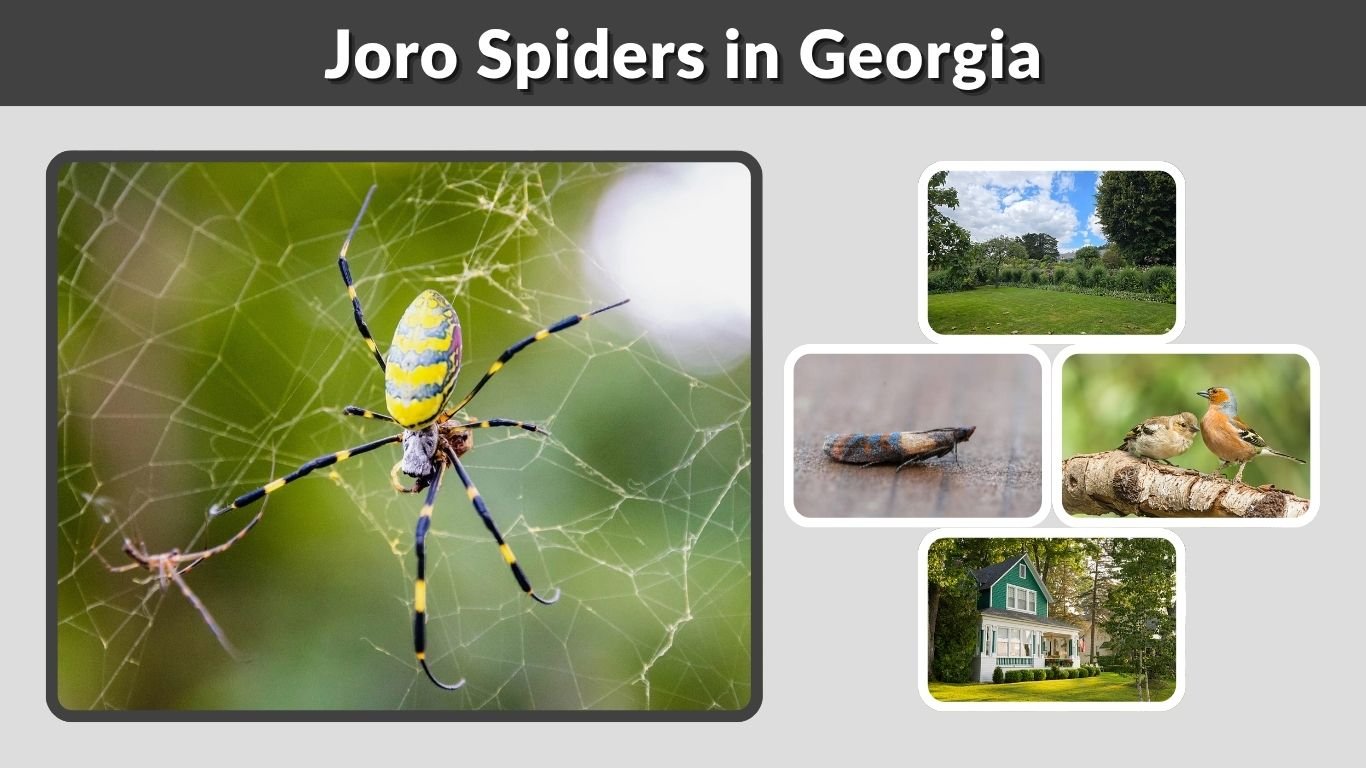
Joro spiders and yellow garden spiders are large, colorful orb-weavers commonly seen in Georgia and other parts of the southeastern United States. Both have yellow-and-black … Read More
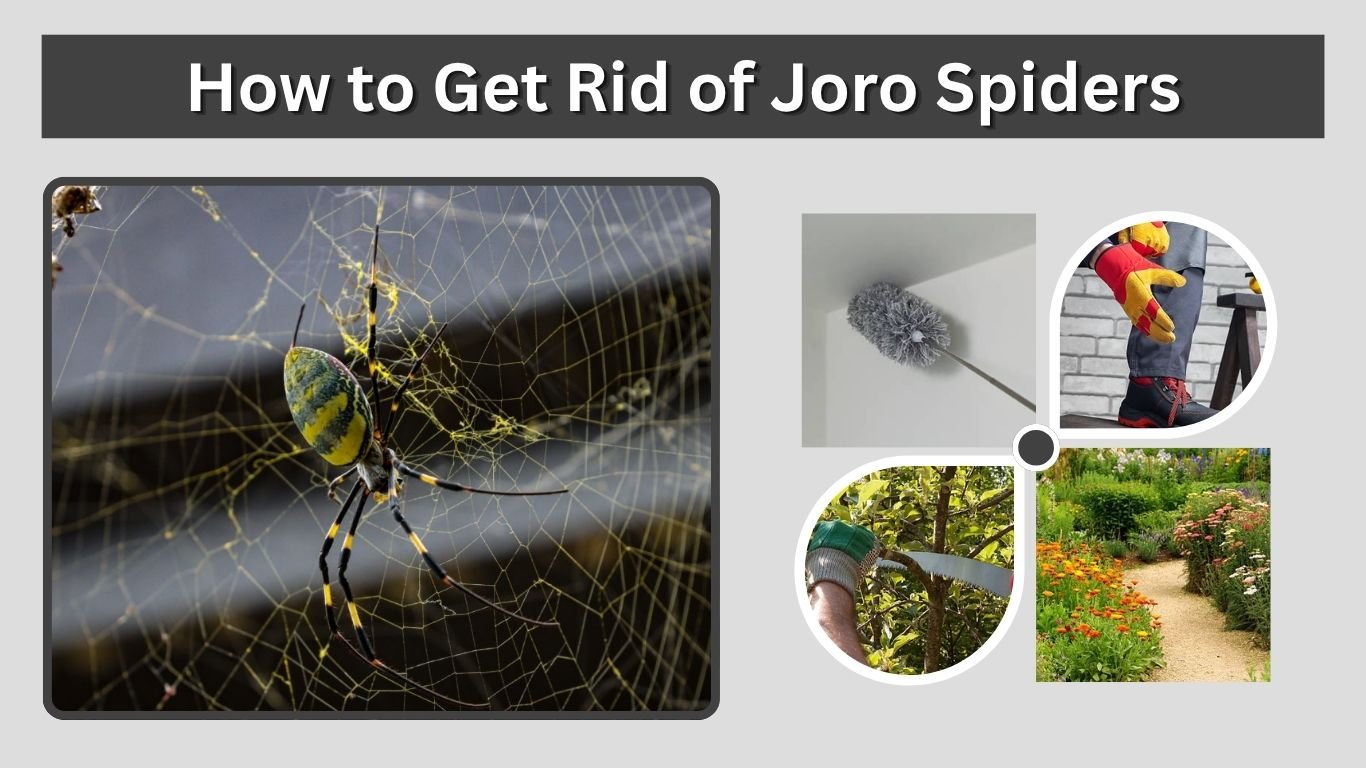
You usually do not need to kill every Joro spider you find. These large orb-weavers are timid, rarely bite, and help reduce insect numbers. However, … Read More
A large black spider may be a wolf spider, fishing spider, Joro spider, yellow garden spider, or another harmless species. Color alone is rarely enough … Read More