
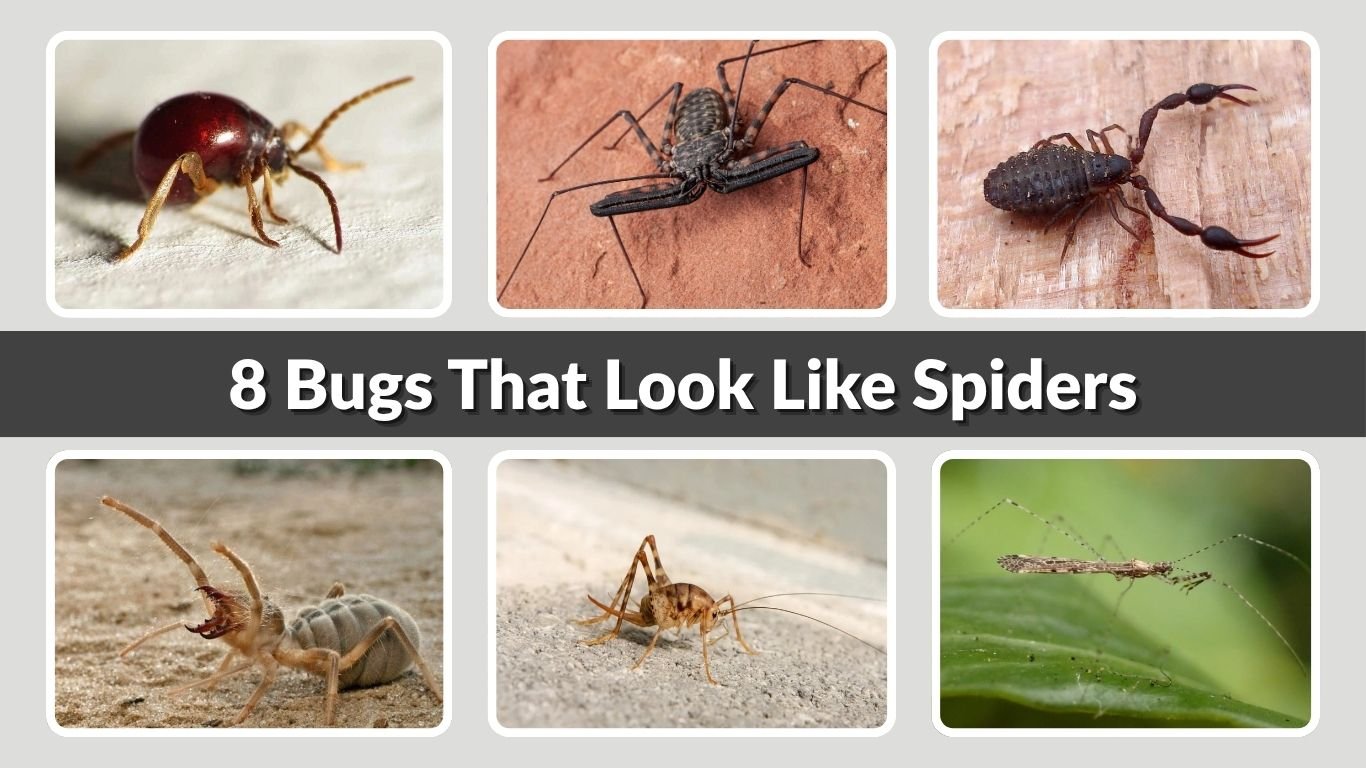
Many insects and arachnids are mistaken for spiders because they have long legs, rounded bodies, fast movements, or unusual hunting behavior. However, several of these creatures are beetles, true bugs, crickets, or other types of arachnids. Some are harmless household visitors, while others are beneficial predators that help control pests. This guide covers eight bugs that look like spiders, including spider beetles, harvestmen, camel spiders, pseudoscorpions, and thread-legged bugs, with details about their identification, habitat, diet, and safety.
1. Spider Beetle
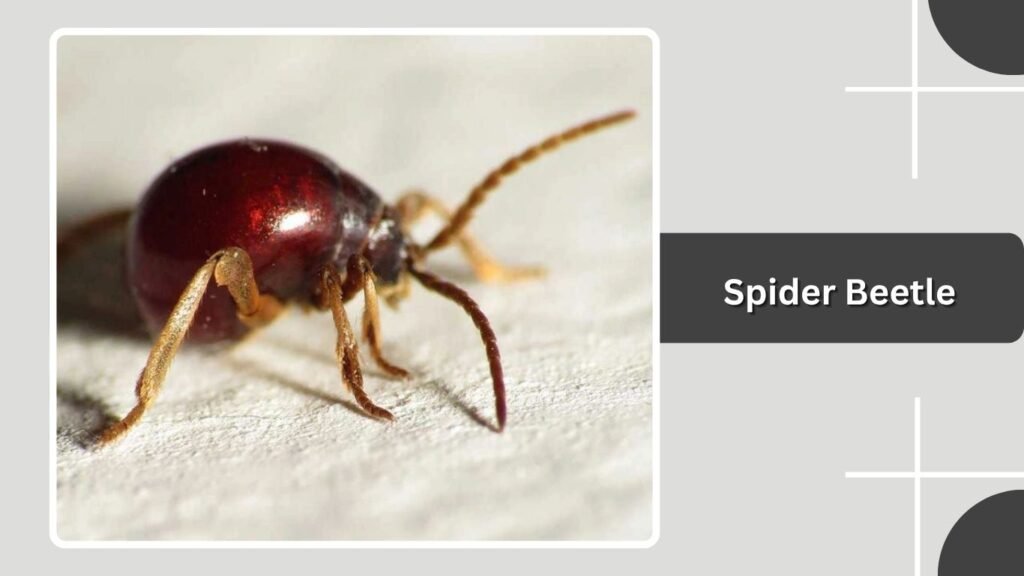
Spider beetles are tiny household pests that are often mistaken for spiders because of their rounded bodies and long, thin legs. However, they are true beetles and belong to the family Ptinidae. These insects commonly infest stored food, animal products, and dark, undisturbed areas inside homes.
Identification
Spider beetles are usually 1.5 to 5 millimeters long. They have shiny, oval, or rounded bodies with long legs and antennae. Their colors range from reddish-brown to dark brown or nearly black. Unlike spiders, spider beetles have six legs, two antennae, and a hard outer shell. Their small head may be partly hidden beneath the body, making them appear even more spider-like.
Habitat
These beetles prefer dark, quiet, and slightly humid places. They may hide inside cupboards, wall cavities, attics, basements, bird nests, and rodent nests. Spider beetles are often found in older buildings where food crumbs or organic debris have accumulated. They are mostly active at night and usually remain hidden during the day.
Diet
Spider beetles feed on many dry and stored materials. Common food sources include flour, cereals, dried fruit, spices, seeds, pet food, wool, feathers, dead insects, and animal droppings. Their ability to survive on different organic materials allows them to remain unnoticed for long periods.
Control and Prevention
Discard any heavily infested food and thoroughly clean cupboards, shelves, cracks, and storage areas. Keep dry foods in airtight containers and regularly vacuum food crumbs and debris. Repair rodent or bird entry points because abandoned nests can support infestations. Large or recurring infestations may require treatment by a licensed pest-control professional.
2. Harvestman
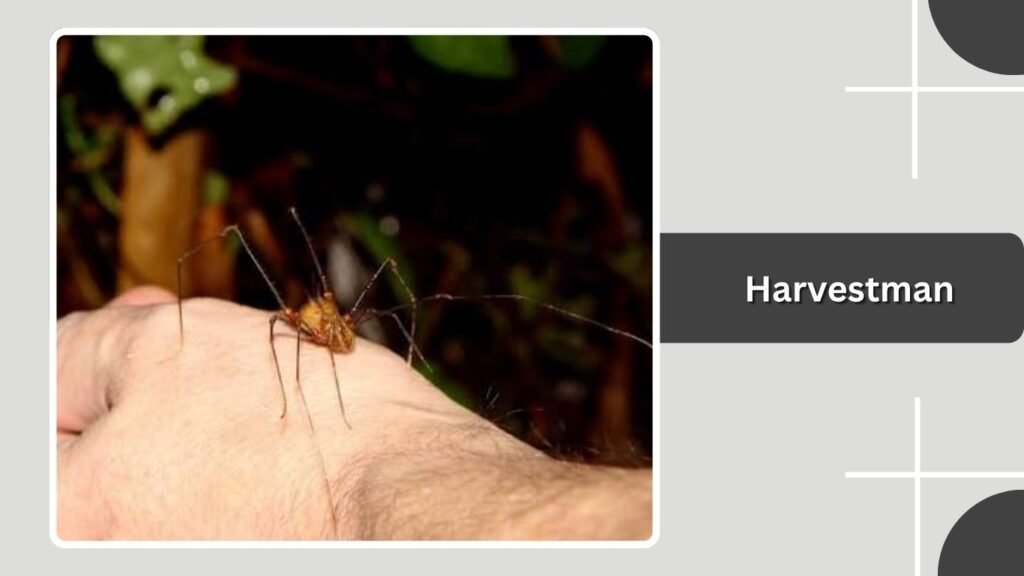
Harvestmen are long-legged arachnids commonly mistaken for spiders. They are often called daddy longlegs, although that name is also used for crane flies and cellar spiders. Harvestmen belong to the order Opiliones and are generally harmless to people.
Identification
Harvestmen usually have a small, rounded body and eight extremely long, thin legs. Unlike true spiders, their body appears to consist of one fused section rather than two clearly separated parts. They do not produce silk, build webs, or possess venom glands. Their colors are commonly brown, gray, black, or reddish-brown, which helps them blend into soil, bark, and leaf litter.
Habitat
These arachnids prefer damp, shaded environments. They are commonly found under logs, rocks, garden pots, fallen leaves, tree bark, and inside sheds or basements. Harvestmen may gather in large groups in protected places, especially during cool or dry weather. They are usually more active at night when humidity levels are higher.
Diet
Harvestmen are omnivorous scavengers. They feed on small insects, insect eggs, decaying plants, fungi, dead animals, and organic debris. Some species may also consume live soft-bodied prey such as aphids or tiny larvae. Their feeding habits can benefit gardens by helping remove decaying matter and reducing certain pest populations.
Safety and Control
Harvestmen do not bite people under normal circumstances and are not poisonous. They may release a strong-smelling defensive fluid when disturbed, but it is generally harmless. Control is rarely necessary. To reduce their presence indoors, seal cracks, repair screens, remove leaf piles, reduce moisture, and keep firewood away from the house.
3. Tailless Whip Scorpion
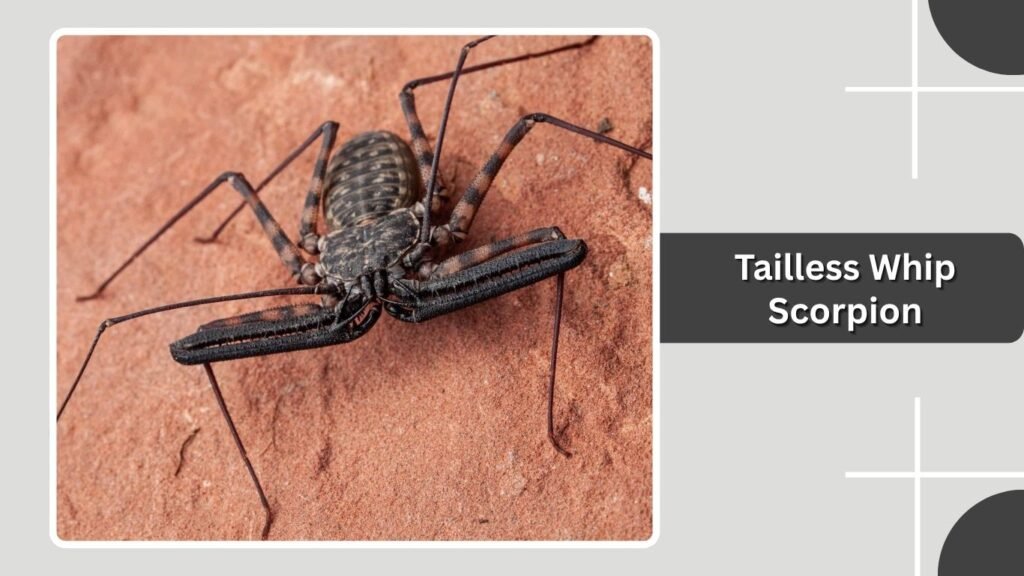
The tailless whip scorpion is an unusual arachnid that looks like a combination of a spider, scorpion, and crab. Despite its frightening appearance, it is not considered dangerous to humans. These nocturnal creatures belong to the order Amblypygi.
Identification
Tailless whip scorpions have flat bodies, eight legs, and large claw-like pedipalps used to capture prey. Their first pair of legs is extremely long and thin, functioning like sensory feelers rather than walking legs. Unlike true scorpions, they have no stinger or tail. Their bodies are usually brown, gray, or black and may measure several inches across when the legs are included.
Habitat
These arachnids are mainly found in warm tropical and subtropical regions. They live under rocks, inside caves, beneath loose bark, and in cracks within humid forests. Some species may occasionally enter homes, garages, or sheds while searching for moisture and prey. They prefer dark, sheltered places and avoid direct sunlight.
Diet
Tailless whip scorpions are active predators that feed on insects, spiders, cockroaches, crickets, and other small arthropods. They use their long sensory legs to locate prey in darkness. Once prey is detected, the powerful pedipalps quickly grab and hold it while the mouthparts tear it apart.
Safety and Behavior
Tailless whip scorpions are not venomous and do not sting. However, their pedipalps can pinch if they are handled carelessly. They usually escape rather than defend themselves. If one enters a home, it can be gently captured in a container and released outdoors. Reducing indoor insects and sealing entry points can prevent future visits.
4. Pseudoscorpion
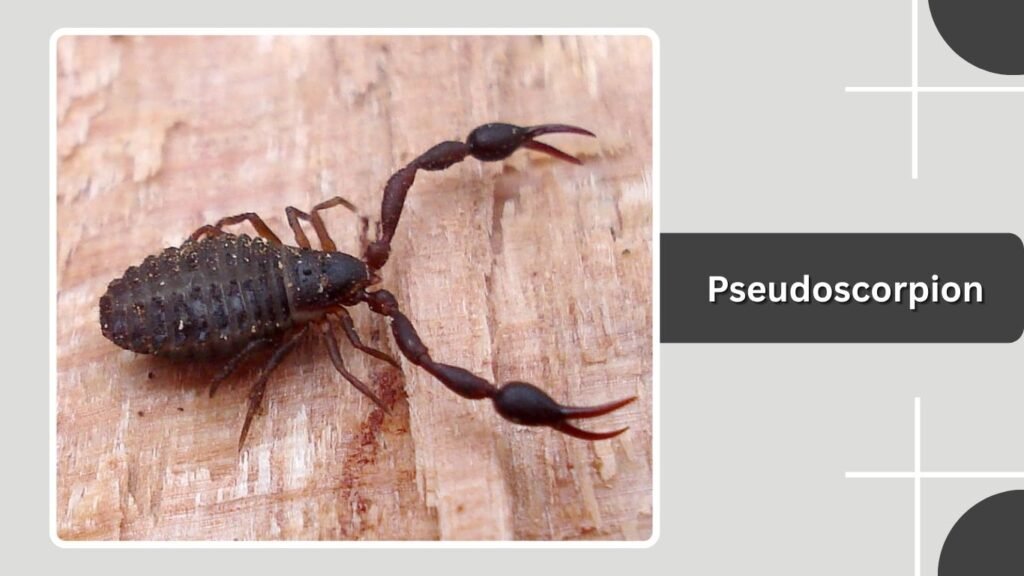
Pseudoscorpions are tiny arachnids that resemble miniature scorpions without tails. They are sometimes mistaken for spiders, ticks, or baby scorpions. Although their claw-like front appendages may appear threatening, pseudoscorpions are harmless and can be beneficial indoors.
Identification
Most pseudoscorpions measure only 2 to 8 millimeters long. They have eight legs, a flattened oval body, and two prominent pincers called pedipalps. Unlike true scorpions, they lack a long segmented tail and stinger. Their bodies may be yellowish, reddish-brown, dark brown, or black. Because of their tiny size, they are often noticed crawling across walls, books, furniture, or windowsills.
Habitat
Pseudoscorpions prefer protected areas with moderate humidity. Outdoors, they live beneath bark, stones, leaf litter, and decaying wood. Indoors, they may hide in bathrooms, basements, closets, libraries, and rooms containing old books or stored papers. Some species attach themselves to flying insects for transportation, a behavior known as phoresy.
Diet
These small predators feed on booklice, mites, springtails, carpet beetle larvae, small ants, and other tiny insects. They capture prey with their pincers and inject digestive fluids before feeding. Their presence may indicate that other small pests are available, but pseudoscorpions themselves do not damage food, clothing, furniture, or buildings.
Safety and Control
Pseudoscorpions cannot sting people and rarely pinch with enough force to be noticed. They are generally helpful because they consume household pests. Control is usually unnecessary. Reducing humidity, improving ventilation, vacuuming regularly, and removing insect-infested materials can naturally reduce their numbers.
5. Camel Spider
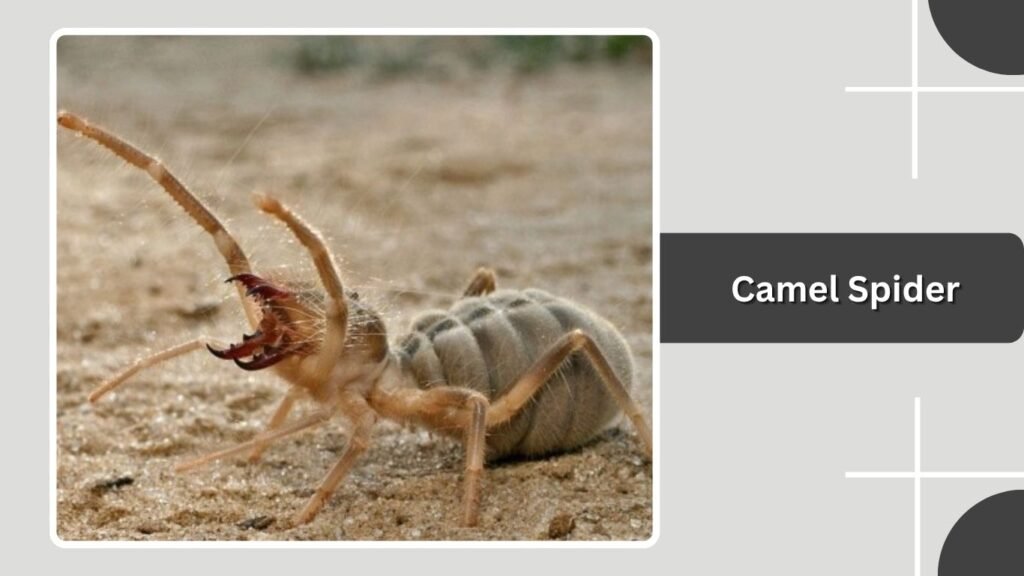
Camel spiders are fast-moving arachnids that are often mistaken for unusually large spiders. They belong to the order Solifugae and are also called wind scorpions or sun spiders. Despite alarming stories about them, camel spiders are not venomous and are not considered highly dangerous to humans.
Identification
Camel spiders have eight legs, a segmented body, and a pair of very large jaws called chelicerae. Their bodies are usually tan, brown, or sandy-colored, helping them blend into desert environments. Most species are relatively small, although their long legs can make them appear much larger. They do not have the narrow waist commonly seen in true spiders.
Habitat
These arachnids are commonly found in deserts, dry grasslands, and other warm regions. They spend the hottest parts of the day hiding beneath rocks, logs, debris, or inside burrows. Camel spiders may also enter tents, garages, sheds, or homes while searching for shade, moisture, or prey.
Diet
Camel spiders are aggressive hunters of insects, spiders, scorpions, termites, beetles, and other small animals. Larger species may occasionally attack small lizards or rodents. They use their powerful jaws to crush and tear prey. Camel spiders can run quickly, making them effective nighttime predators.
Safety and Control
Camel spiders do not have venom glands and cannot sting. However, their strong jaws may deliver a painful bite if they are trapped or handled. They generally prefer to escape from people. Seal gaps around doors, remove outdoor debris, reduce insect populations, and shake out shoes or clothing in desert areas.
6. Assassin Bug Nymph
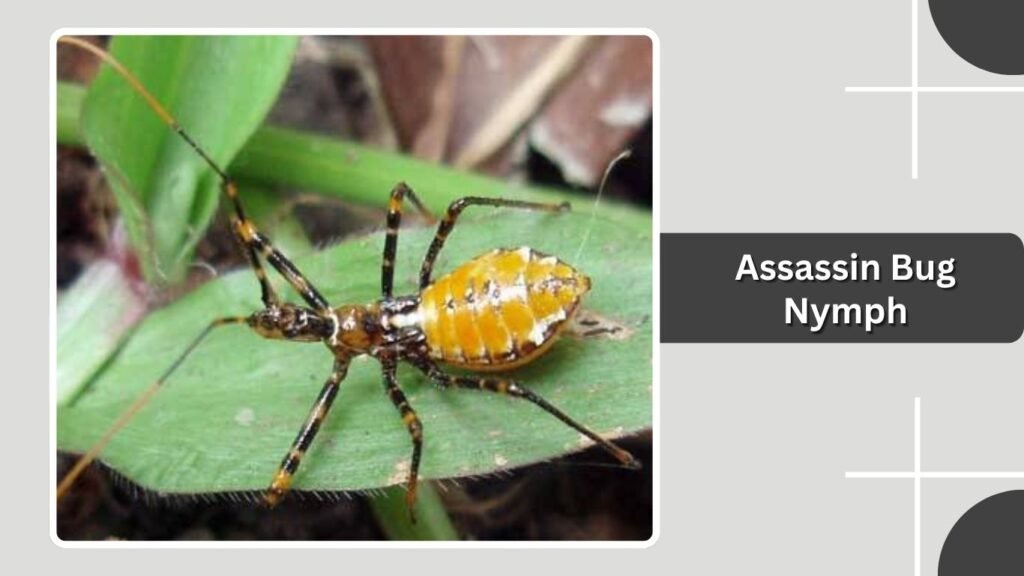
Assassin bug nymphs can sometimes resemble spiders because of their long legs, narrow bodies, and slow stalking movements. They are immature true bugs belonging to the family Reduviidae. Many species are beneficial predators, although some can deliver a painful defensive bite.
Identification
Assassin bug nymphs usually have six long legs, two antennae, and a pointed beak tucked beneath the head. Their bodies may be black, brown, orange, red, or covered with dust and debris. Masked hunter nymphs are especially spider-like because they coat themselves with lint and dirt for camouflage. Unlike spiders, they have antennae and only six legs.
Habitat
These insects live in gardens, forests, fields, woodpiles, and around buildings. Some species hide under bark, leaves, stones, or outdoor furniture. Masked hunter nymphs may enter houses and remain in dusty corners, basements, attics, or rooms where insects such as bed bugs and flies are present.
Diet
Assassin bug nymphs are predators that feed on caterpillars, aphids, flies, beetles, cockroaches, and other insects. They use their sharp beak to pierce prey and inject digestive saliva. The softened tissues are then sucked out. Their hunting behavior can help control garden and household pests.
Safety and Control
Most assassin bugs do not seek out humans, but they may bite when crushed or handled. The bite can cause immediate pain, redness, and swelling. Avoid touching them with bare hands. Reduce indoor insects, seal cracks, vacuum dusty areas, and use a container to move individual bugs outdoors.
7. Spider Cricket
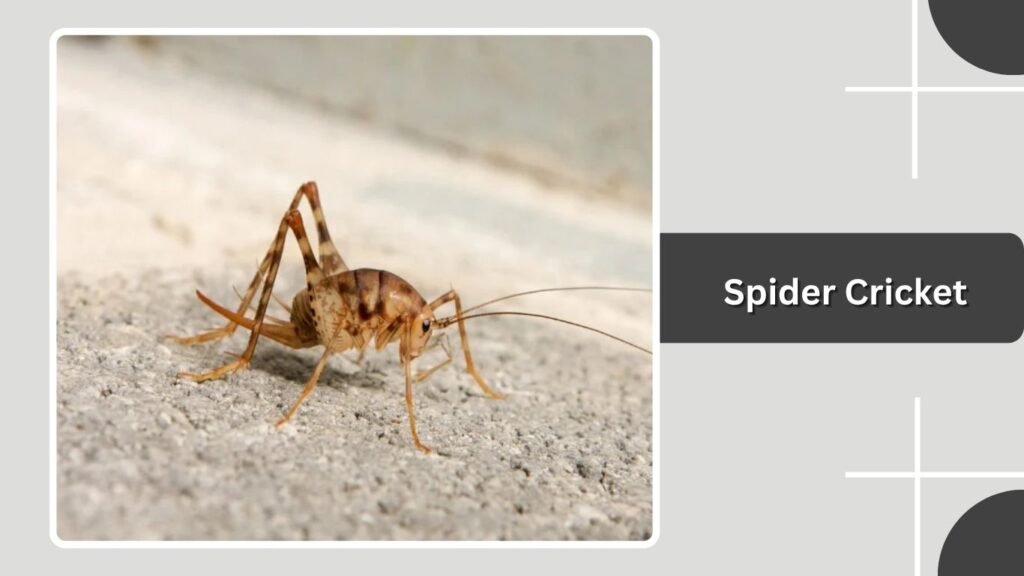
Spider crickets are insects known for their long legs, arched backs, and spider-like appearance. They are also called camel crickets, cave crickets, or sprickets. Although they can look intimidating when they suddenly jump, they do not bite and are not dangerous to people.
Identification
Spider crickets have six legs, very long antennae, and large hind legs designed for jumping. Their bodies are usually light brown, tan, or dark brown, with a hump-shaped back. Unlike field crickets, they do not have wings and cannot chirp. Their long limbs and quick movements often cause people to mistake them for spiders.
Habitat
These crickets prefer dark, damp, and cool environments. Outdoors, they live beneath logs, stones, leaves, and inside caves. Indoors, they are commonly found in basements, crawl spaces, garages, bathrooms, laundry rooms, and sheds. They often enter buildings during hot, dry weather or before winter.
Diet
Spider crickets feed on fungi, decaying plants, dead insects, cardboard, fabric, paper, and organic debris. When food is limited, they may damage stored clothing, carpets, books, or houseplants. Large populations may also leave droppings and contribute to unpleasant odors in damp areas.
Control and Prevention
Reduce moisture by repairing leaks, improving ventilation, and using a dehumidifier. Remove clutter, cardboard, leaf piles, and damp wood near the house. Seal cracks around foundations, doors, windows, and utility pipes. Sticky traps and regular vacuuming can help control crickets already inside the building.
8. Thread-Legged Bug
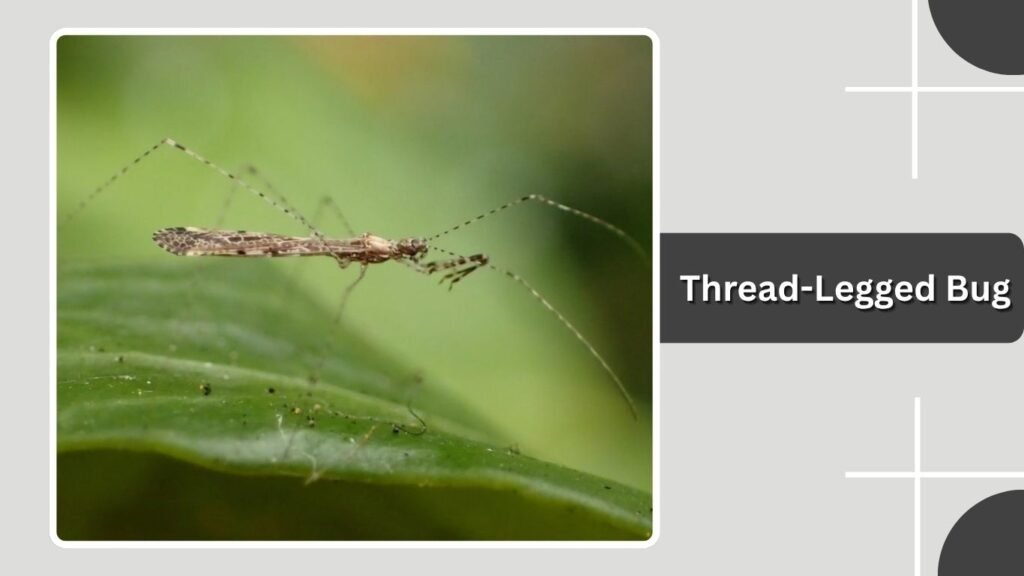
Thread-legged bugs are slender predatory insects that closely resemble delicate spiders or walking sticks. They belong to a specialized group within the assassin bug family. Their extremely thin legs and slow movements help them approach prey without being easily detected.
Identification
Thread-legged bugs have six narrow legs, long antennae, and a thin, elongated body. Their front legs are modified for grabbing prey and may be held in a bent position similar to a praying mantis. Most species are brown, gray, or green. Some have such long, delicate limbs that they can easily be mistaken for small spiders.
Habitat
These insects are found in gardens, forests, grasslands, caves, and around spider webs. They often rest on leaves, branches, walls, or vegetation where small insects are abundant. Some species live near or inside spider webs, using their careful movements to avoid alerting the resident spider.
Diet
Thread-legged bugs feed on mosquitoes, flies, aphids, moths, spiders, and other small arthropods. Some species steal insects trapped in spider webs, while others may attack the spider itself. They capture prey with their front legs and insert a sharp beak to inject digestive enzymes.
Safety and Control
Thread-legged bugs are generally harmless and beneficial because they reduce insect populations. However, like other assassin bugs, they may produce a painful bite if handled roughly. Control is rarely needed. Avoid touching them directly and use a container to move them outdoors when they enter the house.
