
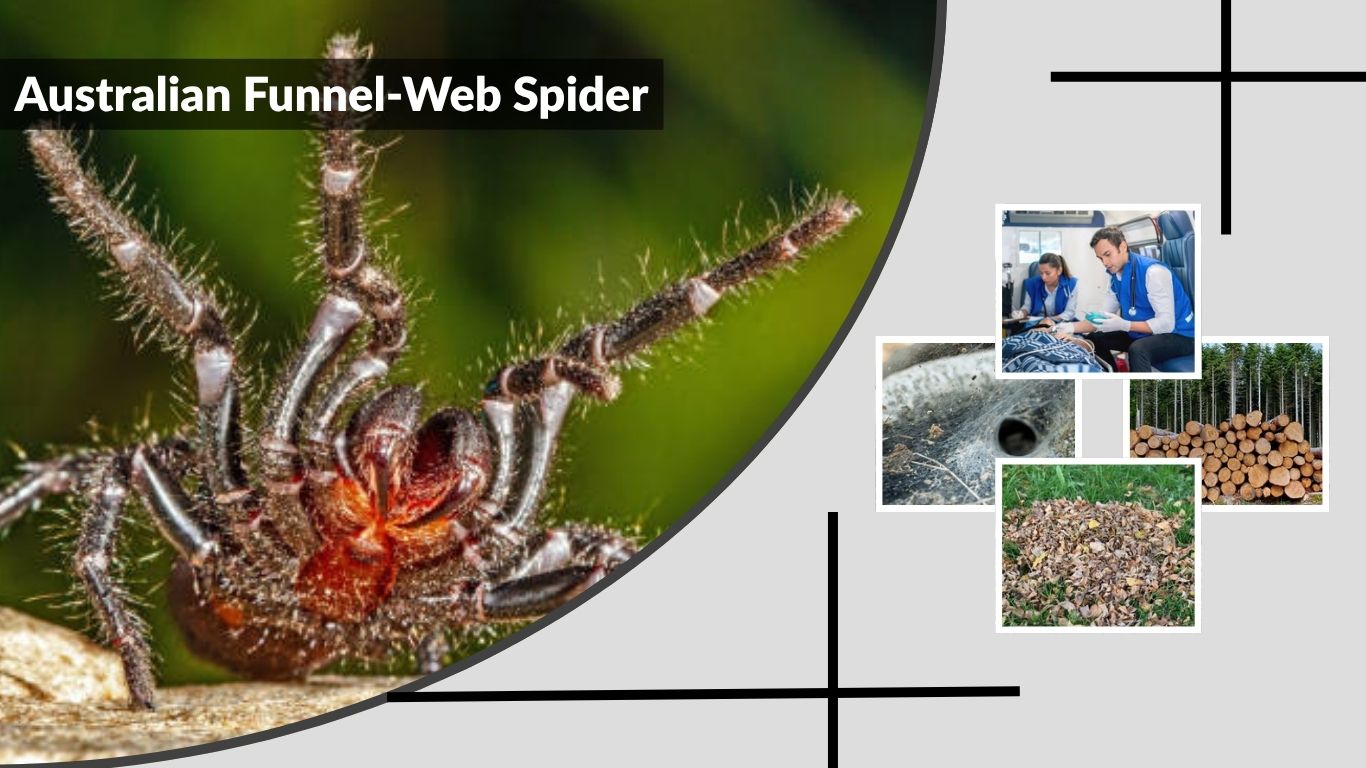
The Australian funnel-web spider is one of the most well-known and feared spiders in the world. Native to Australia, this spider has gained attention due to its highly potent venom and defensive behavior. Despite its dangerous reputation, understanding its characteristics, habitat, and behavior can help reduce fear and improve safety. These spiders play a role in the ecosystem as predators, but caution is essential when encountering them.
What Is an Australian Funnel-Web Spider?
The Australian funnel-web spider belongs to the family Atracidae, a group of spiders known for their powerful venom and ground-dwelling habits. These spiders are primarily found in Australia and are especially common in the eastern regions.
They are named after their distinctive funnel-shaped webs, which serve as both a home and a hunting tool. Unlike many spiders that rely on webs to trap prey, funnel-web spiders use their webs mainly to detect movement before launching an attack.
Physical Description
Australian funnel-web spiders have a strong and distinctive appearance that sets them apart from other spiders. Their bodies are built for strength and survival, making them efficient predators.
- Typically measure 1 to 5 cm in body length
- Glossy black or dark brown coloration
- Large, powerful fangs capable of penetrating skin
- Thick legs and a robust body structure
One important difference between males and females is their level of danger. Male funnel-web spiders are smaller but have more toxic venom and are more likely to wander, increasing the chances of human encounters.
Types of Funnel-Web Spiders
There are several species of funnel-web spiders across Australia, but a few are particularly well known due to their potency and distribution.
- Sydney Funnel-Web Spider (Atrax robustus) – the most dangerous and widely recognized species
- Northern Tree Funnel-Web (Hadronyche formidabilis) – one of the largest species
- Other Hadronyche species found in different regions of Australia
- Variations in size, habitat, and venom strength across species
Although all funnel-web spiders should be treated with caution, the Sydney funnel-web is responsible for most serious envenomation cases.
Habitat and Distribution

Funnel-web spiders are mainly found in eastern Australia, including New South Wales and surrounding regions. They thrive in environments that provide moisture, shelter, and access to prey.
These spiders prefer cool, damp conditions and are often found in both natural and urban settings. Their adaptability allows them to live close to human populations, which increases the likelihood of encounters.
Typical Living Areas
- Under rocks, logs, and leaf litter
- Burrows in moist soil
- Garden beds and suburban backyards
- Inside tree bark or rotting wood
Because they rely on humidity, funnel-web spiders are more active during wet weather and can sometimes enter homes in search of suitable shelter.
Funnel-Web Spider Nest

The funnel-web spider’s nest is one of its most distinctive features. It serves as both a protective shelter and a hunting base.
The spider constructs a silk-lined burrow in the ground, which leads to a funnel-shaped entrance. From this entrance, fine silk threads extend outward across the surface. These threads act as trip lines that detect vibrations caused by passing prey.
Nest Structure
- A tube-like burrow dug into soil
- Interior lined with silk for stability
- Funnel-shaped opening at the surface
- Radiating silk strands used for sensing movement
This design allows the spider to remain hidden while still being highly responsive to nearby activity.
Behavior and Hunting
Funnel-web spiders are primarily nocturnal, meaning they are most active at night. During the day, they usually remain inside their burrows to avoid predators and harsh conditions.
They are ambush predators rather than traditional web trappers. Instead of waiting for prey to become entangled, they rely on vibrations detected through their silk lines. When prey is sensed, the spider quickly rushes out, captures it, and delivers a venomous bite.
Their behavior can appear aggressive, but it is mainly defensive. When threatened, they raise their front legs and expose their fangs as a warning display.
Diet

Funnel-web spiders have a varied diet and are opportunistic hunters. Their strong venom allows them to subdue a wide range of prey.
- Insects such as beetles, cockroaches, and crickets
- Small animals including frogs and lizards
- Occasionally other spiders
They rely on their speed and venom rather than web entrapment, making them highly effective predators in their environment.
Life Cycle
The life cycle of the funnel-web spider is relatively slow compared to many other insects. It can take several years for them to reach full maturity.
Egg Stage
Female spiders lay eggs inside silk sacs, which are kept safely within the burrow. These sacs protect the eggs from predators and environmental conditions.
Spiderling Stage
After hatching, the young spiders remain close to the nest for a period of time. As they grow, they gradually disperse to find their own territory and build new burrows.
Adult Stage
Adult funnel-web spiders can live for several years. Males eventually leave their burrows in search of females, which is when they are most likely to come into contact with humans.
Venom and Toxicity
The Australian funnel-web spider is considered one of the most venomous spiders in the world. Its venom contains powerful neurotoxins that affect the human nervous system, making bites potentially life-threatening if not treated quickly.
The venom interferes with nerve signals, leading to severe physical reactions. Interestingly, male funnel-web spiders are more dangerous than females because their venom is significantly more toxic. This is one reason why wandering males pose a higher risk to humans.
Despite the danger, modern medicine has greatly reduced fatalities due to the development of effective antivenom.
Funnel-Web Spider Bite

A bite from a funnel-web spider is a serious medical emergency. The effects can appear quickly and worsen without treatment, which is why immediate action is critical.
Common symptoms include intense pain at the bite site, sweating, nausea, and muscle twitching. In more severe cases, victims may experience difficulty breathing, confusion, and rapid heart rate. Symptoms can develop within minutes, especially in children.
First Aid for Bite
- Apply a pressure immobilization bandage immediately
- Keep the affected limb still and below heart level
- Avoid washing the bite area to preserve venom traces
- Seek emergency medical assistance as quickly as possible
Prompt treatment with antivenom has made recovery highly likely in modern times.
Are Funnel-Web Spiders Aggressive?
Funnel-web spiders are often described as aggressive, but this behavior is largely defensive. When they feel threatened, they raise their front legs and display their fangs as a warning.
If the threat continues, they may strike and bite. Unlike many spiders that try to escape, funnel-web spiders may stand their ground, which contributes to their intimidating reputation. However, they do not actively hunt humans and will only bite when provoked or disturbed.
Predators and Threats
Even though funnel-web spiders are dangerous, they are not without natural enemies. Several animals prey on them or compete for survival in their environment.
- Birds that feed on ground-dwelling insects and spiders
- Reptiles such as lizards that can tolerate some venom
- Parasitic wasps that target spiders
- Environmental changes affecting their habitat
Human activity, including habitat destruction, can also impact their populations.
Interesting Facts
The funnel-web spider has many unique and surprising characteristics that make it stand out among other arachnids.
- It is considered one of the deadliest spiders in the world
- No confirmed deaths have occurred since the introduction of antivenom
- It can survive underwater for several hours by trapping air
- Male spiders are more dangerous and more mobile than females
These facts highlight both the danger and the fascinating biology of this species.
Funnel-Web Spider vs Other Spiders
Funnel-web spiders differ significantly from many other spiders in both behavior and venom potency. Compared to tarantulas, funnel-web spiders are smaller but far more dangerous due to their highly toxic venom.
Unlike wolf spiders, which rely on speed and hunting ability, funnel-web spiders depend on their burrows and vibration detection. Their defensive nature and tendency to stand their ground also make them more intimidating than many other species.
Overall, funnel-web spiders are unique in combining strong venom, fast reactions, and a highly specialized hunting system.
Safety Tips and Prevention
Avoiding contact with funnel-web spiders is the best way to stay safe, especially in areas where they are common. Simple precautions can significantly reduce the risk of bites.
- Wear gloves when gardening or handling soil
- Shake out shoes, clothes, and bedding before use
- Keep homes sealed to prevent entry
- Be cautious in damp, shaded areas
Awareness and careful behavior are key to preventing dangerous encounters.
FAQs
How dangerous is the funnel-web spider?
The Australian funnel-web spider is extremely dangerous due to its powerful neurotoxic venom. Without treatment, bites can be life-threatening. However, with the availability of antivenom, fatalities are now very rare when medical help is received quickly.
Where are funnel-web spiders found?
They are mainly found in eastern Australia, especially in New South Wales. These spiders prefer moist environments such as forests, gardens, and suburban areas where they can build burrows and find prey easily.
What should you do if bitten?
Apply a pressure immobilization bandage, keep the person still, and seek emergency medical care immediately. Quick action is essential to slow the spread of venom and ensure effective treatment.
Are all funnel-web spiders deadly?
Not all species are equally dangerous, but many possess highly toxic venom. The Sydney funnel-web spider is the most dangerous and is responsible for the majority of serious bite cases.
Do funnel-web spiders enter homes?
Yes, especially males during mating season. They may wander into homes, shoes, or clothing while searching for females, which is why it is important to check items before use.
