
Step Into the Hidden World of Spiders
Seen a spider and not sure what it is? SpiderAdv helps you quickly identify species using easy features like size, color, and web type. Get accurate information so you know whether it’s harmless or something to be cautious about.
Our Blog Contact Us

Spider Identification Guide
- Size: Small to large depending on species.
- Body: Two main parts, rounded abdomen and front section.
- Legs: Eight long, jointed legs.
- Eyes: Usually 6–8 eyes in different patterns.
- Color: Brown, black, gray, or patterned.
- Web: Some build webs, others hunt.
- Habitat: Found indoors, gardens, and natural areas.

10 Best Terrarium Waste Scoops for Quick and Easy Cleaning
September 24, 2026
Keeping a terrarium clean is essential for maintaining a healthy environment for reptiles, amphibians, arachnids, and other small pets. A reliable terrarium waste scoop makes
Read more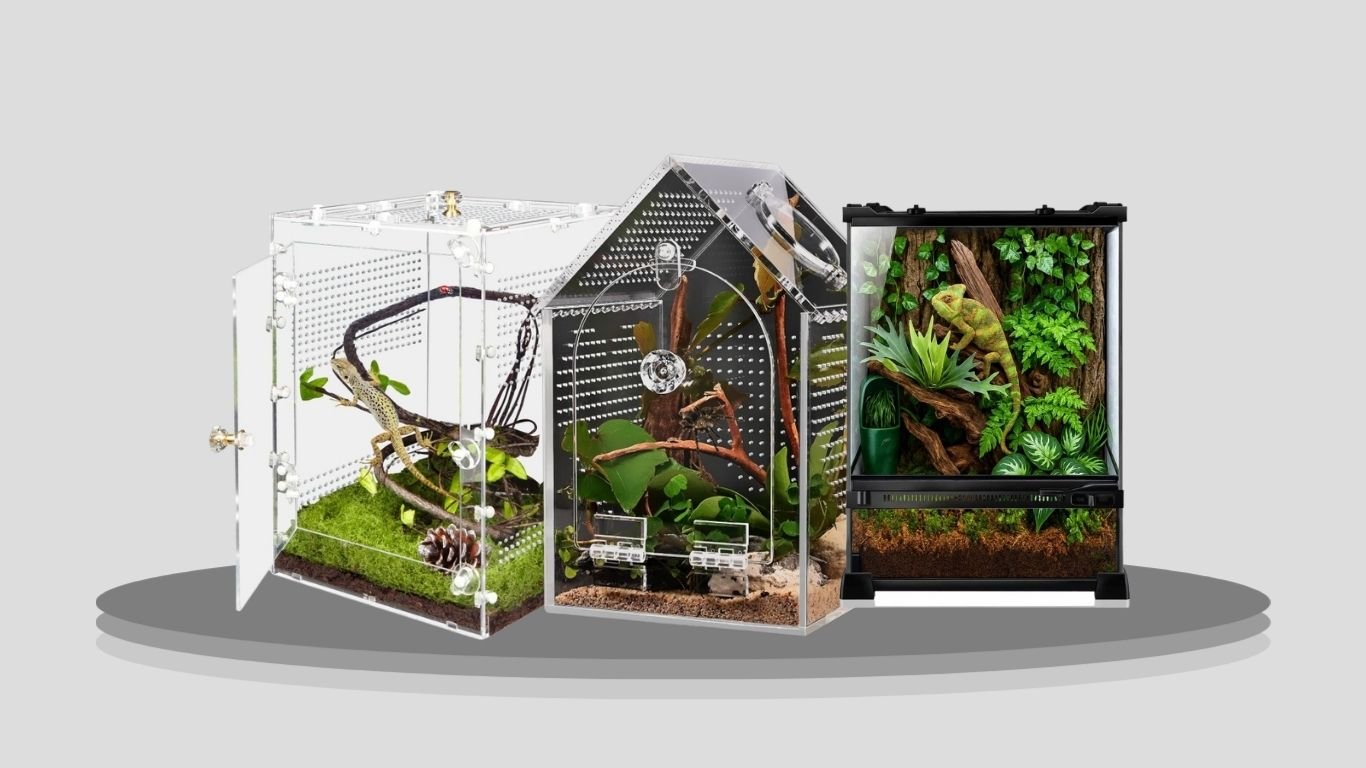
10 Best Terrestrial Tarantula Enclosures for Secure & Comfortable Housing
September 24, 2026
Choosing the right enclosure is essential for keeping a terrestrial tarantula safe, comfortable, and easy to observe. A good setup should provide secure ventilation, enough
Read more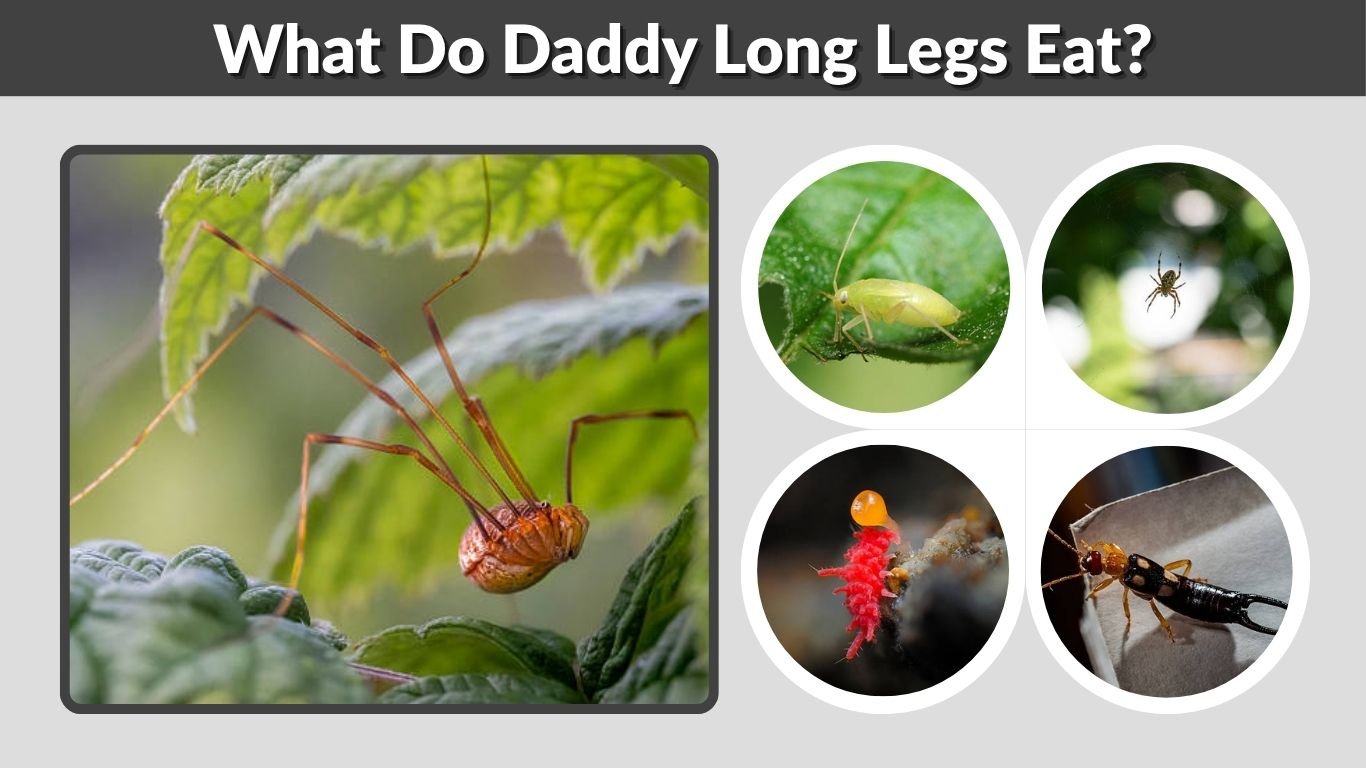
What Do Daddy Long Legs Eat? Diet, Bugs & Food
September 24, 2026
Daddy long legs eat different foods depending on which animal the name refers to. Harvestmen eat small invertebrates, dead arthropods, fungi, and some plant material,
Read more
9 Best Arboreal Tarantula Enclosures for Vertical Habitats
September 23, 2026
Choosing the right arboreal tarantula enclosure is essential for creating a secure, comfortable, and climbing-friendly habitat. Arboreal species need more vertical space than terrestrial tarantulas,
Read more
9 Best Terrarium Moss for Natural and Lush Enclosures
September 23, 2026
Terrarium moss adds a soft, natural look while helping create a more realistic environment for reptiles, amphibians, plants, and decorative displays. Depending on the type,
Read more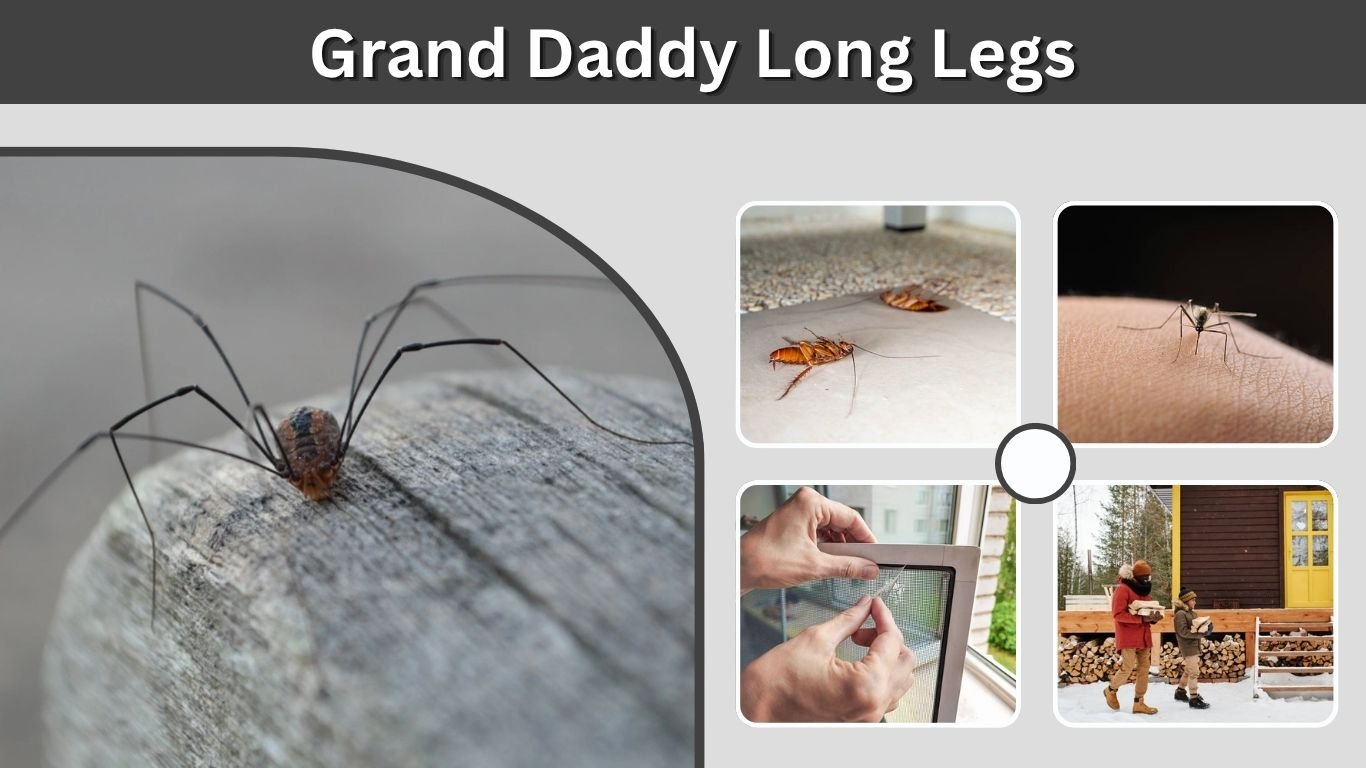
Grand Daddy Long Legs: Facts, Bites, Venom & Spider Myth
September 22, 2026
Grand daddy long legs are familiar arachnids recognized by their tiny bodies and extremely long, slender legs. The name most commonly refers to harvestmen in
Read more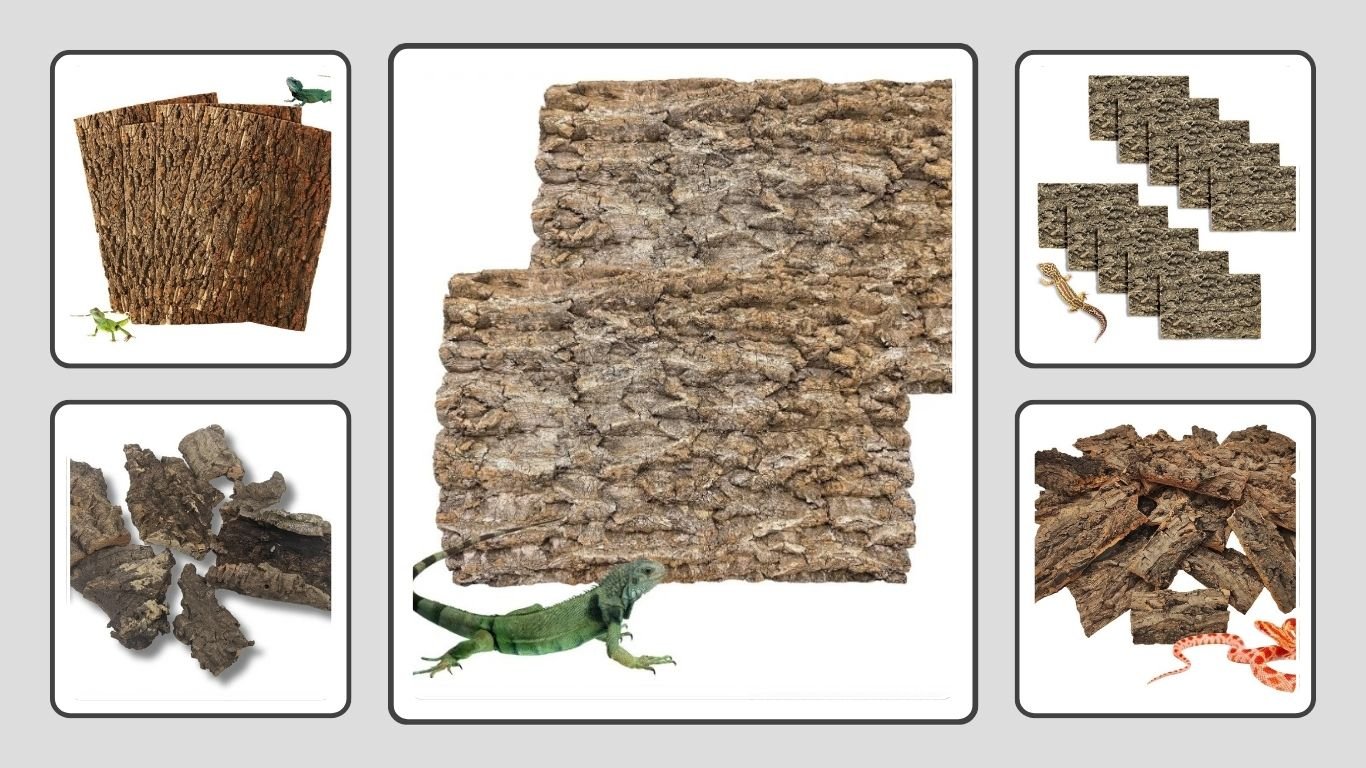
8 Best Cork Bark for Terrarium Bioactive Enclosures
September 22, 2026
Cork bark is a versatile terrarium material that can improve both the appearance and functionality of reptile, amphibian, and invertebrate enclosures. It can be used
Read more
10 Best Reptile Cork Bark for Natural Terrarium Setups
September 22, 2026
Reptile cork bark is one of the most useful additions for creating a natural, functional terrarium. It can provide climbing surfaces, hiding spots, background texture,
Read more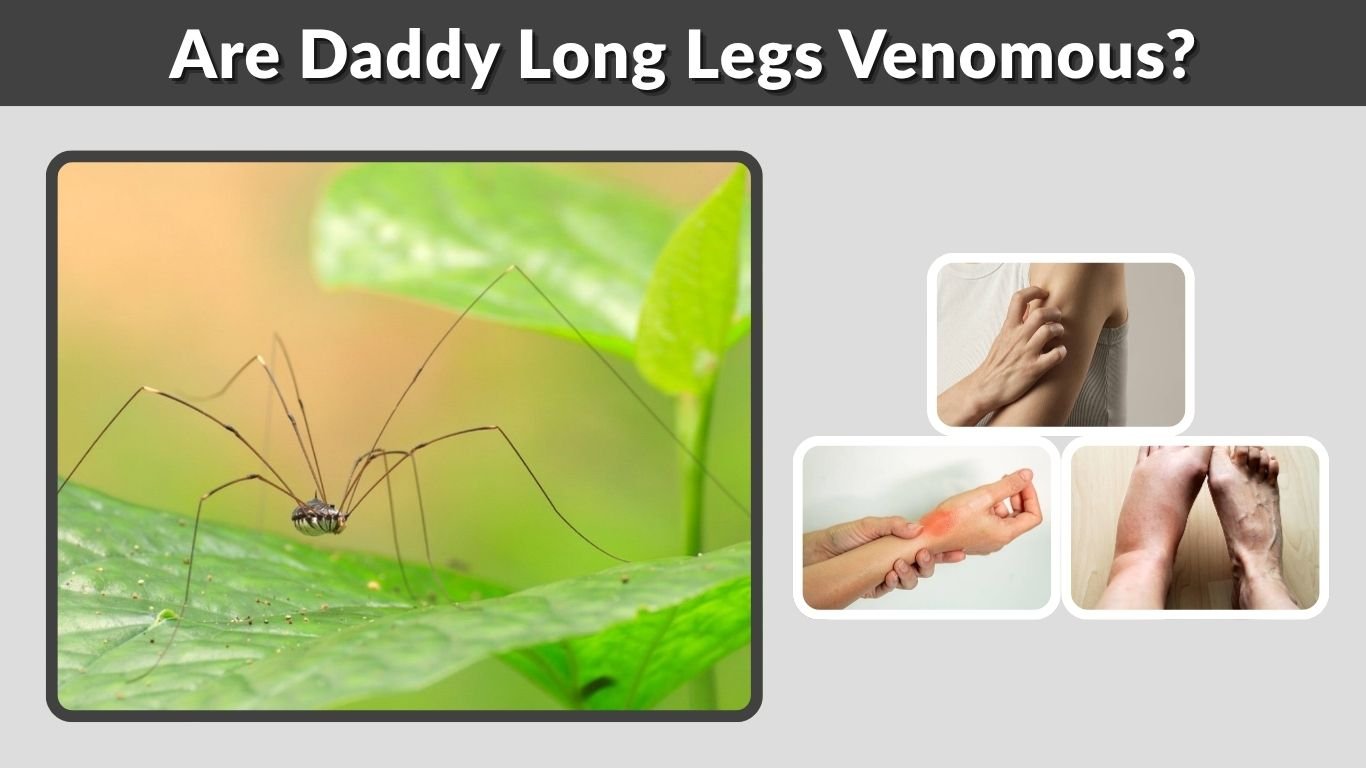
Are Daddy Long Legs Venomous? Facts, Myths & Safety
September 22, 2026
Daddy long legs are surrounded by one of the most persistent spider myths: that they are extremely venomous but cannot bite humans because their fangs
Read more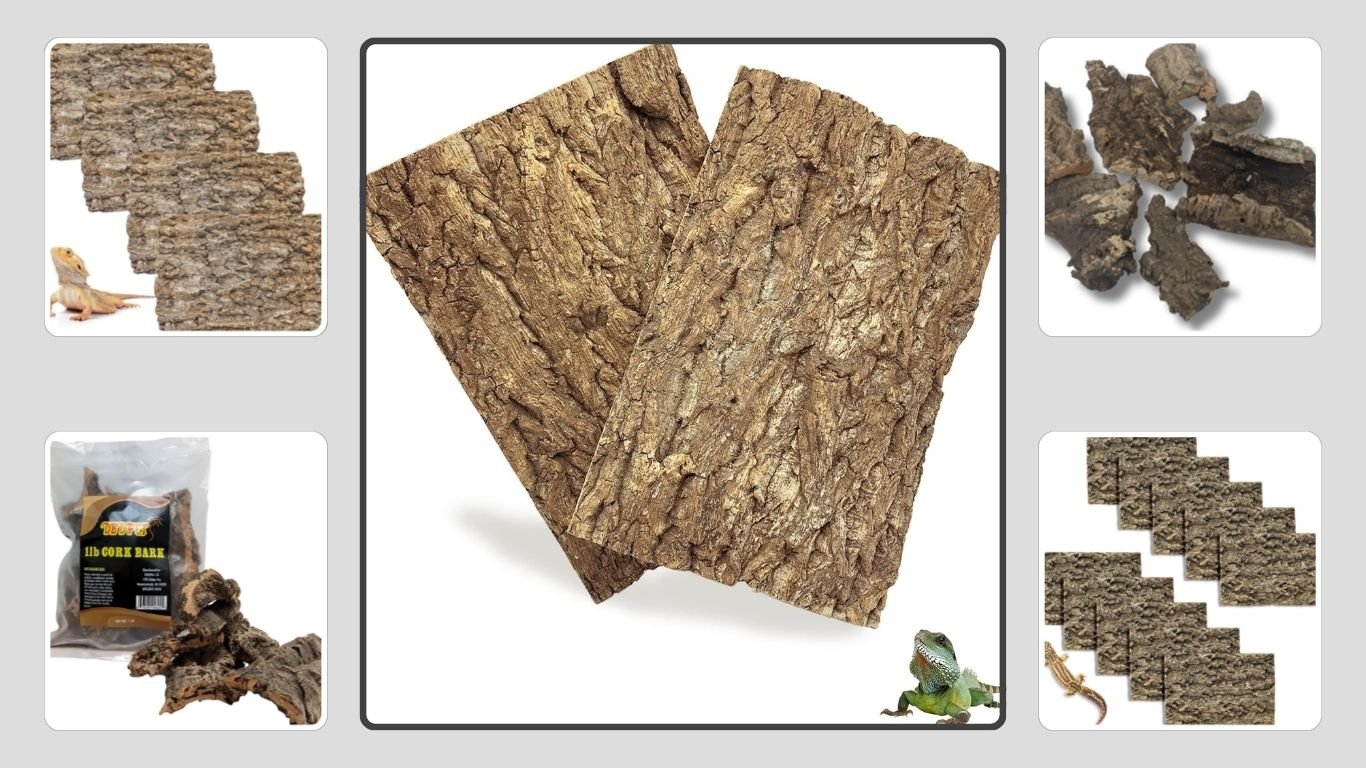
9 Best Cork Bark for Reptile and Spider Terrariums
September 21, 2026
Cork bark is one of the most versatile natural materials for creating attractive and functional terrarium setups. It can provide climbing surfaces, hiding areas, background
Read more