
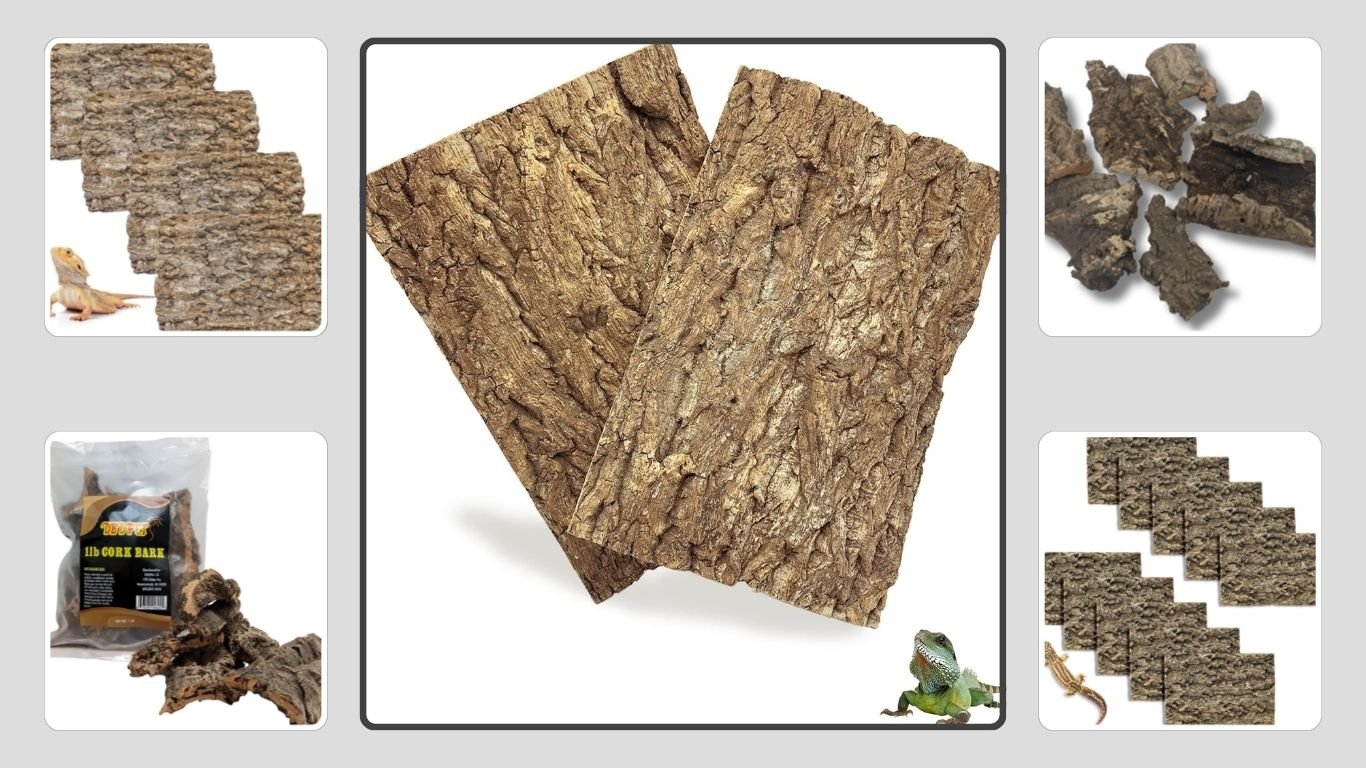
Cork bark is one of the most versatile natural materials for creating attractive and functional terrarium setups. It can provide climbing surfaces, hiding areas, background texture, and enrichment for reptiles, amphibians, spiders, and other small terrarium animals. The best cork bark should be durable, naturally textured, easy to position, and suitable for different enclosure sizes. In this guide, we review 9 best cork bark options for terrariums, including rounds, flats, background pieces, and smaller bark bits for bioactive setups.
1. DBDPet Assorted Cork Bark for Reptiles, Amphibians & Terrariums
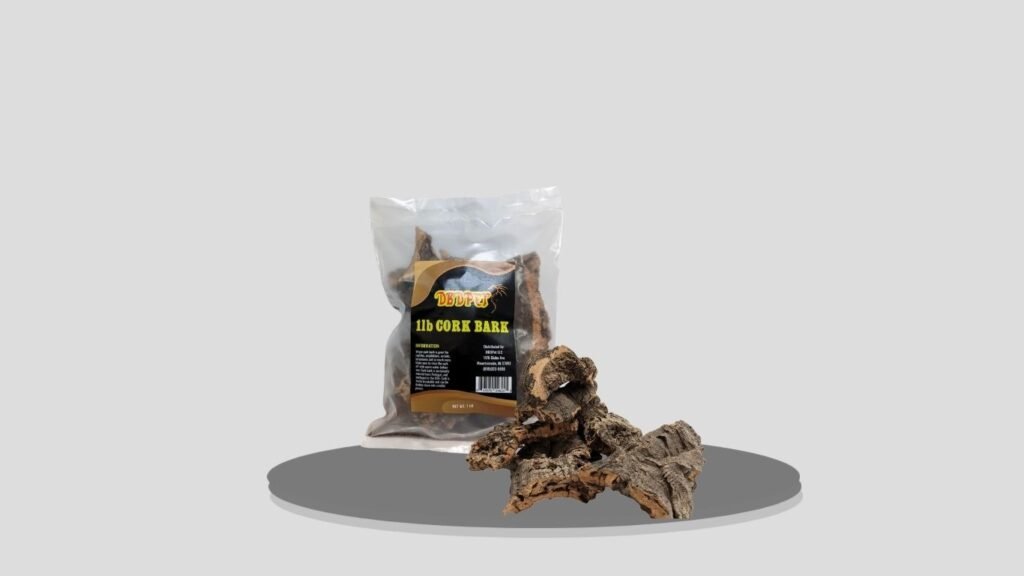
DBDPet Assorted Cork Bark is a versatile choice for keepers who want to add natural texture, climbing surfaces, and hiding areas to a terrarium. Because the pieces are naturally shaped, they can be arranged in different ways depending on the enclosure layout. This makes the bark useful for reptiles, amphibians, spiders, and bioactive setups where a more natural-looking environment is preferred.
Key Features
- Assorted natural cork bark pieces
- Suitable for reptiles, amphibians, spiders, and terrariums
- Can create hides, climbing areas, and decorative structures
- Lightweight and easy to position inside an enclosure
- Natural texture blends well with plants and substrate
- Useful for bioactive and naturalistic habitat designs
Why It Is Best for Natural Terrarium Setups
The biggest advantage of this assorted cork bark is its flexibility. Instead of receiving one fixed shape, keepers can work with different pieces to create ledges, tunnels, hides, or climbing zones. This makes it easier to customize an enclosure around the animal rather than forcing the habitat to fit one large decoration.
Its rough natural surface also provides texture that works particularly well in woodland, tropical, and bioactive-style enclosures.
Practical for Climbing, Hiding, and Enrichment
Cork bark can serve several purposes at the same time. A curved piece may become a shelter, while flatter sections can be leaned against an enclosure wall to create climbing surfaces.
This multifunctional design helps reduce the need for numerous separate decorations. The lightweight structure also makes rearranging the habitat easier when cleaning or refreshing the enclosure. When positioned securely, it can help create more usable vertical and ground-level space.
A Versatile Choice for Custom Habitat Designs
DBDPet Assorted Cork Bark is especially appealing for keepers who prefer to design their own terrarium layouts. Each piece can be combined with moss, leaf litter, plants, branches, or substrate to create a more complete natural environment.
It works well for both simple and detailed setups, making it useful for beginners as well as experienced terrarium keepers. Its natural appearance, flexible placement, and multiple habitat uses make it a practical foundation for building an enclosure that looks more realistic while offering additional areas for animals to explore, climb, or hide.
2. VCEPJH Natural Cork Bark for Reptiles & Spiders
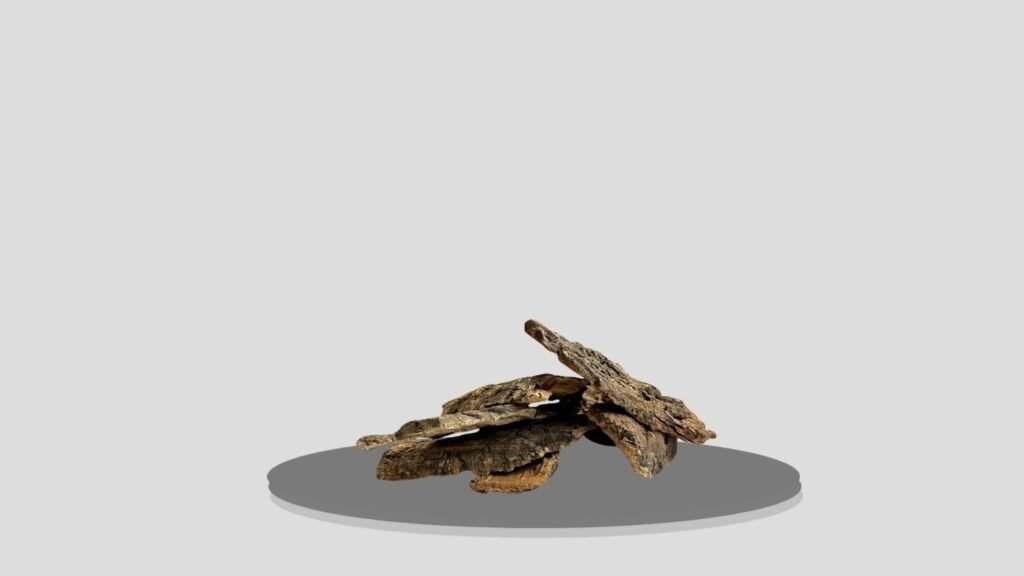
VCEPJH Natural Cork Bark is a practical terrarium accessory for keepers who want to introduce natural texture and additional climbing or hiding areas into an enclosure. Its bark-style surface works particularly well for spiders, reptiles, and other small terrarium animals that benefit from varied surfaces. The natural appearance also blends easily with moss, substrate, branches, and plants in bioactive or decorative setups.
Key Features
- Natural-style cork bark for terrariums
- Suitable for spiders, reptiles, and small enclosure animals
- Provides climbing and resting surfaces
- Can be incorporated into hides and background structures
- Textured appearance complements naturalistic habitats
- Works with bioactive and planted terrarium designs
Why It Is Best for Spider and Reptile Enclosures
This cork bark stands out for its ability to provide useful structure without making an enclosure look artificial. Spiders can use textured bark as a climbing surface, while reptiles may benefit from additional cover or elevated resting areas depending on how the piece is arranged.
Its irregular natural appearance also gives keepers flexibility when designing habitats. It can be positioned vertically, leaned against another decoration, or integrated into a larger hardscape.
Useful Texture for Climbing and Exploration
Smooth enclosure walls provide relatively little environmental variety. Cork bark introduces rougher surfaces and different elevations, helping create a habitat with more areas to investigate.
It can also work as part of a hide when paired with substrate, plants, or other pieces of bark. This makes it useful when trying to maximize habitat function without adding too many separate decorations.
A Strong Choice for Naturalistic Terrarium Designs
VCEPJH Natural Cork Bark is particularly suitable for keepers who want a simple material that can serve several purposes. It offers both visual appeal and practical habitat structure.
Whether used as a climbing surface, decorative feature, or part of a shelter, the bark can easily become one of the central elements of an enclosure. Its natural appearance makes it especially useful in woodland, tropical, and bioactive-style habitats where realistic textures are important.
3. Cork Bark Terrarium Background Climbing Decoration
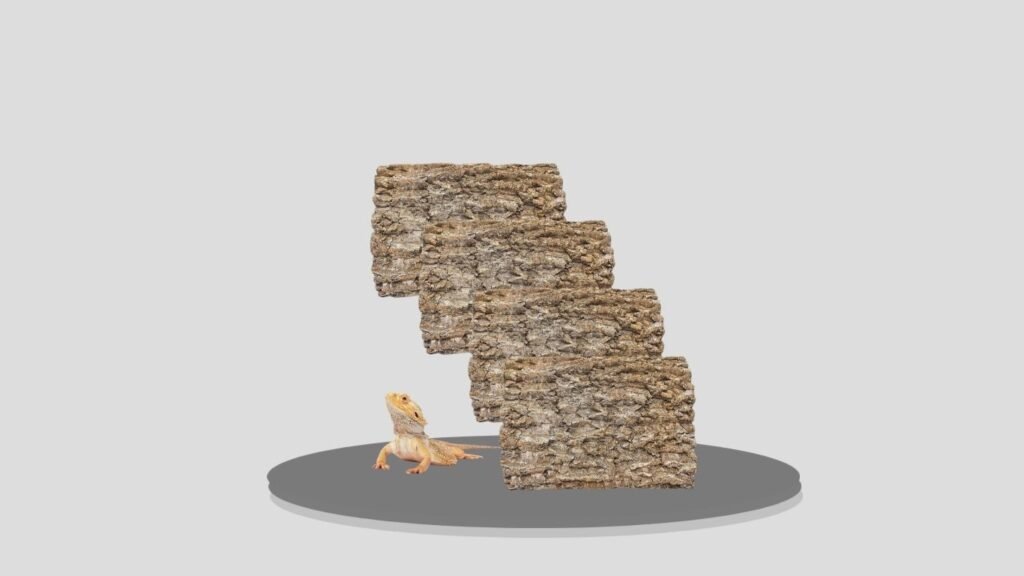
The Cork Bark Terrarium Background Climbing Decoration is designed for keepers who want to transform a plain enclosure wall into a more functional part of the habitat. Rather than taking up valuable floor space, this type of cork decoration can create vertical texture for climbing while also giving the terrarium a more natural visual backdrop. It works particularly well in taller reptile and arboreal setups.
Key Features
- Designed as a terrarium background and climbing surface
- Uses vertical enclosure space efficiently
- Adds natural-looking texture to habitat walls
- Suitable for reptiles and other climbing terrarium animals
- Can complement plants, vines, branches, and substrate
- Useful for naturalistic enclosure designs
Why It Is Best for Vertical Habitat Space
Many terrariums have large sections of unused wall space. A cork-style background turns that area into an additional climbing and exploration zone instead of leaving it completely bare.
This is especially helpful for animals that regularly climb. The textured surface can create more environmental variety while allowing keepers to reserve the enclosure floor for hides, water dishes, plants, or substrate.
Natural Background with Functional Benefits
Unlike purely decorative backgrounds, cork bark can contribute texture and structure to the habitat. Branches, vines, or lightweight plants can be arranged nearby to create a layered enclosure with several movement pathways.
The bark-like appearance can also make artificial enclosure walls less noticeable, creating a more cohesive natural presentation.
A Practical Upgrade for Taller Terrariums
This cork bark background is an appealing option for keepers working with vertically oriented enclosures. It provides a simple way to improve both habitat appearance and available climbing area without filling the floor with additional décor.
For chameleons, geckos, spiders, and other climbing animals, a textured background can help make more of the enclosure usable. When combined with branches and foliage, it can form the foundation of a visually detailed and functional terrarium layout.
4. Fhiny Cork Bark Background for Reptile Terrariums
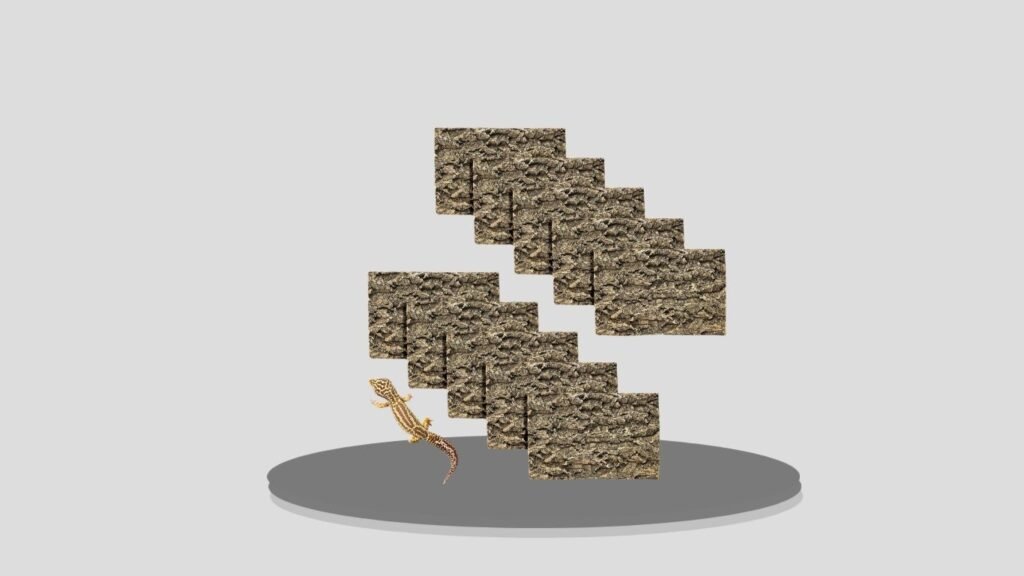
The Fhiny Cork Bark Background is a useful decorative and structural accessory for reptile keepers who want to add natural texture to enclosure walls. Its background-oriented design makes it particularly suitable for habitats where maintaining floor space is important. By incorporating cork-style material vertically, keepers can create a more layered environment with additional visual depth and climbing possibilities.
Key Features
- Cork-style terrarium background accessory
- Suitable for reptile and small animal enclosures
- Adds texture to otherwise plain enclosure walls
- Helps utilize vertical habitat space
- Complements natural and bioactive terrarium themes
- Can be combined with vines, branches, and artificial plants
Why It Is Best for Improving Plain Terrarium Walls
A basic glass or plastic wall contributes little to the overall habitat design. Adding a textured cork background can immediately make the enclosure look more natural while introducing another usable surface.
The vertical placement also makes good use of space that might otherwise remain empty. This can be valuable in smaller habitats where adding large freestanding decorations would make the interior feel crowded.
Easy to Combine with Other Habitat Elements
One of the strengths of cork-style backgrounds is how naturally they work with other enclosure décor. Branches can be positioned nearby, while foliage and moss can help soften the edges and create a more realistic scene.
Keepers can design the enclosure around the background rather than treating it as a separate decorative item, resulting in a more unified habitat appearance.
A Good Choice for Layered Enclosure Designs
The Fhiny Cork Bark Background is well suited to keepers who want to make a terrarium feel more detailed without sacrificing too much interior space. Its wall-focused design allows the enclosure to gain texture and visual interest while preserving the central area.
For climbing animals, it can also contribute another surface for exploration. Combined with plants, substrate, and branches, it can help create a habitat that feels fuller and more natural without becoming unnecessarily cluttered.
5. Zoo Med Natural Cork Round – Extra Large
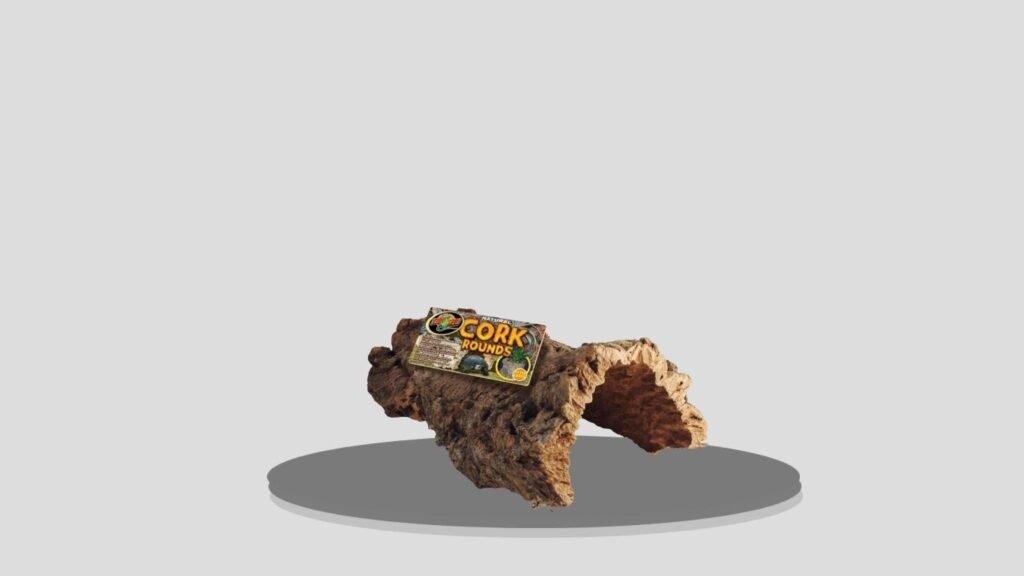
Zoo Med Natural Cork Round in Extra Large size is a substantial habitat piece designed for larger terrariums or setups that need a prominent natural shelter. Its rounded cork structure can serve as a hide, climbing feature, or centerpiece depending on how it is positioned. The natural bark texture makes it particularly suitable for reptile, amphibian, and invertebrate habitats where durability and realistic appearance are important.
Key Features
- Extra-large natural cork round
- Can function as a hide, tunnel, or climbing structure
- Suitable for reptiles, amphibians, and invertebrates
- Natural bark texture blends with terrarium décor
- Useful in larger or more spacious enclosures
- Can be combined with substrate, plants, and branches
Why It Is Best for Larger Terrarium Setups
The extra-large size makes this cork round particularly useful when a habitat needs a substantial feature rather than several small pieces. Depending on its shape and placement, it can create a sheltered area while also adding height and structure.
Larger reptiles and terrarium animals may benefit from the additional space provided by a more generously sized cork piece, especially when creating secure resting areas.
Durable Structure with Multiple Habitat Uses
Cork rounds are popular because one piece can perform several roles. Positioned horizontally, it may work as a tunnel or hide. Angled or placed vertically, it can become part of a climbing structure or background arrangement.
The rugged surface also provides a natural visual contrast against softer materials such as moss, leaf litter, or planted sections.
A Reliable Centerpiece for Natural Enclosures
Zoo Med Natural Cork Round – Extra Large is best suited to keepers who want a substantial natural feature that can anchor the rest of the habitat design.
Its size makes it particularly effective in medium to larger terrariums where smaller bark pieces might look insignificant. By combining the cork round with branches, plants, and textured substrate, keepers can create a more visually complete enclosure while adding valuable hiding and exploration areas for the animal.
6. Botanicals Cork Bark Bits for Springtails & Terrariums
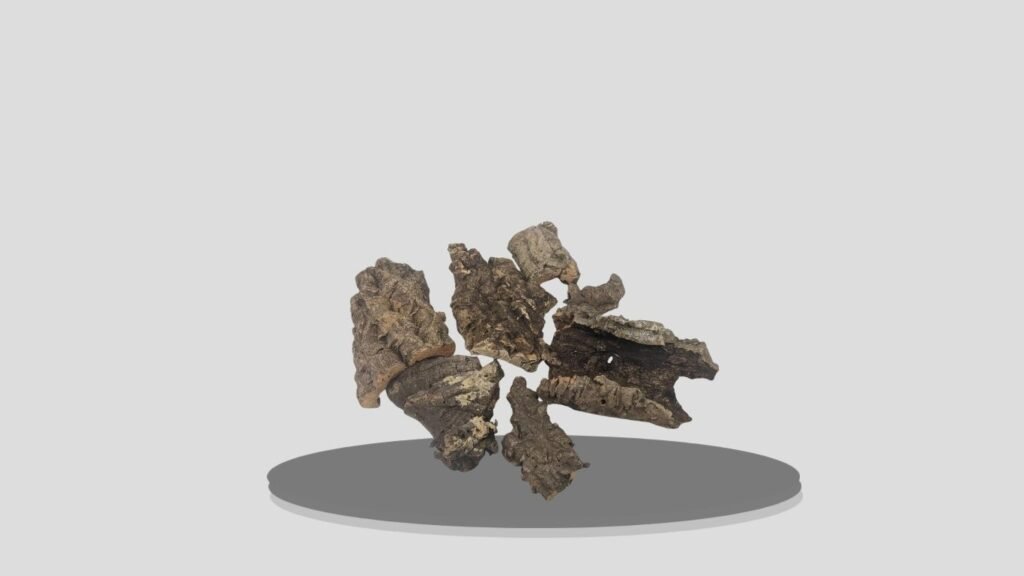
Botanicals Cork Bark Bits are a compact and versatile option for keepers who need smaller pieces of cork rather than large rounds or background panels. These bark bits are especially useful in bioactive terrariums, springtail cultures, isopod setups, and small invertebrate enclosures. Their manageable size makes them easy to distribute throughout an enclosure to create hiding areas, surface texture, and natural-looking details.
Key Features
- Small cork bark pieces for terrarium use
- Suitable for springtails, isopods, and invertebrates
- Useful in bioactive enclosure setups
- Creates additional hiding and exploration areas
- Easy to arrange around plants and substrate
- Natural appearance complements woodland habitats
Why It Is Best for Bioactive Terrariums
Large cork pieces can sometimes overwhelm small enclosures. These smaller bark bits provide the natural appearance of cork while allowing keepers to control exactly how much material is added.
They work particularly well in bioactive setups, where small pieces can be placed among leaf litter, moss, plants, and substrate. This creates additional surface area and shelter without taking over the entire enclosure.
Compact Size for Flexible Placement
The smaller format makes these cork bits easy to arrange in tight spaces. Individual pieces can be tucked beneath plants, positioned around hardscape features, or grouped together to create miniature hiding zones.
Because they do not occupy much room individually, keepers can adjust the layout gradually until the enclosure achieves the desired balance between open space and cover.
A Practical Choice for Small Invertebrate Habitats
Botanicals Cork Bark Bits are particularly valuable for keepers working with springtails, isopods, small spiders, or other compact terrarium inhabitants.
Their flexibility makes them useful as both decorative and functional habitat material. For anyone building a bioactive environment where small natural details matter, these bark pieces provide an easy way to improve texture, cover, and overall enclosure appearance.
7. Zoo Med Natural Cork Round – Large
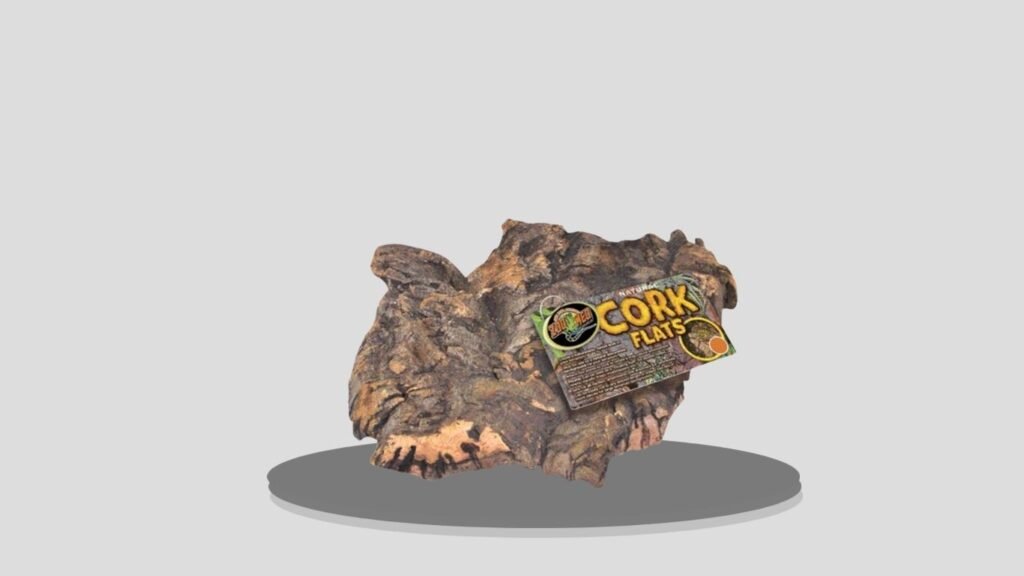
Zoo Med Natural Cork Round in Large size offers a versatile combination of shelter, climbing structure, and natural terrarium decoration. Its rounded form makes it particularly useful for creating tunnel-like hides while the textured exterior can serve as an additional climbing or resting surface. The large size works well in many medium-sized reptile, amphibian, spider, and invertebrate enclosures.
Key Features
- Large natural cork round
- Can function as a tunnel or hide
- Provides a textured climbing surface
- Suitable for reptiles, amphibians, and invertebrates
- Natural appearance blends with terrarium décor
- Works in dry, tropical, and bioactive-style setups
Why It Is Best for Creating Natural Hides
Cork rounds naturally provide enclosed or partially enclosed spaces that can be incorporated into terrarium layouts. Depending on the individual shape, the piece may form a tunnel, arch, or sheltered retreat.
This makes it useful for animals that benefit from covered resting areas while still allowing the enclosure to maintain a natural appearance. It can also be partially buried in substrate to create a more integrated hide.
Versatile Positioning for Different Habitats
The cork round does not have to remain horizontal. It can also be angled, positioned vertically, or combined with branches to create additional climbing opportunities.
This flexibility gives keepers more freedom when designing an enclosure. Its rough surface also contrasts nicely with plants, moss, leaf litter, and smooth stones.
A Dependable Option for Everyday Terrarium Design
Zoo Med Natural Cork Round – Large is a strong choice for keepers who want one natural accessory that can perform several roles.
It offers enough size to become an important part of the enclosure without necessarily dominating the available space like an extra-large piece might. Whether used as a shelter, centerpiece, or climbing structure, it provides a practical foundation for creating a more naturalistic and functional terrarium.
8. Tfwadmx Cork Bark Terrarium Background Decoration
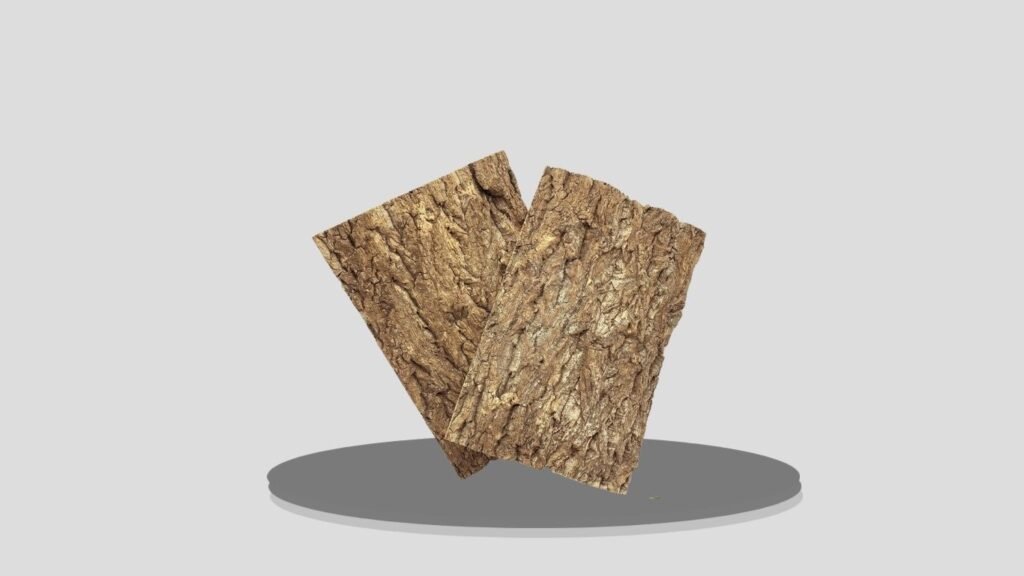
The Tfwadmx Cork Bark Terrarium Background Decoration is designed to add natural texture and climbing potential to terrarium walls. Its background-style format is particularly useful for taller enclosures where unused vertical surfaces represent valuable habitat space. By adding bark texture to the enclosure wall, keepers can improve both the appearance and structural complexity of the setup.
Key Features
- Cork-style terrarium background decoration
- Creates additional vertical habitat texture
- Suitable for climbing reptiles and terrarium animals
- Helps preserve floor space
- Works with vines, plants, and branches
- Adds a naturalistic appearance to enclosure walls
Why It Is Best for Vertical Terrarium Designs
Tall enclosures often provide considerable wall space that goes unused. A textured background allows keepers to turn these surfaces into a more integrated part of the habitat.
This is especially useful when designing enclosures for climbing species. The background can complement branches, vines, and foliage, creating multiple layers rather than concentrating all habitat features near the floor.
Adds Depth Without Crowding the Enclosure
One important advantage of background-style cork is its ability to provide visual depth without requiring a bulky freestanding structure.
This can be valuable in smaller enclosures where floor space is needed for feeding dishes, plants, hides, or substrate. By shifting some decorative elements toward the walls, the center of the habitat remains more open and accessible.
A Functional Upgrade for Naturalistic Setups
The Tfwadmx Terrarium Background Decoration is best suited to keepers who want their enclosure walls to become part of the overall habitat design.
When combined with branches, foliage, moss, and substrate, it can help create a more cohesive natural appearance. Its vertical format also makes it a practical option for anyone seeking additional climbing surfaces without sacrificing too much interior space.
9. DOITOOL Cork Bark Terrarium Background Climbing Panel
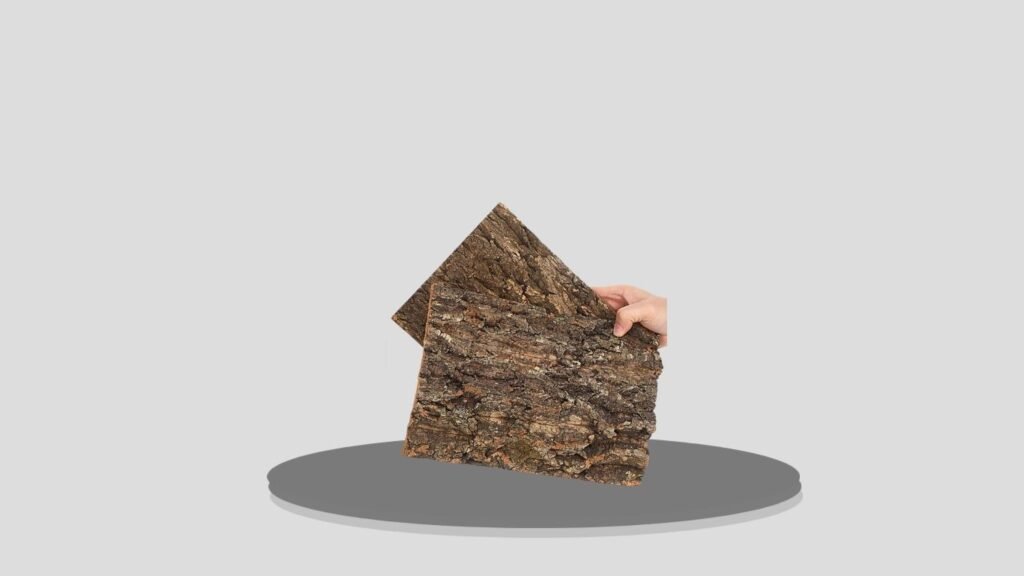
The DOITOOL Cork Bark Terrarium Background Climbing Panel provides a structured way to introduce texture and vertical climbing space into a terrarium. With its panel-style design, it can turn a plain enclosure wall into a more visually interesting surface while helping to create a layered habitat. It is particularly useful for keepers who prefer compact decorations that do not occupy large areas of the enclosure floor.
Key Features
- Panel-style terrarium background
- Approximately 11.8 × 7.9 inches
- Designed to add climbing texture
- Helps maximize vertical enclosure space
- Suitable for naturalistic terrarium designs
- Can complement branches, vines, and plants
Why It Is Best for Compact Wall Coverage
The defined panel shape makes this option easier to plan around compared with irregular pieces of cork bark. Keepers can use it to cover a specific section of an enclosure wall rather than building an entire background from multiple pieces.
This can be particularly convenient for smaller terrariums where only a limited amount of vertical texture is needed.
Useful for Creating a Layered Habitat
Once installed appropriately, the panel can serve as the backdrop for other decorative features. Branches, artificial vines, foliage, and additional cork pieces can be positioned around it to create different levels of climbing and resting space.
This layered approach gives the enclosure more visual depth while still leaving the center accessible for routine care.
A Smart Choice for Organized Terrarium Layouts
The DOITOOL Cork Bark Terrarium Background Climbing Panel is well suited to keepers who prefer a clean and organized enclosure design.
Its compact panel format can help introduce natural texture without requiring a large freestanding cork piece. For terrariums where space management matters, using the wall as part of the habitat can make the setup feel more complete while preserving valuable ground-level space for other essential features.
FAQs
1. What is cork bark used for in a terrarium?
Cork bark can be used for hides, tunnels, climbing surfaces, backgrounds, ledges, and decorative hardscape. Its natural texture works especially well in reptile, amphibian, spider, and bioactive enclosures. Different shapes can be arranged horizontally or vertically depending on the animal and enclosure design.
2. Is cork bark good for bioactive terrariums?
Yes, cork bark is commonly used in bioactive terrariums because it blends naturally with soil, leaf litter, moss, and live plants. Small cork pieces also create additional sheltered areas where springtails and isopods can move around. Its natural appearance helps produce a more realistic woodland or tropical habitat.
3. How should cork bark be positioned in a terrarium?
Placement depends on the animal and the type of cork. Rounds can be positioned horizontally as hides or tunnels, while flats and panels can be placed vertically for climbing. All pieces should be positioned securely so they cannot shift, fall, or trap the enclosure animal.
4. What size cork bark should I choose?
Choose cork bark according to the enclosure size and intended use. Small bark bits work well for bioactive setups and invertebrates, while larger rounds are useful for reptile hides and structural décor. Background panels are a better option when you want to maximize vertical space without crowding the enclosure floor.
5. How do you clean cork bark for a terrarium?
Cork bark should be inspected regularly for waste, mold, leftover food, or other debris. Loose material can usually be brushed away, while removable pieces can be cleaned as needed and allowed to dry thoroughly before being returned to the enclosure. Avoid using harsh chemical cleaners that could leave unsafe residues.
