Step Into the Hidden World of Spiders
Seen a spider and not sure what it is? SpiderAdv helps you quickly identify species using easy features like size, color, and web type. Get accurate information so you know whether it’s harmless or something to be cautious about.
Our Blog Contact Us

Spider Identification Guide
- Size: Small to large depending on species.
- Body: Two main parts, rounded abdomen and front section.
- Legs: Eight long, jointed legs.
- Eyes: Usually 6–8 eyes in different patterns.
- Color: Brown, black, gray, or patterned.
- Web: Some build webs, others hunt.
- Habitat: Found indoors, gardens, and natural areas.
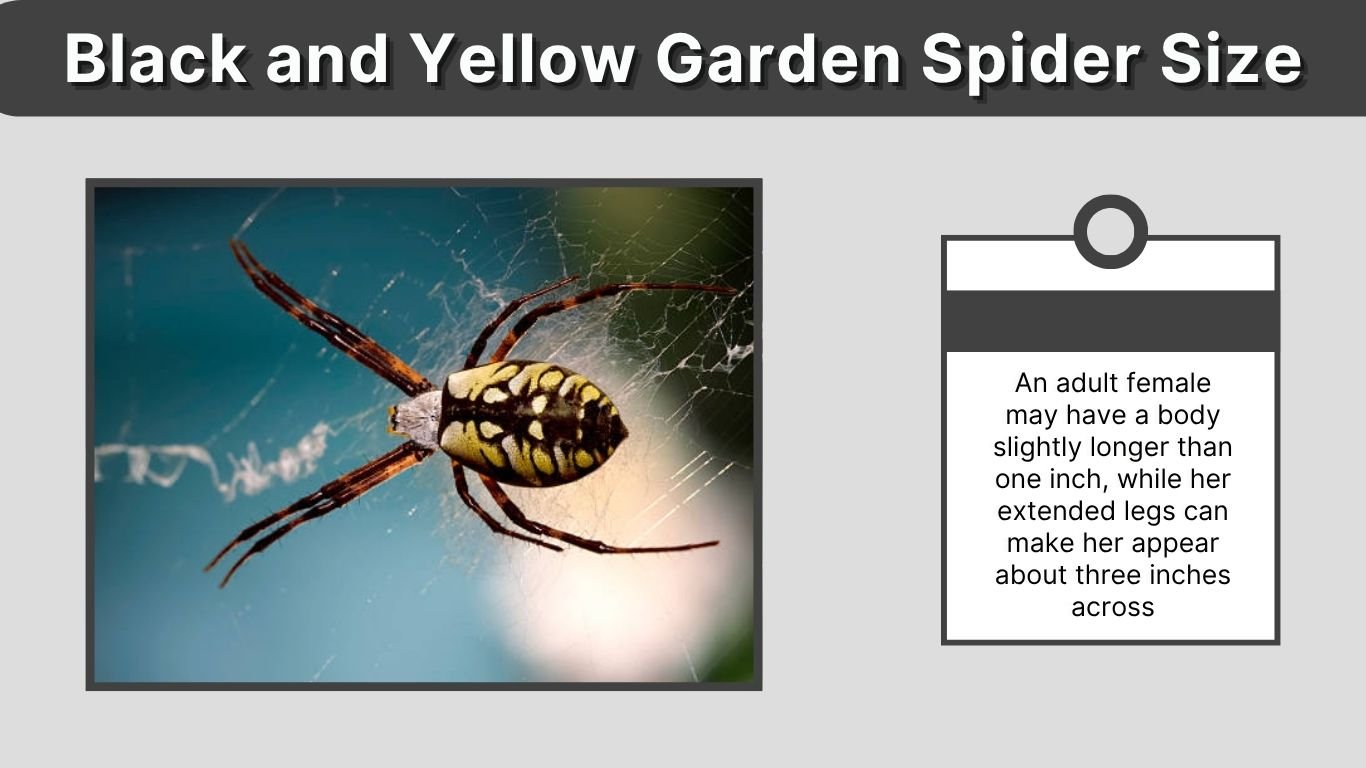
Black and Yellow Garden Spider Size: How Big Do They Get?
July 30, 2026
The black and yellow garden spider is one of the largest and most noticeable orb-weavers found in North American gardens. An adult female may have
Read more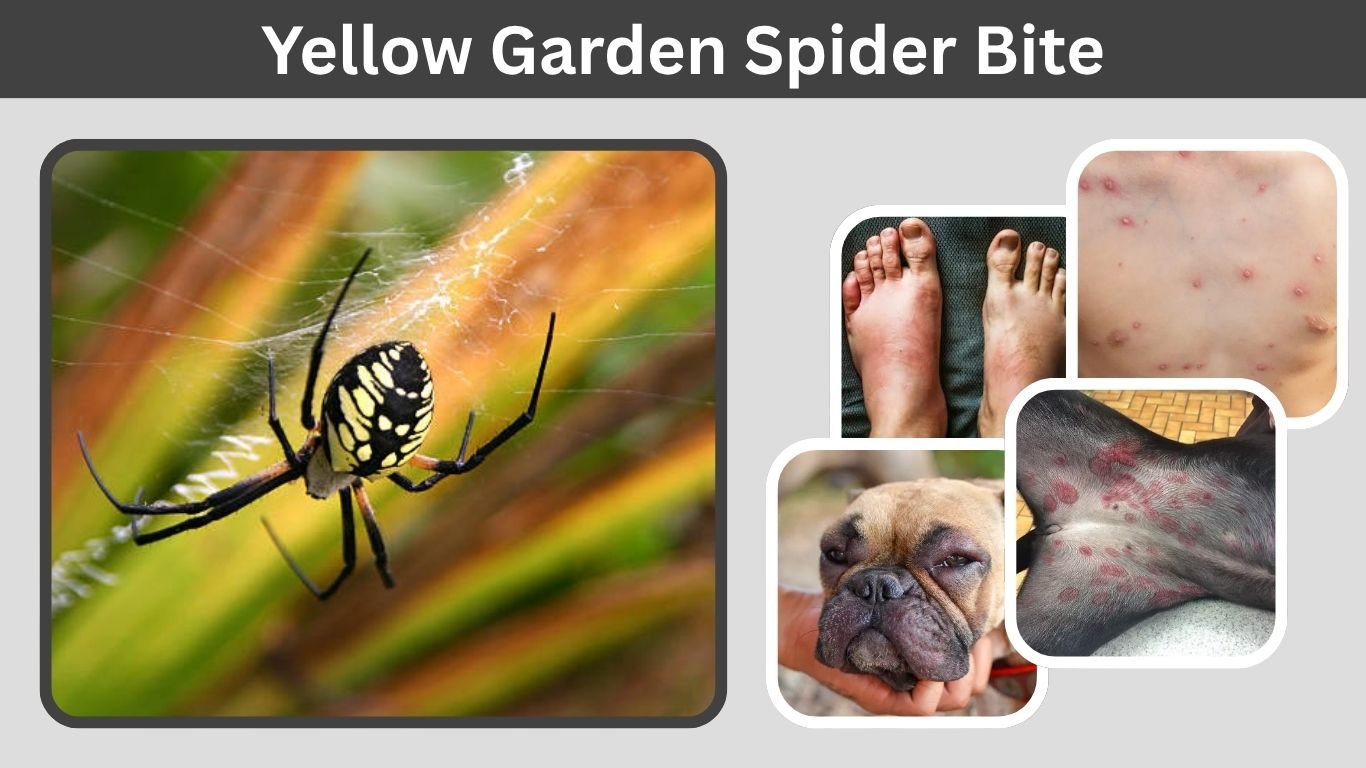
Yellow Garden Spider Bite: Symptoms, Treatment, and Risks
July 30, 2026
A yellow garden spider bite is possible, but it is extremely uncommon. The yellow garden spider, scientifically known as Argiope aurantia, is a large black-and-yellow
Read more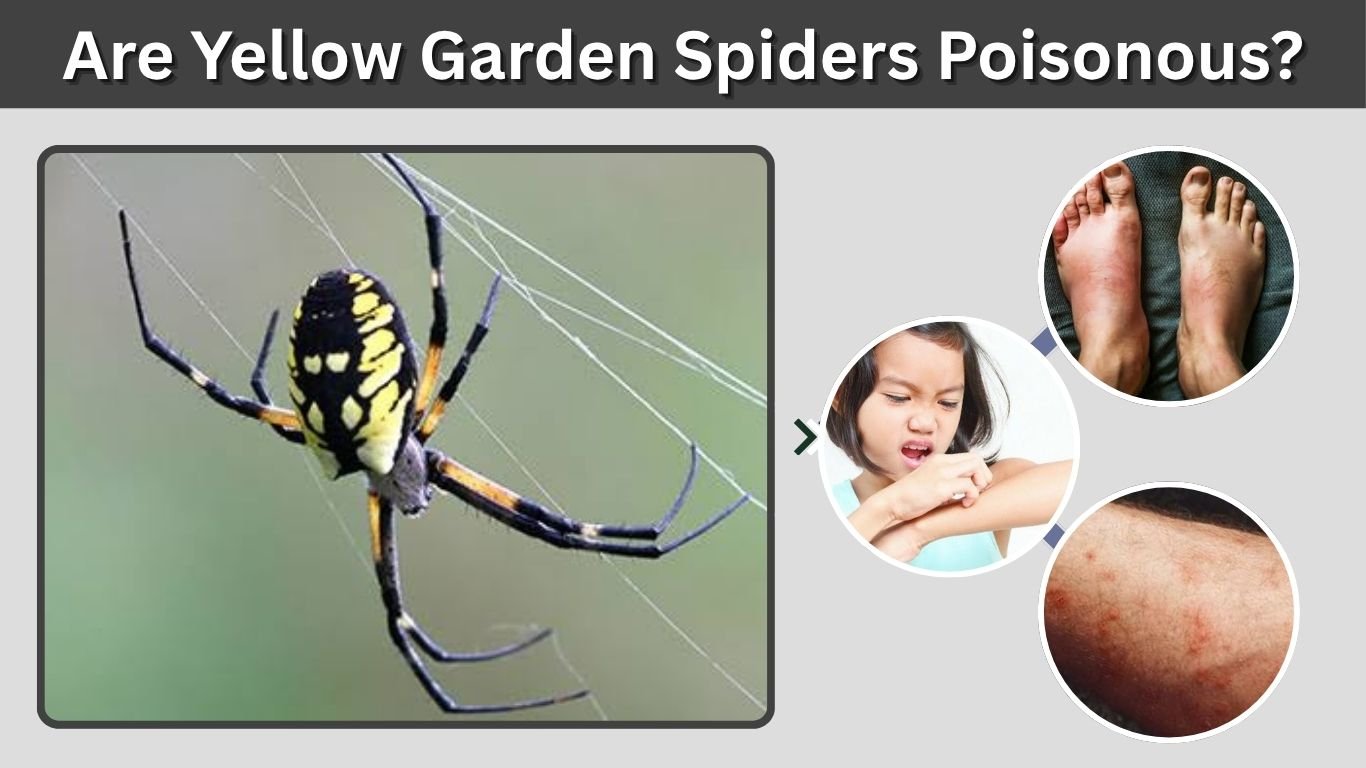
Are Yellow Garden Spiders Poisonous? Bite Symptoms and Risks
July 30, 2026
Yellow garden spiders are large orb-weavers recognized by their striking black-and-yellow bodies and zigzag-decorated webs. Their appearance can be alarming, especially when a full-grown female
Read more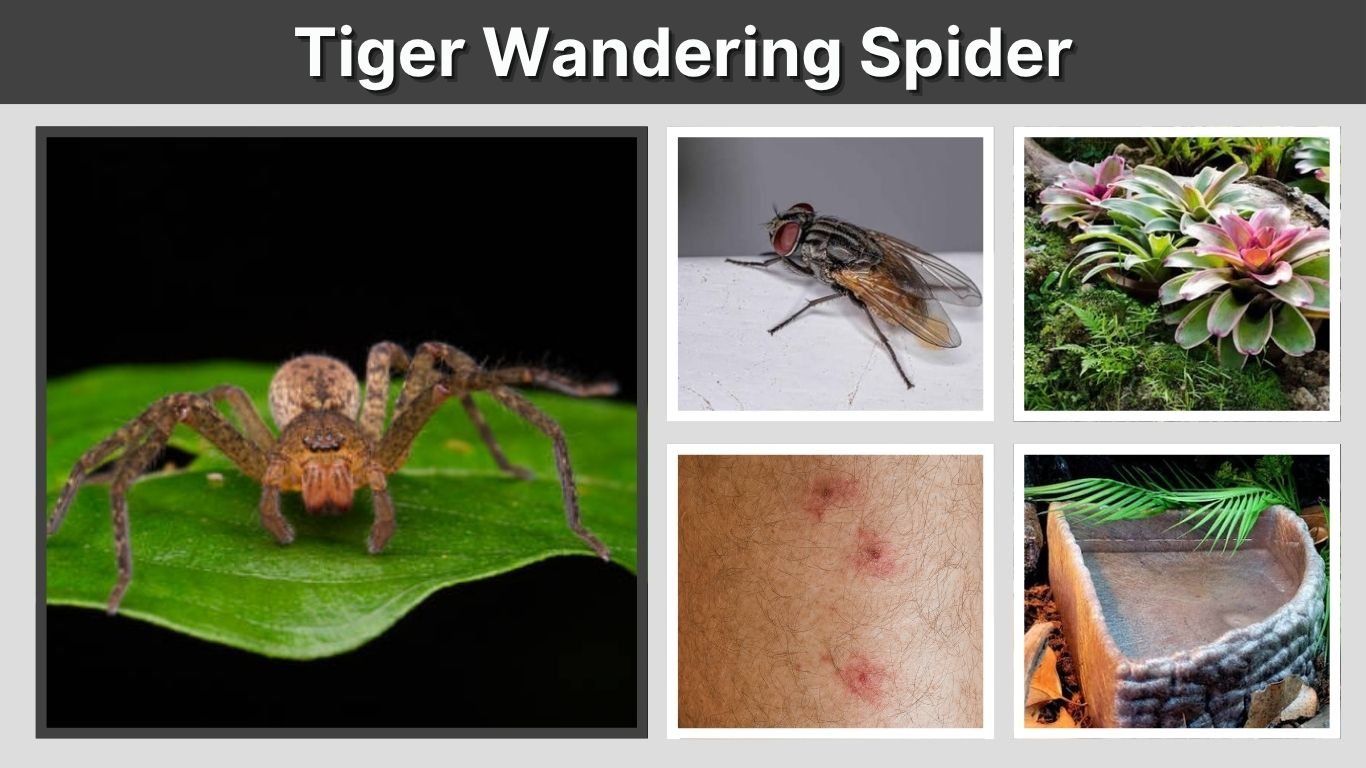
Tiger Wandering Spider: Size, Bite, Habitat, and Care
July 30, 2026
The Tiger Wandering Spider (Cupiennius salei) is a large, fast-moving tropical spider recognized by its striped legs, brown body, and nighttime hunting behavior. It is
Read more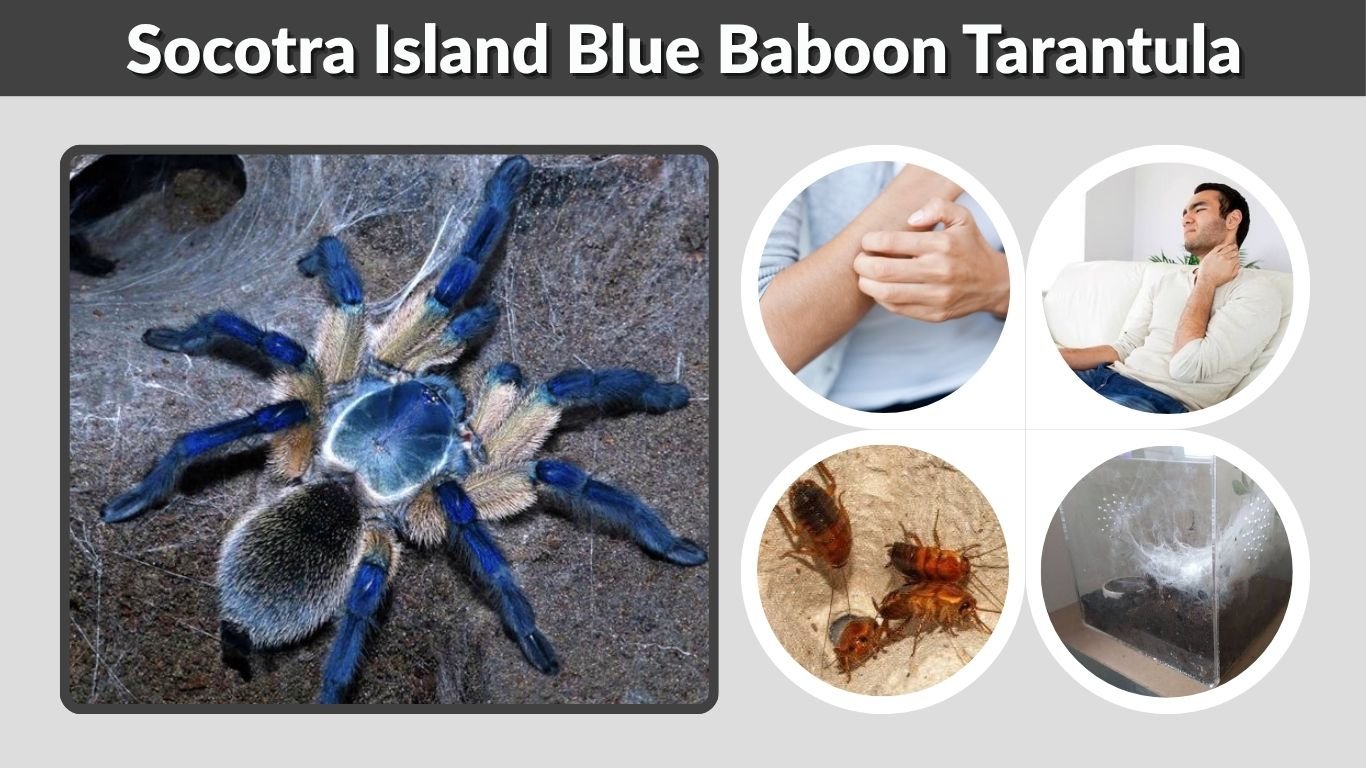
Socotra Island Blue Baboon Tarantula: Care and Facts
July 30, 2026
The Socotra Island Blue Baboon Tarantula (Monocentropus balfouri) is a striking Old World tarantula known for its metallic-blue legs, pale carapace, heavy webbing, and burrowing
Read more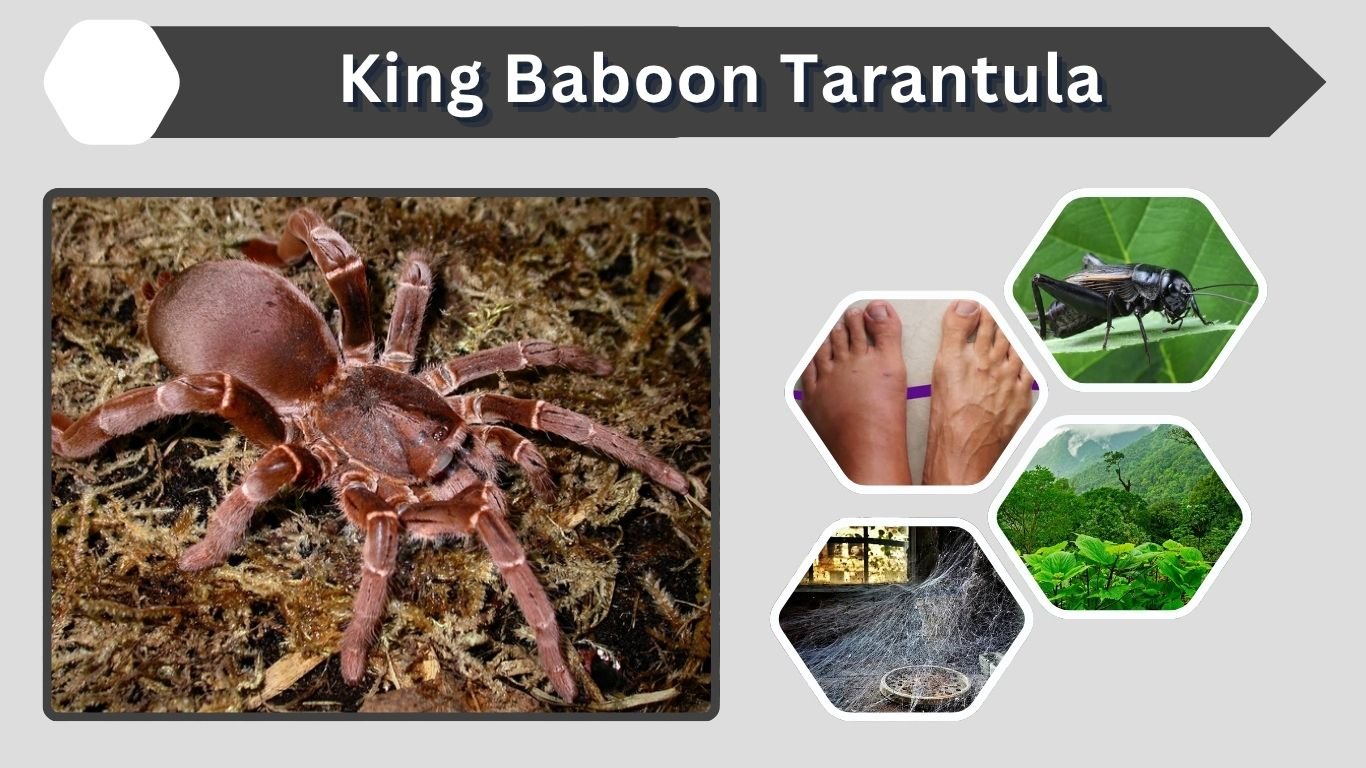
King Baboon Tarantula: Size, Care, Venom, and Lifespan
July 30, 2026
The King Baboon Tarantula (Pelinobius muticus) is a large, heavy-bodied burrowing spider from East Africa. Its rusty orange coloration, thick rear legs, deep tunnel systems,
Read more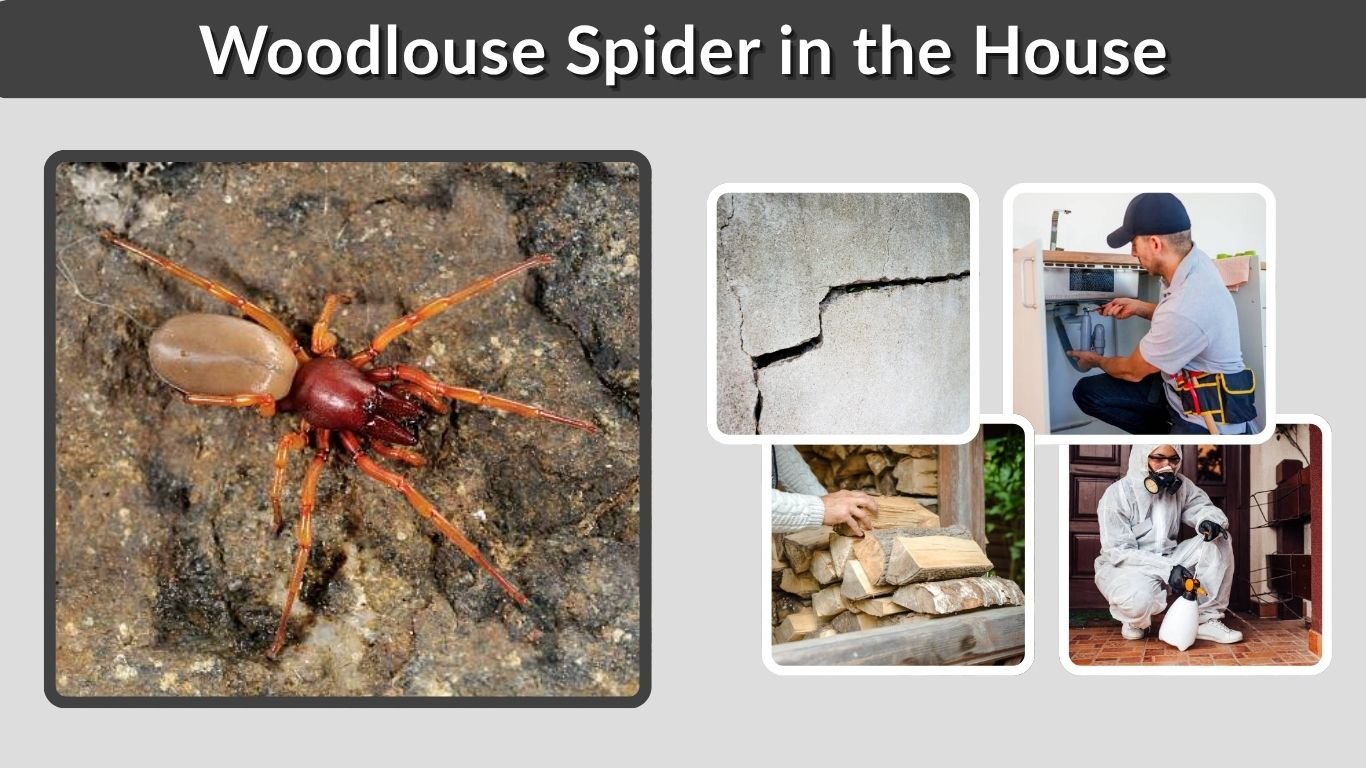
Woodlouse Spider in the House: What Should You Do?
July 30, 2026
Finding a woodlouse spider in your house can be unsettling because of its reddish body and large, forward-pointing fangs. However, there is usually no reason
Read more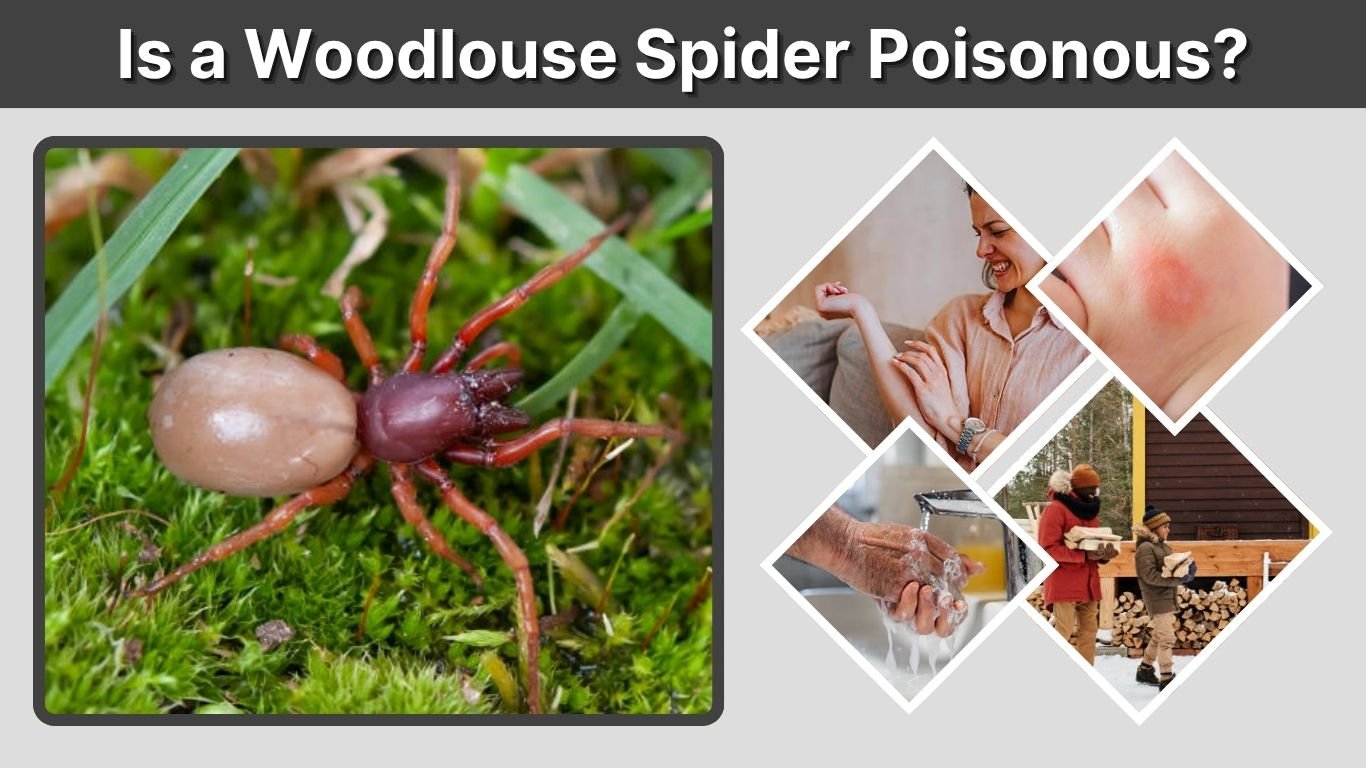
Is a Woodlouse Spider Poisonous? Venom and Bite Risks
July 30, 2026
The woodlouse spider has a reddish body, pale abdomen, and unusually large fangs, giving it a threatening appearance. However, it is not poisonous. It is
Read more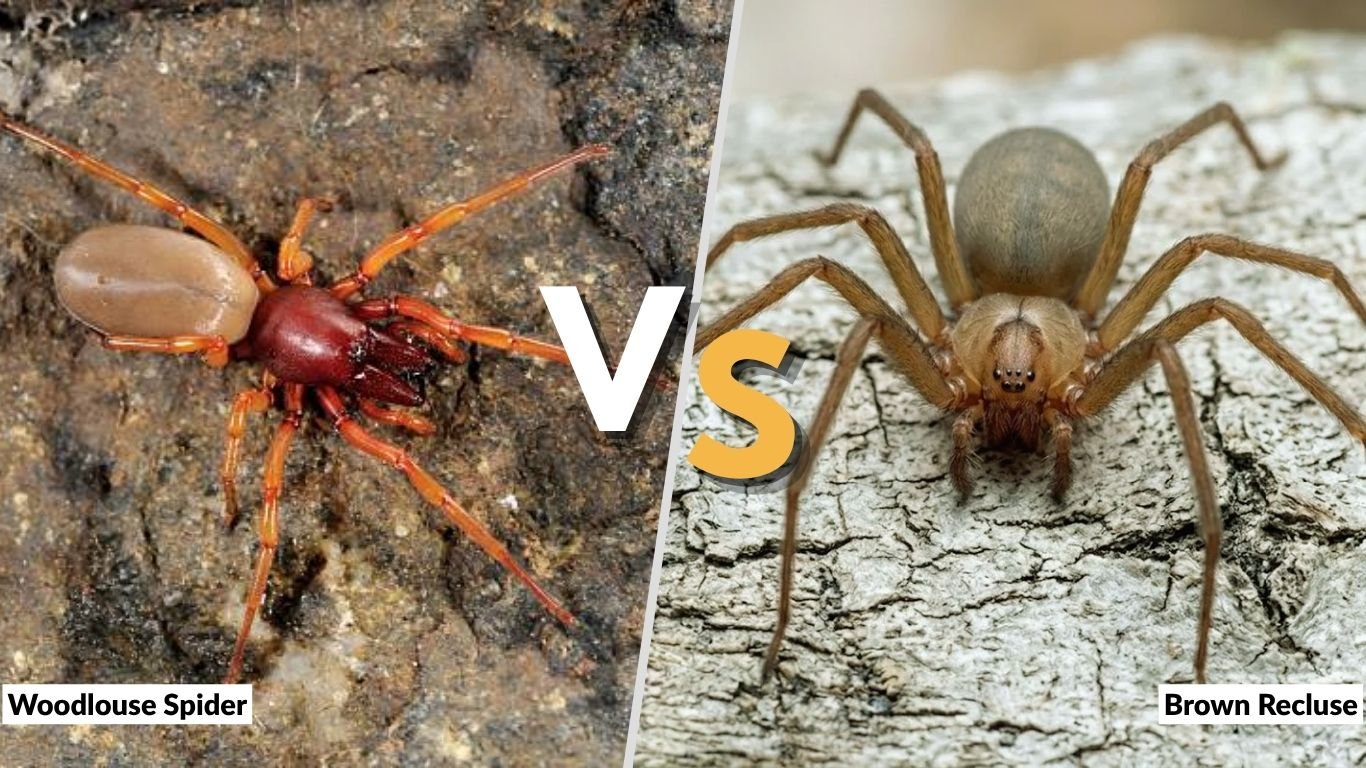
Woodlouse Spider vs Brown Recluse: How to Tell Them Apart
July 30, 2026
The woodlouse spider and brown recluse can both appear indoors and have six eyes, but they are relatively easy to separate when their colors, fangs,
Read more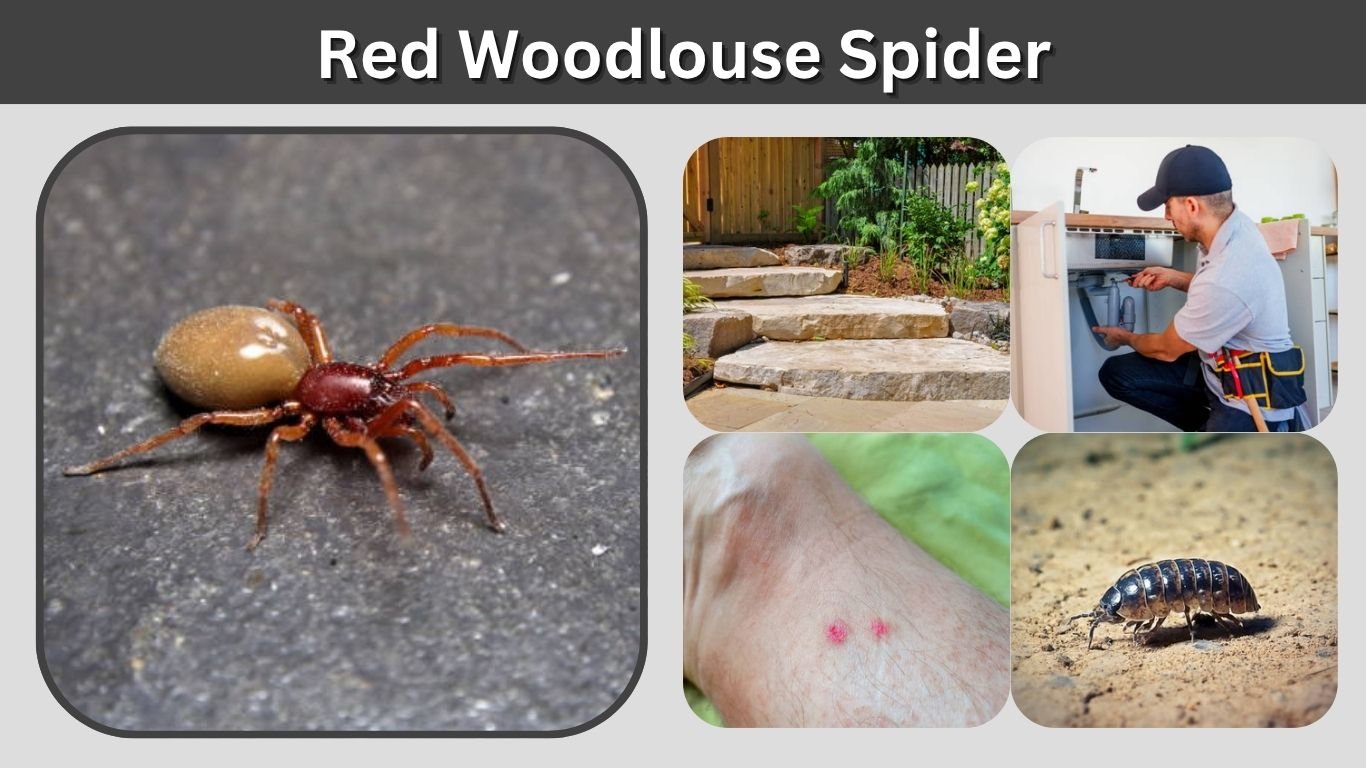
Red Woodlouse Spider: Identification, Bite, Habitat, and Facts
July 30, 2026
The red woodlouse spider is a distinctive ground-hunting spider with a glossy red-orange front body, reddish legs, a pale abdomen, and unusually large fangs. Scientifically
Read more