
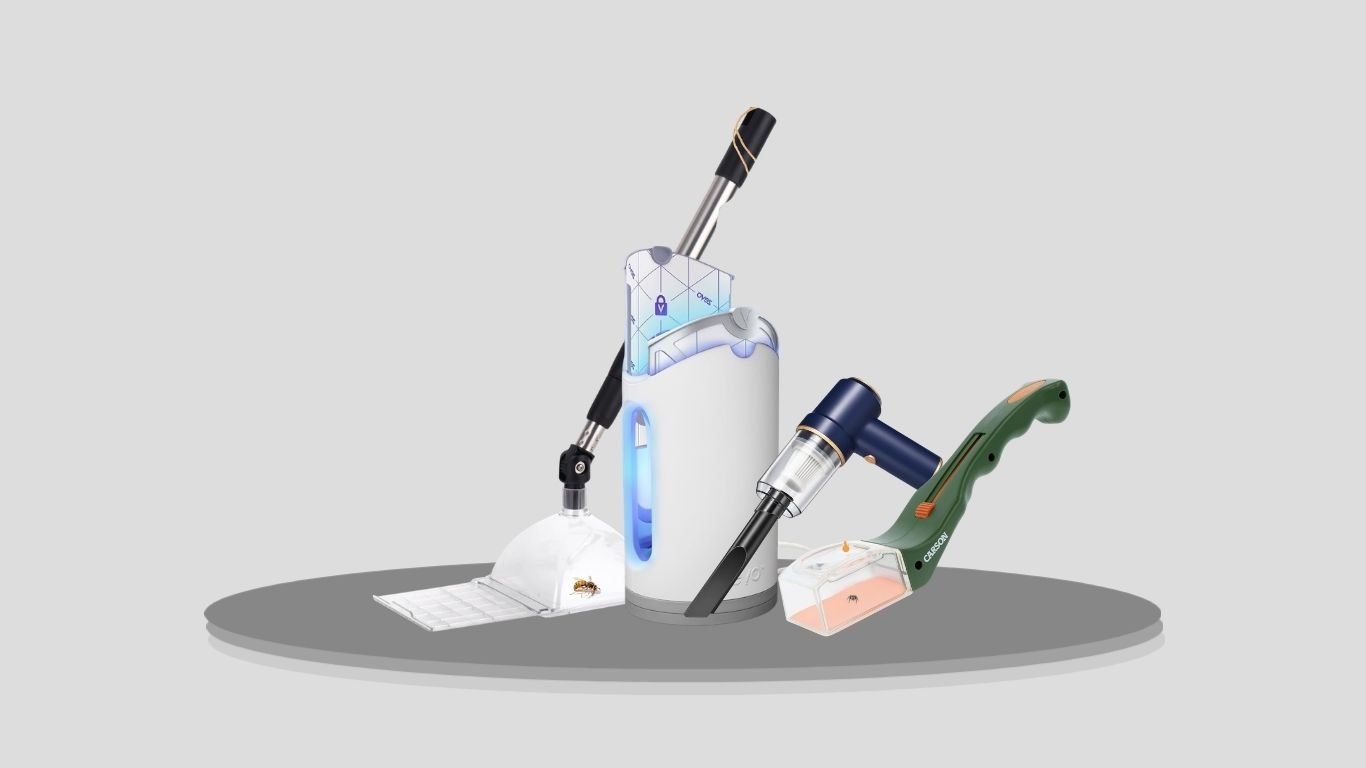
Catching unwanted insects can be frustrating, especially when you want a cleaner and more convenient alternative to sprays or messy traps. The best bug catcher can help remove flies, spiders, moths, beetles, and other small pests with less contact and effort. From handheld vacuum catchers and contactless grabbers to indoor flying-insect traps and observation tools, there are options for different situations. Below, we review 8 of the best bug catchers designed for homes, classrooms, gardens, and everyday insect control.
1. Bug Catcher Container with Extendable Handle
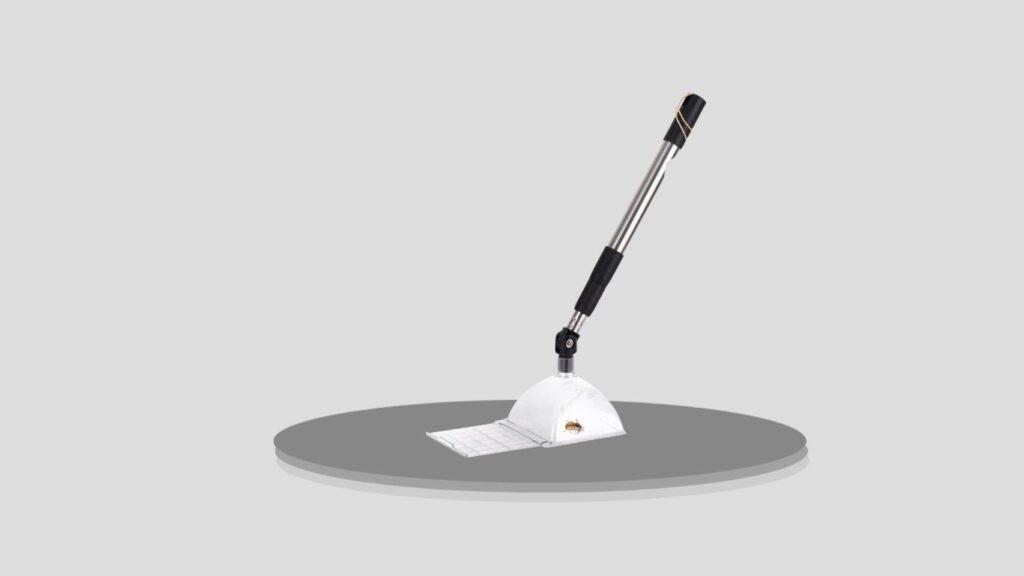
This extendable bug catcher is designed for people who prefer collecting insects without touching them directly. Its transparent observation container makes it particularly useful for children, classrooms, gardens, and nature activities. The long handle provides extra reach, while the enclosed catching chamber helps keep insects contained until they can be observed or released outdoors.
Key Features
- Extendable handle for additional reach
- Transparent insect observation container
- Contact-free catching design
- Suitable for various small insects
- Useful indoors and outdoors
- Educational design for children
- Reusable alternative to disposable traps
Why It’s Best for Catch-and-Release
The biggest advantage of this bug catcher is its simple catch-and-release approach. Instead of crushing insects or using chemicals, users can capture a bug inside the clear chamber and move it somewhere else.
The extended handle is especially convenient when dealing with insects on walls, windows, plants, or other locations where reaching by hand would be uncomfortable. Because the container is see-through, you can confirm that the insect has been successfully captured before moving the tool.
This design also makes it appealing for children who enjoy observing insects. Parents or teachers can use it to introduce kids to beetles, moths, grasshoppers, and similar creatures while maintaining some distance between the child and the insect.
Handling, Visibility, and Everyday Performance
The straightforward mechanical design means there are no batteries, charging cables, or replacement cartridges to worry about. That makes the catcher easy to keep ready in a classroom, garage, patio, or gardening kit.
Its clear enclosure is another practical advantage because users can examine an insect without opening the catcher immediately. The extended shaft also reduces the need to bend down or place your hands close to unfamiliar bugs.
It is most useful for relatively slow-moving insects rather than extremely fast flying pests. Good positioning and a steady approach will usually provide the best results.
Who Should Choose This Bug Catcher?
This model suits families, teachers, gardeners, and anyone interested in humane insect removal. It is especially attractive if you want something reusable that requires no chemicals or electricity.
Its combination of reach, visibility, and enclosed handling makes it a practical household tool as well as an educational accessory. For users who frequently encounter insects but prefer releasing them outside rather than killing them, this type of catcher offers a simple and convenient solution.
2. ISOTRONIC Bug Catcher with Magnifier & Extension Handle
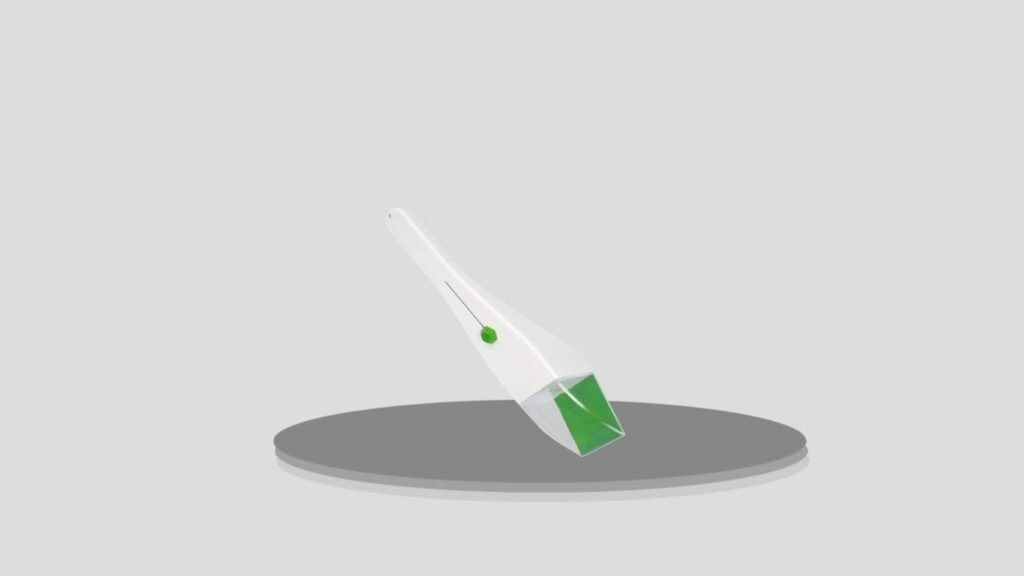
The ISOTRONIC Bug Catcher combines insect collection with close-up observation. Its extension handle helps users maintain a comfortable distance, while the integrated magnifying feature makes the captured insect easier to examine. This combination works particularly well for children, students, hobbyists, and anyone who wants to inspect small insects before safely releasing them.
Key Features
- Integrated magnifying viewing area
- Extended handle for greater distance
- Designed for contact-free insect catching
- Suitable for butterflies, bees, and other insects
- Reusable construction
- Useful for nature observation
- No insecticide required
Why It’s Best for Insect Observation
Unlike a basic grabber, the ISOTRONIC catcher places a strong emphasis on observation. The magnifying section lets users study details such as body shape, wings, colors, and markings without handling the insect directly.
This can make outdoor exploration more interesting for children and students. Instead of simply catching and releasing an insect immediately, users have an opportunity to examine it from a safer distance.
The longer handle also creates useful separation between the person and the insect. This is especially convenient for people who are uncomfortable getting close to bugs.
Performance and Ease of Handling
The manual design keeps operation straightforward. There is no motor to charge and no adhesive cartridge to replace. Once an insect is located, the catcher can be positioned over it and used to temporarily contain it.
The magnifier is particularly helpful with smaller specimens that would otherwise be difficult to inspect. When used carefully, the catcher can serve both indoor pest-removal needs and outdoor educational activities.
Because it relies on manual positioning, it may require more patience with fast-moving insects. It is generally better suited to insects that are resting, crawling, or moving slowly.
Best Choice for Families and Nature Enthusiasts
This bug catcher makes the most sense for households where insect encounters are viewed as opportunities for observation rather than simply pest-control problems. Parents can keep one available for children’s outdoor activities, while gardeners can use it to inspect insects found around plants.
Its combination of extended reach and magnification differentiates it from ordinary catch-and-release tools. Anyone wanting a reusable catcher with a stronger educational focus should find this model particularly practical.
3. Zevo MAX Indoor Flying Insect Catcher Trap
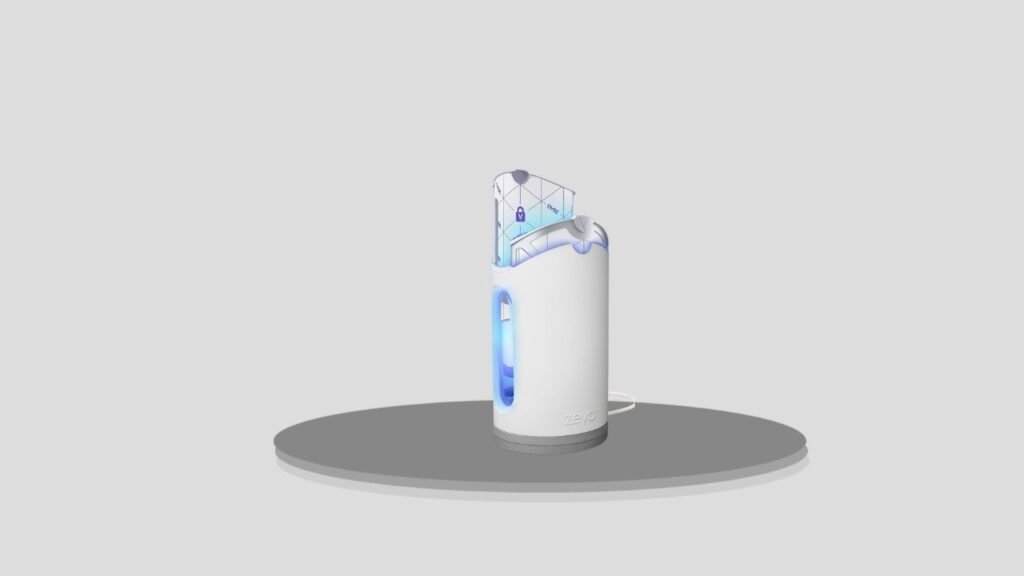
The Zevo MAX is quite different from handheld bug-catching tools. It is an indoor plug-in system designed to continuously attract and trap flying insects. This makes it especially useful in kitchens, living areas, or other rooms where flies, gnats, and similar pests repeatedly appear. Once installed, it can work without requiring users to chase individual insects.
Key Features
- Plug-in indoor insect-catching system
- Designed for flying insects
- Continuous unattended operation
- Replaceable trapping cartridge
- Suitable for kitchens and living spaces
- No handheld catching required
- Compact household design
Why It’s Best for Continuous Indoor Control
The strongest advantage of the Zevo MAX is convenience. Handheld catchers work well when you can see the insect, but flying bugs often disappear before they can be caught. A plug-in catcher works in the background instead.
This makes it particularly helpful in rooms where fruit flies, house flies, or gnats repeatedly show up. Rather than responding to each insect individually, the system provides a dedicated trapping point.
Its enclosed trapping method also keeps caught insects contained, which can make cleanup more convenient than dealing with exposed sticky traps.
Everyday Performance and Maintenance
Once positioned in an appropriate indoor location, the Zevo MAX requires relatively little interaction. The system attracts flying insects toward its trapping area and holds them on the internal cartridge.
Performance will depend heavily on placement. Installing it in areas where insects frequently gather—such as near kitchens, trash areas, or entry points—generally makes more sense than hiding it in a low-traffic corner.
The trapping cartridge eventually requires replacement, so this model has an ongoing maintenance cost that manual catchers do not. However, that trade-off provides continuous operation.
Best for Busy Indoor Spaces
The Zevo MAX is particularly suitable for users who want ongoing protection rather than occasional manual catching. It works well for households that regularly deal with small flying insects and prefer a system that can remain active throughout the day.
If your main problem is airborne pests rather than crawling spiders or beetles, its automated approach offers a clear advantage. For kitchens and frequently used indoor areas, it can provide a more hands-off solution than traditional swatters or handheld catchers.
4. Felyne Rechargeable Handheld Bug Vacuum Catcher
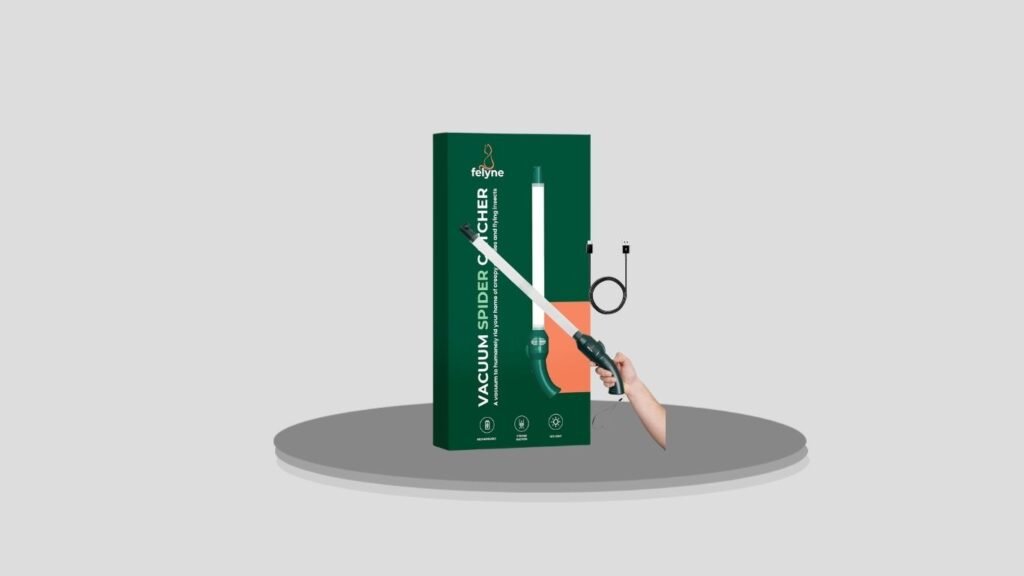
The Felyne rechargeable bug catcher uses suction to collect insects from a comfortable distance. Instead of grabbing or crushing pests, the vacuum-style system draws them through a nozzle into a collection area. Its cordless rechargeable design makes it especially convenient for moving between rooms and handling insects on walls, floors, ceilings, or furniture.
Key Features
- Rechargeable cordless operation
- Vacuum suction catching method
- Extended nozzle design
- Contact-free insect collection
- Portable handheld construction
- Useful for crawling and resting insects
- Reusable collection system
Why It’s Best for Powered Bug Removal
Vacuum catchers are useful for people who dislike getting close to insects. The suction mechanism allows the device to do much of the catching work, reducing the need for precise mechanical grabbing.
The extended nozzle further increases the distance between your hand and the insect. This can be particularly reassuring when dealing with spiders, beetles, moths, or other bugs that users may not want to touch.
Because it is rechargeable, the device also avoids the need to keep replacing disposable batteries.
Suction, Control, and Portability
A cordless design makes the Felyne catcher easy to carry around the house. Users can quickly move from a bedroom to a kitchen, garage, or patio without looking for an electrical outlet.
The narrow nozzle can also reach locations where traditional catchers may be awkward to position. Corners, window frames, furniture edges, and wall surfaces are typical examples.
As with most bug vacuums, suction should be strong enough to capture small insects while remaining manageable for routine household use. Emptying the collection chamber periodically helps maintain cleanliness and readiness.
Who Will Get the Most Value?
This model is a strong match for anyone who encounters insects frequently but wants to avoid chemicals, direct contact, or traditional swatting. Its powered suction makes the catching process feel more controlled, while rechargeable operation adds everyday convenience.
It is especially useful in homes where spiders and crawling insects appear in difficult-to-reach areas. For users who want a more modern alternative to mechanical grabbers, a rechargeable vacuum catcher like this one offers an appealing combination of reach, portability, and hands-off operation.
5. Carson Quick-Release Bug Catching Tool with Magnifier
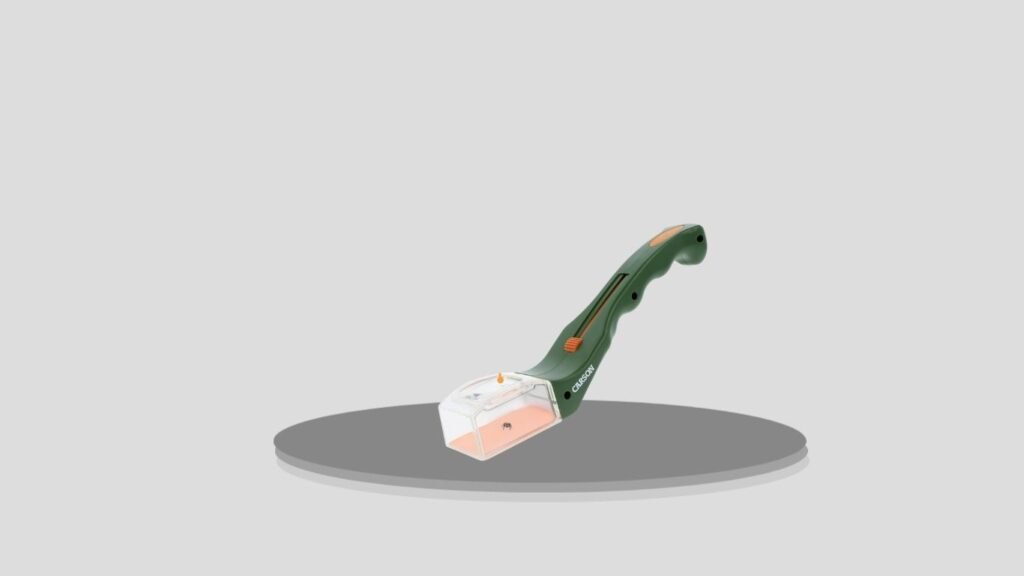
The Carson quick-release bug catcher is designed around hands-on nature exploration and easy insect observation. Its magnifying feature lets users view small details while the catching mechanism keeps the insect contained. A quick-release design makes it possible to return specimens outdoors after observation, making this an appealing choice for children, classrooms, and backyard exploration.
Key Features
- Built-in magnifying viewer
- Quick-release catching mechanism
- Designed for children and educational use
- Reusable construction
- Allows close-up insect observation
- Suitable for backyard and classroom activities
- No chemicals or electricity required
Why It’s Best for Young Explorers
Carson is known for optical and magnification products, and the magnifying element is what makes this catcher particularly interesting. Children can observe insects without needing to hold them directly.
That can turn a simple backyard bug hunt into an educational activity. Wings, antennae, leg structure, coloration, and other characteristics become easier to see through the magnifier.
The quick-release mechanism is equally important because insects do not need to remain inside the catcher after observation. They can be returned to an appropriate outdoor area.
Simple Operation and Educational Value
The absence of batteries keeps this tool easy to use. Children can take it into the yard, park, or garden without worrying about charging anything beforehand.
Because its primary purpose is capturing and examining insects, the design is better suited to controlled observation than aggressive pest removal. Slow-moving insects and specimens found on plants or the ground will generally be easier to capture than highly active flying insects.
The reusable structure also means it can support repeated nature activities rather than being a single-use product.
Best for Kids, Schools, and Backyard Learning
Parents looking for an outdoor educational accessory should find this Carson model especially interesting. It encourages children to study insects from close range while reducing the temptation to pick them up with bare hands.
Teachers can also incorporate it into basic science and nature lessons. While it may not replace a dedicated household pest-control device, its magnification and quick-release system give it a clear purpose. For educational insect catching and observation, it offers a practical combination of safety, visibility, and interactive learning.
6. BugZooka WB100 Bug Catcher Vacuum
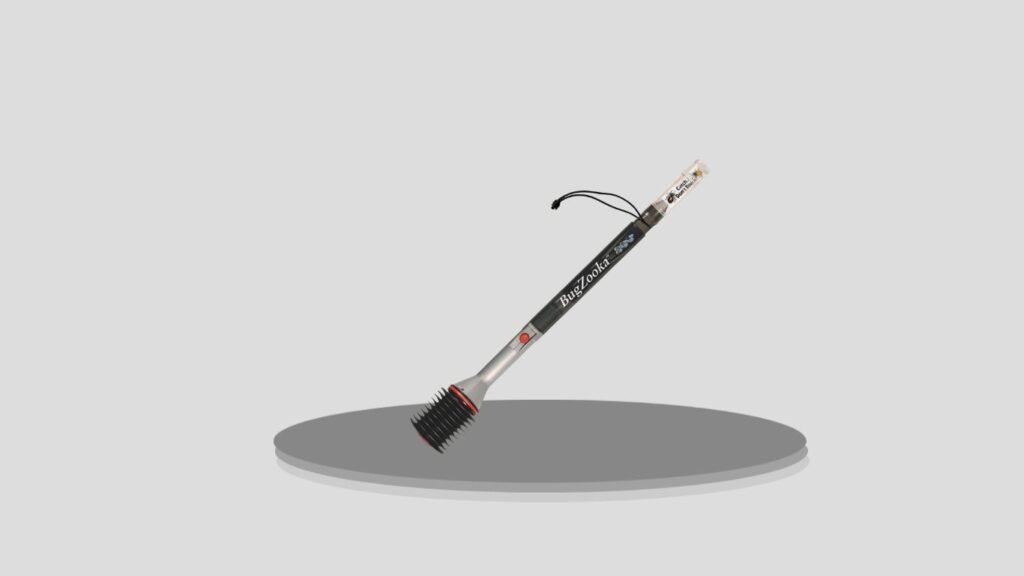
The BugZooka WB100 is one of the more recognizable vacuum-style insect catchers. It is designed to capture bugs from a distance using suction rather than chemicals or direct hand contact. Its elongated body helps users approach spiders and other household insects without getting too close, making it especially attractive to anyone uncomfortable handling bugs manually.
Key Features
- Suction-based insect catching
- Long-reach body
- Contact-free operation
- Reusable catching chamber
- No insecticide sprays required
- Suitable for spiders and crawling insects
- Designed for indoor household use
Why It’s Best for People Who Dislike Touching Bugs
The BugZooka’s primary appeal is psychological as much as practical: you do not need to place your hand near the insect. The long body creates extra distance, while suction pulls the insect into the catching chamber.
That combination is useful when dealing with spiders sitting high on walls or insects crawling across floors and furniture. Instead of trying to cover the bug with a glass or tissue, the user can approach it using the extended catcher.
Once captured, the insect can be transported to another location for release.
Practical Performance Around the Home
The BugZooka is designed for quick household encounters rather than continuously trapping insects. Keeping it in an accessible location means it can be grabbed whenever a spider, beetle, moth, or similar bug appears.
Its extended reach is particularly useful around ceilings, corners, and behind furniture. The suction system also provides more room for positioning errors than a small mechanical grabber because the nozzle only needs to approach the insect closely enough to pull it in.
Regularly cleaning the collection area will help keep the device ready for repeated use.
Best for Contact-Free Household Catching
For users who want to physically remove visible bugs without sprays, sticky pads, or crushing them, the BugZooka offers a straightforward solution. It is particularly useful for people who feel uncomfortable getting within arm’s reach of spiders.
The combination of suction and extended reach is what makes it stand out. Rather than being a permanent trap, it functions as a reusable household tool that can remain available for those unexpected insect encounters.
7. Cordless Bug Vacuum Catcher with Suction Nozzle
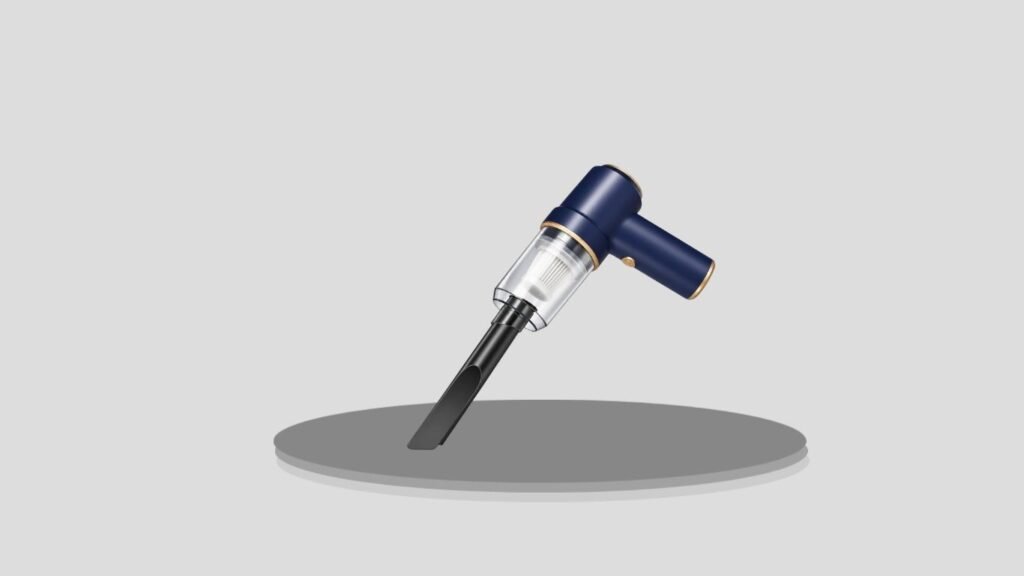
This cordless vacuum bug catcher provides a portable way to remove insects using targeted suction. Its extended nozzle helps users reach bugs on walls, floors, furniture, windows, and corners without direct contact. Because the device is cordless, it can be carried throughout the home and used immediately whenever an unwanted insect appears.
Key Features
- Cordless handheld design
- Vacuum suction system
- Extended catching nozzle
- Portable construction
- Contactless insect handling
- Reusable collection area
- Suitable for multiple indoor locations
Why It’s Best for Hard-to-Reach Bugs
One of the biggest challenges with household insects is reaching them before they disappear. Bugs often settle near ceiling corners, behind furniture, along window frames, or in tight spaces.
The elongated suction nozzle helps solve this problem by increasing reach while keeping the user’s hands farther away. Instead of climbing closer to a spider or manually scooping up a beetle, the nozzle can be positioned near the insect.
Vacuum action then helps pull the target into the collection area.
Mobility and Everyday Usability
Cordless construction is one of this model’s main practical advantages. A wired vacuum would be inconvenient for quick insect-catching tasks, while this type of handheld device can move freely between rooms.
The relatively compact form also makes storage easier. It can be kept in a cabinet, utility room, or near areas where bugs frequently enter.
Because it captures insects physically rather than relying on pesticide, it also avoids leaving spray residue on walls, floors, or furniture. Users should still clean the chamber after catches to keep the device hygienic.
Best for Quick Household Response
This cordless catcher is well suited to users who want a dedicated tool for occasional insect encounters. It offers more reach than simply using a household vacuum cleaner and is generally easier to control around delicate surfaces.
The combination of portability, suction, and an extended nozzle makes it particularly useful for bedrooms, living rooms, kitchens, and garages. Anyone who wants a reusable tool for dealing with visible insects quickly may appreciate the convenience of keeping this type of cordless catcher nearby.
8. Saillong Contactless Bug Catcher Grabber
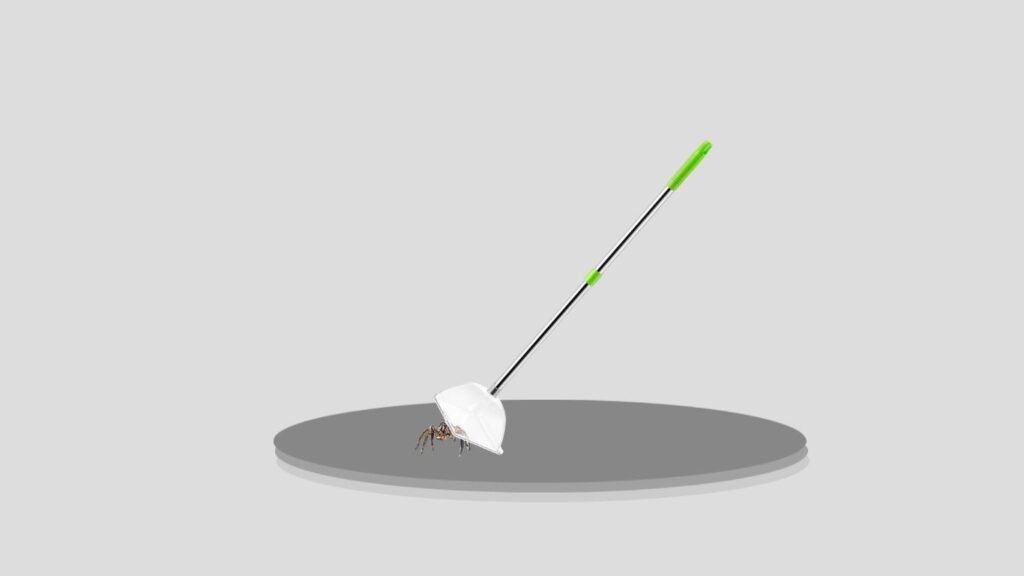
The Saillong contactless bug catcher uses a mechanical grabbing design that lets users pick up insects without directly touching them. Unlike powered vacuum catchers, it requires no charging or batteries. Its long handle keeps the user’s hand comfortably away from the insect, making it practical for removing spiders and other crawling bugs from household surfaces.
Key Features
- Contactless mechanical grabbing system
- Long handle for additional distance
- No batteries or charging required
- Reusable design
- Suitable for spiders and crawling insects
- Lightweight manual operation
- Convenient for indoor household use
Why It’s Best for Simple Manual Catching
A mechanical catcher has one major advantage: it is always ready. There is no battery level to check, suction motor to maintain, or replacement cartridge to install.
When an insect appears, users can simply pick up the tool and position the grabbing head over it. The long handle creates a comfortable gap between the person’s hand and the bug.
This makes it particularly useful for people who are reluctant to use cups, tissues, or their hands when relocating spiders.
Control, Reliability, and Maintenance
Because the Saillong catcher relies on mechanical operation, users have direct control over positioning and release. The design can be particularly helpful for insects resting on flat surfaces such as walls or floors.
Its simple construction also keeps maintenance minimal. After use, the catching end can be cleaned if necessary and stored until the next insect encounter.
Unlike sticky traps, it produces no disposable waste after every catch. And unlike aerosol sprays, it does not leave pesticide residue around indoor surfaces.
There can be a slight learning curve when positioning the grabber over faster insects, but careful movements generally improve control.
Best for Simple, Reusable Bug Removal
The Saillong catcher is a practical choice for users who value simplicity. It does not try to automate insect control or provide complex features. Instead, it focuses on creating distance between you and the bug while providing a reusable method of physically removing it.
It is especially suitable for spiders, beetles, and other crawling insects that can be approached steadily. For households wanting a low-maintenance catcher that can remain ready at all times, the manual contactless design provides a convenient alternative to powered vacuums, pesticides, and disposable traps.
FAQs
1. What is the best bug catcher for indoor use?
The best bug catcher for indoor use depends on the type of insects you usually encounter. Plug-in traps such as the Zevo MAX work well for flies and gnats, while vacuum-style catchers are better for spiders, beetles, moths, and other visible insects. Manual grabbers are also useful when you want a simple, reusable option without electricity.
2. Do bug catchers work on spiders?
Yes, many bug catchers work well on spiders. Long-handled grabbers and vacuum catchers are especially useful because they let you maintain distance while removing the spider. They are generally most effective when the spider is resting on a wall, floor, ceiling, or other accessible surface.
3. Are bug catchers safe to use around children and pets?
Mechanical and vacuum-style bug catchers are generally convenient around homes with children and pets because they do not rely on pesticide sprays. However, the device should still be stored safely, especially models with small parts or electrical components. Plug-in traps should also be positioned where children and pets cannot easily interfere with them.
4. Can bug catchers capture insects without killing them?
Many bug catchers are designed for catch-and-release use. Observation containers, mechanical grabbers, and some vacuum catchers can temporarily contain insects so they can be moved outside. However, sticky or adhesive-based traps are designed differently and usually are not suitable for humane release.
5. Which is better: a bug vacuum or a manual bug catcher?
A bug vacuum is usually better for people who want additional distance and powered suction, especially when catching spiders or insects in awkward locations. A manual catcher is simpler, requires no charging, and is always ready to use. The better option depends on whether you prioritize powered convenience or low-maintenance simplicity.
