
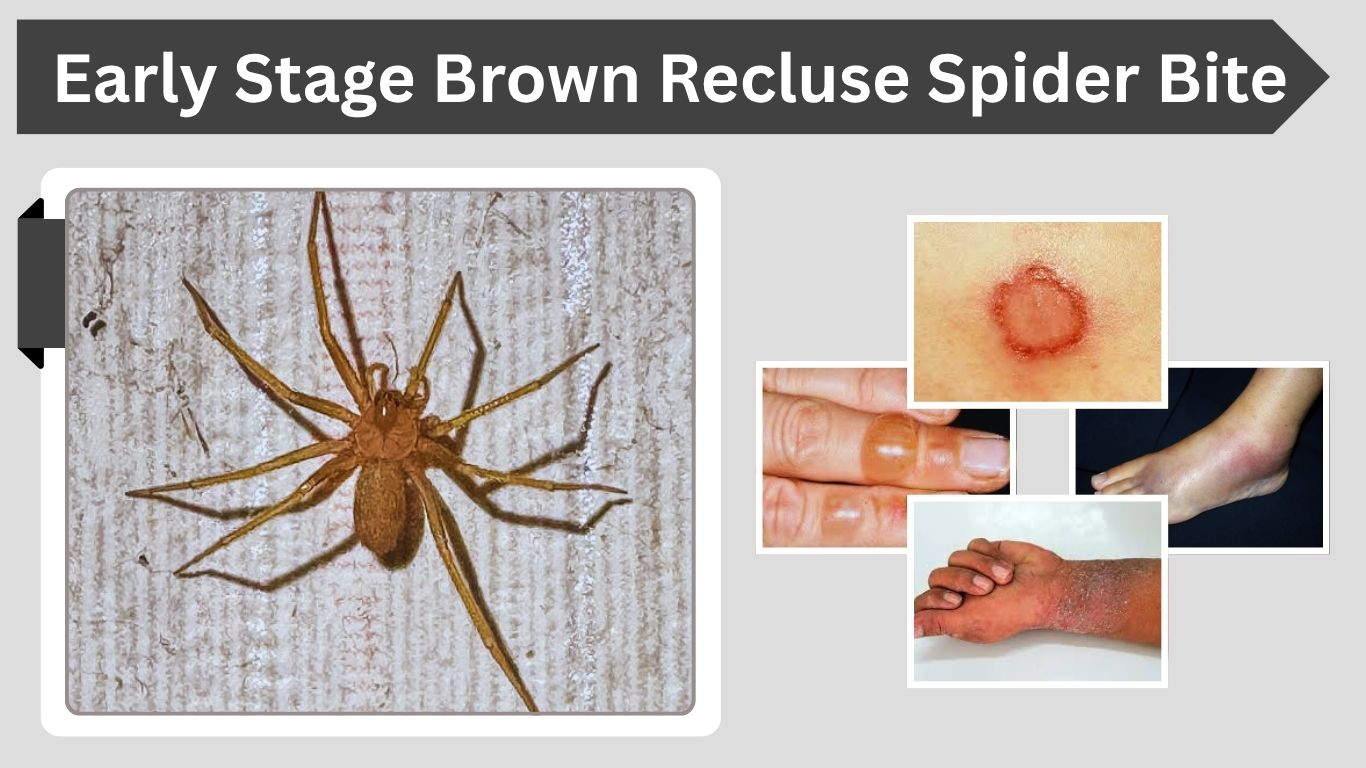
A brown recluse spider bite can be difficult to recognize during the early stage because the symptoms often begin mildly and resemble a common insect bite. In many cases, people do not realize they have been bitten until redness, pain, or skin discoloration begins developing over the next several hours or days. While some bites remain minor, others can become more serious if symptoms worsen and tissue damage develops. This is why recognizing the early signs is important.
Many people search for early-stage brown recluse spider bite pictures because they want to compare symptoms and determine whether medical care is necessary. However, these bites can look different from person to person, making accurate identification challenging. Understanding how the bite changes during the first stages can help you respond properly and avoid complications.
What Is a Brown Recluse Spider Bite?
A brown recluse spider bite occurs when a brown recluse spider injects venom into the skin. The venom can affect surrounding tissue and cause symptoms that range from mild irritation to more serious skin damage. Most bites are not life-threatening, but some can become severe if left untreated.
What Is a Brown Recluse Spider?
The brown recluse spider is a venomous spider commonly found in certain regions of the United States. It is usually light brown and recognized by the violin-shaped marking located on its back. These spiders prefer dark, quiet places such as closets, basements, garages, storage boxes, and wood piles.
Brown recluse spiders are naturally shy and rarely attack humans intentionally. Most bites happen when the spider becomes trapped against the skin inside clothing, bedding, or shoes. Because they are nocturnal, many bites occur at night or in areas that are rarely disturbed.
Unlike aggressive spiders, brown recluse spiders generally avoid contact with people. However, accidental encounters can still happen, especially in homes where the spiders are present.
Why Their Bite Can Be Serious
The venom of a brown recluse spider contains toxins that may damage skin tissue in some individuals. While many bites remain mild and heal without major complications, some cases develop worsening symptoms over time.
The seriousness of the bite depends on several factors, including the amount of venom injected, the location of the bite, and the body’s reaction to the venom. Some people experience only redness and irritation, while others may develop blistering or skin breakdown.
Early identification and treatment are important because symptoms can progress gradually during the first few days after the bite.
Early Stage Brown Recluse Spider Bite Appearance

The early stage of a brown recluse spider bite may appear minor at first, which often causes people to ignore it. In many cases, symptoms become more noticeable within the first 24 to 48 hours.
Early Signs of a Brown Recluse Spider Bite
The earliest signs often include mild skin irritation around the bite area. Common symptoms may include:
- Redness around the bite
- Mild swelling
- Burning or stinging sensation
- Tenderness or discomfort
- Small puncture marks in some cases
Unlike mosquito bites that mainly itch, a brown recluse bite may feel increasingly painful over time. The skin may initially appear slightly red before developing darker discoloration.
Some people also notice warmth around the bite area. Others may experience almost no symptoms during the first few hours.
Day 1 Brown Recluse Spider Bite
During the first day, the bite often looks like a small red patch or irritated bump. Many people mistake it for a minor insect bite because the symptoms are usually mild in the beginning.
A burning sensation may develop gradually, and the surrounding skin can become slightly swollen. In some cases, the center of the bite may appear pale while redness develops around it.
Although symptoms may still seem manageable during this stage, monitoring the bite closely is important because changes can happen quickly over the next day.
Day 2 Early Brown Recluse Spider Bite
By the second day, the bite area may become more painful and discolored. Redness can spread outward, and bruising or purple discoloration may begin appearing near the center.
Some bites start forming a blister during this stage. The skin may feel tighter, more tender, and increasingly irritated. This progression is one reason many people search for early-stage brown recluse spider bite pictures online.
Not every bite becomes severe, but worsening symptoms during the second day may indicate a stronger reaction to the venom.
Early Stage Pictures of Brown Recluse Spider Bites

Pictures are commonly used to compare symptoms because early-stage bites can resemble many other skin conditions. However, images alone are not enough to confirm a brown recluse spider bite.
What Early Bite Pictures Usually Show
Most early-stage bite pictures display symptoms such as:
- Circular redness around the bite
- Mild swelling
- A pale or blistered center
- Purple or bluish discoloration
- Increasing irritation over time
In many images, the bite changes noticeably within the first 24 to 48 hours. Some remain relatively small, while others become darker and more inflamed.
Pictures are useful for understanding possible progression, but symptoms vary significantly between individuals.
Why Pictures Can Be Misleading
Many skin conditions are mistaken for brown recluse bites. Infections, allergic reactions, ingrown hairs, and other insect bites can look very similar during the early stage.
Different people also react differently to venom exposure. Some individuals may experience only mild redness, while others develop more severe inflammation or blistering.
Because of this variation, medical evaluation may be necessary if the bite worsens or begins showing signs of tissue damage.
Brown Recluse Spider Bite Early Symptoms

Symptoms during the early stage are often mild initially but may gradually become more noticeable over the next one to two days.
- Burning or stinging sensation
- Red or purple discoloration
- Mild swelling around the bite
- Increasing tenderness
- Itching or irritation
- Mild fever in some cases
One of the most important warning signs is worsening pain. Unlike minor insect bites that improve quickly, brown recluse bites may become increasingly uncomfortable over time.
Discoloration is another common symptom. The skin may shift from red to purple or bluish tones as the reaction develops. Some bites also develop a pale center surrounded by darker skin.
In certain cases, mild body symptoms such as fatigue or fever may occur, especially if the reaction is stronger.
Early Stage Brown Recluse Spider Bite vs Other Skin Conditions

Brown recluse bites are often confused with other skin problems because the early symptoms are not always unique.
| Condition | Brown Recluse Bite | Mosquito Bite | Skin Infection |
| Pain | Gradually increases | Mild itching | Tender or painful |
| Color | Red to purple | Red | Red/swollen |
| Blister | Possible | Rare | Possible |
| Tissue Damage | Possible | No | Sometimes |
| Progression | Can worsen quickly | Usually improves | Variable |
One of the biggest differences is progression. Mosquito bites usually improve within a short time, while brown recluse bites may continue worsening over several days.
Skin infections can also resemble spider bites because both may involve redness and swelling. However, infections often develop differently and may include pus or spreading inflammation unrelated to venom effects.
Understanding these differences can help determine when medical evaluation may be necessary.
Early Brown Recluse Spider Bite Treatment
Early treatment is important because proper care during the first stage may reduce irritation and help prevent complications from worsening.
Immediate First Aid
The first step is washing the bite area gently with soap and water. Keeping the skin clean helps lower the risk of infection and prevents additional irritation.
Applying a cold compress can help reduce swelling and discomfort. The affected area should also be elevated when possible to help minimize inflammation.
Avoid scratching or irritating the bite because repeated contact may worsen the skin reaction and increase the chance of infection.
What NOT to Do After a Brown Recluse Spider Bite
Knowing what to avoid is just as important as proper first aid. Certain home remedies and outdated treatments may worsen irritation or increase the risk of skin damage.
Avoid Cutting or Squeezing the Bite
Some people believe cutting the bite or attempting to remove venom from the skin is helpful, but this can cause additional tissue damage and increase the chance of infection. Squeezing the bite area may also worsen inflammation and irritation.
The venom spreads through tissue naturally, so physically cutting the skin does not remove it effectively. Instead, keeping the area clean and undisturbed is the safest approach.
Do Not Apply Heat
Heat can increase inflammation and may worsen the body’s reaction to the venom. Applying hot compresses or heating pads is not recommended during the early stage.
Cold compresses are generally preferred because they help reduce swelling and discomfort. Using ice indirectly through a cloth can provide relief without damaging the skin.
Avoid Unverified Home Remedies
Internet remedies such as applying chemicals, toothpaste, or herbal mixtures should be avoided unless recommended by a medical professional. Some substances may irritate the skin further or delay proper treatment.
Medical care is always the safest option if symptoms begin worsening or tissue damage appears.
When to Seek Medical Attention
Many brown recluse spider bites remain mild, but certain symptoms may indicate a more serious reaction that requires professional treatment. Monitoring the bite closely during the first few days is important.
Warning Signs
Several symptoms suggest the bite may be becoming more severe:
- Rapidly spreading redness
- Severe or increasing pain
- Fever or chills
- Large blister formation
- Darkening or black skin tissue
- Open wound development
If the skin begins turning dark purple, blue, or black, tissue damage may be developing. Severe swelling or worsening pain should also be taken seriously.
Some individuals may experience body-wide symptoms such as nausea, fatigue, or fever, especially if the venom reaction is stronger.
High-Risk Individuals
Certain people may face a higher risk of complications from brown recluse bites, including:
- Young children
- Elderly adults
- Individuals with weakened immune systems
- People with chronic medical conditions
These groups may require earlier medical evaluation even if the bite initially appears mild.
Stages of Brown Recluse Spider Bite Progression
Brown recluse spider bites often develop in stages over several days. Understanding these stages can help people recognize when symptoms are becoming more serious.
Early Stage
The early stage usually includes mild redness, burning, swelling, and irritation around the bite. Symptoms may appear minor at first and resemble a common bug bite.
Pain may gradually increase during the first 24 to 48 hours, and discoloration may begin appearing near the center of the bite.
Intermediate Stage
During the intermediate stage, the bite may become darker and more inflamed. Blisters can form, and bruising or purple discoloration may spread outward.
The surrounding tissue may become more painful and sensitive. Some bites begin showing signs of skin damage during this period.
Severe Stage
Severe reactions are less common but can involve tissue breakdown and open wound formation. In these cases, the center of the bite may become dark or black due to tissue death.
Medical treatment is often necessary during this stage to prevent infection and manage healing properly.
How to Prevent Brown Recluse Spider Bites

Preventive measures can reduce the chance of encountering brown recluse spiders in homes and storage spaces. Since these spiders prefer dark and undisturbed areas, keeping living spaces organized is important.
- Shake out shoes and clothing before use
- Wear gloves when handling storage items
- Reduce clutter in dark spaces
- Seal cracks and gaps around the home
- Avoid reaching into hidden areas without checking
Regular cleaning and reducing hiding spots can help lower the chance of spiders living indoors. Paying attention to storage boxes, basements, and closets is especially important in areas where brown recluse spiders are common.
When working in garages, sheds, or wood piles, wearing protective gloves and long sleeves can reduce the risk of accidental contact.
Common Myths About Brown Recluse Spider Bites
Many misconceptions exist about brown recluse spider bites, leading to unnecessary fear and confusion. Understanding the facts can help people respond more appropriately.
- Not every skin sore is a spider bite
- Most bites are not deadly
- Brown recluse spiders usually avoid humans
- Severe tissue damage is less common than believed
- Early care improves outcomes significantly
One of the most common myths is that every unexplained skin wound is caused by a spider bite. In reality, many infections and skin conditions are incorrectly blamed on spiders.
Another misconception is that all brown recluse bites become severe. While some cases can involve tissue damage, many bites remain relatively mild and heal with proper care.
Interesting Facts About Brown Recluse Spiders
Understanding the spider itself can help explain why bites occur and how these spiders behave in natural environments.
- Mostly active at night
- Prefer dark and quiet hiding spots
- Rarely bite unless trapped or threatened
- Venom can affect skin tissue
- Found mainly in certain regions of the United States
Brown recluse spiders are not naturally aggressive toward humans. Most bites happen accidentally when the spider becomes trapped inside clothing, bedding, or shoes.
They are excellent at hiding and may remain unnoticed for long periods. Their preference for undisturbed areas is one reason bites often occur in storage spaces or while handling old items.
FAQs
What does an early stage brown recluse spider bite look like?
An early-stage brown recluse spider bite often appears as a small red or irritated area with mild swelling and tenderness. Some bites may develop a pale center or small blister within the first one to two days.
How long does it take for brown recluse bite symptoms to appear?
Symptoms can begin within a few hours after the bite, although pain and discoloration may become more noticeable over the next 24 to 48 hours.
Can a brown recluse spider bite heal on its own?
Yes, many mild bites heal without serious complications. However, monitoring the bite closely is important because some cases can worsen over time and require medical care.
When should you go to the doctor for a brown recluse spider bite?
Medical attention is recommended if the bite becomes increasingly painful, develops dark or black tissue, spreads rapidly, or causes fever and body symptoms.
Are brown recluse spider bites always dangerous?
No, most bites are not life-threatening. While some may cause tissue damage, many remain mild and improve with proper cleaning and basic care.
