
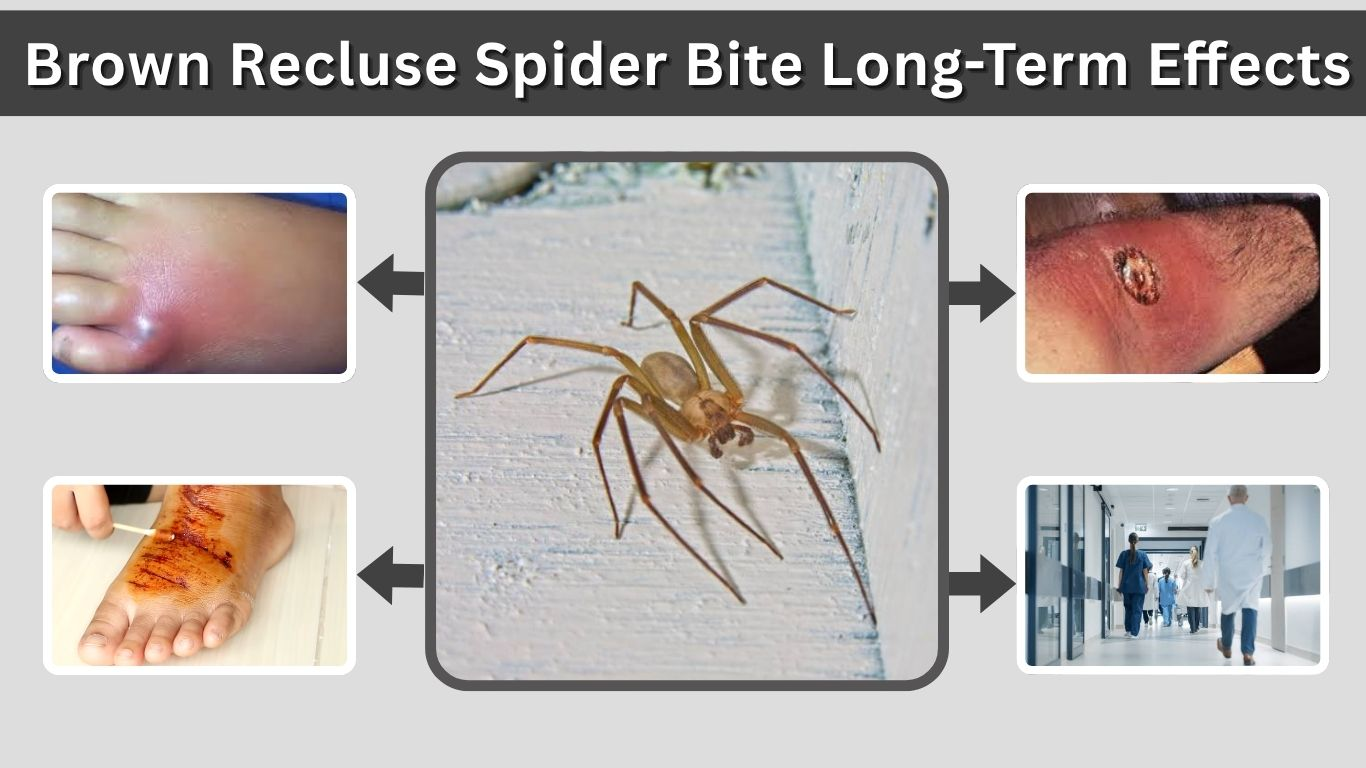
A brown recluse spider bite can range from a mild skin irritation to a more serious wound that leaves lasting complications. While many bites heal within a few weeks, some people experience long-term effects such as scarring, nerve sensitivity, skin discoloration, or chronic pain. These complications often develop when the venom causes deeper tissue damage or when healing takes a long time.
Many people search for information about the long-term side effects of brown recluse spider bites because symptoms sometimes continue long after the initial wound appears healed. Understanding how these effects develop can help people recognize warning signs early and seek proper treatment when necessary.
What Happens During a Brown Recluse Spider Bite?
A brown recluse spider bite occurs when venom enters the skin and surrounding tissue. The venom contains toxins that can damage cells and trigger inflammation. In mild cases, symptoms remain limited to redness and irritation. In more severe cases, tissue damage may lead to lasting complications.
How Brown Recluse Venom Affects the Body
The venom of a brown recluse spider affects the body by damaging skin tissue and causing an inflammatory reaction. After the bite, the surrounding area may become red, swollen, and painful as the body responds to the venom.
In some cases, the venom causes tissue destruction known as necrosis. This process can damage deeper layers of skin and increase the risk of long-term scarring or slow healing.
The severity of the reaction varies greatly between individuals. Some people experience only mild discomfort, while others develop more significant tissue injury.
Why Some People Experience Long-Term Effects
Not every brown recluse spider bite causes lasting problems. Long-term effects are more likely when the bite becomes severe or treatment is delayed.
Several factors influence recovery, including:
- Amount of venom injected
- Bite location on the body
- Individual immune response
- Speed of treatment
- Presence of infection
People with weaker immune systems or underlying health conditions may experience slower healing and a greater risk of complications.
Early Symptoms Before Long-Term Effects Develop

Long-term complications usually begin with symptoms that worsen during the first several days after the bite. Recognizing these signs early is important because proper treatment may reduce the risk of lasting damage.
Common Early Symptoms
The earliest symptoms often include redness, burning pain, and swelling around the bite area. In many cases, the irritation gradually worsens instead of improving quickly.
Common symptoms may include:
- Burning or stinging sensation
- Redness around the bite
- Swelling and tenderness
- Blister formation
- Purple or dark discoloration
Some bites remain relatively mild, but others continue progressing as the venom affects surrounding tissue.
Warning Signs of Severe Reaction
Certain symptoms may indicate a stronger reaction that could lead to long-term complications.
These warning signs include:
- Expanding redness or swelling
- Severe or increasing pain
- Open wound formation
- Dark or black skin tissue
- Fever or chills
When skin begins turning dark purple, blue, or black, tissue damage may already be developing. Severe reactions require medical evaluation because untreated tissue injury may lead to permanent scarring or prolonged healing.
Brown Recluse Spider Bite Long-Term Effects

Some brown recluse spider bites heal completely with little evidence remaining. Others may leave physical effects that continue for months or even years after the initial injury.
Skin Scarring
Scarring is one of the most common long-term effects of a severe brown recluse bite. When tissue damage occurs, the healing process may leave permanent marks on the skin.
These scars may appear:
- Indented or uneven
- Darker or lighter than surrounding skin
- Thickened or rough in texture
The severity of scarring often depends on how much tissue damage occurred during the healing process. Deeper wounds generally leave more visible scars.
In some cases, scar appearance improves gradually over time, although complete fading may not occur.
Nerve Sensitivity and Pain
Some individuals continue experiencing pain or sensitivity even after the visible wound heals. The bite area may remain tender or uncomfortable for an extended period.
Possible long-term nerve-related symptoms include:
- Tingling sensations
- Burning feelings
- Ongoing tenderness
- Increased skin sensitivity
These symptoms may occur because the venom affected nearby nerves or because tissue healing caused prolonged irritation in the area.
For some people, sensitivity improves slowly over several months. Others may continue noticing discomfort for much longer.
Lasting Skin Damage
Severe bites can sometimes cause lasting damage to the skin itself. Tissue destruction from the venom may result in slow-healing wounds or permanent changes in skin texture.
Some individuals develop:
- Thickened skin
- Persistent discoloration
- Uneven skin surface
- Areas of tissue loss
In rare severe cases, reconstructive medical treatment may be needed if significant tissue damage occurs.
Side Effects of a Brown Recluse Spider Bite

The side effects of a brown recluse spider bite can vary greatly depending on the severity of the reaction and how quickly treatment begins.
- Persistent pain around the bite area
- Skin discoloration after healing
- Itching during recovery
- Swelling and tenderness
- Emotional stress from visible scars
Many people continue experiencing mild discomfort even after the wound closes. Itching and sensitivity are especially common during the healing process.
Visible scars may also cause emotional stress or self-consciousness, particularly when the bite occurs on exposed areas such as the arms, legs, or face.
Long-Term Effects vs Normal Healing
Understanding the difference between normal healing and long-term complications is important because some symptoms improve naturally while others may signal lasting damage.
| Symptom | Normal Healing | Long-Term Complication |
| Redness | Gradually fades | Persists for months |
| Pain | Improves steadily | Chronic sensitivity |
| Skin Appearance | Minor mark | Deep scarring |
| Healing Time | Weeks | Months or longer |
| Tissue Damage | Mild | Severe tissue loss |
Normal healing usually involves steady improvement over several weeks. Pain decreases, swelling fades, and skin gradually returns closer to normal.
Long-term complications often involve symptoms that persist or worsen, including chronic sensitivity, permanent discoloration, or deep tissue scarring.
Brown Recluse Spider Bite Systemic Effects
In rare situations, brown recluse venom may affect more than just the skin and surrounding tissue. These reactions are known as systemic effects because they involve the body as a whole rather than only the bite location.
Possible Systemic Effects
Some individuals may experience symptoms such as:
- Fever and chills
- Fatigue and weakness
- Muscle aches
- Nausea or vomiting
These symptoms are more common in severe reactions and may develop alongside worsening skin damage.
Severe Complications From Brown Recluse Spider Bites
Although most brown recluse spider bites remain mild, severe complications can occur in certain cases. These complications are more likely when tissue damage becomes extensive or when medical care is delayed. Severe reactions may take weeks or months to heal and can sometimes leave permanent physical effects.
Tissue Necrosis
One of the most serious complications is tissue necrosis, which occurs when venom damages and destroys skin tissue around the bite. The affected area may become dark blue, purple, or black as blood flow decreases and tissue begins dying.
As the damaged tissue breaks down, an open wound or ulcer may form. These wounds can become painful and difficult to heal, especially if infection develops during recovery.
The amount of tissue damage varies significantly between individuals. Some bites remain shallow, while others affect deeper layers of skin and soft tissue.
Infection Risks
Open wounds caused by severe bites can become infected if bacteria enter the damaged tissue. Signs of infection may include:
- Increased redness and swelling
- Pus or drainage
- Warmth around the wound
- Fever or chills
- Worsening pain
Infections can slow the healing process and increase the risk of long-term scarring. Proper wound care and medical treatment are important when infection is suspected.
Emotional and Psychological After Effects

The long-term effects of a brown recluse spider bite are not always physical. Some individuals also experience emotional stress during the healing process, especially if visible scarring or chronic pain remains after recovery.
- Anxiety about healing progress
- Fear of spiders after the bite
- Stress caused by visible scars
- Sleep disruption from discomfort
- Ongoing concern about complications
Visible scars can affect confidence, particularly when the bite occurs on exposed areas of the body. Some people also become highly anxious about spiders after experiencing a painful bite.
Chronic discomfort or slow healing may increase frustration and emotional stress, especially when recovery takes several months.
Factors That Increase the Risk of Long-Term Effects
Certain conditions make long-term complications more likely after a brown recluse spider bite. Understanding these risk factors can help people recognize when extra caution or medical care is necessary.
High-Risk Factors
Several factors increase the chance of prolonged healing or lasting damage:
- Delayed treatment
- Severe venom reaction
- Infection during healing
- Deep tissue involvement
- Bites on sensitive areas
Bites located on areas with thinner skin or poor circulation may heal more slowly. Delayed treatment may also allow inflammation and tissue damage to progress further.
Higher Risk Groups
Some groups are more vulnerable to severe reactions and complications, including:
- Children
- Elderly adults
- Individuals with weakened immune systems
- People with chronic medical conditions
These individuals may require closer monitoring and earlier medical treatment to reduce the risk of serious side effects.
Treatment for Brown Recluse Bite Side Effects

Treating the side effects of a brown recluse spider bite often focuses on wound care, pain management, and reducing long-term skin damage. The treatment approach depends on the severity of the bite and whether complications develop.
Medical Treatment Options
Doctors may recommend different treatments based on the symptoms present. Common treatment methods include:
- Cleaning and protecting the wound
- Pain management medications
- Antibiotics if infection develops
- Professional wound care
- Monitoring tissue healing
Severe wounds may require specialized treatment to help damaged tissue heal properly. In some cases, long-term wound care is necessary for larger areas of skin damage.
Scar Management
Scarring can remain long after the bite heals, especially if tissue damage was severe. Several approaches may help improve skin appearance over time.
Possible scar treatments include:
- Moisturizing creams
- Silicone scar treatments
- Dermatology procedures
- Laser therapy in some cases
Although scars may fade gradually, complete removal is not always possible.
Recovery Timeline After a Brown Recluse Spider Bite
Recovery time depends heavily on how severe the bite becomes. Mild bites often improve relatively quickly, while severe reactions may take months to heal completely.
Mild Cases
Mild bites generally heal within several weeks. Redness, swelling, and discomfort gradually decrease as the skin repairs itself.
Most mild cases leave little or no permanent scarring, especially when proper wound care begins early.
Moderate to Severe Cases
More serious bites may require months of healing. Open wounds, tissue damage, and infection can significantly slow recovery.
Some individuals continue experiencing:
- Lingering pain
- Skin sensitivity
- Visible scarring
- Discoloration
Severe tissue damage may leave permanent skin changes even after healing is complete.
How to Prevent Complications
Taking proper care of a brown recluse spider bite during the early stage may reduce the risk of long-term problems. Monitoring symptoms closely is important because worsening signs often develop gradually.
- Clean the bite immediately
- Apply cold compresses
- Avoid scratching the wound
- Keep the area protected
- Seek medical care if symptoms worsen
Prompt medical evaluation is especially important when the bite becomes increasingly painful or begins showing signs of tissue damage.
Common Myths About Brown Recluse Bite Effects
Many myths and misconceptions surround brown recluse spider bites. These misunderstandings can create unnecessary fear or lead people to ignore serious symptoms.
- Not every skin wound is a spider bite
- Most brown recluse bites are not fatal
- Severe tissue damage is less common than believed
- Early treatment can improve healing
- Long-term effects vary greatly between individuals
One common myth is that every unexplained skin sore is caused by a spider bite. In reality, infections and other skin conditions are often mistaken for spider bites without medical confirmation.
Another misconception is that all bites become severe. While serious reactions can occur, many bites remain relatively mild and heal without major complications.
FAQs
Can a brown recluse spider bite cause permanent damage?
Yes, severe bites can leave permanent scars, skin discoloration, or tissue damage, particularly when the venom causes deeper injury to the skin.
How long do brown recluse bite side effects last?
Mild symptoms may improve within a few weeks, while severe bites can cause effects that last several months or longer.
Can a brown recluse spider bite cause nerve damage?
Some individuals experience long-term nerve sensitivity, tingling, or pain around the bite area even after the visible wound heals.
What are the most common long-term effects of a brown recluse bite?
Common long-term effects include scarring, skin discoloration, lingering tenderness, and sensitivity around the bite site.
Are long-term complications from brown recluse bites common?
Most bites heal without serious complications, but severe reactions can lead to lasting effects in some individuals, especially if tissue damage occurs.
