
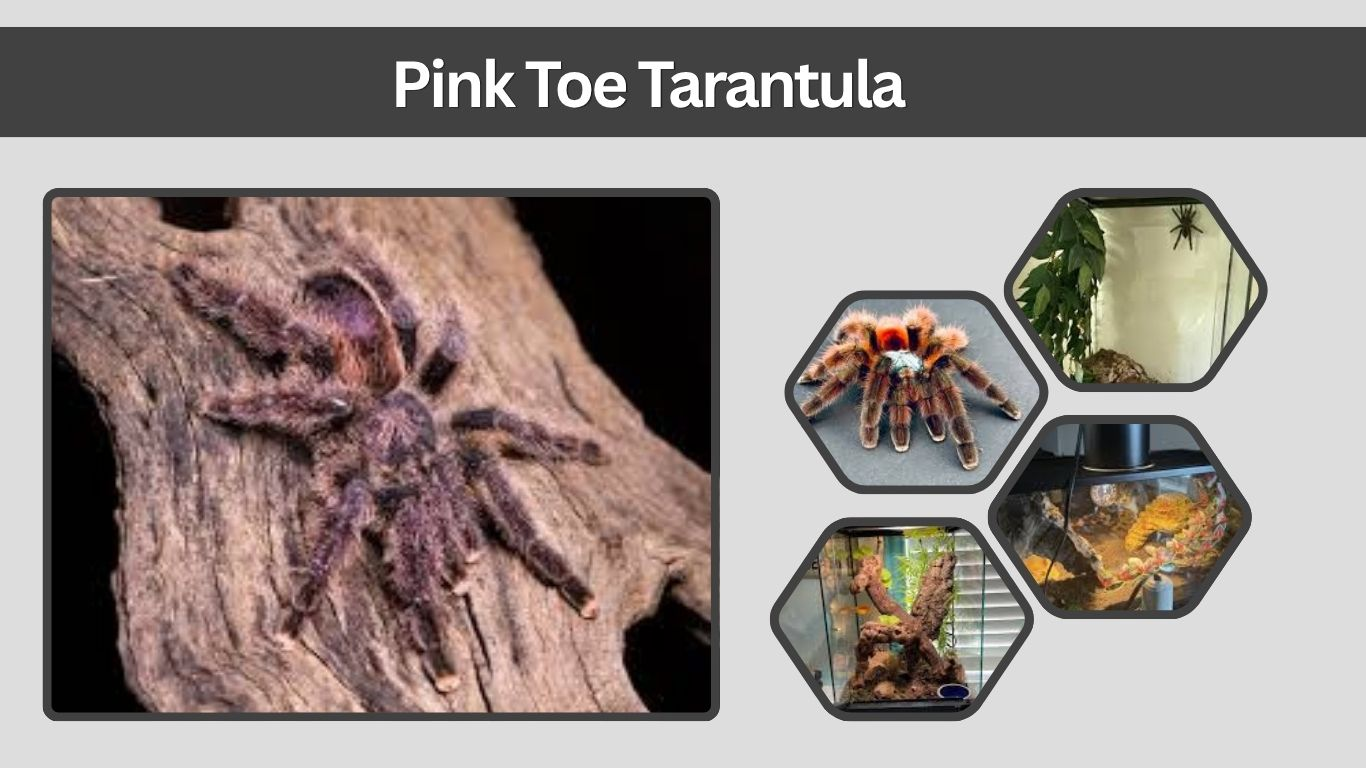
Pink toe tarantulas are among the most popular pet spiders due to their calm nature and striking appearance. Their unique pink-tipped feet and tree-dwelling habits make them fascinating to observe. Many beginners choose them because they are relatively easy to care for compared to other tarantula species. However, understanding their habitat, behavior, and needs is essential for proper care. This guide covers everything from size and lifespan to enclosure setup and feeding, helping you confidently care for a pink toe tarantula.
What Is a Pink Toe Tarantula?
Pink toe tarantulas belong to the species Avicularia avicularia and are known for their distinctive pink-colored feet. They are arboreal spiders, meaning they live in trees rather than on the ground. Native to tropical regions, they thrive in warm and humid environments. Their gentle temperament and unique appearance make them a favorite among both beginners and experienced keepers.
Key Characteristics
- Recognizable pink tips on their feet
- Arboreal lifestyle with climbing behavior
- Medium size compared to other tarantulas
- Generally calm but quick-moving
Types of Pink Toe Tarantulas
There are several variations of pink toe tarantulas, each with slightly different colors and origins. While they share similar care requirements, their appearance can vary from subtle shades to more vibrant tones. These variations are often named based on their geographic location or unique coloration, making them appealing to collectors and enthusiasts.
Common Varieties
- Antilles pink toe tarantula
- Guyana pink toe tarantula
- Puerto Rican pink toe tarantula
Exotic Variants
- Purple or metallic pink toe tarantula
- Mardi Gras pink toe tarantula
- Amazon sapphire pink toe tarantula
Pink Toe Tarantula Size and Growth
Pink toe tarantulas are considered medium-sized spiders, making them manageable for most keepers. They grow steadily from small juveniles into full-sized adults over time. Their leg span is often used to measure size, and females tend to grow slightly larger than males. Understanding their growth stages helps owners provide appropriate care throughout their life cycle.
Full-Grown Size
- Average leg span of 4 to 5 inches
- Females are usually larger than males
- Juveniles grow quickly with regular feeding
Pink Toe Tarantula Lifespan

The lifespan of a pink toe tarantula depends largely on its sex and living conditions. Females tend to live significantly longer than males, which is common among tarantula species. Proper care, including correct temperature, humidity, and diet, plays a major role in determining how long they live. Understanding lifespan expectations helps owners prepare for long-term care responsibilities.
Lifespan Differences
- Females can live up to 10–12 years
- Males typically live around 3–5 years
- Healthy conditions can extend lifespan
Pink Toe Tarantula Habitat and Behavior

Pink toe tarantulas naturally live in warm, humid regions where they spend most of their time in trees. They build silk retreats in elevated areas, which they use for resting and protection. Their behavior is generally calm, but they are fast and agile when moving. They are also nocturnal, meaning they are more active at night.
Behavior Traits
- Arboreal and prefers vertical spaces
- Builds webs in elevated areas
- Nocturnal activity patterns
- Quick and agile movement
Pink Toe Tarantula Care Guide

Proper care is essential for keeping a pink toe tarantula healthy. Unlike ground-dwelling species, they require vertical space and good airflow. Maintaining the right balance of temperature and humidity is crucial, as poor conditions can lead to health issues. A well-designed enclosure that mimics their natural habitat will help them thrive and display natural behaviors.
Enclosure Setup
- Tall enclosure for climbing
- Good ventilation to prevent moisture buildup
- Cork bark or branches for structure
Temperature and Humidity
- Ideal temperature between 70–80°F
- Moderate humidity with proper airflow
- Avoid overly damp conditions
Feeding Pink Toe Tarantulas
Pink toe tarantulas are carnivorous and rely on live prey to meet their nutritional needs. Their feeding habits vary depending on age, with younger spiders eating more frequently than adults. A balanced feeding routine helps maintain their health and supports proper growth, while overfeeding should always be avoided.
Common Foods
- Crickets, roaches, and other small insects
- Occasional mealworms or similar prey
- Clean water source for hydration
Feeding Tips
- Feed juveniles more often than adults
- Remove uneaten prey after feeding
- Avoid overfeeding to prevent health issues
Are Pink Toe Tarantulas Venomous or Dangerous?
Pink toe tarantulas are venomous, meaning they can inject venom through their fangs. However, their venom is mild and not considered dangerous to humans. They are generally docile and prefer to avoid confrontation. Bites are rare and usually occur only when the spider feels threatened or stressed.
Bite and Handling
- Bites are uncommon and usually defensive
- Effects are mild, similar to a bee sting
- Gentle handling reduces stress and risk
Pink Toe Tarantula Molting and Health
Molting is a natural process that allows tarantulas to grow by shedding their old exoskeleton. During this time, they may appear inactive and should not be disturbed. Proper care during molting is essential to avoid complications. Observing their behavior helps identify whether they are healthy or experiencing stress.
Molting Signs
- Reduced appetite before molting
- Lying on their back during the process
- Fresh, brighter appearance after molting
Common Health Concerns
- Dehydration from low humidity
- Stress due to poor enclosure setup
- “Death curl” as a warning sign of distress
Male vs Female Pink Toe Tarantula

Male and female pink toe tarantulas differ in lifespan, size, and behavior. Females tend to live longer and grow slightly larger, while males mature faster and have shorter lifespans. Recognizing these differences helps owners manage expectations and provide appropriate care for each.
Key Differences
- Females live significantly longer
- Males are smaller and more active
- Lifespan varies greatly between sexes
Pink Toe Tarantula Price and Where to Buy
Pink toe tarantulas are widely available and considered affordable compared to other exotic pets. Prices vary depending on age, size, and specific variant. They can be purchased from pet stores or reputable online breeders. It is important to choose a healthy specimen from a trusted source to ensure proper care and longevity.
Buying Tips
- Purchase from reputable breeders or stores
- Check for active and healthy appearance
- Avoid wild-caught specimens when possible
Are Pink Toe Tarantulas Good for Beginners?
Pink toe tarantulas are often recommended for beginners because of their manageable care requirements and generally calm nature. They are not aggressive and are relatively easy to maintain when proper conditions are provided. However, their quick movements and delicate bodies mean they should be handled with care and not too frequently.
Pros and Cons
- Pros: Easy care, attractive appearance, low maintenance
- Cons: Fast movement, fragile body, limited handling
FAQs
How big do pink toe tarantulas get?
Pink toe tarantulas usually reach a leg span of about 4 to 5 inches when fully grown. This makes them medium-sized compared to other tarantula species, which can grow significantly larger.
Are pink toe tarantulas friendly?
They are generally docile and calm, but they are not “friendly” in the traditional sense. They prefer minimal interaction and may become stressed if handled too often.
Do pink toe tarantulas need a heat lamp?
A heat lamp is not usually necessary if room temperature stays within the ideal range. Maintaining stable temperature and good airflow is more important for their health.
Can you handle a pink toe tarantula?
Handling is possible but not recommended frequently. They are delicate and can jump or fall, which may lead to injury or stress.
Do pink toe tarantulas make webs?
Yes, they build silk webs in elevated areas of their enclosure. These webs serve as resting spots and help them feel secure in their environment.
