
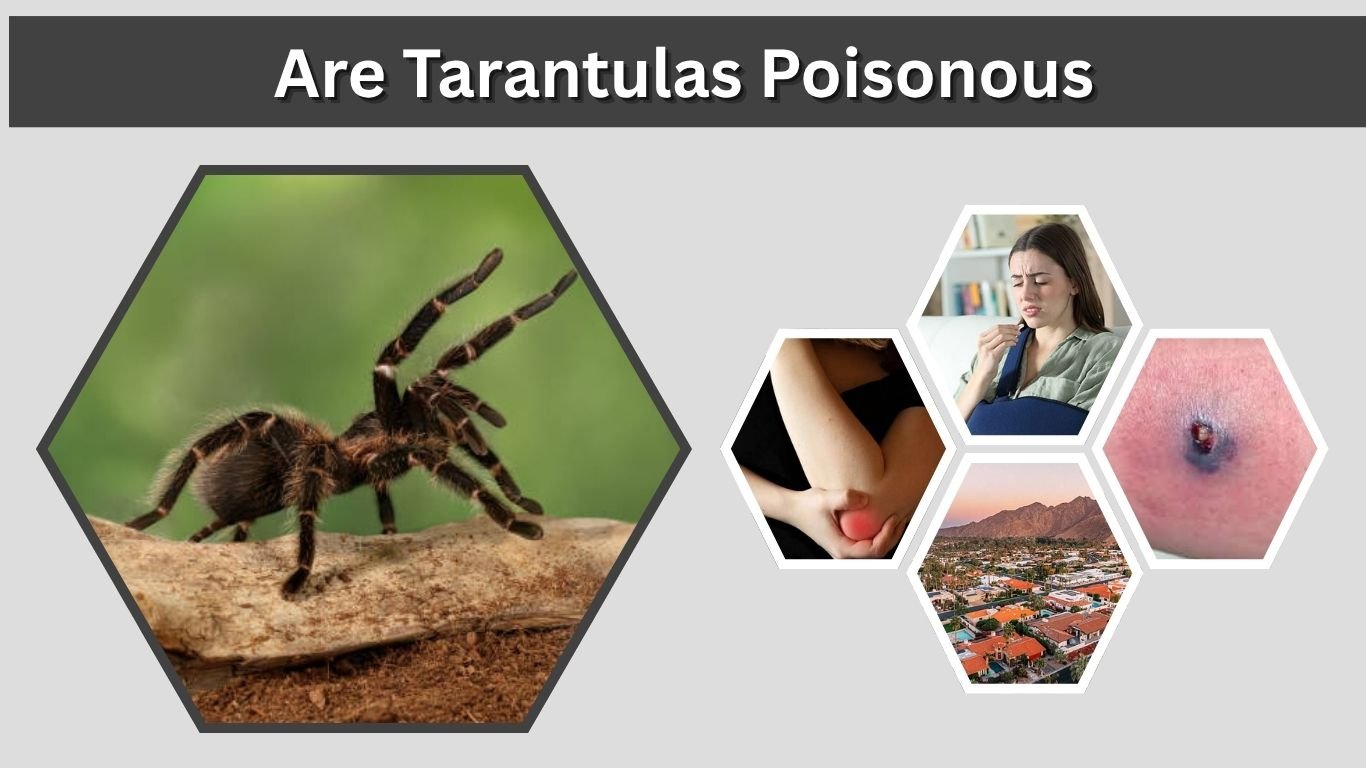
Tarantulas often look intimidating, which leads many people to believe they are highly dangerous or even deadly. Questions about whether they are poisonous, venomous, or harmful to humans and pets are very common. Understanding the difference between poison and venom is key to answering these concerns correctly. This guide explains what makes tarantulas unique, how their venom works, and whether they pose any real threat. By the end, you will have a clear and accurate understanding of their safety and behavior.
Are Tarantulas Poisonous or Venomous?
Tarantulas are frequently described as poisonous, but this is not scientifically accurate. They are actually venomous, meaning they inject toxins through their fangs rather than causing harm through touch or ingestion. This distinction is important because it helps clarify how tarantulas defend themselves and capture prey. While their appearance may seem threatening, their venom is generally mild and not considered dangerous to humans.
Why People Confuse Poisonous and Venomous
- The terms are often used interchangeably in everyday language
- Movies and media exaggerate spider danger
- Lack of basic biological knowledge
How Dangerous Are Tarantulas to Humans?

Many people fear tarantulas because of their size and reputation, but they are far less dangerous than commonly believed. Most species have venom that produces only mild effects, similar to a bee sting. They are not aggressive and usually avoid human contact. Bites are rare and typically occur only when the animal feels threatened or handled improperly, making them relatively safe compared to many other creatures.
Common Effects of a Tarantula Bite
- Mild pain and swelling
- Redness around the bite area
- Temporary discomfort lasting a few hours or days
Are All Tarantulas Poisonous?

This question often arises due to confusion about terminology. All tarantulas possess venom, which they use for hunting and defense. However, the strength of this venom varies between species. Despite these differences, none of them are considered deadly to humans. Their primary goal is survival, not attacking larger animals, which is why serious incidents involving tarantulas are extremely rare.
Differences Between Tarantula Types
- Old World tarantulas may have stronger venom
- New World tarantulas rely more on defensive hairs
- Behavior varies from calm to defensive depending on species
Are Tarantulas Poisonous to Touch?
Tarantulas are not poisonous to touch, meaning simply handling or coming into contact with them will not cause poisoning. However, some species have specialized hairs that can irritate the skin or eyes. These hairs act as a defense mechanism against predators. While they can cause discomfort, they are not toxic and usually result in temporary irritation rather than serious harm.
What Are Urticating Hairs?
- Fine, barbed hairs used for defense
- Can cause itching or skin irritation
- May affect eyes if touched after contact
What Happens If a Tarantula Bites You?
A tarantula bite is usually not serious and rarely requires medical treatment. The bite may cause localized pain, swelling, and redness, which typically subside within a short period. In some cases, individuals may experience mild muscle cramps or itching. Severe reactions are uncommon but can occur in people with allergies. Overall, tarantula bites are considered low risk and are far less dangerous than many people assume.
Are Tarantulas Dangerous to Pets?
Tarantulas can pose a small risk to pets, especially if a curious animal tries to interact with them. While their venom is not typically life-threatening, it can still cause discomfort or irritation. Smaller pets are more vulnerable due to their size. Additionally, the defensive hairs released by some tarantulas can irritate a pet’s skin or eyes, making it important to keep them separated.
Possible Effects on Pets
- Mild swelling or irritation
- Eye discomfort from hairs
- Temporary pain if bitten
Are Tarantulas Poisonous in Different Locations?

Tarantulas live in many parts of the world, and their level of venom can vary slightly depending on the region and species. However, regardless of location, they are generally not dangerous to humans. Understanding where they live and how they behave in different environments helps reduce fear and provides a clearer picture of their true nature.
Tarantulas in the United States
- Found in Texas, Arizona, California, and nearby states
- Typically have mild venom
- Rarely pose any threat to humans
Tarantulas in Australia and Africa
- Some species have stronger venom
- More defensive behavior compared to American species
- Still not considered deadly to humans
Are Popular Tarantula Species Poisonous?
Different tarantula species vary in size, color, and behavior, but most share similar venom characteristics. Even species that look more intimidating are not significantly more dangerous to humans. Many popular species are commonly kept as pets because of their calm temperament and manageable care requirements.
Common Pet Tarantulas
- Mexican red knee tarantula
- Chilean rose hair tarantula
- Pink toe tarantula
Exotic and Notable Species
- Goliath birdeater (largest tarantula)
- Cobalt blue tarantula (bright coloration)
- Brazilian black tarantula
Tarantula Hawk vs Tarantula

The term “tarantula hawk” often causes confusion, but it refers to a type of wasp, not a spider. This insect is known for its extremely painful sting, which is often ranked among the most intense in the insect world. Unlike tarantulas, tarantula hawks actively sting as a defense mechanism, making them far more painful encounters for humans.
Which Is More Dangerous?
The tarantula hawk is generally considered more dangerous in terms of pain because of its powerful sting. In contrast, tarantulas rely on mild venom and rarely bite, making them far less threatening overall.
Common Myths About Tarantulas
Many myths surround tarantulas, largely due to their appearance and portrayal in the media. Some people believe they are deadly, aggressive, or capable of causing serious harm simply by touching them. In reality, these beliefs are exaggerated. Tarantulas are generally calm animals that prefer to avoid humans. While they can defend themselves if threatened, they are not naturally dangerous and play an important role in controlling insect populations.
FAQs
Are tarantulas poisonous or venomous?
Tarantulas are venomous, not poisonous. They use their fangs to inject venom into prey or as a defense mechanism. Poisonous animals, on the other hand, cause harm when touched or eaten, which does not apply to tarantulas.
Can a tarantula bite kill a human?
No, tarantula bites are not deadly to humans. Their venom is mild and usually causes only minor symptoms such as pain or swelling. Severe reactions are extremely rare and typically linked to allergies.
Are pet tarantulas safe to keep?
Yes, pet tarantulas are generally safe when cared for properly. They are not aggressive and rarely bite. However, they should be handled minimally to avoid stress and defensive behavior.
Are tarantulas dangerous to dogs and cats?
Tarantulas can cause mild irritation or discomfort to pets if bitten or exposed to their hairs. While not usually life-threatening, it is best to keep pets away from them to avoid unnecessary risk.
Which tarantulas are the most venomous?
Some Old World tarantulas from Africa and Asia have stronger venom compared to New World species. Even so, they are not considered deadly to humans and mainly cause pain and discomfort rather than serious harm.
