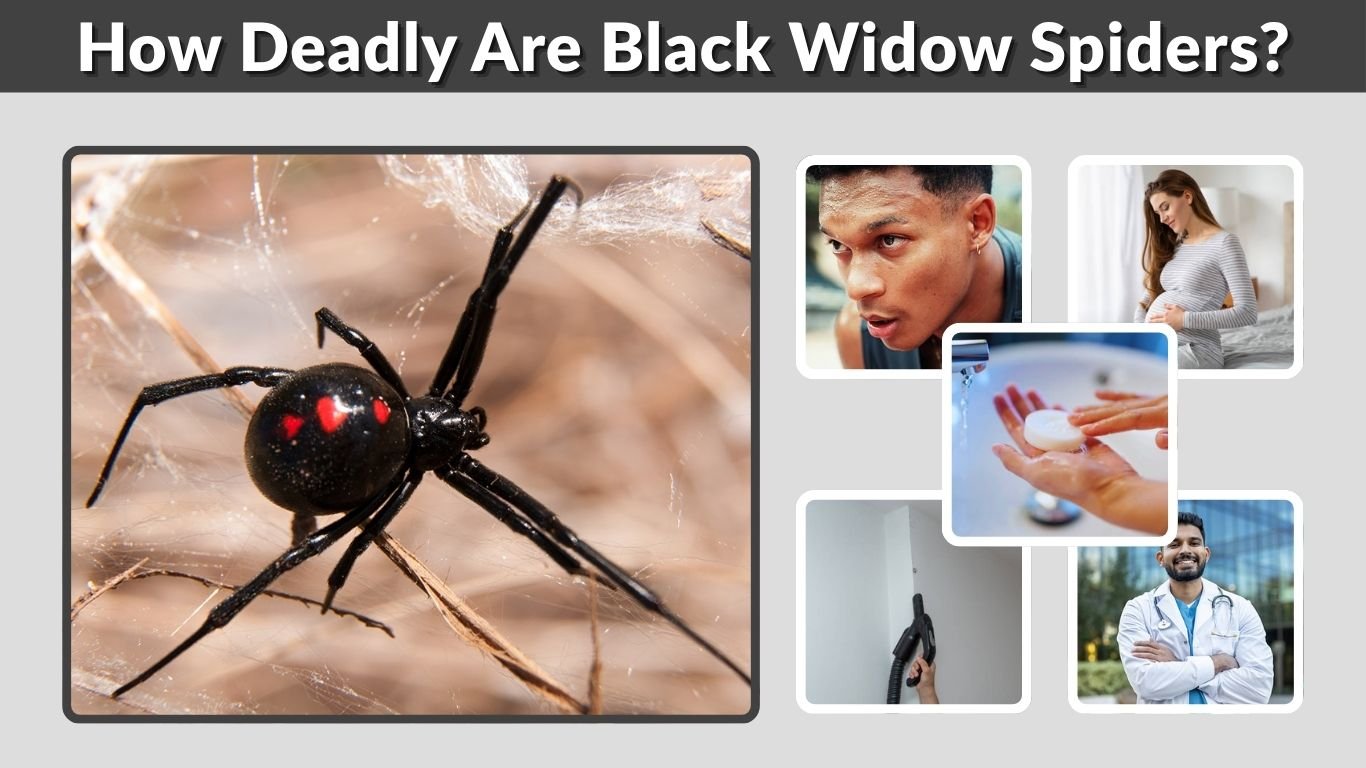
How deadly are black widow spiders? Although these spiders possess powerful neurotoxic venom, deaths from their bites are extremely rare. Most healthy adults survive black widow bites, even when they experience severe pain, muscle cramps, and other uncomfortable symptoms. Young children, older adults, and people with serious medical conditions may face greater risks. Fortunately, modern medical treatment significantly reduces the likelihood of life-threatening complications. Understanding how black widow venom affects humans, which symptoms require emergency care, and how to prevent bites can help people stay safe.
How Deadly Are Black Widow Spiders?
Black widow spiders are medically significant because their venom can affect the human nervous system. However, their reputation as deadly spiders often exaggerates the actual risk of death.
Most bites cause mild to moderate symptoms, although some individuals develop severe muscle pain, abdominal cramping, and widespread discomfort.
How Likely Is a Black Widow Bite to Be Fatal?
Fatalities from black widow bites are exceptionally uncommon. A study examining more than 15,000 black widow exposures reported to US poison centers between 2012 and 2022 identified no deaths.
Nevertheless, severe envenomation can require hospitalization. A person’s age, underlying health, and reaction to the venom influence the seriousness of symptoms.
Why Are Black Widow Spiders Dangerous?
Black widows produce venom containing alpha-latrotoxin, a powerful neurotoxin that interferes with normal communication between nerve cells.
Instead of primarily destroying skin tissue, the venom triggers excessive neurotransmitter release. This can cause painful muscle contractions, sweating, nausea, and changes in blood pressure.
How Does Black Widow Venom Affect Humans?
After a bite, venom may enter surrounding tissues and cause symptoms extending beyond the original puncture site.
Some individuals experience only localized discomfort, while others develop a condition called latrodectism, characterized by widespread muscle pain and autonomic nervous system symptoms.
Severe reactions require medical evaluation, particularly when breathing difficulties or intense chest pain occur.
What Are the Symptoms of a Black Widow Spider Bite?
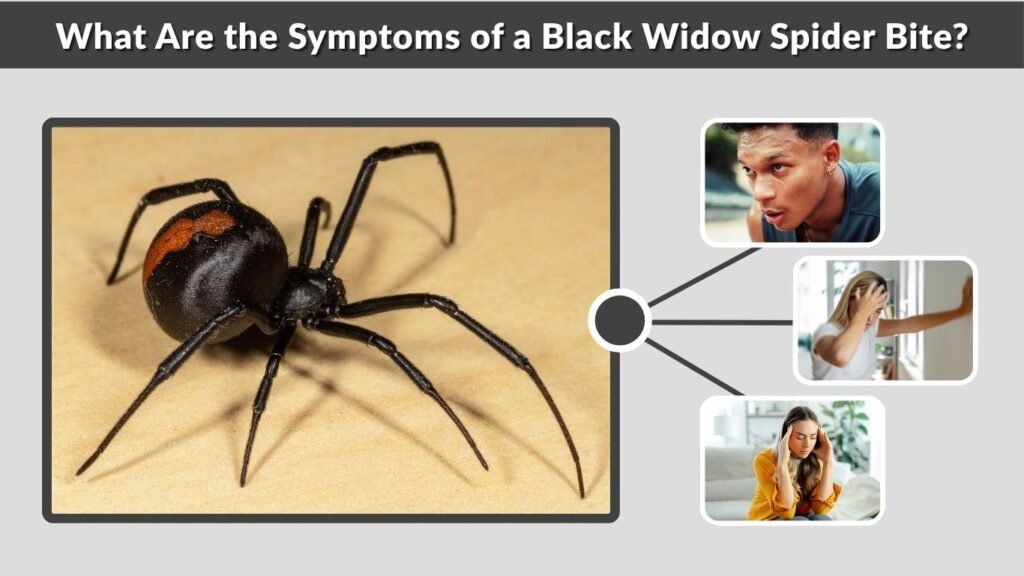
Symptoms vary considerably depending on the amount of venom injected and the individual’s physical condition. Some bites produce minor discomfort, while more serious cases cause widespread symptoms.
Common Black Widow Bite Symptoms
- Immediate pain: Burning or sharp discomfort near the bite.
- Muscle cramps: Painful contractions affecting the abdomen, back, or chest.
- Sweating: Excessive perspiration, sometimes near the bite.
- Nausea: Stomach discomfort or vomiting.
- High blood pressure: A possible response to venom affecting the nervous system.
- Headache: Sometimes accompanied by weakness or restlessness.
- Rapid heartbeat: May occur during more severe reactions.
Symptoms can begin within minutes, with more serious effects developing over the following hours.
Can Black Widow Spiders Kill Humans?
Yes, black widow venom can potentially cause fatal complications, but documented deaths are exceptionally rare.
The greatest concern is severe systemic envenomation, particularly among vulnerable individuals. Modern hospital care can manage pain, muscle spasms, and other complications.
Can a Healthy Adult Die From a Black Widow Bite?
Death in a healthy adult is extremely unlikely. Most people recover with appropriate care, although severe symptoms may be temporarily debilitating.
Black widow bites should still be taken seriously. Anyone developing severe pain, breathing difficulties, or other concerning symptoms needs prompt medical attention.
Who Is Most at Risk From Black Widow Bites?
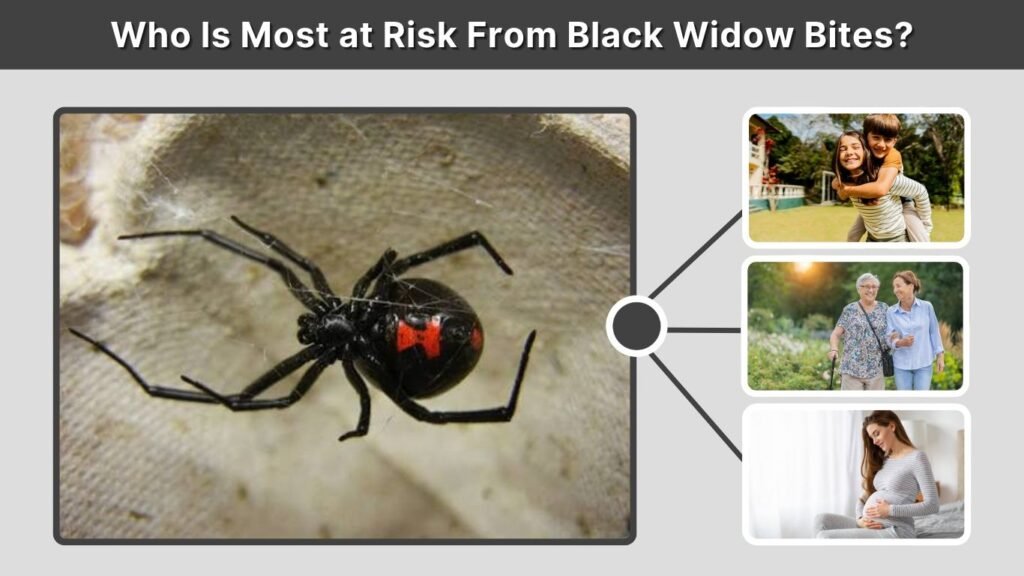
Although most people recover, certain individuals face a greater risk of serious complications. Age, underlying medical conditions, and the severity of envenomation can influence the outcome.
People at Greater Risk
- Young children: Smaller body size may increase the severity of venom effects.
- Older adults: Reduced physiological reserves and underlying illnesses may complicate recovery.
- People with heart conditions: Blood pressure changes and severe pain may increase cardiovascular stress.
- People with serious illnesses: Existing health problems can make complications harder to manage.
- Pregnant women: Suspected bites warrant prompt medical assessment because severe systemic symptoms may affect pregnancy.
Being in a higher-risk group does not mean a bite will necessarily become life-threatening.
How Long Does Black Widow Venom Affect Humans?
Black widow bite symptoms often begin within the first hour, although timing varies.
Severe muscle cramps may develop rapidly and persist for one or two days. Many patients improve significantly within 24–48 hours, while some experience lingering discomfort.
How Long Does Recovery Take?
Most people recover without permanent complications. Severe symptoms generally improve over several days with appropriate medical care.
Occasionally, muscle soreness, weakness, or other symptoms persist longer. Recovery depends on the severity of the bite and individual health conditions.
What Should You Do After a Black Widow Spider Bite?
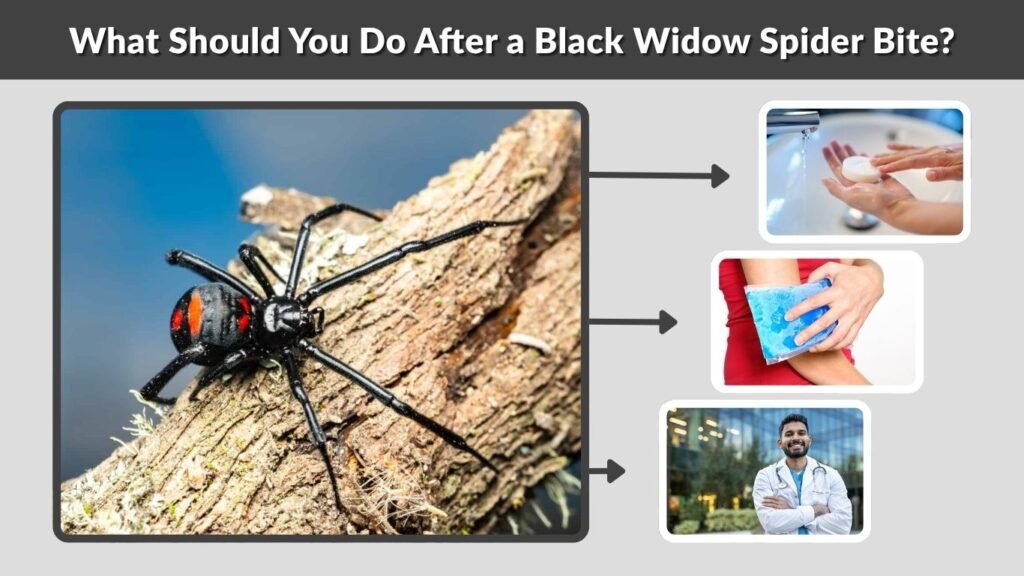
A suspected black widow bite requires careful attention, even when initial symptoms appear mild. Contact a healthcare professional or poison control center promptly for guidance.
Immediate First Aid Steps
- Stay calm: Avoid unnecessary physical activity while arranging medical advice.
- Clean the bite: Gently wash the affected area with soap and water.
- Apply a cold compress: Use a wrapped cold pack to reduce localized pain.
- Remove tight jewelry: Take off rings or bracelets if swelling may develop.
- Monitor symptoms: Watch for spreading pain, muscle spasms, nausea, or breathing problems.
- Seek medical advice: Contact poison control or a healthcare professional promptly.
Never cut the wound, attempt to suck out venom, or apply a tight tourniquet.
Severe symptoms, including difficulty breathing, require emergency medical assistance.
How Are Black Widow Spider Bites Treated?
Medical treatment focuses on controlling pain, relieving muscle spasms, and monitoring systemic symptoms.
Doctors may administer pain medication, medicines for severe muscle contractions, and supportive treatment when necessary.
Is There an Antivenom for Black Widow Bites?
Yes, black widow antivenom is available in some regions. However, most patients do not require it.
Doctors may consider antivenom for severe symptoms that cannot be adequately controlled with standard treatment.
Because certain antivenoms can cause serious allergic reactions, healthcare professionals carefully evaluate their potential benefits and risks before administering them.
How to Prevent Deadly Black Widow Spider Bites
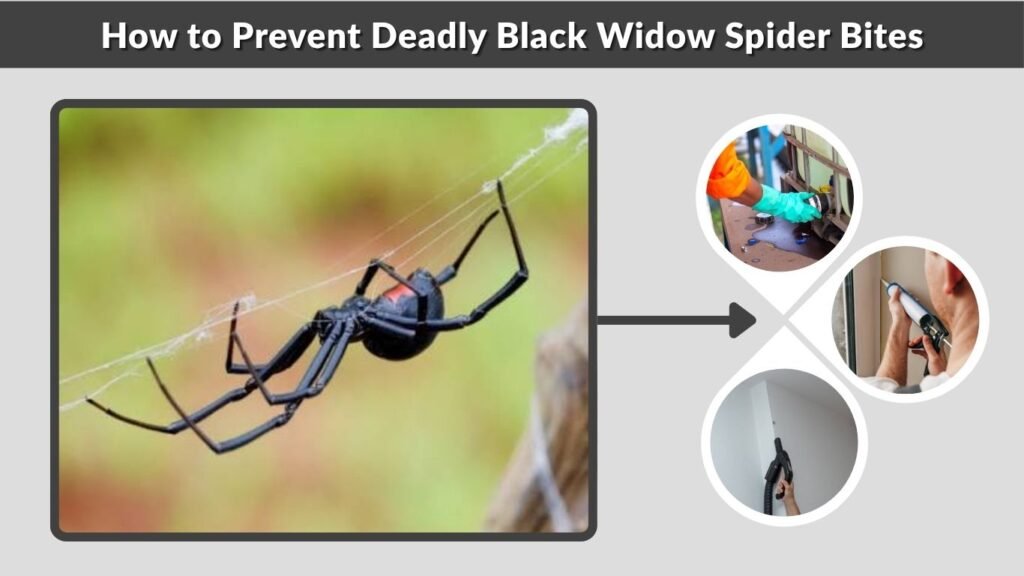
Black widows generally avoid humans and bite primarily when disturbed or trapped against the skin. Preventing accidental contact is the most effective way to reduce bite risks.
Black Widow Bite Prevention Tips
- Wear protective gloves when handling firewood or outdoor debris.
- Shake out shoes and clothing stored in sheds or garages.
- Avoid placing bare hands inside dark cracks or concealed spaces.
- Remove clutter around storage rooms and outdoor structures.
- Seal openings around doors, windows, and foundations.
- Inspect gardening equipment before use.
- Avoid touching or attempting to handle unidentified spiders.
These precautions are especially useful in areas where black widows commonly live.
FAQs
1. Can a Black Widow Spider Kill You Instantly?
No, black widow bites do not normally cause instant death. Serious symptoms generally develop over minutes or hours rather than seconds. Although venom can cause severe muscle pain and other complications, fatalities are exceptionally rare with modern medical treatment.
2. Are Female Black Widow Spiders More Dangerous?
Yes, adult female black widows are responsible for most medically significant bites. Their larger bodies and fangs make them more capable of injecting venom into human skin. Male black widows are substantially smaller and rarely cause medically important bites.
3. How Many People Die From Black Widow Bites Each Year?
Deaths are extremely rare. A US poison-center study covering 2012 through 2022 recorded no fatalities among more than 15,000 reported exposures. This does not establish a universal annual death rate, but it demonstrates how uncommon fatal outcomes are.
4. Are Black Widow Spiders Aggressive Toward Humans?
No, black widow spiders are generally shy and prefer avoiding confrontation. They usually bite defensively when trapped, squeezed, or disturbed. Most encounters do not result in bites, especially when people avoid touching spiders or reaching into concealed areas.
5. Can You Survive a Black Widow Bite Without Treatment?
Yes, many people survive black widow bites without specialized medical treatment. However, severe symptoms can develop unpredictably, making professional advice important. Young children, older adults, and individuals experiencing intense pain or systemic symptoms should receive prompt medical evaluation.
