
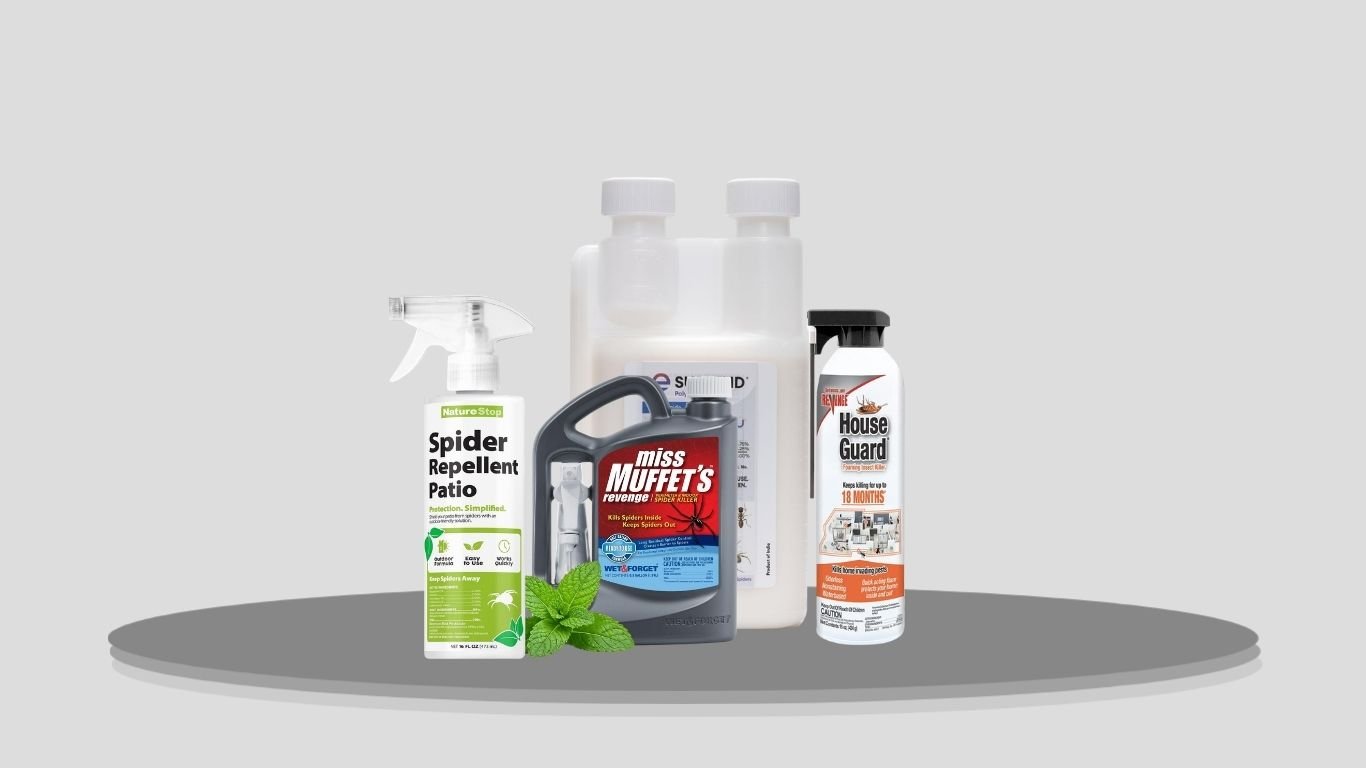
Spiders can quickly become a nuisance around basements, garages, patios, sheds, entryways, and other quiet areas of the home. A long-lasting spider repellent can help reduce repeated activity by creating a more persistent treatment zone around common hiding and entry points. The best options may include residual sprays, perimeter concentrates, foaming treatments, and ready-to-use formulas designed for extended protection. In this guide, we review seven of the best long-lasting spider repellents based on coverage, convenience, application style, and suitability for indoor and outdoor use.
1. Onslaught FastCap Spider & Scorpion Insecticide
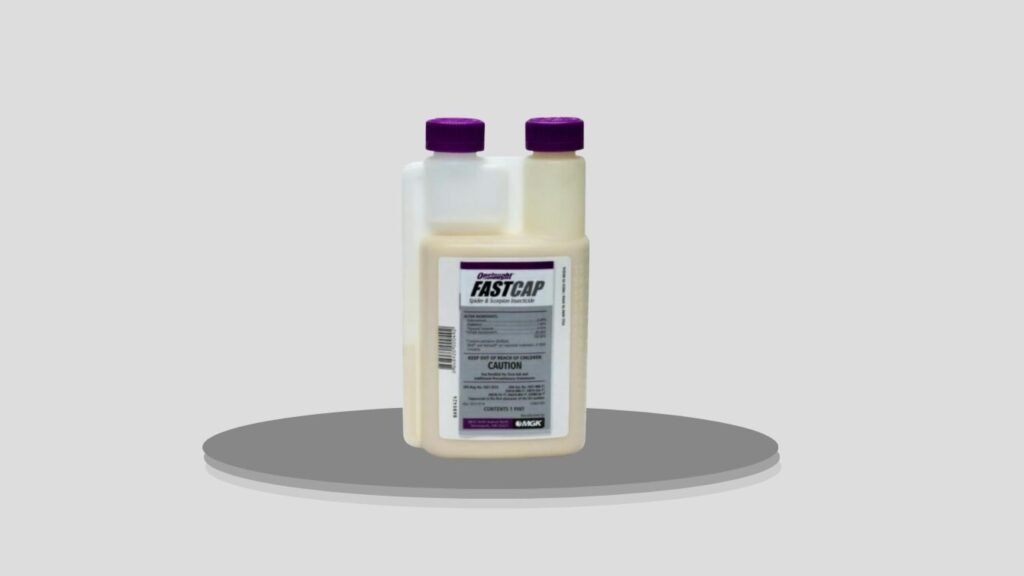
Onslaught FastCap Spider & Scorpion Insecticide is designed for homeowners who need stronger, longer-lasting control in areas where spiders repeatedly appear. Rather than functioning as a simple scent-based deterrent, this type of residual insecticide is intended for targeted treatment around cracks, crevices, baseboards, garages, basements, and exterior perimeter areas. Its broad pest-control positioning also makes it useful when spiders are appearing alongside other crawling insects.
Key Features
- Designed for spider and scorpion control
- Residual insecticide treatment
- Suitable for targeted indoor and outdoor applications
- Useful around cracks, gaps, and entry points
- Can support perimeter pest-control programs
- Intended for repeated pest pressure
- Multi-pest application potential
Why It Is Best for Persistent Spider Activity
Homes with frequent spider problems often need more than a short-lived repellent scent. A residual treatment can remain on treated surfaces and continue working according to the product label.
That makes Onslaught FastCap especially useful around garages, basements, storage rooms, utility spaces, and exterior entry points where spiders tend to return. Treating likely travel routes can help create a more consistent control strategy.
Residual Performance and Application Flexibility
The main advantage is the ability to focus treatment where spider activity is most likely. Instead of spraying every surface, homeowners can concentrate on cracks, wall edges, door frames, and sheltered areas.
Proper dilution and application are important, so users should follow the label carefully. Combining treatment with web removal and sealing gaps can further improve long-term results.
Best For Strong Long-Term Spider Management
Onslaught FastCap is a strong fit for users dealing with recurring spider activity and wanting a more technical residual approach. Its targeted application style makes it especially useful for problem areas where simple natural repellents may not provide enough persistence.
2. Suspend PolyZone Long-Lasting Insecticide
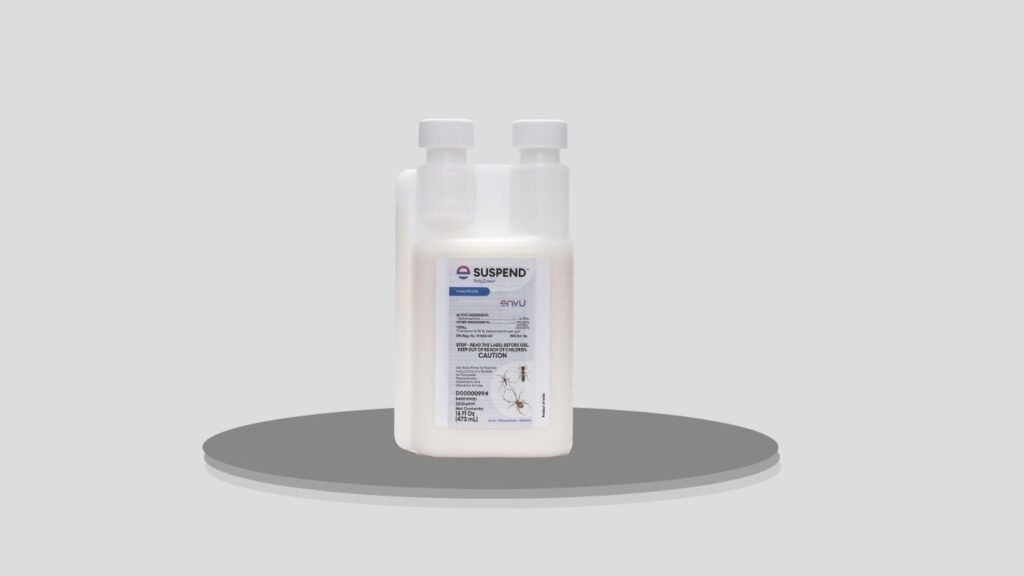
Suspend PolyZone Long-Lasting Insecticide is designed for users who prioritize residual pest control around homes, garages, foundations, and other spider-prone areas. Its long-lasting positioning makes it useful for locations where insects repeatedly travel across treated surfaces. Because spiders often follow prey into buildings, controlling both spiders and other crawling pests around entry points can support a broader household pest-management strategy.
Key Features
- Long-lasting residual insecticide
- Suitable for perimeter pest treatment
- Designed for multiple crawling insects
- Useful around doors, windows, and foundations
- Appropriate for targeted indoor and outdoor applications
- Concentrated formulation
- Supports ongoing pest prevention
Why It Is Best for Extended Residual Control
One of the biggest reasons to consider Suspend PolyZone is persistence. A long-lasting treatment can be particularly useful in areas where repeated spraying would otherwise become inconvenient.
Garages, exterior walls, utility rooms, storage spaces, and foundation edges are common locations where spiders may enter or establish webs. Treating these zones according to label directions can provide a more durable barrier than short-term sprays.
Coverage and Practical Performance
Because it is a concentrate, the product is suited to users who need to treat larger areas or establish a perimeter program. Correct mixing and application are essential for effective and responsible use.
The treatment should be concentrated around likely spider routes rather than applied unnecessarily. Removing webs and reducing other insects can also make treated areas less attractive to spiders.
Best For Perimeter and Recurring Pest Problems
Suspend PolyZone is particularly suitable for homeowners who want longer residual performance around structural entry points. Its concentrate format and broad pest-control application make it useful for homes with recurring spiders and other crawling insects.
3. Miss Muffet’s Revenge Spider Control
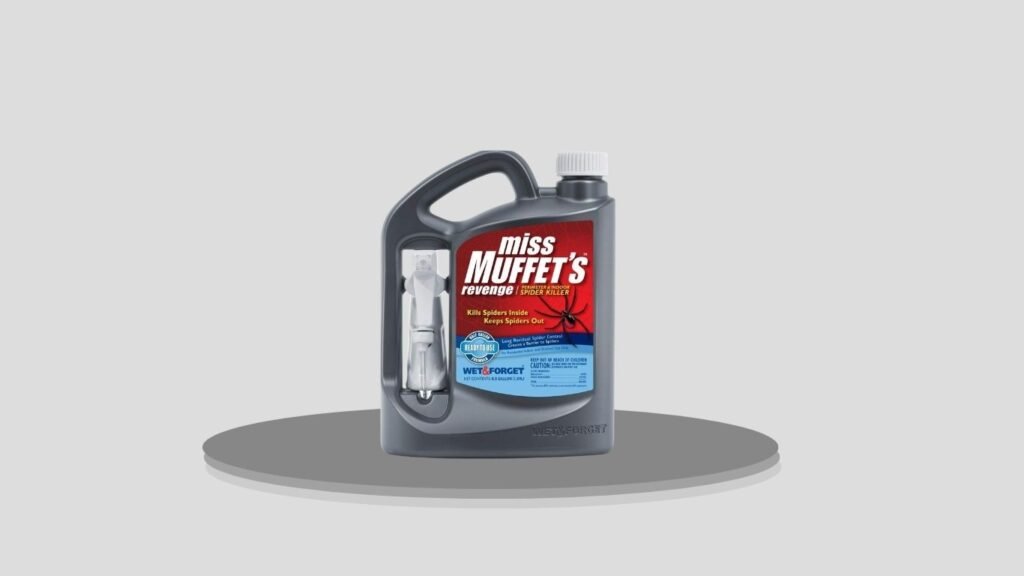
Miss Muffet’s Revenge Spider Control is designed specifically for homeowners who want a straightforward solution focused on spiders. Its ready-to-apply format makes it practical for treating common spider-prone locations such as entryways, window frames, garages, basements, patios, and exterior walls. Unlike general household sprays, its spider-focused positioning makes it especially appealing for users whose main concern is preventing repeated web-building and spider activity.
Key Features
- Designed specifically for spider control
- Ready-to-use application
- Suitable for common household problem areas
- Useful around windows and door frames
- Can be applied to selected indoor and outdoor surfaces
- Convenient for recurring spider activity
- No mixing required
Why It Is Best for Simple Spider-Focused Treatment
The main advantage of Miss Muffet’s Revenge is convenience. Users who do not want to measure or dilute concentrates can apply a ready-to-use treatment directly to appropriate problem areas.
This makes it particularly suitable for homeowners who repeatedly find webs around windows, porch corners, exterior trim, and garage entrances. A focused spider product can simplify routine maintenance during seasons when spider activity increases.
Ease of Application and Ongoing Performance
Because the product requires no mixing, it is easy to incorporate into regular household pest prevention. Users can focus treatment around surfaces where spiders are likely to travel or build webs.
Removing existing webs before applying treatment can also make it easier to monitor new activity. As with all residual products, follow label directions regarding surfaces, application frequency, and indoor use.
Best For Convenient Long-Term Spider Prevention
Miss Muffet’s Revenge is a good choice for users who want a dedicated spider treatment without the extra setup of concentrated insecticides. Its ready-to-use format makes it especially practical for routine application around common spider entry and nesting areas.
4. NatureStop Spider Repellent for Indoor & Outdoor Use
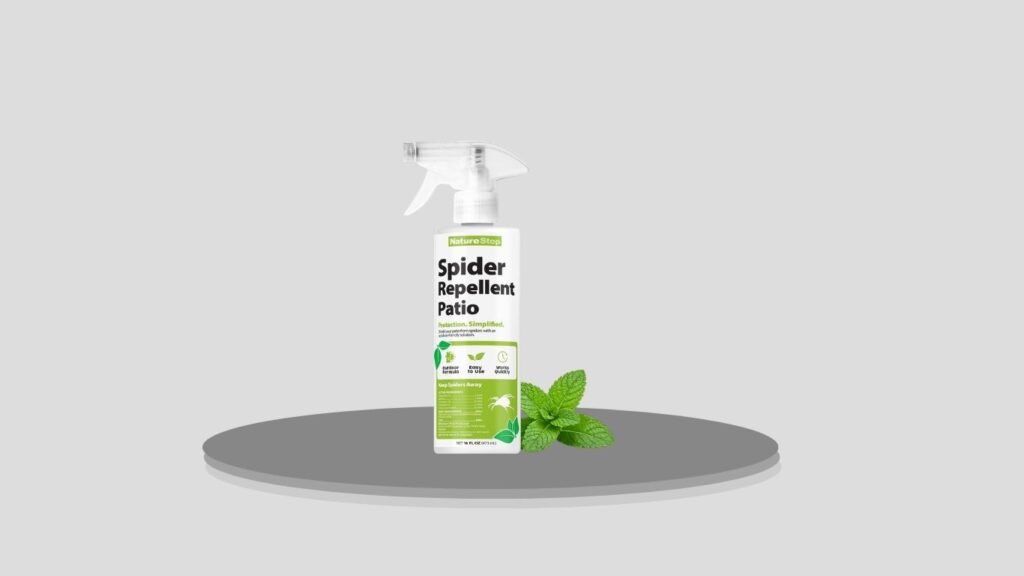
NatureStop Spider Repellent is designed for users who prefer a repellent-style approach rather than relying exclusively on conventional residual insecticides. Its indoor and outdoor positioning makes it suitable for use around doorways, windows, patios, garages, storage areas, and other locations where spiders frequently appear. This type of product can be especially appealing for households looking for routine deterrence in several areas rather than intensive treatment of a single infestation.
Key Features
- Designed specifically for spider deterrence
- Suitable for indoor and outdoor areas
- Useful around windows and doorways
- Can support routine pest prevention
- Convenient for garages and patios
- Suitable for targeted problem areas
- Designed for repeated household use
Why It Is Best for Repellent-Based Prevention
Not every spider problem requires a heavy residual treatment. In homes with occasional spider activity, a repellent can be useful for discouraging spiders from settling in frequently affected areas.
NatureStop is especially practical around entry points, corners, storage areas, and other places where spiders repeatedly build webs. Applying it strategically can help support a cleaner, less spider-friendly environment.
Coverage and Everyday Use
The product can be incorporated into a routine that includes web removal, vacuuming, and sealing small gaps around doors and windows. These steps reduce both spider hiding places and opportunities for entry.
For outdoor areas, users can focus on sheltered locations such as porch corners and garage entrances. Reapplication should always follow the manufacturer’s directions.
Best For Routine Indoor and Outdoor Deterrence
NatureStop is a practical choice for homeowners who prefer a repellent-focused strategy. Its versatility across indoor and outdoor areas makes it particularly useful for maintaining garages, patios, entryways, and other places where spiders regularly appear.
5. Bonide Revenge Ready-to-Use Spider Killer
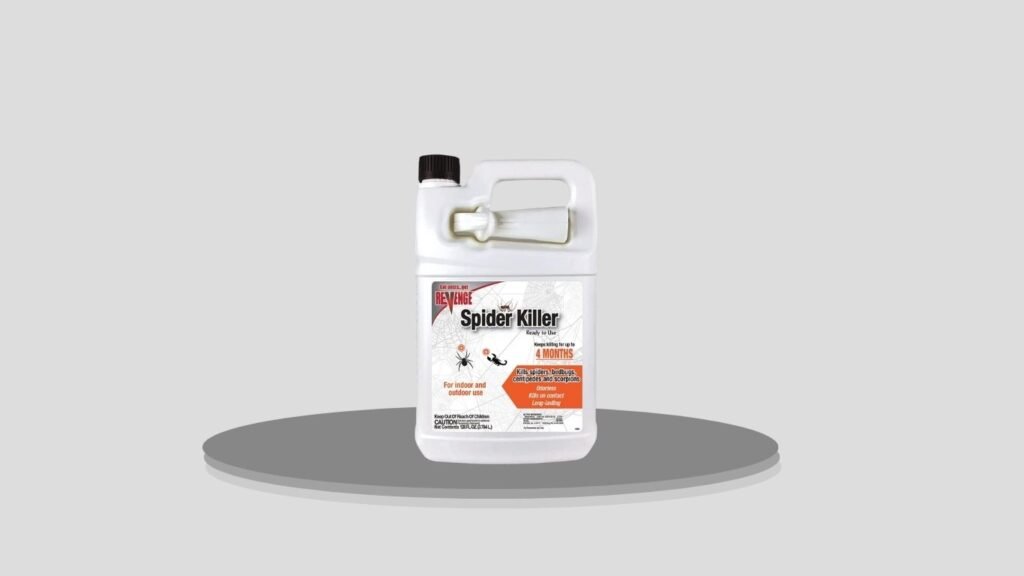
Bonide Revenge Ready-to-Use Spider Killer is designed for homeowners who want immediate application without measuring concentrates or preparing separate spray equipment. Its ready-to-use format makes it convenient for treating spider-prone areas around garages, basements, doors, windows, and outdoor structural surfaces. The product is particularly useful for people who want a direct pest-control treatment that can be kept available for recurring spider activity.
Key Features
- Ready-to-use spider treatment
- No mixing required
- Suitable for targeted household application
- Useful around garages and basements
- Can be applied near common spider entry areas
- Convenient spray format
- Designed for recurring pest problems
Why It Is Best for Fast, Convenient Treatment
The strongest advantage of a ready-to-use product is simplicity. There is no need to calculate dilution rates or prepare a separate sprayer, making it easier to respond when spiders begin appearing.
This can be especially useful during seasonal increases in spider activity. Treating web-building areas and structural entry points according to the label provides a more focused approach than spraying broad areas unnecessarily.
Performance Around Common Problem Zones
Spider control is usually most effective when users treat the areas spiders actually use. Door frames, window edges, foundation gaps, garage corners, and sheltered exterior surfaces are logical places to inspect.
Removing old webs first can make subsequent spider activity easier to spot. Reducing insect prey around lighting and entryways may also make these areas less attractive to spiders.
Best For Easy Ready-to-Use Spider Control
Bonide Revenge is well suited to homeowners who value convenience but still want a dedicated spider-control product. Its ready-to-use setup makes it especially practical for regular spot treatment around residential problem areas.
6. Deltamethrin Long-Lasting Perimeter Insecticide Concentrate
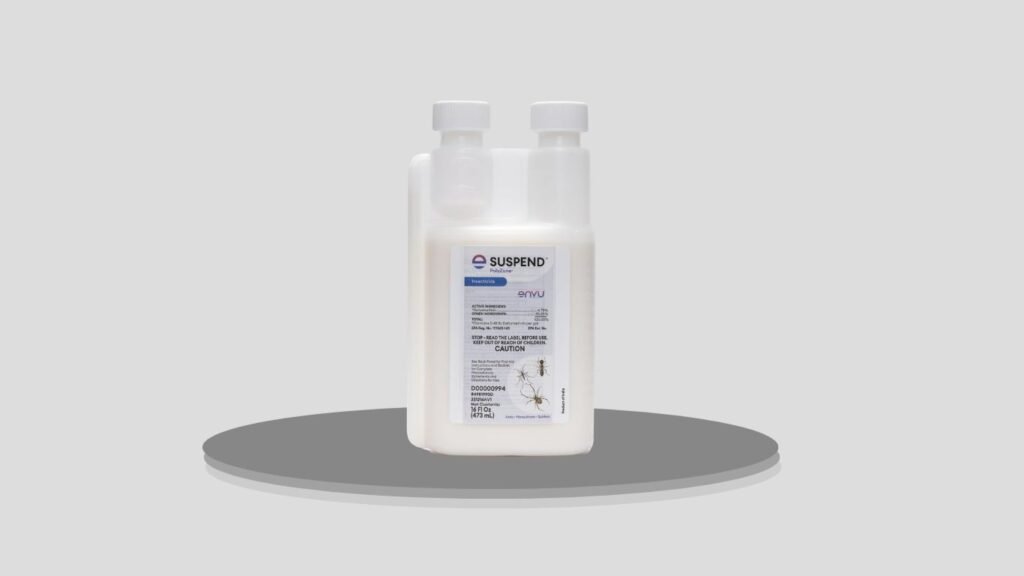
This Deltamethrin Long-Lasting Perimeter Insecticide Concentrate is designed for users who need a broader structural pest-control approach around the home. Deltamethrin-based perimeter treatments are intended for labeled crawling insects and can be useful around foundations, entry points, garages, and other places where pests travel. For spider management, this type of residual treatment can support longer-term control by treating both spider routes and areas frequented by insect prey.
Key Features
- Deltamethrin-based insecticide concentrate
- Designed for long-lasting perimeter treatment
- Suitable for multiple labeled crawling pests
- Useful around foundations and entry points
- Concentrated formula for broader coverage
- Designed for residual pest control
- Suitable for structured prevention programs
Why It Is Best for Perimeter Protection
Spiders often enter homes through small gaps around foundations, doors, windows, vents, and utility openings. A perimeter treatment allows homeowners to concentrate pest control around these likely entry routes.
The residual nature of this type of product can reduce the need for very frequent treatment compared with short-lived contact sprays. It can also reduce other insects that may serve as food for spiders.
Coverage and Long-Term Performance
Because this is a concentrate, careful measurement and dilution according to the label are essential. Users can prepare the required amount for foundation edges, exterior walls, and other approved treatment zones.
For better results, perimeter treatment should be combined with sealing gaps, trimming vegetation away from walls, and reducing insects attracted to exterior lighting.
Best For Comprehensive Exterior Spider Prevention
This deltamethrin concentrate is best suited to users who want to create a structured perimeter-control program. Its long-lasting positioning and concentrate format make it particularly useful for larger properties or homes with recurring exterior spider activity.
7. Revenge Foaming Spider & Insect Protection Spray
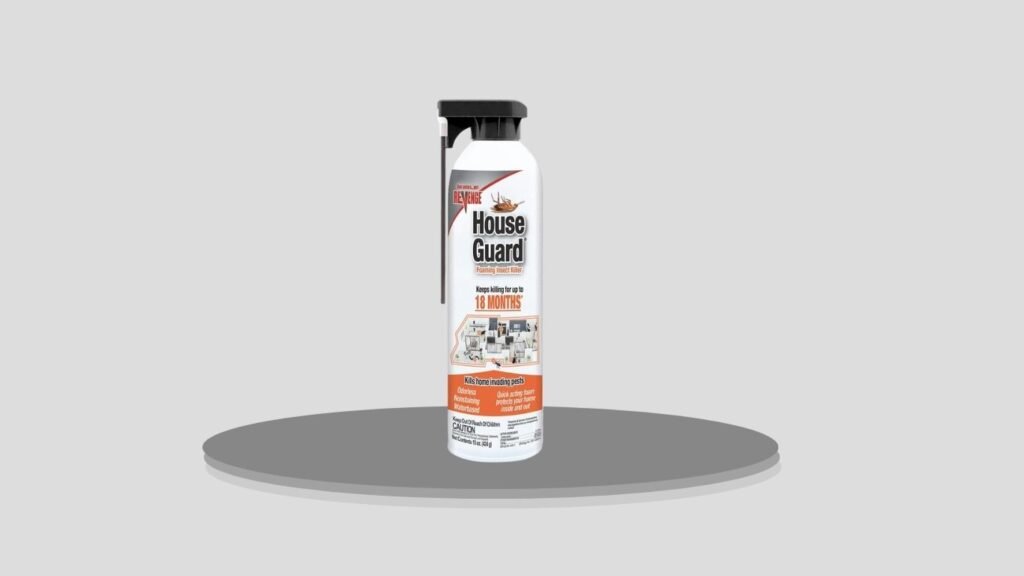
Revenge Foaming Spider & Insect Protection Spray offers a different application style from conventional liquid sprays. Its foaming formula is designed to expand into selected cracks, crevices, gaps, and other narrow areas where spiders and insects may hide. This makes it especially useful around structural openings, utility penetrations, baseboard gaps, and sheltered areas that can be difficult to treat thoroughly with a standard spray.
Key Features
- Foaming pest-control formula
- Designed for spiders and other insects
- Useful for cracks and crevices
- Expands into hard-to-reach gaps
- Odorless positioning
- Nonstaining positioning
- Suitable for targeted structural treatment
Why It Is Best for Cracks and Hidden Spaces
Spiders commonly hide in narrow, protected areas that are difficult to reach with traditional sprays. A foam can expand into those gaps, making it particularly useful around structural openings and other concealed pest harborage areas.
This application style also allows users to focus treatment more precisely rather than coating large exposed surfaces. That can make it a valuable addition to a broader spider-management routine.
Foaming Action and Practical Application
The foam format is especially useful for gaps around plumbing, wall openings, baseboards, and other approved areas where pests may enter or shelter.
Users should apply only according to the product label and avoid filling unnecessary spaces. Combining crack treatment with web removal and exterior prevention can provide a more complete strategy.
Best For Targeting Hidden Spider Harborages
Revenge Foaming Spider & Insect Protection Spray is particularly useful for homeowners who need to reach cracks and crevices that conventional sprays cannot cover easily. Its expanding foam application makes it a practical choice for targeted treatment in concealed spider-prone areas.
FAQs
1. What Is the Best Long-Lasting Spider Repellent?
The best option depends on where spiders are active. Residual insecticides are generally better for longer-lasting perimeter and structural treatment, while ready-to-use sprays are more convenient for smaller areas. Always choose a product labeled for spiders and follow the application directions carefully.
2. How Long Does Spider Repellent Usually Last?
The effective period varies by product, surface type, weather exposure, and application method. Some residual treatments may continue working for weeks or longer, while natural or scent-based repellents often require more frequent reapplication.
3. Where Should I Apply Spider Repellent?
Focus on places where spiders enter or build webs, including door frames, window edges, garages, basements, foundation gaps, porch corners, sheds, and exterior walls. Avoid unnecessary spraying and use only on surfaces permitted by the product label.
4. Do Long-Lasting Spider Repellents Work Outdoors?
Yes, many residual spider-control products are designed for outdoor perimeter use. They can be applied around foundations, entry points, garages, patios, and other approved areas. Outdoor exposure to rain, sunlight, and weather may reduce how long some treatments remain effective.
5. How Can I Keep Spiders Away for Longer?
Combine repellent treatment with web removal, sealing cracks, reducing clutter, trimming vegetation away from the house, and controlling other insects that spiders feed on. A cleaner environment with fewer hiding places and less prey usually supports better long-term spider prevention.
