
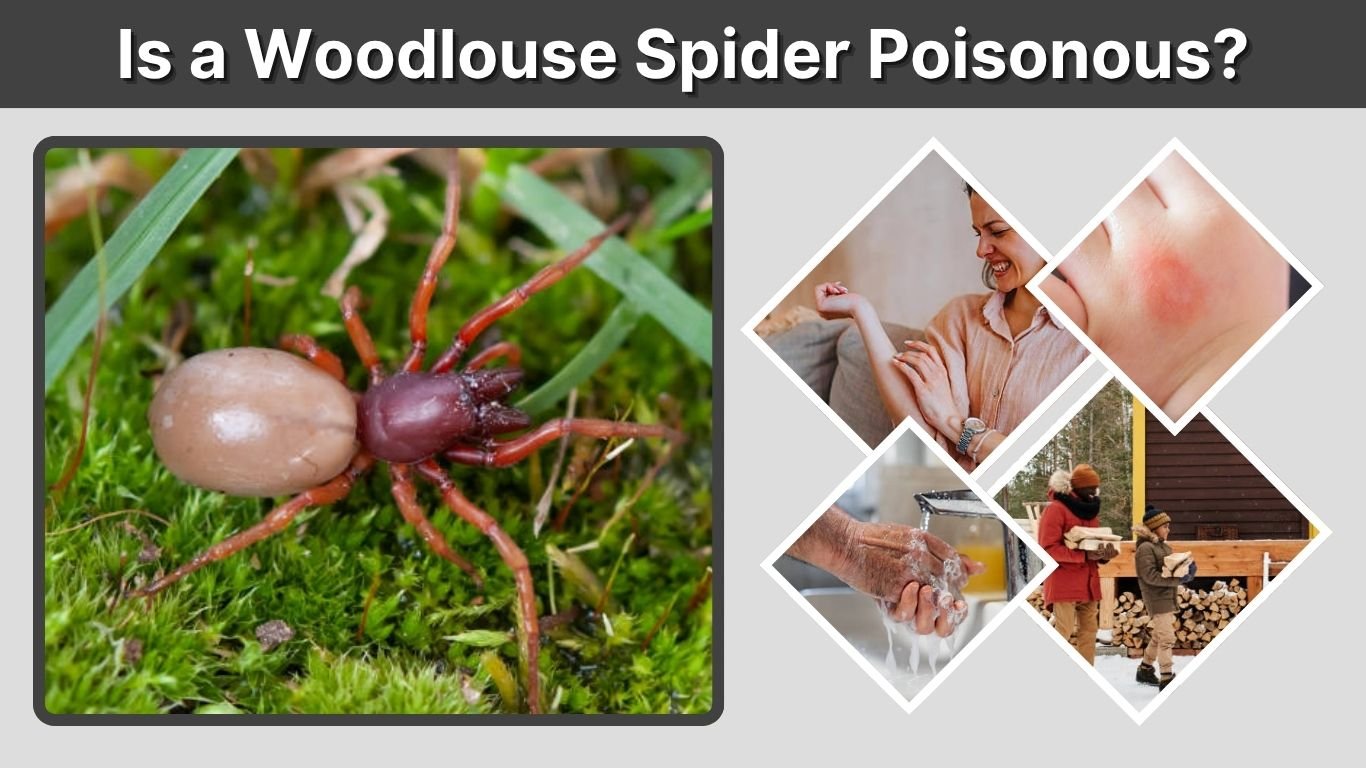
The woodlouse spider has a reddish body, pale abdomen, and unusually large fangs, giving it a threatening appearance. However, it is not poisonous. It is technically venomous because it injects venom into woodlice and other small prey. Fortunately, its venom is not considered medically dangerous to most people, and confirmed bites have generally caused only temporary pain and minor skin irritation.
Is a Woodlouse Spider Poisonous or Venomous?
A woodlouse spider is venomous, not poisonous. These terms describe two different ways an animal’s toxins may enter another animal:
| Term | Meaning |
| Poisonous | Harmful when eaten, touched, or absorbed |
| Venomous | Injects venom through fangs, stingers, or another structure |
The woodlouse spider, scientifically known as Dysdera crocata, uses its fangs to inject venom into prey. You would not normally be harmed simply by touching the spider, although handling it could provoke a defensive bite.
Its venom helps immobilize woodlice, pill bugs, and other hard-bodied prey. Colorado State University Extension states that although its bite can be painful, the venom is not known to cause medical problems.
Is a Woodlouse Hunter Spider Dangerous?
Woodlouse hunter spiders are not considered dangerous to healthy humans. They are active nighttime hunters, but they do not chase or deliberately attack people.
A bite is most likely when the spider is:
- Picked up with bare hands
- Trapped against the skin
- Squeezed inside clothing or bedding
- Disturbed beneath a rock, log, or plant pot
- Handled while displaying a defensive posture
Their large fangs can penetrate human skin, so the mechanical puncture may hurt even when the venom produces little effect.
A study examining verified woodlouse spider bites described them as essentially harmless. Minor pain was the main reported effect, usually lasting less than one hour and probably resulting mostly from the fangs physically puncturing the skin.
What Happens If a Woodlouse Spider Bites You?
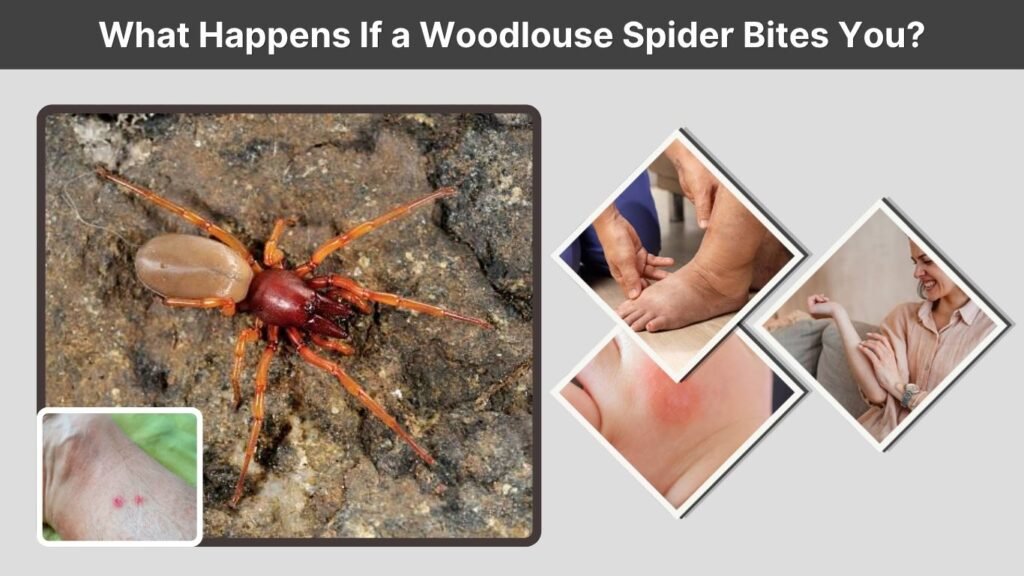
A woodlouse spider bite may cause immediate localized discomfort. The exact reaction can vary, but serious poisoning is not expected from a correctly identified bite.
Common Bite Symptoms
Possible symptoms include:
- A sharp pinching or stinging sensation
- One or two tiny puncture marks
- A small red patch
- Mild localized swelling
- Tenderness around the bite
- Temporary itching or warmth
Pain typically remains around the bite rather than spreading throughout the body. Available evidence does not associate confirmed bites with major systemic illness, severe tissue destruction, or life-threatening envenomation.
How Long Do Symptoms Last?
The initial pain commonly lasts less than an hour. Mild redness, itching, or tenderness may remain longer as the punctured skin heals.
Symptoms should gradually improve. Increasing pain, spreading redness, pus, fever, or persistent swelling could indicate infection, an allergic reaction, or another medical condition rather than the typical effect of woodlouse spider venom.
Can a Woodlouse Spider Bite Kill You?
There are no confirmed deaths attributed to verified bites from Dysdera crocata. The species is not classified among spiders known to cause medically significant human envenomation.
However, unusual reactions are possible following almost any bite or sting. Emergency medical assistance is necessary when someone develops:
- Difficulty breathing
- Swelling of the face, tongue, or throat
- Fainting or severe dizziness
- Confusion or unusual weakness
- Rapidly spreading hives
- Repeated vomiting
These symptoms would not represent the usual woodlouse spider bite and require prompt medical evaluation.
Woodlouse Spider vs Brown Recluse
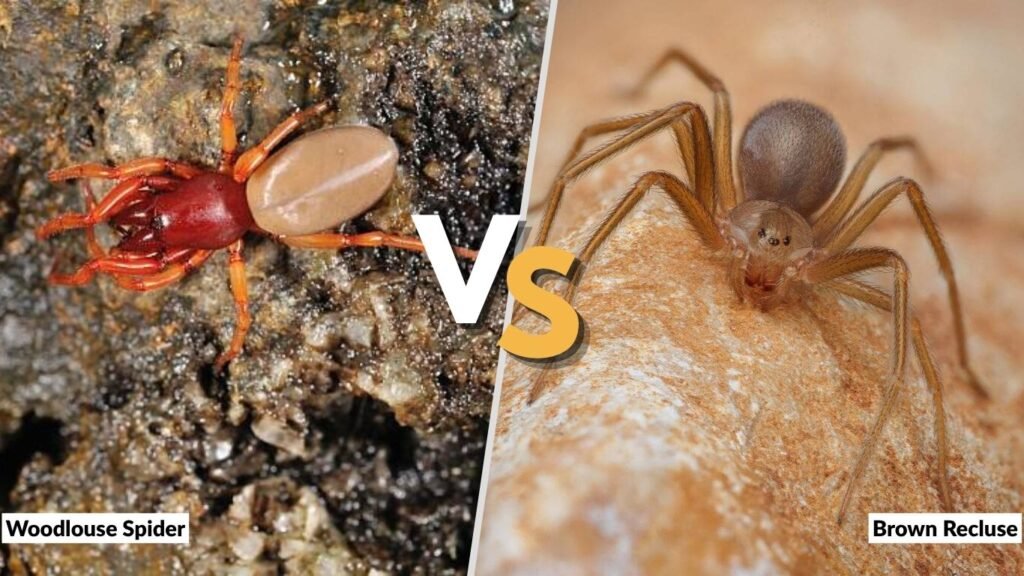
Woodlouse spiders are sometimes confused with brown recluse spiders, but they differ significantly in appearance and medical importance.
| Feature | Woodlouse spider | Brown recluse |
| Main color | Red-orange front body and legs | Light to medium brown |
| Abdomen | Pale cream, gray, or tan | Uniformly brown |
| Fangs | Large and prominent | Less conspicuous |
| Typical bite | Brief pain and mild irritation | May occasionally cause a serious wound |
| Medical importance | Generally low | Potentially significant |
A woodlouse spider does not typically produce the progressive blistering or tissue injury sometimes associated with brown recluse envenomation. Colorado State University notes that the brown recluse has cell-damaging venom, while the woodlouse hunter’s venom is not known to cause medical problems.
Do not identify the responsible spider based only on a skin mark. Infections, allergic reactions, inflamed hair follicles, and bites from other animals can look similar.
How to Treat a Woodlouse Spider Bite
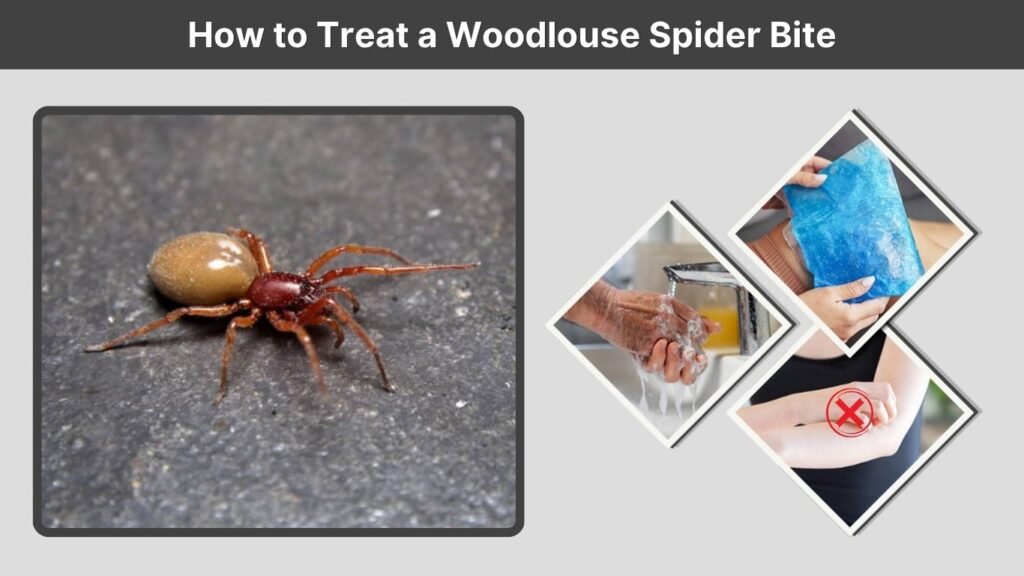
Most mild bites can be treated at home with basic first aid.
Immediate Care
- Wash the bite: Clean the area gently with soap and water.
- Apply a cold compress: Wrap ice in a clean cloth and hold it against the area for 10–20 minutes.
- Elevate the limb: Raising a bitten arm or leg may reduce swelling.
- Avoid scratching: Scratching can damage the skin and introduce bacteria.
- Monitor the mark: Note whether the redness, pain, or swelling is improving.
Colorado State University Extension recommends cleaning suspected spider bites with an antiseptic and applying ice to reduce pain and swelling. Medical care is appropriate when serious symptoms or increasing pain and swelling develop.
Do not cut the bite, squeeze it, burn it, or attempt to remove venom. These methods can damage the skin and increase the chance of infection.
When Should You See a Doctor?
Seek medical advice when:
- Pain or swelling continues to worsen
- Redness spreads beyond the original area
- A blister, open wound, or darkened area develops
- Pus or unusual drainage appears
- Fever, chills, or swollen glands occur
- The bite is close to an eye or inside the mouth
- The spider cannot be confidently identified
- The affected person is medically vulnerable
Because many skin problems are incorrectly blamed on spiders, professional evaluation is important when a wound becomes worse rather than healing normally. Spider bites can be difficult to diagnose without seeing and identifying the spider.
Are Woodlouse Spiders Poisonous to Dogs or Cats?
Woodlouse spiders are not considered a major threat to pets, but information about confirmed bites in dogs and cats is limited. A curious pet could be bitten after pawing at or attempting to eat the spider.
Contact a veterinarian when a pet develops marked facial swelling, difficulty breathing, vomiting, weakness, severe pain, limping, or unusual behavior. Never give a pet human pain medicine unless directed by a veterinarian.
How to Avoid Woodlouse Spider Bites
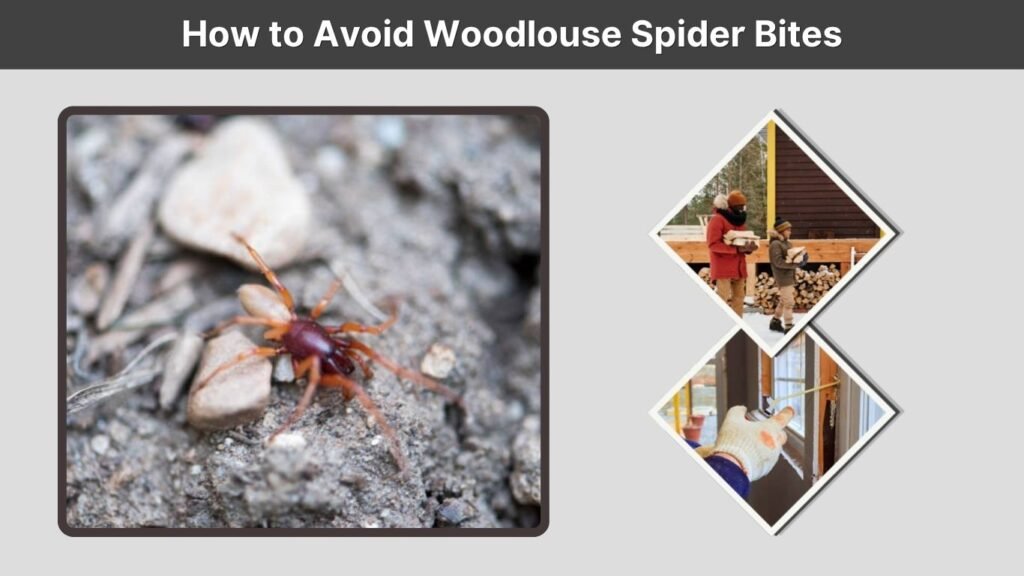
Woodlouse spiders commonly shelter in damp, dark places where their prey lives. They may be found beneath stones, logs, leaf litter, bricks, plant pots, or objects resting on damp soil.
Wear gloves when moving outdoor materials and avoid picking up spiders directly. Indoors, seal gaps around doors and foundations, reduce excess moisture, and remove unnecessary clutter from basements, garages, and storage areas.
FAQs
Are woodlouse spiders poisonous to humans?
No. Woodlouse spiders are venomous rather than poisonous. They inject venom into small prey, but their venom is not known to cause serious medical problems in most humans.
Can a woodlouse spider bite you?
Yes. Its large fangs can puncture human skin. Bites generally occur when the spider is handled, squeezed, trapped against the skin, or otherwise threatened.
How painful is a woodlouse spider bite?
The bite may feel like a sharp pinch or sting because the spider has relatively large fangs. Verified bites have mainly caused minor pain lasting less than one hour.
Does a woodlouse spider bite cause necrosis?
Skin necrosis is not an expected effect of a confirmed woodlouse spider bite. A worsening, blistering, darkening, or ulcerated wound should be examined by a healthcare professional.
Should I kill a woodlouse spider?
Killing it is usually unnecessary. Woodlouse spiders help control pill bugs and other small creatures. Use a container to move the spider outdoors instead of handling it with bare hands.
