
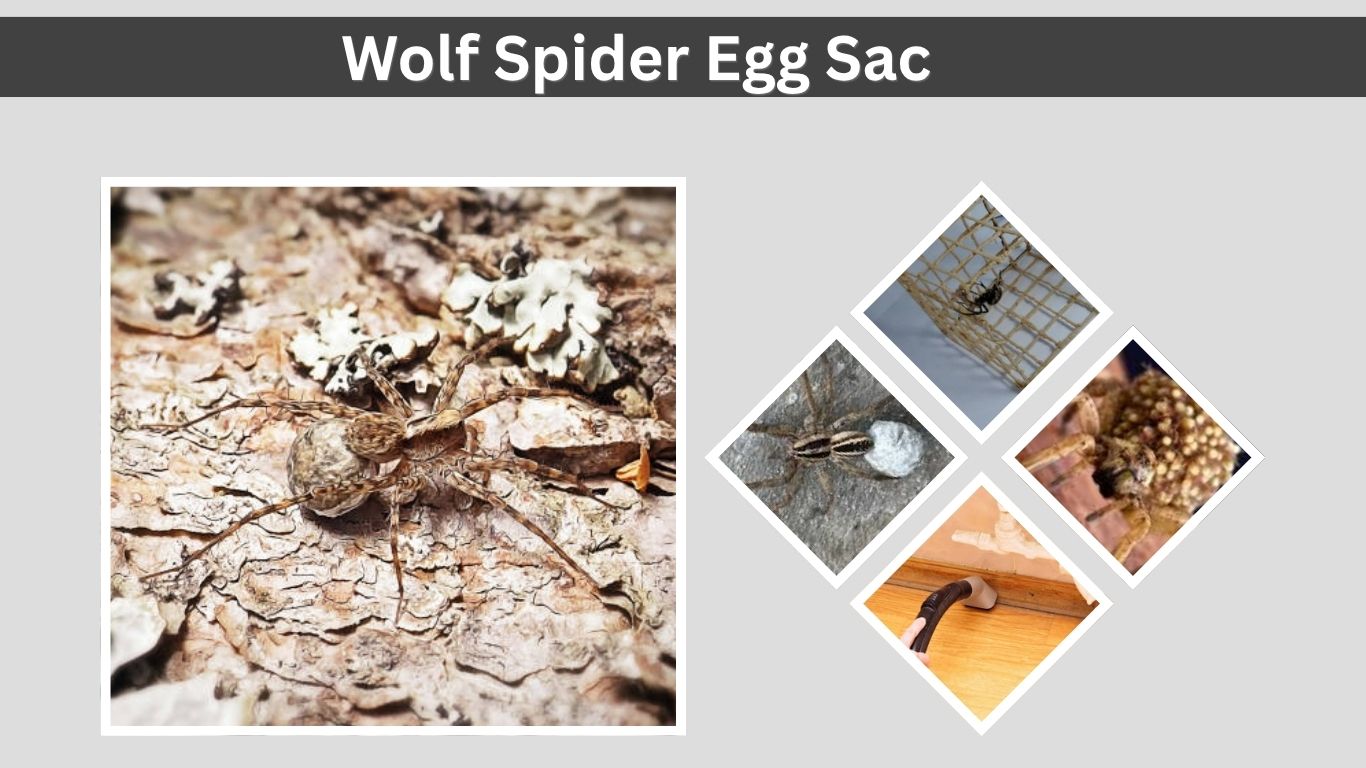
Wolf spiders are known for their unusual and fascinating parenting behavior, especially when it comes to their egg sacs. Unlike many spiders, female wolf spiders carry their egg sacs attached to their bodies, making them easy to spot and often alarming to people. These egg sacs contain dozens to hundreds of developing spiderlings. Understanding what they look like, how they behave, and what happens during hatching can help reduce fear and provide useful insight into their lifecycle.
What Is a Wolf Spider Egg Sac?
A wolf spider egg sac is a silk-wrapped bundle of eggs created by the female spider. It serves as protection for the developing eggs and is carried by the mother until they are ready to hatch. This behavior makes wolf spiders unique compared to many other species.
Purpose of the Egg Sac
- Protects eggs from predators and environmental damage
- Keeps eggs grouped together for development
- Ensures higher survival rates
How It Is Carried
- Attached to the spider’s spinnerets (rear)
- Moves with the spider at all times
- Rarely left unattended
What Does a Wolf Spider Egg Sac Look Like?

Identifying a wolf spider egg sac is relatively easy once you know what to look for. These sacs are distinct in both appearance and placement, especially because they are carried on the spider’s body rather than left in a web.
Size and Shape
- Round or ball-shaped
- Roughly the size of a pea or small marble
- Compact and symmetrical
Color Variations
- Gray, white, or tan
- Sometimes appears bluish in certain lighting
- May darken slightly over time
Texture and Appearance
- Silky and slightly rough surface
- Firm but lightweight
- Clearly visible against the spider’s body
Female Wolf Spider Carrying Egg Sac
One of the most recognizable traits of wolf spiders is how females carry their egg sacs. The sac remains attached to the rear of the spider, allowing it to move freely while still protecting the eggs. This behavior continues for weeks and is a key part of their reproductive strategy.
Why They Carry Egg Sacs
- Provides constant protection
- Reduces risk of predation
- Keeps eggs in optimal conditions
Movement and Behavior
- Continues hunting while carrying sac
- Moves more cautiously
- May appear more defensive if disturbed
Egg Sac Lifecycle and Hatching
The lifecycle of a wolf spider egg sac begins when the female lays eggs and wraps them in silk. Over time, the eggs develop safely inside the sac. Once they are ready, the sac opens and the spiderlings emerge. Unlike many spiders, the young do not immediately disperse. Instead, they climb onto the mother’s back, where they remain for a short period before becoming independent.
How Many Eggs Are in a Wolf Spider Egg Sac?

The number of eggs inside a wolf spider egg sac can vary depending on the species and environmental conditions. However, most sacs contain a large number of eggs, which is why they often attract attention and concern.
Average Number of Eggs
- Typically between 100 and 300 eggs
- Larger species may carry more
- Smaller species may carry fewer
Survival Rate
- Not all spiderlings survive
- Many are lost due to environmental factors
- Only a portion reach adulthood
How Long Do Wolf Spiders Carry Egg Sacs?
Female wolf spiders carry their egg sacs for a specific period until the eggs are ready to hatch. This duration depends on environmental factors such as temperature and humidity. During this time, the mother remains active but prioritizes protecting the sac, ensuring the eggs develop safely before hatching.
Carrying Duration
- Usually carried for 2 to 3 weeks
- May vary depending on climate
- Warmer conditions can speed up development
Behavior During This Period
- Continues hunting for food
- Moves more cautiously than usual
- Stays close to safe hiding spots
Wolf Spider Egg Sac vs Other Spider Egg Sacs

Wolf spider egg sacs are unique because they are carried on the spider’s body rather than left behind in webs or hidden locations. This makes them easier to identify compared to other species that leave egg sacs attached to surfaces.
Vs Fishing Spider Egg Sac
- Fishing spiders carry sacs in their jaws
- Wolf spiders carry sacs on their back
- Different posture and movement styles
Key Differences
- Attachment location (rear vs mouth)
- Behavior after hatching
- Visibility while moving
What to Do If You Find a Wolf Spider Egg Sac

Finding a wolf spider with an egg sac can be surprising, but it is usually not a cause for concern. These spiders are generally harmless and beneficial because they control insect populations. If needed, they can be safely handled without causing harm.
Safe Handling Tips
- Avoid direct contact with bare hands
- Use a container to capture and move the spider
- Release it outdoors away from living spaces
Removal Options
- Use a vacuum for quick removal
- Gently relocate the spider outside
- Avoid crushing unless necessary
Are Wolf Spider Egg Sacs Dangerous?
Wolf spider egg sacs themselves are not dangerous. They do not pose any direct threat to humans or pets. The main concern is the number of spiderlings that may hatch, which can lead to more visible spiders in the area. However, wolf spiders are not aggressive and rarely cause harm.
Risk Level
- Egg sacs are harmless
- Spiderlings disperse quickly after hatching
- Low risk to humans and pets
FAQs
What does a wolf spider egg sac look like?
A wolf spider egg sac is a small, round, ball-like structure that is usually gray, white, or tan. It is attached to the back of the female spider and moves with her as she walks.
How many babies are in a wolf spider egg sac?
A typical egg sac contains around 100 to 300 eggs. However, not all spiderlings survive due to environmental factors and natural conditions.
Why do wolf spiders carry their egg sacs?
They carry egg sacs to protect the eggs from predators and environmental dangers. This behavior increases the chances of survival until the eggs hatch.
What happens after the egg sac hatches?
After hatching, the baby spiders climb onto the mother’s back and stay there for a short period before dispersing to live independently.
Are wolf spider egg sacs dangerous?
No, they are not dangerous. The egg sacs themselves are harmless and do not pose any direct threat to humans or animals.
Conclusion
Wolf spider egg sacs may look unusual, but they are a natural part of the spider’s lifecycle. By understanding their appearance, behavior, and low risk, you can respond calmly and handle situations safely without unnecessary concern.
