
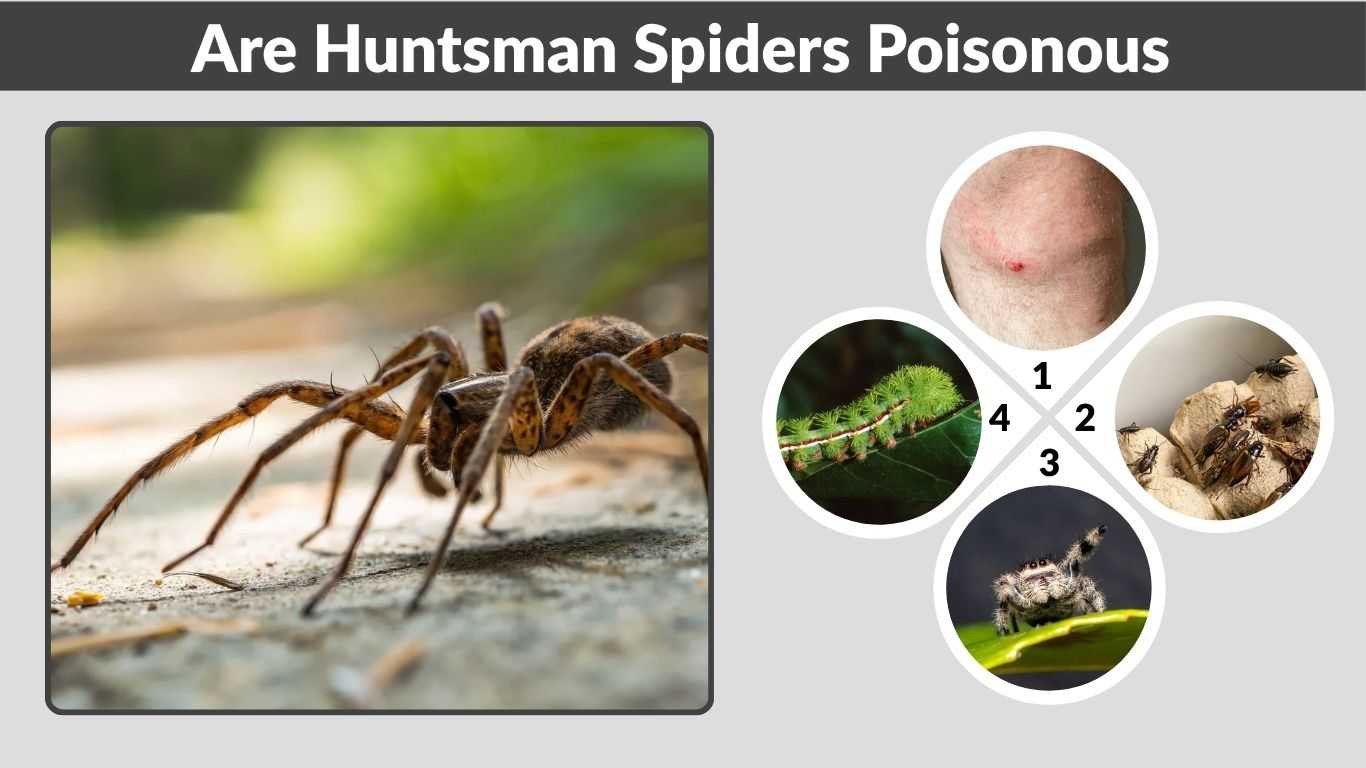
Huntsman spiders are famous for their giant size, long legs, and fast movement. Many people become alarmed after spotting one inside a house or vehicle and immediately wonder whether huntsman spiders are poisonous or dangerous. Although these spiders can look intimidating, they are generally considered low-risk to humans. Huntsman spiders are actually venomous rather than poisonous, meaning they use venom to catch prey instead of harming people intentionally. Understanding their behavior, bite symptoms, and true danger level helps separate myths from facts about these large wandering spiders.
Are Huntsman Spiders Poisonous or Venomous?
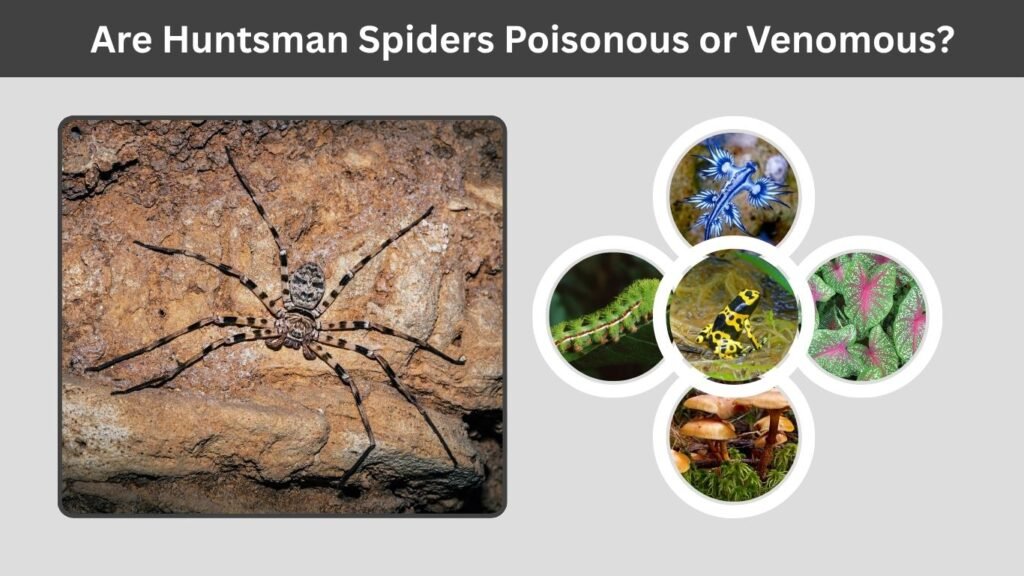
Many people use the words poisonous and venomous interchangeably, but they have different meanings. Huntsman spiders are not poisonous because they do not harm humans through touch or consumption. Instead, they are venomous spiders that inject venom into prey through their fangs. Their venom is mainly used for hunting insects and small animals rather than defending against humans.
What Does Poisonous Mean?
Poisonous animals release toxins when touched, eaten, or absorbed by another animal. These toxins can make predators sick or even cause death.
Examples of poisonous creatures include:
- Poison dart frogs
- Certain mushrooms
- Toxic caterpillars
- Some marine animals
- Poisonous plants
Huntsman spiders do not fall into this category because they do not poison people through contact.
Are Huntsman Spiders Venomous?
Like most spiders, huntsman spiders use venom to immobilize prey before feeding.
- Venom helps them hunt insects
- Human effects are usually mild
- Most bites cause temporary discomfort
- They are not considered medically dangerous
- Serious reactions are uncommon
Their venom is much weaker than that of highly dangerous spiders such as funnel-web spiders or black widows.
Why People Confuse Poisonous and Venomous
The confusion often comes from fear and misinformation online. Huntsman spiders look frightening because of their large leg span and quick movements. Viral internet photos also exaggerate their appearance, making them seem far more dangerous than they actually are.
In reality, most huntsman spiders prefer avoiding humans rather than confronting them.
Are Huntsman Spiders Dangerous to Humans?
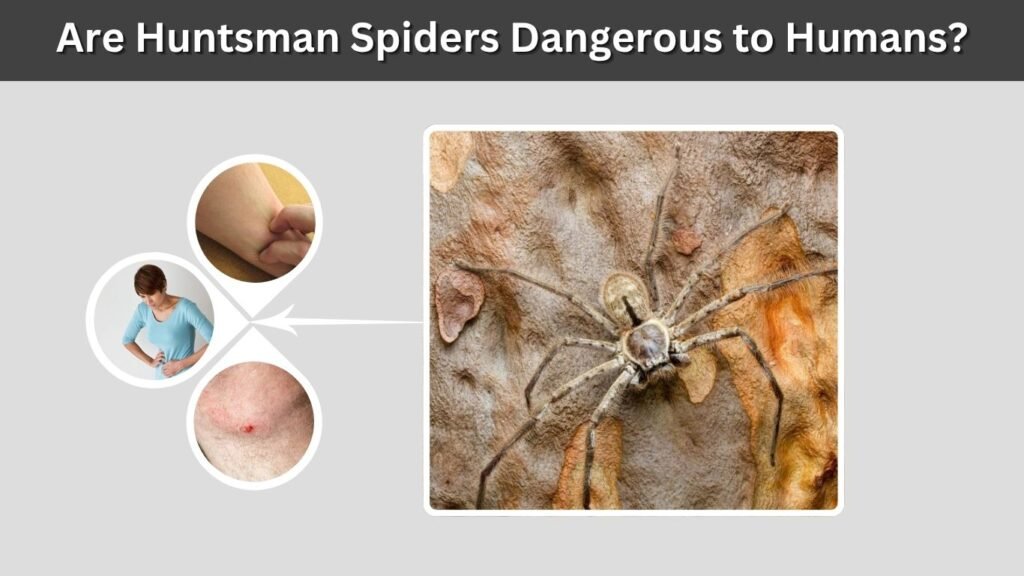
Huntsman spiders are generally shy and non-aggressive toward people. Although they can bite if threatened, serious medical problems from huntsman spider bites are extremely rare. Most encounters end with the spider running away quickly instead of attacking. Their large size may appear alarming, but appearance alone does not mean they are highly dangerous.
Do Huntsman Spiders Bite People?
Huntsman spiders can bite humans, but bites are uncommon and usually defensive.
- Most bites happen when trapped
- Handling the spider may trigger a bite
- Accidental contact can provoke defense
- They rarely attack without reason
- Escape is usually their first response
Many huntsman spiders will run away before attempting to bite.
Huntsman Spider Bite Symptoms
Most huntsman spider bites produce mild symptoms that disappear after a short period.
Common symptoms include:
- Mild pain
- Swelling
- Redness
- Temporary itching
- Minor discomfort
Some individuals may experience stronger allergic reactions, but severe complications are uncommon.
Can a Huntsman Spider Bite Kill You?
There are no well-known confirmed deaths caused directly by huntsman spider bites. Their venom is considered low-risk to healthy adults. While the bite may be unpleasant, it is usually far less serious than bites from medically significant spiders.
Doctors may recommend medical attention if symptoms become severe or if allergic reactions occur, but most people recover quickly without major treatment.
What Happens if a Huntsman Spider Bites You?
A huntsman spider bite can be uncomfortable, but it is usually not dangerous. Most symptoms remain localized around the bite area and improve within a few days. Proper first aid can help reduce swelling and discomfort while preventing infection.
Immediate Bite Reactions
The effects of a huntsman spider bite often appear quickly after the bite occurs.
- Sharp or mild pain
- Redness near the bite
- Slight swelling
- Itching or irritation
- Temporary soreness
The intensity of symptoms may vary depending on the individual and the spider species involved.
Huntsman Spider Bite Treatment
Simple first-aid treatment is usually enough for a huntsman spider bite.
- Wash the area with soap and water
- Apply an ice pack to reduce swelling
- Avoid scratching the bite
- Rest if discomfort continues
- Use pain relief medication if necessary
Keeping the bite clean can help prevent irritation or infection.
When to Seek Medical Attention
Although severe reactions are rare, medical care may be necessary in some situations. People with allergies or unusual symptoms should contact a healthcare professional.
Seek medical help if you experience:
- Difficulty breathing
- Severe swelling
- Dizziness
- Signs of infection
- Persistent pain or fever
Why Huntsman Spiders Enter Homes
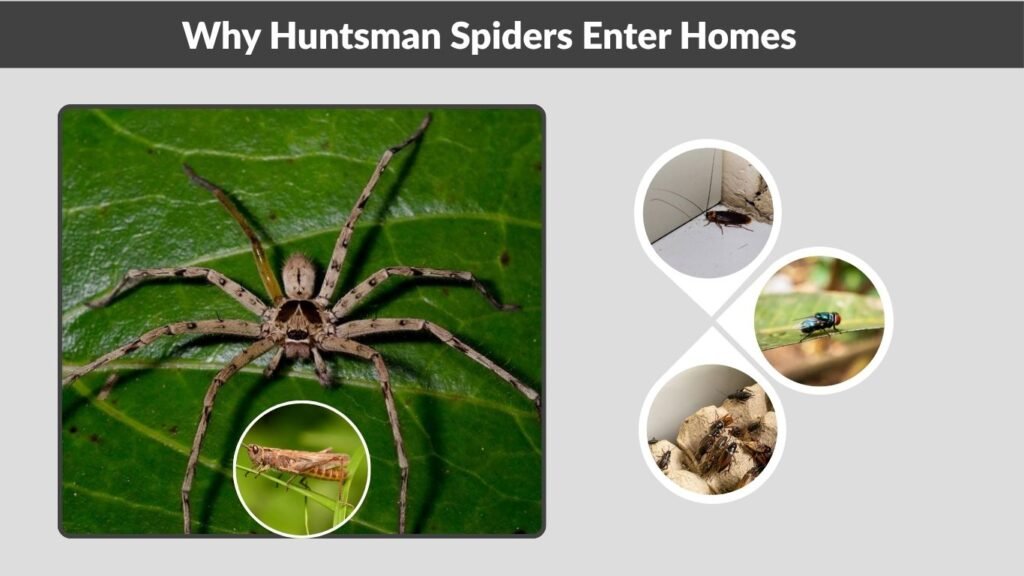
Huntsman spiders often enter homes while searching for food, shelter, or protection from weather changes. Their presence indoors does not usually mean a dangerous infestation. These spiders are active hunters that follow insects into buildings and prefer quiet hiding places during the daytime. Warm climates and abundant prey make homes attractive temporary shelters for huntsman spiders.
Searching for Insects and Food
Huntsman spiders commonly enter houses because insects gather indoors around lights, food, and moisture sources.
Their favorite prey includes:
- Cockroaches
- Flies
- Crickets
- Moths
- Small household insects
Because they eat many pests, some homeowners tolerate huntsman spiders as natural insect controllers.
Shelter During Rain and Heat
Extreme weather conditions often drive huntsman spiders indoors. Heavy rain, excessive heat, or strong winds can force them to seek safe shelter inside homes, garages, or sheds.
These spiders prefer dark and quiet spaces where they can remain hidden during the day. At night, they become more active while hunting insects across walls and ceilings.
Common Places Huntsman Spiders Hide
Huntsman spiders are excellent climbers and can squeeze into narrow spaces because of their flat bodies.
They commonly hide:
- Behind curtains
- Under furniture
- Inside closets
- Around windows
- In garages and storage rooms
Some people even find huntsman spiders hiding inside vehicles parked outdoors.
Huntsman Spider Behavior and Temperament
Despite their scary appearance, huntsman spiders are usually calm and non-aggressive animals. They rely on speed and stealth instead of confrontation. Most species prefer escaping from danger rather than standing their ground. Their unusual movements and large size often create fear, but their actual behavior is far less threatening than many people believe.
Fast Movement and Hunting Style
Huntsman spiders are active hunters that chase prey instead of trapping it in webs.
- Extremely fast runners
- Excellent wall climbers
- Hunt mainly at night
- Use speed to catch insects
- Move sideways like crabs
Their quick movements can startle people, especially during unexpected indoor encounters.
Do Huntsman Spiders Chase Humans?
One common myth claims huntsman spiders chase people aggressively. In reality, they usually run away from humans whenever possible.
Sometimes a huntsman spider may accidentally move toward a person while searching for an escape route. This behavior is defensive rather than aggressive. Their rapid movement can easily create panic and misunderstanding.
Are Huntsman Spiders Aggressive?
Most huntsman spiders are shy spiders that avoid conflict.
- Rarely attack without provocation
- Prefer hiding over fighting
- Defensive bites are uncommon
- Usually flee when disturbed
- Low aggression toward humans
Their intimidating appearance often causes unnecessary fear because they are generally harmless wandering hunters.
Huntsman Spider vs Dangerous Spider Species
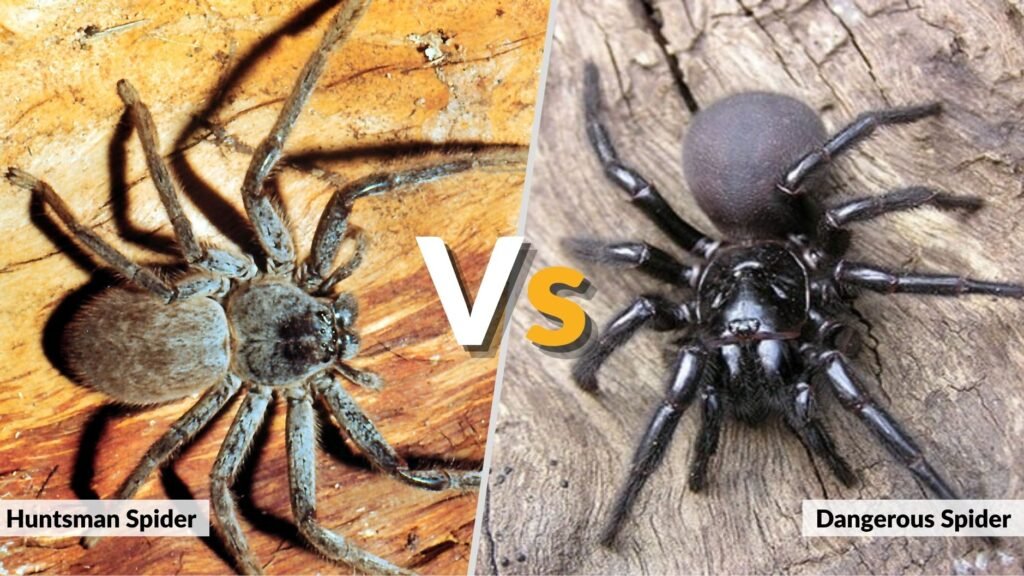
Comparing huntsman spiders with medically dangerous spiders helps show how low-risk they really are. While huntsman spiders may look enormous, their venom is relatively mild. Many truly dangerous spiders are smaller but possess much stronger venom that can cause serious health problems.
Huntsman Spider vs Brown Recluse
Brown recluse spiders are considered medically significant because their venom may damage skin tissue. Huntsman spiders, however, usually cause only temporary pain and swelling.
Brown recluse spiders are also much smaller and less noticeable than huntsman spiders. Their danger level is significantly higher despite their smaller size.
Huntsman Spider vs Black Widow
Black widow spiders possess powerful neurotoxic venom that can produce severe symptoms in humans. Huntsman spiders do not have venom of similar strength.
A black widow bite may require medical treatment, while huntsman spider bites are generally mild and short-lasting. Huntsman spiders also tend to avoid confrontation more frequently.
Huntsman Spider vs Funnel-Web Spider
Funnel-web spiders are among the most dangerous spiders in the world, especially in Australia. Their venom can be life-threatening without treatment.
Huntsman spiders differ greatly because:
- Their venom is weaker
- They are less aggressive
- Serious bites are rare
- They avoid human contact
- They mainly hunt insects
This comparison shows that huntsman spiders are far less dangerous than many truly harmful spider species.
FAQs
Are huntsman spiders poisonous to humans?
Huntsman spiders are not poisonous, but they are venomous. They use venom to catch prey such as insects and small animals. Their venom is generally mild for humans and usually causes only temporary pain, redness, or swelling after a bite.
Can a huntsman spider bite hurt you?
Yes, a huntsman spider bite can be painful, but the effects are usually mild. Most people experience temporary swelling, redness, and discomfort around the bite area. Serious medical reactions are uncommon and typically occur only in sensitive individuals.
Are huntsman spiders aggressive?
Huntsman spiders are usually shy and non-aggressive. They prefer escaping rather than attacking humans. Most bites happen only when the spider feels trapped, threatened, or accidentally pressed against the skin during contact.
What should you do if bitten by a huntsman spider?
If bitten by a huntsman spider, wash the area with soap and water and apply an ice pack to reduce swelling. Monitor the symptoms and seek medical attention if severe pain, allergic reactions, or signs of infection develop afterward.
Why do huntsman spiders enter houses?
Huntsman spiders enter homes mainly to search for food and shelter. They hunt insects like cockroaches, flies, and moths indoors. Warm temperatures, rainy weather, and quiet hiding places also attract them into garages, sheds, and living spaces.
