
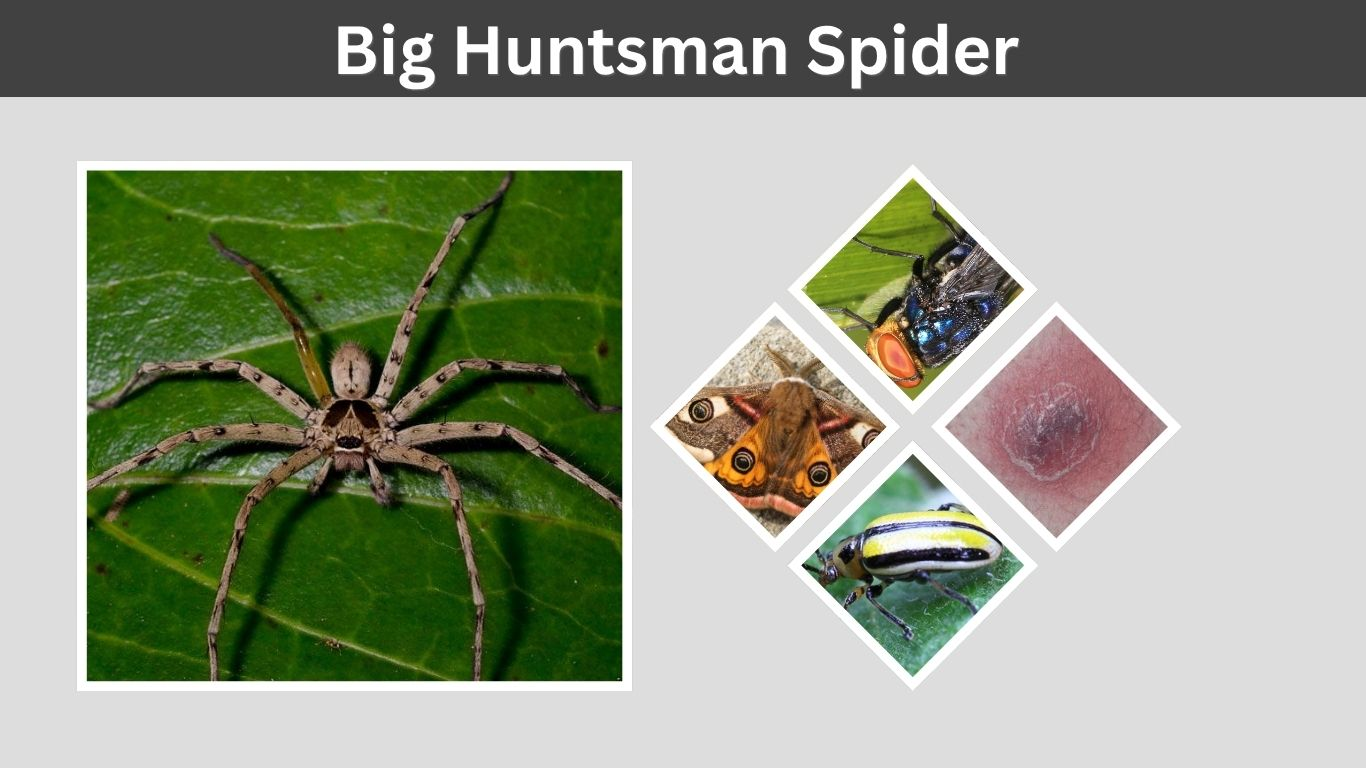
Huntsman spiders are famous for their massive leg span and fast movement. Many people search online to learn how big a huntsman spider can get, especially after seeing viral photos from Australia. These spiders often look much larger than they really are because of their long legs and flat body shape. While some species stay medium-sized, others can become enormous compared to common house spiders. Understanding their true size, habitat, and behavior helps separate internet myths from real facts about these giant arachnids.
Huntsman spiders belong to the Sparassidae family and are found in warm regions around the world. Australia is especially known for large huntsman species that sometimes appear inside homes, garages, and sheds. Despite their frightening appearance, these spiders are usually harmless and avoid people whenever possible.
What Is a Huntsman Spider?
Huntsman spiders are large hunting spiders known for their crab-like legs and incredible speed. Unlike web-building spiders, they actively chase insects and other prey. Their flattened bodies help them squeeze into narrow spaces such as tree bark, rocks, and even inside houses. Huntsman spiders are common in Australia, Asia, Africa, and other warm climates where insects are plentiful throughout the year.
Huntsman Spider Identification
- Long sideways legs with a wide stance
- Flat body shape for hiding in tight spaces
- Brown, gray, or tan coloration
- Hairy appearance on legs and body
- Fast movement across walls and ceilings
- Large visible leg span compared to body size
Why Huntsman Spiders Look So Big
Many huntsman spiders appear larger than they really are because their legs spread widely across surfaces. Their thin body may only measure around one inch long, but the extended legs create a much larger appearance. Indoor lighting and shadows can also exaggerate their size. Viral photos often use camera angles that make huntsman spiders seem even more gigantic than normal.
How Big Is a Huntsman Spider?
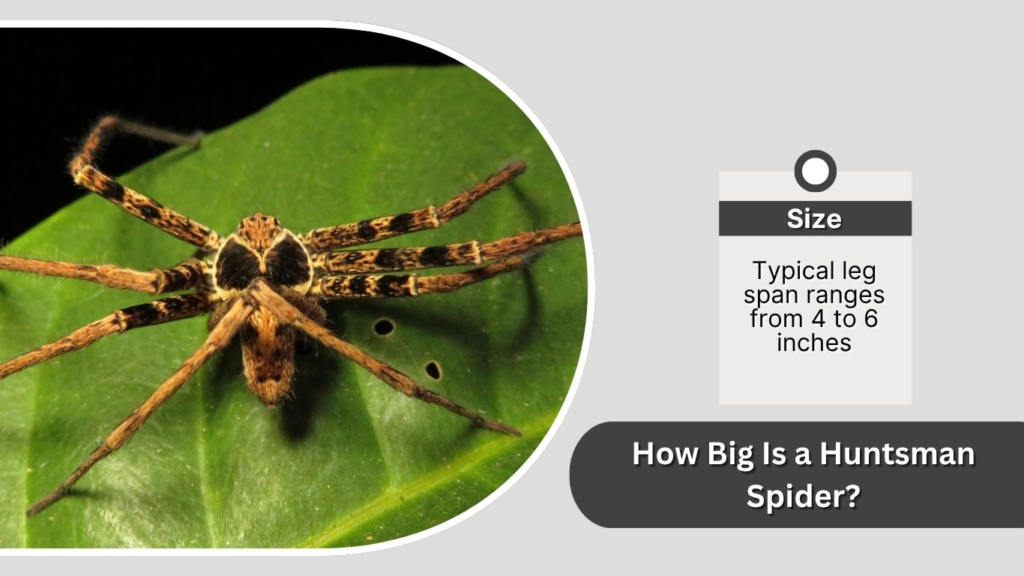
The size of a huntsman spider depends on the species and where it lives. Most huntsman spiders are considered large compared to common household spiders. Australian huntsman spiders are especially famous for their impressive leg span. Some giant species can reach sizes that surprise even experienced spider enthusiasts. Although they appear frightening, most species use their size mainly for hunting insects and avoiding predators.
Average Huntsman Spider Size
- Typical leg span ranges from 4 to 6 inches
- Body length is usually about 1 inch
- Adult females are often larger than males
- Tropical species usually grow bigger
- Young huntsman spiders stay much smaller before maturity
How Big Can a Huntsman Spider Get?
Some giant huntsman spiders can grow far beyond the average size. The largest species may reach a leg span close to 12 inches, making them among the world’s biggest spiders by leg span. Warm climates with plenty of prey allow these spiders to grow larger over time. Repeated molting also helps huntsman spiders gradually increase in size throughout their life.
Huntsman Spider Size in Inches
Smaller huntsman species may measure only 2 to 3 inches across, while medium-sized species commonly reach 4 to 6 inches. Larger Australian huntsman spiders can stretch up to 8 inches or more. The giant huntsman spider discovered in Asia is considered one of the largest known huntsman species ever recorded.
Giant Huntsman Spider vs Regular Huntsman
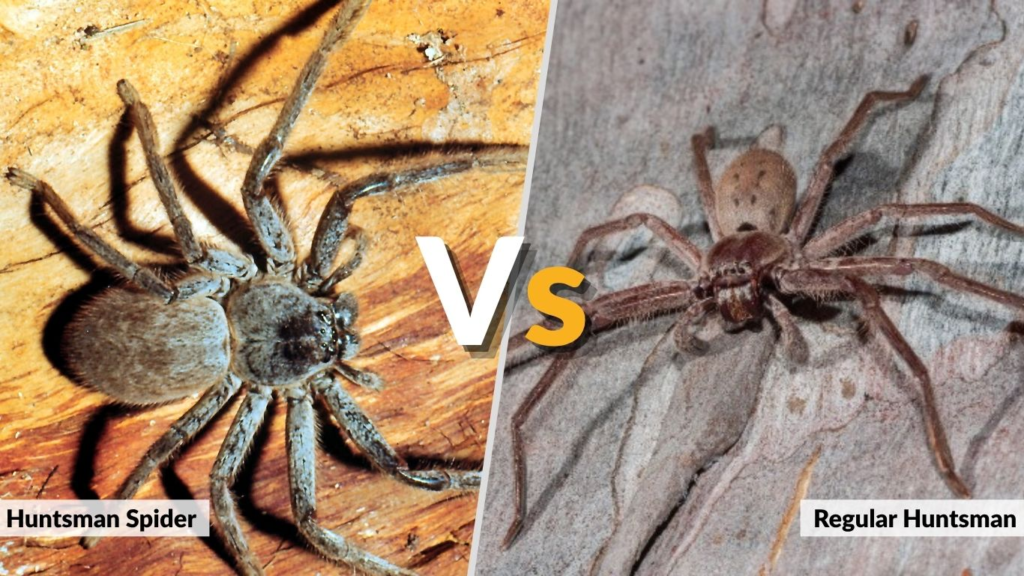
Not all huntsman spiders reach giant sizes. Most species found inside homes are large but still much smaller than the famous giant huntsman spider. Giant species are often found in forests or caves where they have enough space and food to grow. Comparing giant huntsman spiders with ordinary huntsman species helps people understand why some viral photos appear so shocking online.
Giant Huntsman Spider Features
- Extremely long legs
- Larger flattened body structure
- Powerful hunting ability
- Faster movement than many smaller spiders
- Cave or forest habitat in some species
Size Differences Between Species
Regular huntsman spiders commonly found in homes usually have a moderate leg span that helps them move quickly across walls and ceilings. Giant huntsman spiders are much wider and heavier, with longer legs designed for covering ground rapidly while hunting prey. Their larger size also helps them capture bigger insects and survive in competitive environments.
Biggest Huntsman Spider Ever Found
The giant cave huntsman spider is often recognized as the largest huntsman spider by leg span. It became famous after photos spread online showing its enormous size. Scientists discovered this species in Laos, where it lives in cave systems and hunts insects in dark environments.
Big Huntsman Spiders in Australia
Australia is famous for its large huntsman spiders because the country provides warm temperatures, thick forests, and plenty of insect prey. These conditions allow many huntsman species to grow larger than spiders found in cooler regions. Australian huntsman spiders are often seen in homes, sheds, and garages, especially during warm seasons when insects become more active at night.
Why Australian Huntsman Spiders Grow So Big
- Warm climate throughout much of the year
- Large supply of insects for food
- Natural forest habitats with shelter
- Faster growth in tropical environments
- Less competition in some regions
Common Places Huntsman Spiders Are Found
- Queensland forests and homes
- Garages and storage sheds
- Under tree bark and rocks
- Inside vehicles and outdoor furniture
- Ceilings, walls, and windows indoors
Big Huntsman Spider in Houses
Huntsman spiders often enter homes while searching for insects or shelter from extreme weather. Their flat body allows them to hide behind curtains, furniture, and wall decorations. People frequently notice them at night because huntsman spiders are more active after dark. Although their size can be alarming, they usually try to escape rather than interact with humans.
Are Big Huntsman Spiders Dangerous?
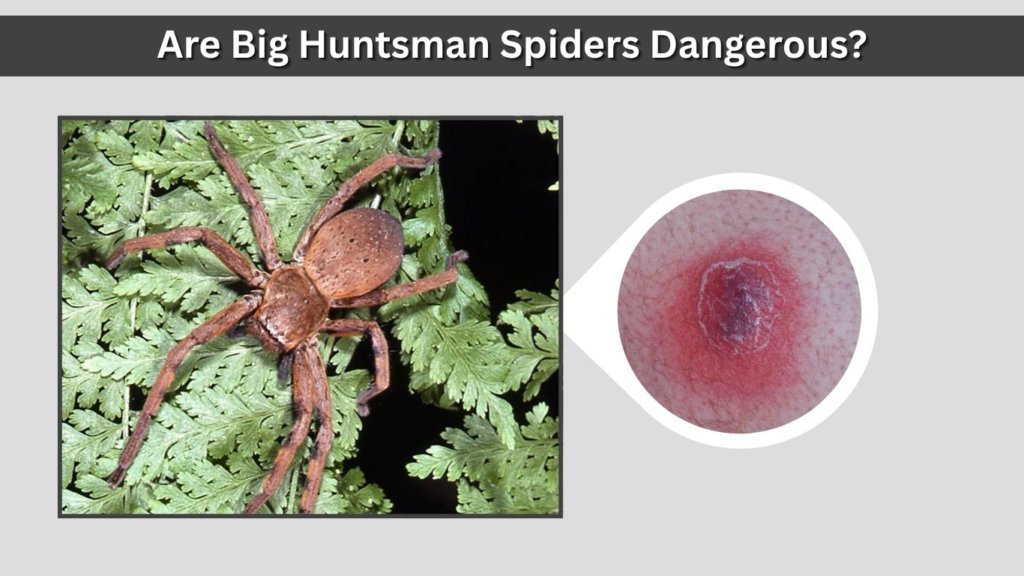
The huge size of huntsman spiders causes many people to fear them, but they are generally considered harmless to humans. Huntsman spiders are shy hunters that avoid confrontation whenever possible. Most bites happen only when a spider feels trapped or threatened. Their venom is mild compared to dangerous spider species and rarely causes serious medical problems.
Huntsman Spider Temperament
Huntsman spiders are not aggressive by nature. They prefer hiding or running away instead of attacking people. Their speed sometimes makes them seem threatening, especially indoors, but they are usually focused on escaping danger. Many homeowners even tolerate huntsman spiders because they help reduce insect populations inside houses.
What Happens if a Huntsman Spider Bites?
A huntsman spider bite may cause mild discomfort, redness, or temporary swelling. Some people compare the pain to a bee sting. Serious reactions are extremely uncommon. Cleaning the bite area and monitoring symptoms is usually enough, although medical attention may be needed if allergic reactions develop.
Common Myths About Giant Huntsman Spiders
Many internet stories exaggerate huntsman spider behavior. Viral posts sometimes claim these spiders attack humans or jump aggressively at people. In reality, huntsman spiders rarely behave this way. Camera angles and edited photos also make many spiders appear much larger than they truly are.
Huntsman Spider Hunting and Feeding Habits
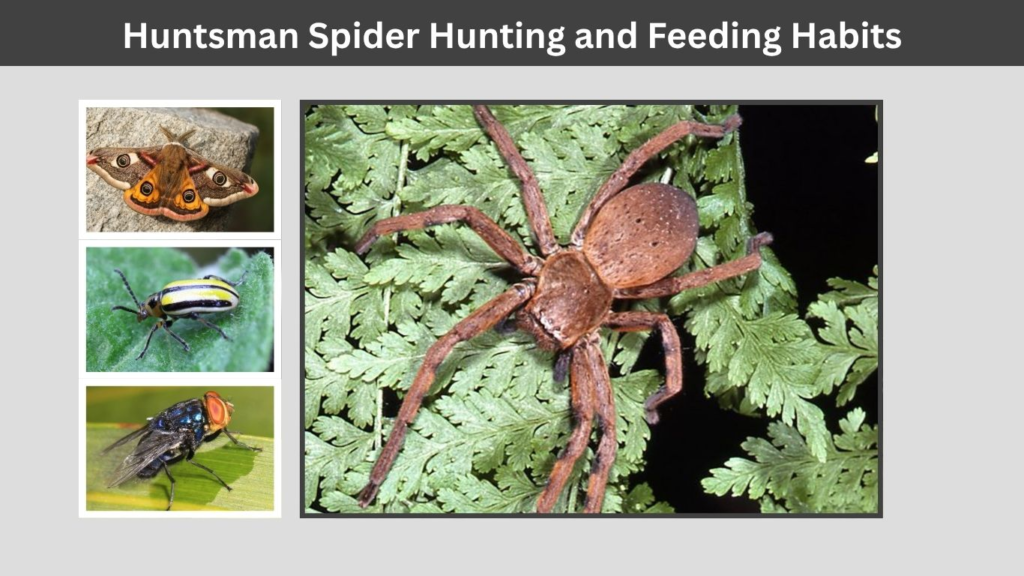
Huntsman spiders are active hunters instead of web builders. Their long legs and speed help them chase prey across trees, walls, and the ground. These spiders play an important role in controlling insect populations in both natural environments and homes. Their excellent eyesight and quick reflexes make them highly effective nighttime predators.
What Big Huntsman Spiders Eat
- Cockroaches
- Crickets
- Moths
- Beetles
- Flies
- Small lizards in rare situations
How Huntsman Spiders Hunt
Rather than waiting in webs, huntsman spiders move around searching for prey. Once they detect movement, they rush toward insects with surprising speed. They use venom to immobilize prey before feeding. Their hunting strategy allows them to survive in places where building large webs would not be practical.
Huntsman Spider Lifecycle and Growth
Huntsman spiders grow gradually through a process called molting, where they shed their exoskeleton multiple times before reaching adulthood. Their final size depends on species, food availability, and environmental conditions. Female huntsman spiders often live longer than males and may continue growing slightly larger throughout adulthood.
How Huntsman Spiders Grow
Young spiderlings hatch from egg sacs and remain very small at first. As they mature, they repeatedly molt and develop longer legs with each stage. Warm temperatures and a steady food supply support faster growth. Some large species require many months to reach their full adult size.
How Big Is a Full-Grown Huntsman Spider?
A fully grown huntsman spider may have a leg span between 4 and 8 inches depending on the species. Giant species can grow even larger under ideal conditions. Mature females are typically heavier and wider than males, especially when carrying eggs.
FAQs
How big is the biggest huntsman spider?
The biggest huntsman spider can reach a leg span close to 12 inches. This giant species was discovered in Laos and is considered one of the world’s largest spiders by leg span.
Are giant huntsman spiders found only in Australia?
No. While Australia has many large huntsman species, the true giant cave huntsman spider was discovered in Laos. Huntsman spiders also live in Asia, Africa, and other warm regions.
Can huntsman spiders climb walls?
Yes. Huntsman spiders have specialized legs that help them grip smooth surfaces, allowing them to climb walls, ceilings, and windows very easily.
Why are huntsman spiders so fast?
Their long legs and lightweight body help them move quickly while hunting insects. Speed is important because they do not rely on webs to catch prey.
Should I remove a huntsman spider from my house?
Many people leave huntsman spiders alone because they help control insects such as cockroaches and flies. If necessary, they can be safely relocated outdoors using a container.
