Step Into the Hidden World of Spiders
Seen a spider and not sure what it is? SpiderAdv helps you quickly identify species using easy features like size, color, and web type. Get accurate information so you know whether it’s harmless or something to be cautious about.
Our Blog Contact Us

Spider Identification Guide
- Size: Small to large depending on species.
- Body: Two main parts, rounded abdomen and front section.
- Legs: Eight long, jointed legs.
- Eyes: Usually 6–8 eyes in different patterns.
- Color: Brown, black, gray, or patterned.
- Web: Some build webs, others hunt.
- Habitat: Found indoors, gardens, and natural areas.
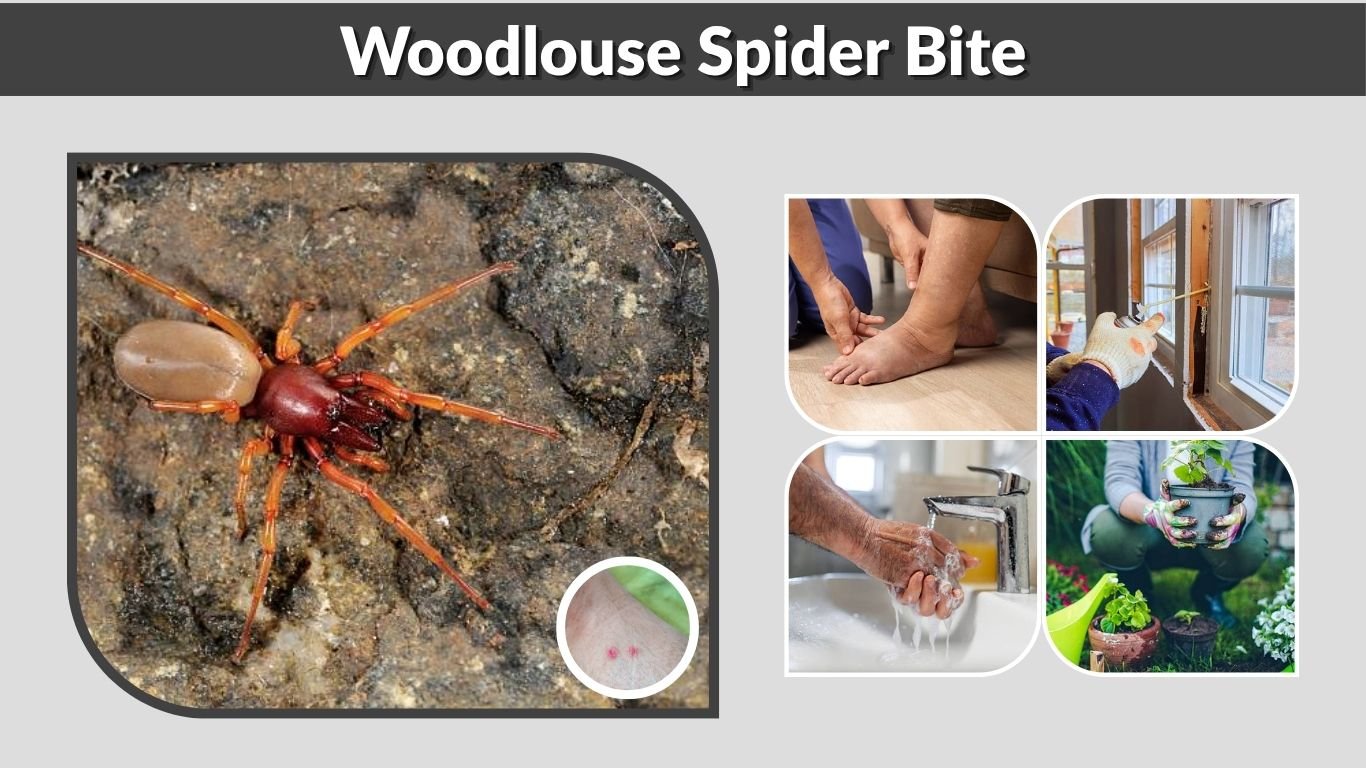
Woodlouse Spider Bite: Symptoms, Treatment, and Risks
July 30, 2026
A woodlouse spider bite may look alarming because this reddish spider has unusually large fangs. However, verified bites from the woodlouse hunter, Dysdera crocata, have
Read more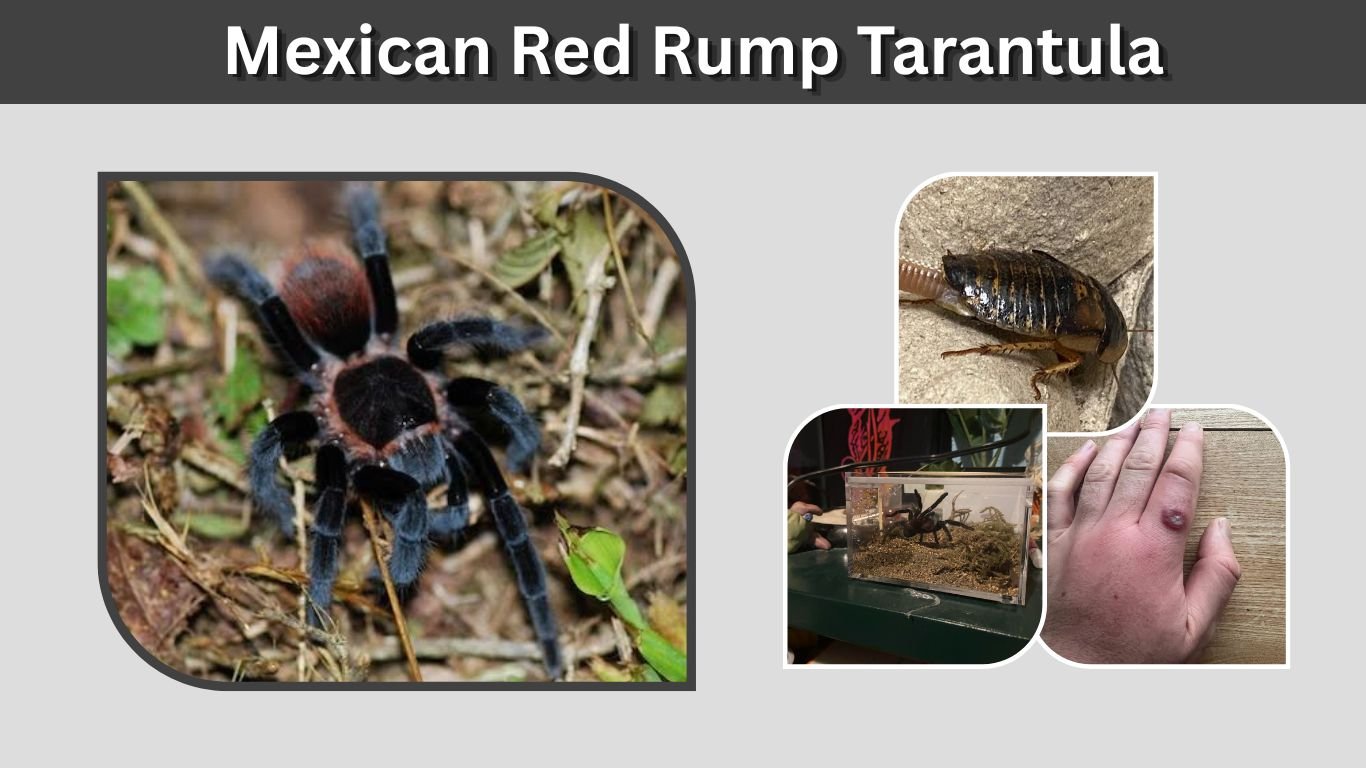
Mexican Red Rump Tarantula: Care, Size, and Lifespan
July 29, 2026
The Mexican red rump tarantula is a dark, heavy-bodied species recognized by the reddish hairs covering its abdomen. Its manageable size, strong feeding response, burrowing
Read more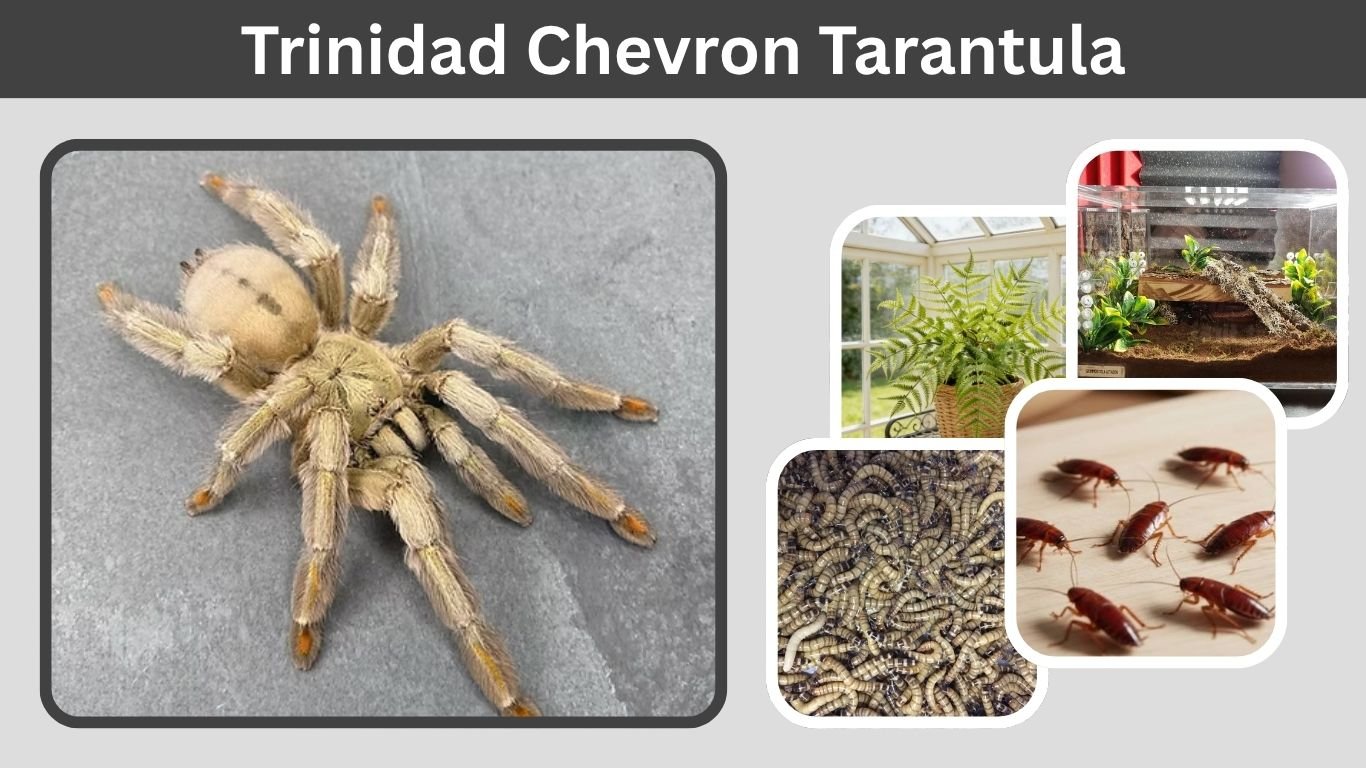
Trinidad Chevron Tarantula: Care, Size, and Temperament
July 29, 2026
The Trinidad chevron tarantula is a fast-growing, tree-dwelling species recognized by its olive-brown coloration, orange markings, and dark chevron patterns. Scientifically named Psalmopoeus cambridgei, it
Read more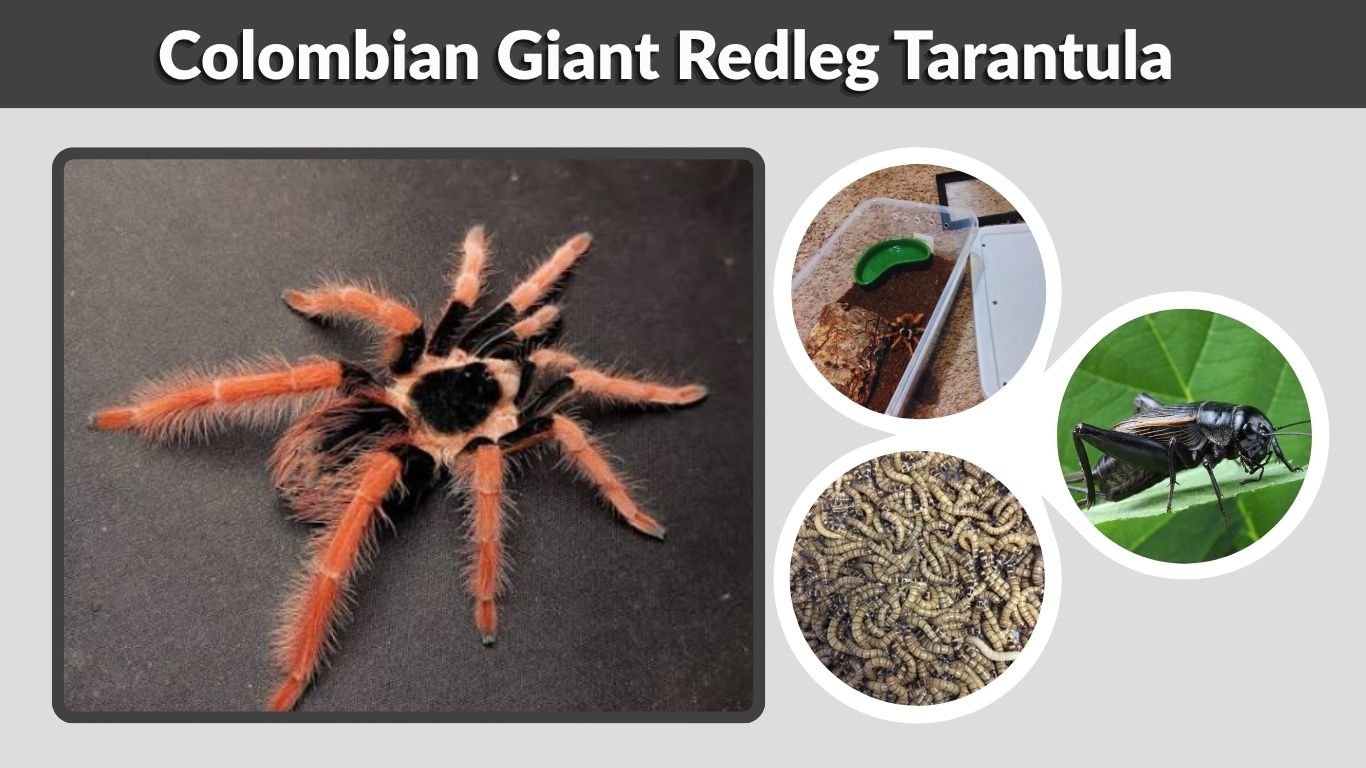
Colombian Giant Redleg Tarantula: Care, Size, and Lifespan
July 29, 2026
The Colombian giant redleg tarantula is a large, colorful New World species known for its rust-red legs, dark body, burrowing habits, and unusual defensive behavior.
Read more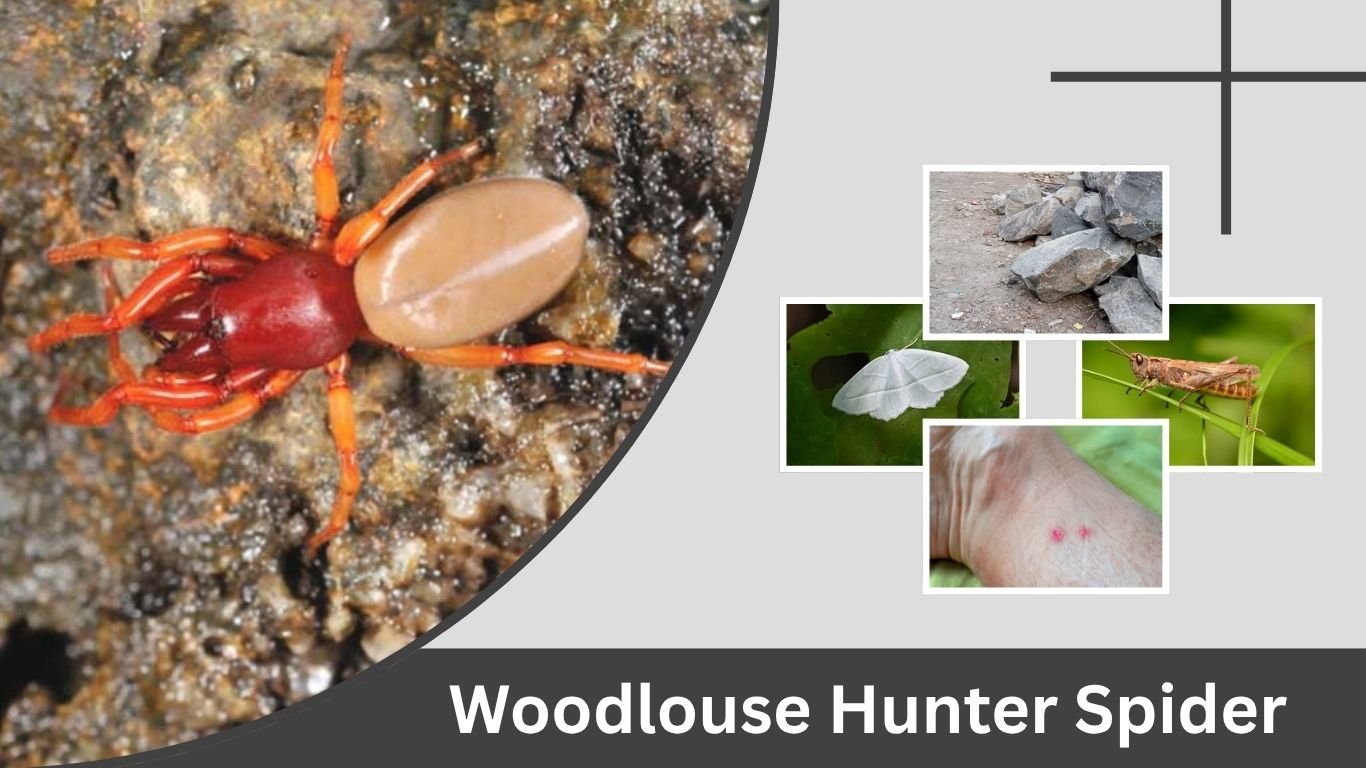
Woodlouse Hunter Spider: Facts, Bite, Size, and Removal
July 29, 2026
The woodlouse hunter spider is a distinctive reddish spider commonly discovered beneath stones, logs, flowerpots, and damp objects. Scientifically known as Dysdera crocata, it is
Read more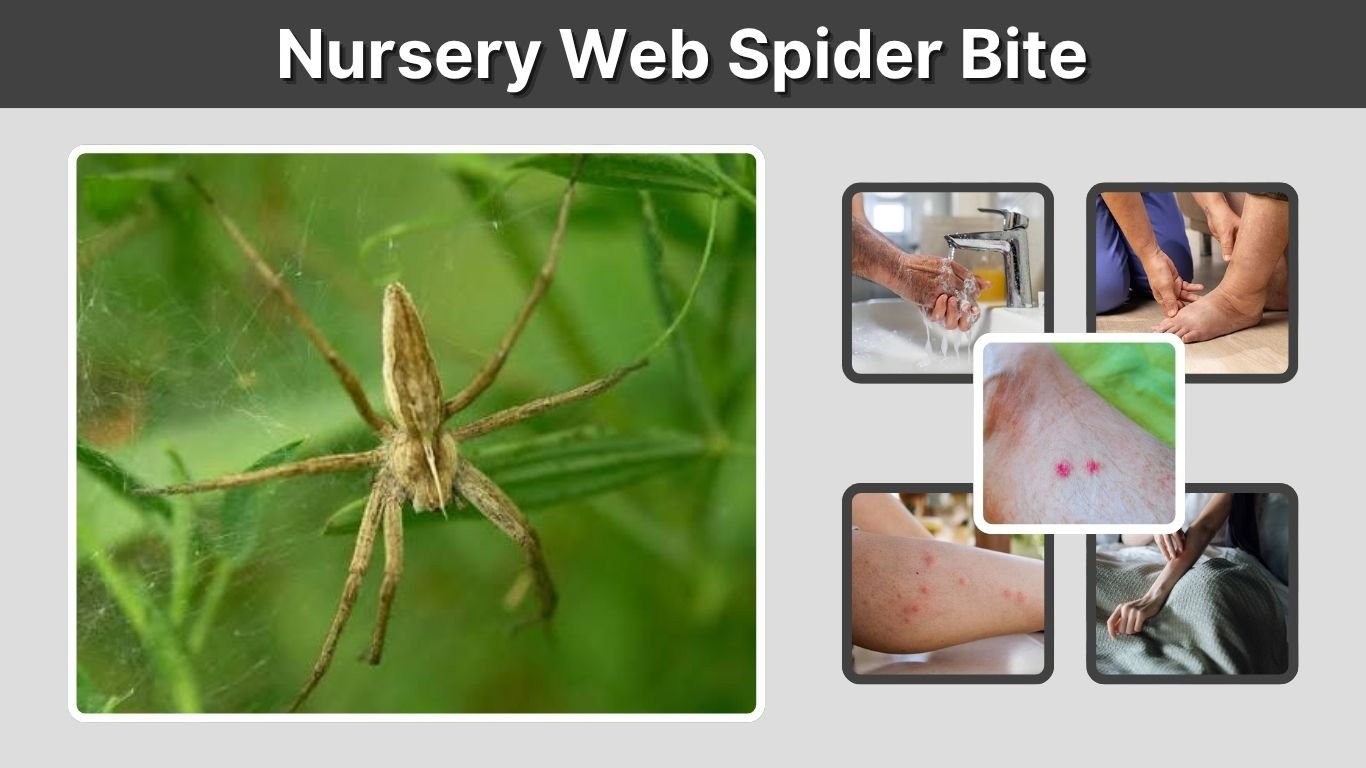
Nursery Web Spider Bite: Symptoms, Risks, and Treatment
July 29, 2026
A nursery web spider bite is uncommon and generally causes only a mild, localized reaction. These long-legged hunting spiders possess venom for immobilizing insects, but
Read more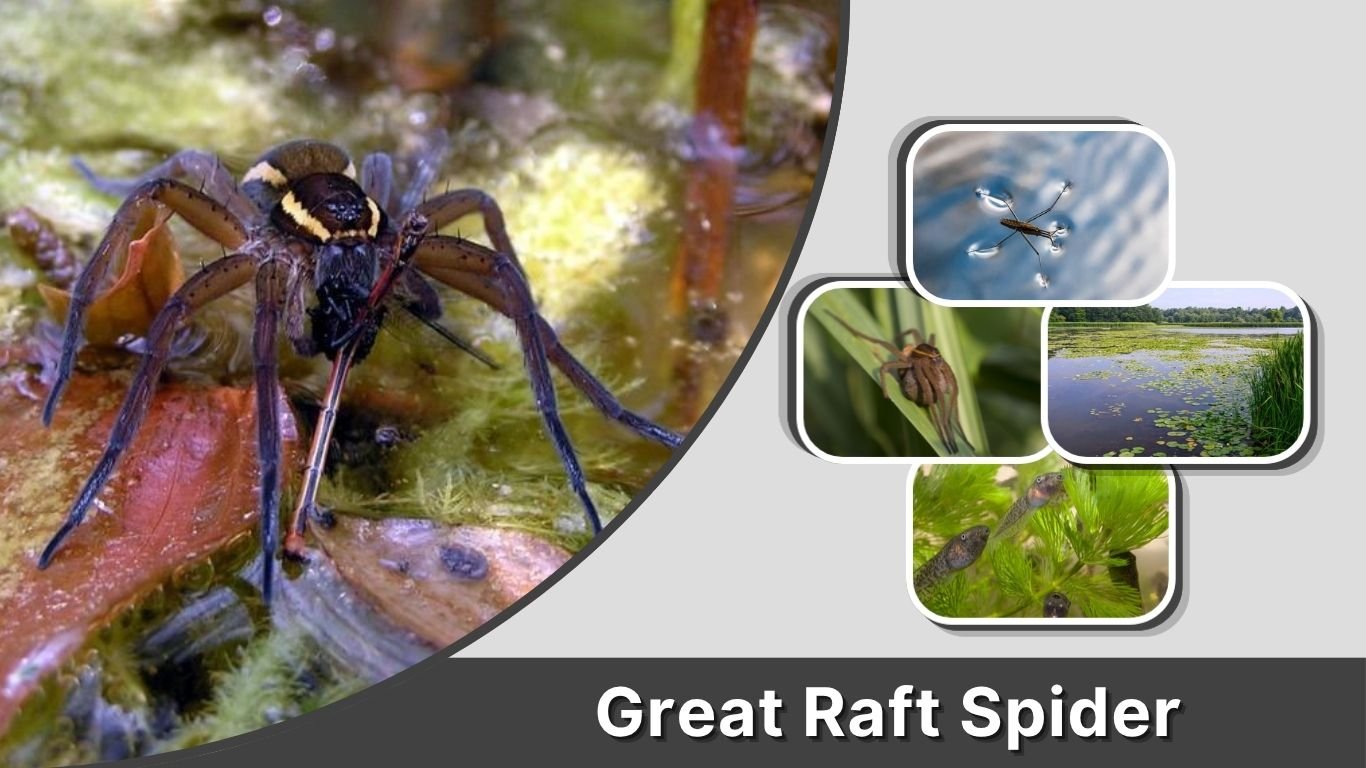
Great Raft Spider: Size, Bite, Habitat, Diet, and Facts
July 29, 2026
The great raft spider is a large semi-aquatic spider famous for walking across water and occasionally catching small fish. Also called the fen raft spider,
Read more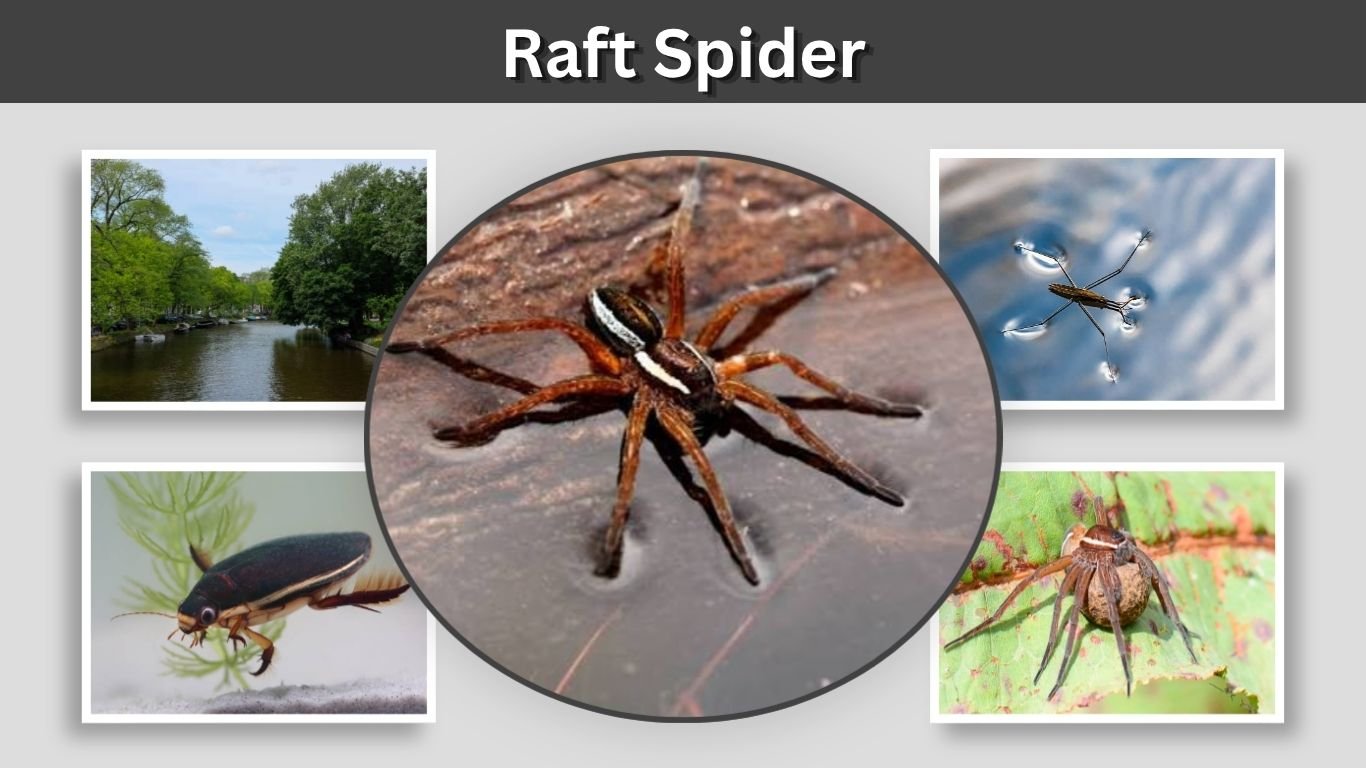
Raft Spider: Facts, Size, Habitat, Bite, and Behavior
July 29, 2026
The raft spider is a large semi-aquatic spider known for running across ponds, diving underwater, and capturing prey from the water’s surface. Rather than building
Read more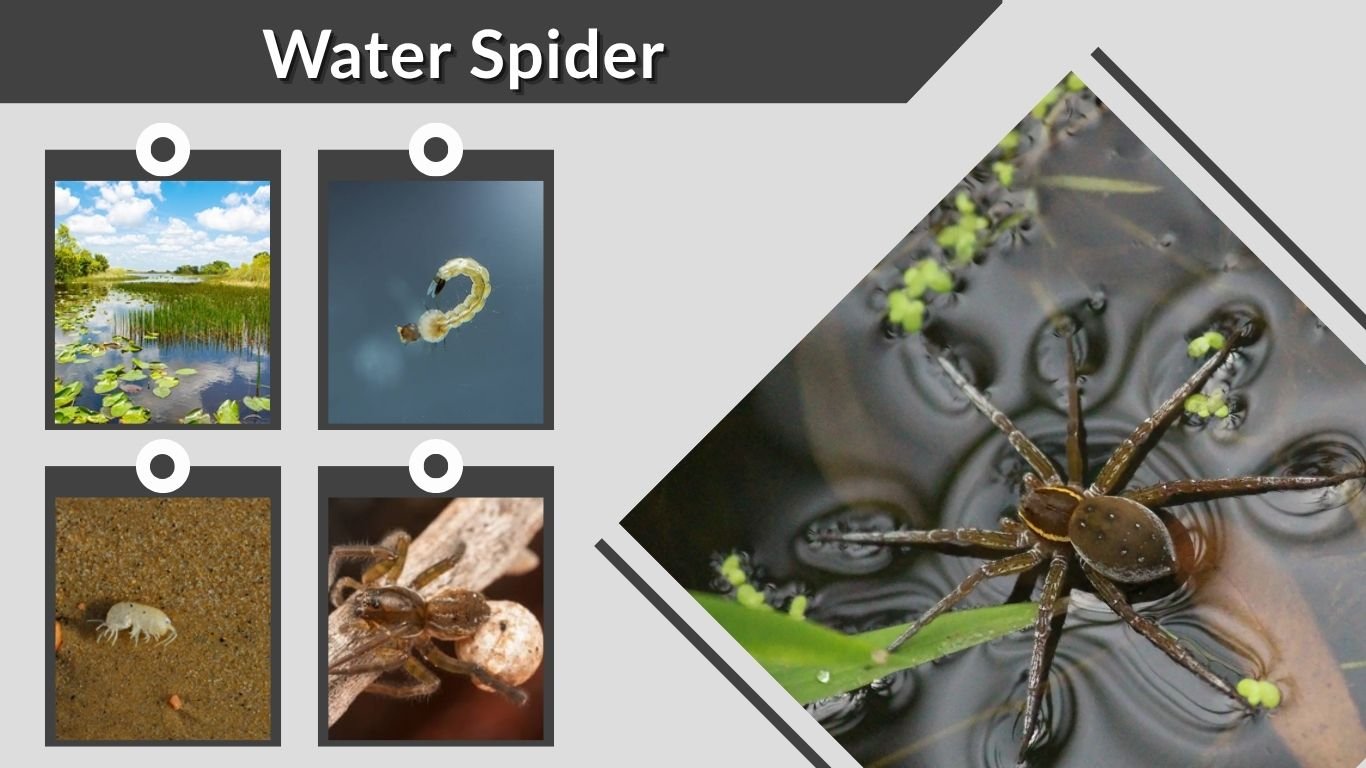
Water Spider: Facts, Habitat, Size, Behavior, and More
July 29, 2026
The water spider is an extraordinary arachnid adapted to living almost entirely beneath the surface of freshwater. Also called the diving bell spider, it creates
Read more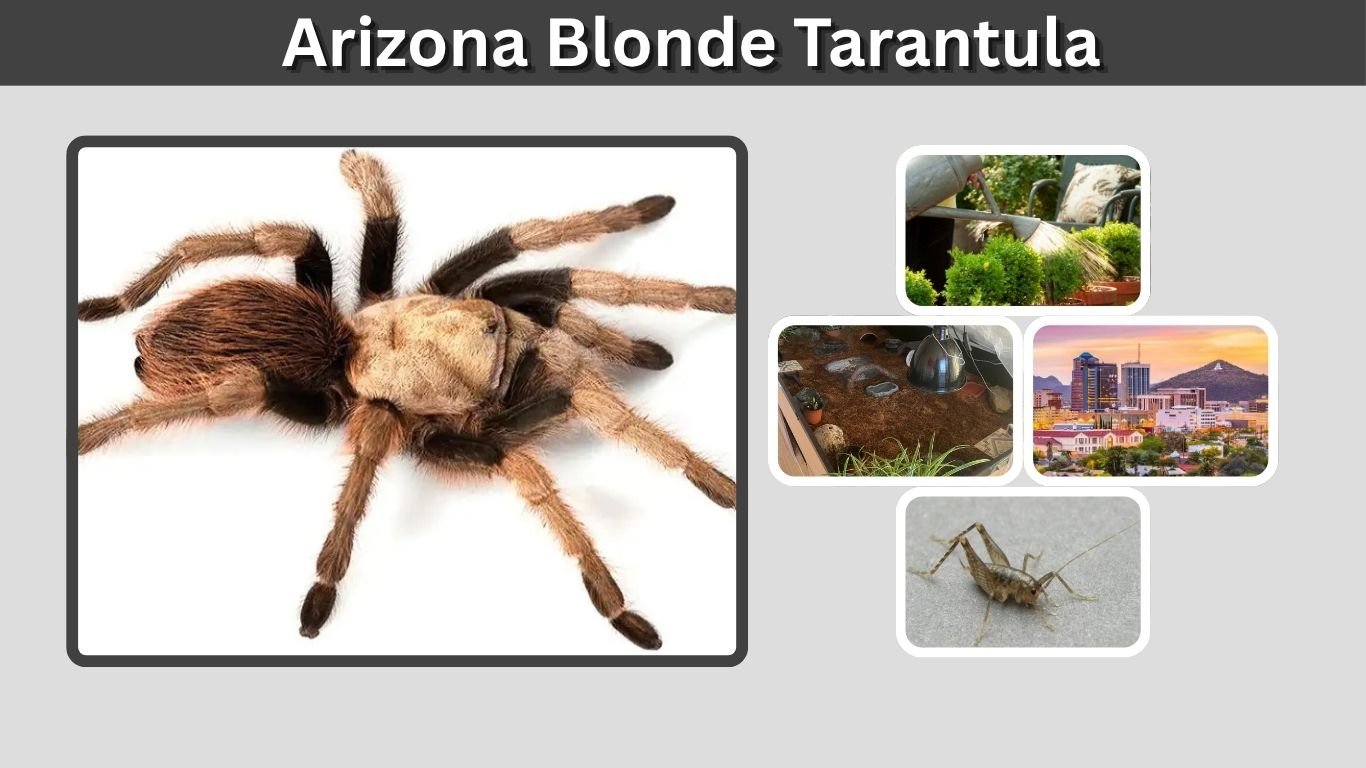
Arizona Blonde Tarantula: Care, Size, and Lifespan
July 28, 2026
The Arizona blonde tarantula is a slow-moving desert spider recognized by its sandy carapace, pale hairs, dark abdomen, and sturdy terrestrial build. Its generally calm
Read more