
Step Into the Hidden World of Spiders
Seen a spider and not sure what it is? SpiderAdv helps you quickly identify species using easy features like size, color, and web type. Get accurate information so you know whether it’s harmless or something to be cautious about.
Our Blog Contact Us

Spider Identification Guide
- Size: Small to large depending on species.
- Body: Two main parts, rounded abdomen and front section.
- Legs: Eight long, jointed legs.
- Eyes: Usually 6–8 eyes in different patterns.
- Color: Brown, black, gray, or patterned.
- Web: Some build webs, others hunt.
- Habitat: Found indoors, gardens, and natural areas.
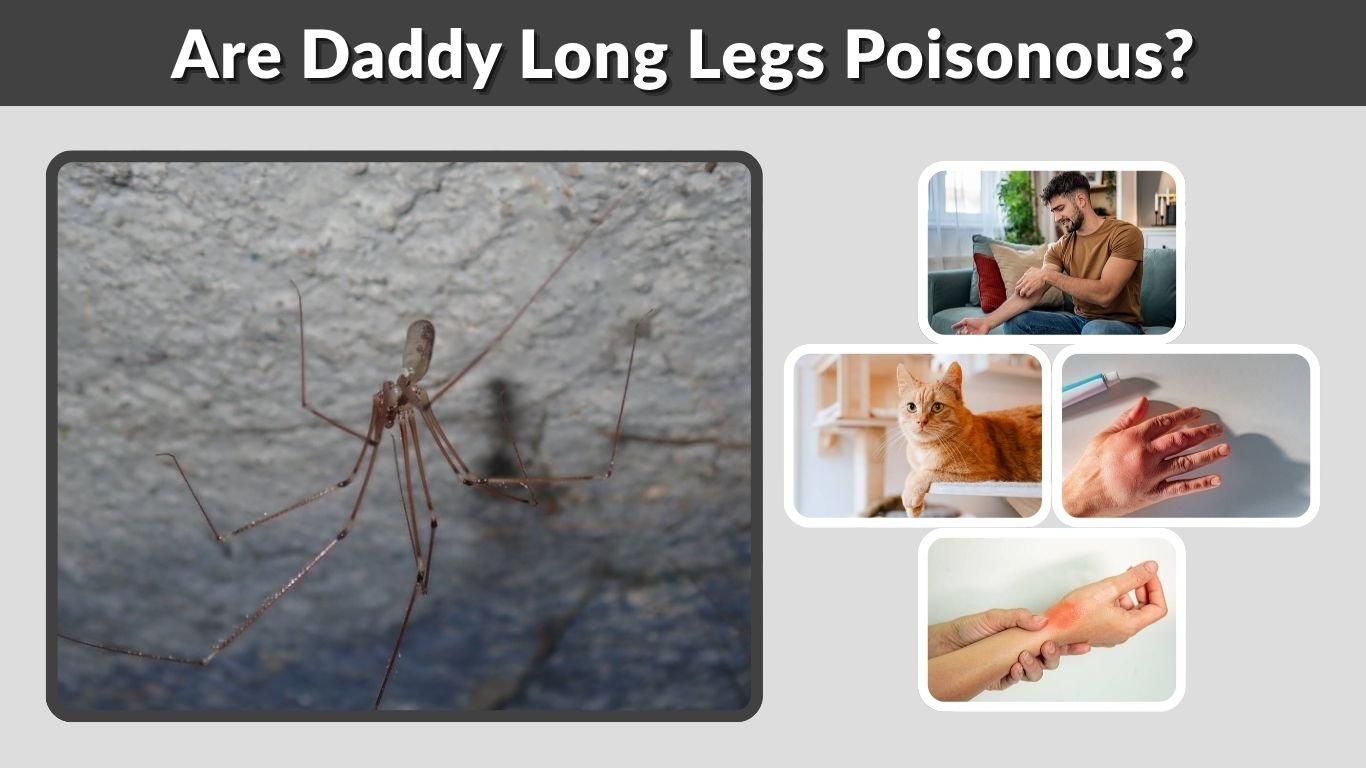
Are Daddy Long Legs Poisonous? Myth, Bites & Safety
September 12, 2026
Are daddy long legs poisonous? In most cases, no. The name “daddy long legs” can refer to several different creatures, including harvestmen, cellar spiders, and
Read more
What Do Spider Mites Look Like? Identification With Picture
September 11, 2026
Spider mites look like tiny moving dots on plants and are often difficult to see with the naked eye. Depending on their species and life
Read more
How to Get Rid of Spider Mites on Indoor and Outdoor Plants
September 11, 2026
Spider mites can quickly weaken houseplants, vegetables, flowers, and outdoor shrubs by feeding on their leaves. Because these tiny pests reproduce rapidly, successful control requires
Read more
Spider Mites on Plants: Signs, Treatment, and Control
September 11, 2026
Spider mites on plants can cause yellow spots, dry leaves, fine webbing, and eventually serious plant decline. Because these pests are extremely small, an infestation
Read more
8 Best Bug Catchers for Easy and Effective Insect Control
September 10, 2026
Catching unwanted insects can be frustrating, especially when you want a cleaner and more convenient alternative to sprays or messy traps. The best bug catcher
Read more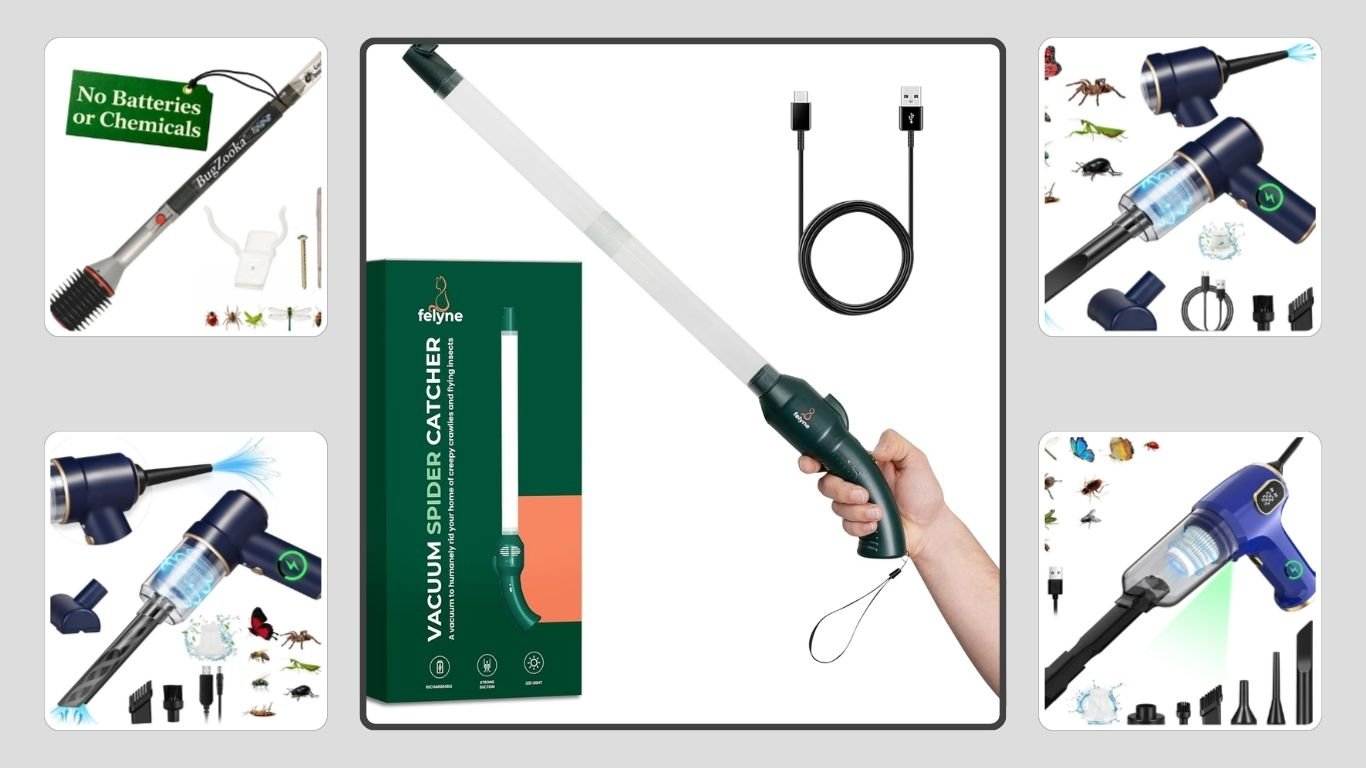
10 Best Powerful Bug Vacuums for Fast and Easy Insect Removal
September 10, 2026
A powerful bug vacuum offers a simple way to remove spiders, cockroaches, flies, ladybugs, and other unwanted insects without crushing them by hand. Many modern
Read more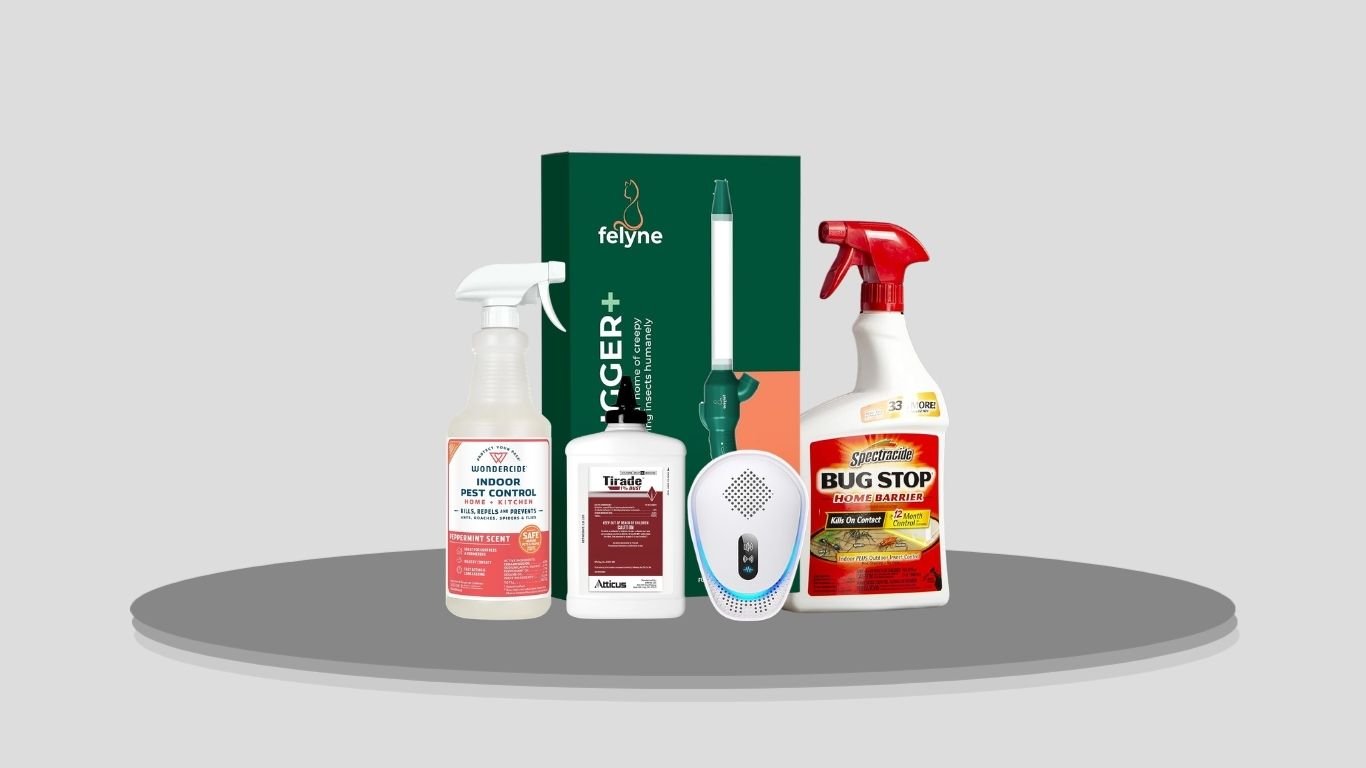
11 Best Spider Exterminator Products for Indoor and Outdoor Control
September 9, 2026
Spiders can quickly become a problem in basements, garages, bedrooms, kitchens, patios, and other areas where webs and crawling pests appear frequently. The best spider
Read more
10 Best Natural Insect Repellent Candles for Outdoor Use
September 9, 2026
Natural insect repellent candles offer a simple way to make patios, decks, campsites, and outdoor dining areas more comfortable during mosquito season. Many formulas use
Read more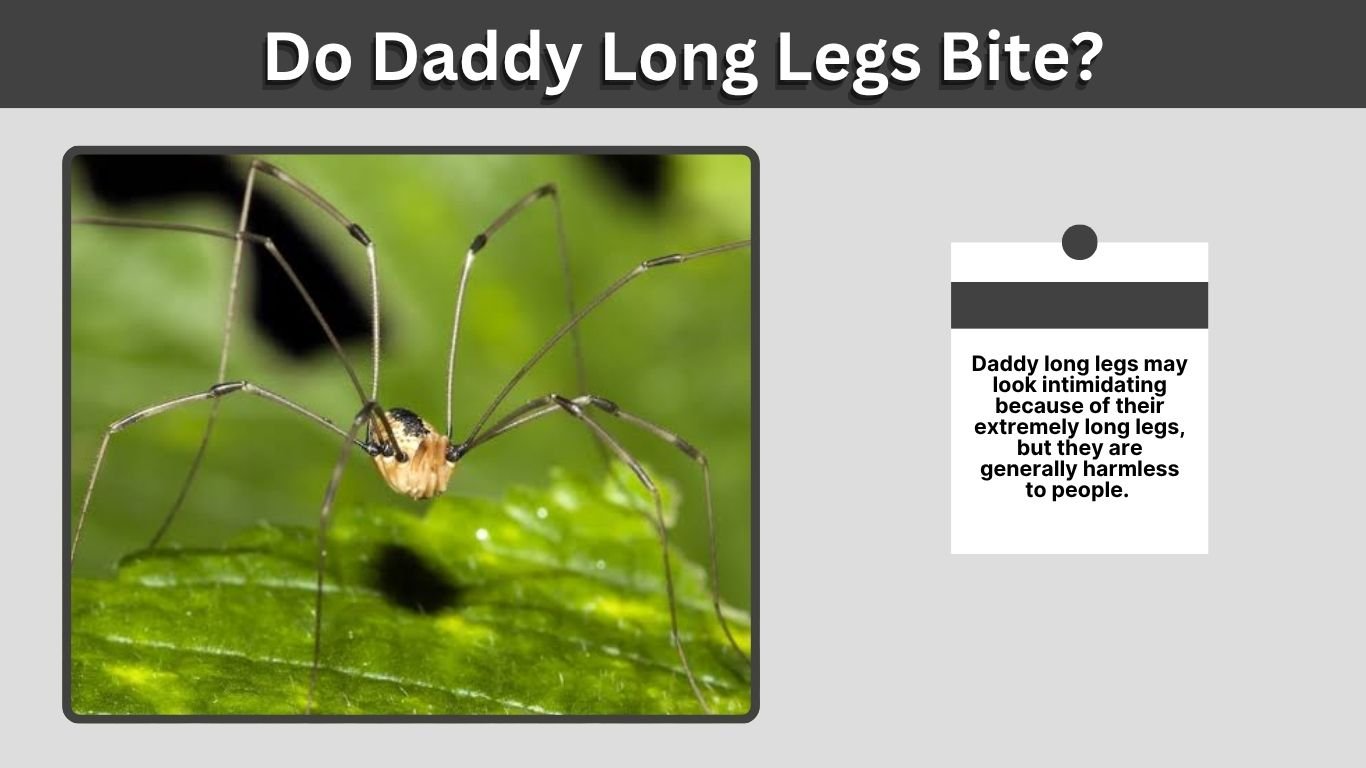
Do Daddy Long Legs Bite? Facts, Risks, and Common Myths
September 9, 2026
Daddy long legs may look intimidating because of their extremely long legs, but they are generally harmless to people. The answer to “do daddy long
Read more
9 Best Peppermint Oil Spider Repellents for Indoor & Outdoor Use
September 9, 2026
Peppermint oil is a popular plant-based option for homeowners who want to discourage spiders around windows, doors, basements, garages, closets, and other common entry areas.
Read more