
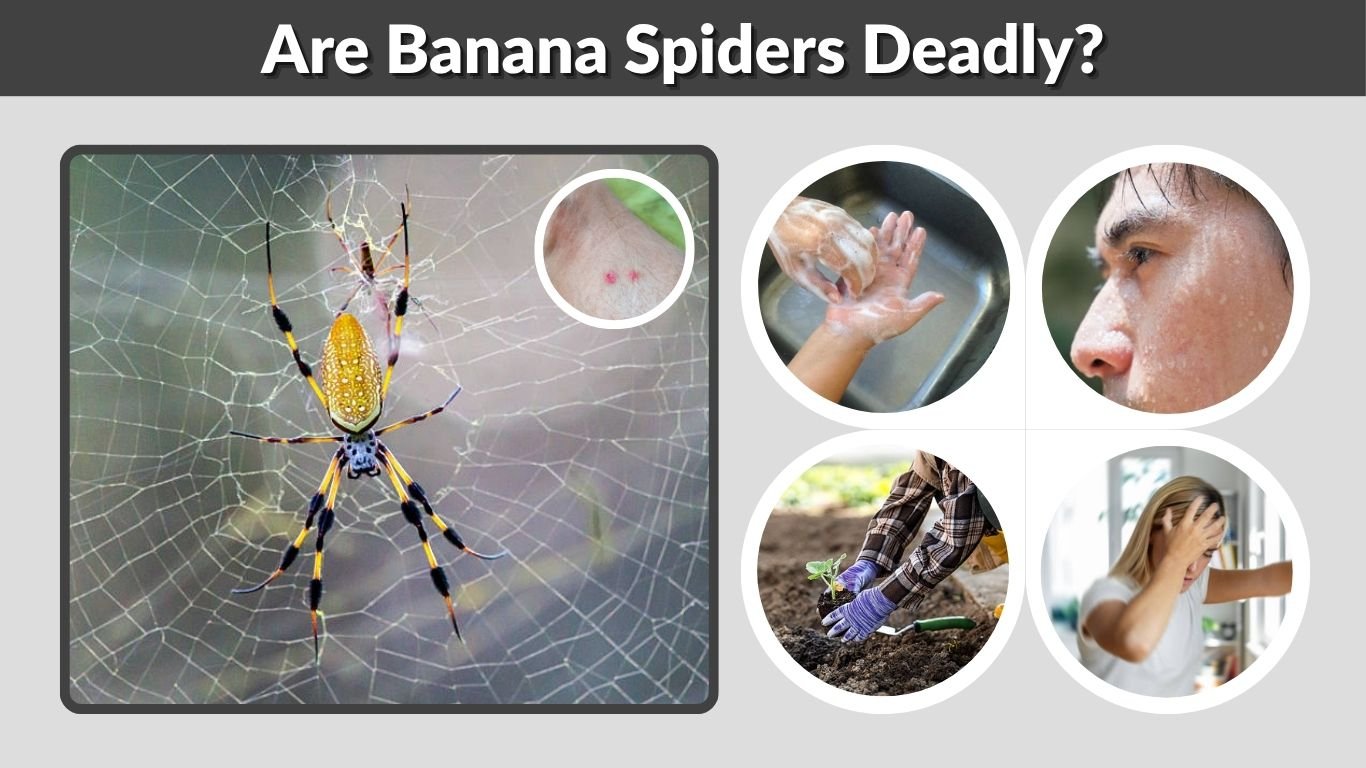
Are banana spiders deadly? The answer depends on which spider you mean. In Florida, the name usually refers to the golden silk orb-weaver, whose bite is not considered medically dangerous. However, Brazilian wandering spiders, also sometimes called banana spiders, can cause serious poisoning and, rarely, death. Spiders occasionally appear in banana shipments, but alarming reports often involve mistaken identification. This guide explains which banana spiders are dangerous, how their venom affects humans, symptoms to recognize, and what to do if you encounter one.
Are Banana Spiders Deadly to Humans?
Most spiders commonly called banana spiders are not deadly to humans. The confusion comes from the fact that the nickname describes several different species with very different venom effects. Golden silk orb-weavers are generally harmless, while Brazilian wandering spiders are medically significant. Understanding the differences between these spiders is essential before deciding whether an encounter poses a serious danger.
Are Florida Banana Spiders Deadly?
No. Florida banana spiders, commonly known as golden silk orb-weavers (Trichonephila clavipes), are not considered deadly to humans.
These large spiders construct impressive golden webs between trees and shrubs. Although they possess venom for subduing insects, they rarely bite people.
According to the University of Florida, their bites generally cause temporary localized pain and slight redness. They typically bite only when trapped, held, or squeezed.
Why Are Some Banana Spiders Considered Deadly?
Some banana spiders belong to the genus Phoneutria, commonly called Brazilian wandering spiders.
Their venom contains neurotoxins capable of affecting nerves, muscles, and involuntary bodily functions. Severe poisoning may interfere with cardiovascular and respiratory function.
Although fatalities are rare, medically significant bites have occurred, particularly among young children.
How Deadly Are Brazilian Wandering Spiders?
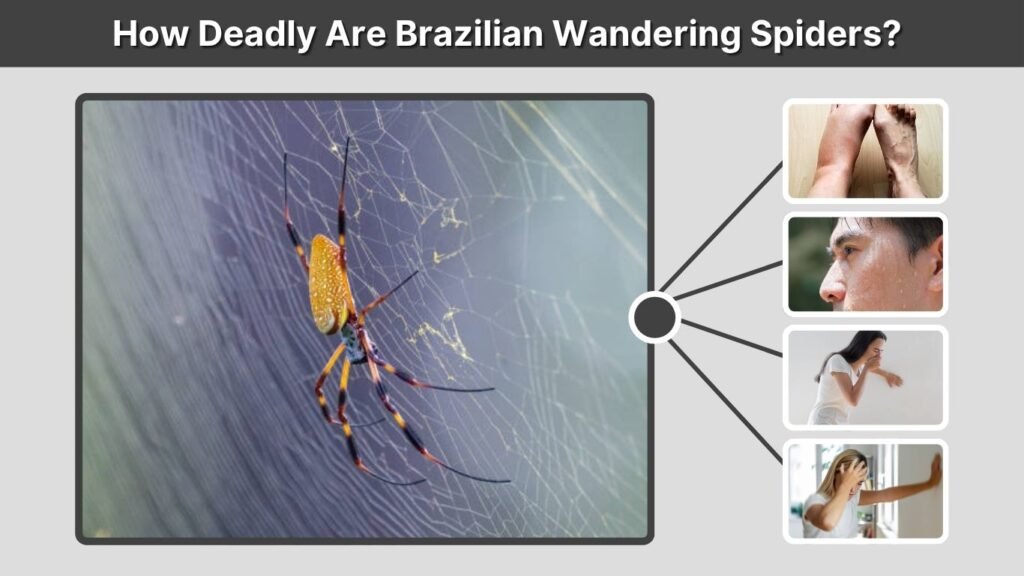
Brazilian wandering spiders are among the medically important spiders because their venom can produce serious symptoms. However, being highly venomous does not mean every bite is fatal. Most documented bites cause localized symptoms, while severe complications are uncommon. The outcome depends on the spider species, the amount of venom delivered, the patient’s age, and access to medical treatment.
Can Brazilian Wandering Spiders Kill Humans?
Yes. Fatalities from Phoneutria bites have been documented, although they are rare.
A clinical study involving 422 confirmed Phoneutria bites found that 89.8% caused mild poisoning, 8.5% moderate poisoning, and 0.5% severe poisoning. One fatality occurred in a young child.
These findings show that Brazilian wandering spiders deserve caution without suggesting that most encounters are deadly.
Symptoms of a Dangerous Banana Spider Bite
Possible symptoms of Brazilian wandering spider envenomation include:
- Severe pain: Immediate burning or intense pain around the bite.
- Swelling: Localized inflammation and redness.
- Excessive sweating: Sweating near the bite or throughout the body.
- Nausea and vomiting: Sometimes accompanying more significant poisoning.
- Rapid heartbeat: Increased heart rate or abnormal cardiovascular symptoms.
- Muscle disturbances: Tremors or involuntary contractions in severe cases.
- Breathing difficulties: A serious warning sign requiring emergency treatment.
Severe symptoms are uncommon but require immediate medical attention.
Who Is Most Vulnerable?
Young children and older adults may face greater risks from medically significant wandering spider bites.
Children can develop serious symptoms following relatively small amounts of venom because of their body size. Older individuals may also experience complications, particularly when cardiovascular conditions are present.
Prompt medical evaluation helps reduce the danger of severe envenomation.
Are Deadly Spiders Found in Bananas?
Spiders occasionally appear in banana shipments because banana plants provide shelter for many tropical species. Some spiders hide among leaves, fruit clusters, or packaging materials during harvesting. However, the discovery of a spider in supermarket bananas does not automatically indicate a dangerous species. Many imported spiders are relatively harmless, and identification errors can generate misleading headlines.
Why Do Spiders Hide in Bananas?
Banana plantations provide humid environments, dense vegetation, and abundant insect prey.
Spiders may shelter beneath leaves or within fruit bunches, where they hunt insects and avoid predators. Occasionally, individuals remain hidden during harvesting and transportation.
Brazilian wandering spiders may occur among banana plants, but their presence in commercial fruit is not inevitable or typical of every shipment.
Deadly Spiders Found in UK Bananas
Reports of potentially dangerous spiders in supermarket bananas occasionally appear in the United Kingdom.
However, some incidents involve harmless huntsman spiders, including Heteropoda venatoria, or native spiders incorrectly identified as dangerous tropical species.
The British Arachnological Society confirms that huntsman spiders have historically arrived through banana shipments. These large spiders can deliver painful defensive bites but are not considered medically dangerous.
What Should You Do If You Find a Spider in Bananas?
If an unfamiliar spider appears inside a banana package:
- Avoid touching it: Do not attempt to handle or squeeze the spider.
- Keep children away: Prevent unnecessary contact with the package.
- Isolate the area: Leave the spider undisturbed and prevent it from escaping into occupied spaces, if this can be done safely.
- Take a photograph: Photograph the spider from a safe distance for identification.
- Seek expert advice: Contact local environmental health services, pest professionals, or an arachnologist.
Never assume an imported spider is harmless based solely on its appearance.
What to Do If a Deadly Banana Spider Bites You
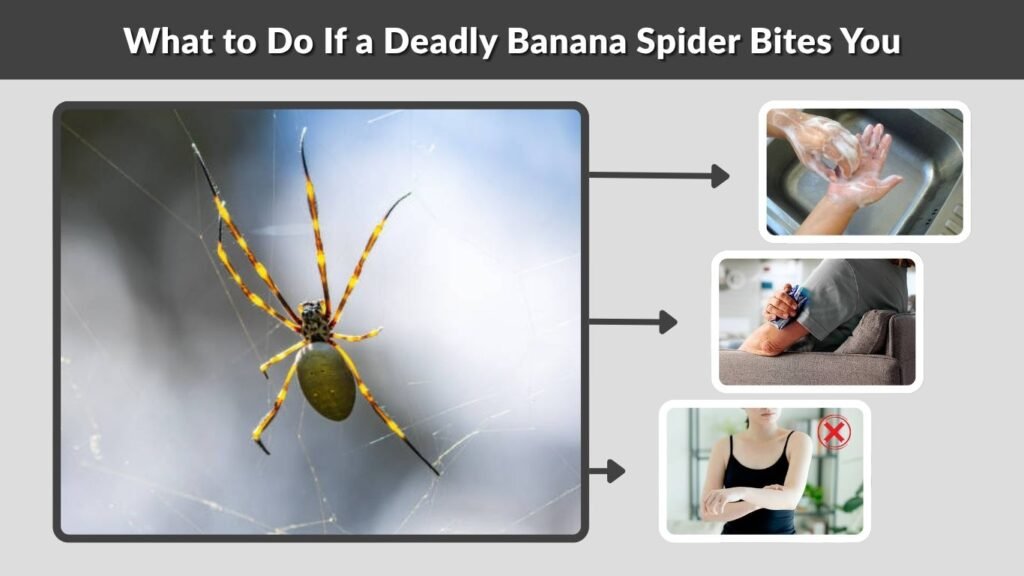
A suspected banana spider bite requires an appropriate response based on the spider’s identity and the symptoms involved. Bites from confirmed golden silk orb-weavers usually require only basic wound care. However, a suspected Brazilian wandering spider bite should be treated as potentially serious. Early professional assessment is particularly important when severe pain or systemic symptoms develop.
First Aid for a Mild Banana Spider Bite
For a confirmed golden silk orb-weaver bite with mild symptoms:
- Clean the wound: Wash the affected area with soap and water.
- Apply a cold compress: Use a cloth-wrapped cold pack to reduce discomfort.
- Avoid scratching: Keep the skin clean to reduce infection risks.
- Manage discomfort: Use an appropriate over-the-counter pain reliever if needed.
- Monitor symptoms: Seek medical advice if pain, redness, or swelling becomes worse.
These measures are suitable for uncomplicated bites from spiders known to have low medical significance.
Emergency Treatment for Dangerous Bites
If a Brazilian wandering spider bite is suspected, seek emergency medical evaluation immediately rather than waiting for symptoms.
Hospital treatment may involve pain relief, observation, supportive care, and antivenom when clinically indicated. Antivenom is not required for every bite.
Call emergency services immediately if breathing difficulties, fainting, seizures, or other severe symptoms occur. Do not attempt to cut the wound, extract venom, or capture the spider by hand.
How to Prevent Dangerous Banana Spider Encounters
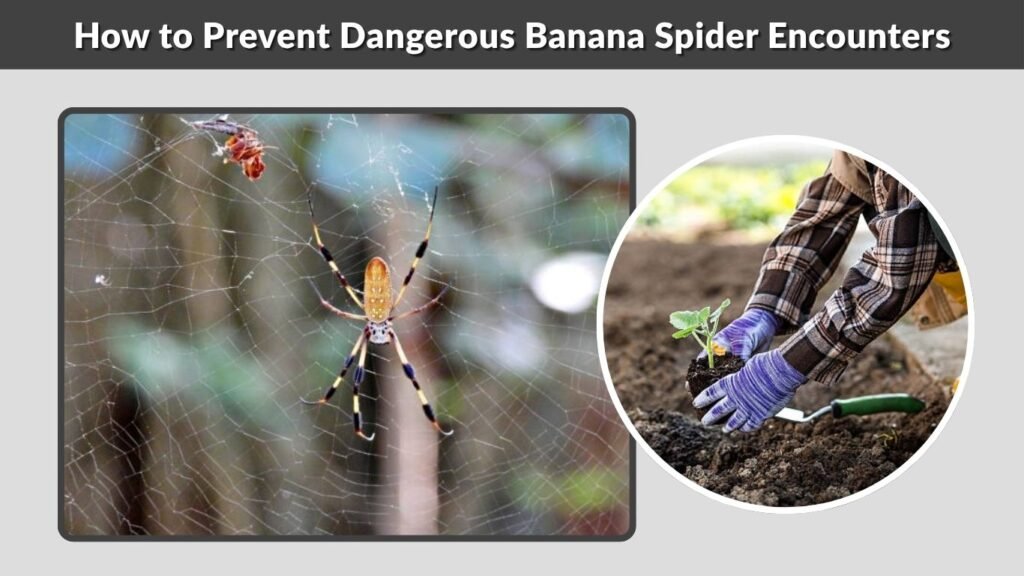
Avoiding spider bites usually requires simple precautions rather than extensive pest control. Most spiders prefer avoiding humans and bite primarily when trapped or threatened. Learning where different banana spiders live and avoiding direct contact can significantly reduce accidental encounters. Special caution is appropriate when handling imported produce or working in regions where medically important wandering spiders naturally occur.
Preventing Banana Spider Bites Around Your Home
In Florida, avoid touching golden silk orb-weavers and watch for their large webs while walking through gardens or wooded trails.
In tropical areas where wandering spiders occur, inspect shoes, gloves, stored materials, and concealed spaces before handling them. Avoid putting bare hands beneath vegetation or into dark crevices.
These precautions reduce accidental contact without unnecessarily disturbing beneficial spiders.
FAQs
The term banana spider causes confusion because it refers to several spider groups with different appearances, habitats, and venom effects. While golden silk orb-weavers rarely pose serious risks, some wandering spiders can produce dangerous bites. These frequently asked questions address common concerns about their toxicity, fatalities, and presence in supermarkets.
1. Are Banana Spiders Deadly to Humans?
Most are not. Golden silk orb-weavers commonly found in Florida are generally harmless. Brazilian wandering spiders can cause serious poisoning and, rarely, fatal complications.
2. Are Florida Banana Spiders Deadly?
No. Florida banana spiders are typically golden silk orb-weavers. Their bites usually cause mild localized pain and redness rather than serious poisoning.
3. Can Deadly Spiders Live Inside Bananas?
Spiders can shelter among banana plants and fruit bunches, but they do not normally live inside the edible banana flesh. Medically important species can occasionally be associated with banana shipments.
4. Are Deadly Banana Spiders Common in UK Supermarkets?
No. Confirmed encounters with dangerous imported spiders are uncommon. Many reported sightings involve harmless species or incorrect identifications.
5. How Quickly Can a Brazilian Wandering Spider Bite Become Dangerous?
Symptoms often begin quickly, with immediate localized pain. More serious effects can develop afterward. A suspected bite requires urgent medical assessment, even before severe symptoms appear.
