
Cork bark is a versatile terrarium material that can improve both the appearance and functionality of reptile, amphibian, and invertebrate enclosures. It can be used for climbing surfaces, hiding areas, backgrounds, substrate decoration, and bioactive habitat design. Natural cork also blends well with moss, plants, soil, and branches, helping create a more realistic environment. In this guide, we review eight of the best cork bark for terrarium options to help you choose suitable pieces for different enclosure sizes, species, and naturalistic setups.
1. Reptile Climbing Cork Bark Terrarium Decoration – Best for Vertical Enrichment
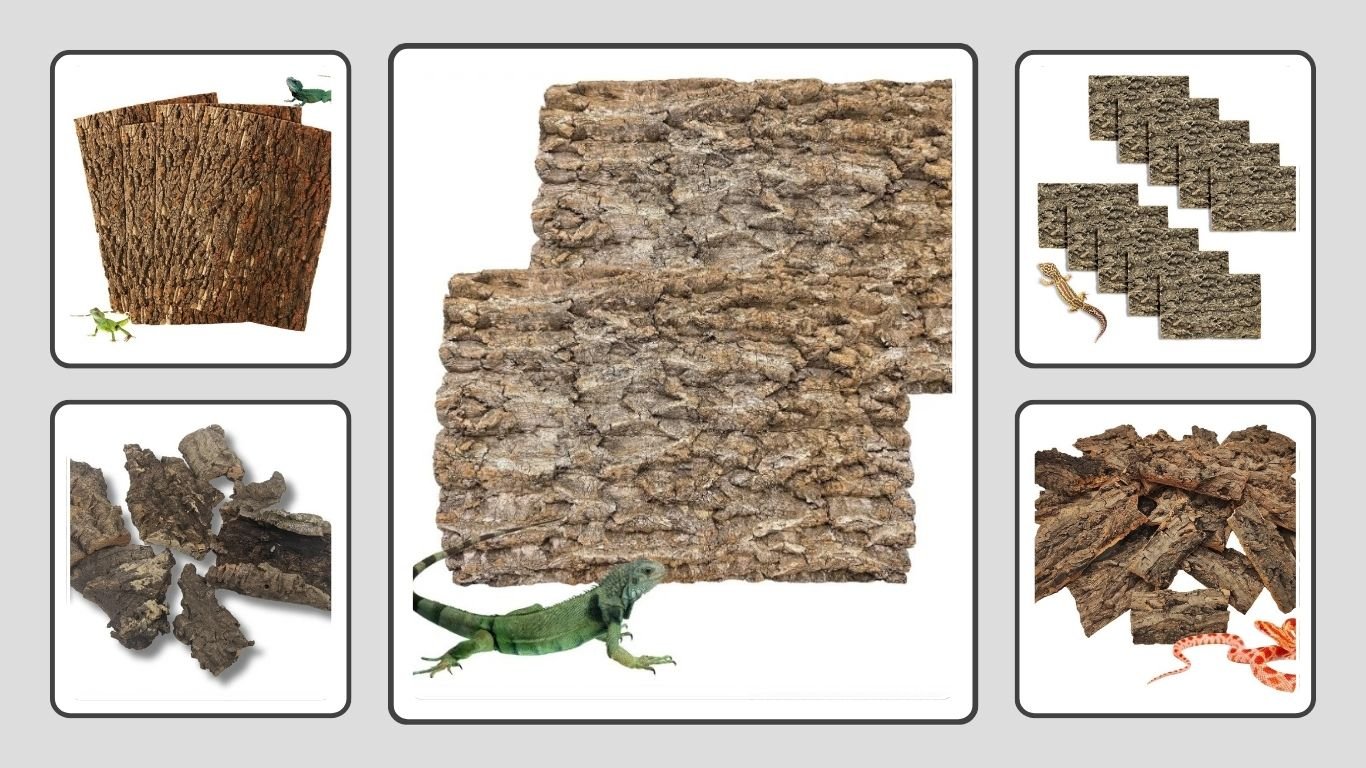
The Reptile Climbing Cork Bark Terrarium Decoration is a practical option for keepers who want to add more texture, climbing space, and natural character to an enclosure. Its bark-style surface can help break up plain walls while creating a more engaging environment for reptiles that like to climb, perch, or explore elevated areas. It fits especially well in tropical, woodland, and naturalistic terrariums where the goal is to make the enclosure feel more layered and less artificial.
Key Features
- Textured cork bark-style climbing surface
- Suitable for reptile terrariums
- Helps add vertical enrichment
- Can work as background decoration
- Blends well with plants, moss, vines, and branches
- Useful for geckos, chameleons, and other climbing reptiles
- Helps create a more natural-looking enclosure
Why It Is Best for Climbing Reptiles
The strongest feature of this cork bark decoration is the way it can make vertical space more usable. Many terrariums have large wall areas that contribute very little to the animal’s daily activity. Adding a textured climbing surface gives suitable reptiles another place to move, rest, and explore.
This can be especially useful for species that naturally spend time above ground level. When combined with branches or vines, the bark can help create several movement routes instead of forcing the animal to rely on one perch.
Natural Look and Terrarium Design
From a design perspective, this cork bark can make an enclosure look more complete. Its rugged surface fits easily with live plants, artificial foliage, moss, wood, and natural substrates.
It can also help hide plain glass or plastic surfaces, which makes the habitat feel more immersive. For display terrariums, this is valuable because the decoration contributes both function and visual depth without looking overly manufactured.
Overall Performance and Best Use
This Reptile Climbing Cork Bark Terrarium Decoration is a strong fit for keepers who want to improve both enclosure appearance and usable climbing space. It works particularly well in setups where vertical structure matters.
When installed securely and matched to the animal’s size and behavior, it can become one of the most useful structural pieces in the terrarium. For naturalistic or bioactive-style habitats, it offers a simple way to add texture, height, and enrichment in one feature.
2. Botanicals Cork Bark Bits – Best for Bioactive Terrariums
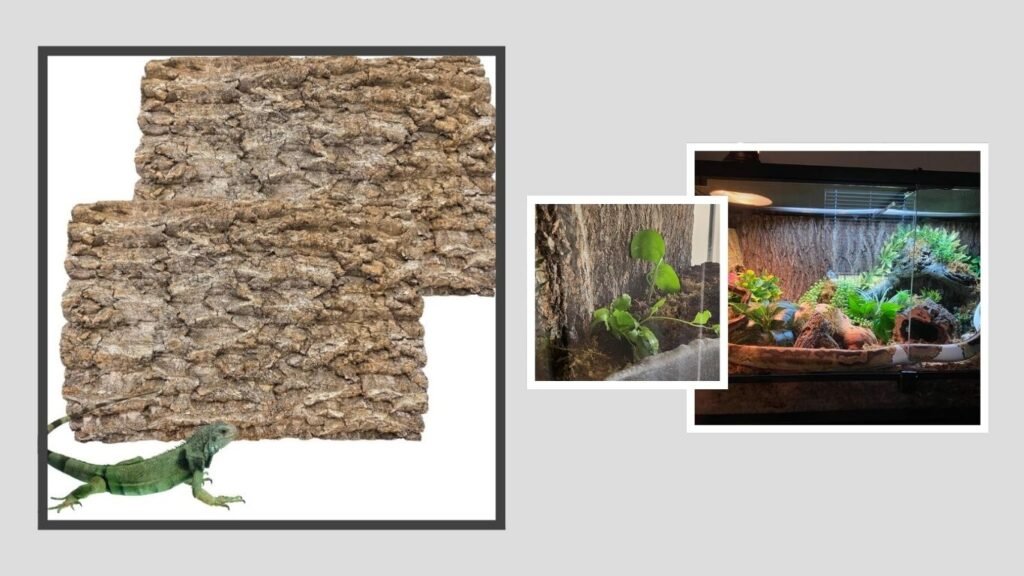
The Botanicals Cork Bark Bits for Terrariums & Springtails are a practical choice for keepers who want to add small natural details throughout a bioactive enclosure. Instead of using one large slab, these smaller bark pieces can be distributed across the substrate, around plants, and beneath larger decorations. They are especially useful in enclosures with springtails, isopods, small reptiles, amphibians, or invertebrates where miniature hiding areas and natural ground texture are important.
Key Features
- Small cork bark pieces
- Suitable for bioactive terrariums
- Works well with springtails and isopods
- Adds natural texture to the substrate
- Useful for creating miniature hiding spaces
- Easy to combine with leaf litter and moss
- Suitable for smaller enclosure designs
Why It Is Best for Bioactive Setups
Bioactive habitats benefit from different layers and textures, and cork bark bits fit naturally into that style. Their smaller size makes them easy to position around live plants, feeding areas, and damp microhabitats without dominating the enclosure.
They can also help create protected spaces where cleanup-crew organisms can move and shelter. This makes them more functional than purely decorative materials.
Natural Appearance and Layout Flexibility
These bark pieces are useful when a full cork round would be too large. Keepers can scatter them naturally or group several pieces together to create small textured zones.
They also blend well with soil, moss, seed pods, and leaf litter, helping a simple substrate look more established and visually complex.
Overall Performance and Best Use
Botanical Cork Bark Bits are best suited to smaller naturalistic and bioactive terrariums. Their compact size gives keepers more control over where texture and shelter are added.
They are especially appealing for planted enclosures where every small decorative element contributes to the overall natural look without taking up valuable space.
3. STARVAST Cork Terrarium Background – Best for Full Wall Coverage
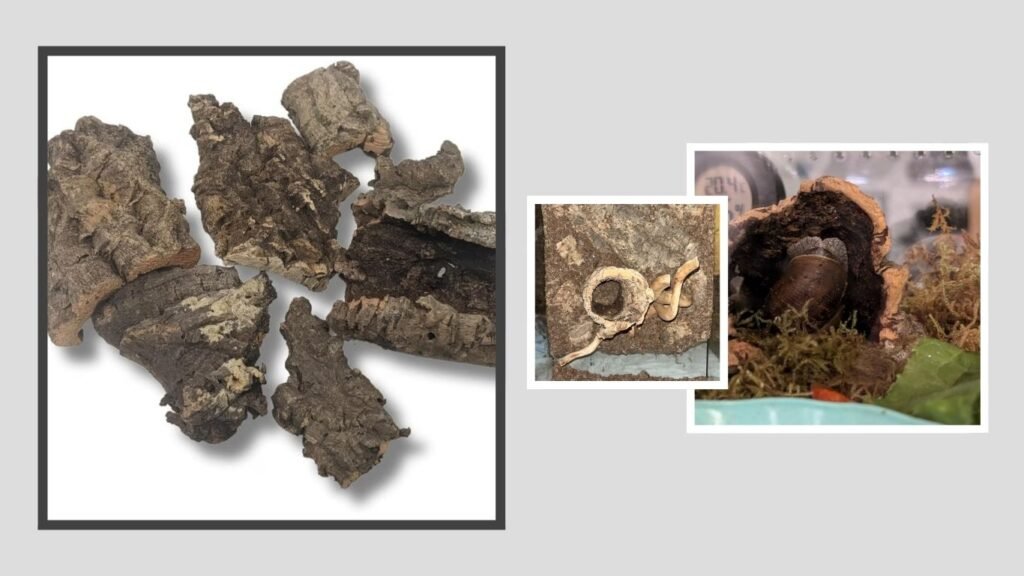
The STARVAST Cork Terrarium Background – 15.7 × 11.8 in is designed for keepers who want to transform a plain enclosure wall into a more natural-looking surface. Its larger panel format can add texture and depth while creating a stronger visual backdrop for plants, vines, branches, and hides. It is particularly useful for terrariums where the rear wall would otherwise remain bare.
Key Features
- Approximate size of 15.7 × 11.8 inches
- Designed for terrarium background use
- Adds texture to enclosure walls
- Works with reptiles and amphibians
- Complements plants and climbing structures
- Suitable for naturalistic layouts
- Helps reduce the appearance of plain glass
Why It Is Best for Background Coverage
The larger panel size is the main advantage of the STARVAST background. Instead of arranging several small bark pieces, one broad section can cover a noticeable portion of the terrarium wall.
This creates a cleaner and more unified appearance, especially in display enclosures. It can also make vines, branches, and foliage look more integrated into the background.
Texture and Vertical Design
A cork-style background can make vertical space feel more functional. Depending on the animal and installation, textured wall surfaces can complement climbing features and give the habitat a more layered appearance.
The surface also adds contrast behind plants and decorations, which can help the entire enclosure look deeper and more structured.
Overall Performance and Best Use
STARVAST Cork Terrarium Background is a good fit for keepers who want a simple way to improve the look of a plain enclosure wall. Its panel-style design makes it particularly useful for planned background builds.
It works best in terrariums where visual presentation and vertical structure are both important.
4. Fhiny Cork Bark Background – Best for Reptile Terrarium Walls
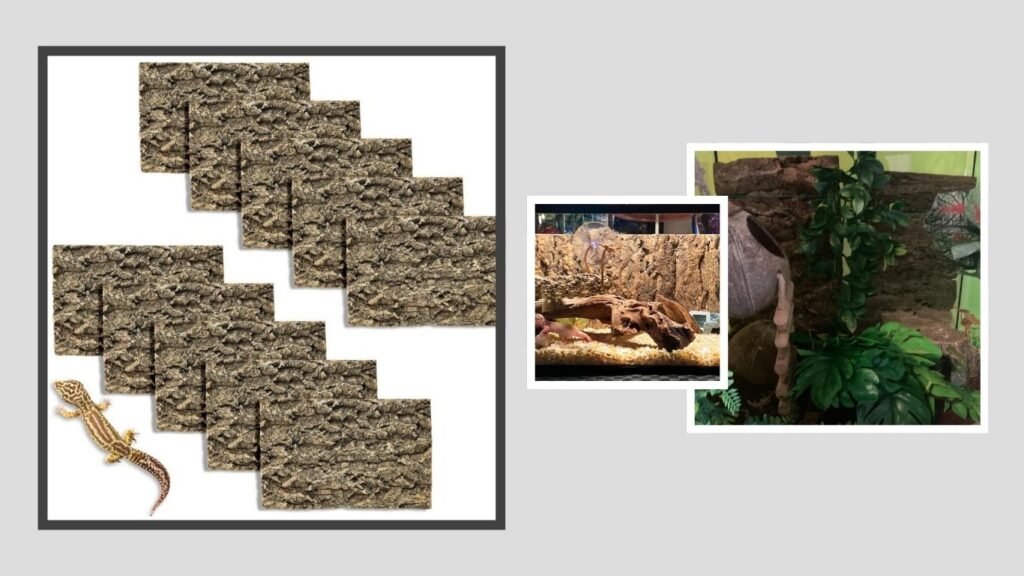
The Fhiny Cork Bark Background for Reptile Terrarium is a useful option for turning smooth terrarium walls into more natural-looking surfaces. Its bark-inspired appearance helps create a woodland or tropical feel while also adding texture behind plants, hides, and climbing accessories. It is especially suitable for keepers who want a decorative background that contributes to the overall structure of the enclosure.
Key Features
- Cork bark-style wall background
- Natural textured appearance
- Suitable for reptile terrariums
- Works with climbing and planted setups
- Blends with vines, moss, and branches
- Helps improve vertical enclosure design
- Suitable for naturalistic habitat themes
Why It Is Best for Terrarium Walls
The Fhiny background works especially well in enclosures where the rear wall looks too plain. Covering part of the wall with a textured surface can immediately make the setup appear more complete.
It also creates a stronger visual connection between the enclosure floor and vertical decorations, making plants and branches feel like part of one coordinated habitat.
Climbing and Decorative Value
For suitable climbing species, textured backgrounds may add another interesting surface within the enclosure. When paired with secure branches and vines, the wall can become part of a more varied climbing layout.
From a visual standpoint, the bark finish adds depth and makes natural decorations stand out more effectively than they would against bare glass.
Overall Performance and Best Use
Fhiny Cork Bark Background is a strong choice for keepers focused on both appearance and enclosure structure. It can help transform a basic terrarium into a more polished naturalistic display.
It is particularly useful in tropical, woodland, and planted habitats where wall texture plays an important role in the finished design.
5. VCEPJH Natural Cork Bark – Best for Custom Terrarium Layouts
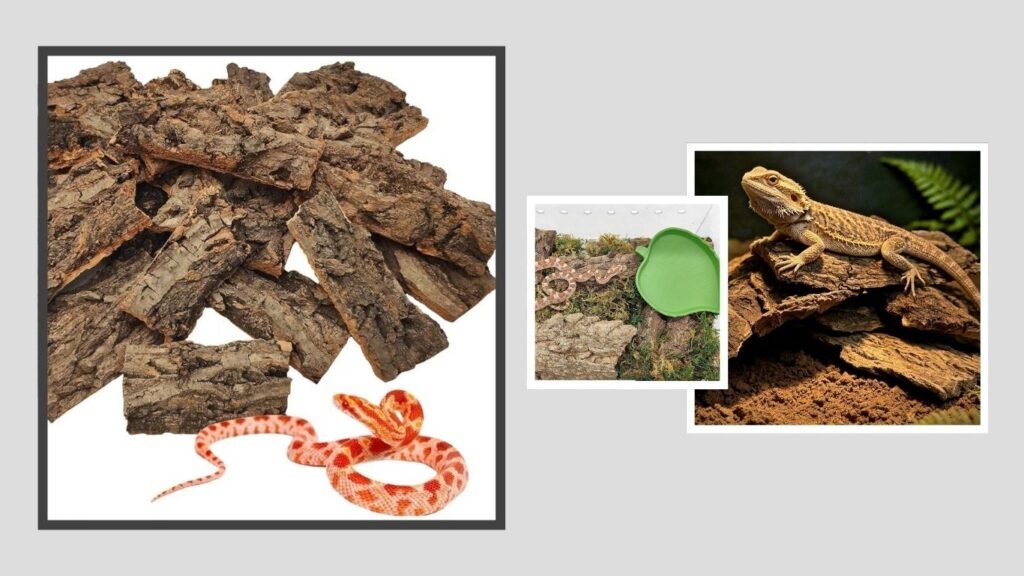
The VCEPJH Natural Cork Bark for Reptile Terrarium is a versatile option for keepers who want more flexibility when arranging natural enclosure materials. Cork bark can be positioned in different ways to create climbing areas, low shelters, decorative features, and visual barriers. Its rugged appearance works well with live plants, moss, natural substrate, and other wood-based decorations.
Key Features
- Natural cork bark appearance
- Suitable for reptile terrariums
- Useful for climbing and hiding
- Works well in bioactive setups
- Easy to combine with plants and substrate
- Supports flexible enclosure layouts
- Adds texture and natural structure
Why It Is Best for Custom Layouts
The main strength of this VCEPJH cork bark is adaptability. Keepers can incorporate it into different enclosure styles rather than being limited to one fixed purpose.
It can be positioned upright, angled, or closer to the substrate depending on the species and terrarium design. This makes it useful for both new builds and habitat redesigns.
Natural Texture and Enrichment
Cork bark adds visual and physical variation to an enclosure. Animals may explore around it, climb over suitable sections, or use nearby spaces as sheltered resting areas.
Its natural appearance also helps reduce the artificial look of plastic decorations, especially when paired with soil, rocks, and vegetation.
Overall Performance and Best Use
VCEPJH Natural Cork Bark is best for keepers who enjoy customizing their enclosure rather than relying on pre-shaped décor. Its flexible design can fit different reptiles and habitat styles.
For naturalistic and bioactive setups, it provides a useful combination of texture, structure, and decorative value.
6. Natural Reptile Cork Bark – Best for Ground-Dwelling Reptiles
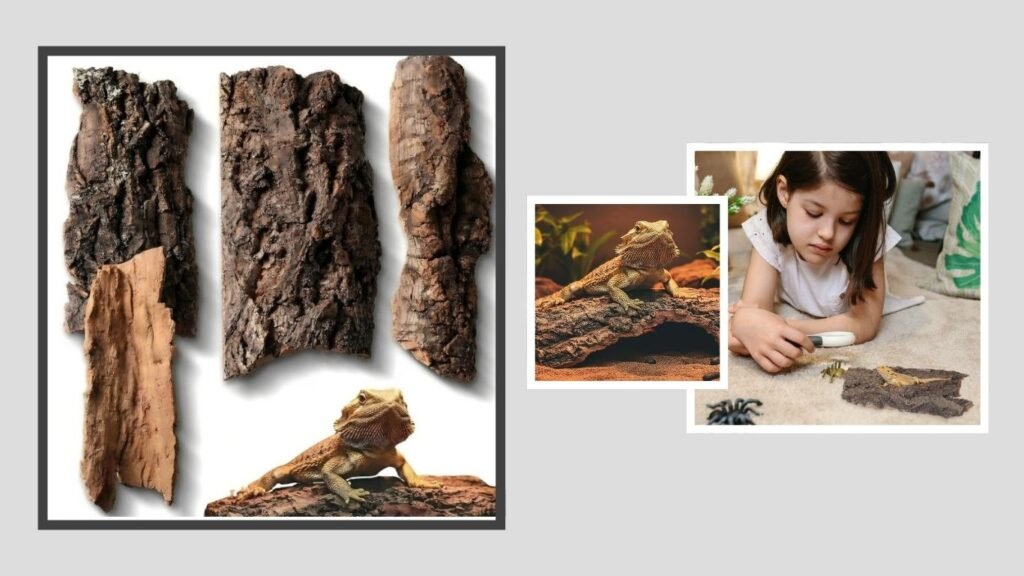
The Natural Reptile Cork Bark Terrarium Decoration is a solid option for terrestrial species that benefit from extra texture and structure near ground level. It can be incorporated into setups for bearded dragons, tortoises, geckos, and similar reptiles. Depending on how it is arranged, the bark may function as a low climbing surface, sheltered area, divider, or decorative centerpiece.
Key Features
- Natural-style cork bark decoration
- Suitable for terrestrial reptile setups
- Works with bearded dragons and tortoises
- Adds low climbing opportunities
- Can create sheltered areas
- Complements sand, soil, and rocks
- Useful for naturalistic terrariums
Why It Is Best for Ground-Dwelling Species
Terrestrial reptiles can benefit from changes in terrain just as much as arboreal species benefit from vertical structure. Cork bark can break up a flat enclosure floor and create more interesting pathways.
When positioned securely, it can provide a raised resting area, low obstacle, or partially covered zone that encourages natural exploration.
Habitat Design and Practical Value
This cork bark can blend easily with dry, woodland, or mixed naturalistic themes. It works well alongside rocks, branches, plants, and loose substrate without making the enclosure feel overly decorated.
Its irregular surface also helps introduce texture, which can make a simple setup feel more varied and realistic.
Overall Performance and Best Use
Natural Reptile Cork Bark is a good choice for keepers who want one enclosure feature to serve several purposes at once. It offers decorative value while also increasing the usable structure inside the habitat.
For terrestrial reptiles, it can be particularly effective when placed securely and integrated into the surrounding substrate and décor.
7. BNOSDM Cork Bark Terrarium Substrate – Best for Decorative Ground Coverage
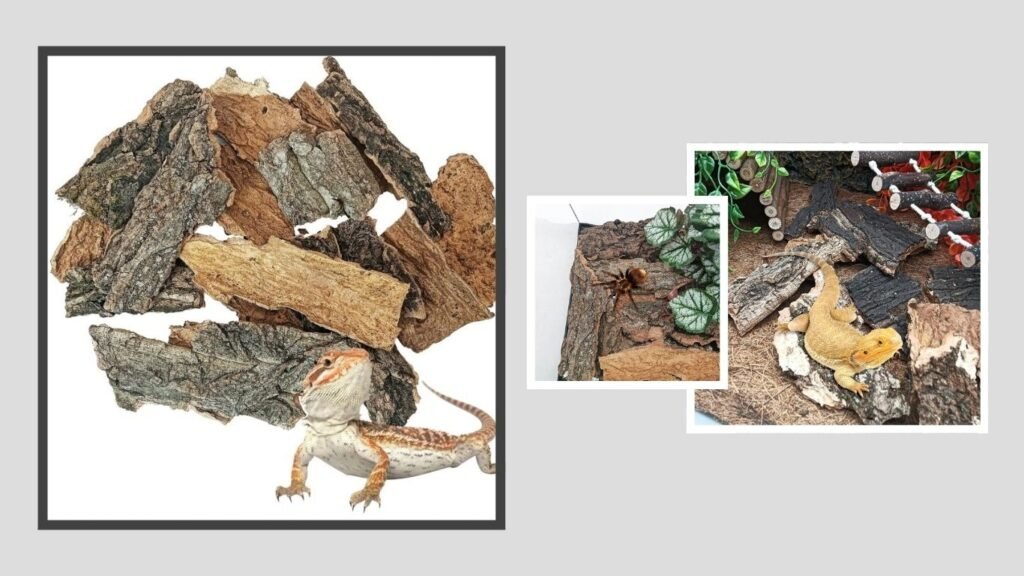
The BNOSDM Cork Bark Terrarium Substrate & Decoration is a useful choice for keepers who want to add natural texture around the lower areas of a terrarium. It can help break up plain substrate, create more visual variation, and complement other enclosure materials such as moss, branches, plants, and rocks. Its natural bark appearance makes it suitable for reptile and amphibian setups where a more organic, layered look is preferred.
Key Features
- Cork bark-style terrarium substrate and décor
- Suitable for reptiles and amphibians
- Adds natural texture to enclosure floors
- Works with moss, plants, wood, and rocks
- Useful for naturalistic terrarium designs
- Helps create layered habitat layouts
- Suitable for decorative and enrichment purposes
Why It Is Best for Ground-Level Decoration
The biggest advantage of this BNOSDM cork bark is how easily it can improve the appearance of otherwise flat substrate areas. Instead of leaving large sections of soil or bedding exposed, bark pieces can create more visual depth and make the habitat look less uniform.
It is particularly useful around plants, hides, or feeding zones where a natural transition between different enclosure features can make the overall setup feel more finished.
Texture and Habitat Enrichment
Adding bark to the ground layer can provide animals with more surfaces to investigate as they move through the enclosure. Depending on the species and arrangement, reptiles or amphibians may climb over, move around, or rest beside the bark.
Its rough texture can also complement smoother rocks and softer moss, helping create a more varied environment without requiring large structural decorations.
Overall Performance and Best Use
BNOSDM Cork Bark Terrarium Substrate works best for keepers who want to improve the lower level of a naturalistic terrarium. It adds visual interest while remaining flexible enough to combine with many other habitat materials.
For planted, woodland, tropical, or bioactive-style setups, it can help tie the substrate and larger decorations together into one cohesive enclosure design.
8. Hamiledyi Cork Terrarium Background – Best for Compact Enclosures
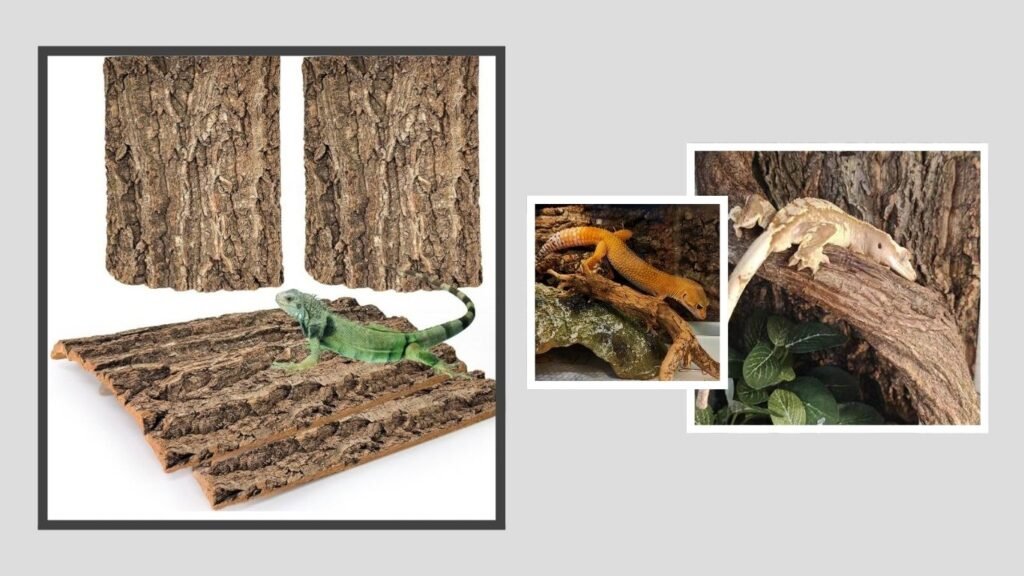
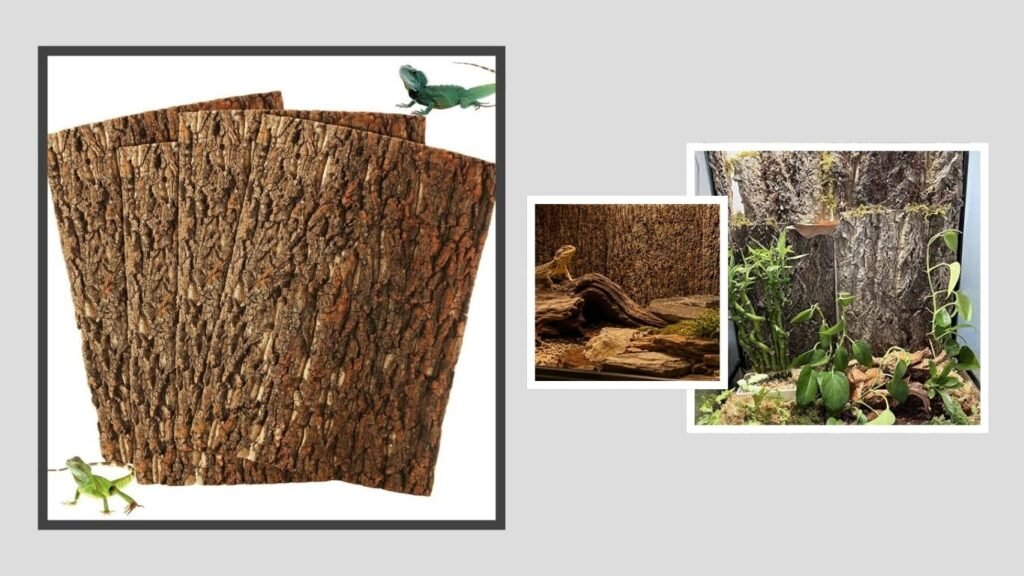
The Hamiledyi Cork Terrarium Background – 11.8 × 7.9 in is a compact background option designed for smaller terrariums and enclosure sections. Its textured cork-style surface can help turn plain glass or plastic walls into a more natural-looking backdrop. The smaller panel size makes it especially useful for nano setups or for keepers who only need to cover part of an enclosure rather than an entire rear wall.
Key Features
- Approximate size of 11.8 × 7.9 inches
- Compact cork-style terrarium background
- Suitable for smaller enclosures
- Adds texture to plain walls
- Works with climbing and planted setups
- Complements vines, moss, and branches
- Suitable for reptiles and amphibians
Why It Is Best for Smaller Terrariums
Large background panels can be difficult to fit into compact enclosures. The Hamiledyi background offers a more manageable size for keepers working with limited wall space.
It can be used as a focal background section behind plants, hides, or branches without overwhelming the terrarium. This is especially helpful in smaller habitats where every decoration needs to be carefully positioned.
Climbing and Visual Value
The textured surface adds more visual depth than bare glass and can help a small enclosure feel more developed. When combined with vines, small branches, or plants, the background can also support a more vertical layout.
For suitable species, this may encourage greater use of the enclosure height while keeping the floor relatively open.
Overall Performance and Best Use
Hamiledyi Cork Terrarium Background is a good choice for smaller reptile or amphibian habitats where full wall coverage is unnecessary. Its compact dimensions make it easier to integrate into existing setups.
It is particularly effective for keepers who want a simple way to add texture, depth, and a more natural look without filling the enclosure with bulky décor.
FAQs
1. Is cork bark good for terrariums?
Yes, cork bark is widely used in terrariums because it is lightweight, textured, and visually natural. It can be used for backgrounds, climbing surfaces, hides, substrate decoration, and bioactive layouts. Its versatility makes it suitable for many reptiles, amphibians, and invertebrates.
2. Can cork bark be used in a bioactive terrarium?
Yes. Cork bark works especially well in bioactive setups because it blends naturally with soil, moss, leaf litter, plants, and cleanup-crew organisms. Smaller bark pieces can also create sheltered microhabitats around the substrate layer.
3. Does cork bark mold in humid terrariums?
Cork bark is naturally resistant to decay, which is one reason it is popular in humid setups. However, excessive moisture, poor ventilation, and organic buildup can still encourage unwanted growth. Good airflow and regular enclosure maintenance help keep the bark in better condition.
4. How should cork bark be positioned in a terrarium?
Cork bark can be laid flat, leaned against walls, attached as a background, partially buried in substrate, or arranged with branches and plants. Any elevated or angled pieces should be secured properly so they cannot shift or fall onto the animal.
5. What animals can use cork bark?
Cork bark can work with many species, including geckos, chameleons, snakes, bearded dragons, frogs, skinks, spiders, and other terrarium animals. The best size and placement depend on whether the species prefers climbing, hiding, or spending most of its time near ground level.
