
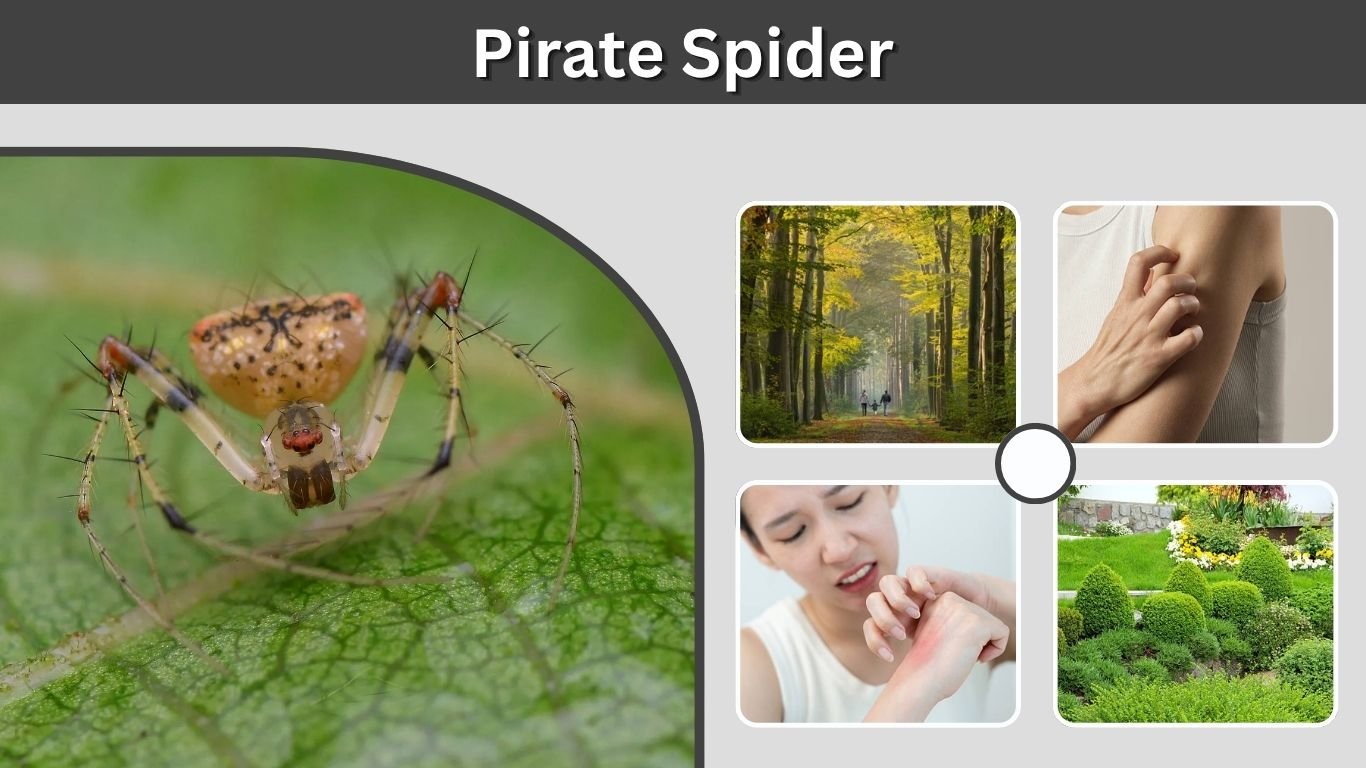
Pirate spiders are unusual hunters best known for eating other spiders. Rather than building traditional prey-catching webs, these small spiders often enter the webs of other species, manipulate the silk, and attack the web owner when it approaches. True pirate spiders belong to the family Mimetidae and occur in many parts of the world. Their patterned bodies, long spiny legs, unusual egg sacs, and specialized hunting behavior make them fascinating spiders to find in gardens, woodland, and vegetation.
What Is a Pirate Spider?
Pirate spiders earned their name because they frequently invade another spider’s web and prey on its occupant. They may pluck or vibrate silk strands, causing the resident spider to approach before the pirate spider attacks.
Members of Mimetidae are particularly adapted for hunting other spiders, including web-building species.
Pirate Spider Identification
Typical features include:
- Small to medium-small body
- Brown, yellow, cream, or reddish coloration
- Patterned or mottled abdomen
- Long, relatively slender legs
- Noticeable spines on the front legs
- Raised bumps or projections on the abdomen in some species
- Slow, deliberate movement when approaching prey
- Frequently found around vegetation and spider webs
Because species vary considerably, photographs and geographic location are often needed for accurate identification.
How Big Are Pirate Spiders?
Most pirate spiders are relatively small.
Many species have bodies measuring only a few millimeters long. Their long legs can make them appear noticeably larger, particularly when they are stretched across vegetation or another spider’s web.
Their small size also allows them to approach web-building spiders without producing the same vibrations caused by large predators.
Why Are They Called Pirate Spiders?
The name refers to their unusual feeding strategy.
Instead of relying mainly on insects, many pirate spiders specialize in hunting other spiders. A pirate spider may enter another spider’s web and create vibrations that imitate prey or other signals.
When the web owner approaches, the pirate spider uses its long front legs to control its victim before biting it.
Common Pirate Spider
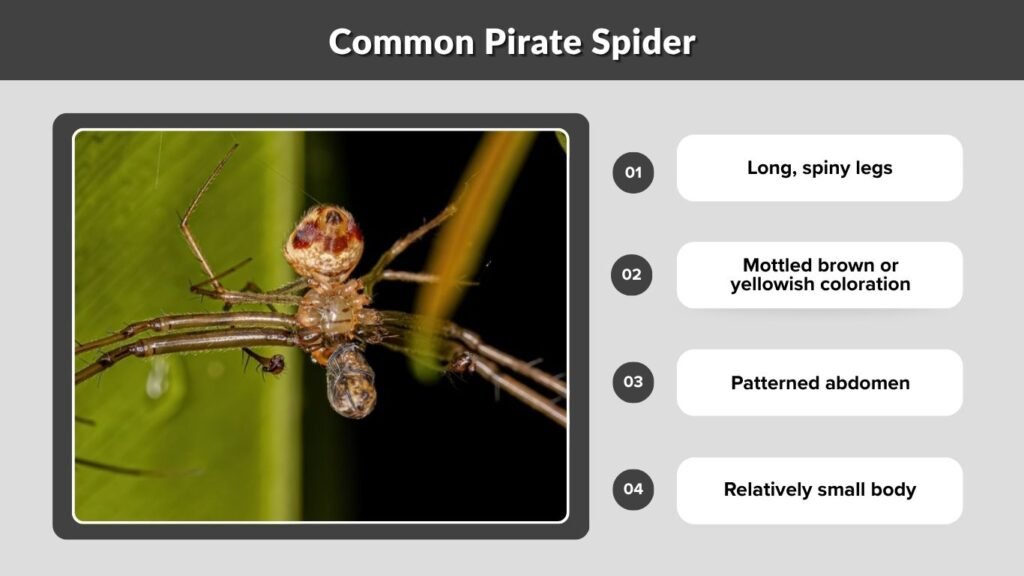
The name common pirate spider is used for Mimetus puritanus in North America. This species belongs to the family Mimetidae and, like its relatives, primarily hunts other spiders.
It may be found in vegetation, forest understories, shrubs, and areas containing plenty of spider webs.
Common Pirate Spider Identification
Look for characteristics such as:
- Long, spiny legs
- Mottled brown or yellowish coloration
- Patterned abdomen
- Relatively small body
- Pale and dark markings that provide camouflage
Individual coloration can vary, so a single marking should not be used to identify the species conclusively.
What Does the Common Pirate Spider Eat?
Other spiders make up an important portion of its diet.
Depending on the pirate spider species and opportunity, prey can include web-building spiders and other relatively small spiders.
This makes pirate spiders different from most familiar garden spiders, which primarily consume insects.
Forked Pirate Spider
The forked pirate spider, Ero furcata, is another member of the family Mimetidae. It has a broad Palearctic distribution and is found in Europe, including Britain.
It is a tiny, camouflaged predator that can be difficult to notice among branches and vegetation.
Forked Pirate Spider Identification
Typical characteristics include:
- Small body
- Long, banded legs
- Brown, cream, or yellowish coloring
- Patterned abdomen
- Small raised abdominal projections
- Spines along the legs
The species can closely resemble related Ero spiders, so precise identification sometimes requires careful examination.
Forked Pirate Spider in the UK
The forked pirate spider occurs in Britain, where several members of the Mimetidae family can be found. British pirate spiders are generally very small, with some measuring roughly 2–4 mm in body length.
They may occur among shrubs, trees, woodland vegetation, gardens, and places where suitable spider prey is available.
False Pirate Spider
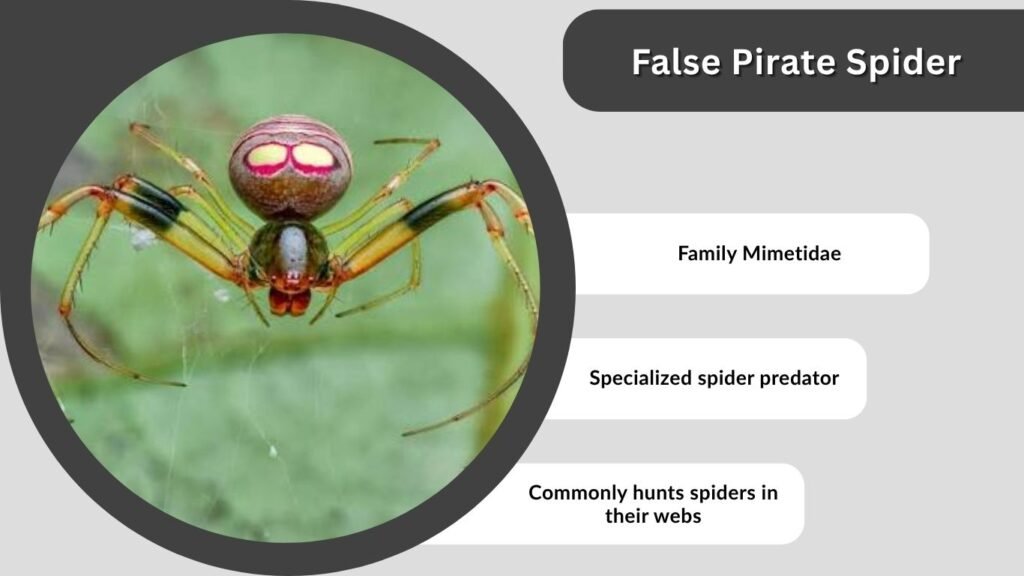
The false pirate spider is an important name to understand because it does not necessarily refer to a true pirate spider.
One species commonly called the false pirate spider is Platnickina tincta. It belongs to Theridiidae, the cobweb spider family, rather than Mimetidae.
False Pirate Spider vs. Pirate Spider
The main difference is classification.
True pirate spider:
- Family Mimetidae
- Specialized spider predator
- Commonly hunts spiders in their webs
- Often has prominent leg spines
False pirate spider:
- Platnickina tincta
- Family Theridiidae
- A cobweb spider
- Not a member of the true pirate spider family
Similar common names can therefore cause confusion when identifying spiders online.
Pirate Spider Egg Sac
Pirate spider egg sacs can be among the easiest signs of their presence.
Some Ero pirate spiders create distinctive egg sacs suspended from a thin silk stalk. The outside can have coarse, loose fibers rather than the smooth silk seen in many ordinary spider egg sacs.
What Does a Pirate Spider Egg Sac Look Like?
Depending on the species, an egg sac may have:
- A small rounded or somewhat oval central sac
- Brown, orange, or reddish outer silk
- Loose, wiry-looking silk fibers
- A thin stalk attaching it to a surface
- A suspended appearance
Egg sacs may be attached to vegetation, stones, tree bark, or other protected surfaces.
Pirate Spider Eggs
The female deposits eggs inside the protective silk structure.
The silk helps protect developing young from weather and some predators. In certain Ero species, eggs can overwinter inside the sac before spiderlings emerge later.
A suspected egg sac should generally be left undisturbed outdoors.
Do Pirate Spiders Make Webs?
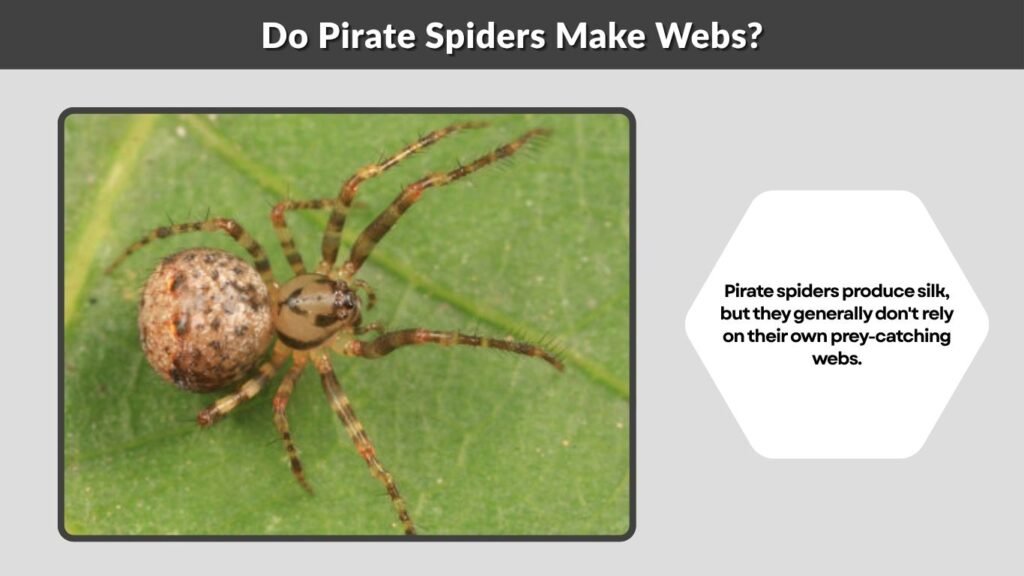
Pirate spiders produce silk, but they generally don’t rely on their own prey-catching webs.
Their unusual lifestyle instead involves searching for other spiders and often entering existing webs.
How Pirate Spiders Hunt
A pirate spider may:
- Locate another spider’s web.
- Carefully enter or approach the web.
- Manipulate or vibrate silk strands.
- Wait for the resident spider to investigate.
- Grab the spider using its front legs.
- Deliver a venomous bite.
This strategy allows a small pirate spider to capture prey that can sometimes be challenging to approach directly.
Pirate Spider Bite
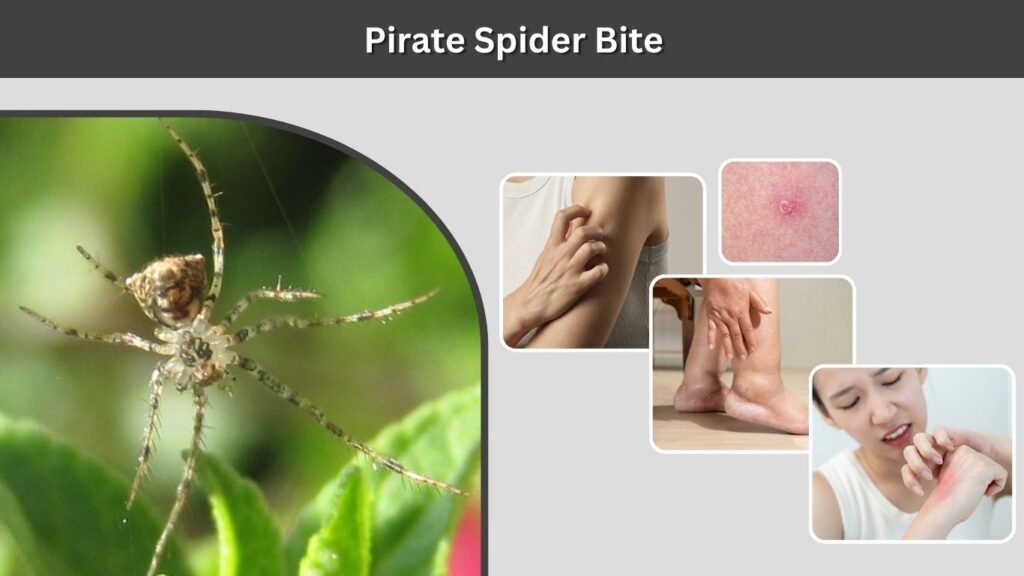
Pirate spiders possess venom because they need it to subdue spider prey.
However, they are not known as spiders of major medical concern to humans.
Do Pirate Spiders Bite Humans?
A bite may theoretically occur if a spider is trapped against the skin or handled roughly, but pirate spiders have little reason to attack people.
Their normal response is to avoid a much larger animal.
If a suspected spider bite occurs, mild local symptoms could potentially include:
- Temporary discomfort
- Redness
- Mild swelling
- Itching
- Local tenderness
Wash the area with soap and water and monitor it. Seek medical attention for severe pain, rapidly increasing swelling, difficulty breathing, spreading symptoms, or other serious reactions.
Are Pirate Spiders Poisonous?
Pirate spiders are more accurately described as venomous, not poisonous.
Venom is injected through the fangs to immobilize prey. Poison, by comparison, causes harm through touching, swallowing, or otherwise absorbing a toxin.
The presence of venom does not automatically mean a spider is dangerous to humans.
Pirate Spider Habitat
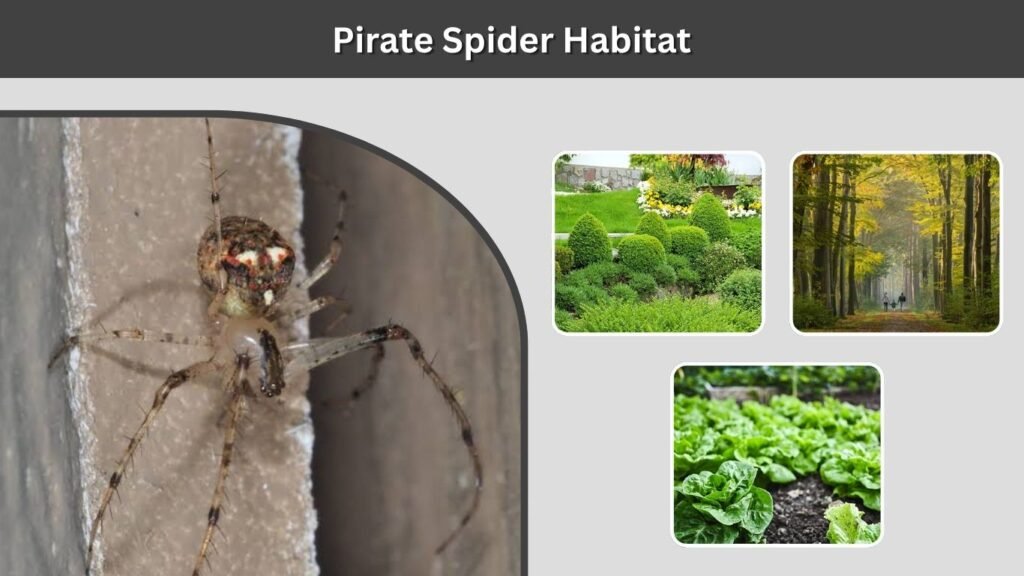
Pirate spiders usually occur in places where other spiders are abundant.
Suitable habitats can include forests, woodland edges, shrubs, gardens, grasses, and low vegetation.
Where to Find Pirate Spiders
Possible locations include:
- Shrubs and bushes
- Tree branches
- Woodland vegetation
- Leafy gardens
- Around other spider webs
- Beneath leaves
- Forest understories
- Low-growing plants
Because they are small and well camouflaged, pirate spiders can be present without being noticed.
FAQs
Are pirate spiders dangerous?
Pirate spiders are specialized predators of other spiders but are not generally considered dangerous to humans.
Do pirate spiders eat other spiders?
Yes. Hunting other spiders is one of the defining behaviors of true pirate spiders in the family Mimetidae.
Is the forked pirate spider found in the UK?
Yes. The forked pirate spider, Ero furcata, occurs in Britain and other parts of its broad Palearctic range.
What is a false pirate spider?
The name is commonly applied to Platnickina tincta, a small cobweb spider in the family Theridiidae. Despite its common name, it is not a true Mimetidae pirate spider.
What does a pirate spider egg sac look like?
Many pirate spider egg sacs are small and distinctive, with coarse outer silk and, in some species, a thin stalk suspending the sac from a surface.
