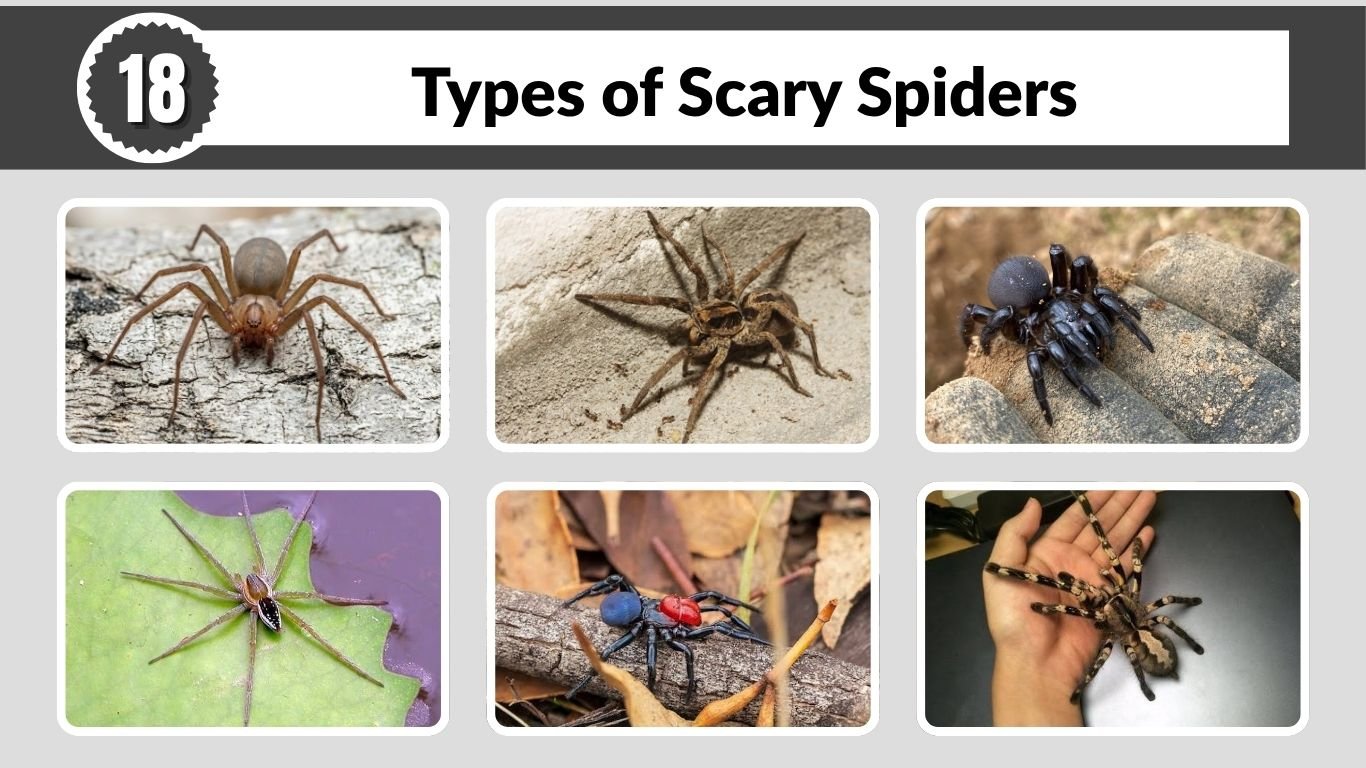
Spiders come in many shapes and sizes, but some have truly terrifying appearances, powerful fangs, and intimidating hunting behaviors. From the enormous Goliath Birdeater to the venomous Brazilian Wandering Spider, these creatures can look frightening. However, not all scary-looking spiders are dangerous to humans. In this guide, we’ll explore 18 types of scary spiders, including their identification, habitats, behaviors, and unique characteristics that make them so fascinating and fearsome.
1. Goliath Birdeater Tarantula
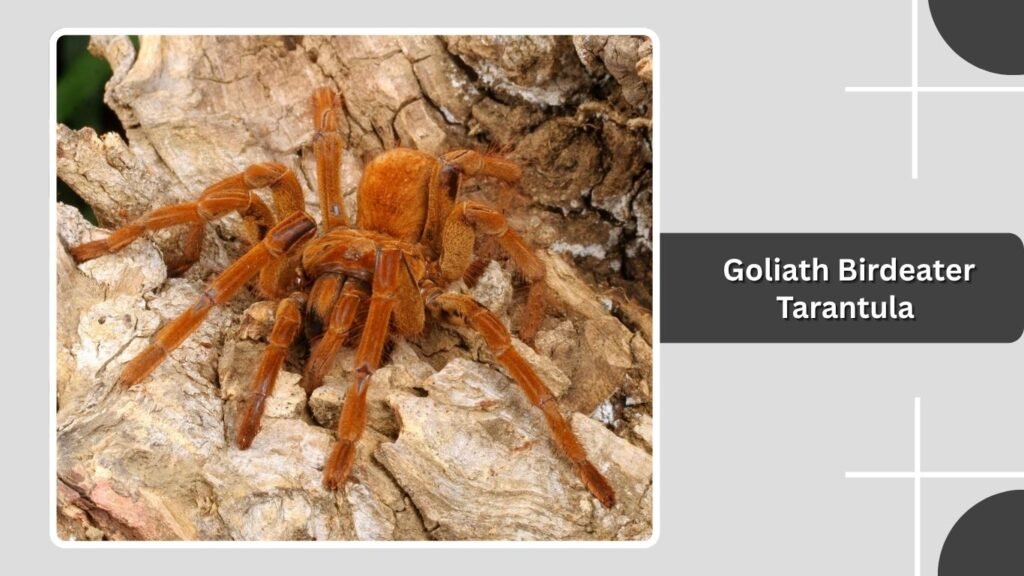
The Goliath Birdeater Tarantula (Theraphosa blondi) is one of the largest and scariest spiders in the world. Known for its enormous size, thick hairy legs, and powerful fangs, this giant spider has a truly intimidating appearance. Native to the tropical rainforests of South America, it is the world’s heaviest living spider species and can reach an impressive leg span of nearly 12 inches.
Identification
- Scientific Name: Theraphosa blondi
- Common Name: Goliath Birdeater Tarantula
- Size: Body length up to 12 cm; leg span up to 28 cm.
- Color: Dark brown, reddish-brown, or nearly black.
- Eyes: Eight small eyes with relatively poor vision.
- Body: Massive, hairy body with thick legs and large fangs.
- Habitat: Tropical rainforests, underground burrows, and moist forest floors.
- Distribution: Northern South America, including Brazil, Guyana, Suriname, and Venezuela.
Habitat and Distribution
Goliath Birdeater Tarantulas inhabit humid tropical rainforests throughout northern South America. They prefer moist environments with dense vegetation and soft soil suitable for burrowing. These spiders spend much of their time inside silk-lined underground burrows, emerging mainly at night to search for food.
Behavior and Diet
Goliath Birdeaters are nocturnal predators that feed on insects, earthworms, frogs, lizards, and occasionally small mammals or birds. Despite their frightening name, birds are not their primary food source.
When threatened, they can produce a hissing sound and release irritating hairs from their abdomen. Their bites can be painful, although their venom is generally not considered medically dangerous to humans.
2. Giant Huntsman Spider
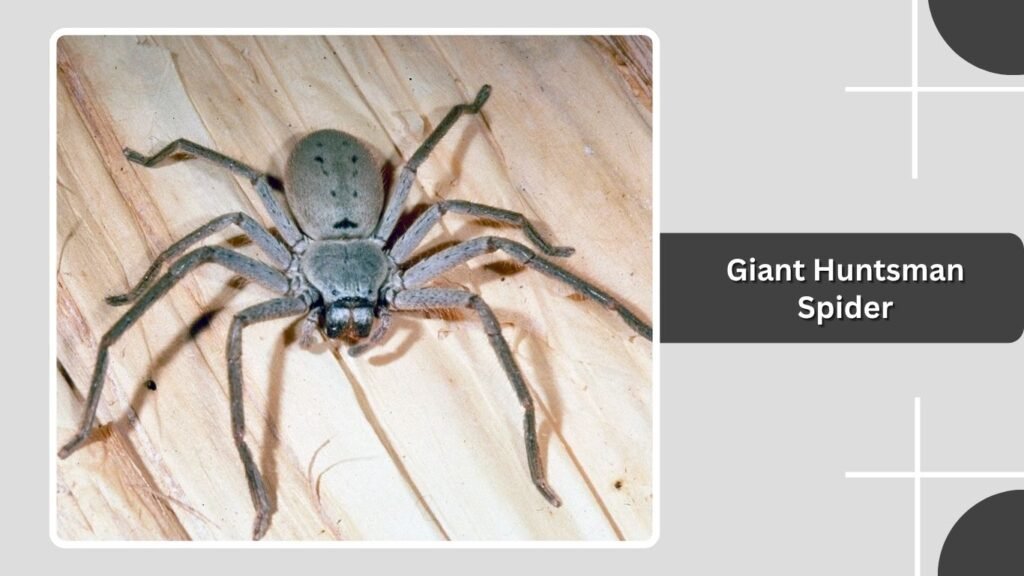
The Giant Huntsman Spider (Heteropoda maxima) is one of the scariest-looking spiders in the world, famous for its extraordinarily long legs and impressive size. With a leg span reaching approximately 12 inches, it holds the record for the largest spider by leg span. Native to Laos, this massive spider has a flattened body and crab-like legs that give it a terrifying appearance.
Identification
- Scientific Name: Heteropoda maxima
- Common Name: Giant Huntsman Spider
- Size: Body length up to 4.6 cm; leg span up to 30 cm.
- Color: Yellowish-brown to brown with darker markings.
- Eyes: Eight eyes arranged in two rows.
- Body: Flattened body with extremely long, sideways-extending legs.
- Habitat: Limestone caves and rocky environments.
- Distribution: Laos, Southeast Asia.
Habitat and Distribution
Giant Huntsman Spiders are native to Laos, where they have been discovered in limestone cave environments. Their elongated legs and specialized body structure are well suited to navigating cave walls and narrow rocky spaces.
Unlike many other huntsman spiders, this species is particularly associated with caves, although its complete ecological requirements remain poorly understood.
Behavior and Diet
Giant Huntsman Spiders are active hunters that capture prey without using traditional trapping webs. Like other huntsman spiders, they are believed to feed mainly on insects and other small arthropods.
Their long legs allow them to move quickly across surfaces. Despite their frightening size, there is no evidence that they are exceptionally dangerous to humans. Their impressive appearance is far more intimidating than their documented medical significance.
3. Brazilian Wandering Spider
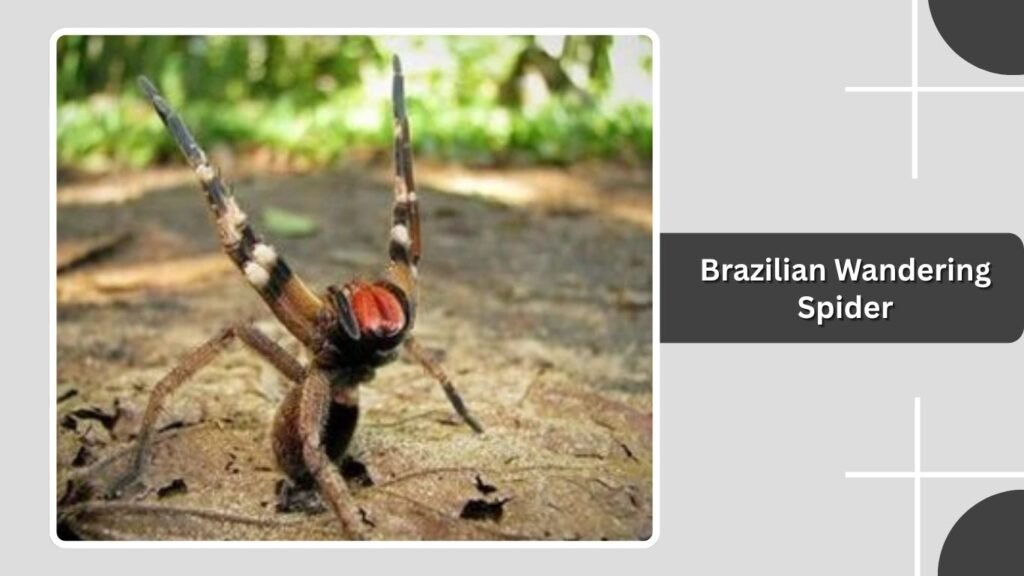
The Brazilian Wandering Spider (Phoneutria nigriventer) is one of the world’s most feared spiders because of its potent venom, large body, and dramatic defensive posture. Rather than relying on a web to capture prey, this spider actively explores its surroundings. When threatened, it may raise its front legs and display its fangs, creating an especially frightening appearance.
Identification
- Scientific Name: Phoneutria nigriventer
- Common Name: Brazilian Wandering Spider
- Size: Body approximately 3–5 cm; leg span sometimes exceeding 10 cm.
- Color: Brown or grayish-brown with darker body markings.
- Eyes: Eight eyes arranged in three rows.
- Body: Robust, hairy body with long, powerful legs.
- Habitat: Tropical forests, gardens, agricultural areas, and sheltered ground.
- Distribution: Brazil and neighboring South American countries.
Habitat and Distribution
Brazilian Wandering Spiders inhabit forests and other vegetated environments across parts of South America. Phoneutria nigriventer is particularly widespread in southeastern and southern Brazil.
These spiders may hide beneath logs, among vegetation, or in dark, sheltered places during daylight hours. They occasionally enter homes, increasing the possibility of encounters with humans.
Behavior and Diet
Brazilian Wandering Spiders are primarily nocturnal predators that hunt cockroaches, crickets, and other arthropods. They use their strong legs to capture prey and inject venom through their fangs.
Their venom can cause severe pain and potentially serious medical complications. Although many bites are not life-threatening, a suspected Brazilian Wandering Spider bite requires prompt medical evaluation.
4. Sydney Funnel-Web Spider
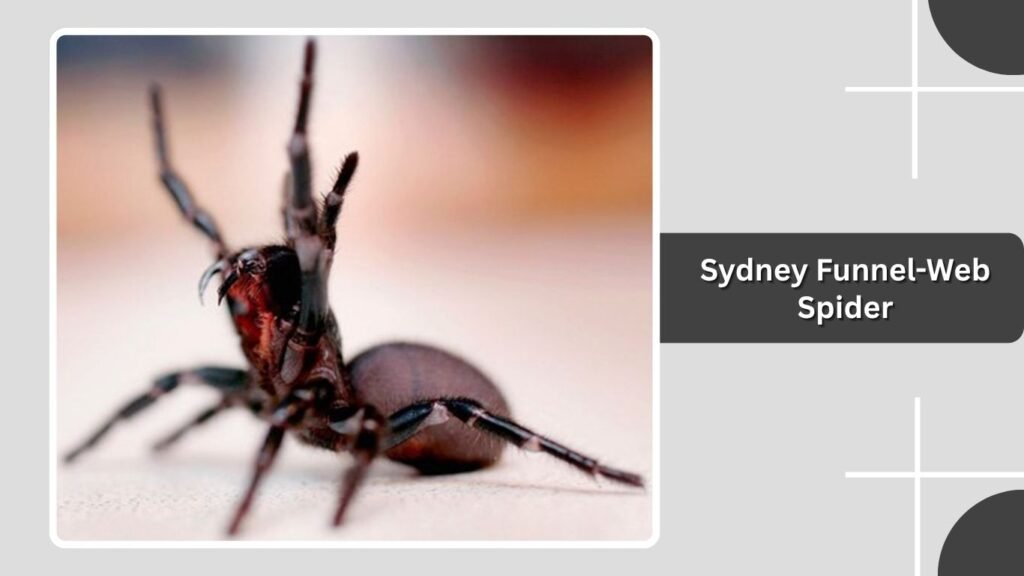
The Sydney Funnel-Web Spider (Atrax robustus) is one of Australia’s most feared spiders, recognized for its glossy black body, powerful fangs, and medically significant venom. Although smaller than many giant tarantulas, this spider has an intimidating appearance and can deliver a dangerous bite. Its habit of raising its front legs and displaying its fangs makes it particularly frightening.
Identification
- Scientific Name: Atrax robustus
- Common Name: Sydney Funnel-Web Spider
- Size: Approximately 2–4 cm in body length.
- Color: Shiny black or dark brown.
- Eyes: Eight small eyes clustered near the front of the head.
- Body: Heavy, glossy body with strong legs and prominent fangs.
- Habitat: Moist forests, shaded gardens, and underground burrows.
- Distribution: Sydney region and nearby areas of New South Wales, Australia.
Habitat and Distribution
Sydney Funnel-Web Spiders inhabit moist forests, wooded suburban areas, and shaded environments around Sydney. They construct silk-lined burrows in sheltered locations, often beneath rocks, logs, and vegetation.
Female spiders generally remain close to their burrows, while mature males wander during warmer months in search of mates.
Behavior and Diet
Sydney Funnel-Web Spiders feed on insects and other small animals. They typically wait near their burrow entrances and quickly capture passing prey with their powerful fangs.
When threatened, they may raise their bodies and display an aggressive-looking defensive posture. Their venom affects the nervous system and can cause life-threatening symptoms. Suspected bites require immediate emergency medical treatment. Effective antivenom has greatly reduced the danger of fatal outcomes.
5. Black Widow Spider
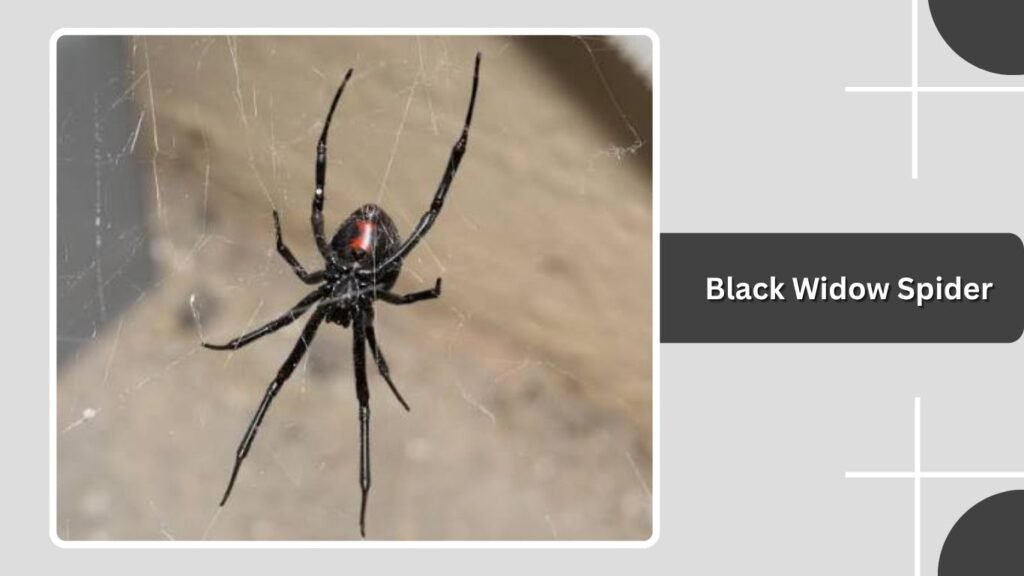
The Black Widow Spider (Latrodectus mactans) is one of the most recognizable and frightening spiders in the world. Known for its glossy black body and distinctive red hourglass marking, this spider has a mysterious and intimidating appearance. Although relatively small, its potent neurotoxic venom makes it medically significant and one of North America’s most feared spiders.
Identification
- Scientific Name: Latrodectus mactans
- Common Name: Southern Black Widow Spider
- Size: Adult females approximately 8–13 mm in body length.
- Color: Glossy black with a red hourglass-shaped marking underneath the abdomen.
- Eyes: Eight small eyes.
- Body: Rounded abdomen with long, slender legs.
- Habitat: Woodpiles, garages, sheds, gardens, and dark corners.
- Distribution: Primarily southeastern and central United States.
Habitat and Distribution
Black Widow Spiders inhabit warm and temperate environments across parts of North America. Southern Black Widows commonly occur in the southeastern United States, where they occupy protected spaces near buildings and natural vegetation.
They prefer dark, undisturbed areas, including woodpiles, storage sheds, outdoor furniture, and cracks in structures. Their irregular webs are usually constructed close to the ground.
Behavior and Diet
Black Widow Spiders feed on flies, beetles, mosquitoes, and other insects captured in their sticky, tangled webs. They usually remain hidden and emerge when vibrations indicate trapped prey.
Despite their intimidating reputation, black widows are generally shy and bite primarily when threatened or trapped against the skin. Their bites can cause intense pain, muscle cramps, and other systemic symptoms. Suspected bites should receive prompt medical assessment.
6. Brown Recluse Spider
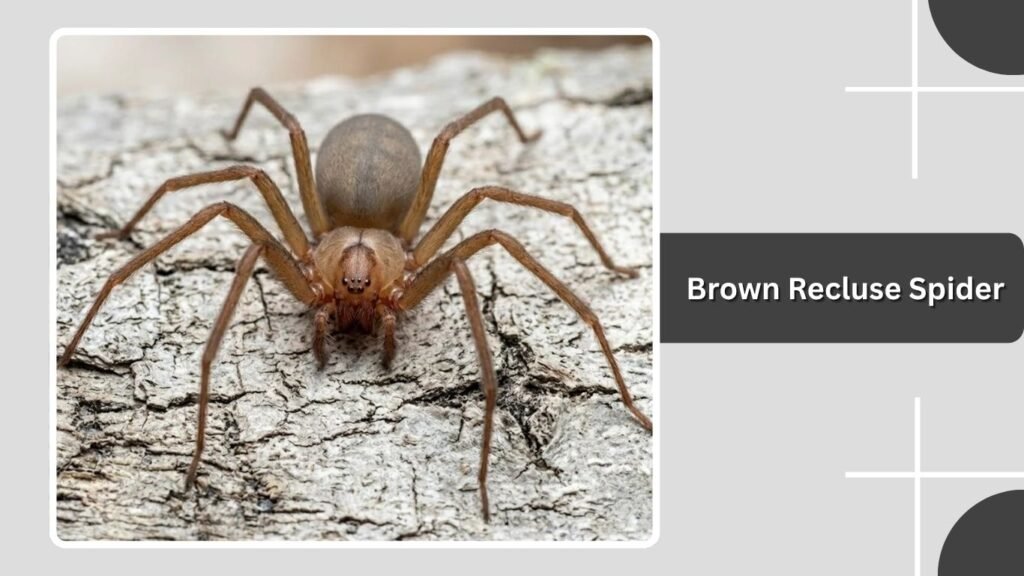
The Brown Recluse Spider (Loxosceles reclusa) is a small but feared spider known for its potentially tissue-damaging venom and secretive behavior. Its plain brown coloration and violin-shaped marking make it recognizable, although many harmless spiders are frequently mistaken for this species. Unlike large, hairy spiders, the Brown Recluse appears relatively ordinary, making its reputation particularly unsettling.
Identification
- Scientific Name: Loxosceles reclusa
- Common Name: Brown Recluse Spider
- Size: Approximately 6–10 mm in body length.
- Color: Light tan to medium brown.
- Eyes: Six eyes arranged in three pairs.
- Body: Slender legs, unpatterned abdomen, and often a darker violin-shaped marking on the cephalothorax.
- Habitat: Closets, basements, storage boxes, and sheltered outdoor areas.
- Distribution: Primarily central and south-central United States.
Habitat and Distribution
Brown Recluse Spiders inhabit sheltered environments throughout their established range in the central and south-central United States. They prefer dry, dark, undisturbed locations such as basements, closets, attics, and storage rooms.
Outdoors, these spiders hide beneath rocks, logs, loose bark, and other protective materials. They are nocturnal and generally avoid human activity.
Behavior and Diet
Brown Recluse Spiders feed on insects and other small arthropods. They create irregular silk retreats but often leave these shelters at night to hunt.
Despite their reputation, they are not naturally aggressive and generally bite only when accidentally trapped against human skin. Most bites do not cause severe injury, but some can produce significant tissue damage. Suspected bites with concerning symptoms should be evaluated by a healthcare professional.
7. Six-Eyed Sand Spider
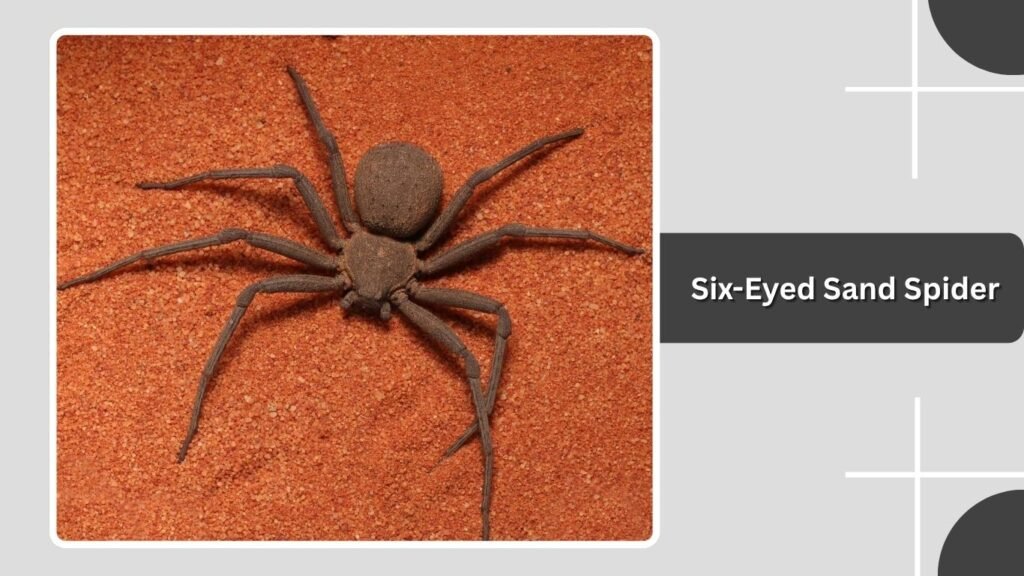
The Six-Eyed Sand Spider (Hexophthalma hahni) is one of the most mysterious and scary-looking spiders found in southern Africa. Known for its flattened body, sandy coloration, and remarkable camouflage, this spider can disappear almost completely beneath loose sand. Its unusual appearance and potentially powerful venom make it a fascinating predator of desert environments.
Identification
- Scientific Name: Hexophthalma hahni
- Common Name: Six-Eyed Sand Spider
- Size: Approximately 8–15 mm in body length.
- Color: Sandy brown, yellowish-brown, or gray.
- Eyes: Six eyes arranged in three pairs.
- Body: Flattened body with long, sideways-extending legs.
- Habitat: Sandy deserts, dry grasslands, and rocky areas.
- Distribution: Southern Africa, including Namibia, Zimbabwe, and South Africa.
Habitat and Distribution
Six-Eyed Sand Spiders inhabit dry and sandy environments throughout parts of southern Africa. They commonly shelter beneath rocks, inside loose sand, and around the entrances of animal burrows.
Their flattened bodies and sand-covered hairs provide excellent camouflage, allowing them to remain almost invisible against the surrounding ground.
Behavior and Diet
Six-Eyed Sand Spiders are ambush predators that feed on insects and other small arthropods. Rather than constructing capture webs, they bury themselves beneath sand and wait for unsuspecting prey to approach.
Their venom has shown potentially serious tissue-damaging effects in laboratory studies. However, confirmed human bites are extremely rare or undocumented, so the actual medical effects in humans remain uncertain.
8. King Baboon Spider
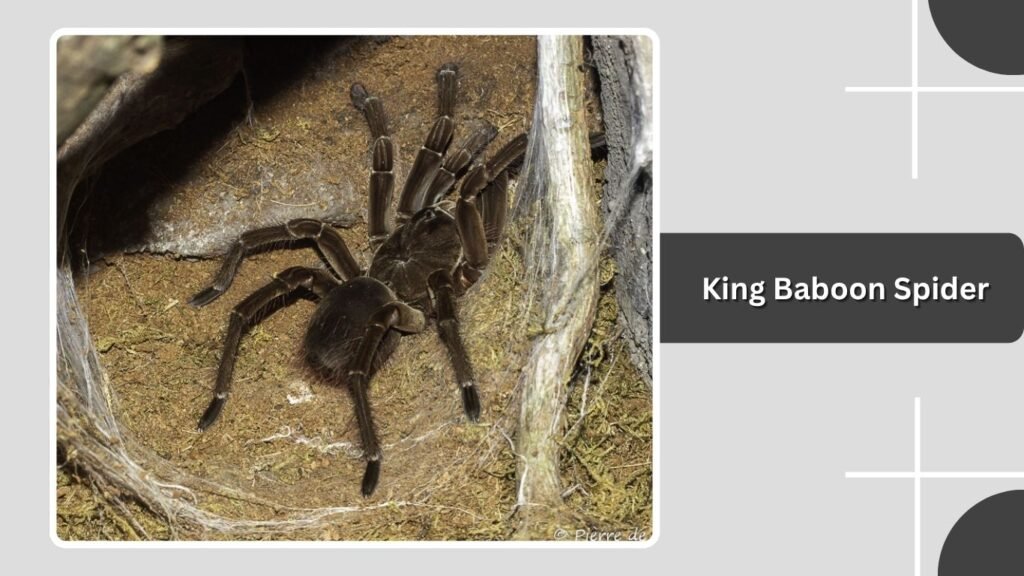
The King Baboon Spider (Pelinobius muticus) is one of Africa’s largest and most intimidating tarantulas. Famous for its muscular legs, rusty-brown body, and defensive behavior, this giant spider can produce an audible hissing sound when threatened. Its powerful appearance and impressive underground lifestyle make it one of the scariest spiders in the world.
Identification
- Scientific Name: Pelinobius muticus
- Common Name: King Baboon Spider
- Size: Leg span up to approximately 20 cm.
- Color: Rusty brown, copper, or orange-brown.
- Eyes: Eight small eyes grouped near the front of the head.
- Body: Large, heavily built body with thick, powerful legs.
- Habitat: Dry savannas, grasslands, and underground burrows.
- Distribution: East Africa, particularly Kenya and Tanzania.
Habitat and Distribution
King Baboon Spiders inhabit dry grasslands and savanna environments across East Africa. They prefer areas with suitable soil for digging deep underground burrows.
These burrows provide protection against predators, extreme temperatures, and dry environmental conditions. The spiders spend much of their lives underground, emerging mainly to capture passing prey.
Behavior and Diet
King Baboon Spiders are primarily nocturnal predators that feed on beetles, cockroaches, and other small arthropods. They detect prey through vibrations around their burrow entrances.
When threatened, they may raise their front legs and produce a hissing sound through stridulation. Their defensive behavior and painful venomous bites make them unsuitable for casual handling.
9. Orange Baboon Tarantula
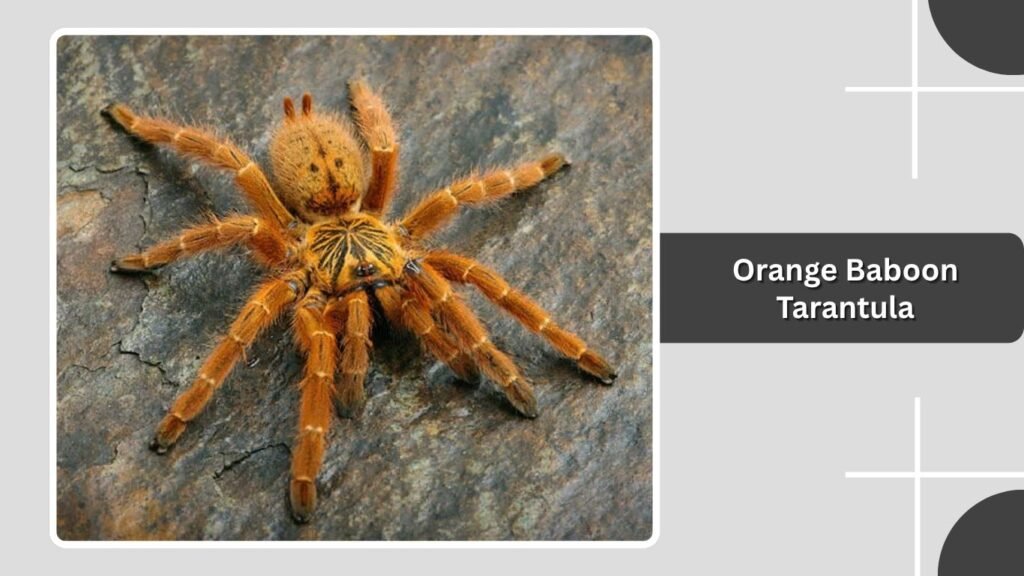
The Orange Baboon Tarantula (Pterinochilus murinus) is a striking and intimidating spider recognized for its bright orange body, rapid movements, and defensive nature. Commonly nicknamed the “Orange Bitey Thing” by tarantula enthusiasts, this African species is famous for its impressive threat displays. Its vibrant coloration and powerful fangs make it one of the most frightening-looking tarantulas.
Identification
- Scientific Name: Pterinochilus murinus
- Common Name: Orange Baboon Tarantula
- Size: Approximately 10–15 cm in leg span.
- Color: Bright orange, reddish-orange, brown, or golden.
- Eyes: Eight small eyes grouped together.
- Body: Hairy body with long legs and distinctive starburst markings.
- Habitat: Savannas, grasslands, rocky areas, and underground retreats.
- Distribution: Central, eastern, and southern Africa.
Habitat and Distribution
Orange Baboon Tarantulas inhabit warm environments across several African regions. They commonly occupy dry grasslands, savannas, and rocky habitats where suitable shelters are available.
These spiders construct silk-lined retreats beneath rocks, inside soil cavities, and around vegetation. Their extensive silk structures provide protection and help detect nearby prey.
Behavior and Diet
Orange Baboon Tarantulas are nocturnal predators that hunt crickets, cockroaches, grasshoppers, and other insects. They use powerful fangs and venom to subdue prey.
When disturbed, they may raise their front legs, expose their fangs, and strike defensively. Their bites can cause considerable pain, making them unsuitable for inexperienced handlers.
10. Cobalt Blue Tarantula
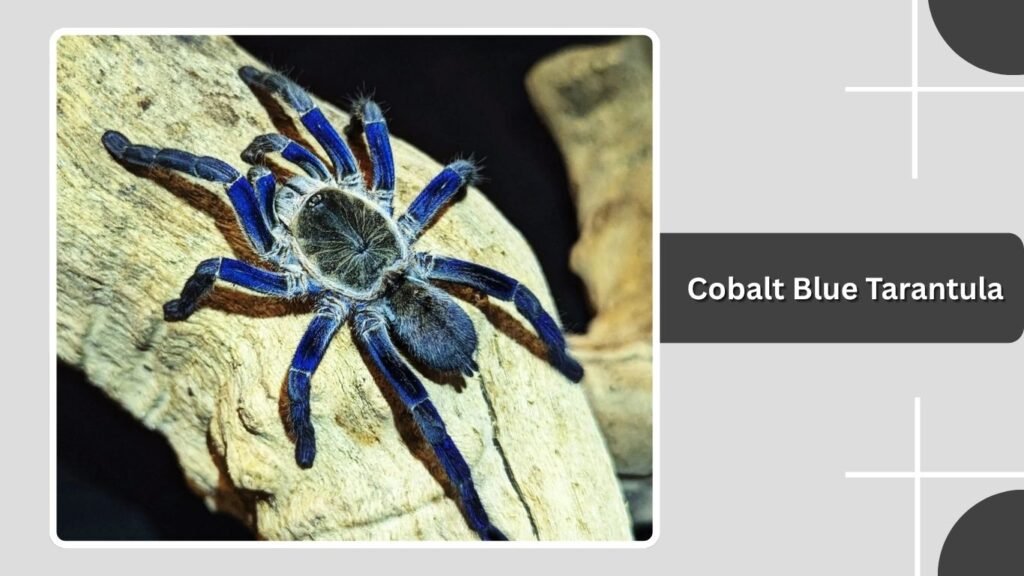
The Cobalt Blue Tarantula (Melopoeus lividus, formerly Cyriopagopus lividus) is one of the most visually stunning yet intimidating spiders in Southeast Asia. Its brilliant metallic-blue legs, dark body, and rapid defensive movements give it an extraordinary appearance. Although beautiful, this tarantula is known for its secretive lifestyle and should not be handled casually.
Identification
- Scientific Name: Melopoeus lividus (formerly Cyriopagopus lividus)
- Common Name: Cobalt Blue Tarantula
- Size: Leg span approximately 10–13 cm.
- Color: Metallic cobalt-blue legs with a grayish or dark body.
- Eyes: Eight small eyes clustered together.
- Body: Compact, hairy body with strong legs and prominent fangs.
- Habitat: Tropical forests, underground burrows, and moist soil.
- Distribution: Myanmar and Thailand.
Habitat and Distribution
Cobalt Blue Tarantulas inhabit tropical environments in Myanmar and Thailand. They are burrowing spiders that spend most of their lives inside deep, silk-lined underground retreats.
These shelters provide protection from predators and changing environmental conditions. Their secretive nature means they are rarely observed outside their burrows.
Behavior and Diet
Cobalt Blue Tarantulas are primarily nocturnal predators that feed on crickets, cockroaches, beetles, and other arthropods. They detect prey through vibrations and quickly capture it using their powerful fangs.
When threatened, they generally retreat but may respond defensively if cornered. Their venomous bites can be painful and may produce additional symptoms. Their striking appearance and defensive behavior make them fascinating but potentially risky spiders to handle.
11. Giant House Spider
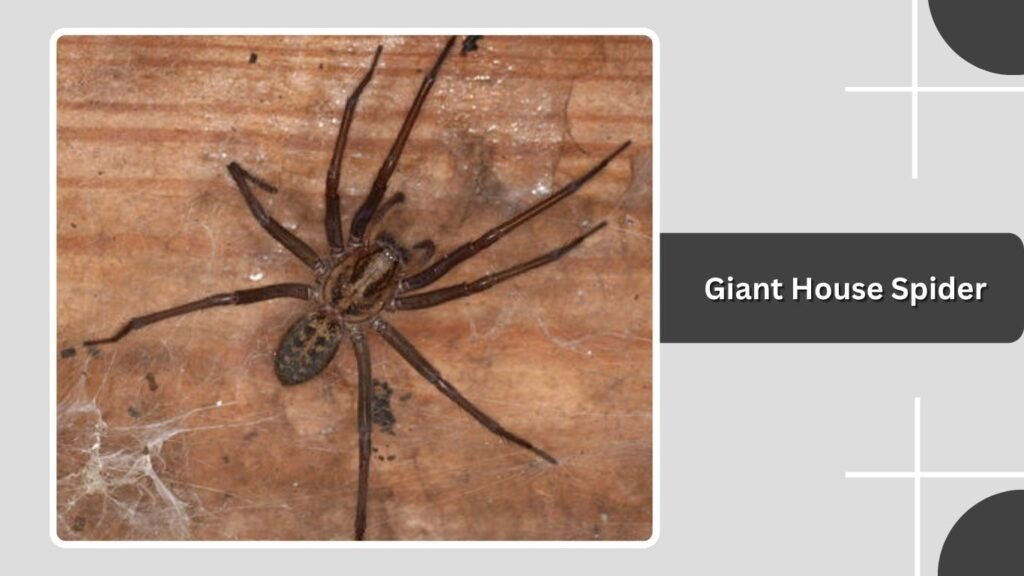
The Giant House Spider (Eratigena duellica) is a large, fast-moving spider that often frightens homeowners with its long legs and sudden appearances. Although its body is relatively small, its impressive leg span gives it an intimidating appearance. Common in parts of Europe and introduced to North America, this spider is frequently encountered in basements, garages, and other sheltered indoor spaces.
Identification
- Scientific Name: Eratigena duellica
- Common Name: Giant House Spider
- Size: Body approximately 10–18 mm; leg span may reach 10 cm.
- Color: Brown or dark brown with lighter abdominal markings.
- Eyes: Eight small eyes arranged in two rows.
- Body: Elongated body with extremely long, slender legs.
- Habitat: Houses, basements, garages, sheds, and gardens.
- Distribution: Europe and introduced populations in North America.
Habitat and Distribution
Giant House Spiders occur throughout parts of Europe and the Pacific Northwest of North America. They commonly inhabit sheltered locations, including basements, sheds, garages, and cracks around buildings.
These spiders construct sheet-like webs with funnel-shaped retreats in corners and crevices, where they wait for passing insects.
Behavior and Diet
Giant House Spiders primarily feed on flies, beetles, moths, and other small arthropods. They detect vibrations in their webs and rapidly approach trapped prey.
Mature males may wander through houses while searching for females, particularly during the mating season. Their sudden speed can be frightening, but they generally avoid humans. Despite their intimidating size, their bites are not considered medically dangerous.
12. Wolf Spider
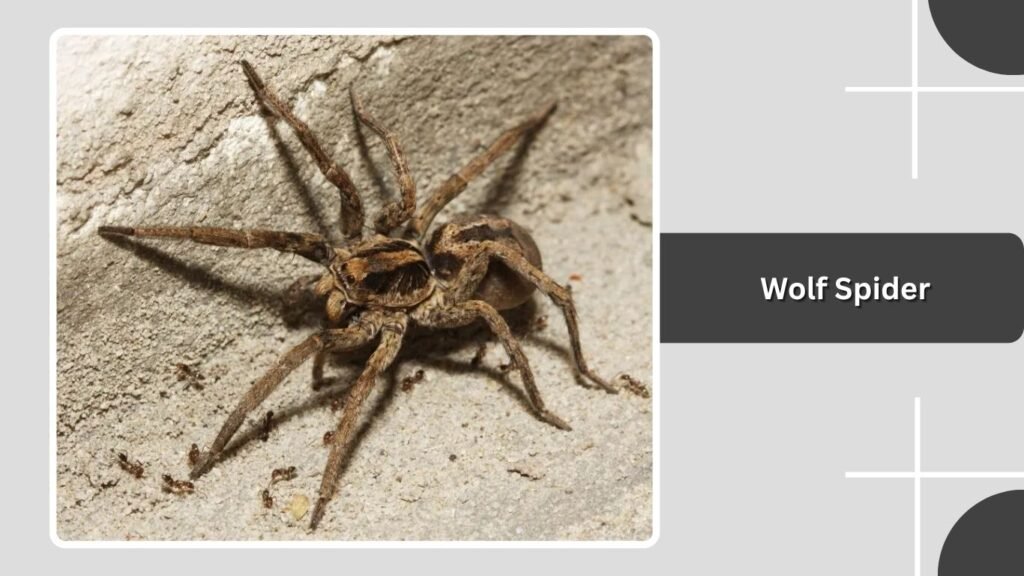
The Wolf Spider (family Lycosidae) is one of the most intimidating ground-dwelling spiders, known for its large, hairy body, powerful legs, and remarkable hunting abilities. Unlike spiders that depend on webs, Wolf Spiders actively chase their prey. Their rapid movements, prominent eyes, and sudden appearances often frighten people, although most species are harmless to humans.
Identification
- Scientific Name: Family Lycosidae
- Common Name: Wolf Spider
- Size: Approximately 3–35 mm in body length, depending on species.
- Color: Brown, gray, black, or tan with darker stripes.
- Eyes: Eight eyes arranged in three rows.
- Body: Robust, hairy body with strong running legs.
- Habitat: Grasslands, forests, gardens, and rocky areas.
- Distribution: Worldwide, except Antarctica.
Habitat and Distribution
Wolf Spiders inhabit numerous environments worldwide, including forests, grasslands, deserts, wetlands, and residential gardens. They prefer ground-level habitats where they can hide beneath rocks, logs, vegetation, and fallen leaves.
Some species construct underground burrows, while others actively wander across the ground in search of prey.
Behavior and Diet
Wolf Spiders are active predators that feed on crickets, beetles, grasshoppers, and other small arthropods. They rely on their excellent eyesight and fast running abilities to capture prey.
Female Wolf Spiders display remarkable parental care by carrying their egg sacs and later transporting newly hatched spiderlings on their backs. Despite their frightening appearance, they are generally not medically dangerous to humans.
13. Fishing Spider
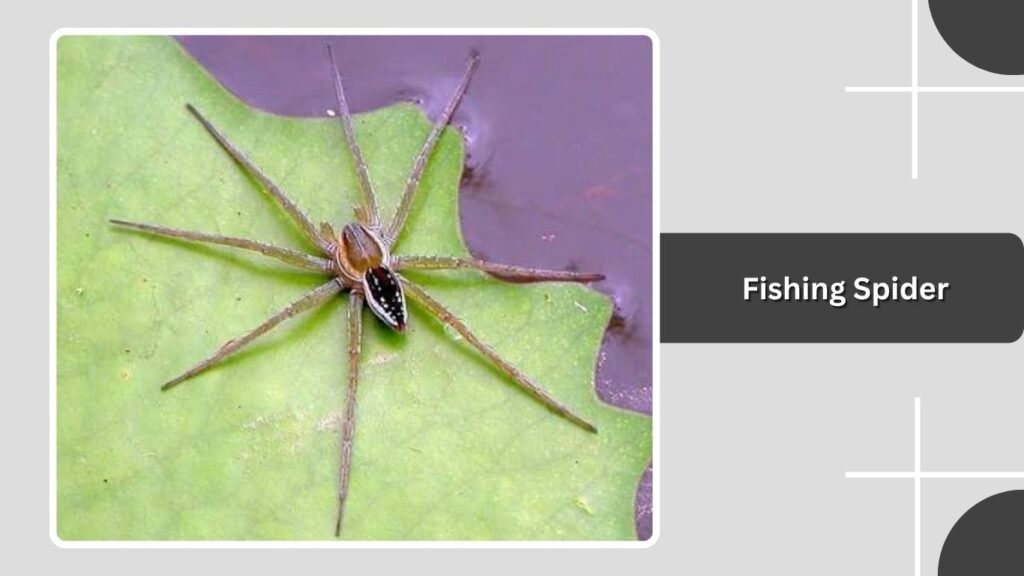
The Fishing Spider (Dolomedes spp.) is a large and frightening-looking spider known for its long legs, rapid movements, and unusual ability to hunt on water. Some species can walk across the water’s surface, detect underwater prey, and dive beneath the surface. Their impressive size and surprising hunting techniques make them some of the most fascinating aquatic-associated spiders.
Identification
- Scientific Name: Dolomedes spp.
- Common Name: Fishing Spider
- Size: Body length approximately 7–26 mm in many North American species.
- Color: Brown, gray, or dark brown with contrasting markings.
- Eyes: Eight eyes arranged in two rows.
- Body: Large, flattened body with long, widely extended legs.
- Habitat: Ponds, streams, wetlands, forests, and wooded areas.
- Distribution: North America and other regions worldwide.
Habitat and Distribution
Fishing Spiders inhabit freshwater environments, including ponds, streams, marshes, and lakeshores. They commonly rest on rocks, aquatic vegetation, and tree branches near water.
Some species, including the Dark Fishing Spider (Dolomedes tenebrosus), frequently inhabit moist woodlands and may occasionally enter houses.
Behavior and Diet
Fishing Spiders actively hunt insects, aquatic invertebrates, tadpoles, and occasionally small fish. They can detect vibrations on the water’s surface and quickly attack unsuspecting prey.
Some species dive underwater to escape predators or capture food. Their long legs and sudden movements make them appear terrifying, but they are generally not dangerous to humans and rarely bite unless threatened.
14. Ogre-Faced Spider
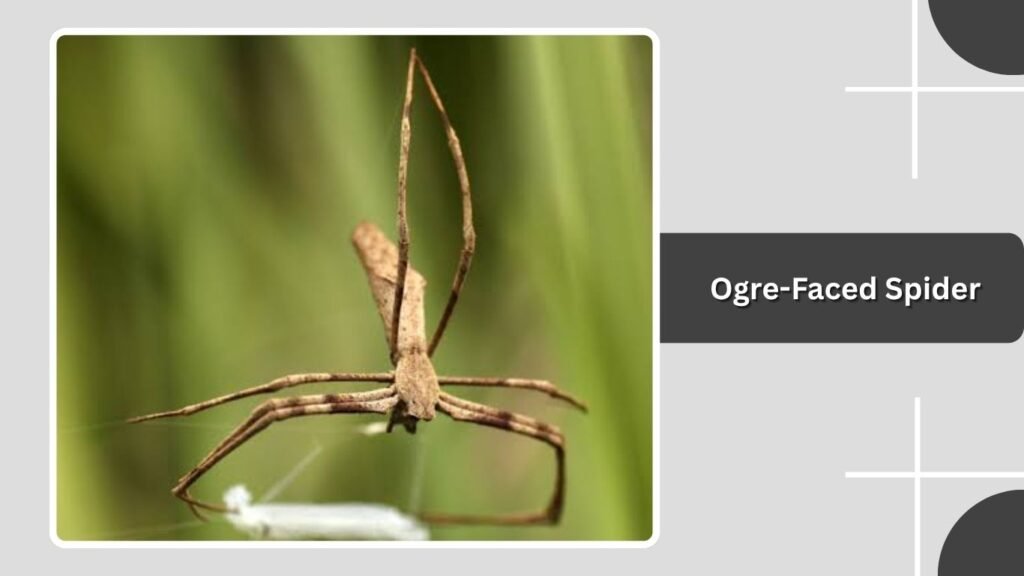
The Ogre-Faced Spider (Deinopis spinosa) is one of the strangest and scariest-looking spiders in the world. Famous for its enormous forward-facing eyes, slender body, and unusual hunting techniques, this spider has an appearance resembling a tiny monster. Also called the Net-Casting Spider, it captures insects using a small silk net stretched between its legs.
Identification
- Scientific Name: Deinopis spinosa
- Common Name: Ogre-Faced Spider
- Size: Approximately 10–17 mm in body length.
- Color: Brown, grayish-brown, or tan with mottled markings.
- Eyes: Eight eyes, including two exceptionally large forward-facing eyes.
- Body: Long, slender body with thin, elongated legs.
- Habitat: Forests, shrubs, and vegetation near wetlands.
- Distribution: Southeastern United States, Caribbean, and parts of South America.
Habitat and Distribution
Ogre-Faced Spiders inhabit warm forests, coastal woodlands, and vegetated environments throughout their range. They often remain motionless among branches and leaves during daylight hours.
Their elongated bodies and brown coloration provide excellent camouflage, making them resemble dead twigs or dried vegetation.
Behavior and Diet
Ogre-Faced Spiders are nocturnal predators that feed on moths, flies, beetles, and other insects. They construct small rectangular silk nets and hold them between their legs while waiting for prey.
When an insect approaches, the spider rapidly stretches its net forward to capture it. Its enormous eyes are specially adapted for low-light hunting. Despite its terrifying facial appearance, this species is not considered medically dangerous to humans.
15. Trapdoor Spider
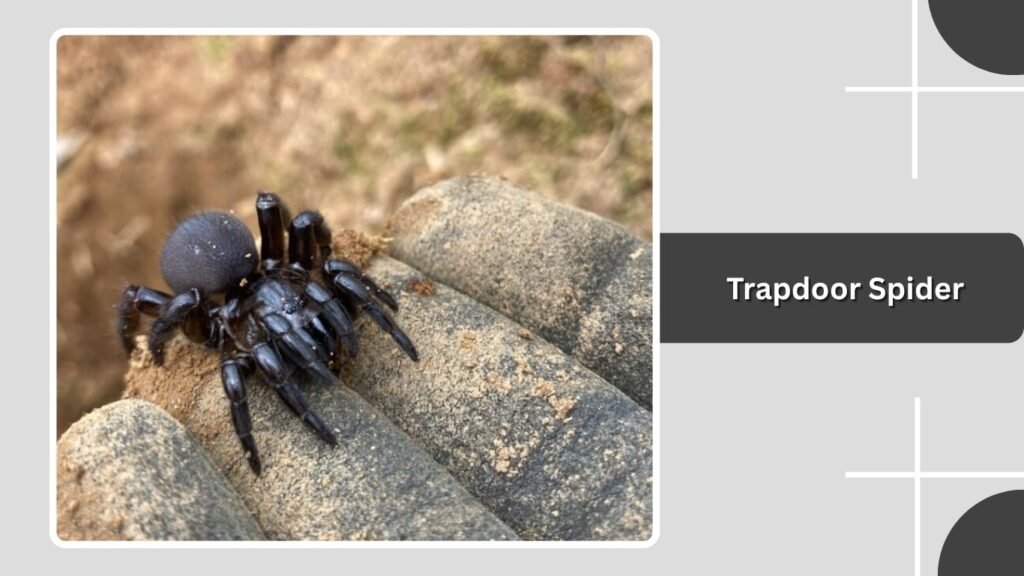
The Trapdoor Spider is a fascinating and frightening burrowing spider known for its unusual hunting strategy. Many species construct hidden underground tunnels covered with camouflaged silk-and-soil doors. These spiders remain concealed beneath the ground and suddenly emerge to capture passing insects. Their powerful jaws, stout bodies, and surprise attacks make them especially intimidating.
Identification
- Scientific Name: Ummidia spp. (representative trapdoor spiders)
- Common Name: Trapdoor Spider
- Size: Approximately 10–20 mm in body length for many Ummidia species.
- Color: Dark brown, reddish-brown, or black.
- Eyes: Eight small eyes clustered on the front body section.
- Body: Robust body with thick legs and powerful jaws.
- Habitat: Underground burrows, forests, and wooded environments.
- Distribution: Americas, Mediterranean region, and parts of Asia for Ummidia.
Habitat and Distribution
Trapdoor Spiders occur in many regions worldwide, particularly warm and temperate environments. They inhabit forests, grasslands, and wooded areas with soil suitable for burrowing.
Species in the genus Ummidia build silk-lined burrows covered by thick, camouflaged doors. However, not all spiders commonly called trapdoor spiders actually construct doors.
Behavior and Diet
Trapdoor Spiders are primarily nocturnal ambush predators that feed on beetles, crickets, ants, and other arthropods. They detect vibrations near their burrow entrances and quickly emerge to grab passing prey.
Their sudden attacks and powerful fangs make them appear frightening. Most species prefer remaining hidden underground and generally avoid encounters with humans.
16. Mouse Spider
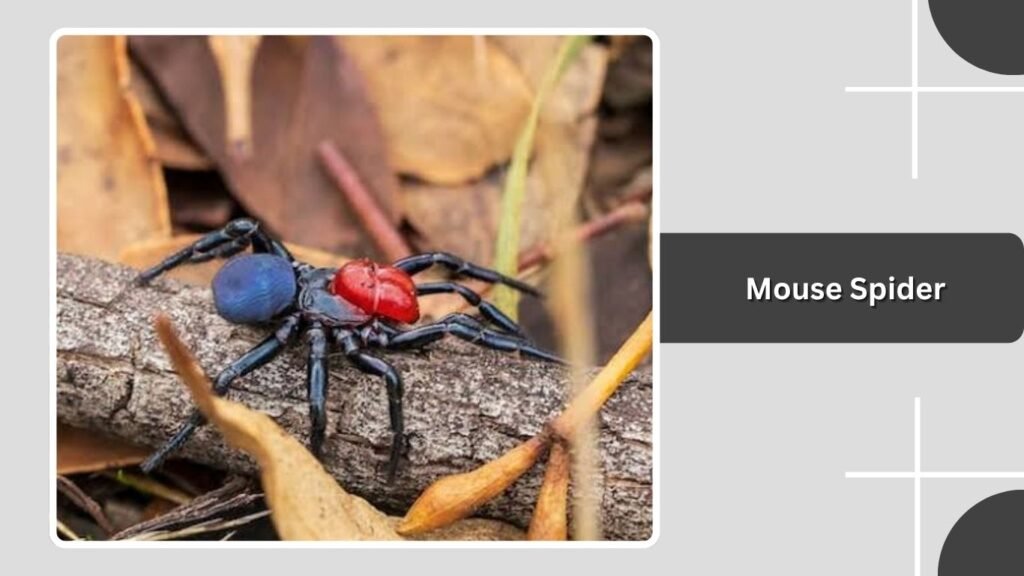
The Mouse Spider (Missulena spp.) is one of Australia’s most intimidating spiders, recognized for its heavy body, powerful fangs, and glossy appearance. Some species, particularly the Red-Headed Mouse Spider, have striking red and black coloration. Although they are smaller than many tarantulas, their robust build and potentially dangerous venom make them important spiders to recognize.
Identification
- Scientific Name: Missulena spp.
- Common Name: Mouse Spider
- Size: Approximately 10–35 mm in body length.
- Color: Black, dark brown, or black with reddish-orange markings.
- Eyes: Eight relatively small eyes.
- Body: Heavy, glossy body with a broad head region and powerful jaws.
- Habitat: Forests, grasslands, shrublands, and underground burrows.
- Distribution: Primarily Australia.
Habitat and Distribution
Mouse Spiders inhabit various Australian environments, including dry woodlands, forests, grasslands, and semi-arid regions. They construct silk-lined burrows in the ground, often beneath vegetation or in sheltered soil.
Female Mouse Spiders generally remain underground, while mature males wander in search of mates, occasionally appearing in gardens and open areas.
Behavior and Diet
Mouse Spiders are ambush predators that feed on insects and other small arthropods. They usually wait inside their burrows and capture prey approaching the entrance.
When threatened, they may raise their front legs and display their powerful fangs. Some species possess highly toxic venom capable of causing serious symptoms, although severe human envenomation is uncommon. A suspected Mouse Spider bite requires immediate emergency medical attention and appropriate first aid, similar to a funnel-web spider bite.
17. Indian Ornamental Tarantula
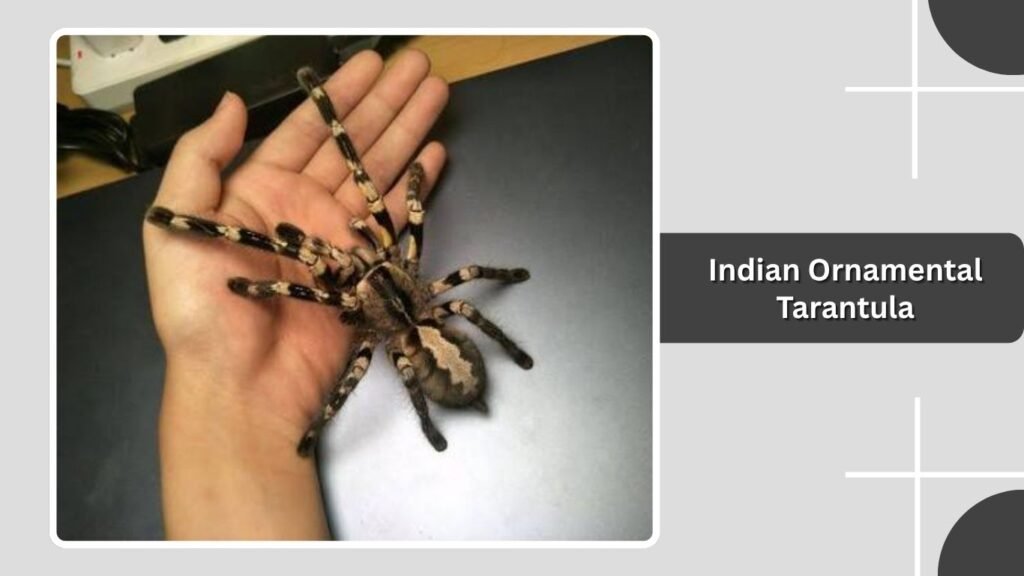
The Indian Ornamental Tarantula (Poecilotheria regalis) is one of the most beautiful yet frightening spiders native to India. Known for its striking black-and-white markings, powerful fangs, and extremely fast movements, this tree-dwelling spider has an intimidating appearance. Its long legs and distinctive yellow markings make it particularly recognizable among large tarantula species.
Identification
- Scientific Name: Poecilotheria regalis
- Common Name: Indian Ornamental Tarantula
- Size: Approximately 15–20 cm in leg span.
- Color: Gray, white, and black with bright yellow markings beneath the legs.
- Eyes: Eight small eyes grouped near the front of the head.
- Body: Large, hairy body with long, banded legs.
- Habitat: Tropical and dry deciduous forests, tree hollows, and bark crevices.
- Distribution: Central and southern India.
Habitat and Distribution
Indian Ornamental Tarantulas inhabit forested environments throughout parts of peninsular India. They prefer trees with hollow trunks, loose bark, and natural crevices that provide shelter.
These spiders are primarily arboreal, meaning they spend most of their lives above ground. Their intricate body patterns help them blend into tree bark, protecting them from predators.
Behavior and Diet
Indian Ornamental Tarantulas are nocturnal predators that feed on insects and other small animals. They use their powerful fangs to inject venom and immobilize prey.
When threatened, they may raise their front legs and display bright yellow markings. Their venom can cause severe pain and prolonged muscle cramps in humans, so bites require medical attention.
18. Chinese Bird Spider
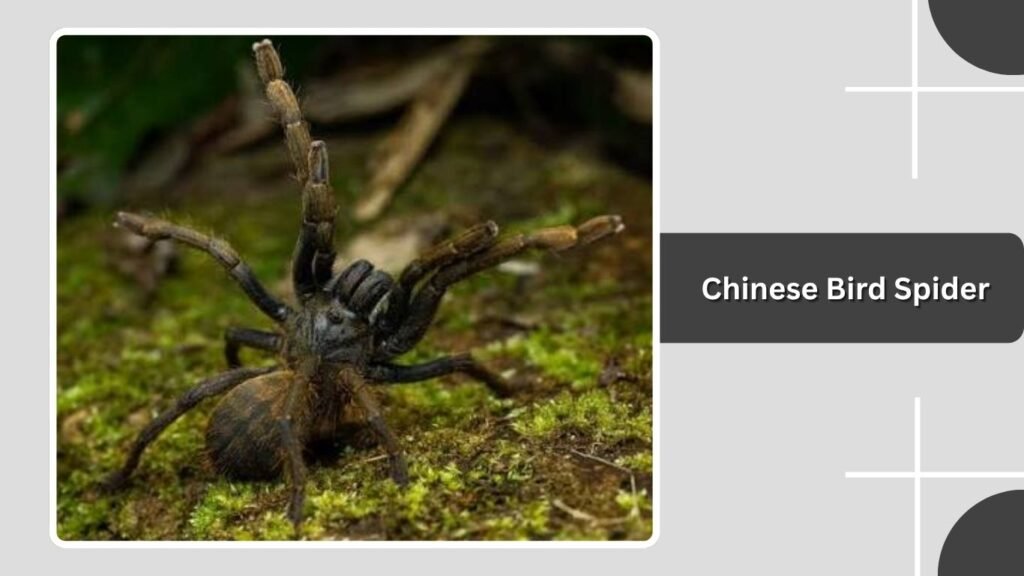
The Chinese Bird Spider (Melopoeus schmidti, also known as Cyriopagopus schmidti) is a large and intimidating tarantula found in southern China and Vietnam. Known for its robust body, strong fangs, and defensive behavior, this species has a frightening appearance. Its powerful venom and secretive underground lifestyle make it one of Asia’s most fascinating spiders.
Identification
- Scientific Name: Melopoeus schmidti (formerly Cyriopagopus schmidti)
- Common Name: Chinese Bird Spider
- Size: Adult females can reach approximately 8.5 cm in body length, including the jaws.
- Color: Yellowish-brown to dark brown with darker abdominal markings.
- Eyes: Eight small eyes grouped on a raised area of the head.
- Body: Large, hairy body with muscular legs and powerful fangs.
- Habitat: Forested hillsides, soil burrows, and sheltered underground environments.
- Distribution: Southern China and Vietnam.
Habitat and Distribution
Chinese Bird Spiders inhabit forested mountain environments in southern China, particularly Guangxi Province, and neighboring Vietnam. They prefer sheltered hillsides with soil suitable for constructing deep underground burrows.
These spiders create silk-lined tunnels that provide protection from predators and changing weather conditions. They remain hidden during daylight hours and become more active at night.
Behavior and Diet
Chinese Bird Spiders are nocturnal ambush predators that primarily feed on insects and other small arthropods. They detect vibrations near their burrow entrances and quickly capture approaching prey.
Their venom contains neuroactive peptides that help immobilize prey. Their powerful fangs and defensive behavior make them potentially dangerous to handle, and bites should receive prompt medical evaluation.
FAQs
1. What Is the Scariest Spider in the World?
The Goliath Birdeater Tarantula is often considered one of the scariest spiders because of its enormous size, hairy body, and powerful fangs. However, the Brazilian Wandering Spider and Sydney Funnel-Web Spider are particularly frightening because of their medically significant venom.
2. Which Scary Spider Is the Most Dangerous to Humans?
The Sydney Funnel-Web Spider and certain Brazilian Wandering Spiders are among the most medically dangerous spiders. Their bites can cause serious symptoms requiring emergency medical treatment. Fortunately, effective treatment and antivenom are available for some dangerous spider bites.
3. Are All Large, Scary Spiders Venomous?
Most spiders possess venom, including many large species. However, their venom varies considerably in potency. Large spiders such as Giant Huntsman Spiders and many tarantulas look frightening but are generally less medically dangerous than certain smaller spiders.
4. Where Are the Scariest Spiders Found?
Scary-looking spiders occur worldwide, particularly in tropical forests, deserts, grasslands, and warm environments. Australia is home to funnel-web and mouse spiders, South America has giant tarantulas and wandering spiders, while Asia and Africa have several impressive tarantula species.
5. What Should You Do If You Encounter a Scary Spider?
Remain calm and avoid touching or provoking the spider. Maintain a safe distance and allow it to move away naturally. If removal is necessary, contact a qualified pest professional, especially when dealing with potentially dangerous species. If bitten, seek medical advice promptly and obtain emergency care if serious symptoms develop.
