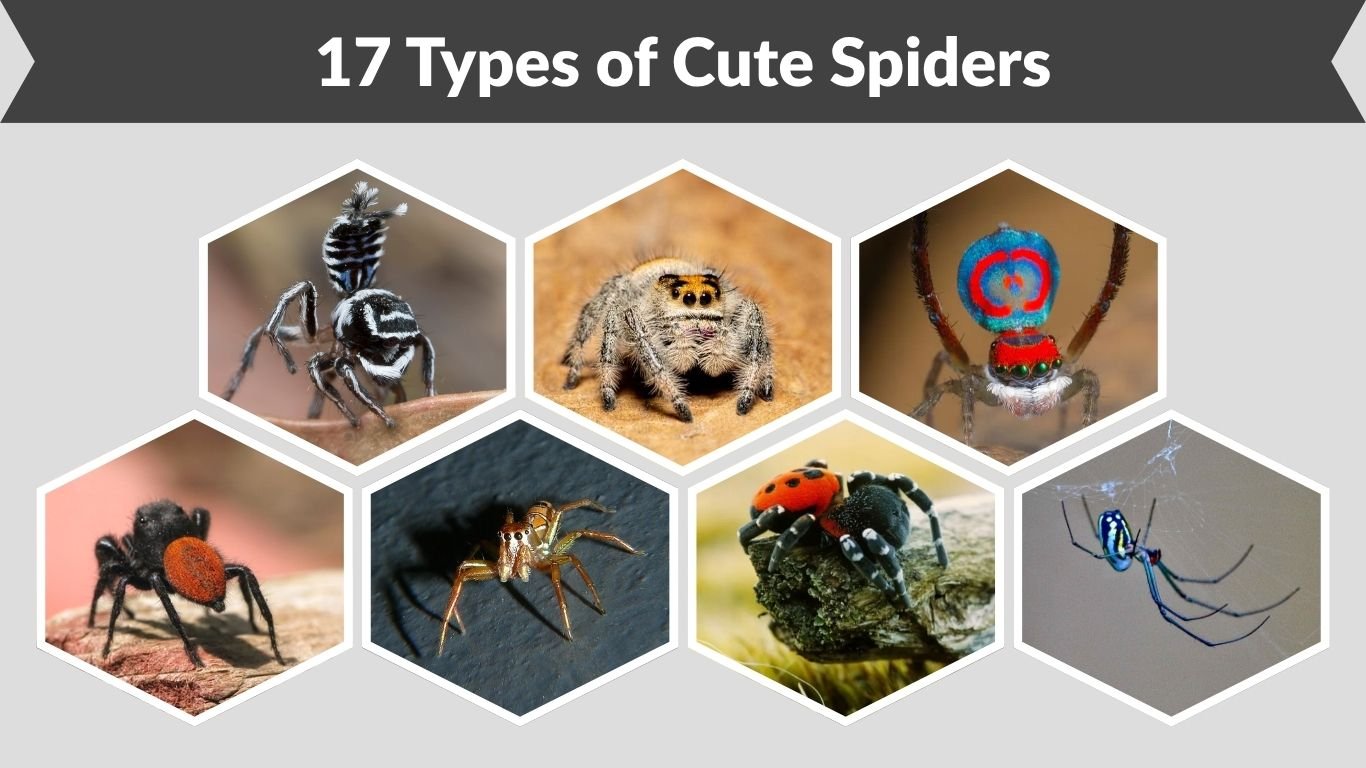
Spiders may seem scary, but some species are surprisingly adorable, with fluffy bodies, colorful patterns, and large, expressive eyes. From playful jumping spiders to beautiful peacock spiders, these tiny creatures have fascinating appearances and unique behaviors. In this guide, we’ll explore 17 types of cute spiders, including their identification, habitats, and interesting characteristics. Discover some of the world’s most charming spiders and learn what makes each species special.
1. Regal Jumping Spider
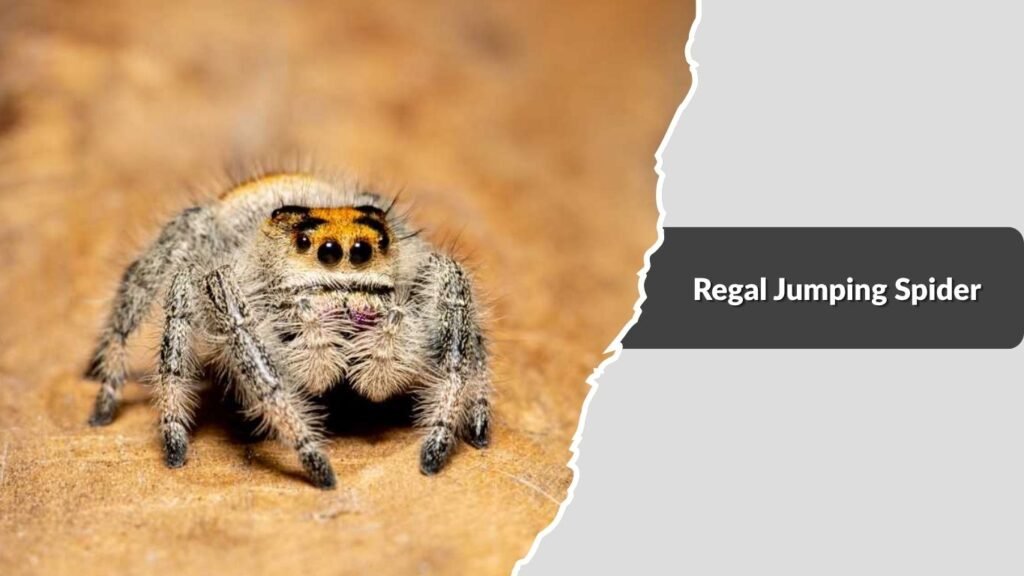
The Regal Jumping Spider (Phidippus regius) is one of the cutest spiders in the world, known for its large, expressive eyes, fluffy appearance, and playful movements. Native to the southeastern United States and the Caribbean, this small spider has a curious personality and excellent jumping abilities. Its adorable appearance and fascinating behavior make it popular among spider enthusiasts.
Identification
- Scientific Name: Phidippus regius
- Common Name: Regal Jumping Spider
- Size: Approximately 12–22 mm
- Color: Males are typically black with white markings, while females may be gray, orange, or tan.
- Eyes: Eight eyes, including two large forward-facing eyes.
- Body: Compact, hairy body with short, strong legs.
- Habitat: Gardens, shrubs, trees, and sunny outdoor areas.
- Lifespan: Usually around 1–2 years.
Habitat and Distribution
Regal Jumping Spiders commonly inhabit warm environments throughout the southeastern United States, particularly Florida. They prefer sunny gardens, bushes, tree trunks, and vegetation where insects are abundant. These spiders do not build webs to capture prey. Instead, they actively explore their surroundings and hunt small insects using their excellent vision.
Behavior and Diet
Regal Jumping Spiders are active daytime hunters that feed on flies, moths, mosquitoes, and other small arthropods. They use their powerful legs to jump accurately onto prey. Their curious head movements, fluffy bodies, and large eyes contribute to their cute appearance. Although they possess venom for hunting, they are generally harmless to humans and rarely bite unless threatened.
2. Bold Jumping Spider
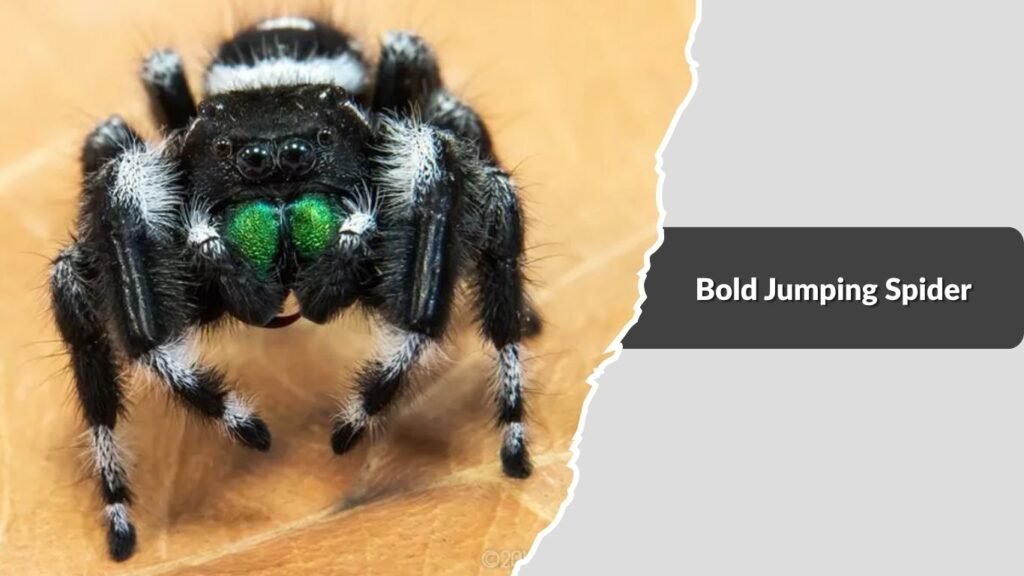
The Bold Jumping Spider (Phidippus audax) is a cute and fascinating spider recognized for its fluffy black body, bright markings, and shiny green-blue mouthparts. Its large, forward-facing eyes give it an adorable appearance, while its curious behavior makes it interesting to observe. This spider is commonly found throughout North America and is an excellent natural insect hunter.
Identification
- Scientific Name: Phidippus audax
- Common Name: Bold Jumping Spider
- Size: Approximately 6–20 mm
- Color: Mostly black with white or orange abdominal spots.
- Eyes: Eight eyes, including two prominent front-facing eyes.
- Body: Compact, hairy body with powerful jumping legs.
- Habitat: Gardens, grasslands, forests, and buildings.
- Lifespan: Generally around 1–2 years.
Habitat and Distribution
Bold Jumping Spiders inhabit various environments across North America, including the United States, Canada, and Mexico. They prefer sunny gardens, grassy fields, shrubs, and open woodlands. These adaptable spiders also live around houses, fences, and outdoor structures where small insects are plentiful.
Behavior and Diet
Bold Jumping Spiders are active daytime predators that hunt flies, mosquitoes, caterpillars, and other small arthropods. Rather than building capture webs, they stalk prey before making quick, accurate jumps. They produce silk safety lines to protect themselves while jumping.
Their curious movements, fluffy appearance, and remarkable eyesight make them especially appealing. Although capable of biting when threatened, they are generally harmless to humans.
3. Peacock Spider
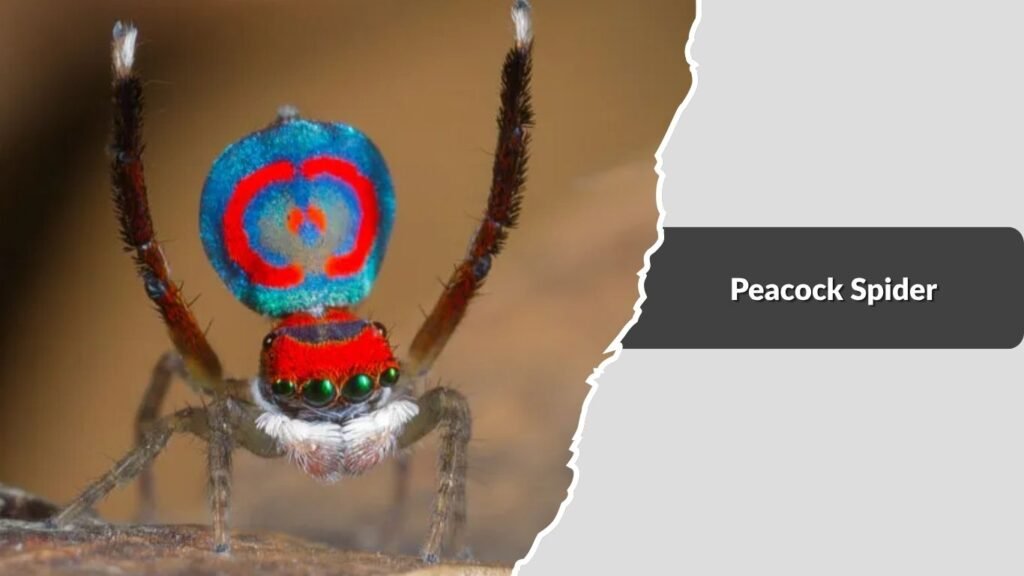
The Peacock Spider (Maratus volans) is one of the most colorful and adorable jumping spiders in the world. Native to Australia, this tiny spider is famous for its spectacular courtship dances and vibrant abdominal patterns. Male Peacock Spiders display beautiful combinations of red, blue, orange, and black while performing energetic movements to attract females.
Identification
- Scientific Name: Maratus volans
- Common Name: Peacock Spider
- Size: Approximately 4–5 mm
- Color: Males have colorful abdominal patterns; females are mostly brown and gray.
- Eyes: Eight eyes with two large forward-facing eyes.
- Body: Small, compact body with expandable abdominal flaps in males.
- Habitat: Grassy areas, leaf litter, and low vegetation.
- Lifespan: Generally around one year.
Habitat and Distribution
Peacock Spiders are native to Australia, where they inhabit open woodlands, grasslands, and areas with low-growing plants. They prefer environments with natural ground cover that provides shelter and hunting opportunities. Their small size makes them difficult to notice among vegetation.
Behavior and Diet
Peacock Spiders are active hunters that feed on tiny insects and other small arthropods. They rely on their excellent eyesight and jumping abilities to capture prey.
During courtship, males raise their colorful abdominal flaps and wave their legs while performing rhythmic dances. These fascinating displays, combined with their tiny bodies and expressive eyes, make Peacock Spiders especially cute and popular among wildlife enthusiasts.
4. Zebra Jumping Spider
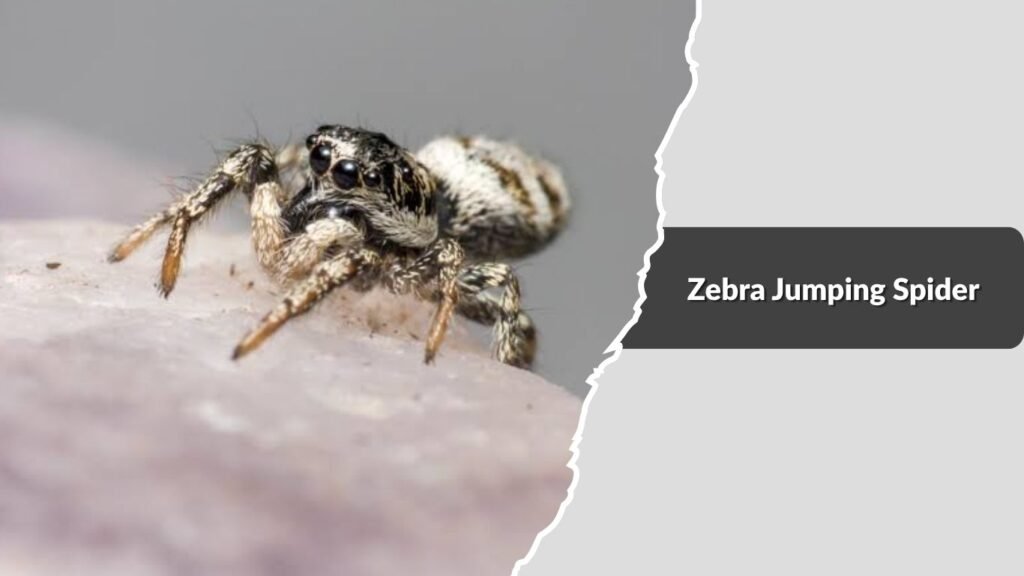
The Zebra Jumping Spider (Salticus scenicus) is a tiny, adorable spider recognized for its distinctive black-and-white striped body. Its markings resemble those of a zebra, making it easy to recognize. With large, expressive eyes and quick jumping movements, this charming spider is commonly spotted exploring walls, fences, and sunny outdoor surfaces.
Identification
- Scientific Name: Salticus scenicus
- Common Name: Zebra Jumping Spider
- Size: Approximately 4–7 mm
- Color: Black or dark brown with distinctive white stripes.
- Eyes: Eight eyes, including two prominent forward-facing eyes.
- Body: Small, hairy body with short, powerful legs.
- Habitat: Walls, fences, gardens, rocks, and buildings.
- Distribution: Europe, North America, and other temperate regions.
Habitat and Distribution
Zebra Jumping Spiders are widespread across Europe and North America. They commonly inhabit gardens, woodland edges, buildings, and rocky areas. These spiders prefer sunny surfaces, particularly walls and fences, where they can easily spot passing insects. Their adaptability allows them to survive in both urban and natural environments.
Behavior and Diet
Zebra Jumping Spiders are active daytime hunters that feed on flies, mosquitoes, and other tiny insects. They use excellent eyesight to track prey before making sudden, accurate jumps.
Their playful-looking movements, striped appearance, and curious nature make them especially appealing. They rarely bite humans and are generally considered harmless.
5. Sparklemuffin Peacock Spider
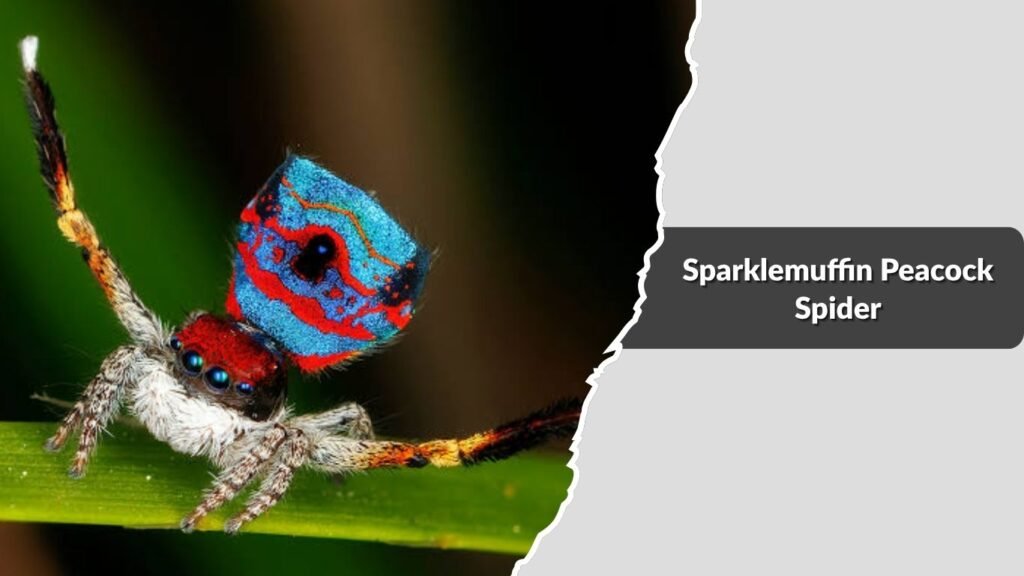
The Sparklemuffin Peacock Spider (Maratus jactatus) is one of Australia’s cutest and most colorful jumping spiders. Its unusual nickname reflects its fluffy appearance and sparkling abdominal patterns. Discovered and scientifically described in 2015, this tiny spider is particularly famous for its adorable courtship dances and bright blue-and-red markings.
Identification
- Scientific Name: Maratus jactatus
- Common Name: Sparklemuffin Peacock Spider
- Size: Approximately 4–6 mm
- Color: Males display bright blue and red abdominal patterns.
- Eyes: Eight eyes with two large forward-facing eyes.
- Body: Tiny, hairy body with colorful abdominal flaps in males.
- Habitat: Ground vegetation and leaf litter.
- Distribution: Southern Queensland, Australia.
Habitat and Distribution
Sparklemuffin Peacock Spiders have been documented in Wondul Range National Park in southern Queensland, Australia. They inhabit natural vegetation and ground-level environments where tiny insects are available. Their small bodies and subtle movements help them remain concealed among leaves and plant debris.
Behavior and Diet
Sparklemuffin Peacock Spiders are active predators that feed on tiny insects and other small arthropods. They use sharp vision and rapid jumping movements to capture prey.
During courtship, males raise their colorful abdominal flaps and perform rhythmic dances to attract females. Their fluffy legs, bright markings, and entertaining displays make them particularly charming. Despite their dramatic appearance, these spiders are not considered dangerous to humans.
6. Skeletorus Peacock Spider
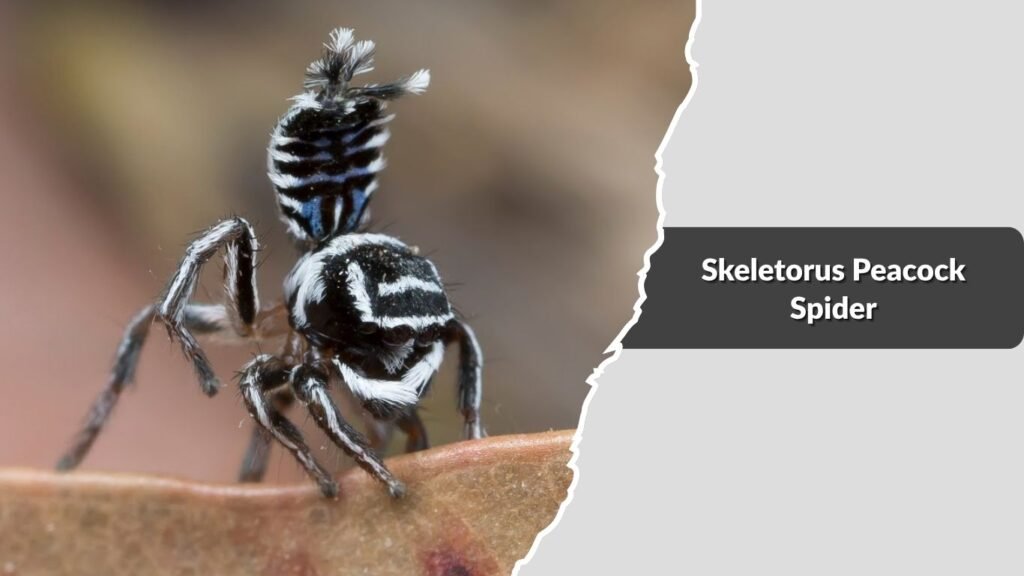
The Skeletorus Peacock Spider (Maratus sceletus) is a fascinating Australian jumping spider known for its unusual black-and-white body patterns. Unlike brightly colored peacock spiders, this species features striking markings resembling a tiny skeleton. Its distinctive appearance, expressive eyes, and energetic courtship movements make it one of the most interesting cute spiders.
Identification
- Scientific Name: Maratus sceletus
- Common Name: Skeletorus Peacock Spider
- Size: Approximately 3.7–4.7 mm
- Color: Mostly black with prominent white markings.
- Eyes: Eight eyes with large forward-facing eyes.
- Body: Compact, hairy body with skeleton-like patterns.
- Habitat: Natural ground vegetation and leaf litter.
- Distribution: Southern Queensland, Australia.
Habitat and Distribution
Skeletorus Peacock Spiders have been recorded in Wondul Range National Park in southern Queensland, Australia. They live among natural ground vegetation, where they can hunt tiny arthropods and find shelter. Their small size and dark coloration help them blend into their surroundings.
Behavior and Diet
Skeletorus Peacock Spiders actively hunt tiny insects and other small invertebrates using their excellent eyesight. Like other jumping spiders, they capture prey by stalking and jumping rather than relying on capture webs.
Male Skeletorus spiders perform elaborate courtship displays involving raised legs, rapid movements, and body vibrations. Their unusual skeletal markings and energetic behavior make them especially fascinating to observe.
7. Red-Backed Jumping Spider
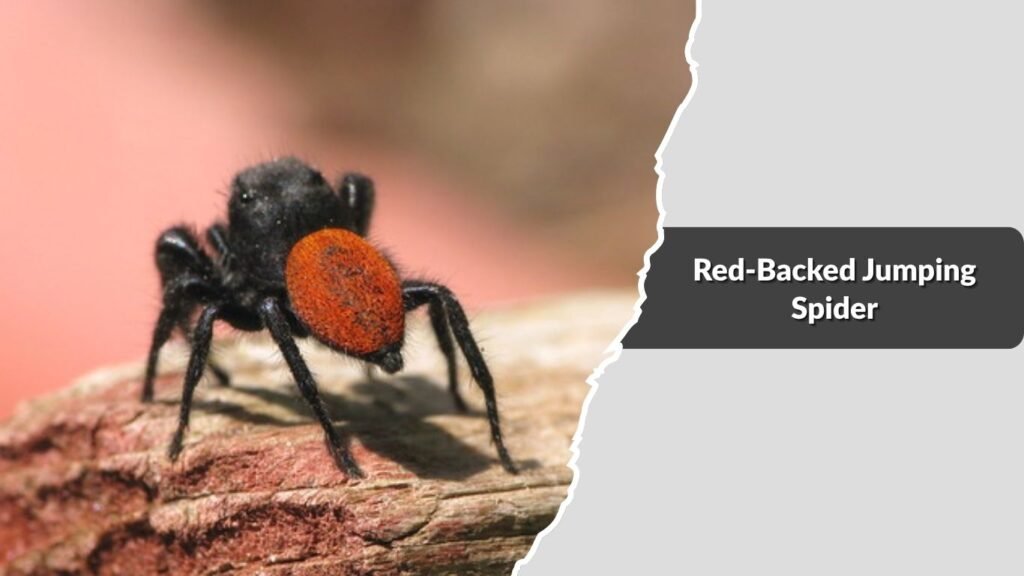
The Red-Backed Jumping Spider (Phidippus johnsoni) is a cute and colorful spider known for its bright red abdomen, shiny mouthparts, and large eyes. Native to western North America, this small spider has a fluffy black body and excellent jumping abilities. Its curious movements and striking appearance make it a fascinating species for spider enthusiasts.
Identification
- Scientific Name: Phidippus johnsoni
- Common Name: Red-Backed Jumping Spider
- Size: Approximately 8–15 mm
- Color: Black body with a bright red abdomen.
- Eyes: Eight eyes, including two large forward-facing eyes.
- Body: Compact, hairy body with strong jumping legs.
- Habitat: Gardens, woodlands, grasslands, and rocky areas.
- Distribution: Western North America.
Habitat and Distribution
Red-Backed Jumping Spiders inhabit western North America, particularly the United States, southern Canada, and northern Mexico. They prefer relatively dry environments, including open woodlands, grasslands, gardens, and coastal dunes. These spiders often shelter beneath rocks, logs, and vegetation, where they construct small silk retreats.
Behavior and Diet
Red-Backed Jumping Spiders are active daytime hunters that feed on flies, moths, caterpillars, and other spiders. They rely on excellent eyesight to locate prey before making precise jumps.
Their expressive eyes and fluffy appearance contribute to their adorable look. Although they possess venom for hunting, they are generally not dangerous to humans and usually bite only when threatened.
8. Tan Jumping Spider
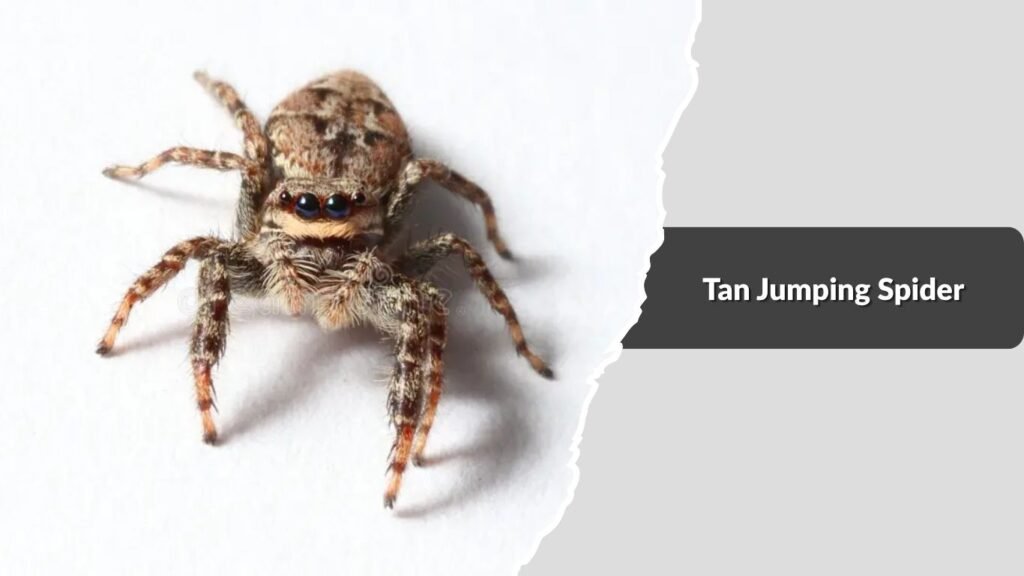
The Tan Jumping Spider (Platycryptus undatus) is a small, adorable spider recognized for its flattened body, soft brown coloration, and expressive eyes. Its distinctive camouflage helps it blend into tree bark and wooden surfaces. Common throughout North America, this spider is particularly fascinating because of its curious behavior and ability to jump accurately.
Identification
- Scientific Name: Platycryptus undatus
- Common Name: Tan Jumping Spider
- Size: Approximately 8–13 mm
- Color: Tan, gray, and brown with dark abdominal markings.
- Eyes: Eight eyes with two prominent forward-facing eyes.
- Body: Flattened, hairy body with powerful legs.
- Habitat: Tree trunks, fences, gardens, and buildings.
- Distribution: North America.
Habitat and Distribution
Tan Jumping Spiders commonly inhabit forests, gardens, parks, and residential areas throughout North America. They are frequently found on tree trunks, wooden fences, and house walls. Their flattened bodies allow them to hide beneath loose bark and inside narrow crevices.
These spiders prefer locations where insects are abundant and suitable hiding places are available.
Behavior and Diet
Tan Jumping Spiders actively hunt flies, mosquitoes, moths, and other small arthropods. Instead of using webs to capture food, they carefully approach prey and leap forward with remarkable accuracy.
Their large eyes and curious head movements make them especially cute. They sometimes turn toward nearby people as if observing them. Tan Jumping Spiders are generally harmless and rarely bite unless handled roughly.
9. Emerald Jumping Spider
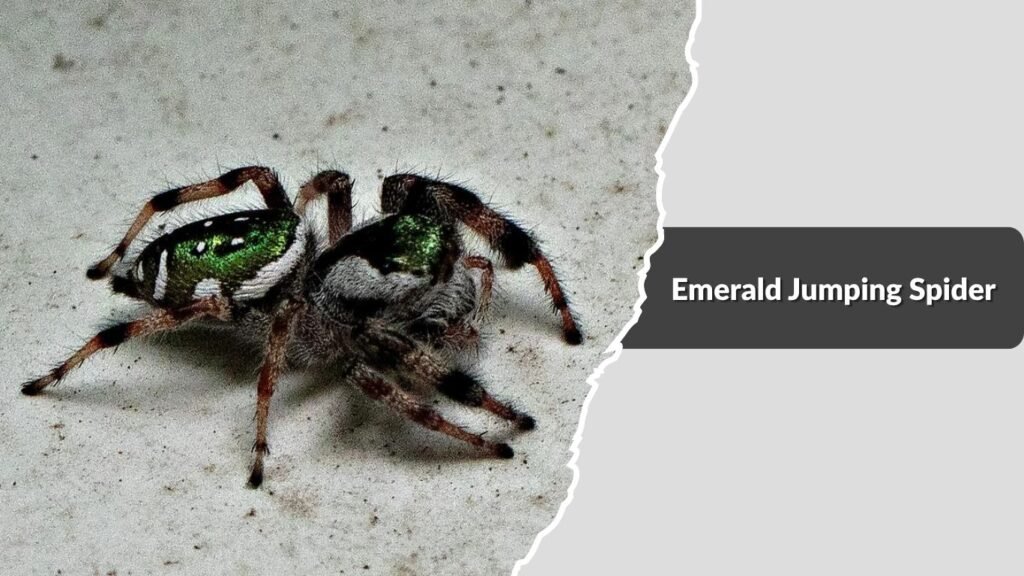
The Emerald Jumping Spider (Paraphidippus aurantius) is a beautiful and fascinating spider known for its metallic green coloration and large, expressive eyes. Sometimes called the Golden Jumping Spider, this species features shimmering green or bronze markings that make it particularly attractive. Its compact body, curious movements, and impressive jumping abilities make it one of the cutest colorful spiders.
Identification
- Scientific Name: Paraphidippus aurantius
- Common Name: Emerald Jumping Spider
- Size: Approximately 7–12 mm
- Color: Metallic green, bronze, or dark green with pale markings.
- Eyes: Eight eyes, including two large forward-facing eyes.
- Body: Compact, hairy body with iridescent coloration.
- Habitat: Gardens, shrubs, forests, and leafy vegetation.
- Distribution: United States to Central America and the Caribbean.
Habitat and Distribution
Emerald Jumping Spiders inhabit warm and temperate environments across parts of North America, Central America, and the Caribbean. They are commonly associated with vegetation, including shrubs, tree branches, and garden plants. Their green coloration helps them blend into leafy surroundings while searching for prey.
Behavior and Diet
Emerald Jumping Spiders are active predators that feed on flies, small insects, and other spiders. They rely on excellent vision and strong jumping legs to capture prey without building capture webs.
Their shimmering green bodies, adorable eyes, and curious behavior make them particularly appealing. They are not considered medically significant to humans and generally avoid confrontation.
10. Clown Spider
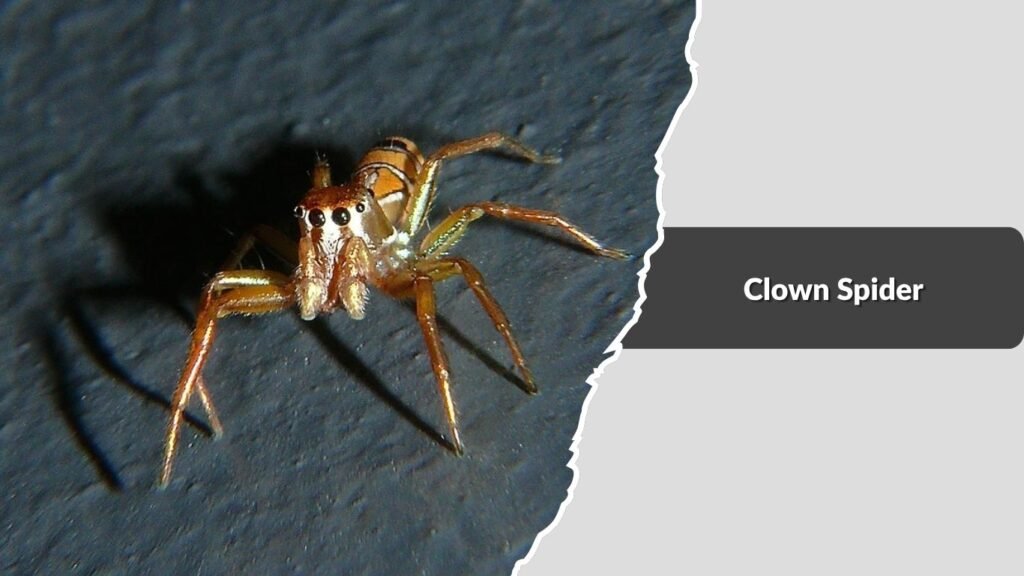
The Clown Spider (Mopsus mormon) is a colorful Australian jumping spider famous for its unusual facial appearance and distinctive hairy markings. Also known as the Northern Green Jumping Spider, this species features beautiful green coloration and prominent eyes. Male spiders have white hair tufts around their faces, giving them a funny, clown-like appearance.
Identification
- Scientific Name: Mopsus mormon
- Common Name: Clown Spider
- Size: Approximately 10–20 mm
- Color: Bright green with yellow, white, and darker markings.
- Eyes: Eight eyes, including two large forward-facing eyes.
- Body: Hairy, elongated body with noticeable facial tufts in males.
- Habitat: Tropical vegetation, gardens, and forests.
- Distribution: Australia and New Guinea.
Habitat and Distribution
Clown Spiders primarily inhabit warmer regions of Australia and New Guinea. They are particularly common in Queensland, where they live among leafy vegetation, shrubs, and garden plants. Their green coloration provides excellent camouflage against leaves, making them difficult to notice while resting or hunting.
Behavior and Diet
Clown Spiders are active daytime hunters that feed on insects and other spiders. They use their excellent eyesight and powerful legs to stalk and jump onto prey.
Their adorable facial tufts and curious movements make them fascinating to observe. However, unlike many smaller jumping spiders, this relatively large species can deliver a painful bite if handled or provoked.
11. Hawaiian Happy-Face Spider
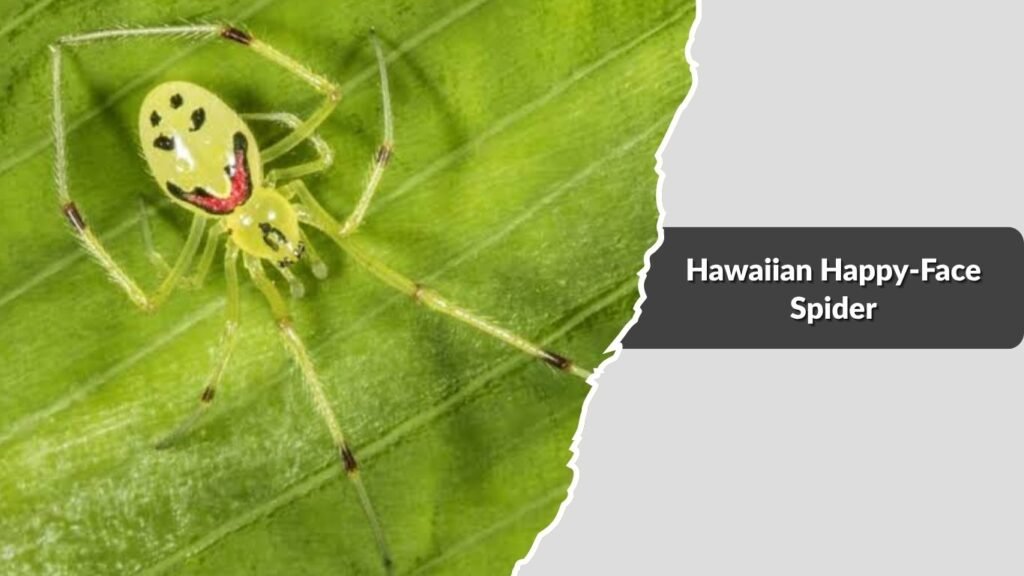
The Hawaiian Happy-Face Spider (Theridion grallator) is one of the world’s most unusual and adorable spiders. Its small, rounded abdomen sometimes displays colorful markings resembling a smiling face. Native to Hawaii, this tiny spider is famous for its cheerful appearance and remarkable variety of body patterns. However, not every individual has a visible smile.
Identification
- Scientific Name: Theridion grallator
- Common Name: Hawaiian Happy-Face Spider
- Size: Approximately 3–5 mm
- Color: Pale yellow with variable red, black, or white markings.
- Eyes: Eight small eyes.
- Body: Small body with a rounded abdomen and slender legs.
- Habitat: Moist forests and undersides of leaves.
- Distribution: Hawaiian Islands.
Habitat and Distribution
Hawaiian Happy-Face Spiders are endemic to Hawaii, occurring on Oahu, Molokai, Maui, and Hawaii Island. They inhabit humid forests, particularly areas with dense vegetation and broad leaves. These tiny spiders usually remain underneath leaves, where they find protection from predators and unfavorable weather.
Behavior and Diet
Hawaiian Happy-Face Spiders feed on small insects and other tiny arthropods. Unlike jumping spiders, they use delicate silk webs beneath leaves to capture prey.
Their most fascinating feature is their variable abdominal pattern. Some individuals display recognizable smiling faces, while others have different markings or lack patterns entirely. Their cheerful-looking appearance makes them especially popular among nature enthusiasts.
12. Ladybird Spider
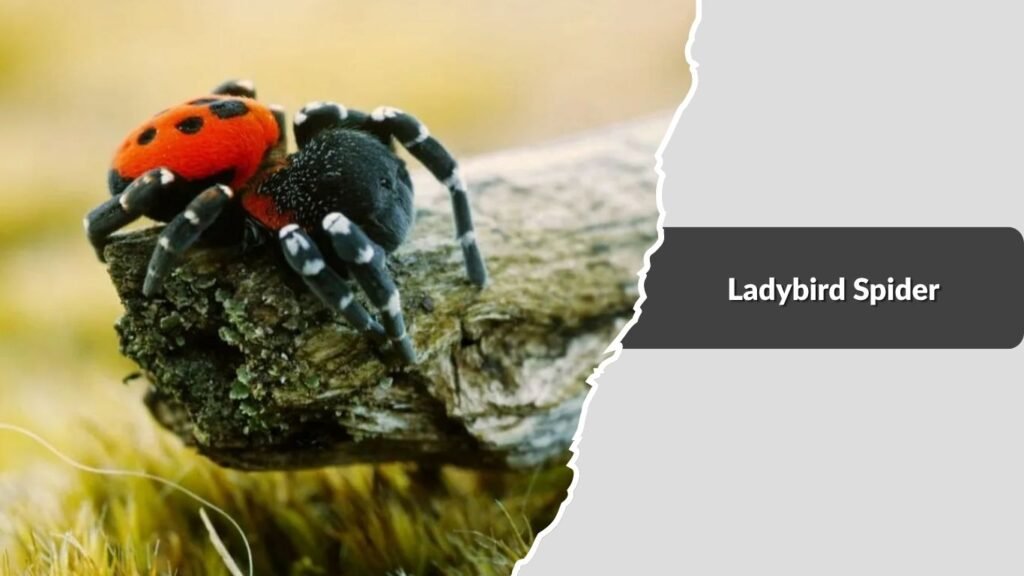
The Ladybird Spider (Eresus sandaliatus) is one of Europe’s most beautiful and unusual spiders. Adult males have bright red abdomens decorated with black spots, closely resembling ladybird beetles. Their velvety bodies, short legs, and distinctive markings give them an adorable appearance. This rare spider is particularly famous for its striking coloration and fascinating underground lifestyle.
Identification
- Scientific Name: Eresus sandaliatus
- Common Name: Ladybird Spider
- Size: Approximately 6–16 mm, depending on sex.
- Color: Males have red abdomens with black spots; females are mostly black.
- Eyes: Eight relatively small eyes.
- Body: Compact, velvety body with strong legs.
- Habitat: Dry heathlands and sandy grasslands.
- Distribution: Parts of northern and central Europe.
Habitat and Distribution
Ladybird Spiders inhabit dry, sandy environments across parts of Europe. They prefer warm heathlands with low vegetation and well-drained soil. These spiders construct silk-lined underground burrows, which provide protection from predators and harsh weather.
In the United Kingdom, they are exceptionally rare and mainly associated with protected heathlands in Dorset.
Behavior and Diet
Ladybird Spiders primarily hunt ground-dwelling insects, including beetles and ants. They construct silk structures around their burrow entrances to detect and capture passing prey.
Mature males leave their burrows to search for females during the breeding season. Their bright red coloration and contrasting black spots make them particularly attractive, while their secretive behavior adds to their fascinating nature.
13. Goldenrod Crab Spider
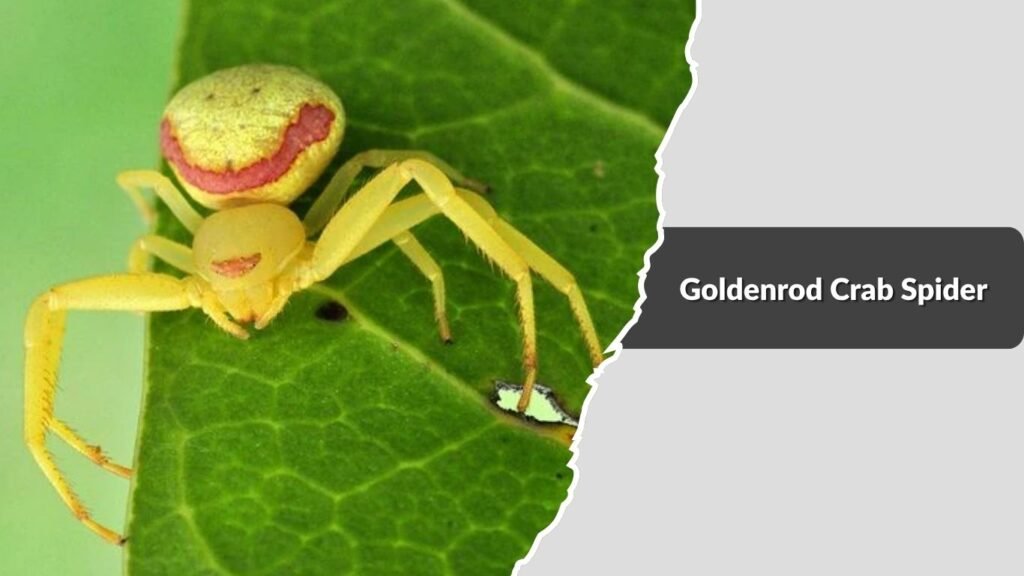
The Goldenrod Crab Spider (Misumena vatia) is a cute and fascinating spider known for its ability to change between white and yellow coloration. Its tiny body, sideways-walking movements, and crab-like legs make it particularly adorable. Commonly found on flowers, this spider is an expert at camouflage and patiently waits for unsuspecting insects to approach.
Identification
- Scientific Name: Misumena vatia
- Common Name: Goldenrod Crab Spider
- Size: Approximately 3–9 mm
- Color: White or yellow, sometimes with reddish markings.
- Eyes: Eight small eyes arranged across the head.
- Body: Flattened body with two enlarged pairs of front legs.
- Habitat: Flower gardens, meadows, and grasslands.
- Distribution: North America and Europe.
Habitat and Distribution
Goldenrod Crab Spiders inhabit flower-rich environments throughout North America and Europe. They are commonly found on goldenrod, daisies, and other flowering plants. Their ability to change coloration gradually helps females blend into white or yellow flowers, making them difficult for prey and predators to notice.
These spiders prefer sunny meadows, gardens, and woodland edges with abundant flowering vegetation.
Behavior and Diet
Goldenrod Crab Spiders are ambush predators that feed on bees, flies, butterflies, and other flower-visiting insects. Instead of building capture webs, they remain motionless on flowers and grab approaching prey with their powerful front legs.
Their unusual sideways movements, tiny bodies, and excellent camouflage make them fascinating to observe. They are beneficial garden predators and generally pose little risk to humans.
14. Spiny-Backed Orb-Weaver Spider
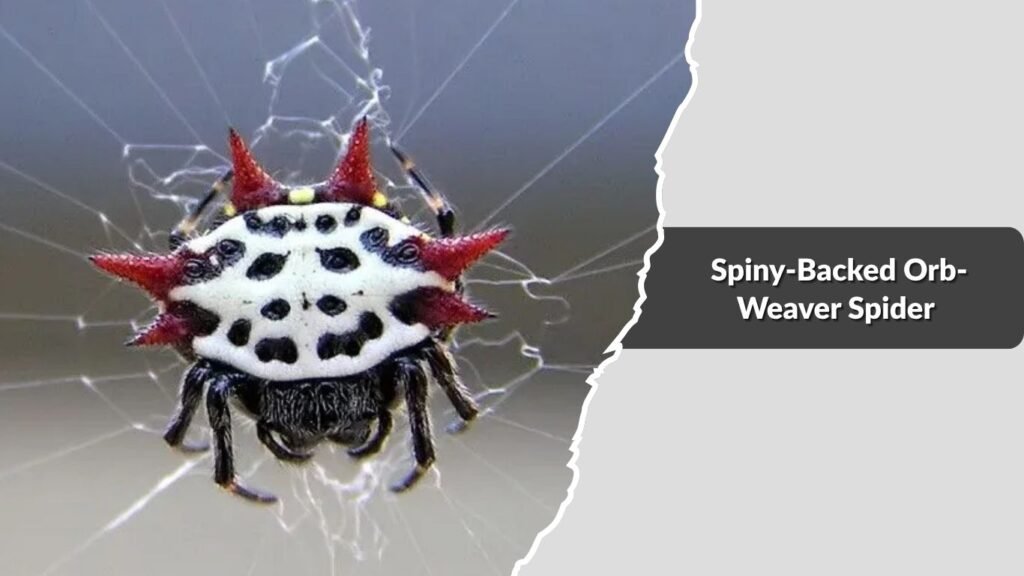
The Spiny-Backed Orb-Weaver Spider (Gasteracantha cancriformis) is one of the cutest and most unusual-looking spiders in tropical and subtropical regions. Its flattened, colorful abdomen features six pointed spines, giving it an appearance resembling a tiny crab or decorative ornament. Its bright coloration and distinctive body shape make it especially attractive to spider enthusiasts.
Identification
- Scientific Name: Gasteracantha cancriformis
- Common Name: Spiny-Backed Orb-Weaver Spider
- Size: Females measure approximately 5–9 mm long.
- Color: White, yellow, or darker abdomen with contrasting spots and spines.
- Eyes: Eight relatively small eyes.
- Body: Broad, flattened abdomen with six prominent spines in females.
- Habitat: Gardens, forests, shrubs, and woodland edges.
- Distribution: Southern United States, Central America, and South America.
Habitat and Distribution
Spiny-Backed Orb-Weaver Spiders inhabit warm regions extending from the southern United States through Central America into northern Argentina. They commonly occupy gardens, forests, and areas with dense vegetation.
These spiders construct circular webs between branches and shrubs, often in sunny locations where flying insects are abundant.
Behavior and Diet
Spiny-Backed Orb-Weaver Spiders capture small flying insects using sticky, circular webs. They usually remain near the center of their webs, waiting for vibrations that indicate trapped prey.
Their unusual spines may help discourage predators, while their colorful bodies give them a distinctive appearance. Despite their sharp-looking abdominal projections, these spiders are generally harmless to humans.
15. Cat-Faced Spider
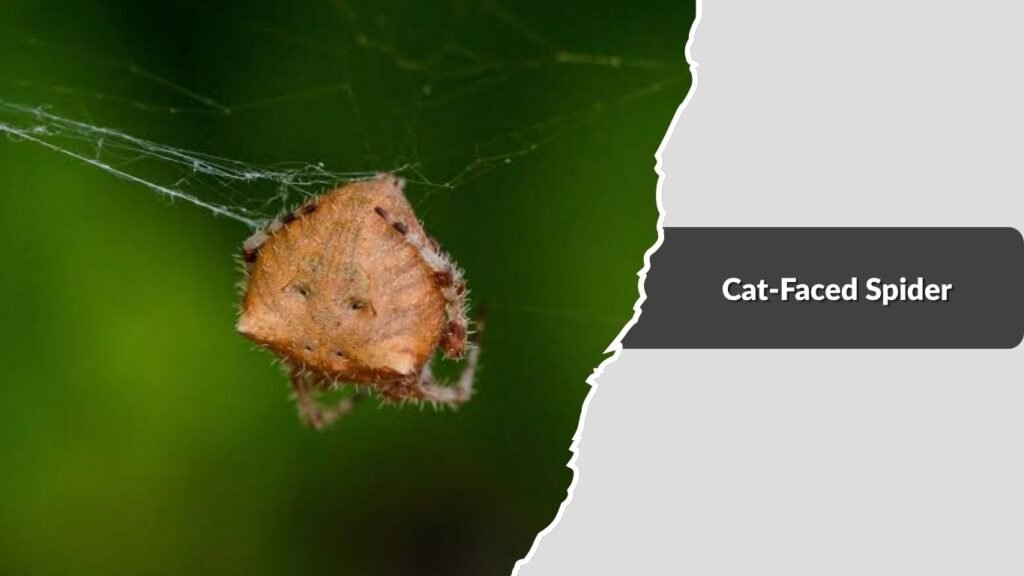
The Cat-Faced Spider (Araneus gemmoides) is an adorable orb-weaving spider named for the unusual markings on its rounded abdomen. Two prominent bumps resemble cat ears, while additional patterns can create the appearance of a feline face. Its chunky body, soft coloration, and distinctive shape make it one of the most interesting spiders found in North America.
Identification
- Scientific Name: Araneus gemmoides
- Common Name: Cat-Faced Spider
- Size: Females approximately 13–25 mm; males 5–8 mm.
- Color: Brown, tan, orange, yellowish, or gray.
- Eyes: Eight relatively small eyes.
- Body: Large, rounded abdomen with two ear-like projections.
- Habitat: Gardens, fences, porches, and wooded areas.
- Distribution: Western and central North America.
Habitat and Distribution
Cat-Faced Spiders commonly inhabit gardens, grasslands, forests, and residential environments across western and central North America. They frequently construct large circular webs near fences, buildings, and porch lights, where flying insects are plentiful.
During the daytime, these spiders often rest in sheltered locations near their webs, becoming more active during evening hours.
Behavior and Diet
Cat-Faced Spiders primarily feed on flies, moths, mosquitoes, and other flying insects. They capture prey using sticky orb-shaped webs and detect trapped insects through vibrations.
Females are significantly larger than males and develop particularly rounded abdomens. Their cat-like markings and unusual body shape contribute to their cute appearance. Although they can bite defensively, they are not considered medically dangerous to humans.
16. Orchard Orb-Weaver Spider
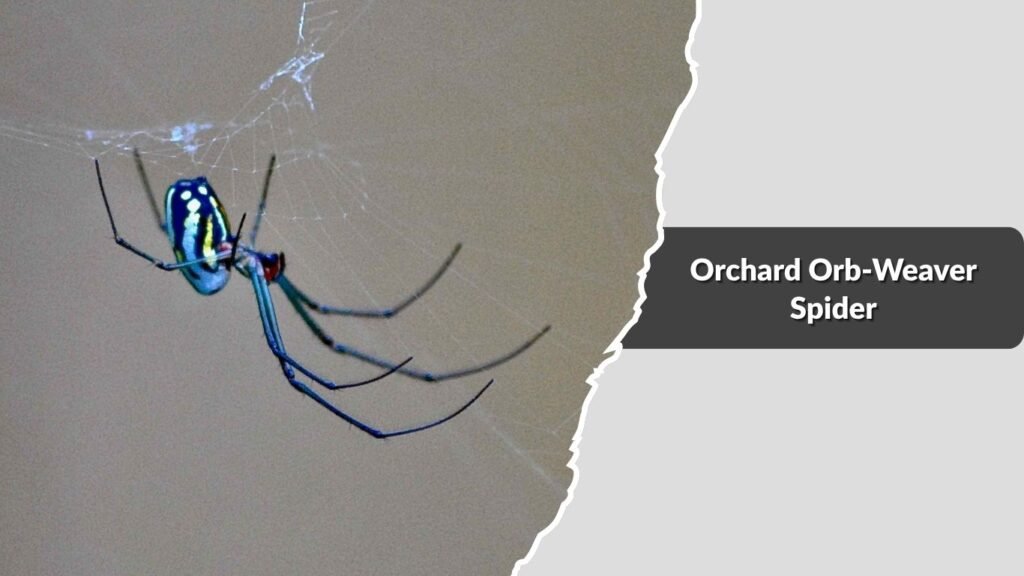
The Orchard Orb-Weaver Spider (Leucauge venusta) is a beautiful and delicate spider known for its metallic silver abdomen, bright green legs, and colorful markings. Its shiny appearance and small body make it one of the cutest orb-weaving spiders. Commonly found in gardens and wooded areas, this species creates elegant circular webs that often sparkle in sunlight.
Identification
- Scientific Name: Leucauge venusta
- Common Name: Orchard Orb-Weaver Spider
- Size: Approximately 3.5–7.5 mm
- Color: Metallic silver, green, yellow, orange, and black.
- Eyes: Eight small eyes.
- Body: Slender body with an elongated, colorful abdomen.
- Habitat: Gardens, orchards, forests, and shrubs.
- Distribution: North America.
Habitat and Distribution
Orchard Orb-Weaver Spiders are widespread throughout much of eastern and central North America. They commonly inhabit gardens, orchards, woodland edges, and areas with dense shrubs.
These spiders build delicate, circular webs between branches and low vegetation. Their webs are usually positioned horizontally or at an angle, making them effective for catching small flying insects.
Behavior and Diet
Orchard Orb-Weaver Spiders primarily feed on flies, mosquitoes, and other tiny flying insects. They typically hang upside down beneath the center of their webs, waiting for prey to become trapped.
Their slender green legs, shimmering abdomens, and colorful markings give them a jewel-like appearance. They are generally harmless to humans and help control small insect populations in gardens.
17. Brazilian Jewel Tarantula
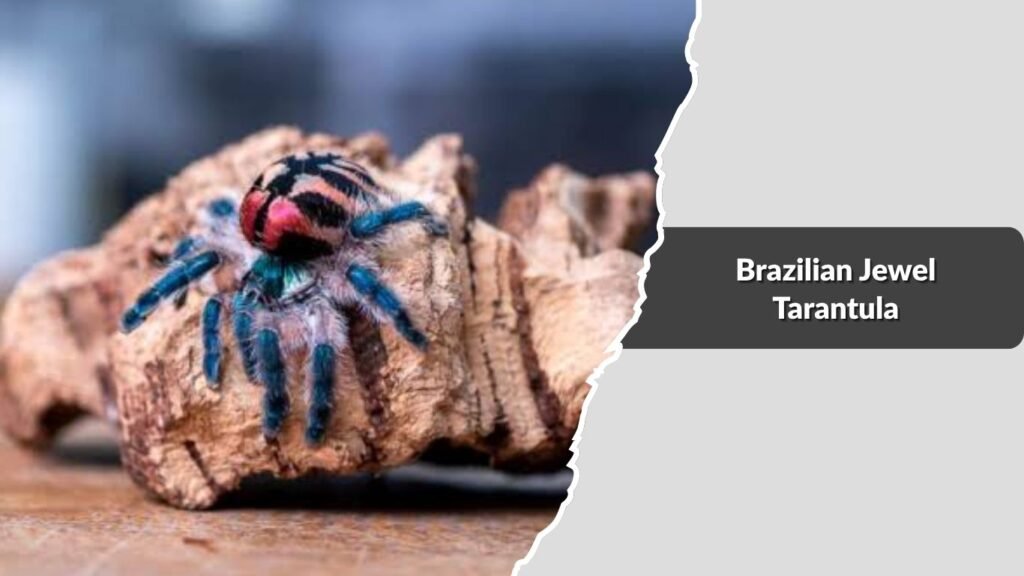
The Brazilian Jewel Tarantula (Typhochlaena seladonia) is one of the most colorful and visually stunning tarantulas in the world. Its body displays brilliant combinations of metallic blue, green, pink, and gold, resembling a tiny living gemstone. Unlike many larger tarantulas, this species has a relatively small body, making its vibrant appearance even more remarkable.
Identification
- Scientific Name: Typhochlaena seladonia
- Common Name: Brazilian Jewel Tarantula
- Size: Adults have a leg span of approximately 4–6 cm.
- Color: Metallic blue, green, pinkish-red, and gold.
- Eyes: Eight small eyes.
- Body: Compact, hairy body with iridescent markings.
- Habitat: Tropical forests and tree bark.
- Distribution: Northeastern Brazil.
Habitat and Distribution
Brazilian Jewel Tarantulas are native to northeastern Brazil, particularly the Atlantic Forest regions of Bahia and Sergipe. They inhabit trees and create specialized silk-lined retreats beneath or against tree bark.
Unlike most tarantulas, these spiders construct tiny camouflaged trapdoors using silk and pieces of bark. These structures provide protection from predators and conceal their presence.
Behavior and Diet
Brazilian Jewel Tarantulas are ambush predators that feed on insects and other small arthropods. They typically remain hidden inside their tree-bark retreats and emerge when suitable prey approaches.
Their brilliant coloration, small size, and unusual trapdoor-building behavior make them especially fascinating. Although beautiful, they are delicate spiders and should not be handled casually.
FAQs
1. What Is the Cutest Spider in the World?
The Regal Jumping Spider is widely considered one of the cutest spiders because of its large, expressive eyes, fluffy body, and curious movements. Peacock Spiders are also popular for their colorful appearances and entertaining courtship dances.
2. Are Cute Spiders Dangerous to Humans?
Most spiders considered cute are not dangerous to humans. Jumping spiders, crab spiders, and orb-weavers generally avoid confrontation and rarely bite. However, all spiders should be observed carefully rather than handled unnecessarily.
3. Why Do Jumping Spiders Look So Cute?
Jumping spiders have two large, forward-facing eyes, compact bodies, and often fluffy appearances. Their head movements and curious behavior make them seem expressive and playful, contributing to their adorable appearance.
4. Which Cute Spider Is the Most Colorful?
Peacock Spiders and Brazilian Jewel Tarantulas are among the most colorful spiders. Male Peacock Spiders display vibrant patterns during courtship, while Brazilian Jewel Tarantulas feature striking metallic blue, green, and pinkish-red coloration.
5. Can Cute Spiders Be Kept as Pets?
Yes, some jumping spiders, especially Regal Jumping Spiders and Bold Jumping Spiders, can be kept as pets with appropriate care. They require secure enclosures, suitable humidity and temperature, live food, and access to clean water. Captive-bred individuals are generally preferable to wild-caught spiders.
