
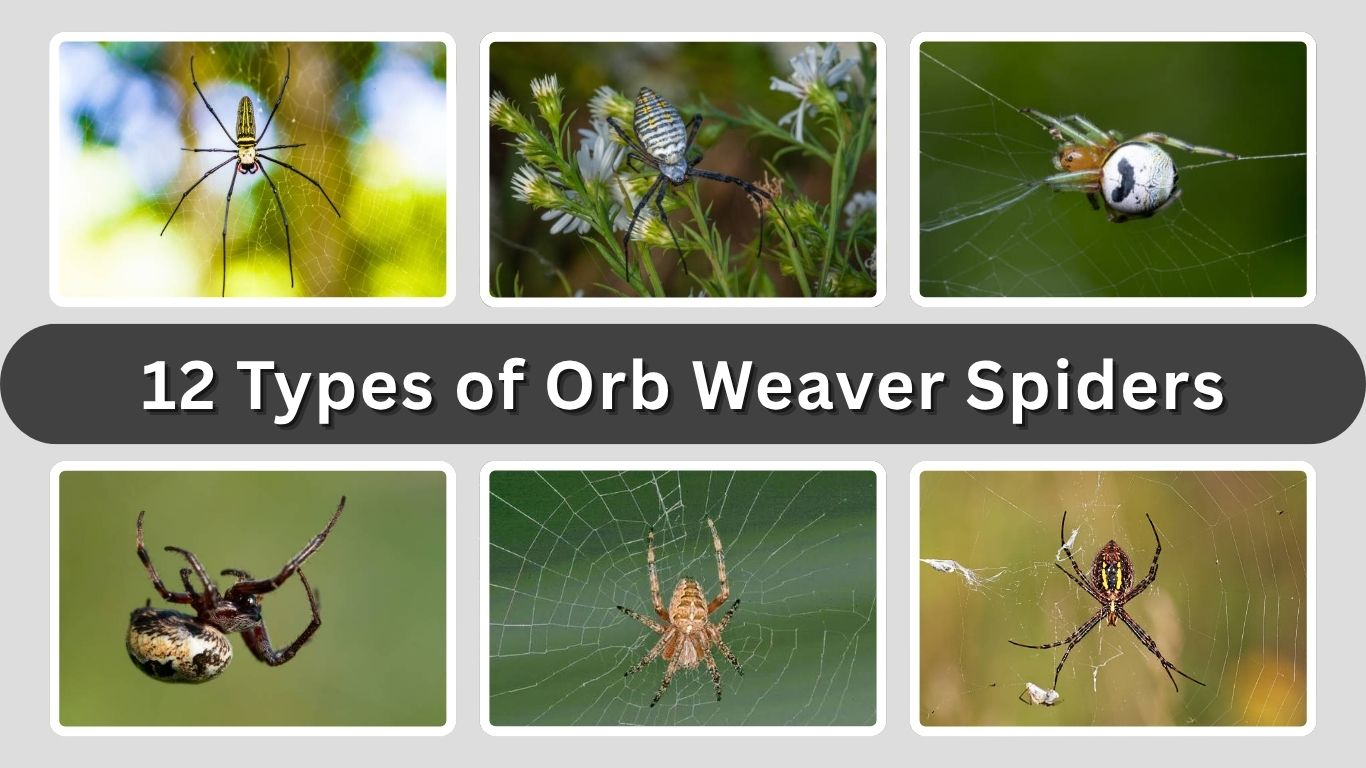
Orb weaver spiders are some of the most recognizable spiders because of their round, wheel-shaped webs. They live in gardens, forests, fields, orchards, shrubs, and around homes where flying insects are common. Many orb weavers have colorful bodies, patterned abdomens, and long banded legs, making them easier to identify than many other spiders. Although they may look scary, most orb weavers are harmless to humans and helpful outdoors. They catch mosquitoes, flies, moths, beetles, and other pests naturally, making them useful predators in gardens and yards.
1. Garden Orb Weaver
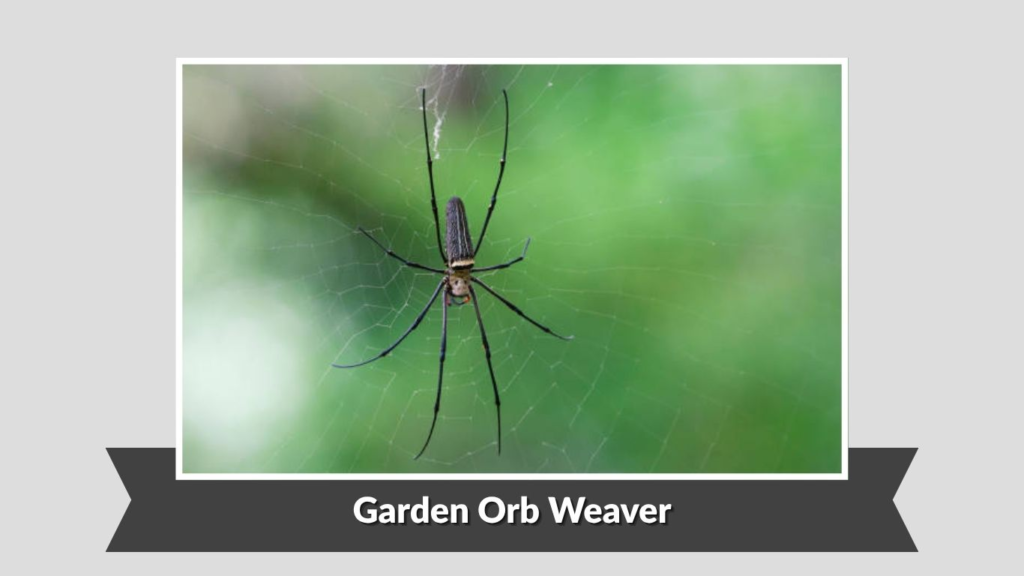
The Garden Orb Weaver is one of the most common orb-weaving spiders found in yards, gardens, fields, and wooded edges. It is best known for building large, round webs between plants, fences, tree branches, and outdoor structures. These spiders are helpful predators because they catch flies, mosquitoes, moths, beetles, and other small insects.
Identification
- Rounded, bulky abdomen
- Usually brown, orange, gray, or reddish in color
- Legs often have dark bands or markings
- Females are usually larger than males
- Builds a classic circular web
- Often seen sitting in the center of the web at night
- Body color can vary depending on species and location
Habitat
Garden Orb Weavers usually live in areas with plenty of plants and flying insects. They are often found in gardens, shrubs, tall grass, wood edges, porches, and near outdoor lights. Their webs are commonly stretched between branches, flower stems, fences, and railings. They prefer places where insects regularly fly through.
Web and Hunting Behavior
This spider does not chase prey on the ground. Instead, it builds a sticky orb-shaped web and waits for insects to get trapped. When an insect hits the web, the spider quickly moves toward it, wraps it in silk, and bites it. Many Garden Orb Weavers rebuild or repair their webs regularly, especially after wind, rain, or heavy prey damage.
Are Garden Orb Weavers Dangerous?
Garden Orb Weavers are not considered dangerous to humans. They are shy and usually avoid people. A bite is rare and normally happens only if the spider is squeezed or handled. For most people, a bite may cause mild redness, swelling, or irritation, similar to a bee sting. These spiders are more helpful than harmful because they naturally reduce garden pests.
2. Spiny-backed Orb Weaver
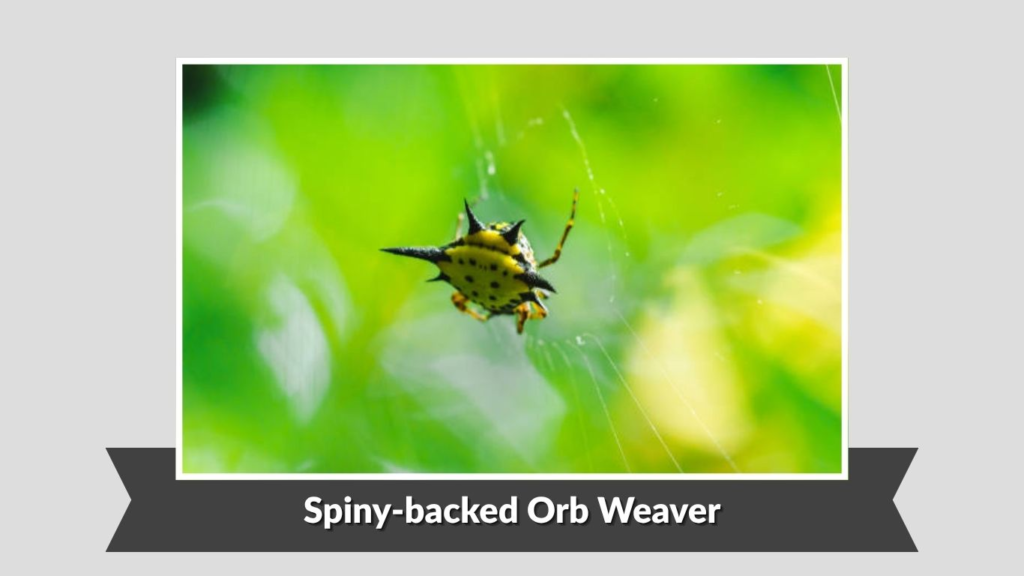
The Spiny-backed Orb Weaver is a small but eye-catching orb-weaving spider known for its hard, shell-like abdomen and sharp spines. It is often found in gardens, shrubs, woodlands, citrus groves, and around homes. Although its appearance may look strange or intimidating, this spider is harmless to humans and helps control small flying insects.
Identification
- Small spider with a wide, flat abdomen
- Abdomen has noticeable pointed spines around the edges
- Often white, yellow, orange, red, or black in color
- Shell-like body shape makes it easy to recognize
- Females are much larger and more colorful than males
- Builds a circular orb web in plants, shrubs, or trees
- Web may contain small silk tufts or decorations
Habitat
Spiny-backed Orb Weavers usually live in warm, sunny areas with plenty of vegetation. They are common in gardens, wooded edges, orchards, shrubs, and around fences. They often build webs between tree branches, bushes, and tall plants. In some places, they are frequently seen near homes, especially where outdoor lights attract insects.
Web and Feeding Behavior
This spider catches prey by building a sticky orb-shaped web. Small flying insects such as flies, mosquitoes, moths, and tiny beetles become trapped in the web. The spider then moves in, bites the prey, and wraps it in silk. Spiny-backed Orb Weavers often rebuild their webs when damaged by wind, rain, or larger insects.
Are Spiny-backed Orb Weavers Dangerous?
Spiny-backed Orb Weavers are not dangerous to people. Their spiny body may look scary, but they are shy spiders that prefer to stay in their webs. They rarely bite, and bites are not considered medically serious. In gardens and yards, they are beneficial because they naturally reduce small insect populations.
3. Marbled Orb Weaver
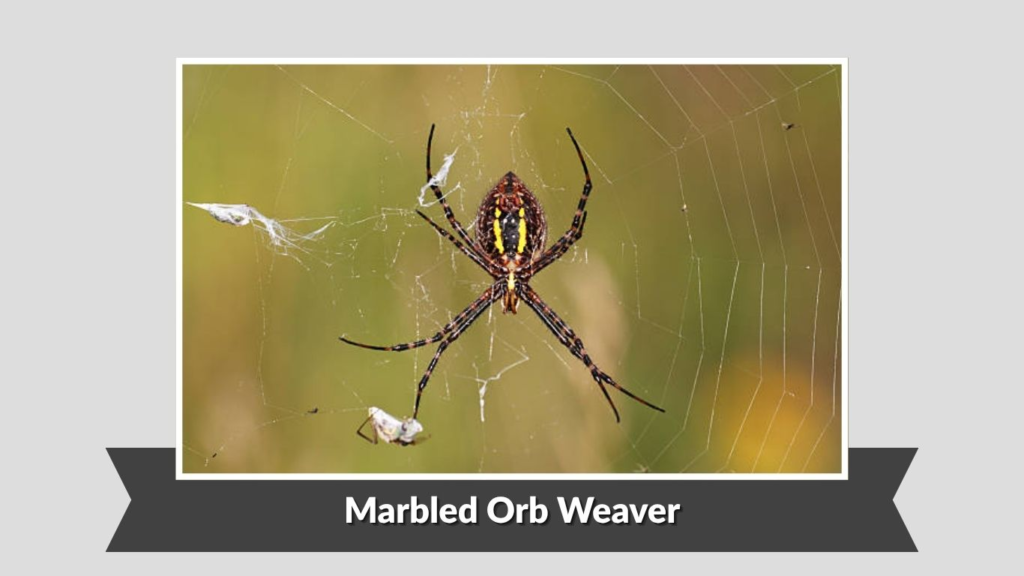
The Marbled Orb Weaver is a colorful orb-weaving spider known for its rounded body and beautiful marbled pattern. It is often found in gardens, forests, fields, shrubs, and near streams. This spider can look bright orange, yellow, white, brown, or patterned with dark markings. Despite its bold appearance, it is shy and helpful because it catches many small insects.
Identification
- Large, round abdomen with a marbled pattern
- Color may be orange, yellow, white, brown, or gray
- Legs usually have dark bands
- Females are larger and more noticeable than males
- Abdomen often looks swollen or pumpkin-shaped
- Builds a round orb web near plants or low branches
- Sometimes hides in a silk retreat near the edge of the web
Habitat
Marbled Orb Weavers live in moist, plant-rich areas where insects are common. They are often found in gardens, meadows, forest edges, shrubs, tall weeds, and near water. They usually place their webs between plants, low tree branches, or bushes. Their hiding spot is often close to the web, where they wait until prey is trapped.
Web and Hunting Behavior
This spider uses a sticky orb web to catch flying insects. It may stay in the web or hide nearby in a curled leaf or silk retreat. When an insect becomes trapped, the spider quickly comes out, wraps the prey in silk, and feeds on it. Marbled Orb Weavers are most active during warm months, especially late summer and fall.
Are Marbled Orb Weavers Dangerous?
Marbled Orb Weavers are not dangerous to humans. They are calm spiders and usually avoid contact. A bite is rare and usually happens only when the spider is handled or pressed against the skin. Their bite may cause mild pain, redness, or swelling, but they are not considered medically important. In gardens, they are useful natural pest controllers.
4. Shamrock Orb Weaver
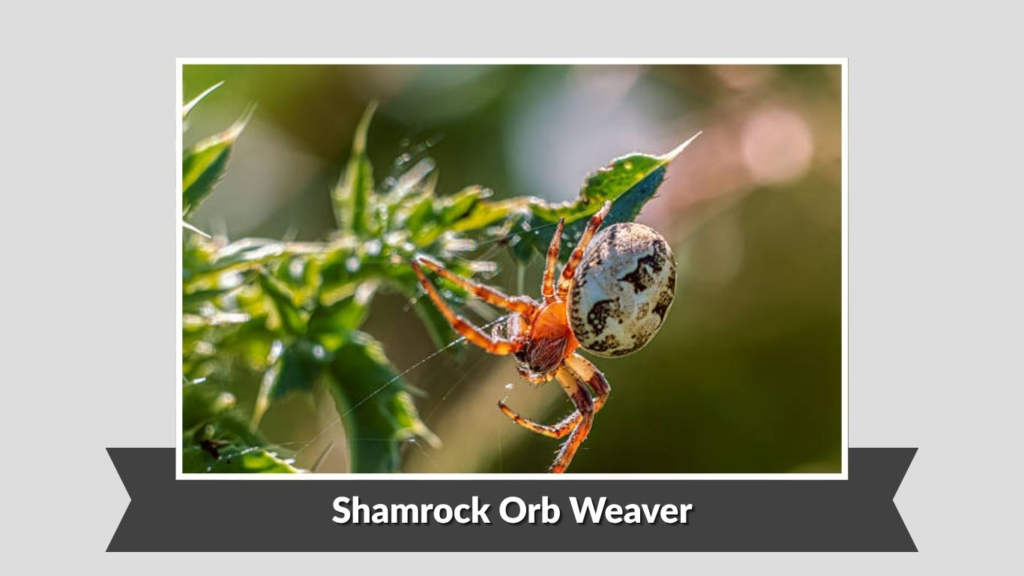
The Shamrock Orb Weaver is a colorful orb-weaving spider often found in fields, gardens, meadows, forest edges, and tall grasses. It gets its name from markings on the abdomen that may look like a shamrock pattern. This spider is usually active in late summer and fall, when females become larger and easier to notice in their webs.
Identification
- Rounded abdomen with pale or dark markings
- Color may be brown, tan, orange, reddish, greenish, or yellowish
- Abdomen may show a shamrock-like pattern
- Legs often have bands or small spines
- Females are larger and more rounded than males
- Builds a classic circular orb web
- Often hides near the edge of the web during the day
Habitat
Shamrock Orb Weavers usually live in open or semi-open places with plenty of plants. They are common in meadows, grassy fields, gardens, shrubs, roadsides, and woodland edges. They build webs between tall plants, low branches, weeds, or garden structures. These habitats give them both hiding places and steady insect prey.
Web and Hunting Behavior
This spider catches food with a sticky orb-shaped web. Flying insects such as flies, moths, mosquitoes, and small beetles get trapped in the web. The spider then moves toward the prey, bites it, and wraps it in silk. During the day, it may stay hidden in a nearby retreat and come out when the web vibrates.
Are Shamrock Orb Weavers Dangerous?
Shamrock Orb Weavers are not dangerous to humans. They are shy spiders and usually avoid people. A bite is rare and usually happens only if the spider is handled or trapped against the skin. Their bite may cause mild redness, swelling, or short-term pain, but they are considered beneficial because they help reduce flying insects.
5. Golden Silk Orb Weaver
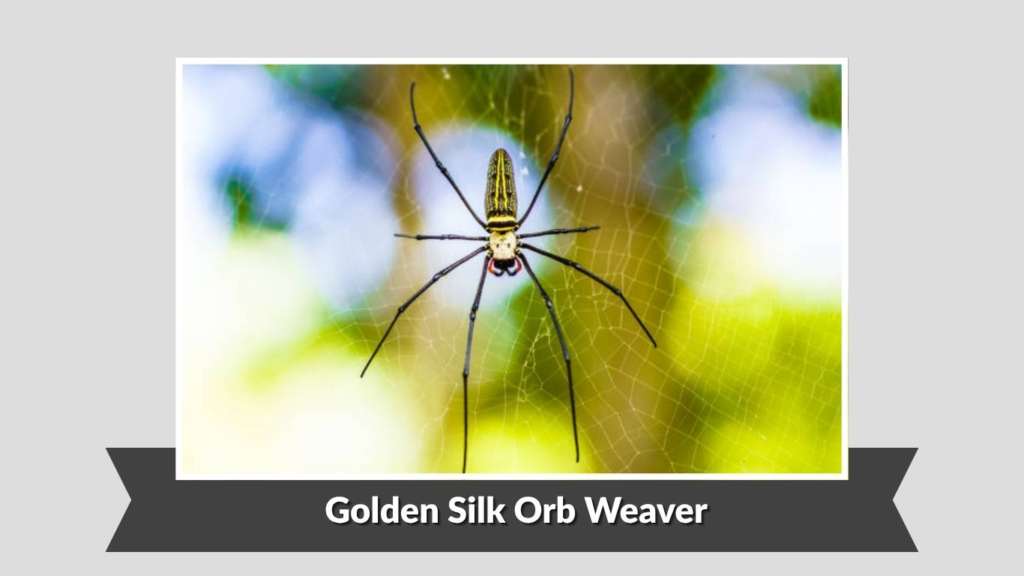
The Golden Silk Orb Weaver is a large and impressive orb-weaving spider known for its strong golden-colored web. It is often found in warm regions, especially in forests, gardens, wooded edges, swamps, and areas with dense vegetation. These spiders may look intimidating because of their size, but they are generally shy and helpful predators of flying insects.
Identification
- Large spider with long, slender legs
- Females are much bigger than males
- Body color may be yellow, brown, orange, or black
- Legs often have dark bands or hairy-looking sections
- Web may appear golden or yellow in sunlight
- Builds a large, strong orb web between trees or shrubs
- Abdomen is usually long or oval-shaped rather than round
Habitat
Golden Silk Orb Weavers usually live in warm, humid areas with plenty of trees, shrubs, and insects. They are often seen along forest trails, garden edges, wooded paths, wetlands, and around tall plants. Their large webs are commonly stretched between branches, bushes, fences, or outdoor structures where flying insects pass through.
Web and Hunting Behavior
This spider is famous for making a strong web with a yellow or golden shine. The web can be large enough to catch moths, flies, beetles, grasshoppers, and other insects. The spider usually waits in or near the web until prey becomes trapped. Once the web vibrates, it moves quickly to bite and wrap the insect in silk.
Are Golden Silk Orb Weavers Dangerous?
Golden Silk Orb Weavers are not considered dangerous to humans. They may bite if handled roughly, but they usually prefer to escape rather than attack. A bite may cause mild pain, redness, or swelling, but serious effects are uncommon. In gardens and wooded areas, they are useful because they naturally control many flying insects.
6. Banded Garden Spider
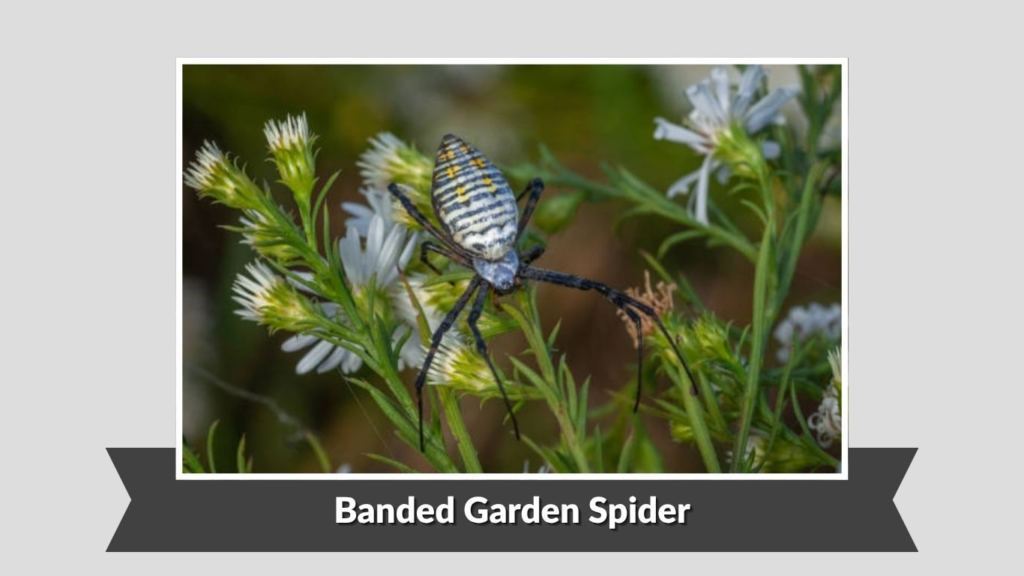
The Banded Garden Spider is a striking orb-weaving spider known for its bold yellow, white, black, and silver bands. It is commonly found in gardens, grasslands, fields, shrubs, and sunny open areas. Like other orb weavers, it builds a large circular web to catch flying insects and is considered helpful in yards and gardens.
Identification
- Large oval abdomen with clear bands or stripes
- Colors often include yellow, black, white, and silver
- Long legs with dark bands
- Females are much larger than males
- Usually rests head-down in the center of the web
- Web may have a zigzag silk pattern called a stabilimentum
- Body shape is long and slightly flattened compared to round orb weavers
Habitat
Banded Garden Spiders prefer sunny areas with tall plants, grass, weeds, and shrubs. They are often seen in gardens, meadows, open fields, roadsides, and prairie-like habitats. Their webs are usually built close to the ground or between upright plants. These locations help them catch grasshoppers, flies, moths, mosquitoes, and other insects.
Web and Hunting Behavior
This spider builds a strong orb web and waits in the center for prey. When an insect hits the web, the spider senses the vibration and quickly moves toward it. It wraps the prey in silk before feeding. The zigzag pattern in the web may help make the web more visible to birds or attract certain insects.
Are Banded Garden Spiders Dangerous?
Banded Garden Spiders are not dangerous to humans. They may look bold because of their size and pattern, but they are usually calm and non-aggressive. A bite is rare and normally happens only if the spider is handled or pressed against the skin. In most cases, they are beneficial garden predators that help reduce pest insects naturally.
7. Cross Orb Weaver
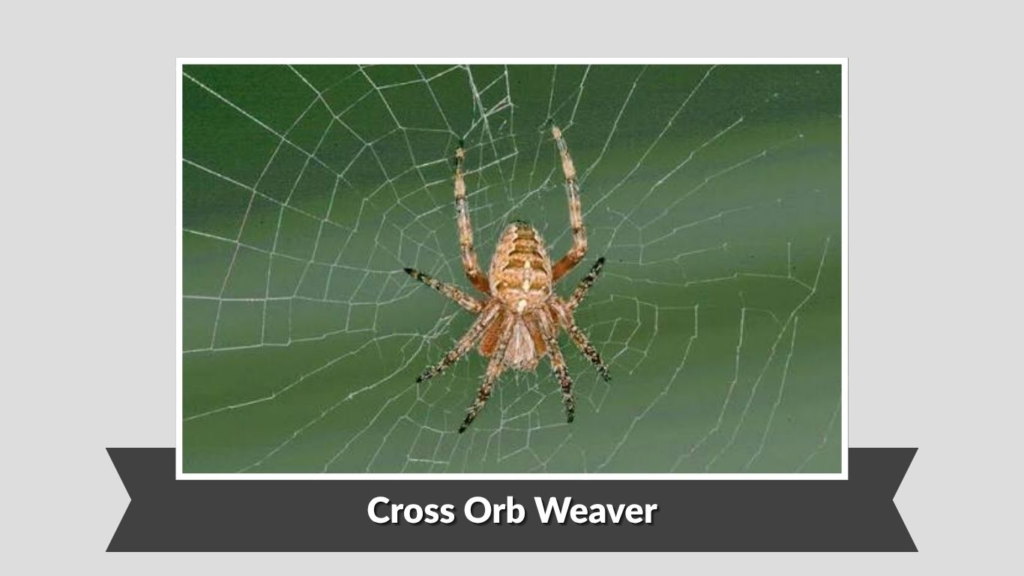
The Cross Orb Weaver is a common orb-weaving spider known for the pale cross-shaped marking on its abdomen. It is often found in gardens, yards, forests, parks, fences, and around buildings. This spider builds a classic round web and waits for flying insects to become trapped. Although it may look large, it is not dangerous to humans.
Identification
- Rounded abdomen with a pale cross-like marking
- Body color may be brown, orange, gray, or tan
- Legs are often banded with darker markings
- Females are larger and more noticeable than males
- Builds a circular orb web in open spaces
- Often sits in the center of the web
- Abdomen may look swollen during late summer or fall
Habitat
Cross Orb Weavers live in places where they can attach webs between solid supports. They are common in gardens, hedges, shrubs, fences, window frames, porches, and woodland edges. They also appear near outdoor lights because lights attract moths, flies, and other insects. These spiders prefer areas with both shelter and steady prey.
Web and Hunting Behavior
This spider catches prey by building a sticky orb-shaped web. It may sit in the center or hide nearby with a signal thread connected to the web. When an insect hits the web, the spider senses the vibration and quickly moves in. It bites the prey, wraps it in silk, and feeds when the insect is safely trapped.
Are Cross Orb Weavers Dangerous?
Cross Orb Weavers are not considered dangerous to people. They are shy spiders and usually avoid handling or disturbance. A bite is uncommon and may cause mild redness, swelling, or short pain if it happens. In most gardens and homes, they are helpful because they catch mosquitoes, flies, moths, and other small insects.
8. Furrow Orb Weaver
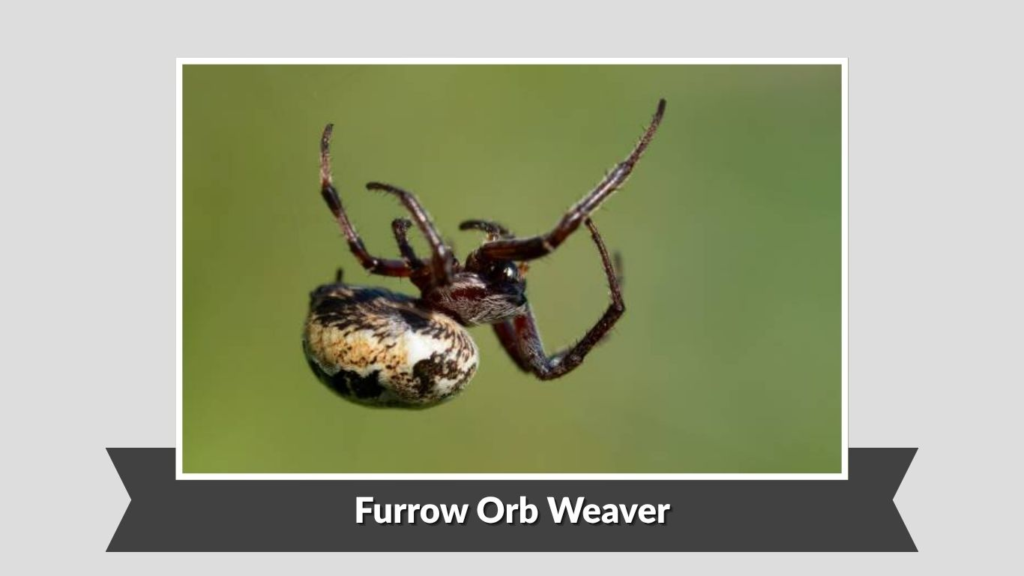
The Furrow Orb Weaver is a common orb-weaving spider often found near homes, barns, bridges, fences, gardens, and areas close to water. It gets its name from the furrow-like markings on its abdomen. This spider usually builds its round web at night and may hide during the day in cracks, corners, or sheltered spaces near the web.
Identification
- Rounded abdomen with a furrow-like pattern
- Color may be gray, brown, tan, reddish, or orange
- Pale markings often appear on the abdomen
- Legs usually have dark bands
- Females are larger and more rounded than males
- Builds a circular orb web near buildings or vegetation
- Often hides in cracks or corners during the day
Habitat
Furrow Orb Weavers live in many places, especially where there are stable supports for their webs. They are often found around porches, sheds, barns, bridges, fences, docks, gardens, and shrubs. They may also live near streams, ponds, or damp areas where flying insects are common. Their webs are usually attached to solid structures or plants.
Web and Hunting Behavior
This spider builds a sticky orb-shaped web to catch flying insects. It often becomes active in the evening and may sit in the center of the web at night. During the day, it usually hides in a nearby shelter. When prey hits the web, the spider senses the vibration, rushes out, bites the insect, and wraps it in silk.
Are Furrow Orb Weavers Dangerous?
Furrow Orb Weavers are not dangerous to humans. They are shy spiders and usually avoid people. A bite is rare and normally happens only if the spider is handled or squeezed. If a bite occurs, it may cause mild redness, swelling, or short-term discomfort. Around homes and gardens, they are beneficial because they help control flies, mosquitoes, moths, and other insects.
9. Orchard Orb Weaver
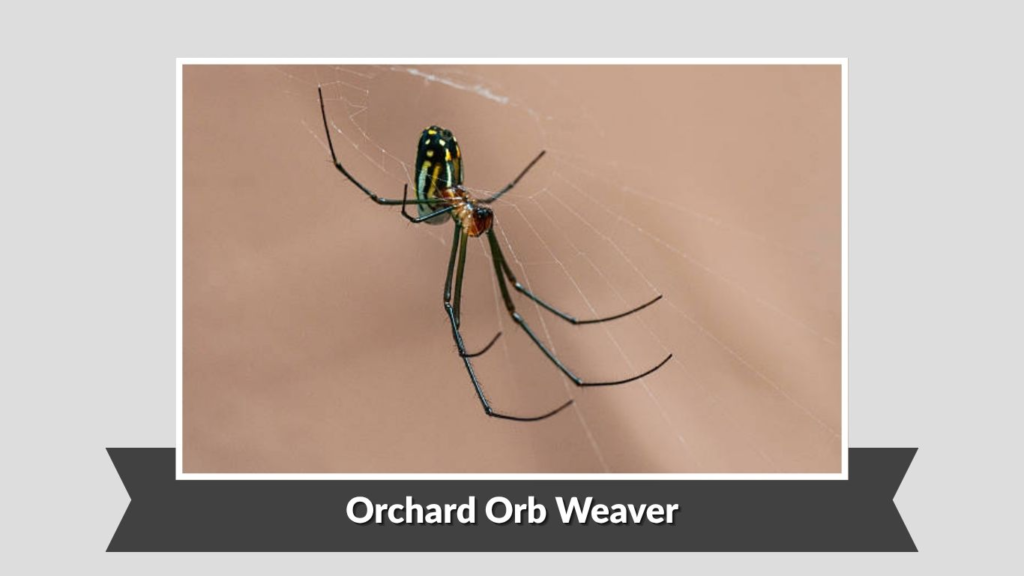
The Orchard Orb Weaver is a small, delicate orb-weaving spider known for its shiny body, bright markings, and thin green legs. It is often found in orchards, gardens, shrubs, forests, and wooded edges. Unlike many round-bodied orb weavers, this spider has a more slender shape and usually builds its web in low plants or small trees.
Identification
- Small, slender spider with a shiny body
- Often has green, silver, yellow, black, or orange markings
- Legs are usually long, thin, and greenish
- Abdomen may look oval instead of round
- Builds a small orb web, often at an angle
- Commonly hangs upside down under the web
- Females are usually larger and more colorful than males
Habitat
Orchard Orb Weavers live in plant-rich places where small flying insects are common. They are often seen in orchards, gardens, bushes, forest edges, low shrubs, and young trees. Their webs are usually built close to the ground or between leafy branches. These areas provide good shelter and regular insect prey.
Web and Hunting Behavior
This spider builds a small, neat orb web and often waits underneath it. When a tiny fly, mosquito, gnat, or other small insect becomes trapped, the spider quickly moves across the web to secure it. Orchard Orb Weavers are active hunters within their webs and may rebuild or repair damaged silk when needed.
Are Orchard Orb Weavers Dangerous?
Orchard Orb Weavers are not dangerous to humans. They are very small, shy, and unlikely to bite unless handled roughly. Even if a bite occurs, it is usually mild and not medically serious. In gardens and orchards, they are beneficial because they catch small flying insects and help reduce pest activity naturally.
10. Arrowhead Orb Weaver
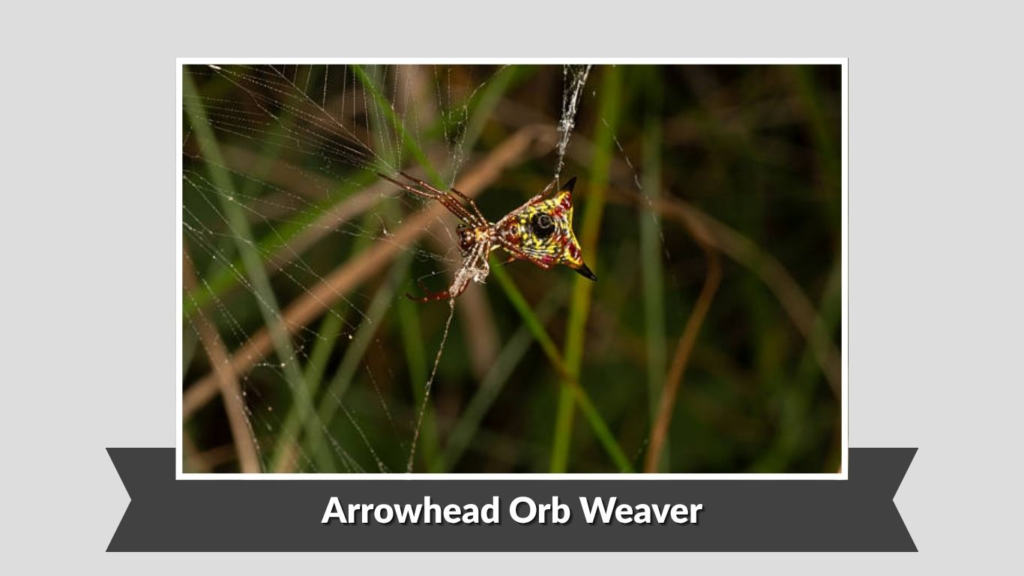
The Arrowhead Orb Weaver is a small orb-weaving spider known for the triangular, arrow-shaped abdomen that makes it easy to recognize. It is often found in gardens, forests, shrubs, woodland edges, and tall vegetation. This spider builds a small circular web and waits for tiny flying insects to get trapped in the sticky silk.
Identification
- Small spider with a pointed, triangular abdomen
- Abdomen often looks like an arrowhead or shield
- Color may be white, yellow, orange, brown, or reddish
- Dark markings may appear along the abdomen
- Legs are usually slender and sometimes banded
- Builds a small orb-shaped web in low vegetation
- Females are usually easier to notice than males
Habitat
Arrowhead Orb Weavers usually live in wooded or plant-rich areas. They are often found in forests, gardens, shrubs, tall grasses, and along woodland trails. Their webs are commonly built between small branches, weeds, or low plants. These locations give them shelter and help them catch small flying insects.
Web and Hunting Behavior
This spider uses a sticky orb web to catch prey. It may sit in the center of the web or wait nearby until an insect becomes trapped. Small flies, gnats, mosquitoes, and tiny moths are common prey. When the web vibrates, the spider moves toward the insect, bites it, and wraps it in silk before feeding.
Are Arrowhead Orb Weavers Dangerous?
Arrowhead Orb Weavers are not dangerous to humans. They are small, shy spiders and usually avoid contact. A bite is very rare and would normally cause only mild irritation, redness, or slight swelling. In gardens and wooded areas, they are helpful because they catch small flying insects naturally.
11. Six-spotted Orb Weaver
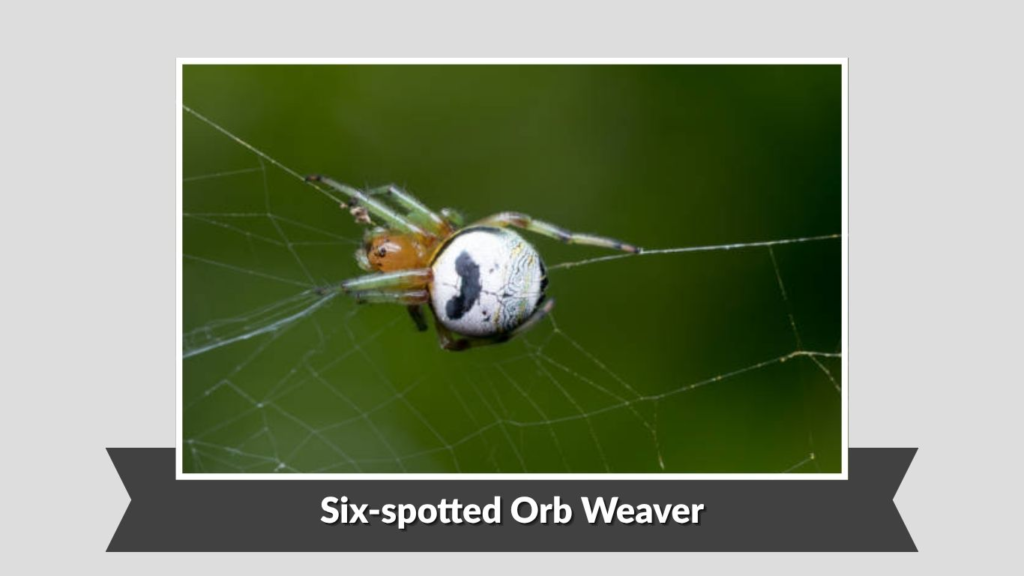
The Six-spotted Orb Weaver is a small orb-weaving spider known for the spot-like markings on its body. It is usually found in gardens, shrubs, forests, meadows, and areas with plenty of low vegetation. Like other orb weavers, it builds a round web to catch small flying insects. This spider is not dangerous and is helpful in natural pest control.
Identification
- Small to medium-sized orb-weaving spider
- Abdomen may show six noticeable spots or pale markings
- Body color can be brown, tan, yellowish, gray, or reddish
- Legs are usually thin and may have dark bands
- Females are usually larger than males
- Builds a small circular orb web
- Often found resting in or near the web
Habitat
Six-spotted Orb Weavers usually live in places with plants, shade, and flying insects. They may be found in gardens, bushes, woodland edges, grassy fields, and low tree branches. Their webs are often built between stems, leaves, or small branches. These areas give them cover from predators and a steady supply of tiny insects.
Web and Hunting Behavior
This spider catches food by using a sticky orb-shaped web. Small flies, gnats, mosquitoes, moths, and other tiny insects may become trapped in the silk. When prey touches the web, the spider senses the vibration and moves quickly toward it. It then bites the insect and wraps it in silk before feeding.
Are Six-spotted Orb Weavers Dangerous?
Six-spotted Orb Weavers are not dangerous to humans. They are shy spiders and usually avoid people. A bite is very rare and would normally happen only if the spider is handled or pressed against the skin. If a bite occurs, it may cause mild redness or irritation. In gardens and natural areas, they are useful because they help control small flying insects.
12. Arabesque Orb Weaver
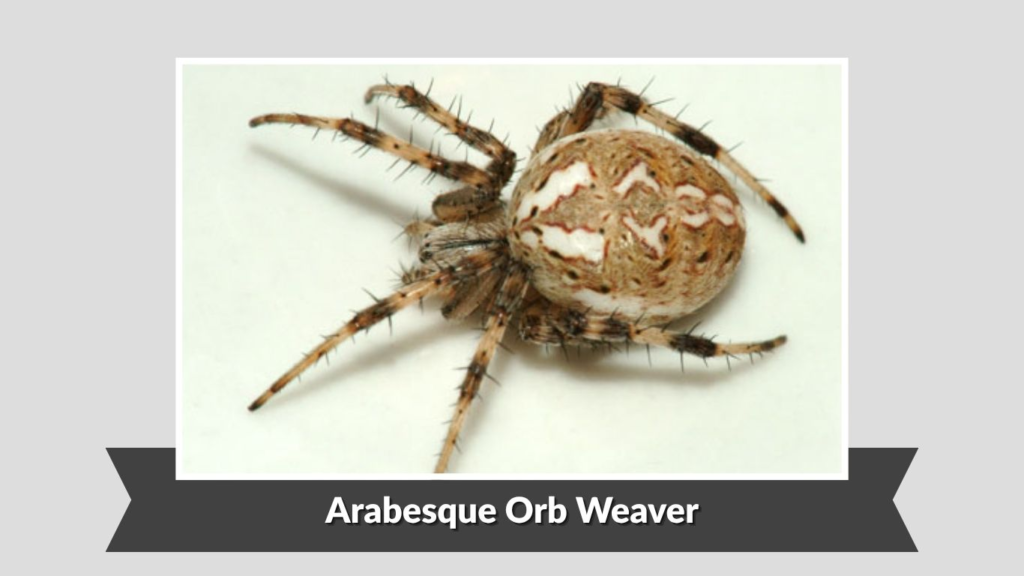
The Arabesque Orb Weaver is a small to medium orb-weaving spider known for the decorative, swirling markings on its abdomen. It is often found in gardens, fields, forests, shrubs, and woodland edges. This spider builds a round web to catch small flying insects and is considered helpful because it naturally reduces mosquitoes, flies, moths, and other pests.
Identification
- Small to medium-sized orb-weaving spider
- Abdomen has decorative arabesque-like markings
- Color may be brown, orange, tan, gray, or reddish
- Legs are usually slender with dark bands
- Females are larger and more rounded than males
- Builds a circular orb web in vegetation
- Often rests in the web or hides nearby during the day
Habitat
Arabesque Orb Weavers live in areas with plenty of plants and insect activity. They are commonly found in gardens, grassy fields, shrubs, forest edges, and low tree branches. Their webs are usually built between weeds, stems, bushes, or small branches. These habitats provide both hiding places and a steady supply of flying insects.
Web and Hunting Behavior
This spider uses a sticky orb-shaped web to trap prey. It may wait in the center of the web or hide nearby until an insect hits the silk. When the web vibrates, the spider quickly moves toward the prey, bites it, and wraps it in silk. Small flies, mosquitoes, moths, and gnats are common prey.
Are Arabesque Orb Weavers Dangerous?
Arabesque Orb Weavers are not dangerous to humans. They are shy spiders and usually avoid contact with people. A bite is rare and normally occurs only if the spider is handled or pressed against the skin. If a bite happens, it may cause mild redness, swelling, or brief irritation. In gardens and natural areas, they are beneficial insect hunters.
FAQs
Are orb weaver spiders poisonous?
Orb weaver spiders have venom, but they are not considered dangerous to humans. Their venom is mainly used to subdue small insects. A bite is rare and usually causes only mild redness, swelling, or short-term irritation.
Do orb weaver spiders bite humans?
Orb weavers can bite if they are handled, squeezed, or trapped against the skin. However, they are not aggressive and usually try to escape. Most bites are mild and do not require special treatment beyond basic cleaning and monitoring.
Where do orb weaver spiders live?
Orb weavers live in gardens, forests, fields, shrubs, grasslands, orchards, and around homes. They usually choose places where they can attach their round webs between plants, branches, fences, porch rails, or outdoor structures.
Are orb weaver spiders good for gardens?
Yes, orb weavers are very helpful in gardens. They catch mosquitoes, flies, moths, beetles, gnats, and other small insects. Because they naturally reduce pest numbers, many gardeners consider them beneficial outdoor spiders.
Do orb weaver spiders come inside houses?
Orb weavers usually prefer outdoor areas where they can build large webs. They may occasionally appear near windows, porches, garages, or sheds, but they do not usually live indoors for long. Most stay outside where flying insects are easier to catch.
