
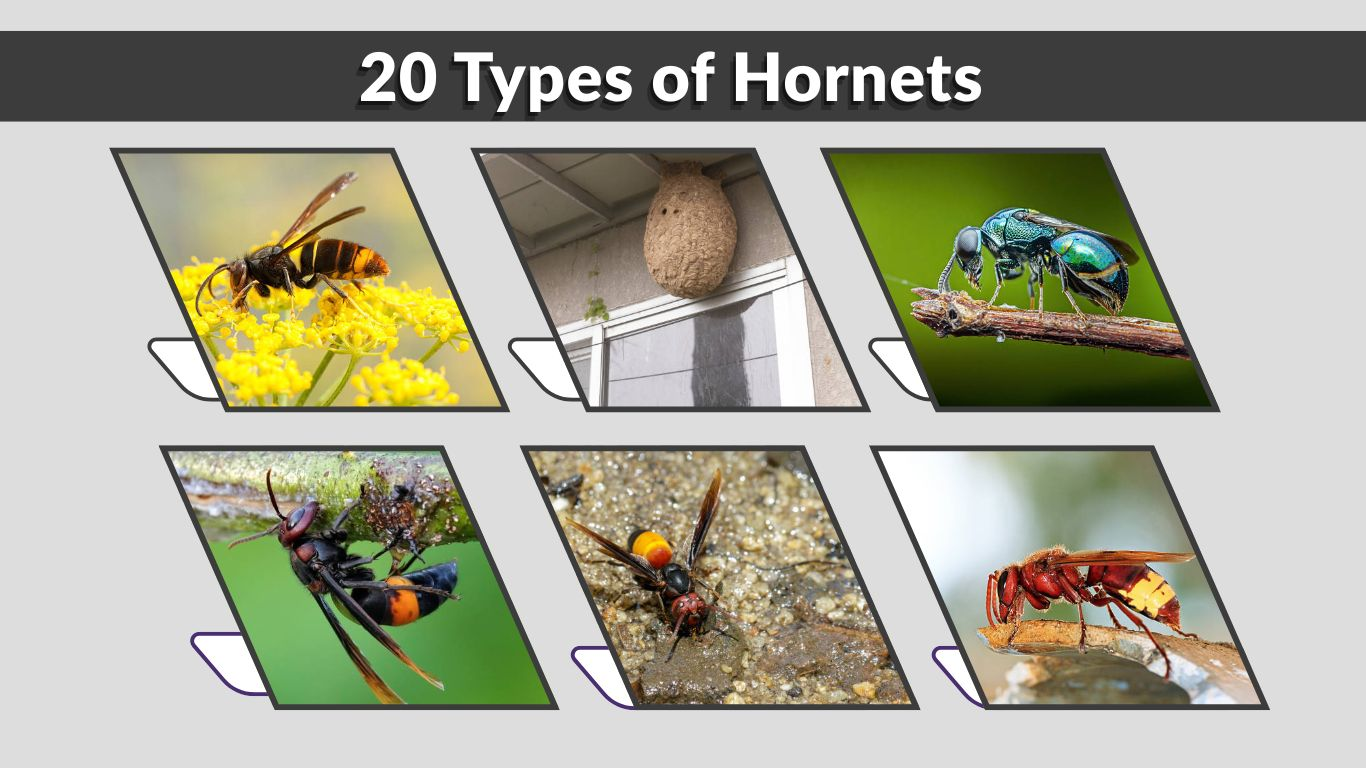
Hornets are large, powerful wasps known for their strong bodies, paper nests, and active hunting behavior. Many true hornets belong to the Vespa genus, while a few insects commonly called hornets are actually close relatives, such as the bald-faced hornet. These insects live in forests, gardens, farms, and even urban areas. Learning about different hornet species, their habitats, and identification features can help you recognize them more safely and understand their role in nature.
1. Asian Giant Hornet
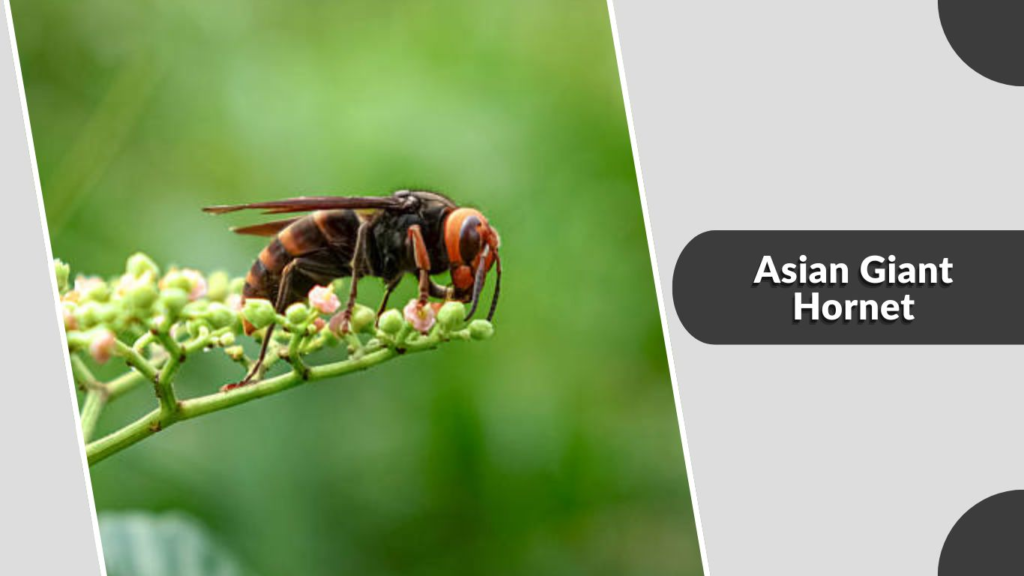
The Asian giant hornet is one of the largest hornet species in the world. It is known for its big body, orange-yellow head, strong wings, and powerful sting. This hornet is native to parts of Asia and is often found in forests, mountain areas, and rural landscapes.
Habitat and Distribution
Asian giant hornets commonly live in East and Southeast Asia, including Japan, China, Korea, and nearby regions. They prefer wooded areas, low mountains, and forest edges. Their nests are often built underground in abandoned burrows, tree roots, or hidden soil cavities.
Identification Features
- Large orange or yellow-orange head
- Dark brown or black thorax
- Yellow and dark striped abdomen
- Long body with strong wings
- Large mandibles used for hunting prey
Behavior and Diet
Asian giant hornets are active hunters. They feed on insects such as bees, wasps, beetles, and mantises. They are especially known for attacking honeybee colonies. Adult hornets may drink tree sap, fruit juice, and nectar, while larvae are fed protein-rich insect prey.
2. European Hornet
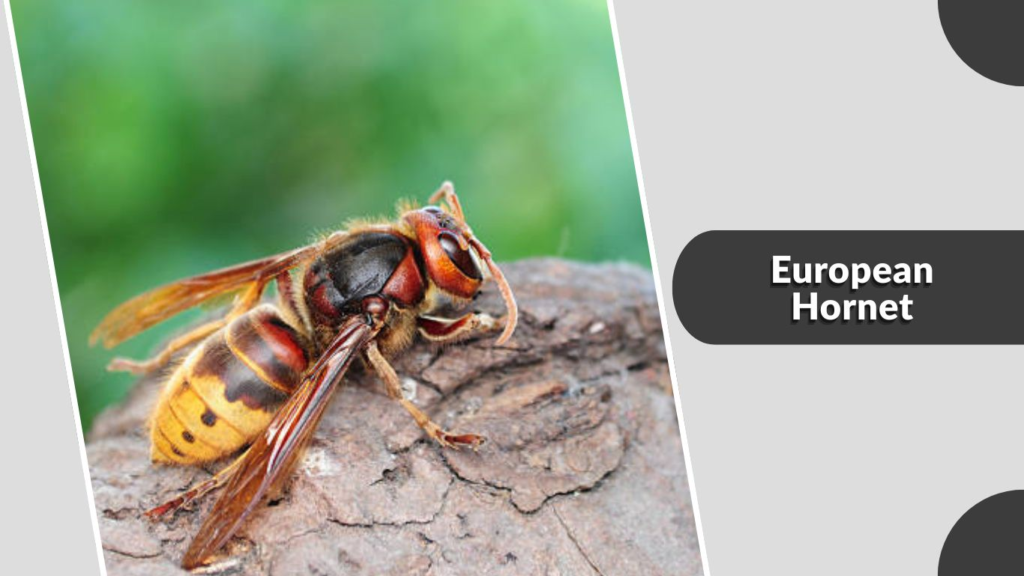
The European hornet is a large true hornet found across Europe and parts of Asia. It has also become established in North America. This hornet is often seen around trees, gardens, barns, and wooded areas, especially during warm months.
Species Overview
The European hornet is scientifically known as Vespa crabro. It is one of the best-known hornet species and is larger than many common wasps. Although it can sting when threatened, it is usually less aggressive than many people think.
Habitat and Distribution
European hornets prefer forests, orchards, parks, and rural areas with old trees. They often build nests inside hollow trees, wall cavities, attics, barns, or other protected spaces. Colonies are usually active from spring through late summer.
Identification Features
- Large body with a strong wasp-like shape
- Reddish-brown head and thorax markings
- Yellow abdomen with black markings
- Brownish wings
- Loud buzzing sound while flying
Behavior and Diet
European hornets hunt insects such as flies, bees, grasshoppers, and caterpillars. They also feed on tree sap, ripe fruit, and nectar. At night, they may be attracted to outdoor lights, which makes them more noticeable around homes.
3. Oriental Hornet
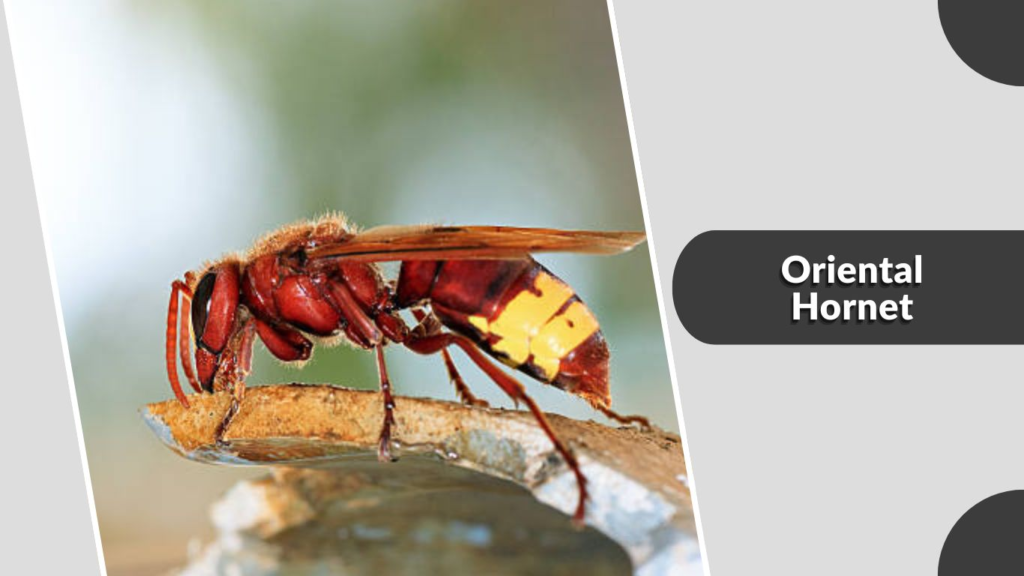
The Oriental hornet is a striking hornet species known for its reddish-brown body and yellow markings. It is commonly found in warm, dry regions and is an important predator of insects, including honeybees.
Species Overview
The Oriental hornet is scientifically called Vespa orientalis. It belongs to the true hornet group and is often found near human settlements, farms, and beekeeping areas. This species can become a serious pest around apiaries.
Habitat and Distribution
Oriental hornets live in parts of southern Europe, North Africa, the Middle East, and western to southern Asia. They prefer dry, sunny places, including rocky areas, gardens, farms, and urban edges. Nests may be built underground, in wall gaps, or in protected cavities.
Identification Features
- Reddish-brown body color
- Bright yellow band on the abdomen
- Yellow patch on the head
- Smooth, strong body shape
- Clear to smoky wings
Behavior and Diet
Oriental hornets are active predators and scavengers. They hunt bees, flies, and other insects, but they may also feed on fruit, nectar, and sugary liquids. Around beehives, they can capture worker bees and stress honeybee colonies.
4. Black-Tailed Hornet
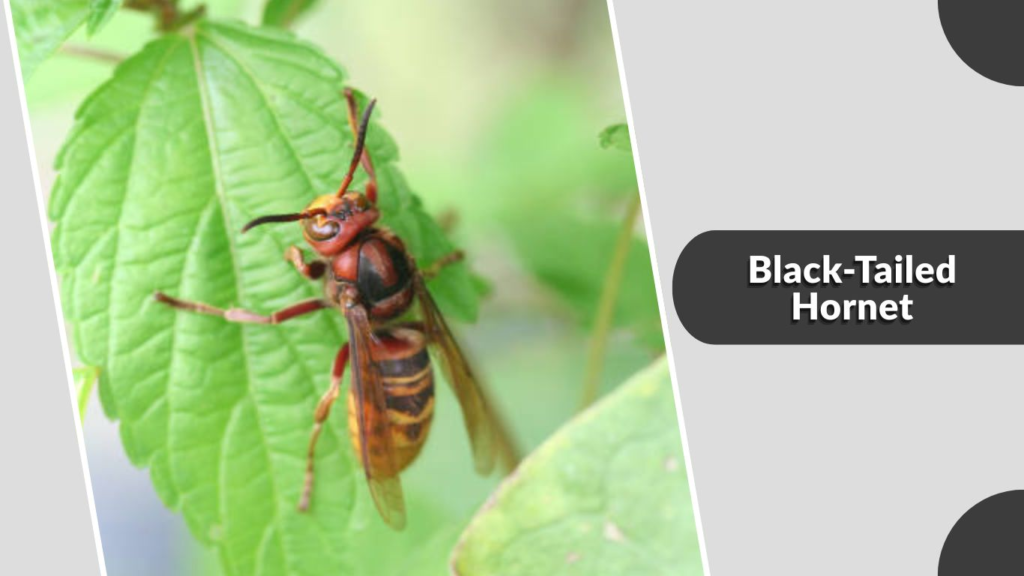
The black-tailed hornet is a true hornet species from Asia. It is known for its dark tail end and strong hunting behavior. This hornet is less familiar than the Asian giant hornet but is still an important predator in its natural range.
Species Overview
The black-tailed hornet is scientifically known as Vespa ducalis. It is a medium-to-large hornet with a bold appearance. Unlike some hornets that often hunt many insect types, this species is especially known for attacking other social wasps.
Habitat and Distribution
Black-tailed hornets are found in parts of East and Southeast Asia. They usually live in forests, woodland edges, mountain foothills, and rural landscapes. Their nests are often hidden in soil cavities, tree hollows, or sheltered natural spaces.
Identification Features
- Dark or black tail end
- Yellow and dark body pattern
- Strong head and jaws
- Long wings folded over the body
- Medium-to-large hornet size
Behavior and Diet
Black-tailed hornets are skilled hunters. They often prey on paper wasps and other social insects. Adult hornets may also visit flowers, sap flows, and fruit for sugar, while larvae are fed chewed insect prey brought back by workers.
5. Yellow-Legged Hornet
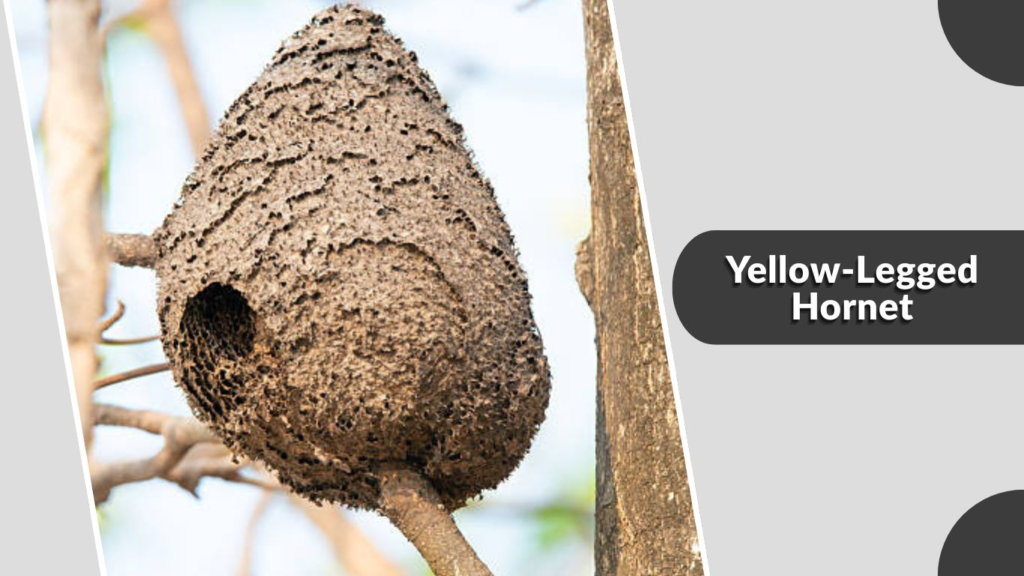
The yellow-legged hornet is a dark-colored hornet with yellow-tipped legs. It has become well known because it can spread outside its native range and threaten honeybees and other pollinators.
Species Overview
The yellow-legged hornet is scientifically called Vespa velutina. It is also called the Asian hornet in many places, but “yellow-legged hornet” is more specific. This species is considered invasive in some countries where it is not native.
Habitat and Distribution
Yellow-legged hornets are native to parts of Asia but have spread to areas of Europe and other regions. They often live near forests, farms, gardens, towns, and beekeeping sites. Nests are commonly built high in trees, but early nests may appear in sheds or sheltered corners.
Identification Features
- Mostly dark brown to black body
- Yellow tips on the legs
- Orange-yellow band near the end of the abdomen
- Dark head with orange face
- Large paper-like nest in trees
Behavior and Diet
Yellow-legged hornets feed on bees, flies, and other insects. They are especially known for hovering near beehives and catching honeybees. Adults also take sugary foods such as nectar, fruit juices, and tree sap.
6. Banded Hornet
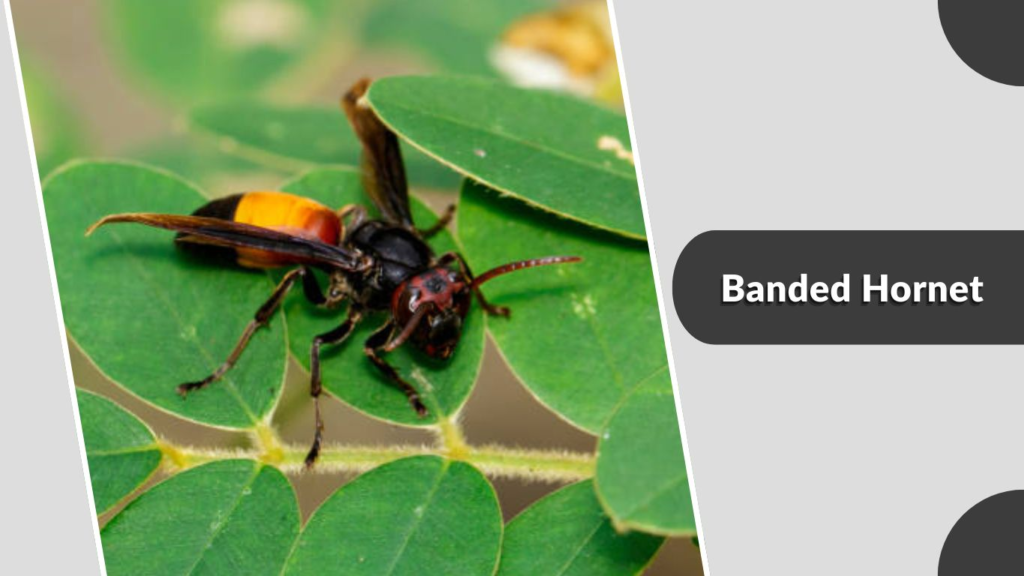
The banded hornet is a colorful Asian hornet species with clear yellow and dark bands on the body. It is often seen in warm regions where it hunts insects and builds paper nests in protected places.
Species Overview
The banded hornet is commonly linked with Vespa affinis, also known as the lesser banded hornet. It is a true hornet with a bold striped appearance. This hornet is common in many tropical and subtropical areas.
Habitat and Distribution
Banded hornets are found across South and Southeast Asia. They live in forests, gardens, farms, villages, and urban areas. Their nests may be built in trees, shrubs, roof spaces, or other sheltered locations near food sources.
Identification Features
- Dark body with yellow or orange bands
- Narrow waist and strong wings
- Yellow-orange markings on the abdomen
- Dark head and thorax
- Paper nest made from chewed plant fibers
Behavior and Diet
Banded hornets are active predators. They hunt flies, bees, caterpillars, and other insects to feed their larvae. Adult hornets also visit flowers, fruit, and sap for energy. They may defend their nest strongly if people get too close.
7. Lesser Banded Hornet
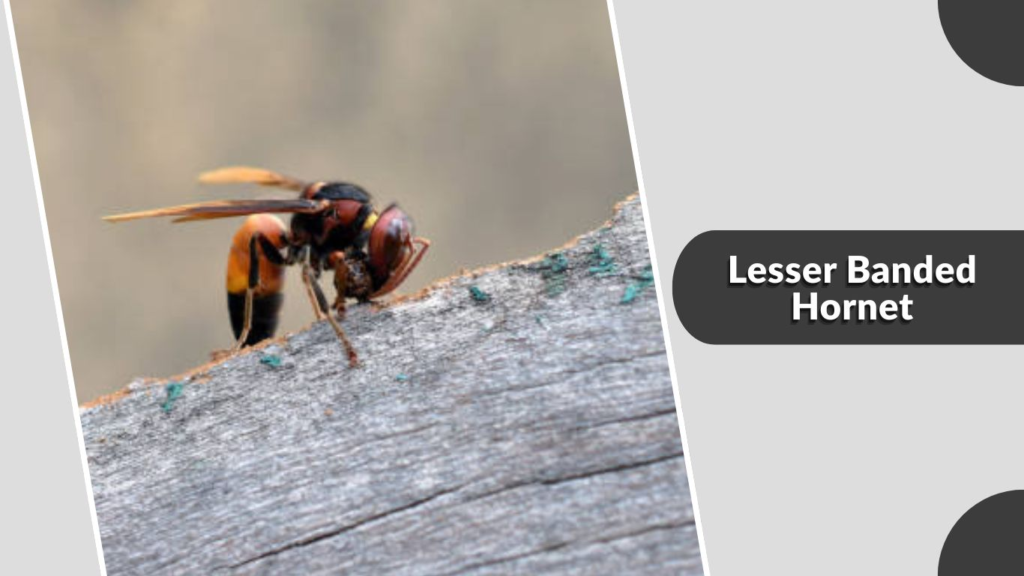
The lesser banded hornet is a common hornet in many parts of Asia. It is known for its dark body, yellow-orange band, and ability to live close to people in gardens, farms, and villages.
Species Overview
The lesser banded hornet is scientifically known as Vespa affinis. It is a true hornet and is usually smaller than the Asian giant hornet. This species is often confused with other banded hornets because of its similar striped abdomen.
Habitat and Distribution
Lesser banded hornets are widely found in South Asia and Southeast Asia. They live in forests, grasslands, farms, parks, and urban areas. Their nests are usually made from paper-like material and may hang from trees, bushes, roofs, or building corners.
Identification Features
- Dark brown to black body
- Yellow-orange band on the abdomen
- Dark wings folded over the body
- Medium-sized hornet shape
- Paper nest often built above ground
Behavior and Diet
Lesser banded hornets hunt insects such as flies, bees, moths, and caterpillars. They also feed on nectar, fruit juice, and tree sap. Like many hornets, they can defend their nest aggressively if disturbed.
8. Greater Banded Hornet
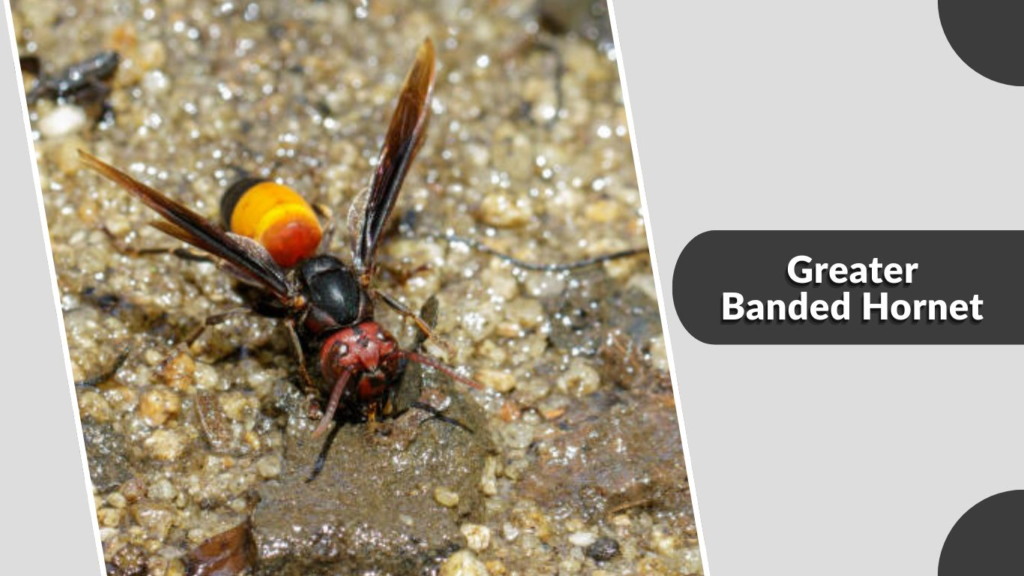
The greater banded hornet is a large and powerful hornet found in parts of Asia. It has bold body markings and is often noticed because of its size, strong flight, and active hunting behavior.
Species Overview
The greater banded hornet is commonly linked with Vespa tropica. It is larger than many smaller banded hornets and has a strong, heavy body. This species is a predator of other wasps and is known for raiding their nests.
Habitat and Distribution
Greater banded hornets occur across South and Southeast Asia. They are found in forests, wooded edges, plantations, gardens, and rural areas. Their nests are often hidden in tree holes, soil cavities, or sheltered spaces rather than fully exposed.
Identification Features
- Large hornet body
- Dark brown or black base color
- Wide yellow or orange abdominal band
- Strong jaws and broad head
- Powerful wings and fast flight
Behavior and Diet
Greater banded hornets often attack colonies of other wasps and hornets. They capture insects to feed their larvae and may also visit flowers, fruit, and sap for sugar. They usually avoid people unless their nest is threatened.
9. Japanese Yellow Hornet
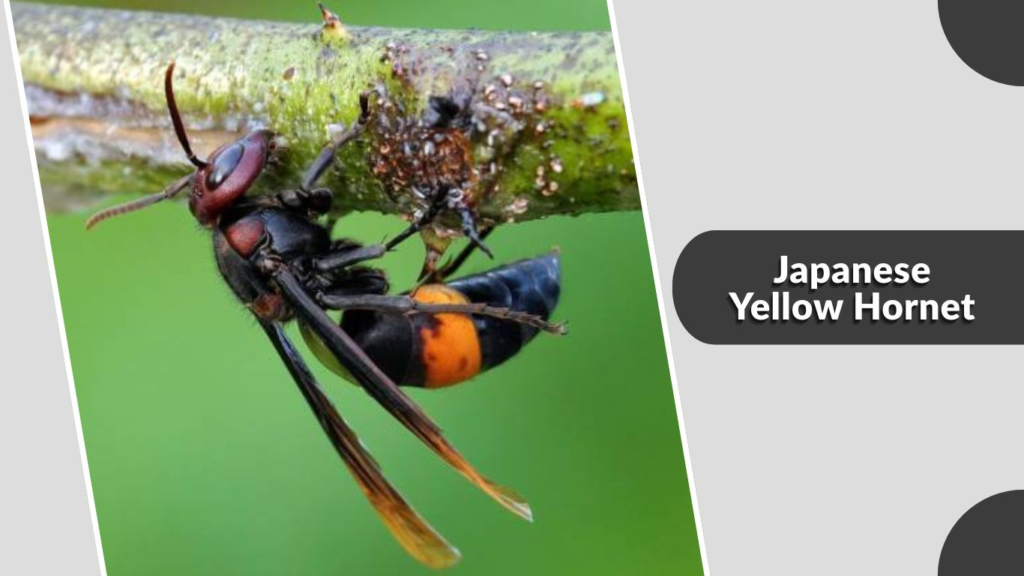
The Japanese yellow hornet is a medium-sized hornet found mainly in Japan. It has a yellow-patterned body and is often seen around forests, gardens, and areas where insects are abundant.
Species Overview
The Japanese yellow hornet is scientifically known as Vespa simillima. It is sometimes confused with the Japanese giant hornet, but it is smaller and has a different body pattern. This hornet plays a role as a predator in local ecosystems.
Habitat and Distribution
Japanese yellow hornets are native to Japan and nearby parts of East Asia. They live in forests, parks, farmland edges, and mountain foothills. Their nests may be built in tree hollows, roof spaces, wall gaps, or underground cavities.
Identification Features
- Yellow and dark striped abdomen
- Yellowish face and head markings
- Medium-sized hornet body
- Brownish wings
- Strong wasp-like waist
Behavior and Diet
Japanese yellow hornets hunt insects such as flies, bees, caterpillars, and smaller wasps. Adults also feed on nectar, sap, and ripe fruit. During late summer, colonies become more active and may be easier to notice near food sources.
10. Japanese Giant Hornet
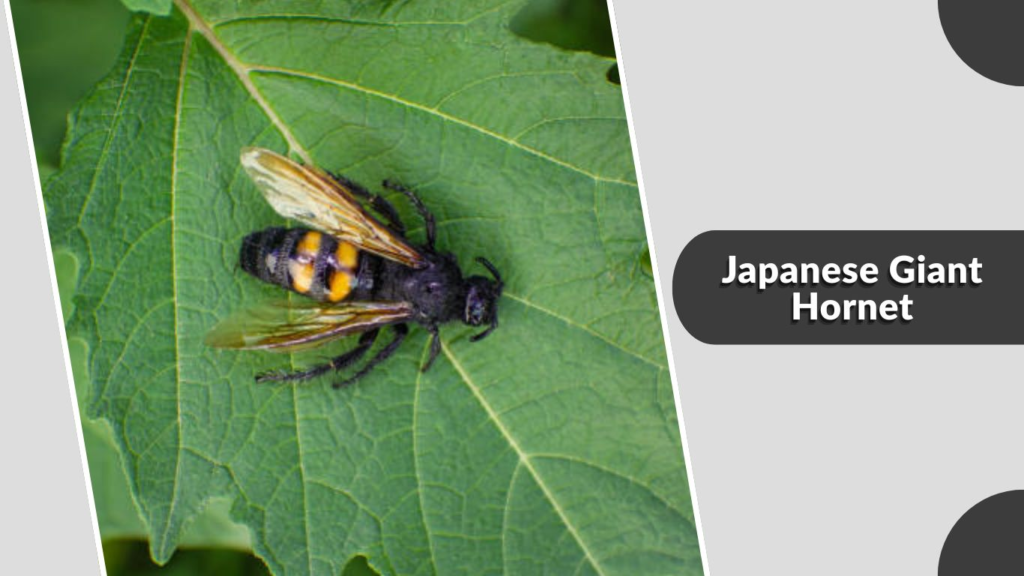
The Japanese giant hornet is a large form of the Asian giant hornet found in Japan. It is famous for its size, loud flight, and powerful sting, making it one of the most recognized hornets in the world.
Species Overview
The Japanese giant hornet is often treated as a form or population of Vespa mandarinia. It is extremely large compared with most wasps and hornets. Despite its fearsome reputation, it usually attacks people only when its nest is disturbed.
Habitat and Distribution
Japanese giant hornets live mainly in Japan, especially in forested and rural areas. They prefer low mountains, woodland edges, and areas with loose soil. Nests are commonly built underground in abandoned animal burrows or hidden root spaces.
Identification Features
- Very large body size
- Orange-yellow head
- Dark thorax
- Yellow and dark striped abdomen
- Large jaws and strong wings
Behavior and Diet
Japanese giant hornets are powerful hunters. They prey on bees, other wasps, beetles, and mantises. They are especially known for attacking honeybee hives. Adults drink tree sap and fruit juices, while larvae receive protein-rich insect prey.
11. Asian Hornet
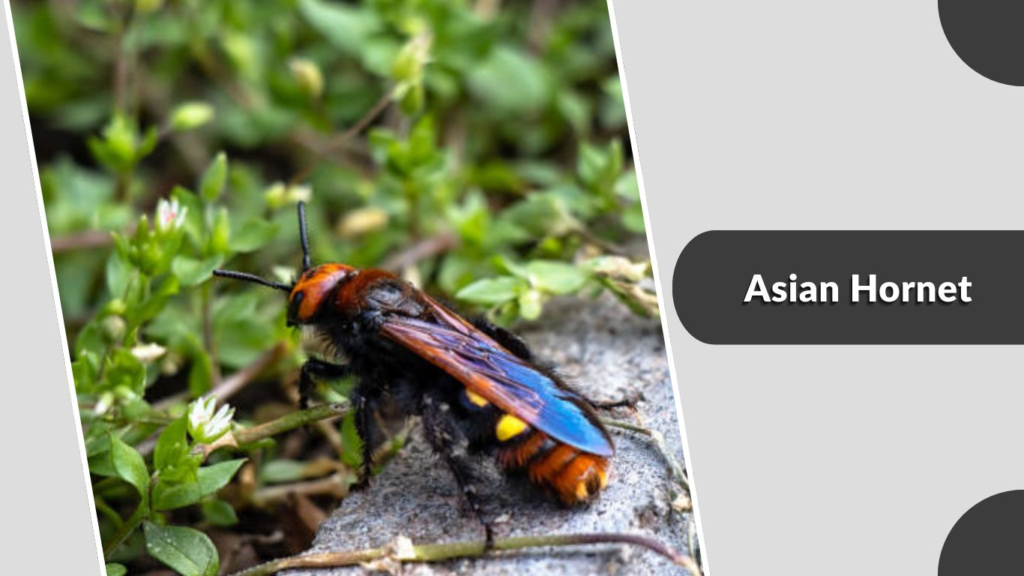
The Asian hornet is a common name often used for Vespa velutina, especially in Europe. It is a dark hornet with yellow legs and is well known for hunting honeybees near beehives.
Species Overview
The Asian hornet, or yellow-legged hornet, is scientifically known as Vespa velutina. It should not be confused with the much larger Asian giant hornet. This species has gained attention because it can become invasive outside its native range.
Habitat and Distribution
Asian hornets are native to parts of Asia but have spread into several European countries. They live in forests, orchards, gardens, towns, and farm areas. Their large paper nests are often built high in trees, though smaller early nests may appear near buildings.
Identification Features
- Dark brown to black body
- Yellow tips on the legs
- Orange band near the abdomen end
- Dark wings and orange face
- Large round paper nest in trees
Behavior and Diet
Asian hornets hunt flies, bees, wasps, and other insects. Around apiaries, they may hover near hive entrances and catch honeybees. Adults also feed on nectar, ripe fruit, sap, and other sweet liquids.
12. Bald-Faced Hornet
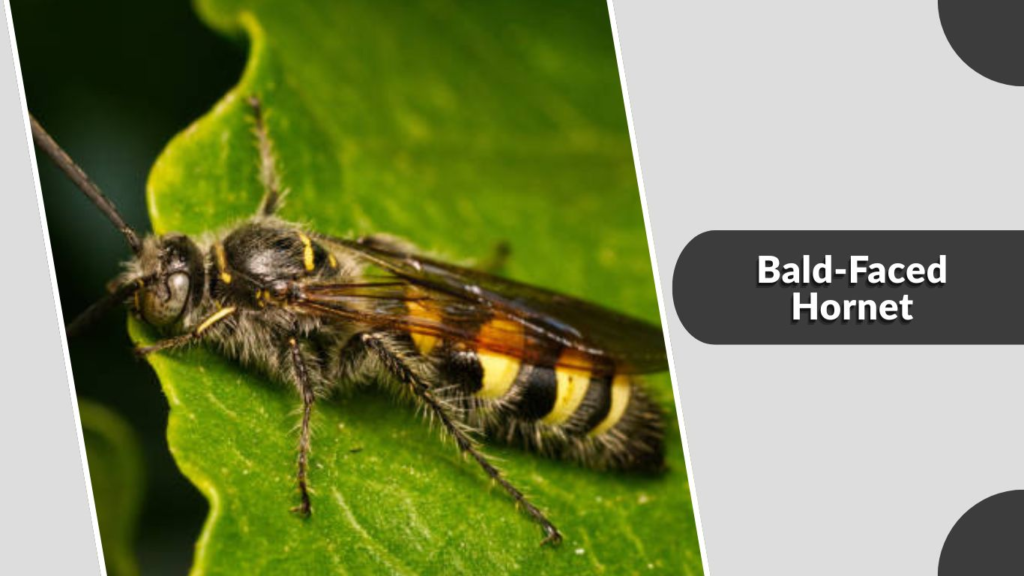
The bald-faced hornet is not a true hornet, but it is commonly called one because of its large size and aggressive nest defense. It is actually a type of yellowjacket wasp with bold black-and-white markings.
Species Overview
The bald-faced hornet is scientifically known as Dolichovespula maculata. It is native to North America and is easy to recognize because of its pale face. Colonies grow through spring and summer, becoming most noticeable in late summer.
Habitat and Distribution
Bald-faced hornets are found across much of the United States and Canada. They live in forests, parks, gardens, fields, and suburban yards. Their large gray paper nests are usually built in trees, shrubs, under roof edges, or on utility structures.
Identification Features
- Black body with white markings
- Pale or white face
- White bands near the end of the abdomen
- Large gray paper nest
- Strong wasp-like body shape
Behavior and Diet
Bald-faced hornets hunt flies, caterpillars, spiders, and other insects. Adults also feed on nectar, fruit juices, and sugary liquids. They strongly defend their nests, so people should avoid getting close to an active colony.
13. Northern Giant Hornet
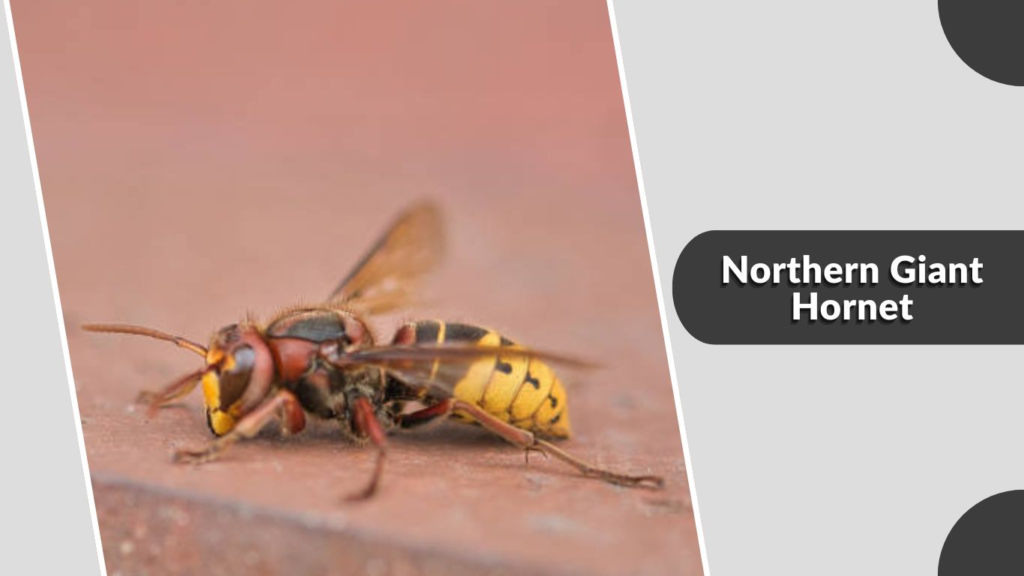
The northern giant hornet is a very large hornet species from Asia. It became widely known after being detected in North America, where officials worked to prevent it from becoming established.
Species Overview
The northern giant hornet is scientifically known as Vespa mandarinia. It is the same species often called the Asian giant hornet. The name “northern giant hornet” is now commonly used in some official and educational sources.
Habitat and Distribution
Northern giant hornets are native to parts of East Asia, including Japan, Korea, China, and nearby regions. They prefer forests, low mountains, and rural landscapes. Their nests are usually underground in abandoned burrows, root spaces, or hidden soil cavities.
Identification Features
- Very large hornet body
- Orange-yellow head
- Dark thorax
- Yellow and brown abdominal bands
- Large mandibles and strong wings
Behavior and Diet
Northern giant hornets are strong predators. They hunt bees, wasps, beetles, mantises, and other insects. They may attack honeybee colonies to collect food for larvae. Adults also feed on tree sap, fruit juice, and nectar.
14. Vespa Soror
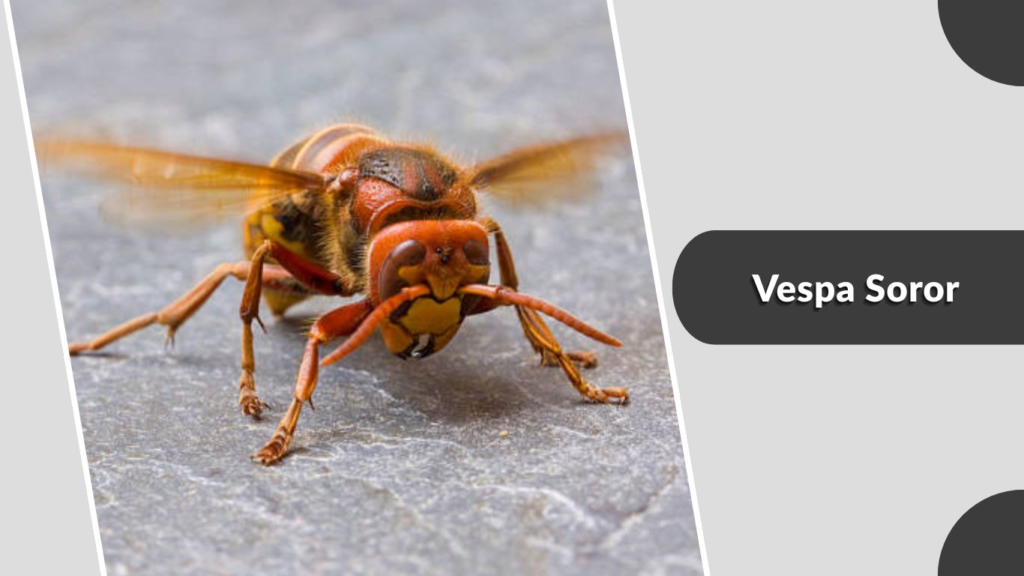
Vespa soror is a large hornet species closely related to the northern giant hornet. It is found in parts of Asia and is known for its powerful build, bold markings, and strong predatory behavior.
Species Overview
Vespa soror is sometimes called the southern giant hornet. It is a true hornet in the genus Vespa. Because of its size and similar appearance, it may be confused with Vespa mandarinia, but it is a separate species.
Habitat and Distribution
Vespa soror occurs in parts of South and Southeast Asia, including regions with forests, hills, and rural habitats. It often lives in warm, wooded areas where insect prey is common. Nests may be built in soil cavities, tree bases, or sheltered natural spaces.
Identification Features
- Large, heavy hornet body
- Orange-yellow head
- Dark thorax
- Broad yellow and dark abdominal bands
- Strong jaws for catching prey
Behavior and Diet
Vespa soror hunts bees, wasps, and other insects. Like other large hornets, it collects protein-rich prey for its larvae. Adults rely on sugary foods such as nectar, sap, and fruit juices for energy during active seasons.
15. Vespa Tropica
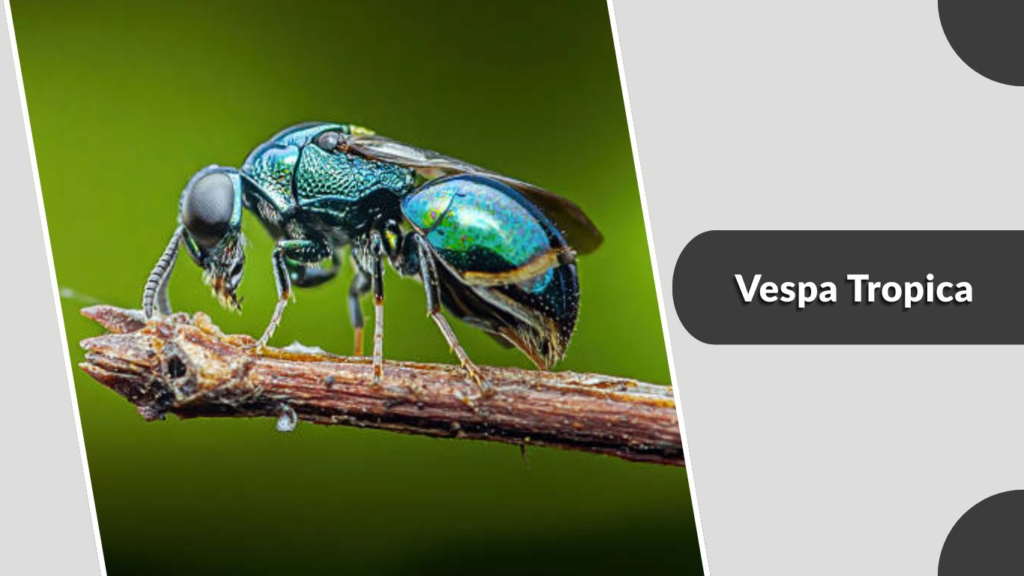
Vespa tropica is a large hornet species often known as the greater banded hornet. It is recognized by its dark body and broad yellow or orange band across the abdomen.
Species Overview
Vespa tropica is a true hornet found in tropical and subtropical parts of Asia. It is larger than many common wasps and has a strong, bold appearance. This species is known for preying on other social wasps.
Habitat and Distribution
Vespa tropica lives in South Asia and Southeast Asia. It can be found in forests, plantations, gardens, rural villages, and wooded edges. Unlike some hornets that build exposed nests, this species often nests in hidden cavities.
Identification Features
- Large dark hornet body
- Wide yellow or orange abdominal band
- Strong head and jaws
- Brownish wings
- Smooth, powerful body shape
Behavior and Diet
Vespa tropica is an active predator. It often attacks nests of paper wasps and other social wasps to collect larvae and adults as food. Adult hornets also visit flowers, fruit, and tree sap for sugars.
16. Vespa Velutina
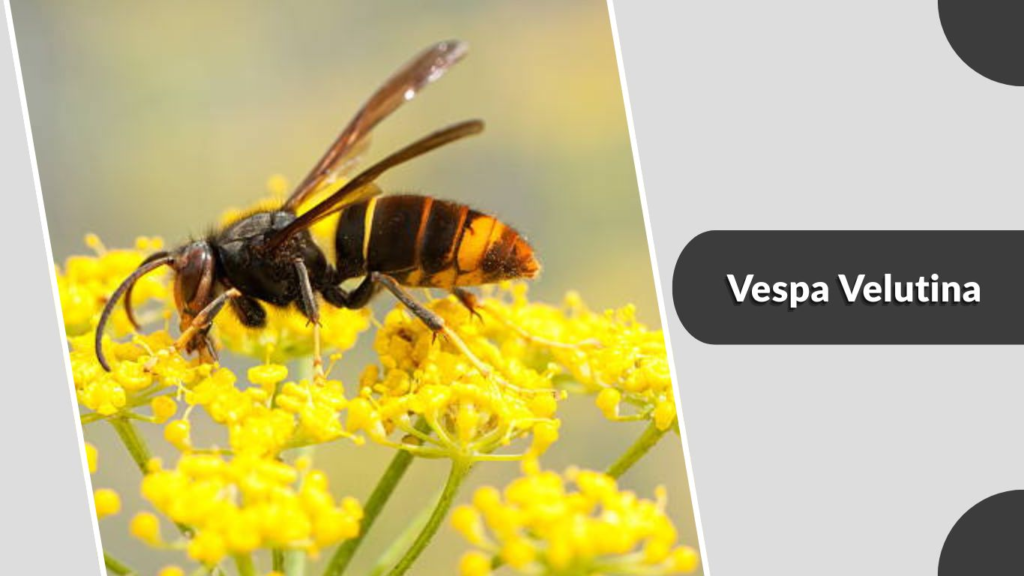
Vespa velutina is commonly called the yellow-legged hornet or Asian hornet. It is a dark hornet with yellow-tipped legs and is known in many places for its impact on honeybees.
Species Overview
Vespa velutina is a true hornet native to Asia. It has spread to parts of Europe, where it is considered invasive. This species is smaller than the northern giant hornet but can still be a major concern around beehives.
Habitat and Distribution
Vespa velutina lives in forests, orchards, farms, gardens, towns, and suburban areas. In its introduced range, it often adapts well to human-shaped landscapes. Nests are commonly built high in trees, but early nests may appear in sheds or roof spaces.
Identification Features
- Dark brown to black body
- Yellow tips on the legs
- Orange face
- Orange-yellow band near abdomen end
- Round paper nest, often high above ground
Behavior and Diet
Vespa velutina hunts bees, flies, wasps, and other insects. It is especially known for hovering near honeybee hives and catching returning workers. Adults also feed on nectar, ripe fruit, sap, and other sweet liquids.
17. Vespa Affinis
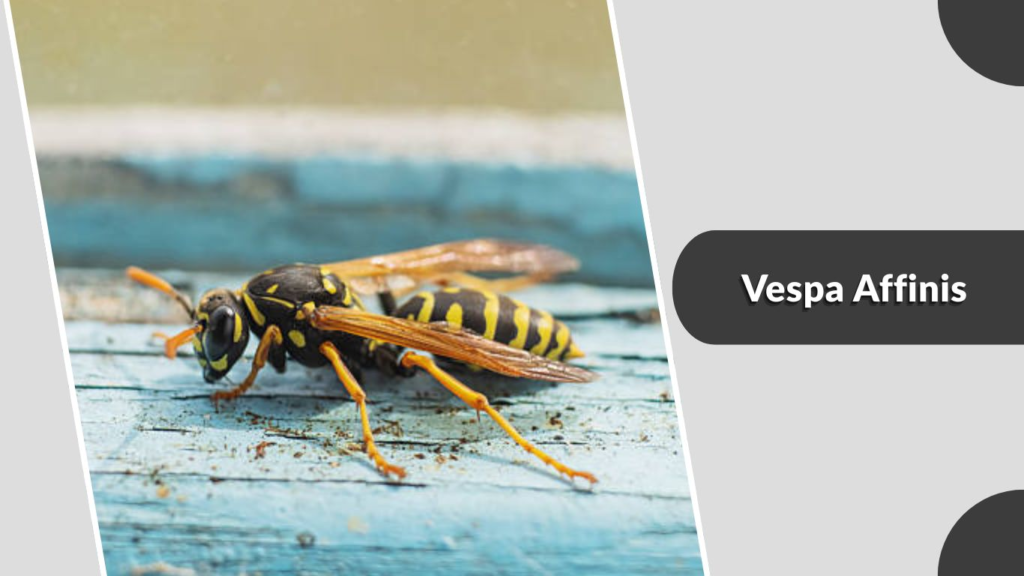
Vespa affinis, commonly known as the lesser banded hornet, is a true hornet found across many parts of Asia. It is recognized by its dark body and yellow-orange abdominal band.
Species Overview
Vespa affinis is a medium-sized hornet compared with larger species like the Asian giant hornet. It is common in tropical and subtropical regions and often lives close to human settlements. This hornet may sting if its nest is disturbed, so active nests should be avoided.
Habitat and Distribution
Vespa affinis is widely distributed across South Asia and Southeast Asia. It can live in forests, farms, gardens, villages, and urban areas. Its nests are usually made from paper-like material and may be built in trees, shrubs, roof corners, or other sheltered places.
Identification Features
- Dark brown to black body
- Yellow-orange band on the abdomen
- Slender waist and long wings
- Medium-sized hornet shape
- Paper nest often built above ground
Behavior and Diet
Vespa affinis hunts flies, bees, moths, caterpillars, and other insects. Adults also feed on sugary foods such as nectar, fruit juice, and tree sap. Colonies may become defensive when people or animals get too close to the nest.
18. Vespa Crabro
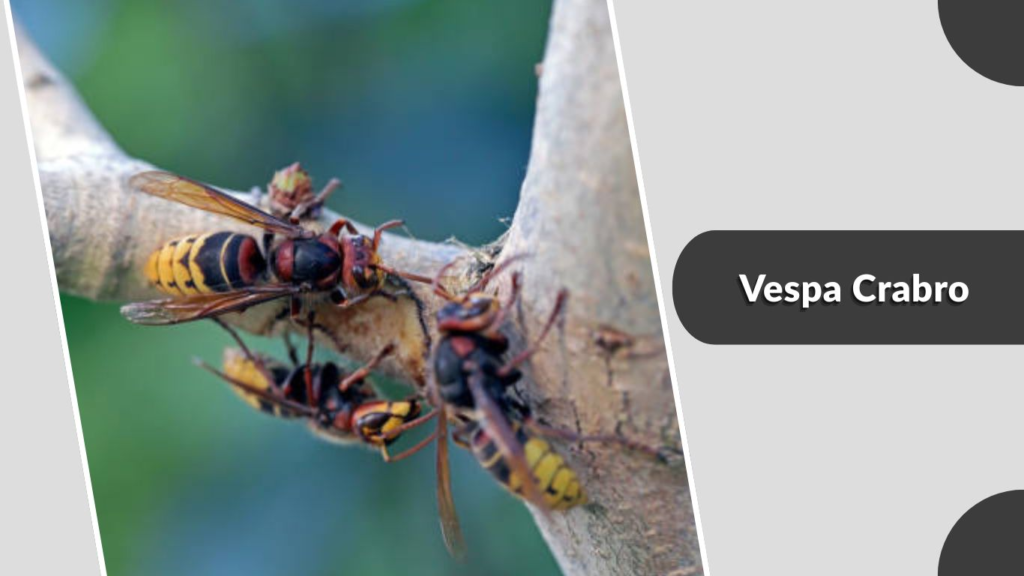
Vespa crabro, commonly called the European hornet, is one of the best-known true hornets. It is larger than most yellowjackets and has reddish-brown and yellow markings.
Species Overview
Vespa crabro is native to Europe and parts of Asia, and it is also established in North America. Although it looks intimidating, it is usually not aggressive away from its nest. However, it can sting painfully when handled or threatened.
Habitat and Distribution
Vespa crabro prefers forests, orchards, parks, farms, and suburban areas with mature trees. It often nests in hollow trees, wall voids, attics, barns, or other protected cavities. Colonies are most active during summer and early fall.
Identification Features
- Large body with reddish-brown markings
- Yellow abdomen with black bands
- Brownish wings
- Strong wasp-like waist
- Loud buzzing flight
Behavior and Diet
Vespa crabro hunts insects such as flies, bees, caterpillars, grasshoppers, and other wasps. Adults also feed on sap, nectar, and ripe fruit. At night, they may fly around porch lights or windows, making them more noticeable near homes.
19. Vespa Mandarinia
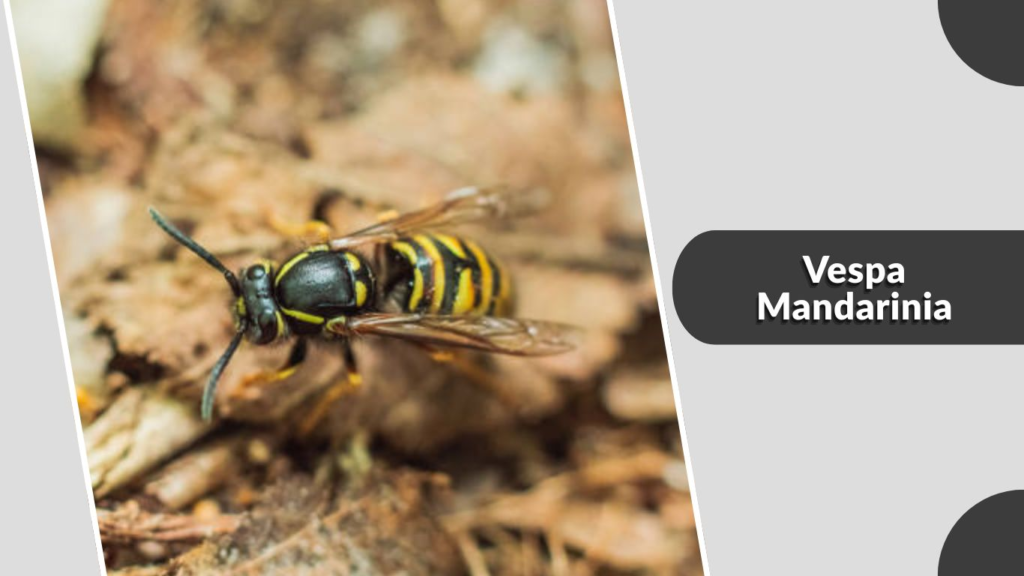
Vespa mandarinia is the scientific name for the Asian giant hornet or northern giant hornet. It is the largest hornet species and is known for its orange head, strong body, and powerful sting.
Species Overview
Vespa mandarinia is a true hornet native to parts of Asia. Queens can grow very large, and workers are also much bigger than common wasps. This hornet is often feared, but it mainly becomes dangerous when people approach or disturb its nest.
Habitat and Distribution
Vespa mandarinia lives in East Asia and nearby regions, including Japan, China, Korea, and surrounding areas. It prefers forests, mountain foothills, and rural landscapes. Its nests are usually underground in abandoned burrows, root spaces, or soil cavities.
Identification Features
- Very large hornet size
- Orange-yellow head
- Dark thorax
- Yellow and brown abdominal bands
- Large jaws and strong wings
Behavior and Diet
Vespa mandarinia is a powerful predator of insects. It hunts bees, wasps, beetles, mantises, and other prey. It is especially known for attacking honeybee colonies. Adults feed on sap, fruit juice, and nectar, while larvae eat protein-rich insect prey.
20. Vespa Simillima
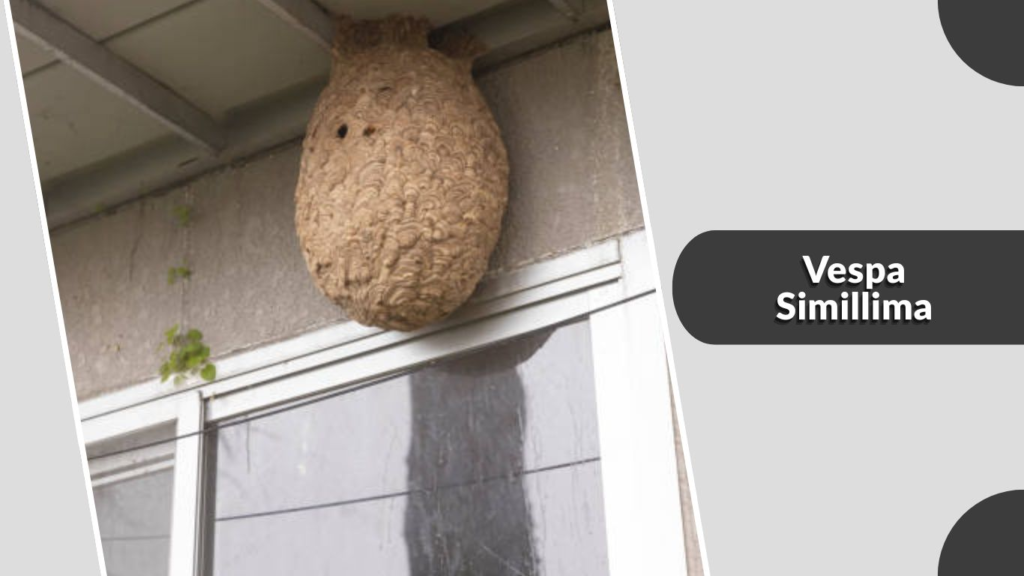
Vespa simillima, commonly called the Japanese yellow hornet, is a medium-sized true hornet found in Japan and nearby areas. It has yellow and dark markings and is often seen in wooded and rural habitats.
Species Overview
Vespa simillima is smaller than the Japanese giant hornet but still larger than many common wasps. It is an active predator and plays a role in controlling insect populations. Like other hornets, it can sting if its colony is threatened.
Habitat and Distribution
Vespa simillima is mainly found in Japan and parts of East Asia. It lives in forests, parks, farms, orchards, and mountain edges. Nests may be built in tree hollows, wall gaps, roof spaces, or underground cavities.
Identification Features
- Yellow and dark striped abdomen
- Yellowish face and head markings
- Medium-sized hornet body
- Brownish wings
- Narrow wasp-like waist
Behavior and Diet
Vespa simillima hunts flies, bees, caterpillars, and smaller wasps. Adults also feed on nectar, tree sap, and ripe fruit. During late summer and early autumn, colonies become more active and may be seen more often around food sources.
