
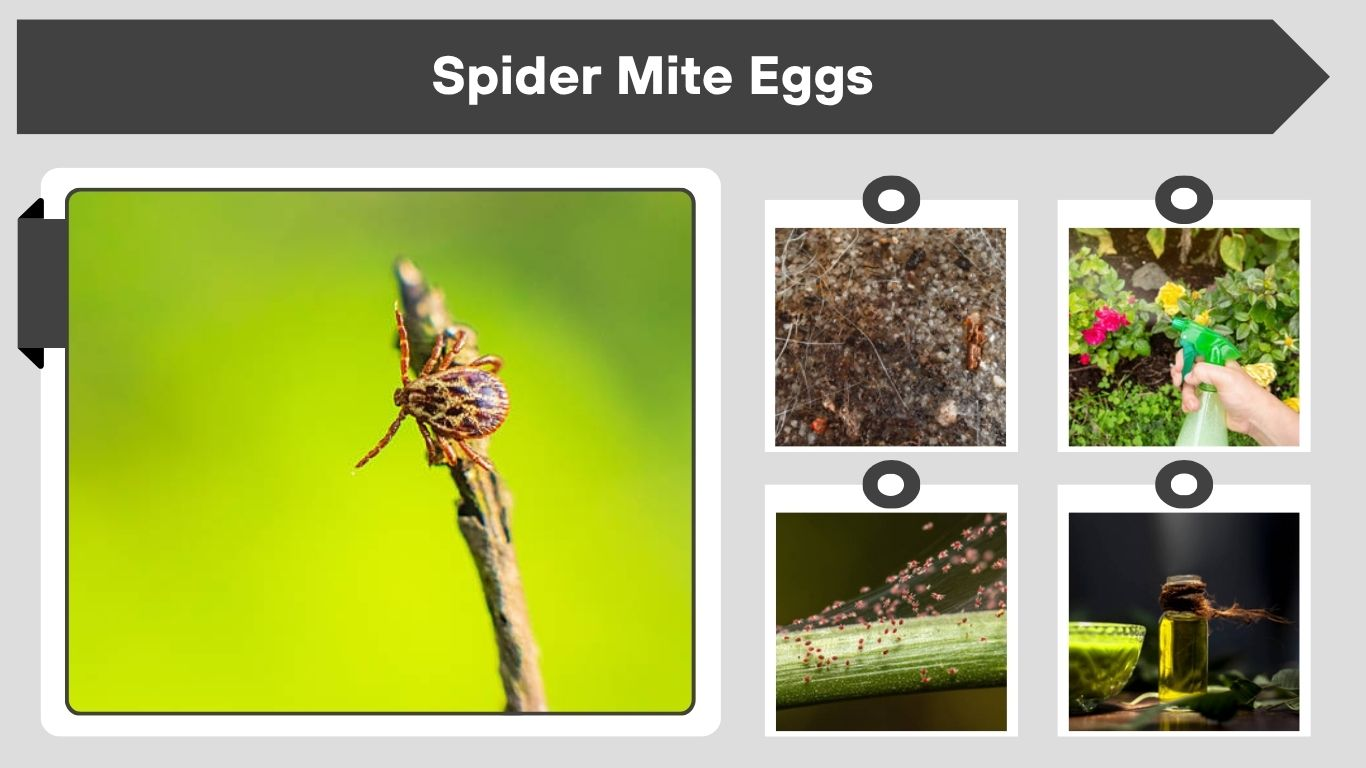
Spider mites are tiny, destructive pests that often infest plants, causing yellowing and speckling on leaves and damaging crops, houseplants, and garden plants. The problem often starts with the eggs laid by these mites. Identifying and managing spider mite eggs is crucial to preventing an infestation and protecting your plants from damage. This guide will help you understand how to identify spider mite eggs, what they look like, where to find them, and effective methods to kill them and prevent their spread.
What Do Spider Mite Eggs Look Like?
Identifying Spider Mite Eggs on Plants
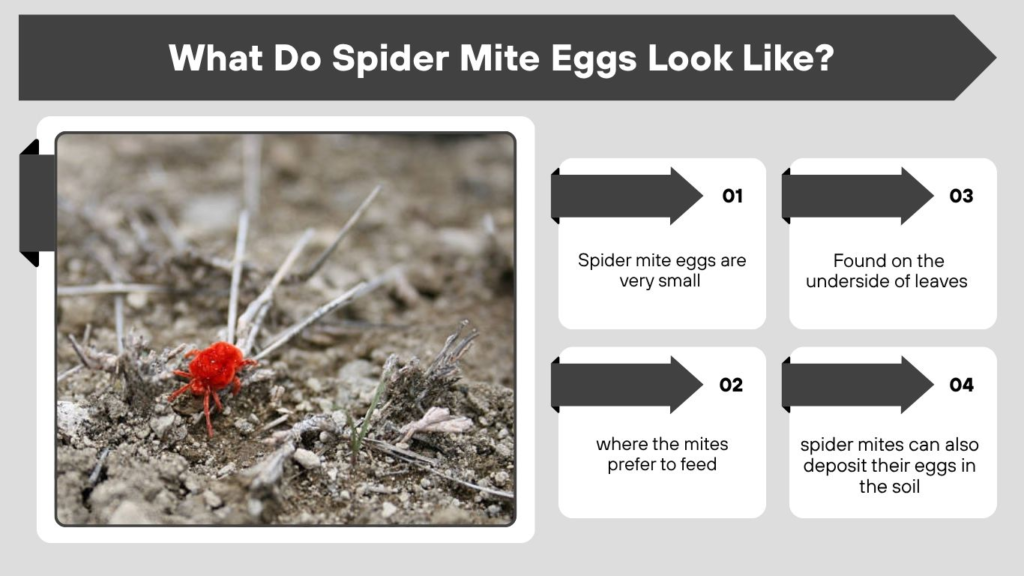
Spider mite eggs are very small and difficult to spot with the naked eye. Typically, they are translucent or clear and are found on the underside of leaves, where the mites prefer to feed. The eggs are usually round or oval in shape and can sometimes appear shiny or glossy, particularly when they are newly laid. Depending on the species of spider mite, the eggs may range in color from white to pale yellow.
Spider Mite Eggs in Soil
In addition to laying eggs on plants, spider mites can also deposit their eggs in the soil, especially around the root zone of plants. The eggs in the soil are harder to spot, but they can survive in the ground for extended periods. Soil-based eggs can hatch when conditions become favorable for the mites, such as when the temperature rises or when the soil moisture increases.
What Does a Spider Mite Egg Look Like Under a Microscope?
Due to their small size, spider mite eggs are best examined under a microscope. Under magnification, the eggs appear smooth, oval-shaped, and translucent. At this magnified level, you may also see visible structures inside the egg, which can help you identify the type of spider mite laying the eggs. Some mite species, such as the two-spotted spider mite, have distinctive egg features that can be seen under the microscope.
Where Do Spider Mites Lay Their Eggs?
On Leaves
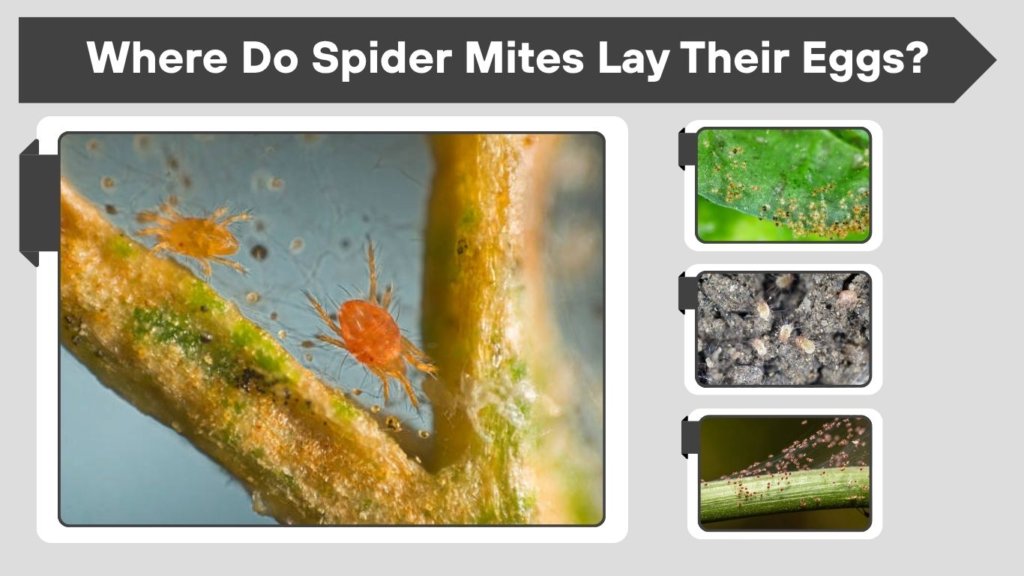
Spider mites typically lay their eggs on the underside of leaves, particularly where they have already been feeding. The eggs are often clustered together and are attached to the leaf surface using a sticky substance that the mites secrete. These areas tend to be sheltered, as the underside of leaves provides protection from environmental factors such as wind and rain.
In Soil
In some cases, spider mites may also lay eggs in the soil, near the base of the plant. This is common with heavy infestations, where the mites have exhausted the plant surface and begin to lay eggs in the root zone. If spider mites are infesting your plant, it’s crucial to check both the leaves and the soil for eggs, as they may be hiding in both areas.
In Plant Webbing
Spider mites often spin fine webbing around their feeding areas to protect themselves and their eggs. The eggs are sometimes deposited directly in the webbing, which is usually found in the corners of leaves or between branches. The webbing helps keep the eggs safe from predators, and spider mites will often continue to add more eggs to these webbed areas as they reproduce.
How Long Do Spider Mite Eggs Last?
Dormancy Period
Spider mite eggs can remain dormant for a significant amount of time, particularly under unfavorable conditions such as extreme cold. The eggs can survive for several weeks or even months without hatching if the temperature is too low or if there is insufficient food for the emerging larvae. However, once the environmental conditions become more favorable—such as with warmer temperatures or higher humidity—the eggs will hatch, and the mites will emerge.
Viability of Spider Mite Eggs
The viability of spider mite eggs largely depends on environmental factors such as temperature, humidity, and availability of food. In ideal conditions, spider mite eggs can hatch in as little as three days, but they can survive for a much longer period if the conditions are not optimal for hatching. Spider mite eggs are resilient and can endure for weeks, which is why managing them early is essential to preventing an infestation.
How Long Does It Take for Spider Mite Eggs to Hatch?
On average, spider mite eggs hatch within 3 to 4 days, though the exact time can vary based on environmental conditions. Warmer temperatures and higher humidity tend to accelerate the hatching process, while cooler, drier conditions can slow it down. This rapid hatching is one reason why spider mite infestations can escalate quickly, making early identification and treatment crucial.
What Kills Spider Mite Eggs?
Chemical Treatments
Chemical treatments can be highly effective at killing spider mite eggs. Products like Avid and Azamax are widely used to control both adult spider mites and their eggs. These products work by disrupting the mites’ ability to reproduce, effectively preventing the eggs from hatching. Be sure to follow the instructions on the product labels and apply them thoroughly to affected plants to ensure maximum effectiveness.
Organic Methods for Killing Spider Mite Eggs
If you prefer an organic approach, several natural remedies can help kill spider mite eggs without the use of harsh chemicals. Some of the most effective methods include:
- Neem Oil: A natural pesticide that disrupts the life cycle of spider mites, neem oil can be used to kill both the mites and their eggs. Apply it to the affected plant surfaces and under the leaves to target the eggs.
- Rubbing Alcohol: Rubbing alcohol is a potent remedy for spider mites. When sprayed on spider mites and their eggs, it dries out the eggs and kills the mites. Make sure to dilute the alcohol with water before applying it to your plants.
- Dish Soap: A mixture of mild dish soap and water can break down the outer layer of the spider mite eggs, leading to dehydration and death. Use this solution to spray the eggs directly.
- Hydrogen Peroxide: This common household product is effective in killing spider mite eggs by sterilizing the soil and plant surfaces. It also helps kill any larvae that may hatch.
Biological Control Agents
For those who prefer an eco-friendly approach, biological control agents such as ladybugs and predatory mites can help reduce spider mite populations. These natural predators feed on spider mites and their eggs, offering a more sustainable solution to control these pests. Introducing predatory mites like Phytoseiulus persimilis to your plants can help keep spider mite populations in check without harming the environment.
How to Get Rid of Spider Mite Eggs
Remove Visible Eggs from Plants
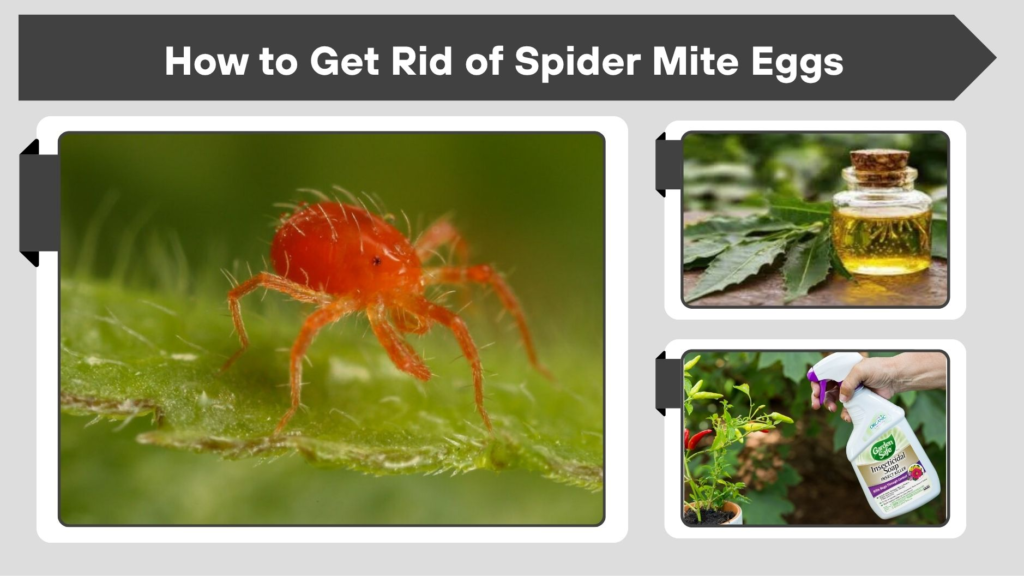
If you spot spider mite eggs on your plants, it’s essential to remove them manually. You can gently wipe the undersides of the leaves with a damp cloth or sponge to remove eggs. For more stubborn egg sacs, use a cotton swab dipped in soapy water or rubbing alcohol to gently wipe them away. This method helps reduce the number of eggs present on the plant’s surface.
Apply Treatment to the Soil
Since spider mites may lay eggs in the soil, it’s important to treat both the soil and the plant’s surface. Use a diluted solution of neem oil, insecticidal soap, or hydrogen peroxide to water the soil and eliminate any eggs hidden there. This treatment can help prevent the mites from laying new eggs in the soil, ensuring that the infestation doesn’t continue.
Use Diatomaceous Earth
Diatomaceous earth is a non-toxic powder made from fossilized algae that can be sprinkled around the base of plants. It works by scratching the exoskeletons of spider mites and eggs, causing dehydration and death. Applying diatomaceous earth to your plants and soil can help eradicate spider mite eggs and prevent further infestations.
What Kills Spider Mite Eggs?
Chemical Treatments
Chemical treatments are highly effective in killing spider mite eggs. Two commonly used products for this purpose are Avid and Azamax, both of which are systemic pesticides that target the entire life cycle of spider mites. These products are often recommended for more severe infestations. They can penetrate the plant tissue and eliminate spider mites and their eggs both on the surface and within the plant. Always follow the instructions on the label to avoid over-application, which can harm your plants.
Organic Methods for Killing Spider Mite Eggs
If you prefer an organic approach, several natural remedies can be effective in killing spider mite eggs. Here are some of the most popular options:
- Neem Oil: This natural oil disrupts the life cycle of spider mites by affecting their ability to reproduce. When applied to plants, neem oil coats the eggs and suffocates them, stopping them from hatching. It also repels adult mites, helping prevent reinfestation.
- Rubbing Alcohol: A solution of rubbing alcohol and water (about 70% alcohol to 30% water) can kill both spider mites and their eggs. The alcohol dissolves the waxy coating of the eggs, causing them to dry out and die. Spray it directly onto the eggs and affected areas.
- Dish Soap: Mix mild dish soap with water (a few teaspoons per gallon) and spray it on the leaves and undersides where the eggs are located. The soap breaks down the waxy exterior of the eggs, suffocating them.
- Hydrogen Peroxide: A diluted solution of hydrogen peroxide (about 3%) can be used to treat the soil and plant leaves. It sterilizes the environment and kills any spider mite eggs present in the soil or on the plant surface. However, be cautious not to overapply, as it can harm plants in excessive amounts.
Biological Control Agents
For an eco-friendly solution, consider introducing biological control agents like ladybugs and predatory mites. These natural predators feed on spider mites and their eggs, helping to control their population. For example, Phytoseiulus persimilis, a predatory mite, is particularly effective against the two-spotted spider mite, one of the most common types. Introducing these natural predators to your garden can help reduce the reliance on chemical treatments while maintaining ecological balance.
How to Get Rid of Spider Mite Eggs
Remove Visible Eggs from Plants
Once you’ve identified spider mite eggs on your plants, it’s crucial to remove them physically to limit further infestation. To do this:
- Use a Soft Cloth or Sponge: Lightly wipe the undersides of the leaves with a damp cloth or sponge to remove the eggs. Be gentle to avoid damaging the plant.
- Cotton Swab or Brush: For more stubborn eggs, use a cotton swab soaked in soapy water or rubbing alcohol to wipe the eggs off.
- Prune Affected Leaves: If the infestation is concentrated in a few areas, removing the most affected leaves can help reduce the overall egg count.
Apply Treatment to the Soil
Since spider mites also lay eggs in the soil, it’s essential to treat the soil as well as the plant itself. You can use the same organic solutions (neem oil, hydrogen peroxide, insecticidal soap) to water the soil around the base of the plant. This ensures that any eggs hidden in the soil are killed, preventing the mites from emerging once the eggs hatch.
Use Diatomaceous Earth
Diatomaceous earth is a natural, non-toxic substance that can be sprinkled around the base of plants and in the soil. It works by physically damaging the exoskeletons of insects, including spider mite eggs, causing dehydration and death. It’s safe to use around plants, pets, and beneficial insects, making it an excellent option for organic gardens.
Do Spider Mites Lay Eggs in Soil?
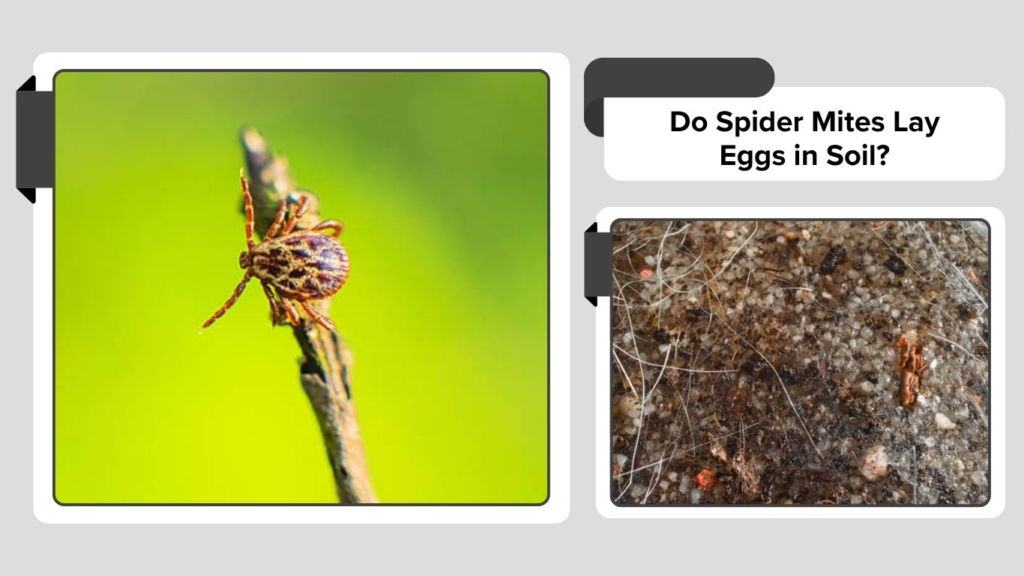
Yes, spider mites can lay their eggs in the soil, especially when they have exhausted the plant surface or when they are in the root zone. The eggs can survive in the soil until conditions become favorable for hatching. In severe infestations, spider mites may lay eggs in the soil to protect them from the environment and predators. To prevent a reinfestation, treat the soil with an appropriate solution such as neem oil or insecticidal soap, and remove any affected debris or soil buildup.
Spider Mite Egg Sacs: What Are They?
Spider mite egg sacs are small, silk-like enclosures where spider mites lay their eggs. These sacs help protect the eggs from environmental factors such as predators and harsh conditions. In severe infestations, spider mites will often create webbing around the eggs to provide additional protection. While spider mite egg sacs are not always visible to the naked eye, they are often present in heavily infested plants and may be found on the underside of leaves or within the plant’s webbing.
FAQs
1. What Do Spider Mite Eggs Look Like?
Spider mite eggs are tiny and typically translucent or pale yellow. They are usually round or oval, and their appearance can be glossy, especially when freshly laid. The eggs are often found on the undersides of leaves, attached to the plant surface by a sticky secretion.
2. Where Do Spider Mites Lay Their Eggs?
Spider mites typically lay their eggs on the undersides of leaves. These eggs are often placed in clusters and are secured with a sticky substance. Spider mites may also lay eggs in the soil, particularly around the root zone of affected plants. In severe cases, spider mites create webbing around their eggs for additional protection.
3. How Long Do Spider Mite Eggs Last?
Spider mite eggs can survive for several weeks or even months, depending on environmental conditions. They are resilient and can remain dormant during unfavorable conditions such as cold or dry weather. Once the conditions improve, the eggs will hatch, and the larvae will emerge, continuing the infestation.
4. What Kills Spider Mite Eggs?
Several methods can kill spider mite eggs, including chemical treatments like Avid and Azamax, as well as organic methods such as neem oil, rubbing alcohol, hydrogen peroxide, and dish soap. Biological control agents like ladybugs and predatory mites can also help control the egg population by feeding on the eggs.
5. How Long Does It Take for Spider Mite Eggs to Hatch?
Under optimal conditions, spider mite eggs typically hatch within 3 to 4 days. Warmer temperatures and higher humidity can speed up the hatching process, while cooler or drier conditions may slow it down. In ideal conditions, spider mites can reproduce quickly, making early intervention essential to prevent a full infestation.
